REVIEW · SIEM REAP
Bird Watching at Tonle Sap Forest and Lotus Farm Siem Reap
Book on Viator →Operated by Pitt Angkor Tour · Bookable on Viator
Birds wake up fast here. The best part is how quickly Tonle Sap feels alive. This outing pairs early birding with a calm, nature-focused boat circuit at Boeng Pearaing, one of the easiest bird-watching areas to reach from Siem Reap.
I especially like the Pearnang Biodiversity Conservation Center setting: peaceful grounds built around wetland and water birds, plus reptiles and fish. And I like that the experience is guided—when I hear guides like Seki (a wild-nature nature lover from one group I read) talk with real energy, it makes the sightings feel more organized and less random.
One consideration: you’ll start very early (sunrise pickup at 5:00 am, or a later sunset-style pickup at 13:00). Also, the tour notes recommend the best bird time is the dry season (March to May), so if you’re visiting outside that window, your bird variety can be more hit-or-miss.
In This Review
- Key things to know before you go
- Sunrise to Silk: How This Daybirding Works From Siem Reap
- Entering the Pearaing Biodiversity Conservation Center Area Near Tonlé Sap
- The Boat Excursion at Tonlé Sap Wetlands: Where Sightings Happen
- The Birds, the Reeds, and the People Who Make It Click
- Lotus Silk Farm: A Calm Cultural Reset After Birding
- Price and Value: Is $70 Reasonable for This Siem Reap Day?
- Timing Tips: Sunrise vs 13:00 Pickup
- Transportation Comfort and What to Expect on the Ground
- Who Should Book This Bird Watching and Lotus Experience
- Should You Book It? My Practical Take
- FAQ
- What time does the pickup start?
- How long is the experience?
- Where is the birding area located?
- Do I need to pay admission fees?
- Is transportation provided?
- Is this a private tour?
- Is it refundable if my plans change?
Key things to know before you go

- Two departure times: sunrise at 5:00 am or a later 13:00 pickup for the same overall birding vibe
- Boat time at Boeng Pearaing to watch birds from the water, not just from shore
- Pearnang center focus on wetland birds and other wildlife in a conservation setting
- Lotus Silk Farm stop adds culture and local agriculture alongside snacks and drinks
- Hotel pickup/drop-off in air-conditioned transport keeps the day stress-free
- Private tour format so it’s only your group, not a mixed crowd experience
Sunrise to Silk: How This Daybirding Works From Siem Reap
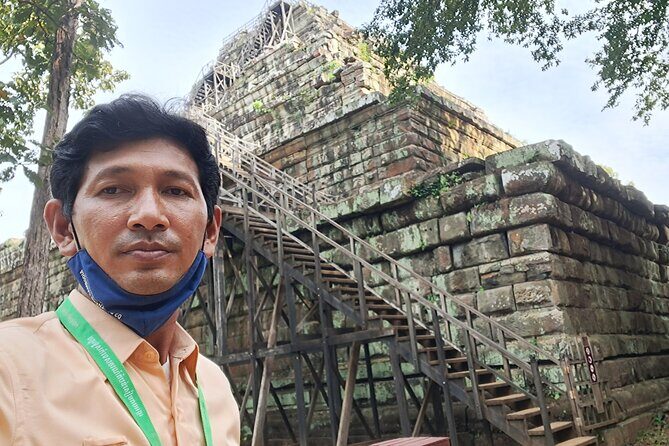
If you’ve ever watched birds and felt like you were arriving after the best moment, this tour fixes that with timing. You’re picked up from your hotel for a sunrise start at 5:00 am, or for a later pickup around 13:00 for a sunset-style outing. That choice matters because birds don’t behave like museum exhibits. They move, feed, and call at specific times—and the schedule is built around that rhythm.
Once you’re in motion, the day stays simple: you get transferred to the bird center, spend several hours on the water/grounds for bird watching, and then you end with a short stop at the lotus farm. Total time is listed as about 5 to 6 hours, and the birding portion itself is typically 3 to 3.5 hours, with transfers and breaks rounding out the day.
What makes this outing feel good value is that it doesn’t ask you to figure out logistics. You don’t need to hunt for boats, arrange guides, or guess where to stand. You show up, the guide handles the plan, and you focus on watching and learning.
You can also read our reviews of more tours and experiences in Siem Reap

Entering the Pearaing Biodiversity Conservation Center Area Near Tonlé Sap
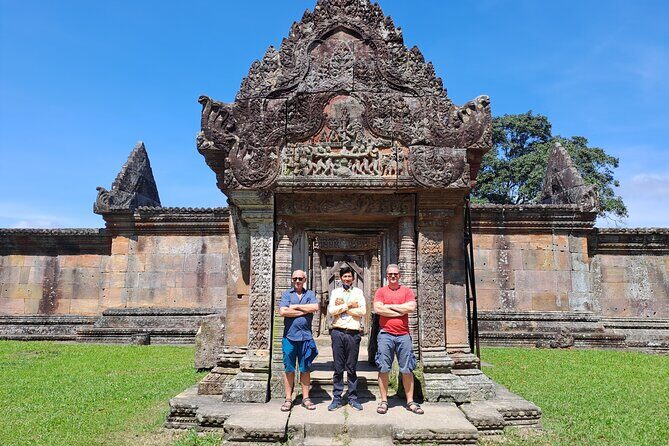
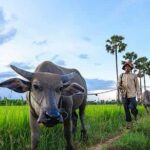
This birding outing is centered around Pearnang Biodiversity Conservation Center. It’s located about 13 km southeast of Siem Reap, and the tour info calls it the closest bird-watching area in the region. That detail is practical. When you’re based in Siem Reap, “close enough” can be the difference between a relaxed outing and a long, tiring day of travel.
The conservation focus is also part of what you’re paying for. The center is described as a peaceful home to hundreds of species of wetland and water birds, as well as reptiles and mother fish. Even if you don’t identify every bird by name, you can still enjoy the ecosystem context: you’re not just chasing one species. You’re in a wetland environment designed to protect habitat.
You’ll likely start with some orientation and then move into the core bird-watching time. One thing to watch for is comfort. Wetland birding can mean sitting quietly, looking up, scanning reeds or the waterline, and keeping your patience. The payoff is that boat and ground viewpoints make it easier to spot movement and calls.
The Boat Excursion at Tonlé Sap Wetlands: Where Sightings Happen
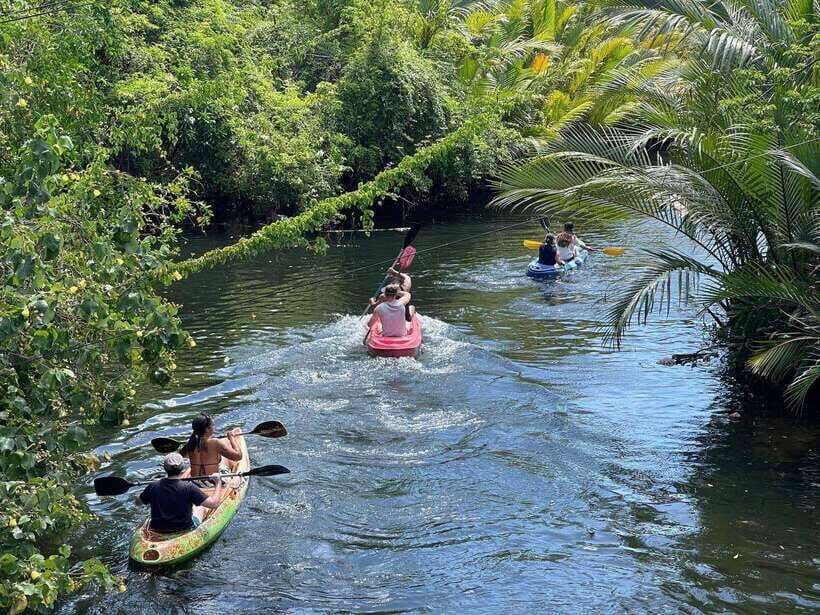
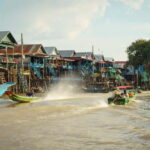
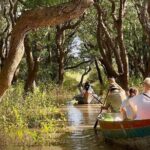
The main act is a boat cruise around part of Tonlé Sap’s potential wetland area. The pacing is described as slow, which is smart—birds and other wildlife notice sudden engine noise and fast movement. A slower cruise gives you time to observe without constant repositioning.
This is also where the tour gets consistently praised. In one group’s account, they highlighted sunrise on Tonlé Sap Lake as a great experience, with birds rising, singing, and flying. That’s exactly the kind of moment you’re trying to catch: not just a single sighting, but the energy of a feeding and calling cycle.
In practical terms, this boat segment matters for three reasons:
- You get water-level perspectives. Many birds are easier to detect as shapes or motion on the water or at the edge of reeds.
- You can follow activity. When birds react to feeding or changes in water movement, you’ll have a better chance if the boat is moving gradually.
- Your guide can steer the attention. A good guide helps you notice behavior—calls, flock movement, and where birds perch—rather than only pointing at distance dots.
If you’re thinking about what to bring, keep it straightforward: dress for early hours, bring sun protection for later pickups, and be ready for sitting and watching. This isn’t a sprint tour; it’s observation-first.
The Birds, the Reeds, and the People Who Make It Click
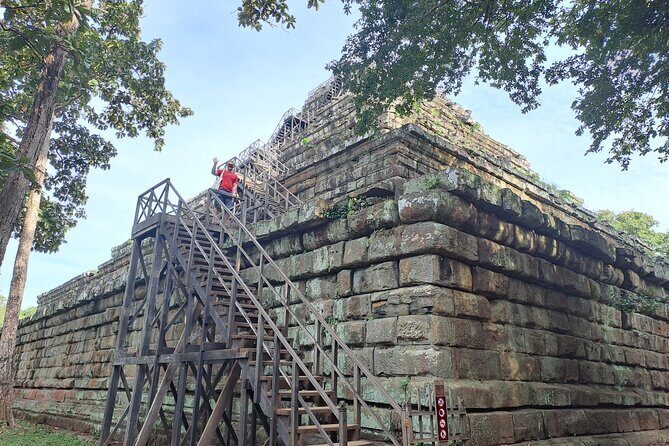
One of the biggest differences between a “bird tour” and a great bird day is the guide. The tour includes an experienced birding tour guide, and the accounts I read included specific names that stood out.
Seki was praised for passion, energy, and knowledge sharing—more than just listing birds, she helped create a feeling of wild nature in motion. Another guide, Parith, was described as full of knowledge and an enjoyable person to be around, with an excellent match to bird lovers. One of those groups also mentioned their driver, Lilly, as amazing. That combination—guide + smooth driving—matters because it keeps the day calm while you focus on spotting.
Even if you only know a few bird names, a skilled guide helps you read the scene:
- which areas birds tend to use (reed edges, water surface, movement corridors)
- how flocks behave (feeding vs. relocating)
- what to listen for (calls can lead you to movement)
And if you’re traveling with someone who doesn’t identify every bird, the guide still helps. Birding gets more satisfying when there’s a story for what you’re seeing: why that spot, what the birds are doing, and what the ecosystem is like.
Lotus Silk Farm: A Calm Cultural Reset After Birding

After the wetland focus, you get a short cultural stop at Lotus Silk Farm – Lotus Farm (by Samatoa). This is scheduled for about 1 hour, and it’s described as an authentic lotus silk experience.
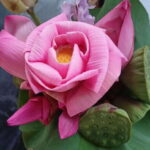
You can expect to see lotus blooming and enjoy snacks and drinks. The farm also includes interactive exhibits and demonstrations that explain Cambodian agriculture and how local life connects to lotus. In other words, it’s not just a photo stop. It’s a chance to shift gears from early-morning water watching to a slower look at plant-based livelihoods.
Why this stop works (especially after a boat day):
- You stretch your legs and reset after quiet observation.
- You get context for a key wetland plant that fits the Tonlé Sap story.
- You get a gentle cultural layer without turning the day into a long museum visit.
If you dislike farms or prefer strictly wildlife, you might find one hour short. But if you want value beyond birds—something to do that still relates to the environment—this is a good add-on.
Price and Value: Is $70 Reasonable for This Siem Reap Day?
At $70 per person, you’re paying for more than a place on a van. You’re paying for hotel pickup and drop-off, air-conditioned transport, an experienced birding guide, and the boat-focused birding portion with admission included for the main center.
Private tour format is the other big value lever. The tour is private, meaning only your group participates. That can be worth it if you’re traveling with family or friends who want a quieter pace (or if you don’t want to compete with other people for guide attention and spotting time).
A couple of practical notes on value:
- Your total time is about 5–6 hours, so you’re getting a full half-day experience, not a quick shuffle.
- The itinerary includes a lotus farm stop too, so the day feels complete even if bird activity is slower one morning.
- Tipping isn’t included, so plan a little for gratuities for guide and driver.
If you’re birding as a priority in Siem Reap, this price sits in the “worth it if you care about nature” category—especially because the schedule is built around bird behavior rather than just convenience.
Timing Tips: Sunrise vs 13:00 Pickup
You’ll have two pickup options:
- Sunrise pickup at 5:00 am
- A later pickup around 13:00 (sunset-style)
Sunrise is often the most exciting for birders because activity tends to build early. One account described sunrise on Tonlé Sap as incredible, with birds rising, singing, and flying. That kind of morning behavior is why the tour offers an early start.
The 13:00 pickup can still be very rewarding. Birds shift patterns across the day, and the tour still includes the boat segment and the conservation area time. If you hate early mornings, this option keeps the experience without forcing a pre-dawn start.
What I’d do: choose based on your energy level. If you can handle early start time and want maximum chance at active birds, go sunrise. If you’d rather sleep in and still enjoy Tonlé Sap, go with the later pickup.
Transportation Comfort and What to Expect on the Ground
The tour includes good air-conditioned transportation for the pickup and transfer. Tuk-tuk is listed as available upon request, which can be a nice alternative if you like more open-air travel, but the air-con option helps when you’re doing an early pickup and you just want to stay comfortable.
The experience also notes that most travelers can participate and that service animals are allowed. It’s a straightforward outdoor day, so the main thing is being ready for standing around looking, sitting in a boat for part of the time, and walking a bit on the farm and conservation grounds.
If you’re the type who gets cold early, bring a light layer for sunrise. If you’re visiting in warmer months, plan for sun protection and water, especially if you go later in the day.
Who Should Book This Bird Watching and Lotus Experience
This tour fits best if you:
- care about bird watching and want a guided day built around it
- want a Tonlé Sap experience that doesn’t require planning a boat on your own
- like pairing nature with a short, practical cultural stop
- prefer a private tour so you can go at your group’s pace
It may not be ideal if you want:
- a long, detailed farm program (the lotus visit is about 1 hour)
- a purely classroom-style nature talk (this is primarily outdoor observation)
- a flexible, last-minute change to dates (the experience is non-refundable)
Should You Book It? My Practical Take
If birds are on your Siem Reap checklist and you’d rather spend your time watching than figuring out logistics, I think this is a solid booking choice. The strengths are clear: boat-based birding, a conservation setting near town, and a guide-led experience that can turn sightings into understanding.
I’d book it if you can commit to the timing—especially the 5:00 am option. And I’d feel confident booking even if bird activity seems quieter than you hoped, because the day includes the lotus farm visit with snacks and cultural learning, so the outing doesn’t collapse into only waiting.
If you’re visiting outside the dry-season window (March to May), I’d still go, but keep expectations flexible. Wetland wildlife is affected by seasons, and the tour specifically calls out dry season as the best time to see birds.
FAQ
What time does the pickup start?
You can be picked up from your hotel at 5:00 am for sunrise, or around 13:00 noon for the later option.
How long is the experience?
The outing is listed as about 5 to 6 hours total, with the birding portion typically running 3 to 3.5 hours.
Where is the birding area located?
The birding is centered around Pearnang Biodiversity Conservation Center, about 13 km southeast of Siem Reap.
Do I need to pay admission fees?
Admission for the main bird center is listed as included, and the first stop includes admission ticket free. The lotus farm stop is also described with admission ticket free in the schedule.
Is transportation provided?
Yes. You get hotel pickup and drop-off in good air-conditioned transportation (tuk-tuk is available upon request).
Is this a private tour?
Yes. It’s a private tour/activity, so only your group participates.
Is it refundable if my plans change?
No. The experience is non-refundable and cannot be changed for any reason; the amount paid will not be refunded.