REVIEW · SIEM REAP
Angkor Wat 2 Days and a Half Temples & Tonle Sap-Small Group Tour
Book on Viator →Operated by Journey Cambodia · Bookable on Viator
Sunrise at Angkor Wat is the big payoff. This small-group 2.5-day plan strings together sunset and then a pre-dawn entry for the iconic UNESCO ruins, plus several temple stops that are less crowded. I especially like that you get real guiding and smooth logistics, with hotel pickup, an air-conditioned vehicle, and an experienced English-speaking guide.
I also like how the days are paced. Day one leans into atmospheric, less-mainstream sites like Banteay Srei and Preah Khan, while day two hits the must-sees like Ta Prohm, Angkor Thom, Bayon, and then Angkor Wat in the best light.
One consideration: the $79 tour price does not include the temple pass, which must be paid directly at the sites ($62 per person). If you’re budgeting tightly, that extra cost matters.
In This Review
- Key highlights worth planning for
- Two-and-a-Half Days That Fit a Smart Siem Reap Rhythm
- Sunrise at Angkor Wat: The Early Start You’ll Thank Yourself For
- Day One Temples Beyond Angkor Thom: Pre Rup to Preah Khan
- Pre Rup: A mountain-style temple feeling
- Banteay Srei: Small structure, big craftsmanship
- Neak Pean: A Buddhist island on an artificial lake
- Preah Khan: Tree roots and crumbling stone
- Day Two Through Angkor Thom: Eastern Gate, Bayon Faces, and Ta Prohm
- Srah Srang: Break time that’s still in the story
- Ta Prohm: Jungle-enveloped and highly atmospheric
- Angkor Thom: Eastern gate quick hit
- Bayon: More than 200 enormous faces
- Day Three on Tonle Sap: Kampong Phluk by Boat
- Guides and Driving: The Difference Between Seeing and Understanding
- Price, Temple Pass, and What This Costs You in Real Life
- Who Should Book This Angkor and Tonle Sap Tour?
- Should You Book This Tour?
- FAQ
- Is hotel pickup and drop-off included?
- What time does the tour start?
- Is the temple pass included in the $79 price?
- Are meals included?
- What’s included for the Tonle Sap floating village visit?
- How big is the group?
- Is there anything included besides temples and the lake?
Key highlights worth planning for
- Sunrise at Angkor Wat with pre-dawn departure: you start from your hotel before daylight for a low-crowd walk into the temple.
- Torch-light entry and an eastern-side route: the morning includes walking in darkness with light from your torch and focuses on a rarely visited side.
- Day one temples outside the main Angkor Thom circuit: Pre Rup, Banteay Srei, Neak Pean, and Preah Khan get you off the busiest paths.
- Ta Prohm with jungle atmosphere: you get time in one of the most visually dramatic Angkor temples.
- Tonle Sap and Kampong Phluk by boat: a countryside drive plus boat cruise to floating villages on one of Cambodia’s key lakes.
- Small group size (max 15): fewer people makes it easier to hear your guide and keep the day moving.
Two-and-a-Half Days That Fit a Smart Siem Reap Rhythm
This tour is built for the reality of a short stay: you get the headline moments, but you’re not stuck doing a single cookie-cutter loop. You’ll start with a hotel pickup and then spend about three days total on the ground, mixing temple time with a Tonle Sap day that shifts the scenery from stone to water and daily village life.
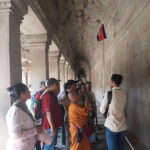
What I like most is the balance between “wow” and “understand.” Angkor Wat at sunrise is pure spectacle. But the itinerary also includes places like Banteay Srei and Neak Pean that feel calmer and let your guide explain what you’re seeing instead of rushing past it.
Also, the tour is capped at 15 travelers, so you’re not fighting for attention. You’ll have bottled water and a cool towel along the way, which is handy in Cambodia’s heat.
You can also read our reviews of more tours and experiences in Siem Reap
Sunrise at Angkor Wat: The Early Start You’ll Thank Yourself For
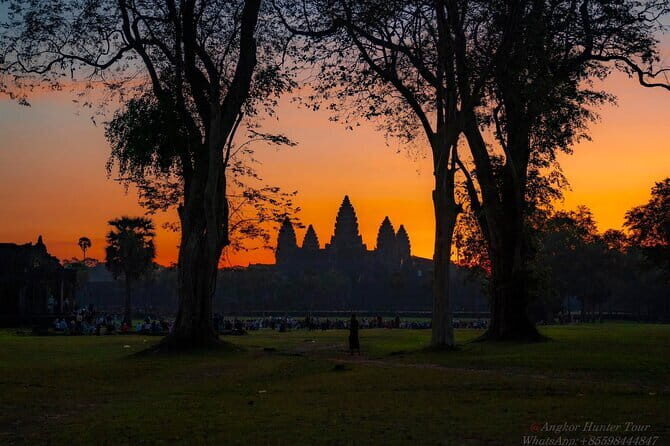
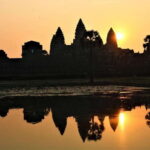
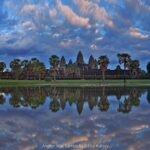
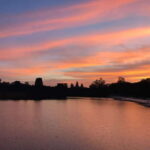
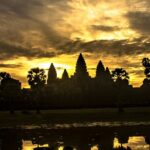
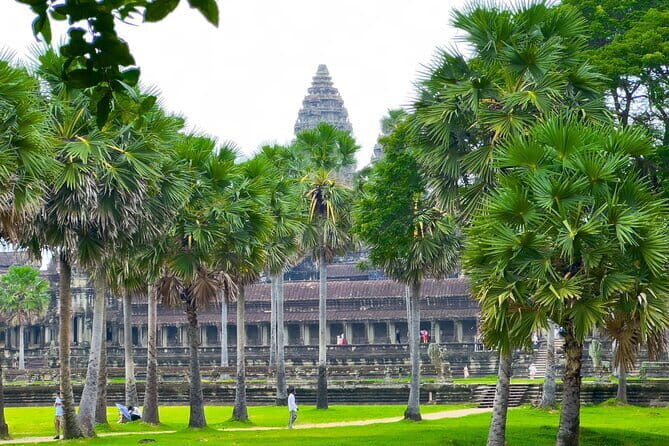
The second day begins with a pre-dawn departure from your hotel to see sunrise outside Angkor Wat. You’ll enter the great temple before full daylight, with light from your torch, and walk through the eastern side—described as a route that’s rarely visited.
Why that matters for you: sunrise isn’t just a time of day, it changes the whole experience. The temple looks different in low light, shadows stretch across stone surfaces, and the atmosphere feels more hushed than daytime sightseeing. The pre-dawn start also helps you see the temple before the busiest waves of tour groups fully arrive.
You’ll get a block of time for this visit—about three hours—which is enough to see it evolve from dark to daylight without feeling like you’re being herded. The tour approach here is simple: arrive early, walk the key areas with your guide, and let the morning light do the work.
Day One Temples Beyond Angkor Thom: Pre Rup to Preah Khan
Day one is all about temperature and texture—stone, carvings, roots, and ruins—starting with temples outside the Angkor Thom city area. You’ll visit four stops, with about an hour at Pre Rup, two hours at Banteay Srei, and shorter visits at the later temples.
Pre Rup: A mountain-style temple feeling
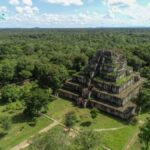
Pre Rup is introduced as a state temple and a mountain temple made of brick, laterite, and sandstone. Even with a relatively short visit (about one hour), it sets the tone: you’re not only looking at buildings, you’re getting a sense of how Angkor’s temple design aimed to create height, symbolism, and drama.
If you want a quick way to understand Angkor’s variety, this stop helps. It’s not the same look as Bayon’s face towers or Ta Prohm’s jungle scene. It gives you a different angle on the architecture.
Banteay Srei: Small structure, big craftsmanship
Banteay Srei is one of the highlights of the day. You’ll spend around two hours here, and the emphasis is on the intricate reliefs and the fact that the temple is smaller and made of sandstone, with carvings considered among the finest in Cambodia.
For me, this is a “slow looking” temple. The carvings reward close attention, and the extra time matters. If you tend to rush, you’ll miss details. But if you like stopping, focusing on ornament and layout, this stop is a good match.
Neak Pean: A Buddhist island on an artificial lake
Neak Pean is described as an artificial island with a Buddhist temple on a circular island. It’s a shorter stop at about one hour, but the setting is the point. You see a different side of Angkor’s religious landscape, and it feels removed from the biggest crowds.
Preah Khan: Tree roots and crumbling stone
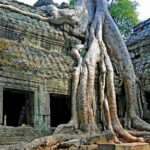
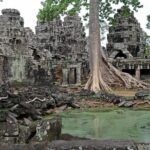
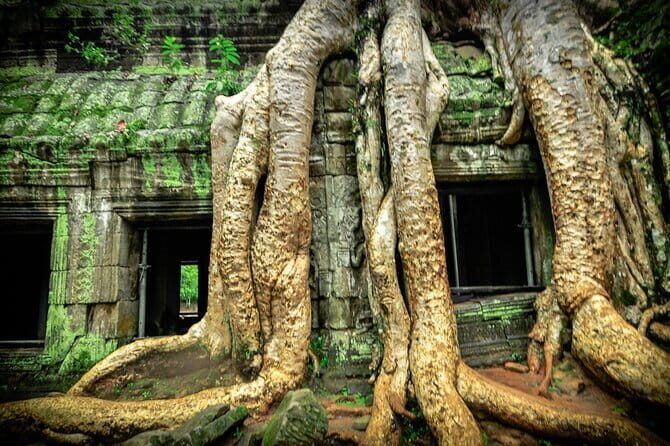
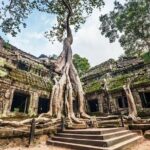
You end day one at Preah Khan, a ruined temple with a highly atmospheric mix of tree roots and crumbling stone structures. Again, expect about one hour. This is the kind of stop where you’ll appreciate your guide’s context, because the ruins can look chaotic until someone explains the logic behind the layout.
Day one also includes a sunset over ancient ruins. Even without a separate named sunset stop listed here, it fits the arc of the day: you spend hours among the stones, then the light turns softer and the ruins look like they belong to a different time.
Day Two Through Angkor Thom: Eastern Gate, Bayon Faces, and Ta Prohm
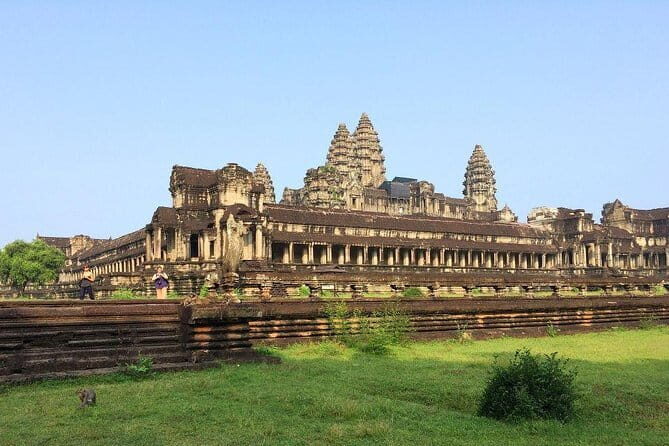
Day two is the powerhouse morning and the best-known ruins in the Angkor complex.
After the sunrise at Angkor Wat, the schedule includes breakfast at a Khmer local restaurant, then a rest and a set of temple visits through the heart of Angkor’s visual identity.
Srah Srang: Break time that’s still in the story
Srah Srang is the next named stop. You’ll have breakfast there, then a short visit (about one hour). Even if meals aren’t included, the fact that the day includes a built-in breakfast stop means you’re not scrambling for food after an early wake-up.
Ta Prohm: Jungle-enveloped and highly atmospheric
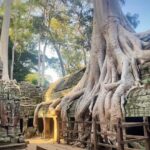
Ta Prohm is one of the most visually famous sites in the whole region, and you’ll spend about one hour here. The tour frames it as jungle-enveloped, and that’s the core appeal: tree roots and stone create a scene that looks more alive than many other Angkor structures.
This is a good temple to watch with your guide in the early part of your visit. It’s easy to get stuck staring at the trees. Your guide can help you notice the temple’s layout and why this kind of “nature plus architecture” image became part of the world-famous Angkor look.
Angkor Thom: Eastern gate quick hit
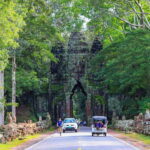
You’ll then visit the eastern gate of Angkor Thom for about 20 minutes. This is short, but it gives you orientation. Angkor Thom is a bigger world, and a gate stop helps you connect the dots between the sites you saw earlier and the face-tower centerpiece that follows.
Bayon: More than 200 enormous faces
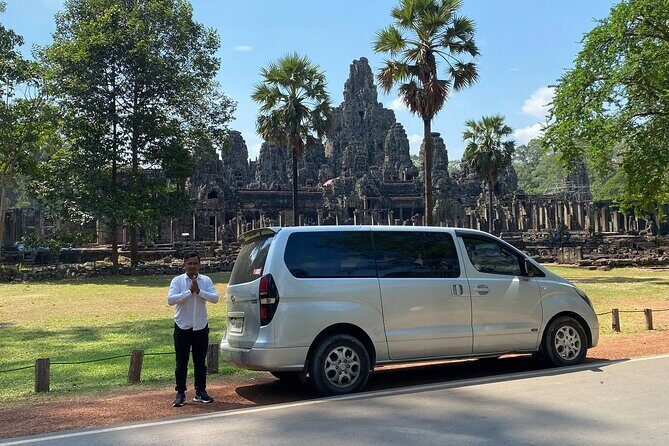
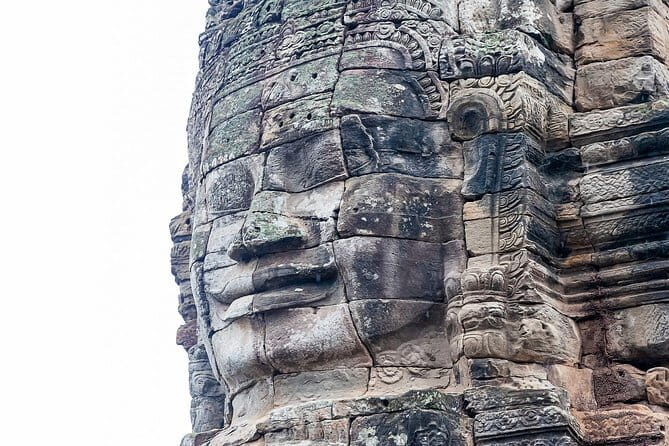
Finally, you’ll reach Bayon Temple. The tour highlights the central towers covered in more than 200 enormous faces, and you’ll have about one hour here.
The key value for you: Bayon can feel confusing if you only look at faces. Your guide’s job is to help you see symmetry, placement, and how the towers relate to the rest of Angkor Thom. With a dedicated time block, it stops being a photo sprint and becomes something you can actually process.
Day Three on Tonle Sap: Kampong Phluk by Boat
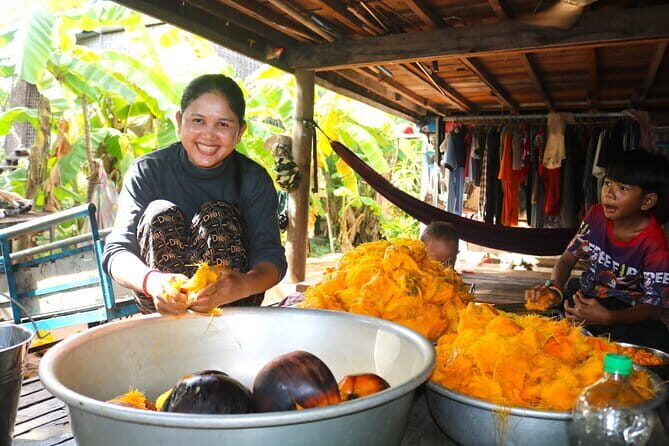
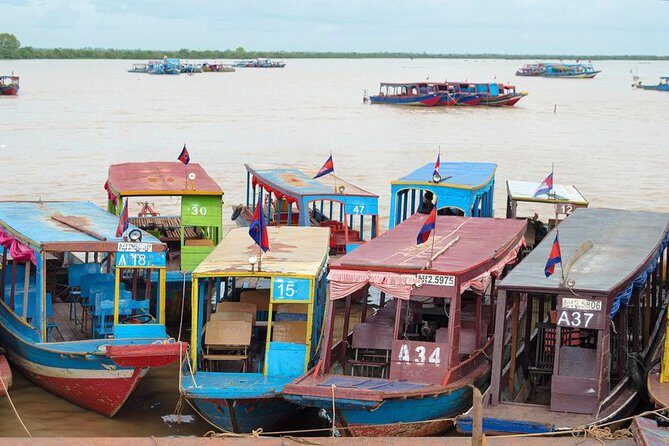
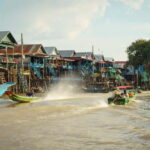
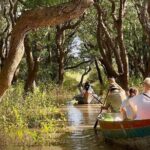
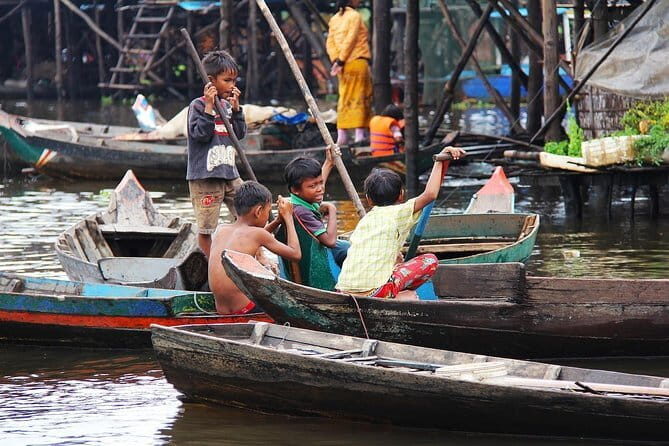
On day three, the scenery changes hard—in a good way. You’ll head out into the countryside toward Tonle Sap Lake, described as the world’s second-largest freshwater lake. Then you’ll boat to Kampong Phluk, a collection of three small fishing villages.
The boat day is a major part of the tour, with about four hours total for Kampong Phluk and the ride on the water. The tour includes Tonle Sap entrance fee and boat cruise, so you’re not left doing extra payments for the main activity.
Why this day is a smart pairing with Angkor:
Angkor can dominate your brain because it’s all stone and ancient design. Tonle Sap flips the switch to daily life and water-based living. You get a sense of how Cambodia lives now, not just how it lived centuries ago.
It’s also simply a change of pace. If you’ve been walking temple steps for two days, a boat cruise gives your legs a break while still keeping the trip interesting.
Guides and Driving: The Difference Between Seeing and Understanding
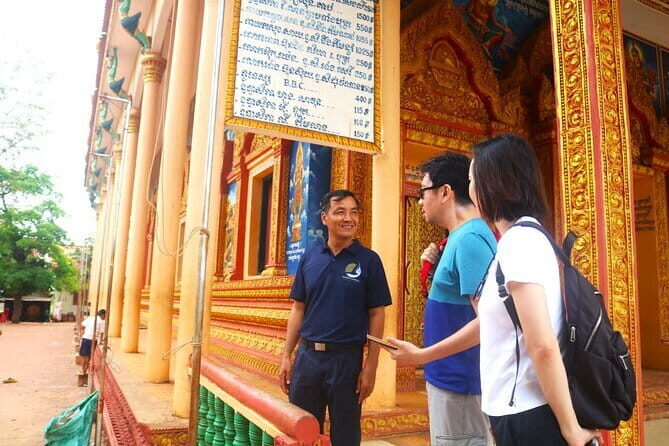
A standout theme from the tour experience is the quality of the guide and the ease of getting around. In a full-score experience shared by one guest, the guide named Sak is praised for strong English and for being well educated on the temples, their history, and Cambodian culture. The driver named Mao is praised as a fantastic driver who helps keep everything running smoothly.
You don’t need to meet these exact people to benefit. The real point for your planning is simple: with Angkor, good guiding changes everything. Without it, some sites can blend together fast. With it, you start recognizing architectural patterns, religious shifts, and why certain places feel more atmospheric than others.
And since the tour includes hotel pickup and drop-off plus air-conditioned transport, you’re spending less energy on logistics and more time on the ruins and the lake.
Price, Temple Pass, and What This Costs You in Real Life
The tour price is $79 per person, and it’s often booked about 68 days in advance. It’s also a small-group experience (max 15), which usually means the cost isn’t competing with huge coach tours.
But the big budgeting detail: the temple pass is not included. The pass is listed as $62 per person, paid directly at the sites. So your realistic total for the temples is $79 plus the temple pass cost.
What’s included with the $79:
- air-conditioned vehicle
- experienced English-speaking guide
- hotel pickup and drop-off
- sunset and sunrise
- bottled water and a cool towel
- Tonle Sap entrance fee and boat cruise
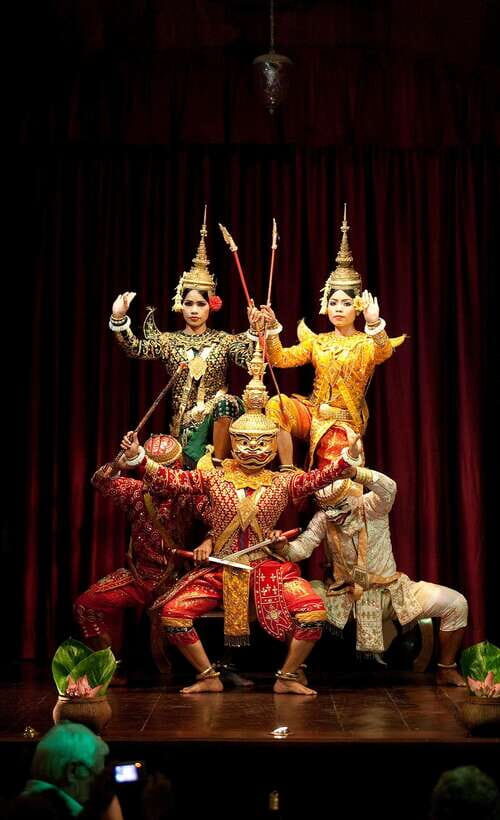
- Cambodia phare circus (Seat C) in the dry season
What’s not included:
- meals (you choose where to eat)
- temple pass ($62 per person paid at the site)
For value, I’d think of it like this: you’re paying for (1) guided sunrise and sunset access timing, (2) the curated temple sequence, and (3) the Tonle Sap boat day where the entrance and cruise are included. You’re not paying extra just for transport boxes and random stops.
If you’re the type who wants to handle tickets on your own and build your own schedule, you could potentially do it cheaper. But if you want the timing (especially sunrise) and a logical route, this kind of packaged small-group day often saves you hassle.
Who Should Book This Angkor and Tonle Sap Tour?
This tour fits best if you want three things:
1) Sunrise at Angkor Wat without the stress of figuring out timing and logistics on your own
2) Temple variety, including calmer sites like Banteay Srei and Preah Khan, not only the biggest names
3) A change of pace to Cambodia’s water life at Tonle Sap and Kampong Phluk
You might especially enjoy it if you like photos but care more about understanding what you’re seeing than only collecting images. With the included guide time and the number of distinct stops, you get a good chance to learn the why, not just the where.
If you prefer long, slow, unstructured temple wandering with zero early mornings, this may feel a bit scheduled. The early pre-dawn departure for sunrise is a non-negotiable part of the plan.
Should You Book This Tour?
I’d book it if you want a well-run small-group Angkor experience with sunrise and sunset built in, plus the Tonle Sap boat day that adds variety beyond the temples. The included transport, water, and guide support make it feel organized, and the route gives you both iconic moments and temples that add flavor to the story.
Hold off if $62 for the temple pass will stretch your budget, or if you strongly dislike early starts. In that case, you may want a different tour structure that’s cheaper up front—or plan your own Angkor day with separate ticketing.
FAQ
Is hotel pickup and drop-off included?
Yes. The tour includes convenient hotel pickup and drop-off services.
What time does the tour start?
The tour start time is listed as 8:00 am.
Is the temple pass included in the $79 price?
No. The temple pass must be paid directly to the site and is listed as $62.00 per person.
Are meals included?
No. Meals are not included, and you can choose your own options.
What’s included for the Tonle Sap floating village visit?
Tonle Sap entrance fee and the boat cruise are included, along with the boat trip to Kampong Phluk.
How big is the group?
The maximum group size is 15 travelers.
Is there anything included besides temples and the lake?
Yes. Cambodia phare circus (Seat C) is included in the dry season.