REVIEW · SIEM REAP
3-Day Angkor Wat Tour with Kulen Mountain & Floating Village
Book on GetYourGuide →Operated by BREKSA TRAVEL · Bookable on GetYourGuide
Early mornings in Siem Reap hit hard. This 3-day tour is built around the Angkor Wat sunrise and then a smart mix of major temples with quieter countryside stops, so you’re not only chasing famous stone.
I like the way the day-by-day plan balances temple intensity with breaks that actually help you keep going, including local breakfast on Day 1. One thing to consider: the schedule starts around 4:30–5:00 am, and you’ll be walking and riding all three days, so it’s not a slow, sit-behind-the-glass kind of trip.
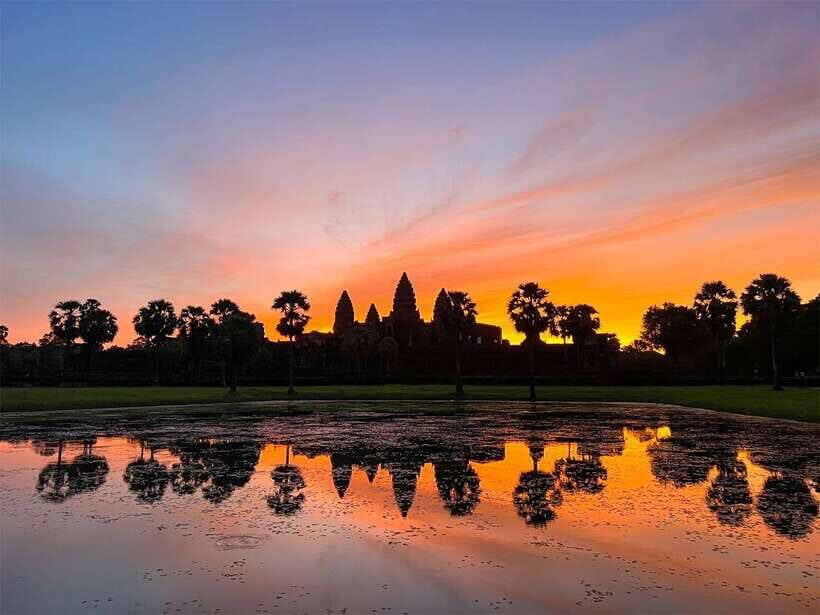
Sunrise strategy at Angkor Wat gives you temple photos before the big crowd wave.
Small group up to 10 keeps the experience calmer than mega-bus tours.
Countryside temple mix on Day 2 includes Preah Khan, Neak Pean, Ta Som, and East Mebon before Banteay Srei.
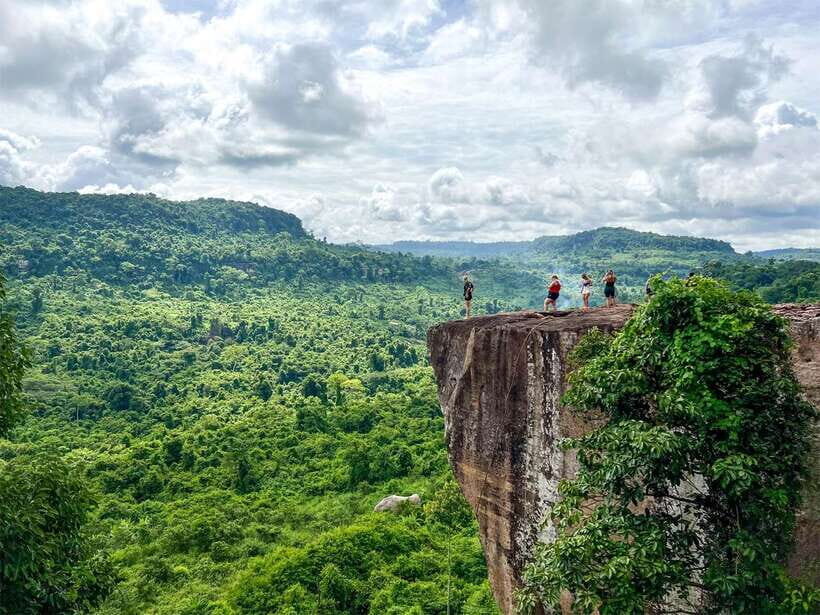
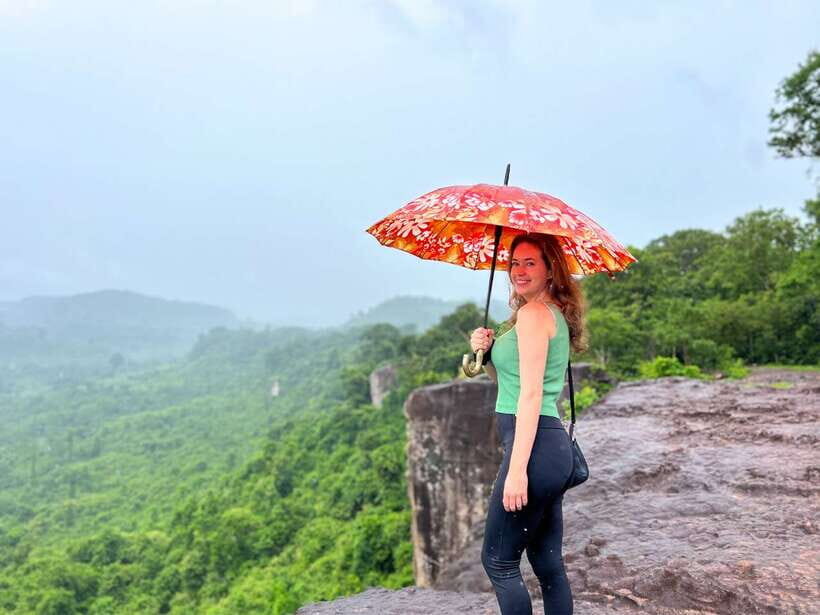
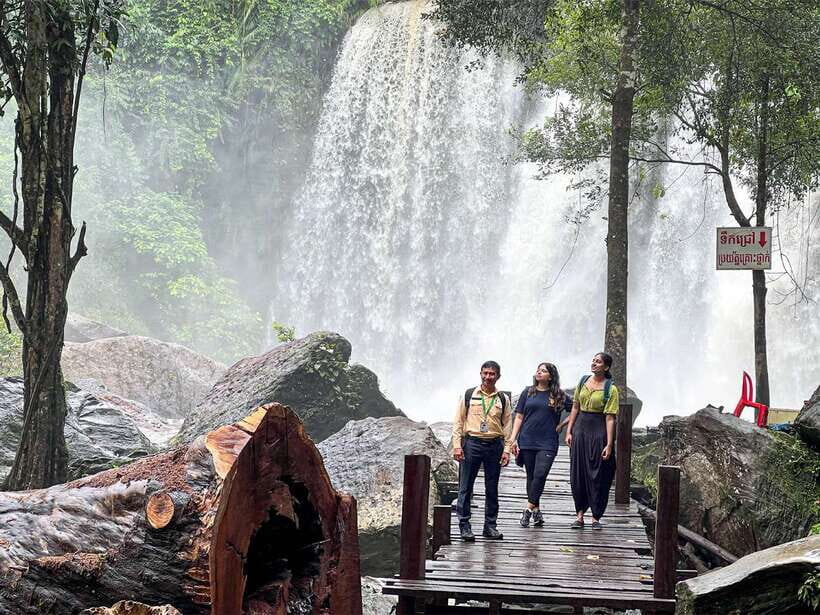
Phnom Kulen National Park on Day 3 brings waterfalls, a reclining Buddha sculpture, and the River of Thousand Linga (802 AD).
Kampong Phluk on Tonle Sap lets you see lake life from a boat and then understand how families earn a living around the water.
A/C private transportation plus cold water/towels helps when the heat kicks in after temple time.
In This Review
- Why the Angkor Wat Sunrise Part Matters More Than You Think
- Day 1: Sunrise, Khmer Breakfast, and the Best of the Big Names
- Breakfast in the Village: Food You Actually Remember
- Market Stop and the Temple Switch: Pre Rup to Ta Prohm
- Bayon and Angkor Thom Finale
- Day 2: Outside the City Center for Temples That Feel Less Crowded
- Countryside Temple Circuit: Preah Khan, Neak Pean, Ta Som, East Mebon
- Lunch Break That’s Actually Included
- Banteay Srei: Where the Stone Carving Gets Serious
- Cambodian Landmine Museum: A Sobering, Important Stop
- Day 3: Kulen Waterfalls, River of Thousand Linga, Beng Melea, and Tonle Sap Life
- Phnom Kulen Highlights: Waterfalls, Reclining Buddha, and 802 AD
- Beng Melea: The Jungle Temple Feeling
- Kampong Phluk Floating Village: A Boat Ride Over Daily Life
- Logistics That Make the Trip Feel Easier Than It Looks
- Price, Included Meals, and the Real Cost of Tickets
- What to Bring, What to Wear, and How to Avoid Day-After Regrets
- Who This Tour Fits Best (and Who Should Think Twice)
- Should You Book This 3-Day Angkor and Kulen Tour
- FAQ
- Does the tour price include the Angkor pass?
- Are the Tonle Sap boat and floating village fees included?
- How much is the Phnom Kulen National Park admission?
- What meals are included during the tour?
- What time does pickup happen for Angkor Wat sunrise?
- How big is the group?
Why the Angkor Wat Sunrise Part Matters More Than You Think
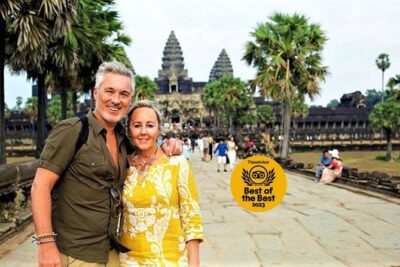
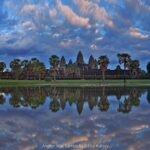
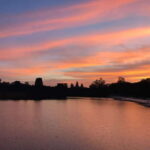
Angkor Wat at sunrise is the kind of experience that sounds dramatic on paper and still manages to feel real in person. The big value here is timing: you’re picked up before dawn, watch the light hit the temple, and then you get time to explore Angkor Wat while it’s still cooler and before most people flood in.
This matters because Angkor Wat is popular for a reason, but popularity can flatten the experience. A slower start gives you breathing room for photos and gives your eyes a chance to take in the details without shoulder-to-shoulder crowds.
Day 1: Sunrise, Khmer Breakfast, and the Best of the Big Names
Day 1 starts with hotel pickup between 4:30 am and 5:00 am, so yes, you’ll want an early night. When you reach Angkor Wat, the goal is simple: see the sunrise, then enjoy temple time before the crowd pressure arrives.
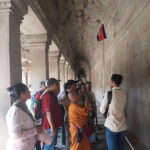
After sunrise, the plan includes about 1.5 hours exploring Angkor Wat so you can walk the key areas of the temple complex at a comfortable pace. This is also when your guide’s navigation matters, since you want to spend your energy on the stone and stories rather than guessing where to go next.
You can also read our reviews of more tours and experiences in Siem Reap
Breakfast in the Village: Food You Actually Remember
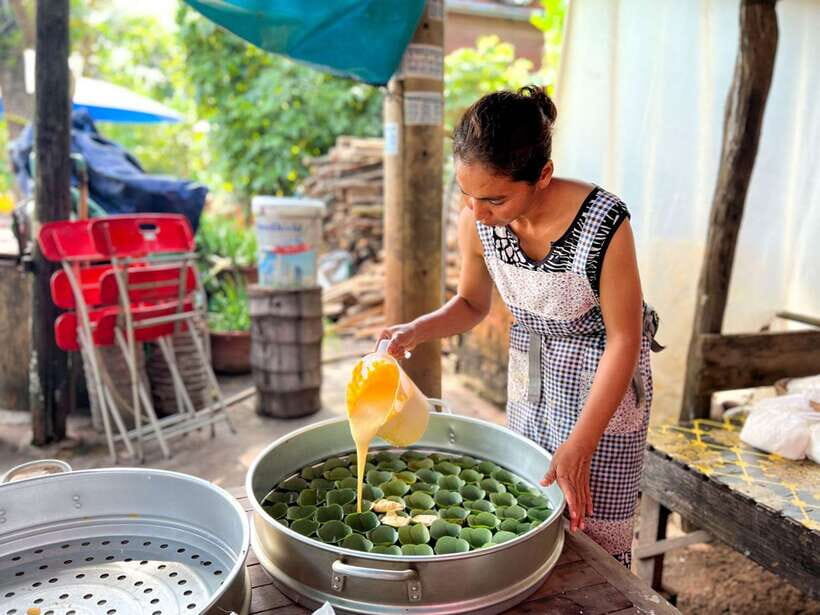
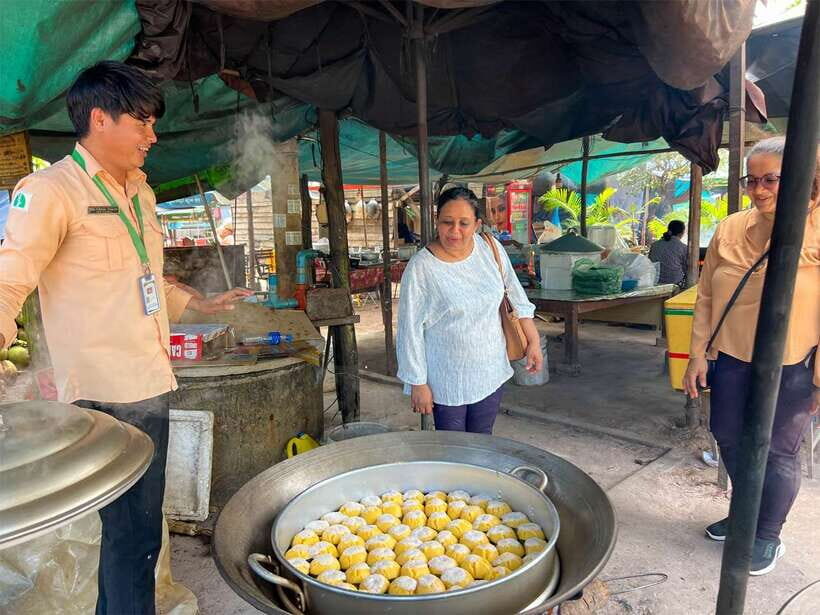
One of my favorite parts of Day 1 is that you don’t just jump from temple to temple. You stop in a village area for breakfast with local flavors, including Khmer noodle soup, plus desserts like palm cake and steam rice dumplings with palm sugar.
If you usually skip breakfast on tours, don’t here. This meal does something practical: it fuels you for the rest of the day while keeping the experience grounded in daily life, not just monuments.
Market Stop and the Temple Switch: Pre Rup to Ta Prohm
Next, you visit an interesting local market. You’ll get a chance to see everyday Cambodia rhythms, and it’s also a useful reset after early walking.
Then comes a classic Angkor mix:
- Pre Rup: a temple stop that helps you feel the larger Angkor layout beyond just the headline sites.
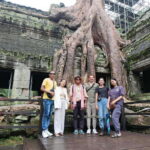
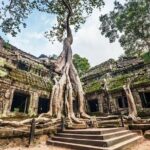
- Ta Prohm: the famous jungle temple left in a more natural, partly overgrown state, with huge roots and thick tree growth.
Ta Prohm is one of those places that can look staged if you only glance from a distance. With your guide and time on-site, it becomes easier to see how the buildings and the forest growth interact.
Bayon and Angkor Thom Finale
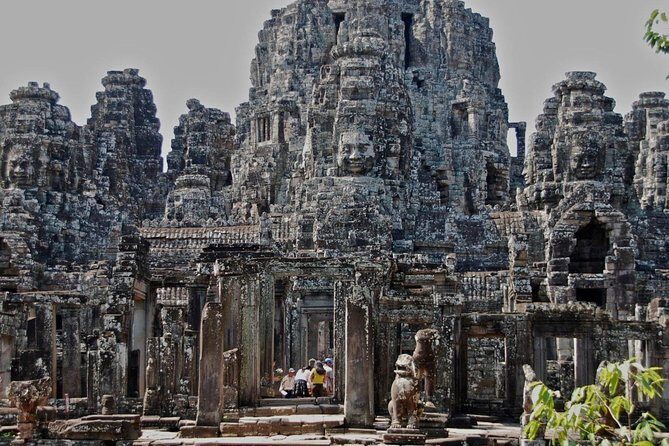
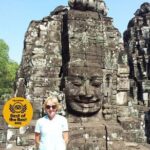
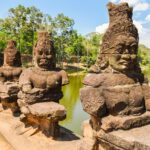
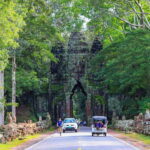
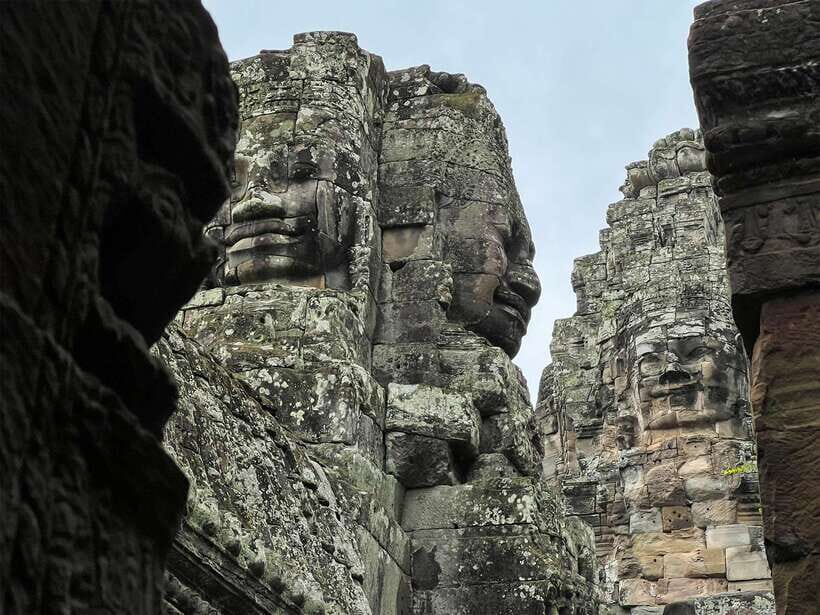
Late in the day you’ll hit Bayon and the Victory Gate of Angkor Thom. Bayon’s stone faces are iconic, but the real win is how it pulls the earlier Angkor stories into focus. By the time you get there, your brain is already “trained” by the earlier stops, so the symbolism lands faster.
A practical note: Day 1 is not light. It’s doable, but keep water in mind and pace your walking breaks rather than trying to power through everything.
Day 2: Outside the City Center for Temples That Feel Less Crowded
Day 2 leaves at 8:00 am after breakfast, and the tone shifts. The morning is spent with your guide exploring Siem Reap’s countryside and rural life outside the main city center.
This rural section is valuable because it changes the emotional rhythm of the trip. Angkor can feel like one long stone universe. The countryside breaks that up and makes the temples feel connected to living communities, rice fields, and real daily schedules.
Countryside Temple Circuit: Preah Khan, Neak Pean, Ta Som, East Mebon
In the morning you’ll visit:
- Preah Khan
- Neak Pean
- Ta Som
- East Mebon
Even without going into heavy academic detail, these stops work well because they each show different temple textures and layouts. Some feel more open, others feel more hidden under trees, and the variety helps you avoid “temple fatigue,” where every ruin starts to blur together.
Lunch Break That’s Actually Included
Lunch on Day 2 is included, and you order from a menu—so you’re not stuck eating one set dish you might not want. This matters on a tour like this. It’s a real recovery window before you head into the afternoon.
Banteay Srei: Where the Stone Carving Gets Serious
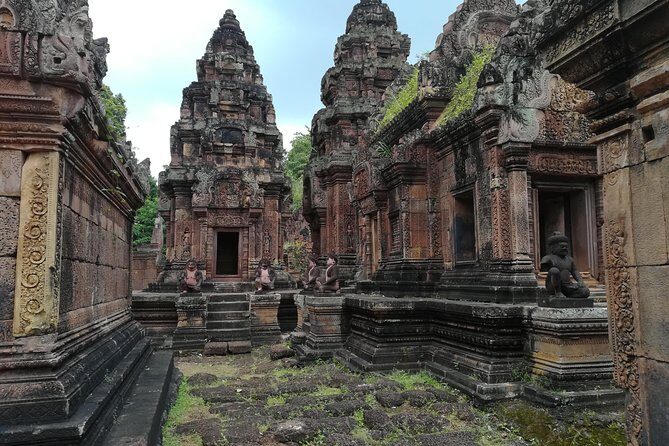
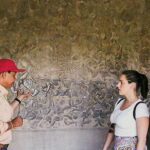
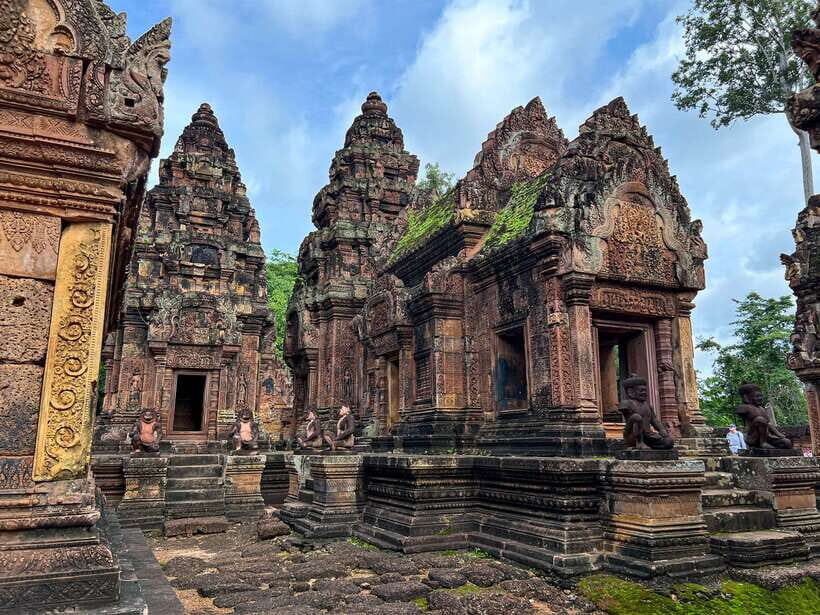
In early afternoon you drive to Banteay Srei, known for its finely carved sandstone relief work. This stop is a great counterweight to the bigger, more monumental temples you saw earlier. If you like details—patterns, faces, and stone craftsmanship—this is a highlight.
The drawback is the same as with most carving-focused temples: you’ll want a decent amount of patience and time. If you rush, the smaller beauty gets lost.
Cambodian Landmine Museum: A Sobering, Important Stop
After Banteay Srei you visit the Cambodian Landmine museum. It’s a serious subject, and the point of including it on this kind of trip is balance: Angkor is awe-inspiring, but Cambodia’s past also affects how people live today.
If you’re the kind of person who likes to understand context while you travel, you’ll appreciate this pairing. If you’re trying to keep every day light and happy, set your expectations before you go.
Day 3: Kulen Waterfalls, River of Thousand Linga, Beng Melea, and Tonle Sap Life
Day 3 starts at 8:00 am and heads to Phnom Kulen National Park. The drive takes about 1 hour, passing rural villages where you can observe everyday life like people going about their routines and the look of rice paddies from the road.
This “getting there” portion matters because it transitions you from temple stone into natural terrain and local scenery. It also helps you mentally switch from history-heavy mornings to outdoors-heavy afternoons.
Phnom Kulen Highlights: Waterfalls, Reclining Buddha, and 802 AD
In the national park, your guide leads you to major sites, including:
- the largest and most beautiful waterfalls in the park
- a reclining Buddha sculpture
- the River of Thousand Linga, constructed in 802 AD
The River of Thousand Linga is one of those places where scale helps the meaning. Even if you don’t know every story by heart, you can see why it became a powerful spiritual landmark.
For the waterfalls, wear for comfort and consider how you’ll handle standing time in humid air. This is one of those days where your pace will matter more than your stamina.
Beng Melea: The Jungle Temple Feeling
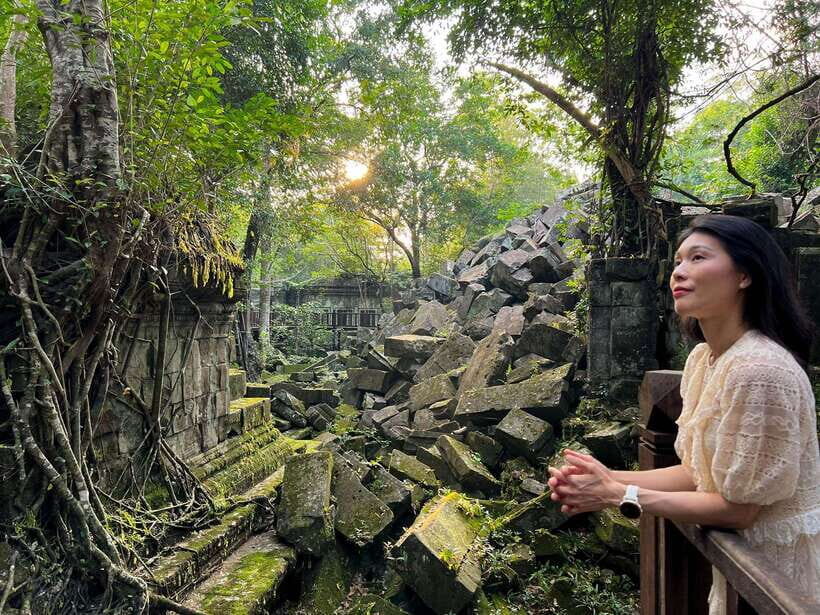
After lunch at a local restaurant, you head to Beng Melea, a 12th-century temple in the middle of the jungle. This site is heavily overgrown with trees, lianas, mosses, and thick vegetation, and it can feel remote and mysterious because it hasn’t been cleaned up into a smooth tourist set.
If you like exploring in a more natural environment, Beng Melea is where the trip turns from “museum” to “adventure.” The main drawback is simple: it can be muddy, uneven, and slower underfoot than you expect—so wear shoes you trust.
Kampong Phluk Floating Village: A Boat Ride Over Daily Life
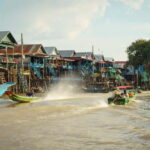
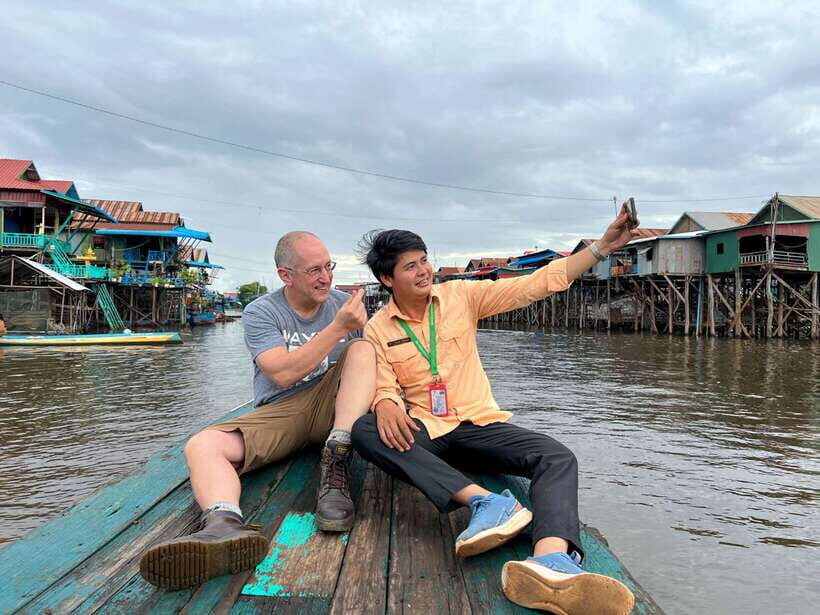
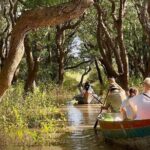
In the afternoon you take a boat from the ferry to Kampong Phluk on Tonle Sap Lake. What stands out here is that you’re not just looking at houses. You’re seeing how families make a living, with many people relying on fishing.
Most homes are on stilts on the lake shore, which helps explain how people handle seasonal changes—especially higher water levels during the rainy season. It’s a practical way to understand why this settlement pattern exists.
Logistics That Make the Trip Feel Easier Than It Looks
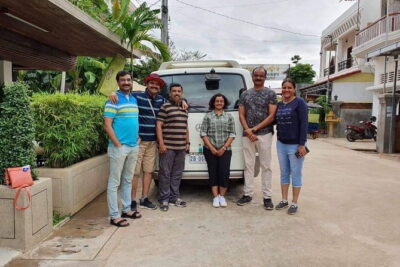
This tour is structured to limit chaos. You’ll have professional English-speaking guidance, plus private transportation with A/C in a car or minivan, and you get hotel pickup and drop-off. You also receive cool bottle water and towels during the tour, which is the kind of small detail that saves you when the day turns hot.
The small group size—limited to 10 participants—helps you ask questions without feeling swallowed by a crowd. In past experiences with this kind of setup, guides often add useful timing and route choices on the spot, including helping you find a good spot to watch the sun light up Angkor Wat.
You might meet guides such as Mr Sam, Phanne, Kamsan, Dara, or Moni (and you’ll work with a driver too). The pattern across these teams is attentiveness: checking in, keeping the day moving, and refreshing you with water/towels after temple stops.
One realistic consideration: the schedule is full. If you hate early alarms or you dislike long days on your feet, you’ll feel it more on Day 1 and Day 3.
Price, Included Meals, and the Real Cost of Tickets
The tour price is $139 per person, and that covers the big parts you can’t easily DIY smoothly: a multi-day plan, guide services, and private A/C transportation plus hotel transfers.
What’s not included are the admission and cruise-style items that can add up fast:
- Angkor pass (3 days): $62 per pax
- Tonle Sap lake ticket with private boat cruise: $15 per pax
- Phnom Kulen National Park admission: $20 per pax
- Food and soft drinks (beyond what’s specified as included)
Meals included:
- Day 1: breakfast in the village
- Day 2: 1 lunch with local food
So the practical budgeting move is to add those ticket costs to the $139 figure. If you already planned to buy the Angkor pass anyway, this tour often feels like good value because you’re paying for organization, timing, and guidance rather than just access.
What to Bring, What to Wear, and How to Avoid Day-After Regrets
Bring sunglasses, a hat, insect repellent, and sunscreen. Temperatures rise fast once the sun comes up, and insects can be a factor around countryside and jungle-style stops.
Plan on clothing rules too: no short skirts or sleeveless shirts. You’ll want something easy to move in for temple steps and uneven ground.
Pack a small personal strategy:
- keep sunscreen where you’ll remember it
- reapply after outdoor sections like Kulen and Beng Melea
- use your hat early, not after you start sweating
Who This Tour Fits Best (and Who Should Think Twice)
This is a strong match for you if you want:
- Angkor Wat sunrise plus both major and secondary temple stops over 3 days
- a guide to help you understand what you’re seeing, not just point at ruins
- day variety, from temples to national-park scenery to Tonle Sap floating village life
It might not fit as well if you:
- hate early mornings (pickup begins 4:30–5:00 am)
- want a relaxed pace with lots of downtime
- prefer to keep ticket costs minimal, since the Angkor pass and park admission are extra
Should You Book This 3-Day Angkor and Kulen Tour
I’d book it if your priority is seeing the big Angkor highlights with smart timing, then expanding your trip beyond the temples into Phnom Kulen nature and Kampong Phluk lake life. The combination of early sunrise, included meals (breakfast day 1 and lunch day 2), and private A/C transport makes the days feel managed rather than chaotic.
I’d pause and shop your options if you want a slower itinerary or if you’re trying to travel with very tight limits on entrance fees. If you’re good with an early alarm and you plan your tickets ahead, this tour is a practical way to get a lot of Cambodia in just three days.
FAQ
Does the tour price include the Angkor pass?
No. The 3-day Angkor pass costs $62 per person and is not included in the $139 tour price.
Are the Tonle Sap boat and floating village fees included?
No. The Tonle Sap lake ticket with private boat cruise is $15 per person and is not included.
How much is the Phnom Kulen National Park admission?
The Phnom Kulen National Park admission is $20 per person and is not included.
What meals are included during the tour?
Breakfast is included on Day 1 in the village, and one lunch with local food is included on Day 2. Food and soft drinks are not included otherwise.
What time does pickup happen for Angkor Wat sunrise?
Pickup is included from your hotel lobby between 4:30 am and 5:00 am so you can watch the sunrise at Angkor Wat.
How big is the group?
The group is limited to 10 participants. You also travel in private transportation with A/C.