REVIEW · SIEM REAP
Private Siem Reap 3 Day Tour Discover All Highlight Angkor Temple
Book on Viator →Operated by About Cambodia Travel & Tours · Bookable on Viator
Angkor feels bigger when you go with a plan. This private 3-day tour pairs an easy pace with a lot of famous sights and a few rewarding detours around Siem Reap, including Angkor Wat sunrise and time out on Tonle Sap. I especially like the small comfort wins: cold bottled water and towels are available throughout, plus you ride in air-conditioned vehicles.
The second big win is how much you can pack in without feeling rushed. You hit iconic temples (Angkor Wat, Angkor Thom, Ta Prohm) and also work in standout “outer” stops like Banteay Srei and Pre Rup, plus local culture stops such as Wat Bo and a Cambodian handicraft center. The one thing to watch is that key temple entry costs are not included—you’ll still need to budget for the Angkor Pass and plan for extra meal spending during lunch.
If you want a tour that feels flexible, keeps logistics off your plate, and trades some stress for comfort, this style of private routing makes a lot of sense—especially on days that start early.
In This Review
- Key things I’d focus on before you book
- Private tour value: why this format works in Siem Reap
- Price and what you really get for $253.65
- Day 1: Preah Ko and Bakong (Roluos) to Kampong Phluk and Wat Bo
- Preah Ko, Bakong, and Lolei: Roluos temples before the big names
- Kampong Phluk floating village: the lake’s rhythm instead of just ruins
- Wat Bo and Satcha: temple glow plus art and craft
- Day 2: Angkor Wat sunrise, Angkor Thom gates, Bayon faces, and Ta Prohm
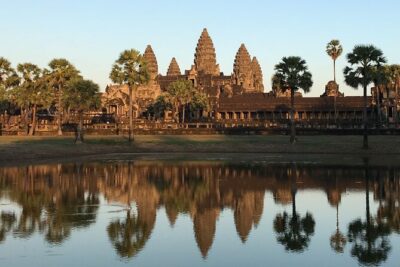
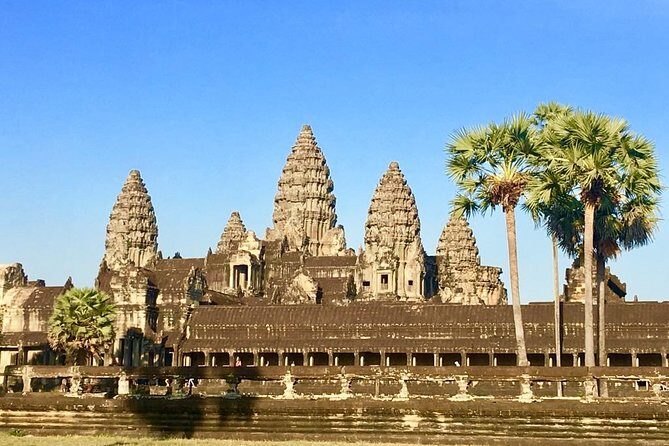
- Angkor Wat at sunrise: why early timing matters
- Angkor Thom circuit: South Gate, Bayon, Baphuon, and more
- Ta Prohm and Banteay Kdei: jungle-temple vibes and Buddhist-era change
- Day 3: Banteay Srei, Preah Khan, Neak Pean, Pre Rup, East Mebon, plus palm sugar
- Banteay Srei and Banteay Samre: smaller, detailed, and different styles
- Palm sugar producer group: a longer craft-food stop
- Preah Khan, Neak Pean, Pre Rup, and East Mebon: “outer” temples with big mood
- What’s included, what’s not, and how to plan your extra budget
- Who this tour suits best (and who should consider alternatives)
- Should you book this Private Siem Reap 3-Day Tour?
- FAQ
- Is this tour fully private?
- How long is the Siem Reap tour?
- Does the tour include hotel pickup and drop-off?
- Do I need to pay for temple entrances?
- What about meals during the tour?
- Is Angkor Wat sunrise included?
- Does the tour include the floating village?
- Is air-conditioning included for transport?
- What’s included for comfort during the tour?
- What is the cancellation policy?
Key things I’d focus on before you book
- Private, flexible routing: Only your group goes, and you can see what you actually want to linger on.
- AC vehicle comfort all day: Transfers between temples and sites are handled by private air-con transport.
- Weather-ready touches: Cold bottled water and cool fresh towels keep the long temple days more bearable.
- Sunrise and sunset planning: Angkor Wat sunrise is built in, and the tour also mentions sunset at Phnom Bakheng.
- Real Tonle Sap time, not just a photo stop: Kampong Phluk includes a private cruise on the lake.
- English-speaking, licensed guide support: You’ll have context for what you’re seeing, instead of just wandering.
Private tour value: why this format works in Siem Reap
This is the kind of Siem Reap tour that helps you “save your energy for temples.” With hotel pickup and drop-off, you skip the usual daily scramble of sorting transport and figuring out what route makes sense. The vehicle stays private, and the plan is built around moving you from one site area to the next with less waiting around.
I also like that it’s not a one-size-fits-all “drive-by bus tour.” It’s clearly designed as a private tour, so the timing and stop order can support your pace. That matters in Angkor, where walking from gate to gate can be longer than you expect and the hottest hours can hit fast.
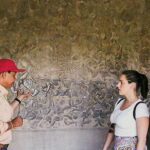
One more practical thing: you get a professional English-speaking licensed guide. That’s not just nice to have—it changes how you experience Angkor temples. Instead of reading vague signs, you get guided interpretation of what the temple was dedicated to, why certain buildings were added, and how the sites relate across different Khmer kingdoms.
And yes, comfort counts. One feedback detail that sticks is that a driver named Ree was associated with an excellent, clean, safe Toyota Highlander setup with AC, iced towels, and cold water. Even if your driver is different, this is the standard you should expect: clean vehicle, working air-conditioning, and those cooling touches that make long days doable.
You can also read our reviews of more private tours in Siem Reap
Price and what you really get for $253.65
At $253.65 per person for an approximately 3-day private tour, you’re paying for three main buckets: guide time, private transportation, and included on-water/Siem Reap cultural activities. The “value” here is that you’re not juggling rentals, finding drivers, or coordinating between attractions.
Where the price can feel confusing is what isn’t included. Temple entry requires the Angkor Pass (your guide assists you buying it at the Angkor park entrance). Meals are also separate, with lunch options typically listed around $3–$10 per dish. Tips for the driver and guide aren’t included either.
So the right way to think about the total cost is: the tour handles the hard parts—private logistics, transport, and guided routing—while you cover entrances and meals on the ground. If you’re booking 100 days in advance on average, it also signals that these private schedules can fill up, especially in peak season.
Day 1: Preah Ko and Bakong (Roluos) to Kampong Phluk and Wat Bo
Day 1 is a great blend of “temples with context” and “local life near water.” It starts in the Roluos area—often less crowded than the main Angkor core—and that’s a smart opening move because you get Khmer temple architecture early, before the biggest Angkor days kick your legs into full gear.
Preah Ko, Bakong, and Lolei: Roluos temples before the big names
You’ll visit Preah Ko in the Roluos predecessor capital area (Hariharalaya, now linked to the name Roluos). It’s described as a Shiva-temple and sits between Lolei and Bakong. This is the kind of stop where guided explanation makes it easier to see the “logic” of temple layout and placement, instead of just snapping photos and moving on.
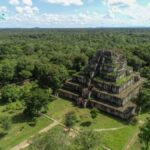
Then you go to Bakong, built under Indravarman I and consecrated in 881. Bakong matters because it’s considered a prototype for the classic Khmer temple pyramid style. That’s a nice early lesson: you can look at Bakong and later compare it to how those pyramid forms evolve at larger Angkor sites.
Finally, Lolei is included, set a few hundred meters north of the main road in Roluos and described as the youngest and smallest of the three important Roluos temples. If you like smaller, more architectural stops, Lolei is a good pacing shift.
A practical note: these Roluos sites are easier to manage than the biggest Angkor clusters. Still, you’ll be walking and climbing, so wear shoes you trust.
Kampong Phluk floating village: the lake’s rhythm instead of just ruins
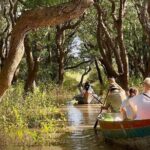
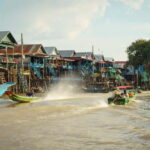
Next comes Kampong Phluk Floating Village and a private cruise to see the community life on Tonle Sap lake. The tour describes families who have lived in Cambodia for 3–4 generations on the floating villages, and it frames the area as an established way of life—something you can’t fully get from a quick roadside glance.
If you’re going for atmosphere, this is your payoff day. You’re trading stone corridors for water-level views and seeing how livelihoods connect to the lake.
The schedule notes Kampong Phluk as a 3-hour stop, and later includes a shorter Tonle Sap Lake block as well. That suggests the day is built around getting you more than one angle of the lake and the fishing environment.
One drawback to consider: floating village areas can be affected by conditions on the water. The plan still includes the cruise, but if you’re very sensitive to heat or sun, you’ll want to use the included water and keep covered.
You can also read our reviews of more tours and experiences in Siem Reap
Wat Bo and Satcha: temple glow plus art and craft
Back toward Siem Reap town, you visit Wat Bo, known for preserved wall paintings from the late 19th century. It’s a different kind of visual experience—less monumental scale, more detail and artistry.
Then you stop at Satcha – Cambodian Handicraft Center. The tour describes it as a place supporting local artisans and blending traditional knowledge with contemporary design concepts. This is a good break from temples because you can browse at a calmer pace and learn about the craft process rather than just buying souvenirs.
If you shop, treat this as a chance to ask how items are made and what materials are used. That’s usually where you get the most value out of a craft stop.
Day 2: Angkor Wat sunrise, Angkor Thom gates, Bayon faces, and Ta Prohm
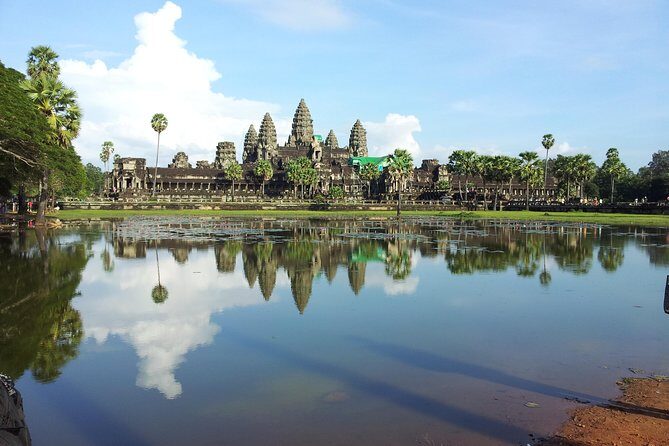
Day 2 is the heavy day. It starts early with Angkor Wat, planned for sunrise, then you return for breakfast. That structure is key: you get the signature light without spending the whole day crisscrossing for meals and transport.
Angkor Wat at sunrise: why early timing matters
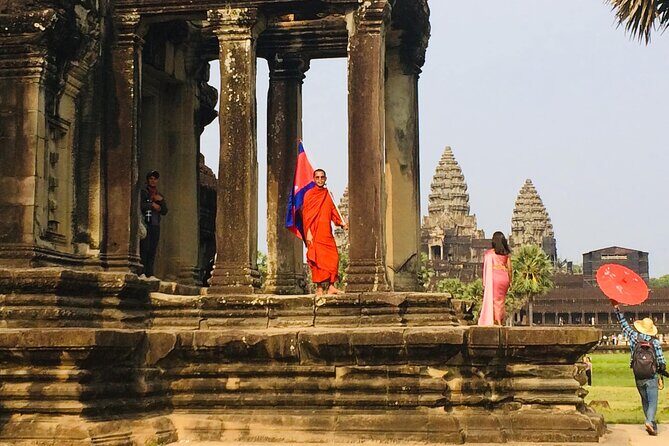
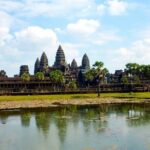
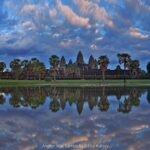
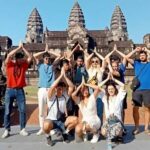
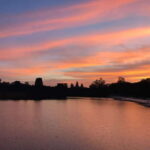
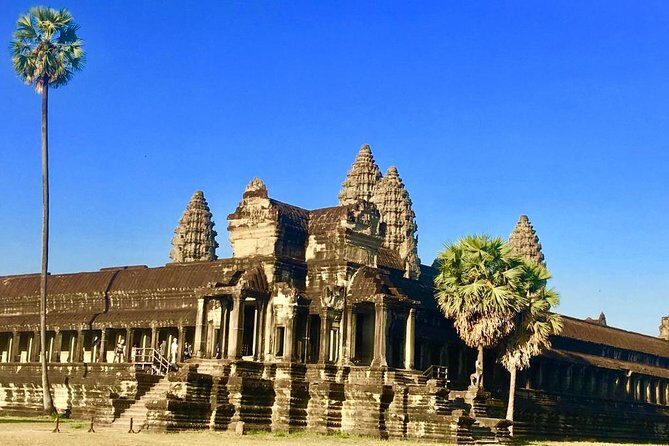
Angkor Wat is described as Cambodia’s national emblem and the pride of the Khmer people. The tour plan is straightforward: early rise, sunrise viewing, then exploration after sunrise.
The big reason to do this with a private guide and planned schedule is time management. Angkor has a way of eating the day. Starting early means you can see the iconic spaces while the temperature and crowds are more manageable.
You’ll also note that Angkor Wat entrance is marked as not included in the day’s stop list, so you’ll be paying through the Angkor Pass process your guide assists with.
Angkor Thom circuit: South Gate, Bayon, Baphuon, and more
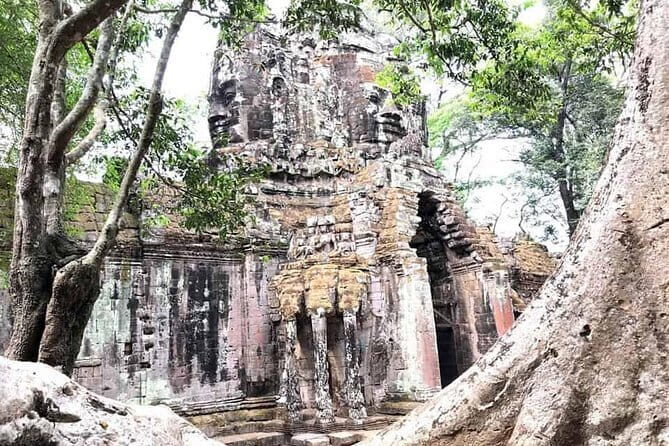
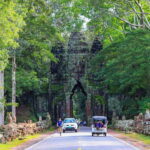
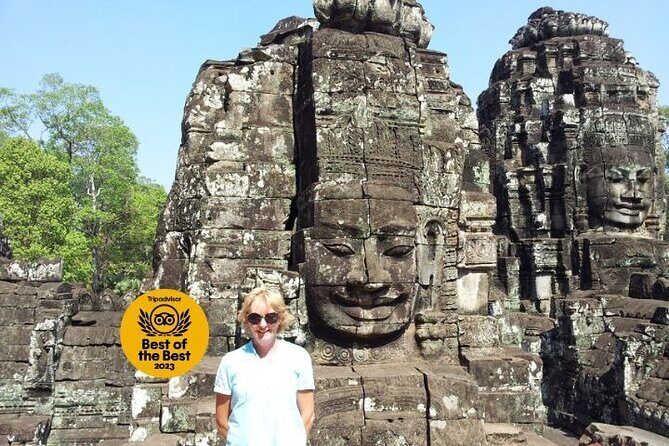
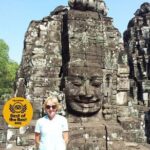
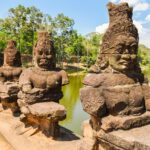
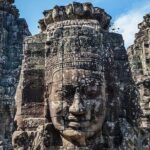
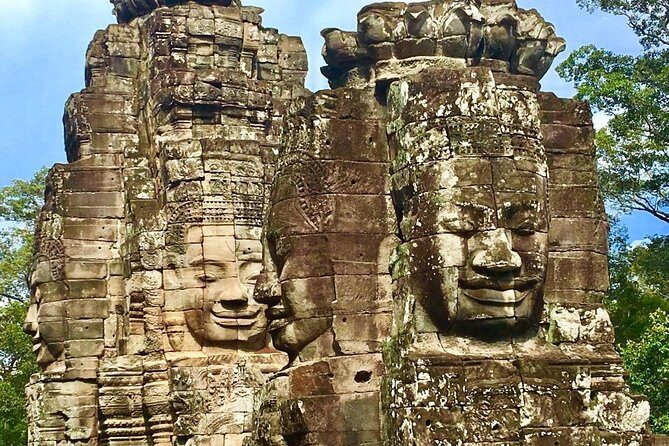
After Angkor Wat, the route moves to Angkor Thom South Gate, then into the heart of Angkor Thom for Bayon Temple with its famous stone faces. The tour also includes Baphuon and Phimeanakas, plus the Terrace of the Elephants and Terrace of the Leper King.
This is a temple “sequence” that rewards you if you enjoy patterns. You can look at the gate structures and then connect them to the central Bayon layout. The Terrace stops are another angle: they’re not just scenery, they’re carvings and platforms that help you understand what the Royal Square symbolized.
Just remember: this is a long Angkor Thom walk. Plan to take shade breaks, and don’t let fatigue turn the day into a blur.
Ta Prohm and Banteay Kdei: jungle-temple vibes and Buddhist-era change
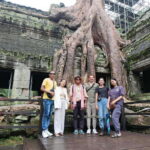
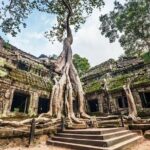
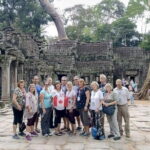
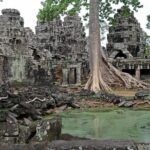
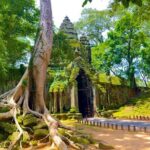
The day includes Ta Prohm, famous as a jungle temple. It’s listed for about an hour, which is enough time to appreciate the famous tree-and-stone feel without rushing.
Then comes Banteay Kdei. The stop time listed is unusually long (7 hours 30 minutes), so treat Day 2 as a very full Angkor day overall. If your energy runs low, the best move is to use your guide to decide what matters most to you, since the private setup gives you more control.
Day 3: Banteay Srei, Preah Khan, Neak Pean, Pre Rup, East Mebon, plus palm sugar
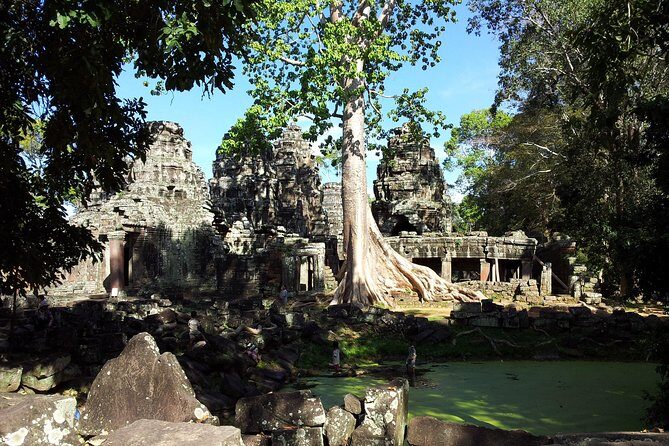
Day 3 shifts from the “main hits” toward temples that many people find more beautiful and more human-scaled. It also layers in a food/craft stop, so you end with a stronger sense of everyday Cambodian life beyond stone temples.
Banteay Srei and Banteay Samre: smaller, detailed, and different styles
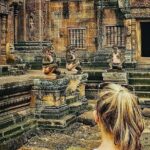
You start with Banteay Srei Temple, described as the favorite for many visitors and a place Cambodians mention as special after Angkor Wat. It’s scheduled for about 2 hours, which is a good sign if you like to slow down for carvings and details.
Then you go to Banteay Samre, about 400 meters east of the East Baray. It’s described as an early 12th-century Hindu temple connected to Ankgor’s Ankor-era kings (Suryavarman II and Yasovarman II are referenced). Again, guided context makes this sort of stop more satisfying, because the temple story isn’t always obvious at a glance.
Palm sugar producer group: a longer craft-food stop
Next comes a Palm Sugar Producer Group and souvenir sellers stop. It’s marked as included and has a long time block listed (1 day 6 hours). Realistically, this part functions like a hands-on pause—watching sugar production and learning how prices and steps work on a burning stove process.
The key value here: you’re not just consuming a snack. You’re seeing a production process tied to local agriculture and household economies.
If heat is a factor for you, ask how long you’ll spend outdoors versus inside during this section.
Preah Khan, Neak Pean, Pre Rup, and East Mebon: “outer” temples with big mood
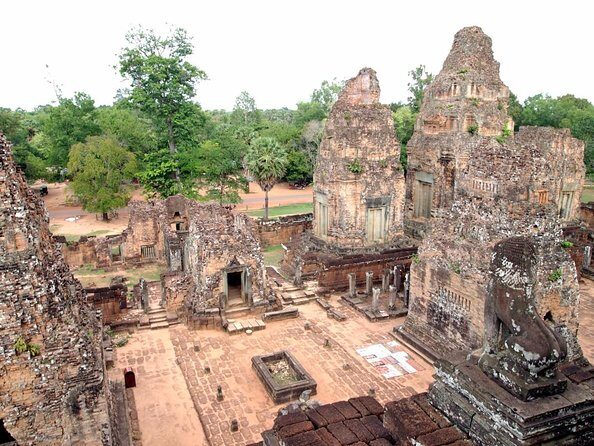
The itinerary then moves through Preah Khan, Neak Pean, Pre Rup, and East Mebon.
- Preah Khan is described as dedicated in 1191 to Jayavarman VII’s father, with the central statue identified by the name Jayavarmeshvara. Even a quick stop can help you connect the temple to the Jayavarman VII era.
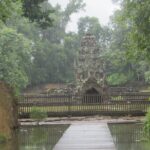
- Neak Pean is highlighted as exceptional in layout—built on an artificial island in the huge Baray—and the tour frames it as different from other Khmer architecture. If you like temples that feel “designed” rather than simply massive, this one is worth attention.
- Pre Rup is linked to Rajendravarman II and is framed as a significant legacy of that reign. This is the sort of site where you can appreciate staging and skyline views from temple edges.
- East Mebon is a 10th-century temple on what was described as an artificial island at the center of the dry East Baray reservoir. It’s another architectural “time capsule,” and it helps you understand how the baray water systems shaped the temple placements.
Because this is all Day 3, you’re balancing stamina. Your guide should help you keep it manageable, and you can use the private setup to focus on the temples you care about most.
What’s included, what’s not, and how to plan your extra budget
Here’s the practical breakdown based on what’s explicitly included:
Included:
- Hotel pickup and drop-off (you provide your Siem Reap hotel name)
- Professional English-speaking licensed guide
- All transfers by private air-con vehicle
- Private cruise tours to visit the floating village at Tonle Sap
- Drink water and cool fresh towels for the trip
Not included:
- Tips for guide and driver
- Entrance fee via the Angkor Pass (guide assists with purchasing it)
- Meals during the tour (lunches at local restaurants; listed as $3–$10 per dish range)
My advice: before you go, think about meals as an “expected cost” rather than a surprise. Also, carry small bills for easy tipping. With a private driver and guide spending full days with you, tipping isn’t just politeness—it’s part of how the experience stays smooth and respectful.
Who this tour suits best (and who should consider alternatives)
This tour is a strong fit if:
- You’re doing your first or second Angkor trip and want a structured route without micromanaging transport.
- You want comfort for long days: AC transfers plus cold water and towels.
- You care about more than just the main temples, and you’d like time around Kampong Phluk, Wat Bo, and craft stops.
It may not be the best fit if:
- You hate early starts (Angkor Wat sunrise is part of the plan).
- You want everything included with zero extra fees—because you’ll still handle the Angkor Pass, lunches, and tips.
Should you book this Private Siem Reap 3-Day Tour?
I’d book it if you want Angkor handled like a grown-up plan: private transport, a licensed English guide, sunrise timing, and real time on Tonle Sap through Kampong Phluk. The price makes sense when you factor in comfort and logistics, especially if you’d otherwise be spending time coordinating drivers and entry tickets on your own.
If you like having options and don’t want to spend your trip juggling details, this format is a good match. Just go in knowing the Angkor Pass and meals are extra, and you’ll be happier when you’re budgeting instead of guessing.
FAQ
Is this tour fully private?
Yes. It’s listed as a private tour/activity, and only your group participates.
How long is the Siem Reap tour?
It’s approximately 3 days.
Does the tour include hotel pickup and drop-off?
Yes. Private hotel pick up and drop off are included, and you provide your Siem Reap hotel name for pickup.
Do I need to pay for temple entrances?
Yes. Entrance fees aren’t included. The plan uses the Angkor Pass, and your guide assists you with purchasing it at the entrance.
What about meals during the tour?
Meals are not included. Lunches are available at local restaurants with vegetarian and non-vegetarian options, and meals are at your own expense (menu prices listed around $3–$10 per dish).
Is Angkor Wat sunrise included?
Yes. The schedule includes getting up early to see sunrise at Angkor Wat and then exploring afterward before returning for breakfast.
Does the tour include the floating village?
Yes. It includes private cruise tours to visit the floating village at Tonle Sap lake, including Kampong Phluk.
Is air-conditioning included for transport?
Yes. All transfers are by private air-conditioned vehicle as mentioned in the itinerary.
What’s included for comfort during the tour?
Cold bottled water and cool fresh towels are available throughout the trip.
What is the cancellation policy?
You can cancel for a full refund up to 24 hours in advance of the experience’s start time. If you cancel less than 24 hours before, the amount paid isn’t refunded.