REVIEW · SIEM REAP
Angkor Jungle Biking Adventure Private Cycling Tour
Book on GetYourGuide →Operated by About Cambodia Travel and Tours · Bookable on GetYourGuide
Cycling makes Angkor feel personal. This private day pairs temple stops with a ride through the roads and greenery around Siem Reap, so you see more than just stone monuments. I love the private pace and the fact you get an English guide (Liap) who can explain what you’re looking at while you’re moving. The one catch: you still need an Angkor Pass for the temple zone, and the route can be a bit sandy in spots.
At about 25–35 km total, it’s an active outing without needing racing fitness. You’ll cover Angkor Wat, then move through the Angkor Thom area and Bayon, and finish with jungle-temple stops like Ta Nei and Ta Prohm. One thing to consider: it’s not a casual stroll day, and it isn’t suitable for children under 5 or for pregnant women.
In This Review
- Key things you’ll like on this Angkor Jungle Biking Adventure
- A $22 day that trades tuktuk time for real motion
- The morning setup: breakfast, lobby pickup, bikes, then a quick hop to start
- Riding out from Siem Reap: riverside roads and community views
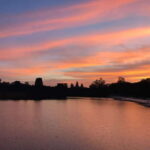
- Angkor Wat by bike: photos first, then guided meaning
- Angkor Thom and Bayon: gate energy and palace-area momentum
- Lunch break inside the Angkor Park zone
- Ta Nei: the quieter jungle stop that gives you air
- Ta Prohm: crumbling stone, jungle sounds, and Tomb Raider vibes
- The shorter stops: Spean neak, French Dam, and quick art/café breaks
- What the cycling feels like: not technical, but you still earn it
- Safety and guide quality: why English narration matters here
- Price and value: $22 makes sense if you already have your pass
- Who should book this Angkor biking adventure (and who should skip it)
- Should you book this private jungle biking tour?
- FAQ
- How long is the Angkor Jungle Biking Adventure private cycling tour?
- Where does the tour start and end?
- What’s the total cycling distance?
- Is the tour private?
- What’s included in the price?
- What’s not included?
- What language is the tour guide?
- What’s the typical schedule like?
- Is the route suitable for children?
- Is this tour suitable for pregnant women?
- Can I buy Angkor Pass tickets on the day?
Key things you’ll like on this Angkor Jungle Biking Adventure
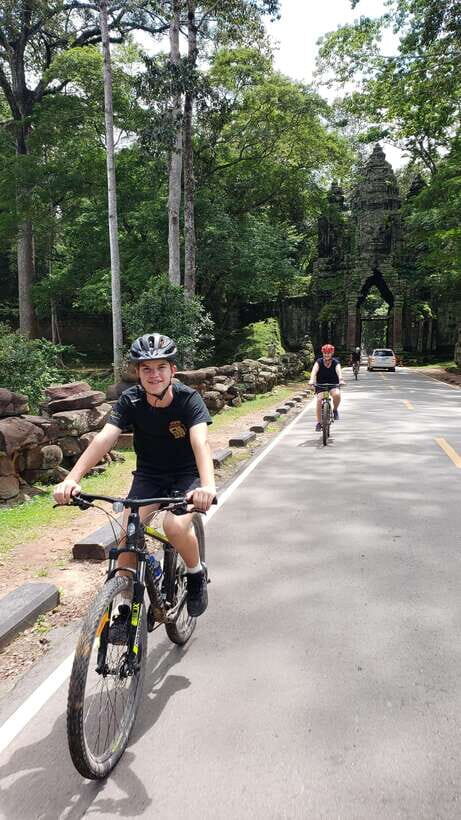
- Private, English-guided cycling with a licensed cycling guide who narrates the past as you ride
- Angkor Wat + Angkor Thom + Bayon on bike, so the views change every few minutes
- Jungle cycling time where you get closer to the greenery and hear nature along the path
- Ta Nei and Ta Prohm for that crumbling-into-the-jungle feel, with stops for photos and exploration
- Useful gear included: mountain bike, helmet, and drinking water (plus water/snacks noted in ride experiences)
- Short cultural/pause stops along the way, from French Dam to quick arts-and-café breaks
A $22 day that trades tuktuk time for real motion
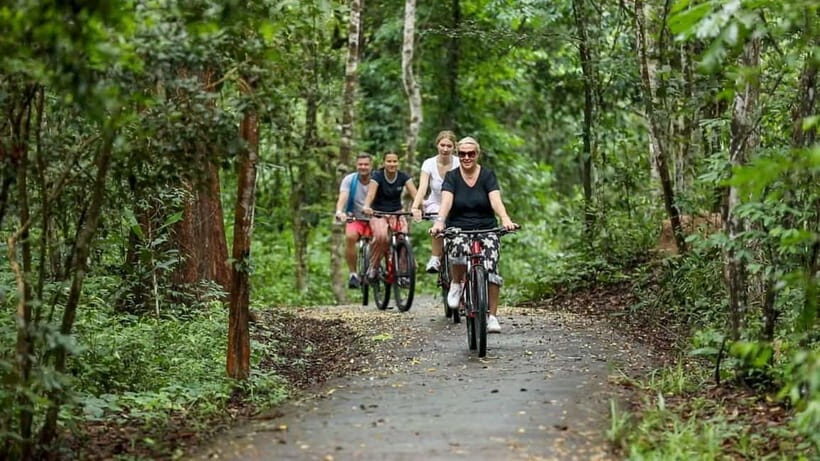
For $22 per person and an 8-hour schedule, this tour is built around one big idea: moving under your own power. In Siem Reap, it’s easy to spend most of the day being shuttled between ruins. Here, cycling is the glue that ties everything together, from riverside roads to the temple circuit.
This is also a value play. You’re not just buying transport; you’re getting a bike, helmet, drinking water, and an English-speaking guide who’s comfortable talking history while you ride. If you’ve done Angkor by car before, you’ll probably like the way the temples feel less like checkboxes and more like a route you’re experiencing.
You can also read our reviews of more cycling tours in Siem Reap
The morning setup: breakfast, lobby pickup, bikes, then a quick hop to start
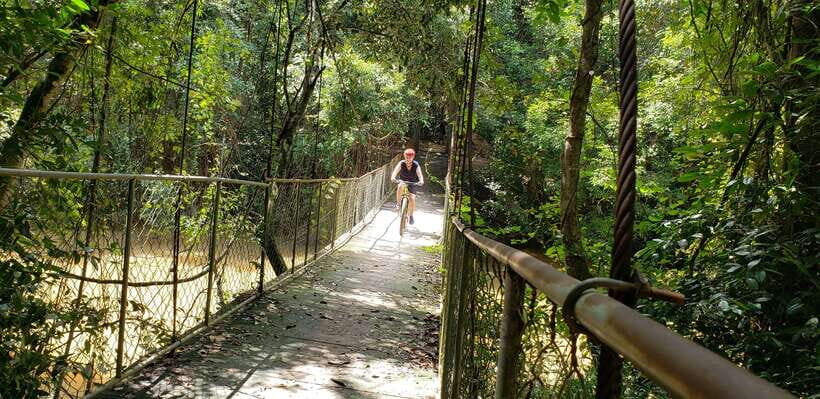
You’ll start after breakfast at your hotel. Your guide meets you at the hotel lobby, handles a short tour presentation, and gets your bike sorted with a safety briefing. There’s also a short tuk tuk portion early in the schedule, which makes sense if your ride start point needs to be positioned well before the cycling begins.
One detail that matters for comfort: you’re on a mountain bike with a helmet, and there’s a range of bike sizes from kids to XXL. If a child isn’t fully confident, the tour offers tagalong-style options for less confident children. It’s one of the ways they keep the experience from feeling like it’s only designed for strong riders.
Riding out from Siem Reap: riverside roads and community views
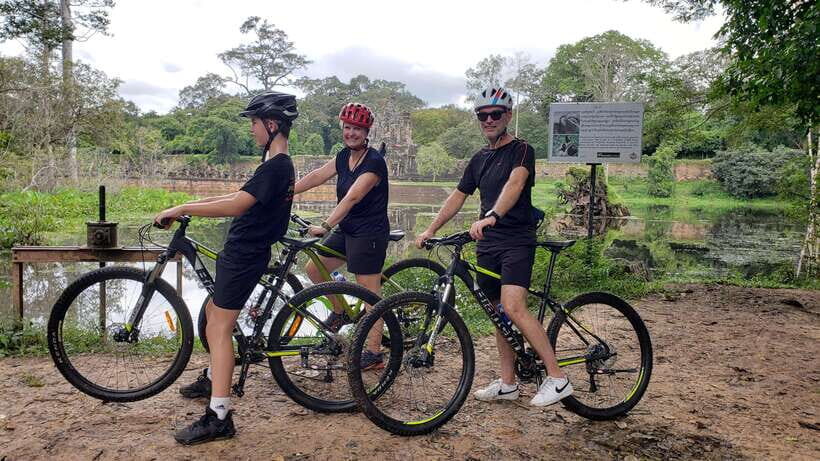
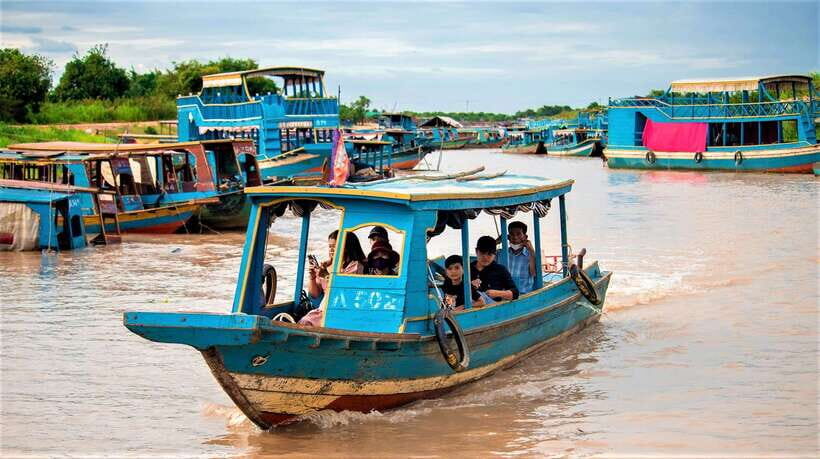
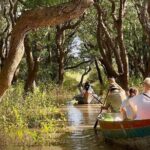
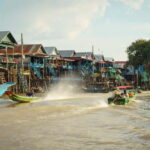
Once you’re underway, you head northeast of Siem Reap and out toward Angkor Park through a riverside road route. This is where cycling pays off in a quiet, practical way. You can actually see what’s going on around you—homes, daily life, and the feel of the area—without rolling windows and loud engines blocking the view.
You’ll also pass the Angkor Park ticket counters area during the ride. That matters because it keeps the day flowing. Instead of arriving, waiting, and then re-starting your timing later, the route is structured so you move directly from the entry process into temple viewing.
Angkor Wat by bike: photos first, then guided meaning
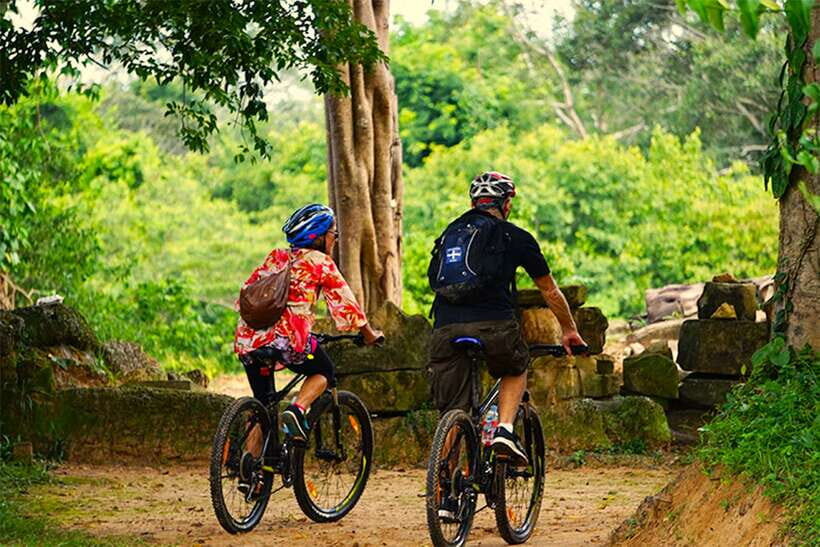
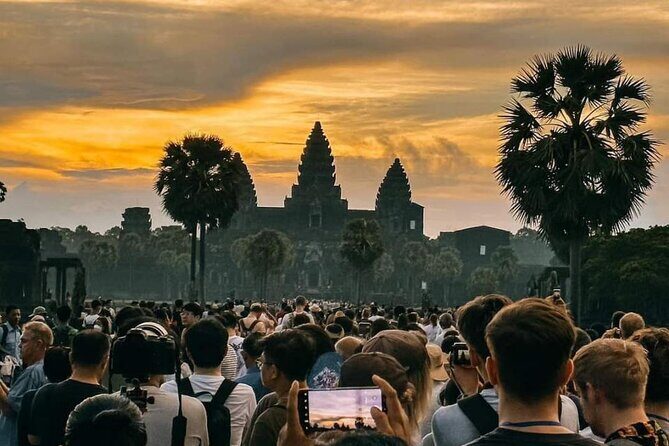
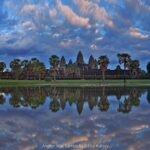
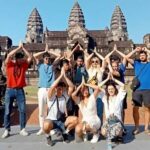
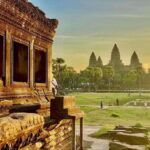
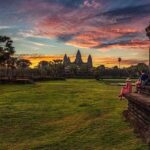
Angkor Wat is the star, but doing it by bike changes the tempo. You’ll get a photo stop and then time for walking and a guided visit. After that, there’s sightseeing time built into the ride approach—so you’re not stuck in one place for hours before moving on.
What I’d watch for here is the balance between walking and cycling. The itinerary gives enough time to see key areas, but you’re also still riding to your next stop. That keeps the day from turning into a single exhausting temple marathon where you forget what you saw five ruins ago.
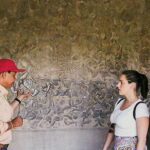
This is also where a strong guide matters most. An English-speaking guide like Liap can connect architectural choices and the story behind the site to what you see in real time, instead of tossing out facts after the fact while you’re already tired.
Angkor Thom and Bayon: gate energy and palace-area momentum
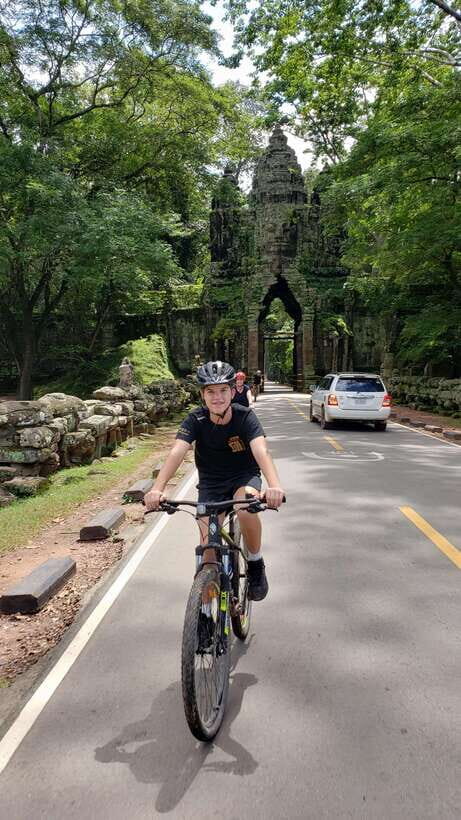
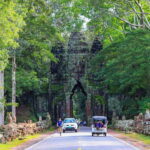
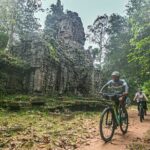
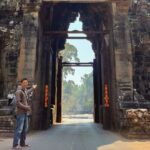
From Angkor Wat, the route continues toward the Angkor Thom zone. You’ll cycle through major areas like Victory Gate, then enter Angkor Thom with photo stops, guided exploration, and ride segments that keep you moving through the complex.
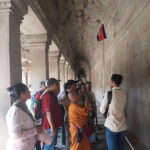
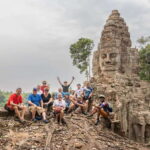
Bayon is the emotional center for many people, and this tour’s structure helps you reach it at a good pace. You get time for the Bayon visit, plus a guided walkthrough that can help you make sense of what you’re looking at. The itinerary also includes time around the Royal Palace and Terrace of Elephant area, which often gets rushed when people do only the top highlight spots.
Here’s the practical win: on a bike, you’re not just looking at one façade. You see how the complex connects, you reposition for viewpoints, and you can feel the scale as you ride between sections.
You can also read our reviews of more private tours in Siem Reap
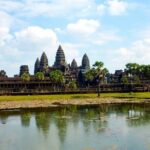
Lunch break inside the Angkor Park zone
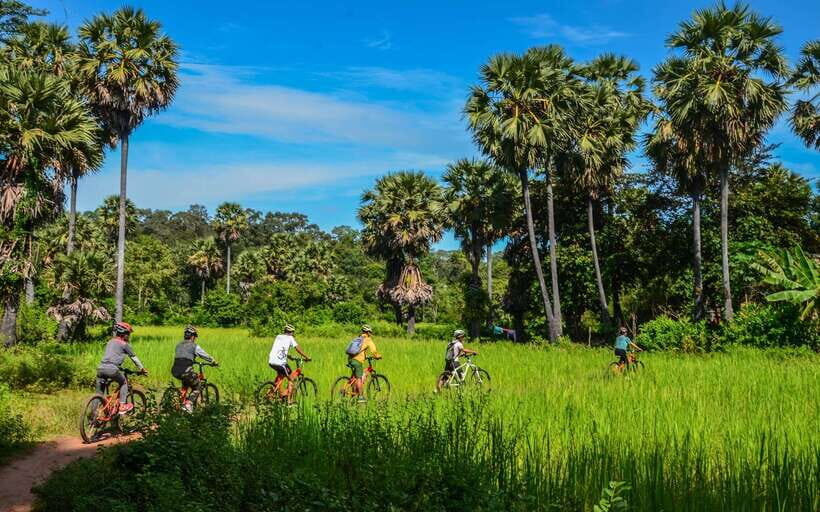
Midday includes a lunch stop at a local restaurant in the park area (the schedule lists Sok Kun restaurant 22). This is your reset moment: sit down, hydrate, and recover your legs.
One note to keep your expectations aligned: lunch is part of the day’s plan, but your meal may cost extra depending on how it’s handled on the day. A previous ride experience also mentioned lunch being extra but very good, so plan for that in your budget.
Ta Nei: the quieter jungle stop that gives you air
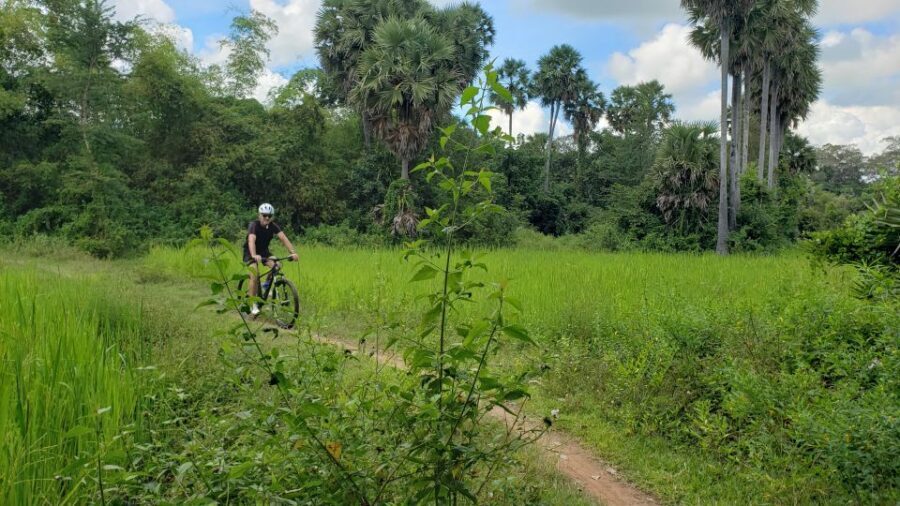
After lunch, you head toward Ta Nei, described as a temple that hides deeper in the jungle. This is a different kind of Angkor moment. Instead of the big, instantly recognizable wow factor of the most famous ruins, Ta Nei often feels more personal—less like a performance and more like you stumbled onto a sacred corner.
The itinerary shows a shorter dedicated stop here compared with Angkor Wat and Ta Prohm, but it’s long enough for guided context and a meaningful look. You also gain that jungle sensation you want on this type of tour: the path gets greener, and the environment feels closer.
Ta Prohm: crumbling stone, jungle sounds, and Tomb Raider vibes
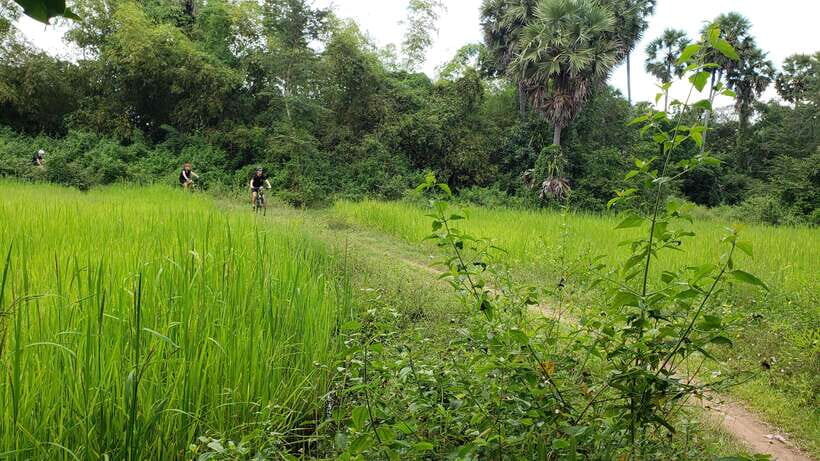
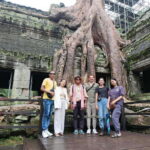
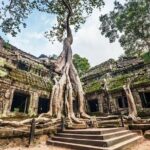
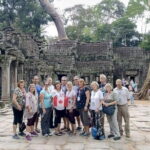
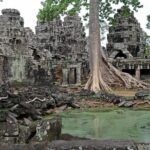
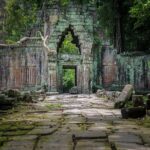
Then comes Ta Prohm, one of the most memorable ruins in the region. The schedule includes photo stops plus guided time, and it’s built for exploration on foot. If you’re chasing that cinematic feel of ancient structures overtaken by nature, Ta Prohm is the place.
You’ll also get a different rhythm here because of the cycling leading into it. You’re not arriving after a long car ride that drains your energy. You cycle through the jungle paths and arrive ready to look closely, not just ready to snap one photo and move on.
And yes, one rider’s experience specifically pointed out that the ride wasn’t technical, just a bit sandy in places. That matches the reality of moving through mixed ground near temple areas—nothing extreme, but it’s worth wearing closed-toe shoes and expecting some texture under the tires.
The shorter stops: Spean neak, French Dam, and quick art/café breaks
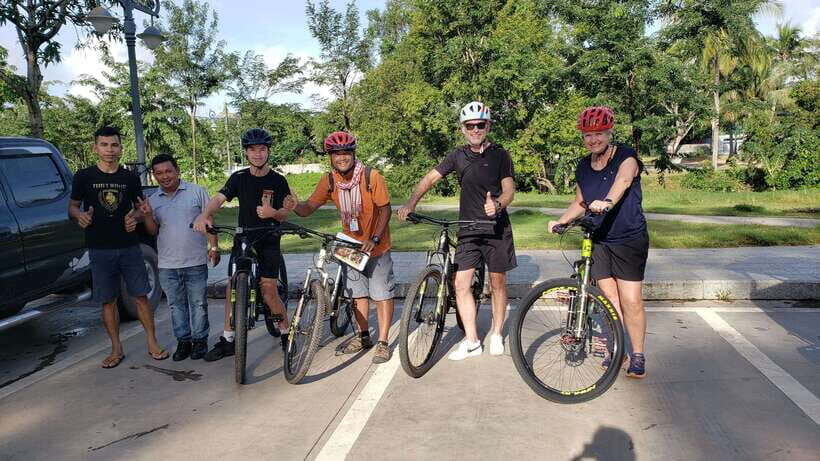
The day includes a few brief but interesting pauses that can change how the day feels.
- Spean neak gets a short guided and bike-timed segment, plus a safety briefing component early on.
- French Dam is included as a photo stop with guided context and time to see it properly.
- There are also quick stops such as Prohm Kel Temple, Nara Art, and a café stop listed in the schedule (a hop-on hop-off style break).
These aren’t meant to replace temple time. They’re like side chapters that help you understand the place beyond just the biggest monuments.
What the cycling feels like: not technical, but you still earn it
Based on the ride experiences and the route design, this is cycling that’s friendly to most visitors who can comfortably pedal for hours. The biking is described as not very technical, and the main friction point is the ground—think sandy patches in places.
The total distance lands between 25 and 35 km, which is doable for most people who are comfortable riding a bike without expecting endless flat terrain. The mountain bike and helmet help, but your comfort still depends on heat, hydration, and your willingness to keep a steady pace.
Good news: drinking water is included, and at least one ride experience noted plenty of water and snacks. So don’t worry that you’ll be rationing yourself through the day. Still, I’d bring some personal small extras if you like: lip balm, a cap, or a light layer for temple shade.
Safety and guide quality: why English narration matters here
This tour is led by a professional English-speaking cycling guide with bike experience. There’s also a safety briefing early in the schedule, and the bikes come with helmets.
Why narration matters: Angkor rewards attention. A guide who explains the past and the meaning of what you’re seeing makes your stops feel bigger. One of the strongest signals from ride experiences is that the guide’s explanations were excellent, and that the guide and driver were friendly and helpful.
Also, this tour leans into private or small-group flexibility. That helps you ask questions, move at a comfortable rhythm, and spend more time where you personally want it.
Price and value: $22 makes sense if you already have your pass
At $22 per person for an 8-hour guided private cycling experience, you’re paying for a lot of logistics: pickup, drop-off, bike + helmet, and guided time across multiple major temple areas. The big cost you need to watch is separate: Angkor Pass entrance tickets.
If you don’t already have an Angkor Pass, you can buy your ticket at the Angkor Temple Zone on the morning of the tour or through the official Angkor Enterprise site. Either way, budget for it so you’re not stuck with a day-long plan that can’t start.
Tips for guides and the driver are not included either. In a tour like this, tipping is part of the real equation because the guide is doing a lot: safety, pacing, storytelling, and day-long support.
Who should book this Angkor biking adventure (and who should skip it)
This tour is a good fit if you want more than car-and-wait tourism. You’ll likely like it if you enjoy active days, want to see the area around Siem Reap as you ride out, and want Angkor’s big sights with explanations you can hear while you move.
It’s not right for everyone. The tour is listed as not suitable for children under 5 and pregnant women. If you have any concerns about longer cycling time, talk to your operator before booking so you can match the route to your comfort level.
If you’re traveling with kids, the bike sizing options and tagalong bikes can make it workable—but you’ll still need everyone to handle the cycling schedule responsibly.
Should you book this private jungle biking tour?
Book it if you want an Angkor day that feels like a journey, not a shuttle loop. The combination of private cycling, an English guide (including Liap in ride experiences), included gear, and temple stops across Angkor Wat, Bayon/Angkor Thom, Ta Nei, and Ta Prohm is a strong recipe for a memorable day.
I’d think twice if you’re only interested in the most famous temple photos and you don’t want to ride 25–35 km total. If you’d rather be transported end-to-end, a car-based tour may be less physically demanding.
Finally, do yourself a favor: plan your Angkor Pass ahead of time, wear shoes that can handle a bit of sand, and use the water and breaks offered. Do that, and you’ll likely finish the day with the best kind of satisfaction: tired legs, clear photos, and explanations that actually make the stones feel alive.
FAQ
How long is the Angkor Jungle Biking Adventure private cycling tour?
It runs for 8 hours.
Where does the tour start and end?
Pickup and drop-off are included at your hotel in Krong Siem Reap. You’ll be returned to your hotel after the tour.
What’s the total cycling distance?
The biking distance is between 25 and 35 km from start to end.
Is the tour private?
Yes, it’s offered as a private or small-groups experience.
What’s included in the price?
Included are hotel pickup and drop-off, a professional English speaking cycling tour guide, a mountain bike and helmet, and drinking water.
What’s not included?
You need Angkor Temple entrance tickets, and the Angkor Pass is required for this tour. Tips for the guide and driver are not included, and any other costs not listed aren’t included either.
What language is the tour guide?
The guide speaks English.
What’s the typical schedule like?
You’ll meet after breakfast at your hotel lobby, get your bike and safety briefing, then ride to the Angkor area with stops at multiple temples, plus a lunch break, and return to town around mid-afternoon.
Is the route suitable for children?
The tour is not suitable for children under 5. There are bike sizes for children and tagalong bikes for less confident cycling children.
Is this tour suitable for pregnant women?
No, it’s listed as not suitable for pregnant women.
Can I buy Angkor Pass tickets on the day?
Yes. The information says you can purchase your ticket on the morning of the tour at the Angkor Temple Zone, or via the official Angkor Enterprise website.