REVIEW · BATTAMBANG
Handicraft tour/rice paper,/rice wine/bat cave Sun Set
Book on GetYourGuide →Operated by Battambang First Choi Tours · Bookable on GetYourGuide
A full day that hits both food and history. This Battambang circuit mixes rice paper and rice wine factory tastings with sobering visits to Khmer Rouge sites, then ends with the spectacle of the bat cave at sunset.
Two things I genuinely like: you get hands-on food moments (spring-roll rice paper, sticky rice, dried snacks), and the timing toward sunset makes the Phnom Sampov area feel cinematic instead of just educational. The main drawback to plan for is that many parts of the day have add-on costs, so the final price can be higher than the $8 base ticket.
The vibe depends a lot on your guide, and that matters on a day this packed. Names like Vannak, Sam, Bao, Sambath Liv, and Mr. Pay come up for strong English and flexible pacing. Still, because you’re covering a lot of ground, the flow can feel rushed if you’re hoping for lots of downtime.
In This Review
- Why This Battambang Tour Works So Well
- Getting Oriented: Tuk Tuk Pacing, Start Time, and Your Day Plan
- Wat Samrong Khong and Khmer Rouge Context Without the Guesswork
- Rice Fields to Fresh Market: The Daily Life Stops That Make It Feel Local
- Rice Paper, Spring Rolls, and the Craft Stops That Turn Snacks Into Stories
- Bamboo Train: A Transport Ride, Not Just a Photo Stop
- Lunch Timing: Choose City or Countryside for a Better Reset
- Ek Phnom Mountain, Killing Caves, and the Monkeys Above
- Bat Cave Sunset: The Main Event If You Time Your Expectations
- Price Math: What $8 Really Turns Into With Add-Ons
- Who Should Book This Tour (and Who Should Skip It)
- My Take: Should You Book This Battambang Circuit?
- FAQ
- What time does the tour start?
- How long is the experience?
- Is pickup included?
- What’s included in the $8 price?
- Is lunch included?
- Are there extra fees for activities?
- Do I need to hike to reach the mountain?
- What should I bring?
Why This Battambang Tour Works So Well
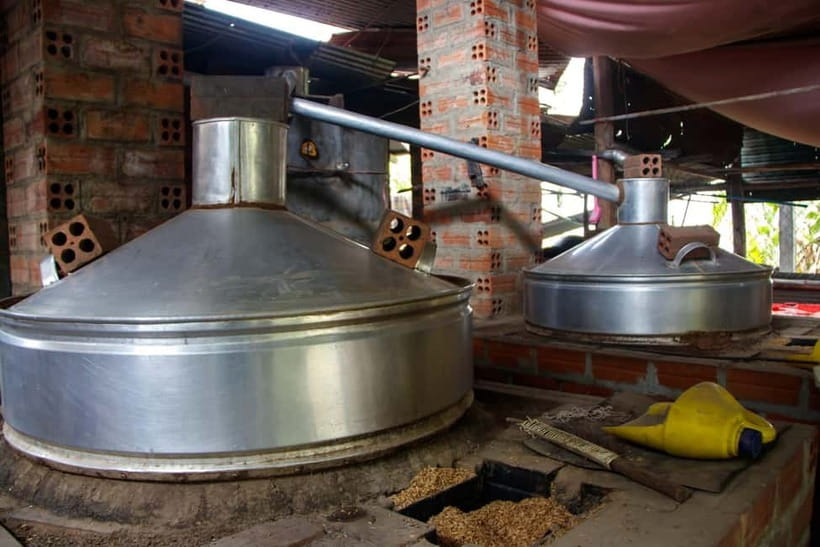
Battambang can feel like a stopover for people heading elsewhere in Cambodia. This tour treats it like a destination. You’ll move through rice fields and small villages, then switch gears to craft food production and finally to places tied to the Khmer Rouge era—without skipping the popular local experiences like the bamboo train and Phnom Sampov’s views.
What makes it worth your time is the mix of “everyday life” and “hard history.” Rice is not just scenery here. You’ll see how people grow rice, how communities process ingredients, and how everyday products like rice paper and dried banana fit into real routines. Then, when you reach Wat Samrong Khong and the killing cave area, you’re not just ticking off a memorial stop—you’re learning why the mountain and caves matter in Cambodia’s modern story.
And the sunset piece changes the mood. Bats emerging after you’ve seen the cave area gives you a jolt of nature that feels dramatic, even if you take the history seriously.
Getting Oriented: Tuk Tuk Pacing, Start Time, and Your Day Plan

The tour starts in the morning with a 9:00 AM baseline, but the schedule is flexible enough to fit what time you want—especially if you’re coordinating pickup. Pickup is available from Battambang hotels, and you’ll ride around in a tuk tuk with a live English-speaking guide and cold bottled water included.
This matters because tuk tuk days in Battambang are about momentum. You’re not going to spend 2 hours lounging in one place. The day runs long, and it usually feels like a string of short stops: market viewing, rice-field scenes, food tastings, craft demonstrations, a view point, then caves and sunset.
A smart way to handle that pace is to think like this: treat the day as a guided highlight reel, and save deeper questions for the stops where your guide is actually standing next to you (rather than when you’re just passing a view or a vendor street).
Also note the tour rules: no smoking in the vehicle, and keeping noise down matters. If you’re the kind of person who talks loudly on the move, this is one day to dial it back.
You can also read our reviews of more tours and experiences in Battambang.

Wat Samrong Khong and Khmer Rouge Context Without the Guesswork
The killing field stop is Wat Samrong Khong. Your guide explains the history of the Khmer Rouge and Pol Pot as you visit, so you’re not left trying to interpret the site on your own. For me, the value here is having context delivered while the place is right in front of you.
Still, keep your expectations realistic. This is a heavy topic. You’ll likely get more standing-around explanation than interactive activities at this moment. If you prefer to move quickly and avoid long discussions while standing in one spot, this part can feel like a letdown for your energy level. On the other hand, if you want the guide to connect the dots clearly, you’ll appreciate having an English speaker walking you through what the site represents.
Practical tip: wear shoes you’re comfortable standing in. Even if you’re not hiking far, memorial sites can involve uneven ground and long pauses.
Rice Fields to Fresh Market: The Daily Life Stops That Make It Feel Local
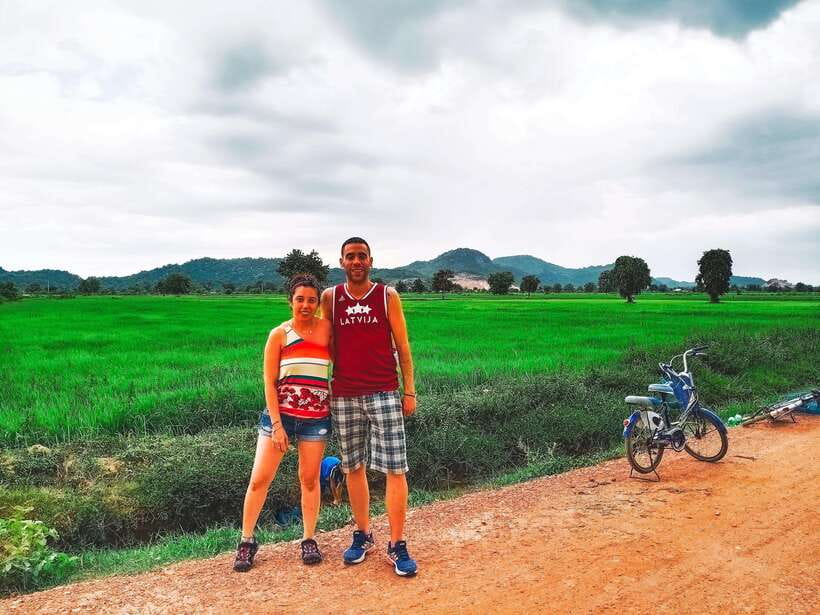
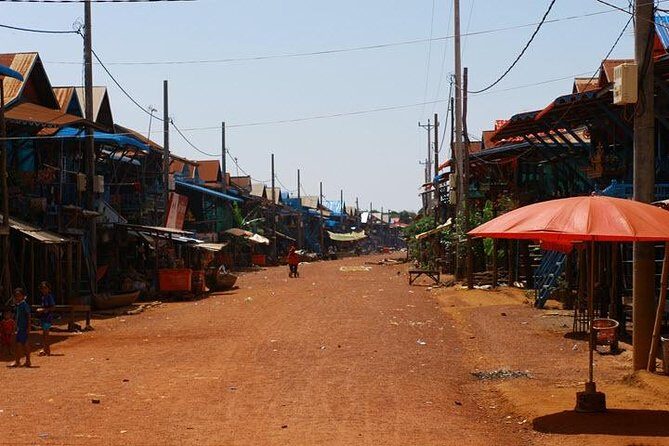
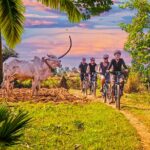
After pickup and a short briefing, you’ll start by seeing the countryside: paddy rice fields, small villages, and the working rhythm of rural Battambang. You’ll also visit a fresh market, which is a great reset moment in a day like this. It’s when you see what people actually buy and cook with, not just what tourists photograph.
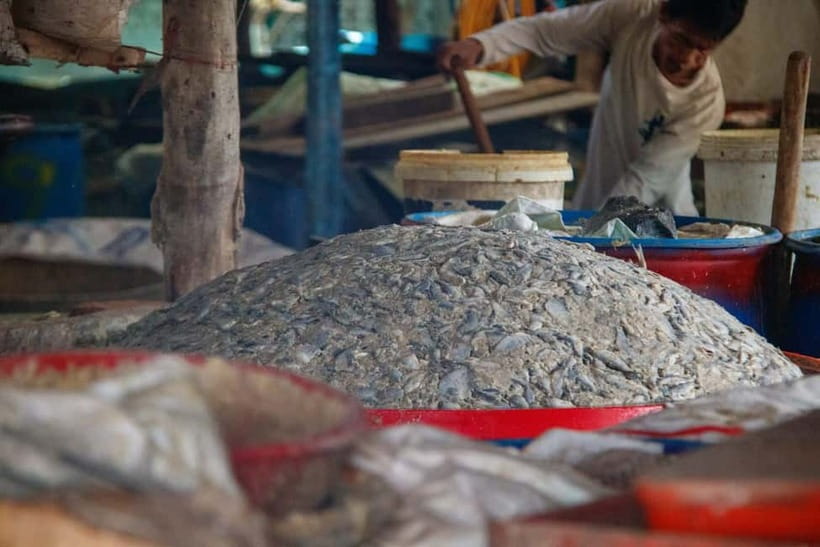
Then the tour layers in food production stops, which is where this itinerary becomes more than a sightseeing loop. You get tastings and demonstrations tied to Cambodian staples—things like spring-roll rice paper, sticky rice processing, and dried fish items.
If you’re a food traveler, this is the part you’ll remember. It’s not just tasting snacks. It’s watching the process and learning why certain foods are common. Rice paper, for example, is a base ingredient. Dried bananas are a shelf-stable sweet. Rice wine is a cultural drink. When you understand the “why,” Battambang stops feeling like a checklist.
Rice Paper, Spring Rolls, and the Craft Stops That Turn Snacks Into Stories
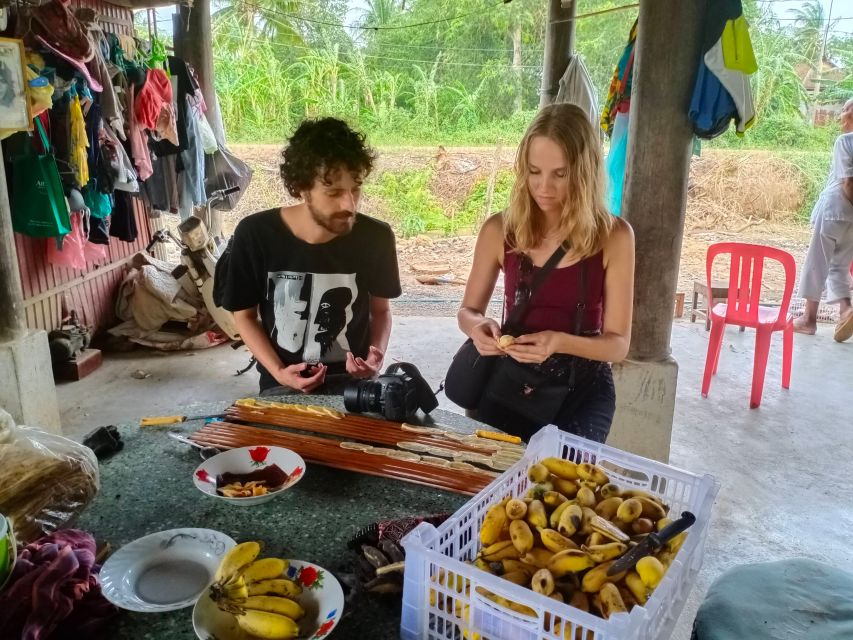
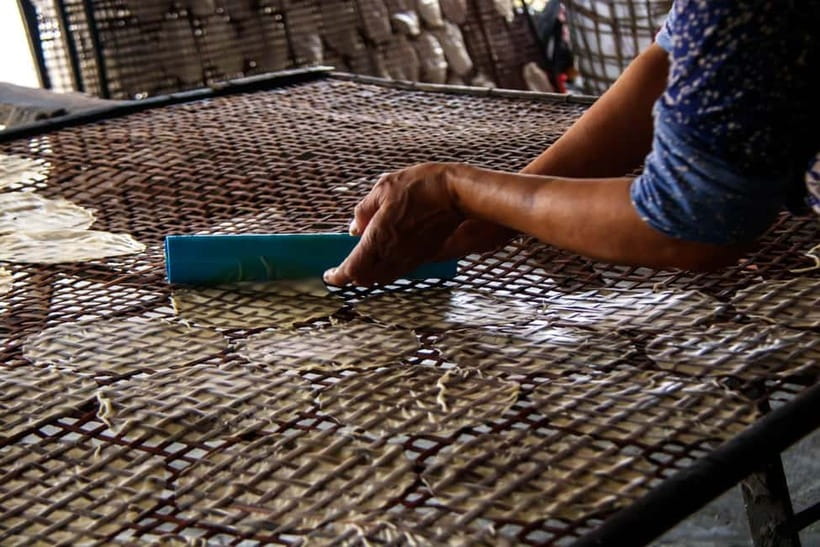
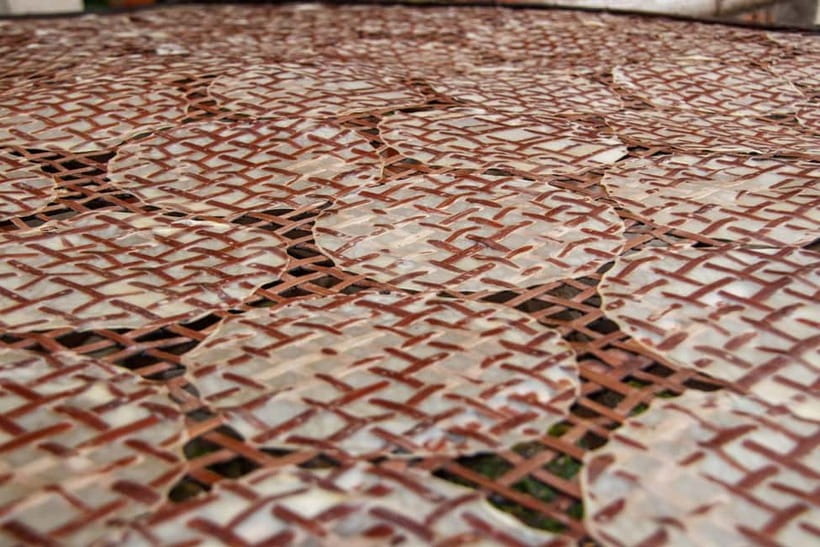
A big selling point here is the handicraft and food-factory style visits. You’ll see rice paper production for spring rolls and you’ll get rice paper tasting (listed as $1 per person). You’ll also encounter dried banana tasting (listed as $1 all together) and other local snack foods along the way.
These stops can vary in “hands-on” level depending on your guide and how busy the factories are, but the overall goal stays consistent: you learn how raw local ingredients become products you can take home or taste right there.
One of the strongest review themes attached to this tour is craftsmanship guidance. Guides like Vannak and Sambath Liv are mentioned for showing hidden spots and explaining things in detail. Another name, Sam, is tied to a highly interactive day style, including adding personal local touches when possible (one example given is a quick local barber shave stop for a more human-scale experience).
If you like learning by watching and tasting, this section delivers. If you’re the type who only wants big-ticket sights, these craft moments might feel like “extra.” I’d treat them as the tour’s backbone.
Bamboo Train: A Transport Ride, Not Just a Photo Stop
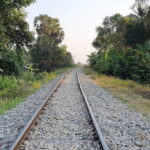
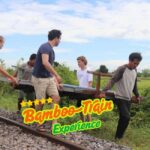
Yes, the bamboo train is iconic in Battambang. But on this tour it works best as a lived experience: you ride through countryside and village areas, so it feels like transportation that people actually use or organize for daily life and tourism alike (not a staged museum display).
The catch is cost. Bamboo train tickets or entrance fees are listed at $5 for each, and it’s an add-on. Plan to pay that if it’s on your must-do list.
Even when you’ve seen photos before, the ride feels different because you’re moving through real scenery and hearing the sounds of the ride in motion. It also gives your legs a break from standing and walking after earlier stops.
If you’re sensitive to uneven ground, keep your footing careful. This isn’t a smooth tram ride. It’s part of the charm—and part of the reason it’s memorable.


Lunch Timing: Choose City or Countryside for a Better Reset

Sometime around 12:00–13:00, the tour offers lunch. You can choose to eat in the countryside or in the city, based on preference. Lunch itself is not included in the base price.
I like this flexibility because it affects your energy level. If you want calmer scenery and a slower feel between busy stops, countryside lunch is the better reset. If you want easier logistics and more variety, city lunch may feel simpler.
Either way, bring cash. Between lunch decisions and add-on tastings, you’ll want it ready.
Ek Phnom Mountain, Killing Caves, and the Monkeys Above
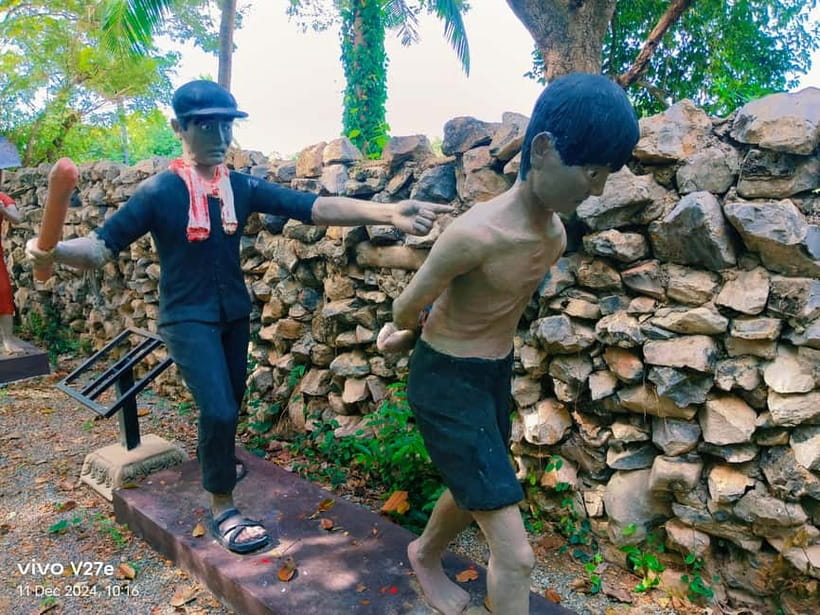
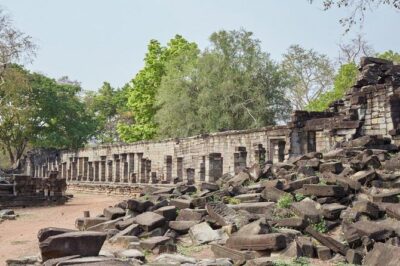
Later in the afternoon, you head to the Phnom Sampov mountain area, where you’ll reach the killing cave and the bat cave. You can hike or take a motorbike up to view the sites. The day description also mentions a big cannon, gun, monastery, monkeys, and stupas.
This is another “choose your effort” moment. If you’re fit and like views, hiking gives you time to catch the slow panorama changes as you climb. If you’re not up for stairs or steep ground, motorbike transport is the more comfortable option.
Either way, your guide shares history about Pol Pot, the killing caves, and the mountain itself. This is where the tour shifts from “here are the sites” to “here’s what they meant then and why the geography matters now.”
Practical note: this section can be active, so having climbing gear (listed) and wearing grippy shoes is smart.
Bat Cave Sunset: The Main Event If You Time Your Expectations
After the killing caves, the schedule waits around 5–10 minutes for the bats to emerge from the cave. That’s the payoff moment when the tour becomes more than a history lesson.
The timing toward sunset is key. Your tour reaches the hotel around 7:00 PM after the bat cave and sunset around 6:30. If you hate waiting, this is still a good wait. The bats do not rush on human schedules.
What I like about this part is that it reframes the mountain area as more than a memorial site. Nature owns the space in a different way once the bats start moving.
If you’re booking for the bats only, you still need to be comfortable with the history segment that comes right before. The tour doesn’t treat the cave area as separate from what happened there.
Price Math: What $8 Really Turns Into With Add-Ons
The tour base price is $8 per person, which is a strong entry price. But the day includes multiple extra charges, and you need to budget for them or you’ll feel annoyed later.
Here’s what’s explicitly listed as extra:
- Bamboo train ticket or entrance fee: $5 per person
- Wat Samrong Khnong killing field donation: donation (amount not fixed)
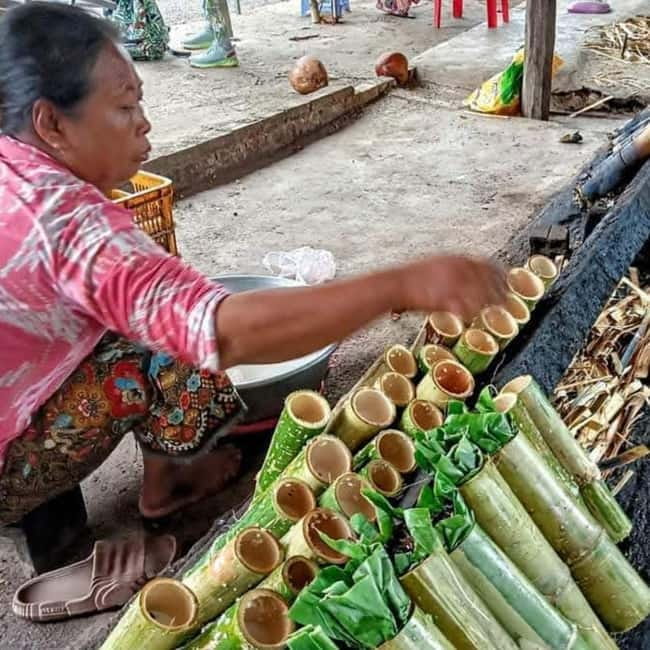
- Bamboo sticky rice taste: $1 all together
- Rice paper factory spring roll taste: $1 per person
- Dried banana taste: $1 all together
- Rice wine entrance fee: $1 per person
- Killing cave & bat cave ticket: $1 per person
If you add the fixed, per-person items only (bamboo train + rice paper taste + rice wine entrance + cave/bat ticket), that’s at least $5 + $1 + $1 + $1 = $8 more on top of the base $8, or about $16 before considering donations and the “all together” tastings. In real life, your total often lands higher once you factor in lunch (not included) and any guide-arranged extras.
This is the biggest balance point of the tour. The base price is friendly, but you have to treat it like a full-day experience with a variable spend basket.
If you’re cost-sensitive, decide in advance which tastings matter to you. If you’re excited by food culture, the added fees become part of the fun rather than a surprise.
Who Should Book This Tour (and Who Should Skip It)
This is a great fit for:
- Food travelers who want hands-on tastings like rice paper and rice wine
- People curious about how rice and rural crafts connect to daily life
- Travelers who want Battambang’s “iconic sites” plus countryside movement
It’s not a great fit for:
- People with mobility impairments or wheelchair users
- People with heart problems
- Older travelers: it’s listed as not suitable for people over 70 or over 95
If you want a peaceful, slow day with minimal walking and zero emotional weight, this probably won’t match. You’ll be active, you’ll stand through history explanations, and you’ll end with a dramatic natural spectacle that happens on cave-time, not tourist-time.
My Take: Should You Book This Battambang Circuit?
Book it if you want a true Battambang mix: agriculture, crafts, iconic transport, and Khmer Rouge history, all stitched into one long tuk tuk day. I like that you’ll leave with both stories and tastes, and that the bat cave sunset is built into the schedule rather than treated as an afterthought.
Skip it if surprise costs will ruin your day. The base price is low, but the add-ons are real, and lunch is not included. Also skip if you’re not emotionally ready for a killing field and killing caves day.
If you do book, go in with two strategies: bring cash for add-ons, and pick a guide you feel good with. On this kind of route, the guide’s pacing and English clarity can turn the same stops into a much better day.
FAQ
What time does the tour start?
Tours start in the morning at 9:00 AM, and the operator notes the start time can work with your preference.
How long is the experience?
The duration is listed as 4 to 10 hours, depending on the selected option and how the day runs.
Is pickup included?
Yes. You can be picked up from your hotel in the Battambang area, and pickup is optional with at least 15 minutes notice before the tour start.
What’s included in the $8 price?
Cold bottled water, local fruit tastings, a tuk tuk with driver, a live English guide, and hotel pickup and drop-off are included.
Is lunch included?
No. Lunch is not included, but you’ll have a chance to choose lunch in the countryside or in the city around 12:00 to 13:00.
Are there extra fees for activities?
Yes. The tour lists additional costs for bamboo train ticket/entrance ($5 each), rice paper tasting ($1 per person), rice wine entrance fee ($1 per person), and killing cave & bat cave ticket ($1 per person), plus donation for Wat Samrong Khnong and other tastings.
Do I need to hike to reach the mountain?
You can either hike or take a motorbike up to Phnom Sampov mountain to view the killing cave and bat cave area.
What should I bring?
Bring a camera, climbing gear, and cash.