REVIEW · SIEM REAP
2-Day Angkor Wat With Small, Big Circuit & Banteay Srei Tour
Book on GetYourGuide →Operated by Happy Angkor Tour Cambodia · Bookable on GetYourGuide
Angkor at ground level feels different. What makes this 2-day plan work is the way it stitches the big sights together with a licensed English guide and real “see it, then move on” timing. I like that you can tailor the flow to your interests instead of being dragged through temples like you’re on a conveyor belt.
My other big win is how comfortable the whole day feels, with cool drinks and face towels at stops and a route that helps you avoid backtracking. One consideration: the price you pay for the tour doesn’t include the temple pass or food, so your total cost will be higher than $136 once you add those essentials.
In This Review
- Key things I’d plan around
- Small and Big Circuits: how this 2-day route helps you actually enjoy Angkor
- Pickup and timing: what your mornings and afternoons feel like
- Day 1: Angkor Wat, Ta Prohm roots, and the drama of Angkor Thom
- Angkor Wat: start where the legend lives
- Small Circuit flow: Ta Prohm’s tree roots and the next temples
- Angkor Thom: enter through Victory or Death Gate
- Sunset from Phnom Bakheng: the end-of-day payoff
- Ta Prohm and the Tomb Raider angle: what to watch for beyond the movie
- Day 2: sunrise at Angkor Wat and the Big Circle temples
- Prah Khan, Neak Poan, Ta Saom, East Mebon, Pre Rup
- Banteay Srei: pink sandstone at Ladies Temple and the temples around it
- The guides and drivers: where this tour quietly wins
- Value check: what $136 includes, and what costs extra
- My simple budgeting math
- Who should book this (and who might skip it)
- Should you book this 2-day Angkor Wat small and big circuit tour?
- FAQ
- Do I need to buy a temple pass for this tour?
- Is food included?
- What’s included in the tour price?
- Is this tour private?
- What languages are available for the guide?
- Does the itinerary include sunrise and sunset at Angkor?
- How long is the tour?
Key things I’d plan around
- A private guide who sets the pace so you can linger at the spots you care about
- Small Circle Day 1 + Big Circle Day 2 so you cover more without repeating the same route
- Ta Prohm’s giant tree roots tied to the Tomb Raider filming location
- Angkor Wat sunrise and Phnom Bakheng sunset giving you two very different light shows
- Banteay Srei’s pink sandstone at Ladies Temple, plus a couple of smaller companions nearby
- Comfort details like cold water and face towels built into the rhythm of the day
Small and Big Circuits: how this 2-day route helps you actually enjoy Angkor
Angkor is vast. The danger on any 2-day itinerary is simple: you spend your energy moving between sites instead of seeing them. This tour avoids that by splitting the visit into two logical loops—a Small Circuit on Day 1 and a Big Circuit on Day 2—then finishing with Banteay Srei and nearby temples.
What I like for your trip planning: the day isn’t just a checklist. It’s built so you hit the core icons (Angkor Wat, Angkor Thom, Ta Prohm) and then balance them with additional temples that change the atmosphere. You get that “main course and sides” feeling rather than trying to fit everything into one long day and losing the meaning of each place.
Another practical upside: it’s private transport in an air-conditioned vehicle. When the heat hits, you’re not trapped outside with no option but to slow down. You can take breaks without turning your day into a schedule disaster.
You can also read our reviews of more tours and experiences in Siem Reap
Pickup and timing: what your mornings and afternoons feel like
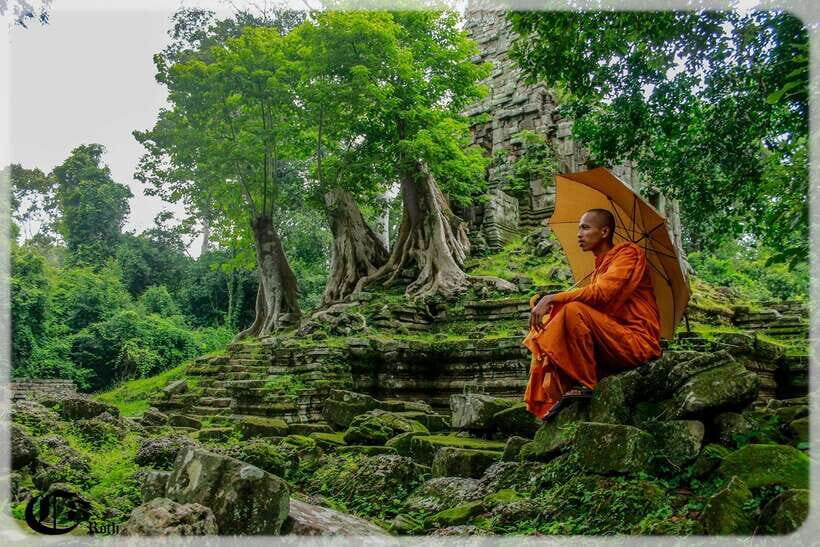
The day starts with hotel pickup in Siem Reap, and you’re asked to be ready in the lobby about 10 minutes before the scheduled time. That small detail matters. Angkor starts early in the real world, and you’ll want every good hour.
On Day 1, you’ll head out in the morning for Angkor Wat and the Small Circuit sequence. After temples, you stop for lunch at a local restaurant (not included). On Day 2, the tour begins bright and early for sunrise at Angkor Wat, then you return for breakfast or you can stop at a restaurant (not included) before continuing on the Big Circuit.
Also, they provide cool drink water and face towels during the route. It’s not the kind of thing you brag about on a brochure, but after a hot walk through stone corridors, it’s the difference between feeling fine and feeling annoyed.
Day 1: Angkor Wat, Ta Prohm roots, and the drama of Angkor Thom
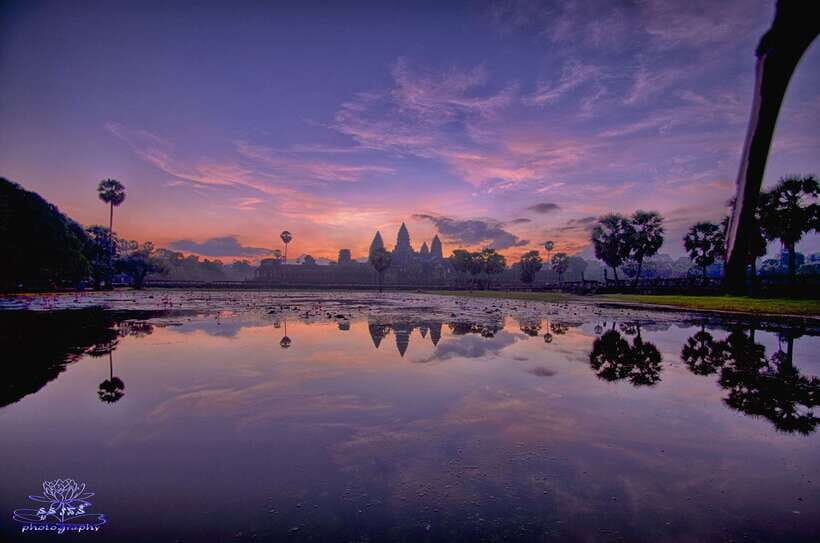
Day 1 is your “start big” day. You begin with Angkor Wat, then work your way through the Small Circuit, and finally shift into Angkor Thom—ending with a sunset viewpoint at Phnom Bakheng.
Angkor Wat: start where the legend lives
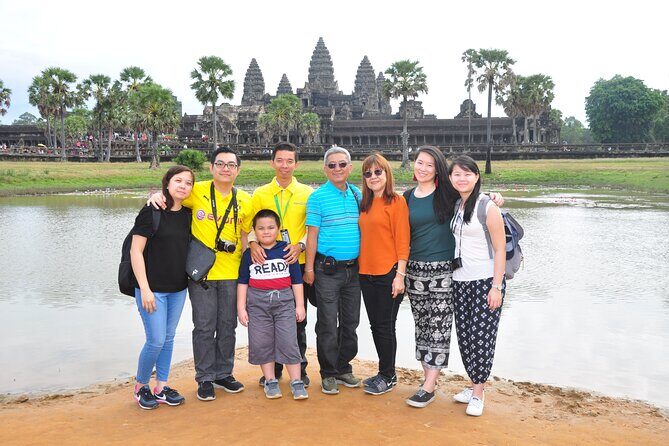
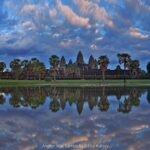
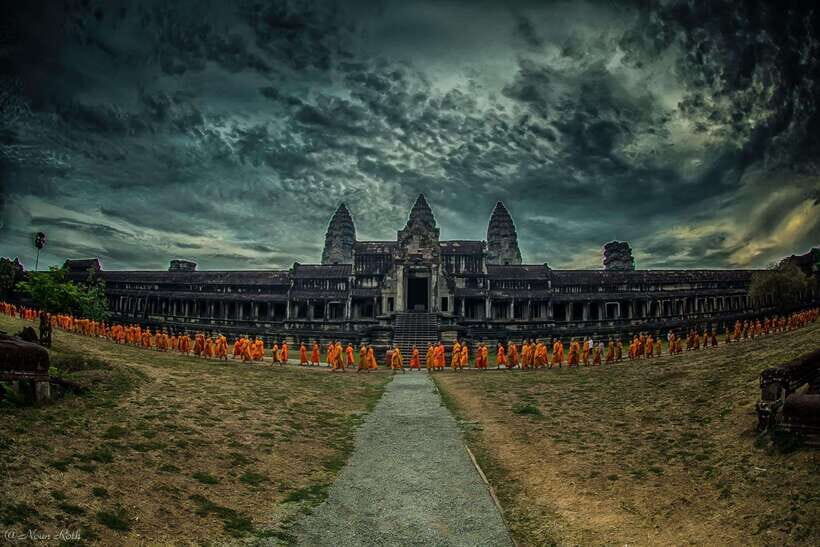
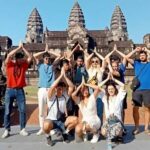
Angkor Wat is the 12th-century centerpiece, and the tour gives it the time it deserves before you scatter into other sites. This is your chance to orient yourself: how the spaces connect, how the scale works, and why people keep returning even after seeing photos for years.
Small Circuit flow: Ta Prohm’s tree roots and the next temples
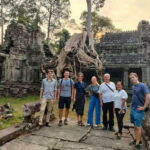
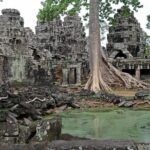
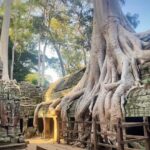
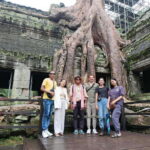
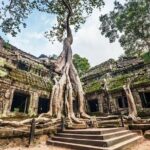
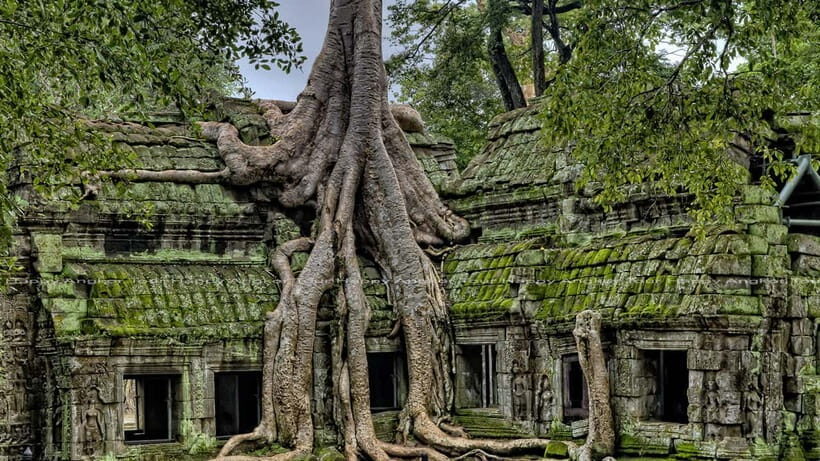
After Angkor Wat, the itinerary continues along the Small Circuit. A highlight here is Ta Prohm, the temple famous for those giant tree roots that wrap the stone and make the ruins feel alive. The tour specifically calls out that Ta Prohm is the filming location linked to Tomb Raider. Even if you’re not chasing movie trivia, the visual effect of roots-over-stone is what people come for.
From there, you continue through additional stops on the Small Circuit route, including Ta Nei. It’s a nice change of pace after the biggest crowd magnets—more time to focus on shapes, carvings, and the way the temple sits in its surroundings.
Angkor Thom: enter through Victory or Death Gate
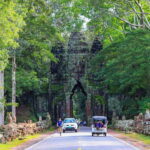
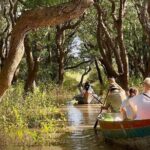
The Angkor Thom section is where your day turns cinematic. You start at the Victory or Death Gate, then walk into the city core to see Bayon’s 49 smiling towers. That phrase gets repeated for a reason. They’re not just decorative details; they shape how the whole space feels when you’re standing close enough to notice expressions.
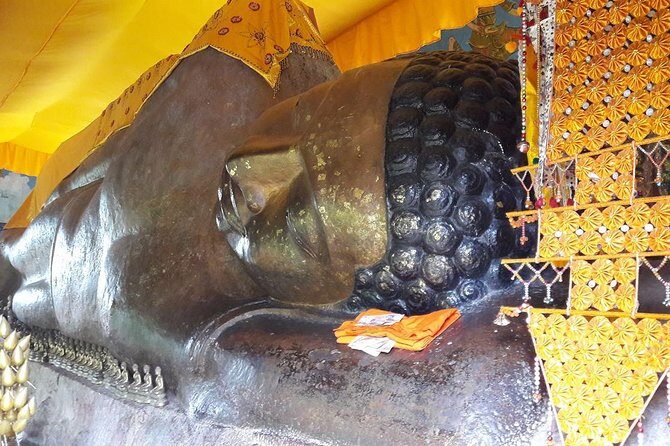
You’ll then continue to Baphoun, where you can see the Reclining Buddha behind that temple. After that, the Royal Enclosure area lets you pick up more of the story around the city layout—stops include the Royal Enclosure Wall, Phimeanakas, Elephant Terrace, Leper King Terrace, and Palilay.
If you’ve only seen Angkor Thom from photos, this part helps you understand the “urban” side of the site. It’s not just temples in isolation. It’s a designed world.
Sunset from Phnom Bakheng: the end-of-day payoff
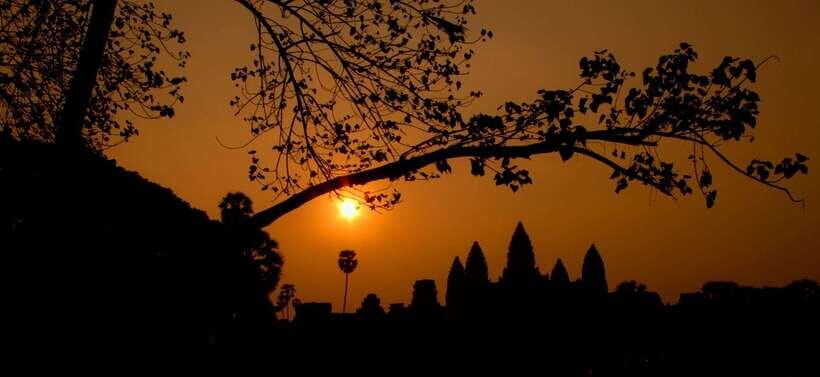
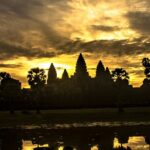
You finish Day 1 with a sunset viewpoint from Phnom Bakheng. This is a smart closing choice because the color shift changes the stone tones and softens the whole scene. It’s also your chance to let the day settle in before the next big morning.
Ta Prohm and the Tomb Raider angle: what to watch for beyond the movie
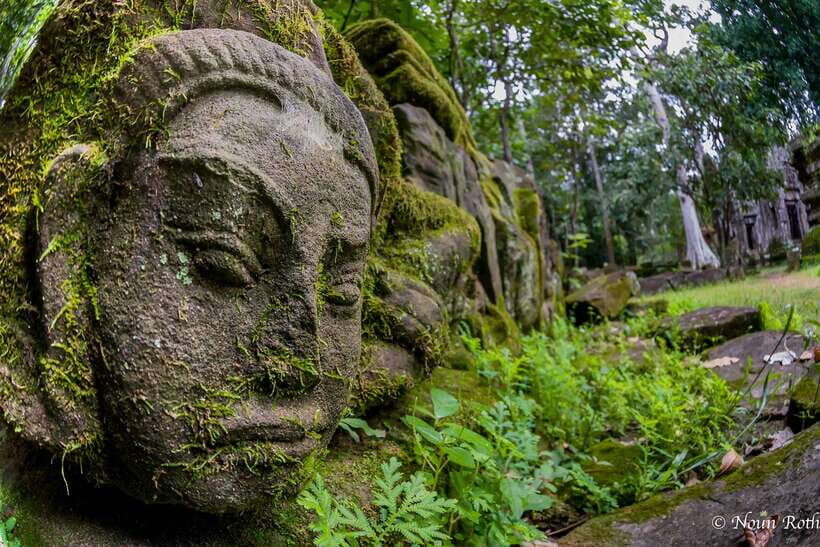
Ta Prohm is often sold as a movie stop, but the real value is how the ruin behaves around you. The giant tree roots create a contrast: stone that looks ancient and deliberate, plus living growth that looks random and unstoppable.
Two practical tips help you get more from your time here:
- Look for layers: roots, broken blocks, and temple openings create different “frames” depending on where you stand.
- Use your guide for picture timing: one of the best things about the guides on this route is their knack for finding strong spots for photos, so you’re not just walking around and guessing.
If you’re traveling with a camera, this is one of those places where the “right angle” matters more than the “right time.” Even so, your guide can usually help you line up better light and fewer headaches.
Day 2: sunrise at Angkor Wat and the Big Circle temples
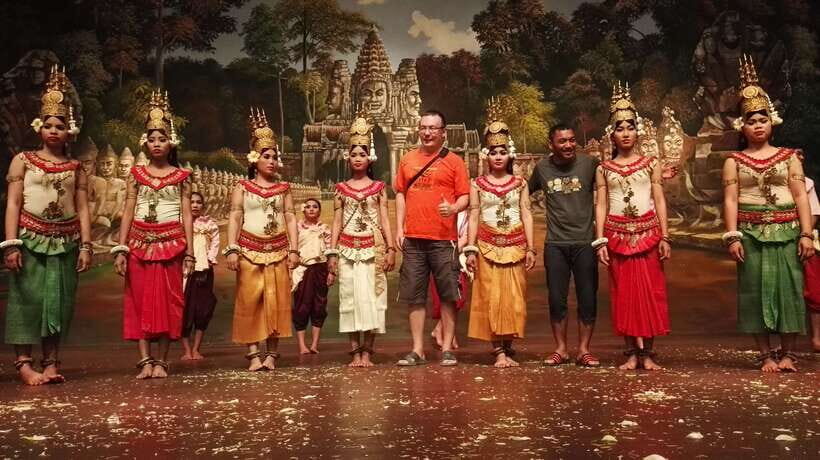
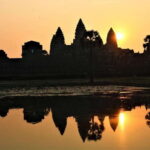
Day 2 starts early for a reason: you’re here for the sunrise view behind Angkor Wat. Early starts are tiring, but the payoff is that the temple’s scale hits you before the day gets loud. You also get a very different mood than Day 1’s daytime exploration.
After sunrise, you return for breakfast (or you can grab breakfast at a restaurant, not included). Then the tour moves into the Big Circle.
Prah Khan, Neak Poan, Ta Saom, East Mebon, Pre Rup
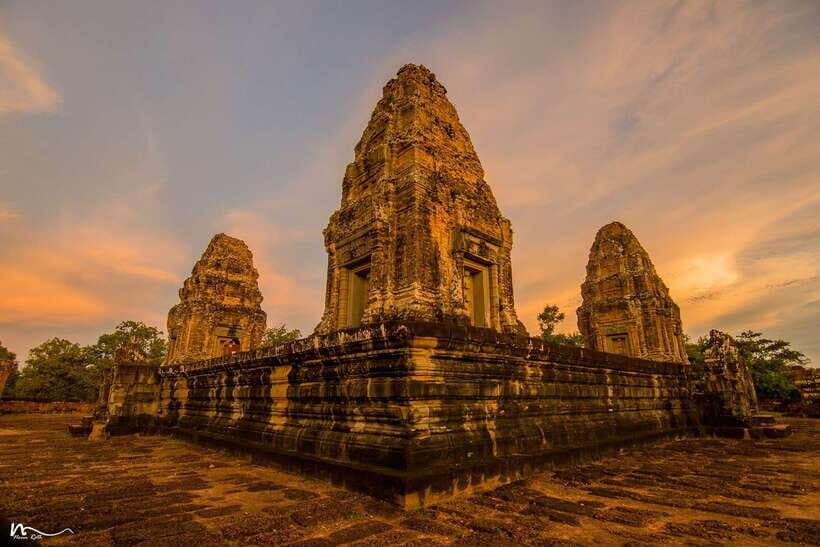
This part of Day 2 is a planned loop through key temple stops: Prah Khan, Neak Poan, Ta Saom, East Mebon, and Pre Rup. The advantage of visiting them with a guide is that you understand where you are in the broader Angkor story, not just hopping temple to temple.
I also like this structure for fatigue management. By Day 2, you know what you’re looking at. You can spend your energy on the details that matter to you instead of using mental power just to orient.
Lunch happens after these Big Circle temples at a local restaurant (not included), giving you a reset before the next color-focused temples.
Banteay Srei: pink sandstone at Ladies Temple and the temples around it
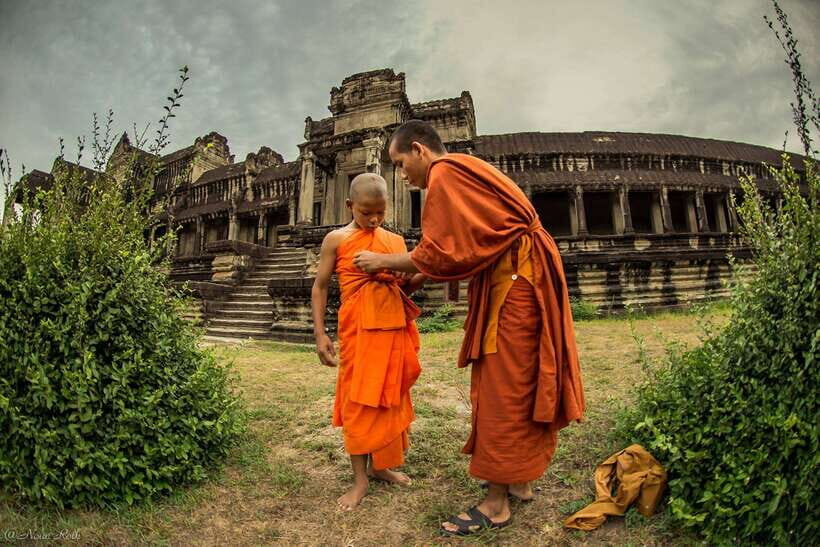
The last segment of the tour gives you a shift in character. Banteay Srei, also known as Ladies Temple, is described as famous for its pink sandstone and its dedication to Hindu goddesses. That’s exactly the kind of contrast that makes a two-day itinerary feel complete: you go from giant, iconic complexes to a temple that feels more intimate in tone.
After Banteay Srei, you continue to Banteay Samre and Banteay Kdei before heading back.
What I like about finishing here is pacing. After days of stone structures that can blend together, pink sandstone adds an immediate visual anchor. It also helps your brain separate the experience into distinct chapters: Angkor Wat and the city core, then the jungle-root drama, then a different style of temple at the end.
The guides and drivers: where this tour quietly wins
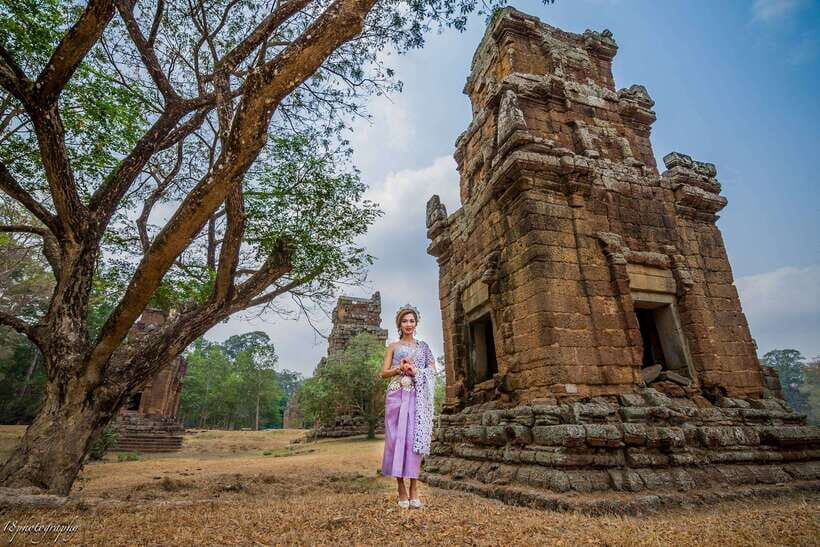
This tour’s top praise is not just the temples. It’s the people managing the day.
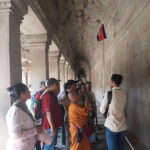
You might get a guide like Chhay—and if you do, you’ll likely get a mix of history, myth, and practical explanations in clear English. One useful detail: your guide can also help with the photo spots, so you’re not just pointing your camera at the nearest wall and hoping.
Another example is Bunhak, paired with driver Sreang. The rhythm that stands out in the feedback is how the team can avoid the most over-run routes and still keep you moving efficiently—without making you walk the same paths back to the parking area.
Even the small comfort touches show up again and again: cool towels and cold water waiting at stops, plus a pace that can be adjusted to your group. If you prefer a slower walk at Bayon to really see the faces, you can ask. If you want to move faster through less-essential areas, that can be handled too.
Value check: what $136 includes, and what costs extra
At $136 per person for 2 days, this tour is priced for travelers who want a private guide and private vehicle rather than cobbling together a driver plus guide plus route research.
Here’s what’s included:
- Hotel pickup and drop-off
- Private air-conditioned transportation
- Guide (English)
- Cool drink water
- Face towels
What’s not included:
- Temple pass
- Food (lunch stops are available for purchase)
Temple pass cost guidance: you can purchase a 2–3 day temple pass for $62 per person. Children under 12 have free entrance.
My simple budgeting math
If you’re an adult, a realistic “tour + pass” total is about:
- $136 tour + $62 temple pass = $198 before your lunches and any snacks.
That’s still a fair deal if you compare it to the cost of hiring a private driver, paying for a guide separately, and doing the route planning yourself. The value here is paying for the logistics and context so you can focus on seeing Angkor rather than solving it.
Who should book this (and who might skip it)
This tour fits you best if:
- You want a private guide in English and you like explanations as you walk
- You prefer a balanced itinerary (major icons plus other stops) across two different circuits
- You care about sunrise and sunset, not just daytime temple hopping
- You want comfort built into the day, with water and towels
You might want to choose a different approach if:
- You’re traveling extremely budget-first and don’t want to think about temple pass timing and lunch costs
- You don’t like early mornings. Day 2 begins for sunrise, and that changes the whole day’s rhythm.
Should you book this 2-day Angkor Wat small and big circuit tour?
If your goal is to get the most satisfaction from limited time, I’d book it. The mix of Angkor Wat + Angkor Thom + Ta Prohm on Day 1, then Big Circle temples + Banteay Srei on Day 2 is a strong way to see different sides of the complex without turning the trip into one endless walk.
Just go in knowing the one real catch: the temple pass and meals are extra. Once you plan for that, the $136 price buys you the big things you can’t outsource easily—route planning, guide context, and a smoother, more comfortable day.
FAQ
Do I need to buy a temple pass for this tour?
Yes. Temple passes are not included. You can purchase a 2–3 day temple pass for $62 per person.
Is food included?
No. Food isn’t included, but you’ll stop at local restaurants where you can purchase lunch.
What’s included in the tour price?
Included are hotel pickup and drop-off, private air-conditioned transportation, an English live guide, cool drink water, and face towels.
Is this tour private?
Yes, it’s a private group with a private guided experience.
What languages are available for the guide?
The guide speaks English.
Does the itinerary include sunrise and sunset at Angkor?
Yes. You’ll see sunrise at Angkor Wat on Day 2, and you’ll finish Day 1 with sunset from Phnom Bakheng.
How long is the tour?
The tour lasts 2 days.