REVIEW · SIEM REAP
Small-Group Explore Angkor Wat Sunrise Tour with Guide
Book on GetYourGuide →Operated by Pitt Angkor Tour · Bookable on GetYourGuide
Waking up at 4:20 am changes everything. This tour is interesting because you hit Angkor Wat at sunrise, then keep the day moving through the big name temples with a real English-speaking guide who adds context. I especially like the mix of planned viewing time and practical pacing, plus the stop for local breakfast near Srah Srong. The one drawback is simple: the start is very early, so if you hate mornings, you’ll feel it.
What makes it feel worth your time is the structure. You’re not just dropped at temples with a map and sent off; you get commentary, guided time at each site, and air-conditioned transport that keeps the heat from stealing your energy. One more consideration: you’ll still need the Angkor 1-day pass, which is not included.
In This Review
- Key points at a glance
- 4:20 AM Angkor Wat Sunrise: why this timing matters
- The local breakfast at Srah Srong before the temple grind
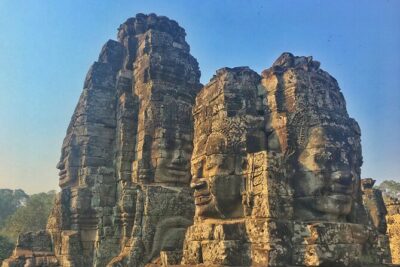
- Bayon Temple’s smiling faces: more than a famous view
- Ta Prohm and the tree-root ruins: nature meets architecture
- Angkor Thom: the last capital feel, with guided structure
- Pre Rup and the Pink Temple: brick Hindu stops to look for
- MR T-style temple commentary: what good guiding feels like
- Transport and comfort: tuk tuk for 1–2, minivan for 3+
- Price and value: $20 is only the start
- Who this sunrise tour is best for
- What your day looks like, from pickup to return
- Final call: should you book this $20 sunrise tour?
- FAQ
- What time does the Angkor Wat sunrise tour start?
- How long is the tour?
- Is hotel pickup and drop-off included?
- Is the Angkor 1-day pass included in the price?
- What’s included in the tour price besides the guide?
- What temple stops are included besides Angkor Wat?
- What transportation will we use?
- Is the guide available in English?
- How big is the group?
- Can I cancel or pay later?
Key points at a glance
- 4:20 am Angkor Wat sunrise with guided time focused on what you’re seeing
- Local breakfast by Srah Srong (Royal Bath) before the main temple circuit
- Bayon Temple’s 54 towers and 200+ smiling faces linked to King Jayavarman VII
- Ta Prohm’s tree-root ruins in the “Tomb Raider” style everyone talks about
- Angkor Thom as the Khmer Empire finale, plus additional guided brick Hindu temple stops like Pre Rup and the Pink Temple
- Small group size, with transport matched to your party size for comfort
4:20 AM Angkor Wat Sunrise: why this timing matters
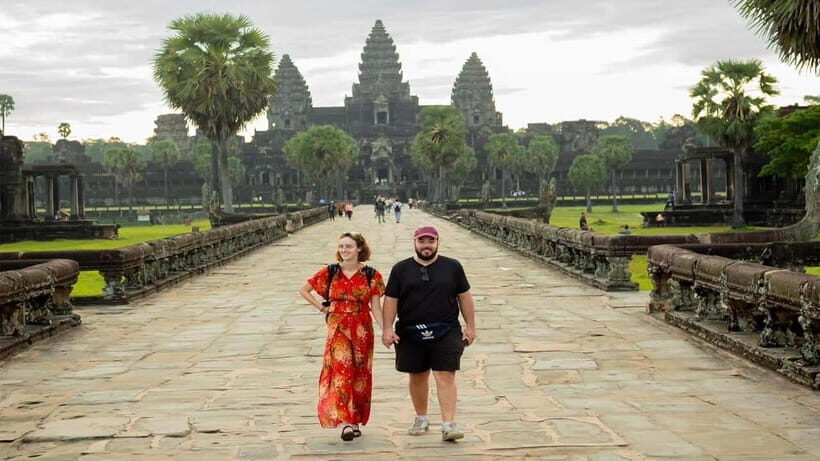
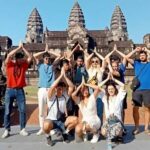
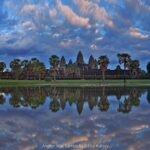
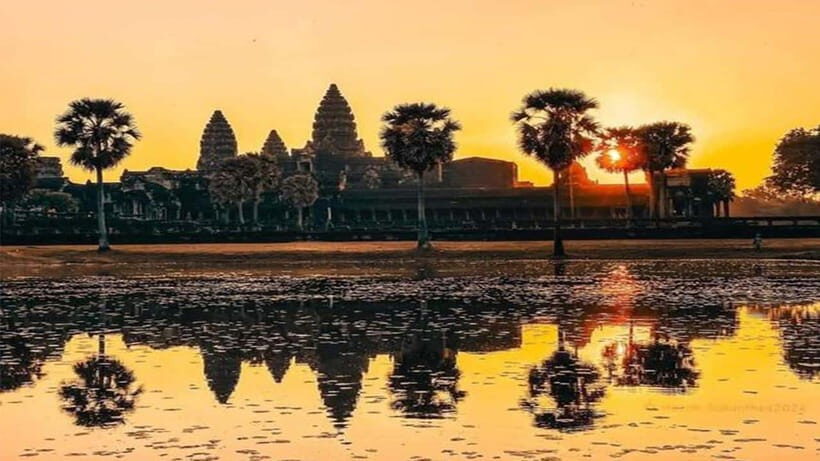
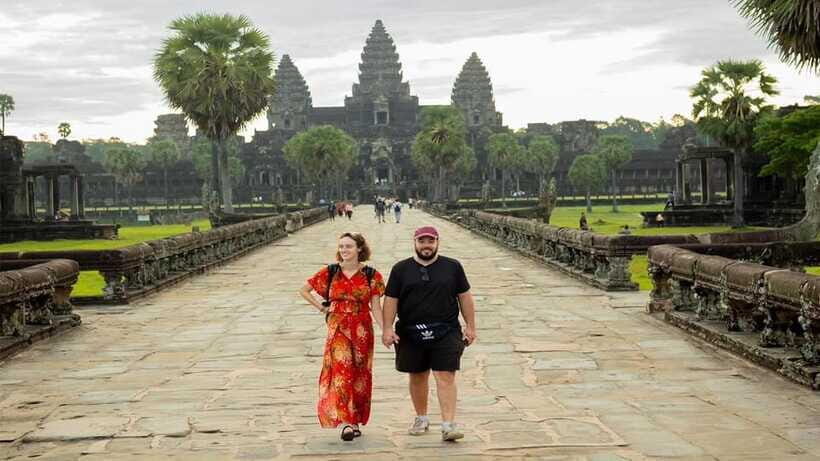
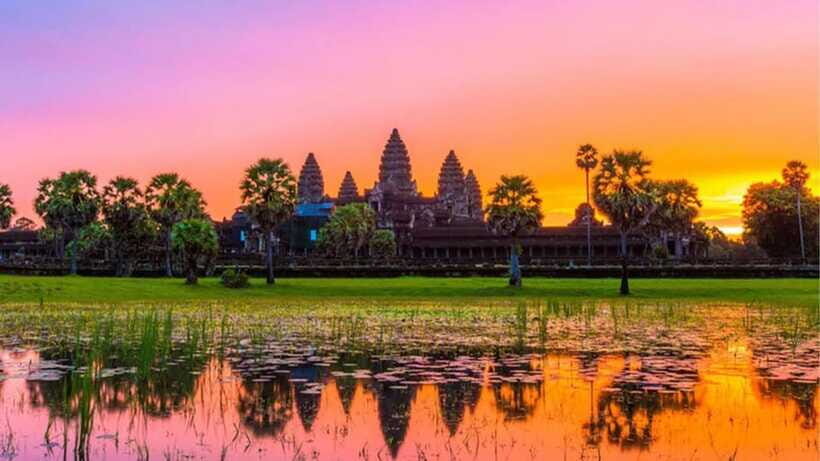
Angkor Wat at sunrise isn’t just a popular photo moment. The early hour gives you lower crowds, softer light for carvings, and cooler temperatures while you’re walking temple grounds. You start the experience around 4:20 am, which means you’re building the day around the moment the stones look most alive.
This tour pairs sunrise time with guided viewing, so you’re not standing there guessing what you’re looking at. Your guide helps you read the architecture and details instead of just waiting for the light to change. That’s the difference between seeing a famous temple and understanding why it’s famous.
You’ll also spend time inside the Angkor Wat area with a proper sunrise guide session (about 2 hours). That’s useful because Angkor Wat is huge; without guidance, you can easily wander past key angles and miss the best sightlines. With a guide, you tend to move with purpose.
You can also read our reviews of more guided tours in Siem Reap
The local breakfast at Srah Srong before the temple grind
After sunrise, the day doesn’t jump straight into more walking. You stop at a local restaurant for a break (about 30 minutes), with breakfast near Srah Srong, the “Royal Bath.” That matters because a sunrise tour can leave you running on empty, and temple days reward steady energy.
Srah Srong is a smart choice for a food stop because you’re already in the Angkor zone. You get a breather without losing momentum, and your mind shifts from “watch the sky” to “prepare for temples.” It’s also a good reset point for photos—your phone battery and your legs both need a minute.
Practical note: breakfast is included, but food and drinks beyond that are not. So if you’re the type who wants extra snacks, it’s wise to plan on buying water or small things later (or bring your own snack if you know you’ll get hungry).
Bayon Temple’s smiling faces: more than a famous view
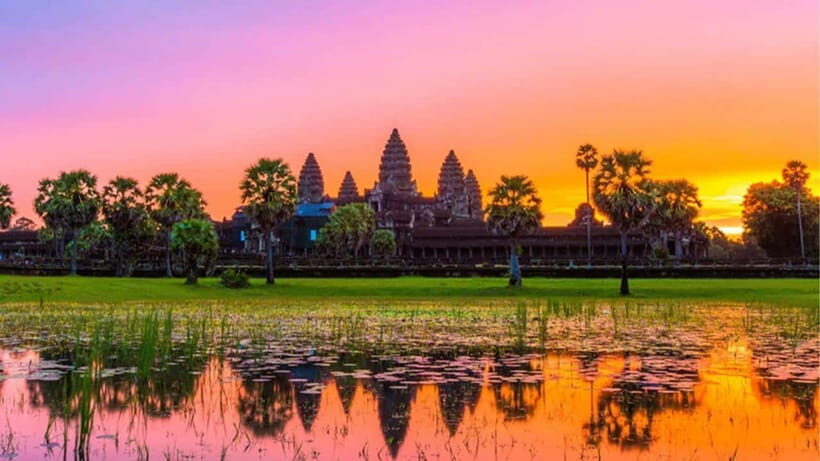
Bayon is the kind of place where a guide earns their money. You’ll go next to Bayon Temple, known for its 54 towers and 200+ smiling stone faces representing King Jayavarman VII. Those faces can look similar from far away, but up close the expressions, proportions, and carving styles become easier to notice when someone explains what you’re looking for.
Bayon isn’t only about the faces, though. It’s also a key stop for understanding how later rulers shaped the Angkor experience, with Buddhist influence playing a major role. Your guide ties that temple to the people behind it, which makes the stone carvings feel less random.
If you only have time for one “read the details” temple, Bayon is a great pick. The faces are instantly recognizable, but the best value comes when your guide points out what changes between towers and angles. That turns your photos into something you can actually interpret later.
Ta Prohm and the tree-root ruins: nature meets architecture
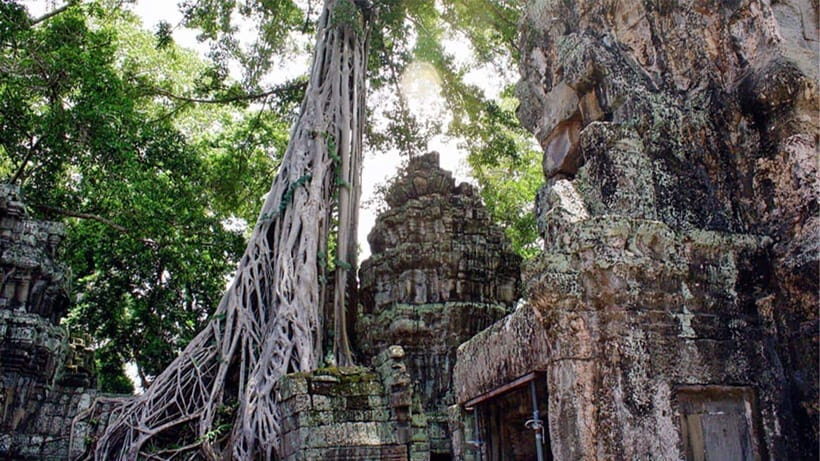
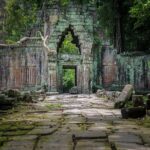
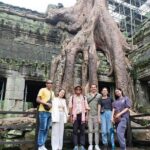
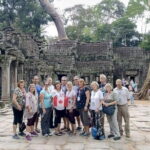
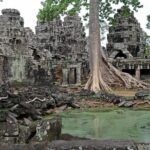
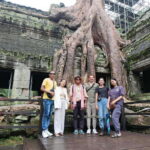
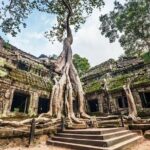
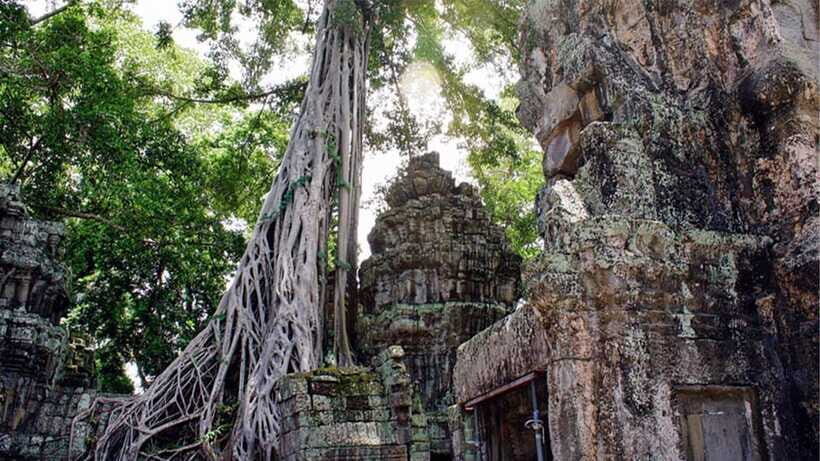
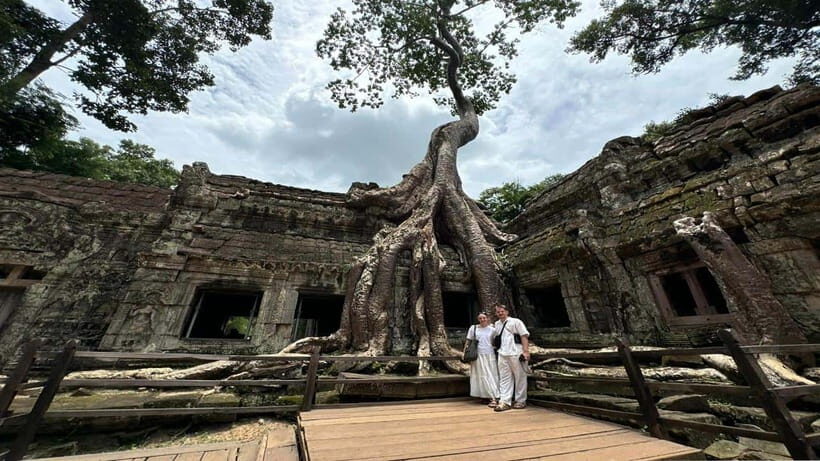
Ta Prohm is famous for a reason, and this is where that fame becomes emotional. You visit Ta Prohm in the “Tomb Raider Temple” style—massive tree roots, broken corridors, and structures that feel half swallowed by the jungle.
One smart thing about doing Ta Prohm with a guide is that you’ll likely get help spotting the temple’s layout while everything is visually chaotic. The roots and beams grab attention, but the guide keeps you oriented so you don’t just wander around with your head tilted up the whole time.
Expect a guided visit of about 1 hour here. That’s enough time to walk the main areas, slow down for photos, and still keep the day moving. Ta Prohm can be crowded at peak times, so having a planned route helps you avoid spending your limited daylight chasing the wrong corners.
Angkor Thom: the last capital feel, with guided structure
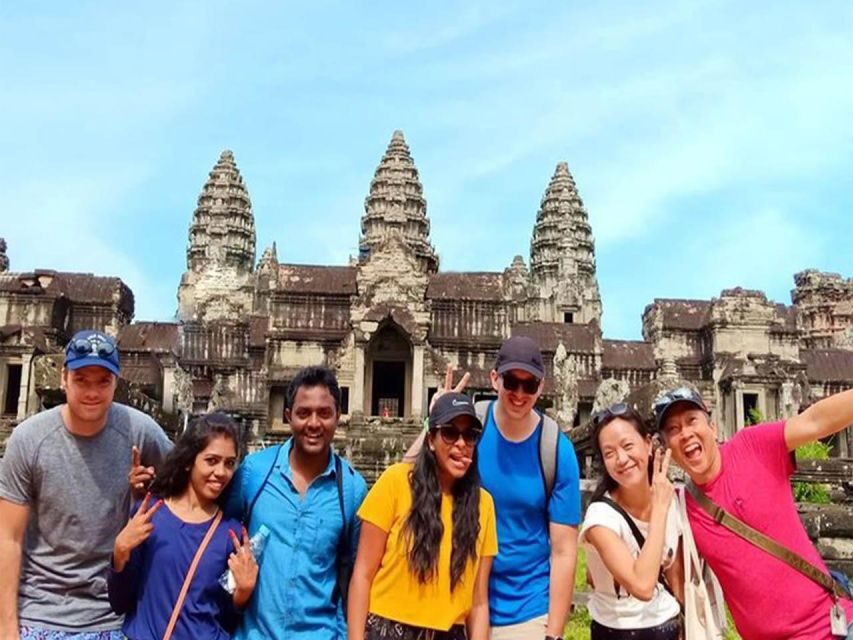
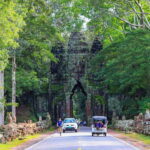
Next comes Angkor Thom, described as the last capital of the Khmer Empire. This is an important shift in the day: you move from the “nature over stone” mood of Ta Prohm into a more monumental, city-scale temple complex.
You’ll get about 1 hour of guided time at Angkor Thom. That’s valuable because Angkor Thom is big and includes multiple areas of interest. With guidance, you don’t just see random gates and walls—you see a logical circuit tied together by the story your guide is telling.
This stop also helps round out the emotional arc of the tour. Sunrise gives awe, Bayon gives symbolism, Ta Prohm gives drama, and Angkor Thom gives scale. By the time you’re in the Angkor Thom complex, it feels like the day is building toward a conclusion rather than bouncing between highlights.
You can also read our reviews of more tours and experiences in Siem Reap

Pre Rup and the Pink Temple: brick Hindu stops to look for
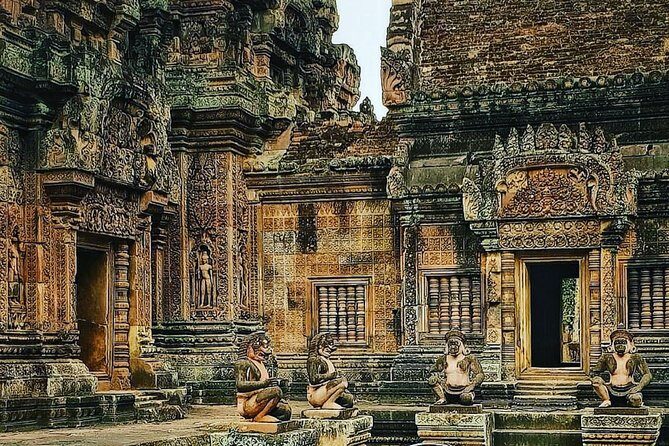
The tour description also flags additional temple sights focused on brick Hindu architecture—specifically Pre Rup and the Pink Temple. These stops matter because they broaden your day beyond the Buddhist landmarks people often center in Angkor.
Brick temples are a different material experience. They tend to show weathering patterns, carving style differences, and color shifts in a way that stone temples don’t. If you’re the kind of traveler who enjoys comparing styles, these stops can be a rewarding contrast after Ta Prohm and Bayon.
Practical advice: if you care about getting photos with the best light, ask your guide when the sun is likely to hit the bricks in a flattering way. Even a small change in timing can affect how warm or faded the temple colors look in your pictures.
MR T-style temple commentary: what good guiding feels like
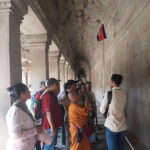
One of the most praised parts of this tour is the guide’s storytelling and temple-by-temple commentary. A recent booking specifically highlighted a guide named MR T for being present at each temple with lots of anecdotes and cultural insight.
You can feel the difference immediately. The guide doesn’t only explain facts like tower counts or dates; they help you connect what you see to Cambodian culture and how people interpret these sites today. That makes the day feel more human, not just like a checklist of UNESCO wow-factor.
This is also why a small-group format works better than big bus tours. When the guide knows you’re listening, questions get answered on the spot, and you can adjust your pace without losing the group.
Transport and comfort: tuk tuk for 1–2, minivan for 3+
Getting around Siem Reap during a long temple day is where comfort can make or break your mood. This tour uses transportation matched to group size: tuk tuk for 1–2 people and a minivan for groups of 3. Either way, the vehicle is described as air-conditioned, which you’ll appreciate once the morning cool fades.
Small details help here: you get a cool bottle of water and towels, which are easy extras but genuinely useful when you’re sweating in the heat. For many people, that’s the difference between power through and feeling drained.
The day runs about 7 hours, and you’ll spend a lot of that moving between sites. Air-conditioned transport reduces fatigue, and the guided timing reduces wasted time. You end up feeling like your day had structure.
Price and value: $20 is only the start
The price is $20 per person, and it’s a fair figure for what’s included. You’re paying for an English-speaking guide, hotel pickup and drop-off, air-conditioned transport, and access to guided time at multiple temple stops, including the high-effort sunrise session.
But here’s the key reality check: the Angkor 1-day pass is not included and is listed at USD 37 per person. That means your total real cost will be higher once you factor in entry. In other words, you’re not just buying a “sunrise ticket”—you’re buying guide-led experiences, transport, and the logistical setup that makes those sights manageable.
So is it still good value? If you want sunrise with guided explanation and you don’t want to wrestle with timing on your own, yes. The pass cost is fixed and unavoidable for most visitors, so your decision is really about paying for a guide-led morning and a smoother temple circuit. At this price point, you’re mostly paying for the people and coordination, not the entrance fees.
Also note: appreciation tips are not included. If you’re happy with the guide’s effort—especially the anecdotes and cultural context—it’s appropriate to plan for a tip.
Who this sunrise tour is best for

This is a strong choice if you want the big Angkor highlights without getting lost in details. You’ll likely enjoy it if you:
- like sunrise experiences and want to see Angkor Wat in good light
- prefer an English speaking guide who explains what you’re seeing
- don’t want a huge crowd or an overwhelming group size (maximum is 10)
- value comfort on a long day, thanks to air-conditioned transport and small extras like water and towels
It’s also a good fit for first-timers. Angkor can feel confusing at the start, and having a guide helps you understand the order and purpose of each site. If you already know a lot about Angkor and want very long free time, you might find the schedule slightly tight. But for most visitors, guided pacing is a feature, not a flaw.
If you’re traveling with kids, note that children must be accompanied by an adult. That’s important for planning around the early start and the walking.
What your day looks like, from pickup to return
You’ll begin in Krong Siem Reap, with pickup from your lodging area. The meeting approach is straightforward: wait in the hotel lobby around 10 minutes before pickup, and your driver holds a sign with your last name.
From there, the day is built around the sunrise window. You’ll go to Angkor Wat for the guided sunrise viewing (about 2 hours). Then you take a short break for breakfast by Srah Srong (about 30 minutes).
After breakfast, you’ll continue with guided temple time that includes Bayon Temple, then Ta Prohm, and then Angkor Thom. The full experience also references brick Hindu temple sights like Pre Rup and the Pink Temple, so you’ll get a broader Angkor mix rather than only one style of temple.
Near the end, you return to Krong Siem Reap and get dropped back. The day is long enough to feel complete, but not so long that it drags without structure.
Final call: should you book this $20 sunrise tour?
If you’re trying to decide, I’d book it if you want an organized sunrise day that includes real guidance at multiple temple stops. The best value is in the combination: sunrise at Angkor Wat, a culturally grounded guide, and a circuit that doesn’t leave you scrambling for timing.
Skip it or plan alternatives if you know you’ll struggle with early mornings, or if you’d rather spend more unscheduled time wandering on your own without fixed guided segments. Also do the math up front because the Angkor 1-day pass adds to your total cost.
One nice perk to keep your plans flexible is that the tour offers free cancellation up to 24 hours in advance and includes a reserve now, pay later option. That takes pressure off your schedule—handy when you’re building a Cambodia trip around multiple moving parts.
FAQ
What time does the Angkor Wat sunrise tour start?
The tour starts around 4:20 am for sunrise viewing.
How long is the tour?
The duration is listed as 7 hours.
Is hotel pickup and drop-off included?
Yes. Pickup and drop-off are included.
Is the Angkor 1-day pass included in the price?
No. The Angkor 1-day pass is not included and is listed at USD 37 per person.
What’s included in the tour price besides the guide?
Included items are an English-speaking tour guide, air-conditioned transportation (tuk tuk or minivan depending on group size), hotel pickup/drop-off, and cool bottle of water and towels.
What temple stops are included besides Angkor Wat?
You’ll visit Srah Srong for breakfast, Bayon Temple, Ta Prohm, and Angkor Thom. The description also mentions Pre Rup and the Pink Temple.
What transportation will we use?
For 1–2 people, transportation is by tuk tuk. For 3 people, it’s by minivan.
Is the guide available in English?
Yes, the live tour guide is English-speaking.
How big is the group?
It’s a private group with a maximum of 10 travelers.
Can I cancel or pay later?
Yes. You can cancel up to 24 hours in advance for a full refund, and there’s a reserve now & pay later option.
If you want, tell me your travel dates and your group size (1, 2, or 3+). I can help you judge whether the sunrise start and the extra Angkor pass cost fit your plan.