REVIEW · SIEM REAP
Siem Reap : Private Tuk-Tuk Tour of the Magnificent Temples.
Book on GetYourGuide →Operated by Angkor Dynasty Travel · Bookable on GetYourGuide
Early mornings at Angkor are different.
This private tuk-tuk tour is built for a calm, on-your-own-pace feel while still hitting the key stops on the Angkor Small Circuit. I like that you get a real morning run through major sights, with Bayon Temple timed for the light since it faces east. I also love that the tour is designed around convenience: round-trip hotel transfers, an English-speaking driver, and chilled bottled water help you keep your energy for walking.
The big watch-out is the temple-guide setup. The driver is English-speaking, but an English-speaking guide inside the temples is an add-on, and language expectations can get messy if you’ve paid for something specific. If you care about a French guide, confirm what you’re actually getting before you head out.
If you’re ready with the right clothes and shoes, this is an easy-value way to see a lot of Angkor without feeling rushed by other groups.
In This Review
- Key Things to Know Before You Go
- A Private Tuk-Tuk That Makes Angkor Feel Manageable
- Start With Angkor Passes and a Morning Route That Makes Sense
- Angkor Wat: Big, Symmetrical, and Surprisingly Emotional
- Angkor Thom and Bayon: Faces in the Morning Light
- Terrace of the Elephants and King Jayavarman VII’s Stage
- Ta Keo: Unfinished, and Still Full of Character
- Ta Prohm: The Movie-Famous Temple With Real Atmosphere
- Banteay Kdei: Vegetation-Wrapped Quiet at the End
- Price and Value: What $18 Per Person Really Buys
- Comfort, Timing, and the Small Practical Rules That Matter
- Who This Tour Fits Best (and Who Might Want More)
- Should You Book This Private Tuk-Tuk Angkor Tour?
- FAQ
- What temples are included on this tour?
- How long is the private tour?
- Is hotel pickup and drop-off included?
- Do I need an Angkor Archaeological Park entry ticket?
- Will there be a guide inside the temples?
- Can I add an English-speaking guide?
- What language options are available for the host or greeter?
- What should I bring and wear?
- Is this tour private?
- Is free cancellation available?
Key Things to Know Before You Go
- Private tuk-tuk pacing: You control the stops and time on site more than you would on a big bus tour.
- Morning light at Bayon: The route accounts for the east-facing view, so mornings are especially worth it.
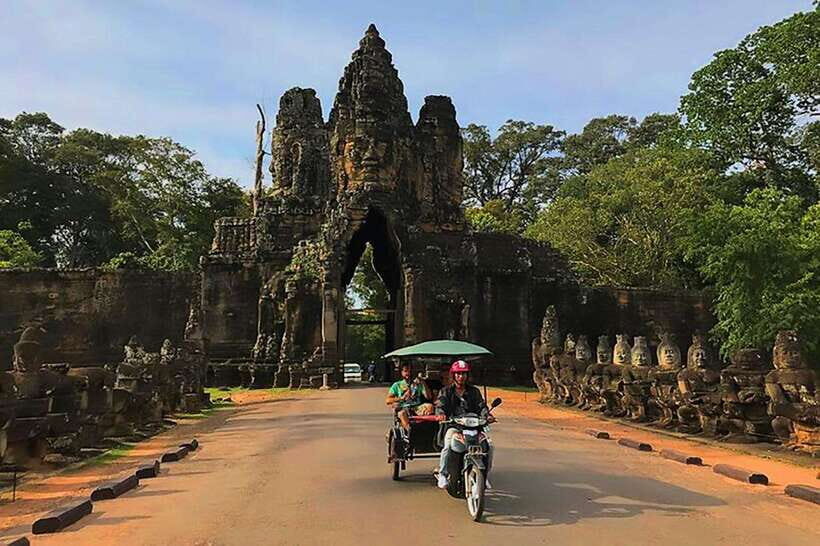
- Icon stops in one loop: Angkor Wat, Angkor Thom/Bayon, Terrace of the Elephants, Ta Keo, Ta Prohm, and Banteay Kdei.
- Chilled bottled water included: A small thing that really helps in the Siem Reap heat.
- Inside-temple guide is not included: You’re paying for a route and driver, not a full guided interpretation inside every temple.
A Private Tuk-Tuk That Makes Angkor Feel Manageable
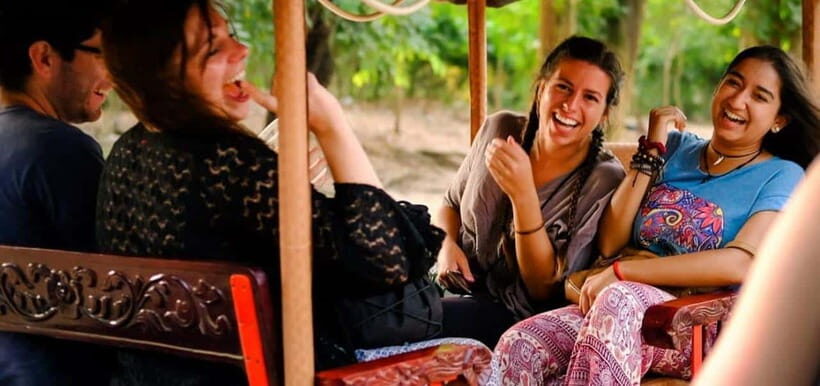
Angkor can overwhelm you fast. One minute you’re admiring stone towers; the next minute you’re trying to figure out which way the crowds flow. This tour solves that problem with a simple idea: travel by tuk-tuk with a dedicated driver and a set route, but with room to breathe at each stop.
The tuk-tuk itself is part of the fun in Siem Reap. It’s the local way to travel, and it fits Angkor’s rhythm. You arrive, you walk, you look, you rest, and you move on. With a shared shuttle, you often spend your best minutes waiting. With a private ride, you spend those minutes seeing.
I also like that the tour includes the basics that make or break a full morning/afternoon: hotel pickup and drop-off, chilled bottled water, and an English-speaking driver. That means fewer decisions on your side and less friction when you’re tired from check-in or an earlier day.
One practical note: the tuk-tuk can accommodate 1 to 3 people, so it’s best for couples, small groups, or solo travelers who want control without paying for a larger vehicle.
You can also read our reviews of more private tours in Siem Reap
Start With Angkor Passes and a Morning Route That Makes Sense
Your morning begins with hotel pickup in Krong Siem Reap. You’ll then get Angkor passes at the ticket station before heading out. That’s not just paperwork—it’s a time-saver. You don’t want to be hunting down tickets while everyone else is already in the temples.
From there, the plan targets the Angkor Small Circuit. The timing matters most at Bayon Temple. Bayon is best viewed in the morning because it faces east. That direction gets you more favorable light and less of the harsh glare that can flatten details later in the day.
Also, the route is structured so you’re not zig-zagging across the region. You’ll make your way through the major nodes in a logical order: Angkor Wat → Angkor Thom/Bayon → Terrace of the Elephants → Ta Keo → Ta Prohm → Banteay Kdei → back to town.
Angkor Wat: Big, Symmetrical, and Surprisingly Emotional
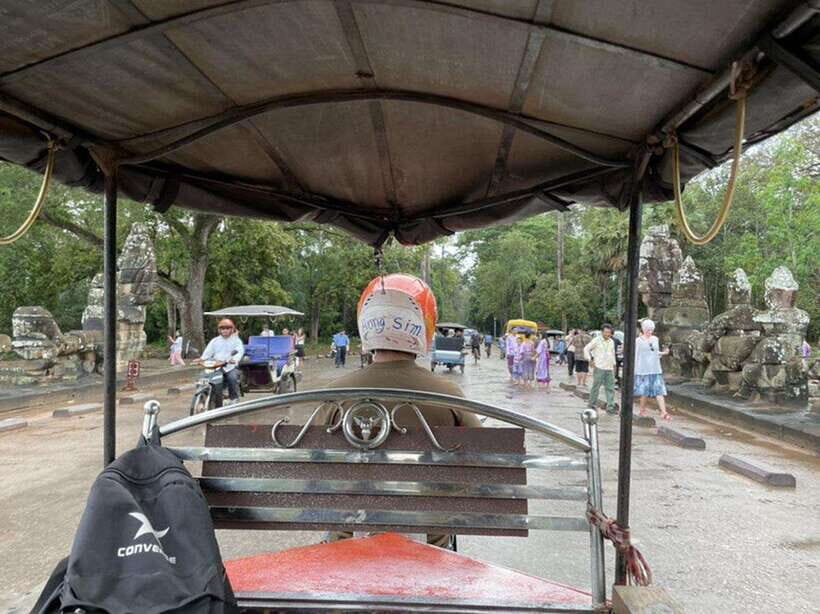
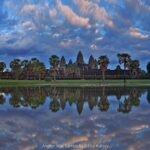
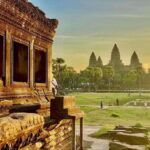
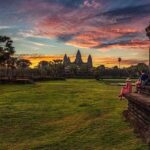
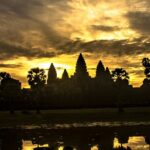
Angkor Wat is the first stop for a reason: it’s the headline. This tour takes you there early enough to appreciate the scale without feeling like you’re competing for every photo angle.
You’ll see Angkor Wat described as resembling a blooming lotus bud, which is a helpful mental image for how the architecture rises in layers. Even if you don’t know the exact names of every platform, you can feel the design logic—levels, symmetry, and the way the temple pulls your eye upward.
What I love here is how the setting changes as you walk. From outside, it looks like a monument. Up close, it turns into a maze of surfaces—carvings, edges, and repeated forms. It’s the kind of place where time disappears if you let it.
If you’re a details person, go slow and look at the join lines and stone textures, not only the “tower” views. If you’re a big-picture person, stand back at a few points and take in the overall shape. This tour’s flexibility helps because you’re not forced into a strict pace.
Angkor Thom and Bayon: Faces in the Morning Light
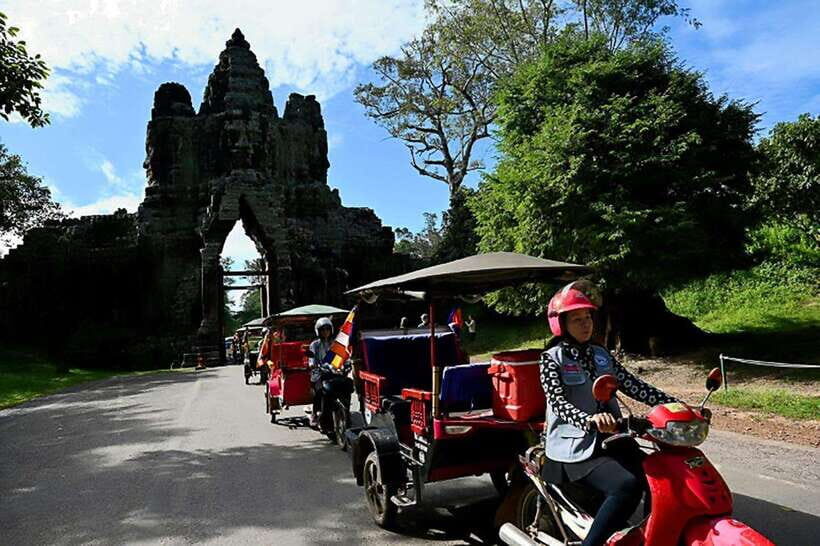
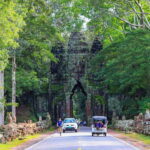
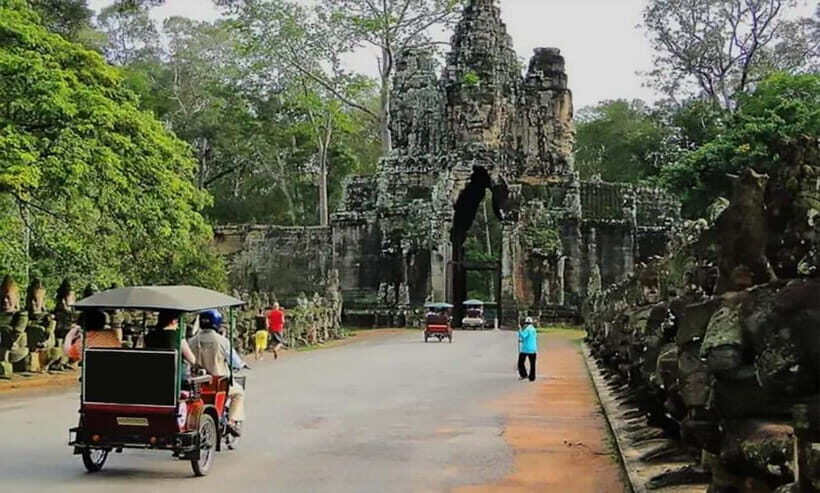
Next comes Angkor Thom and then Bayon Temple. This is where Angkor stops being just impressive and starts being personal—those famous stone faces change expression with the angle of light and where you stand.
The morning timing is especially smart for Bayon. Because it faces east, earlier hours give you better illumination on the carvings and help avoid the strongest midday glare. It’s still crowded at peak times, but arriving with a plan makes the difference between rushing and actually seeing.
Don’t treat Bayon like a single-photo stop. Walk a bit, pause, and let your eyes adjust. The temple’s surfaces look different as you move. That’s when Bayon earns its reputation.
Also, Angkor Thom includes the larger “city” layout around the temple area. Even if your focus stays on Bayon, you’ll get a sense of how the walls and pathways guide movement—like the place has its own choreography.
Terrace of the Elephants and King Jayavarman VII’s Stage
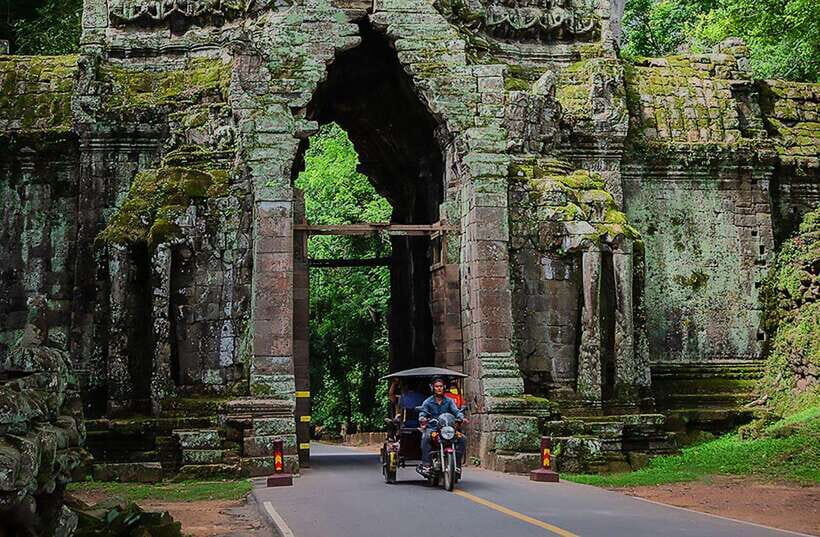
After Bayon, the tour includes lunch time at a local restaurant (at your own cost). This break matters, because the remaining stops involve a lot of walking on stone paths in heat.
Then you’ll head to the Terrace of the Elephants, a long platform where King Jayavarman VII watched games, celebrations, and victorious armies. It’s a 300-meter-long stretch, which helps you understand why it feels theatrical: you’re standing on a structure designed for public viewing.
Practical tip: this is a spot where comfortable shoes really pay off. Even short distances can become tiring if you’ve been on your feet since the morning. Take a breather on the terrace and just watch where the lines lead. The platform’s length makes it easier to “read” the space rather than getting stuck on one view.
Ta Keo: Unfinished, and Still Full of Character
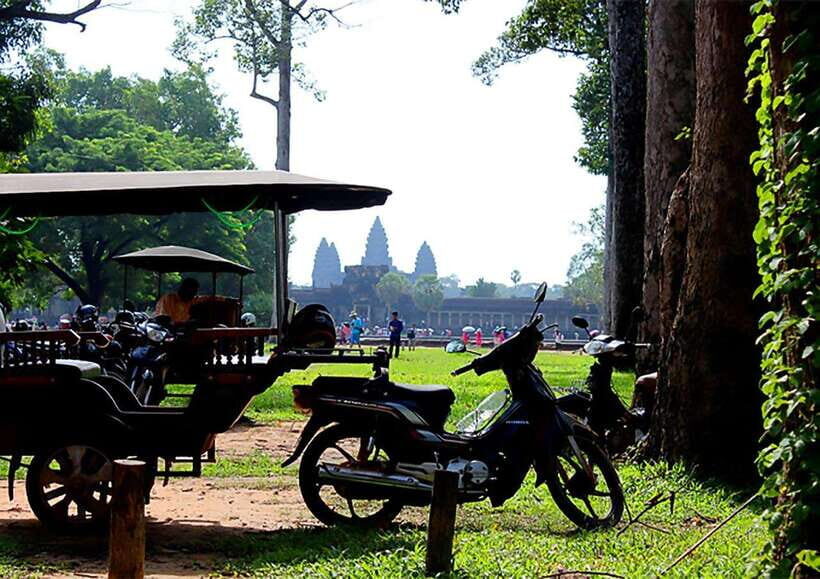
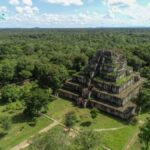
Next is Ta Keo, an important temple with a story built into the stones. It’s left unfinished due to a lightning strike during construction. That fact changes how you look at it. Instead of seeing “incomplete,” you can see a moment in time frozen in stone.
Ta Keo also works well later in the day because it doesn’t require you to be laser-focused on timing the way Bayon does. You’ll still get good views of the structure and steps, and you can take your time to notice the stone work and the overall massing.
If you like temples that feel more rugged and less polished, Ta Keo is a great match. It gives you a different texture of Angkor compared with the smoother, more restored-looking areas.
Ta Prohm: The Movie-Famous Temple With Real Atmosphere
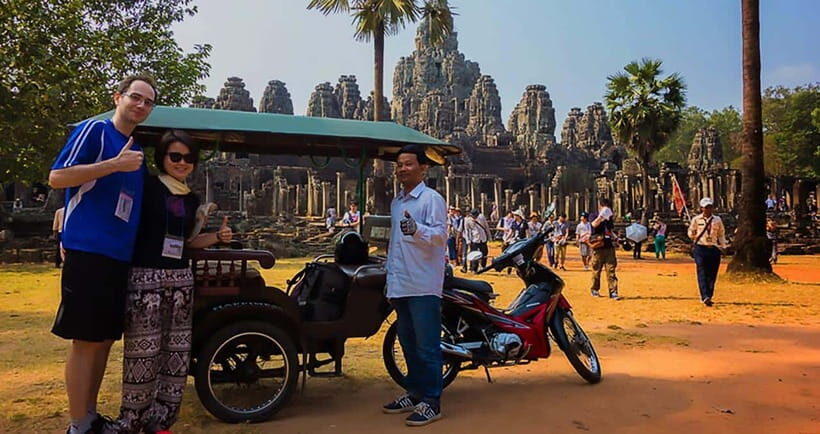
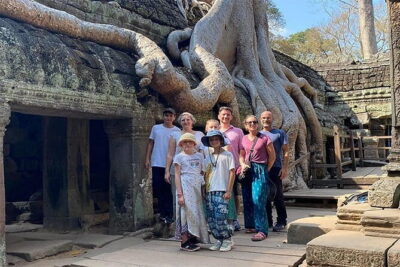
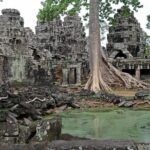
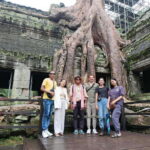
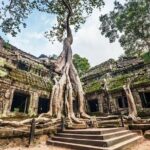
Then you’ll visit Ta Prohm, the temple people often connect with the movie Tomb Raider. Even if you’re not chasing cinematic memories, Ta Prohm delivers something else: dramatic visuals created by the way trees grow through the ruins.
This is one of the stops where “just one quick look” can turn into an extended walk. You’ll see how vegetation and stone intersect, and that’s where the temple feels alive rather than museum-like.
Photo tip: don’t only shoot wide angles. Pick a few smaller compositions—roots, doorways, and stone faces framed by leaves. It’s a good way to avoid the “same shot as everyone else” effect.
Banteay Kdei: Vegetation-Wrapped Quiet at the End
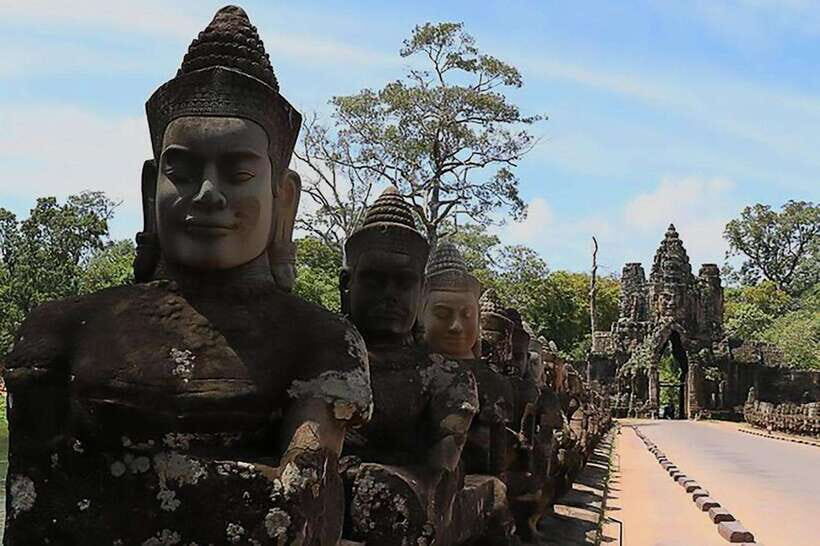
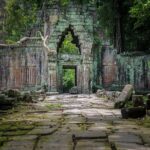
Your final temple stop is Banteay Kdei, known for being engulfed by surrounding vegetation. This is a satisfying ending, because it feels more muted than some of the headline spots. After the big sights, Banteay Kdei gives you an atmosphere shift: shaded, softer light, and a calmer feel.
If you’ve been taking breaks between temples, this is a great place to slow down. You’ll still get those rewarding Angkor textures—stone and greenery—but with fewer “pressure moments.”
Then you return to the city and get dropped off at your hotel, finishing the day feeling like you did a circuit instead of a random checklist.
Price and Value: What $18 Per Person Really Buys
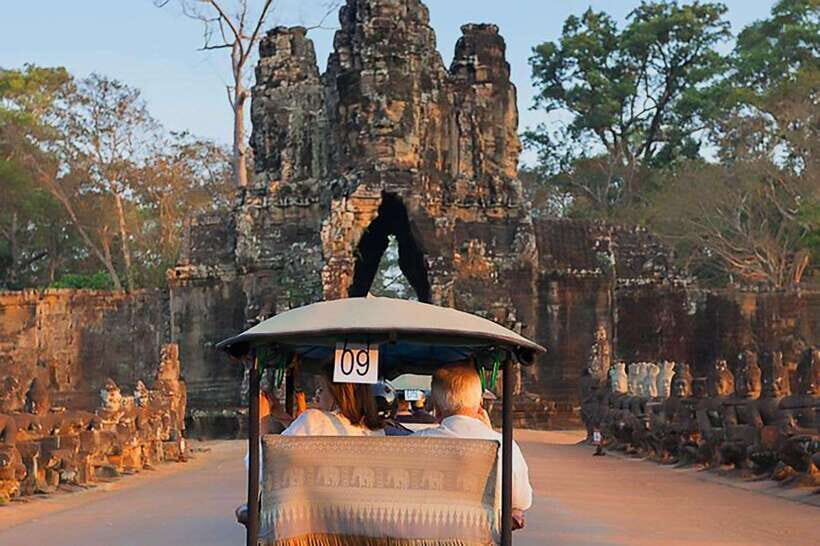
At $18 per person for an 8.5-hour private tuk-tuk tour, the value comes from what’s included, not just the low number.
You’re getting:
- Private tour and tuk-tuk
- Round-trip private transfer (hotel pickup and drop-off)
- English-speaking driver
- Bespoke temple routes
- Chilled bottled water
What’s not included:
- Angkor Archaeological Park entry tickets
- An inside-temple guide
- Food and soft drinks
- An English-speaking guide add-on until back to your hotel for $35
Here’s the honest way to think about it: you’re paying for transport, route planning, and driver support—then you can choose how much interpretation you want. If you’re happy reading signage and picking up stories from guides you find on-site, you can keep costs down. If you want a deeper explanation for what you’re seeing inside temples, budget for the guide add-on.
And that’s where people sometimes get surprised: the driver is helpful for logistics, but a guide is the one who can answer history and symbolism questions inside the temples.
Comfort, Timing, and the Small Practical Rules That Matter
This kind of day tour is not about speed. It’s about comfort and flow. The tour includes chilled bottled water, which is a clear win. But you’ll still want to bring your own readiness.
Bring:
- Comfortable shoes
- Comfortable clothes
- Cash
- A charged smartphone
Wear:
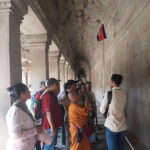
- Something that covers you enough for temple dress rules. Shorts, short skirts, and sleeveless shirts are not allowed.
That dress code matters because it can stop you at the gate if you forget. It’s better to plan ahead than scramble.
Also, keep your phone charged. Even with a driver and a set route, having your map and photos organized makes the day smoother.
Who This Tour Fits Best (and Who Might Want More)
This tour is a strong fit if you want:
- A private experience without hiring a full-time guide for the entire day
- The ability to take breaks and go at your own pace
- The major Angkor Small Circuit highlights in one outing
It’s also good if you’re traveling with someone who wants the fun of tuk-tuk travel but doesn’t need a lecture in every room.
Where it may not be perfect:
- If you want a detailed, inside-the-temples guide experience and your schedule depends on a specific language, you’ll want to handle guide arrangements carefully. The driver is English-speaking, while temple guides are not included by default.
Should You Book This Private Tuk-Tuk Angkor Tour?
Book it if you like practical touring: you want the route done for you, you want private transport, and you want to spend your time walking and looking instead of waiting around.
I’d think twice or plan carefully if language details matter a lot to you. The driver is English-speaking, and the inside-temple guide is an extra. If you’re counting on a French-language guide, confirm it clearly so you don’t end up with the wrong expectation on the day.
If you want an affordable, no-drama way to cover Angkor Small Circuit highlights—Angkor Wat, Bayon, Ta Prohm, and Banteay Kdei—this is a solid choice.
FAQ
What temples are included on this tour?
You’ll visit Angkor Wat, Angkor Thom and Bayon Temple, the Terrace of the Elephants, Ta Keo, Ta Prohm, and Banteay Kdei.
How long is the private tour?
The duration is listed as 8.5 hours.
Is hotel pickup and drop-off included?
Yes. The tour includes round-trip private transfer, with hotel pickup and drop-off within the Krong Siem Reap area.
Do I need an Angkor Archaeological Park entry ticket?
Yes. Entry tickets are not included, and you’ll get your passes at the ticket station as part of the tour start.
Will there be a guide inside the temples?
No. An English-speaking guide for the inside temples is not included by default.
Can I add an English-speaking guide?
Yes. An English-speaking guide tour until back to your hotel is available as an add-on for $35.
What language options are available for the host or greeter?
The host or greeter languages listed are English and French.
What should I bring and wear?
Bring comfortable shoes, comfortable clothes, cash, and a charged smartphone. Shorts, short skirts, and sleeveless shirts are not allowed.
Is this tour private?
Yes, it’s described as a private group tour and includes a private tuk-tuk.
Is free cancellation available?
Yes. You can cancel up to 24 hours in advance for a full refund.