REVIEW · SIEM REAP
Siem Reap: Angkor Wat Small-Group Full Day Tour and Sunset
Book on GetYourGuide →Operated by Passion Indochina Travel Co.,Ltd. · Bookable on GetYourGuide
Angkor feels close when you do it right. This Siem Reap full-day tour strings together the big hits: Angkor Wat, Ta Prohm, and the royal city of Angkor Thom, then finishes with a sunset climb. Expect a day packed with stone faces, tree roots, and jungle views—without the hassle of planning each stop yourself.
Two things I especially like: the chance to get guided context at major temples, and the village visit at Phum Preah Dak where you learn how people make palm cake and palm sugar. One thing to think about before you go: your final cost isn’t just the $32 price, since the Angkor pass and lunch are extra.
In This Review
- Key highlights you’ll actually care about
- A Day Built Around Angkor Thom and Angkor Wat
- Hotel Pickup, Minivan Comfort, and the Real Timing of 10 Hours
- Angkor Thom: Jayavarman VII’s Royal City and the Bayon Faces
- Terrace of Elephants and the Hindu-Era Stops You Can’t Skip
- Ta Prohm: When Trees and Roots Take the Wheel
- Phum Preah Dak Village: Palm Cake and Palm Sugar Lessons
- Angkor Wat: The Biggest Sacred Building and Why It Feels Different
- Phnom Bakheng Sunset: Best Views, Shared Timing, and a Watch-Out
- Price and Value: What $32 Gets You (and What Costs Extra)
- Who This Tour Suits Best
- Practical Tips Before You Go (So You Don’t Get Cranky)
- Should You Book This Siem Reap Angkor Small-Group Tour?
- FAQ
- Is the Angkor pass included in the tour price?
- Is lunch included?
- How long is the tour?
- What’s included with hotel pickup and drop-off?
- Where does pickup happen?
- What language is the guide?
- What should I wear or bring?
Key highlights you’ll actually care about
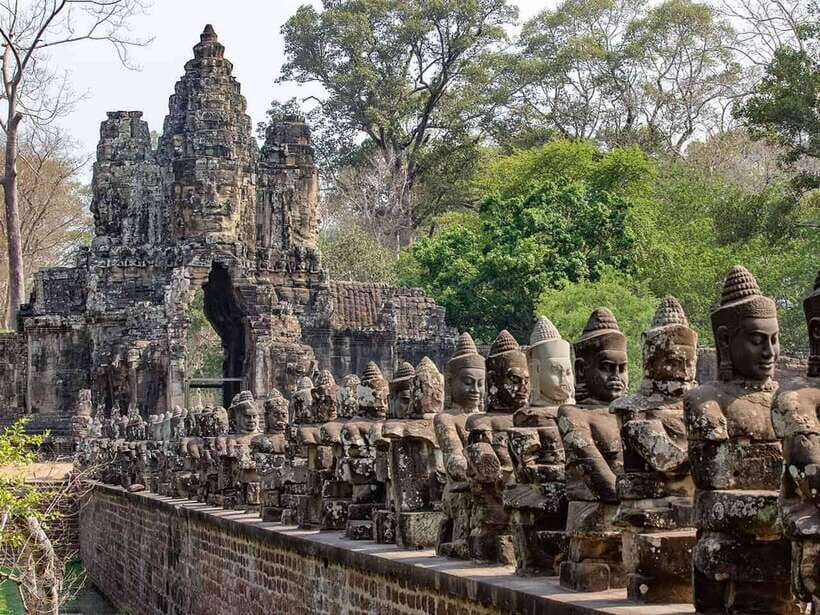
- Angkor Thom route: Bayon stone faces, Terrace of Elephants, and key sites like Phimeanakas and Baphuon
- Ta Prohm in original state: trees and roots right in the temple setting
- Angkor Wat time with jungle views: one of the best ways to feel the scale of Khmer civilization
- Phnom Bakheng sunset: climb for sunset before you’re returned to your hotel
- Phum Preah Dak village learning: palm cake and palm sugar-making demonstrations
- Small-group pacing with an English guide: licensed driver, cold water, cold towels, and clear explanations
A Day Built Around Angkor Thom and Angkor Wat
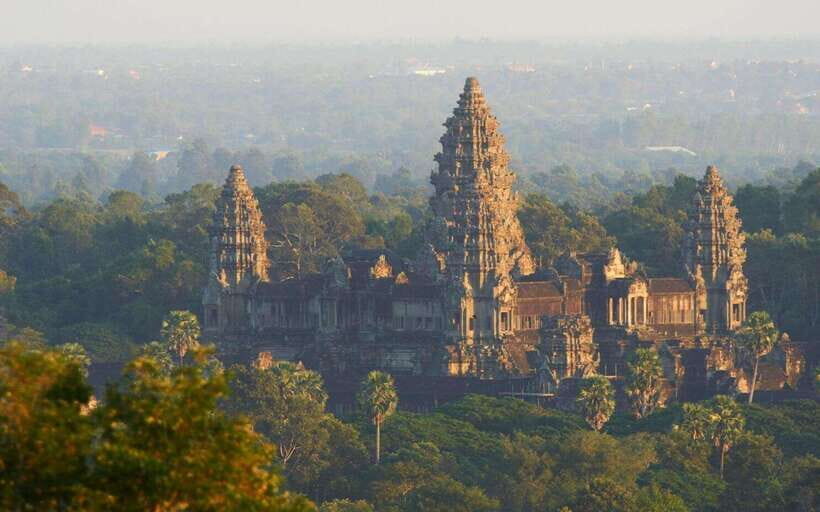
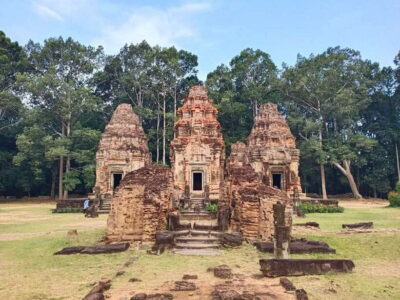
If you only have one full day in Siem Reap, this tour is built for maximum payoff. It starts with Angkor Thom’s fortified “Great Royal City” area, then moves through Ta Prohm, and finishes at Angkor Wat and Phnom Bakheng for sunset.
What makes the plan work is the mix of temple types. You don’t just see one style of monument; you see royal city power, Hindu-era details, and a later temple landscape where nature takes over. That contrast is what makes the day feel more than a checklist.
You can also read our reviews of more evening experiences in Siem Reap
Hotel Pickup, Minivan Comfort, and the Real Timing of 10 Hours
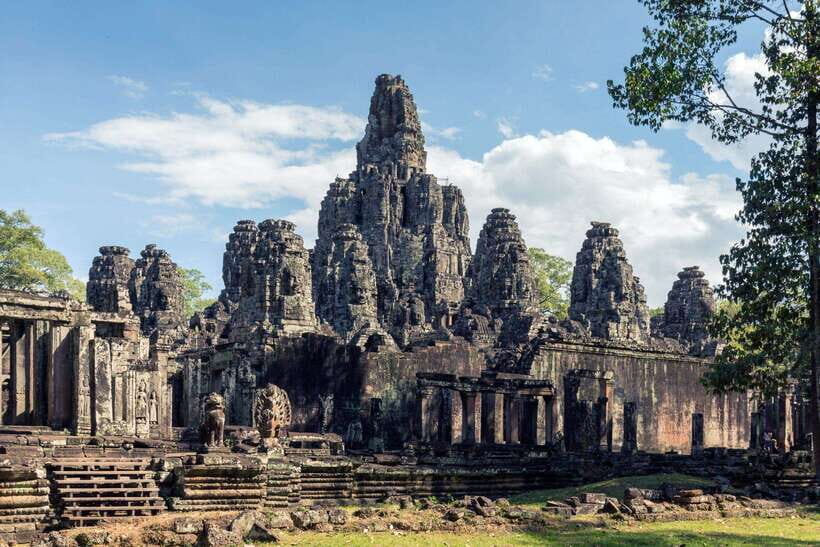
The tour begins with hotel pickup in Krong Siem Reap. The morning starts with a licensed driver and a luxury minivan, plus cold drinking water and cold towels—small comforts that matter in Cambodia heat.
The schedule is listed as 10 hours, but you should still think like a traveler, not a calendar. Road conditions and temple entry flow can stretch the day. I’d plan for a long day of walking and sun, not a tidy sprint. Also, the early start can catch you off guard if you’re used to sleeping in.
A practical note: lunch is not included, so the day includes a lunch stop where you’ll need to handle it on-site. Bring some flexibility here, and consider having some cash on hand since you may be asked to pay directly at the restaurant.
Angkor Thom: Jayavarman VII’s Royal City and the Bayon Faces
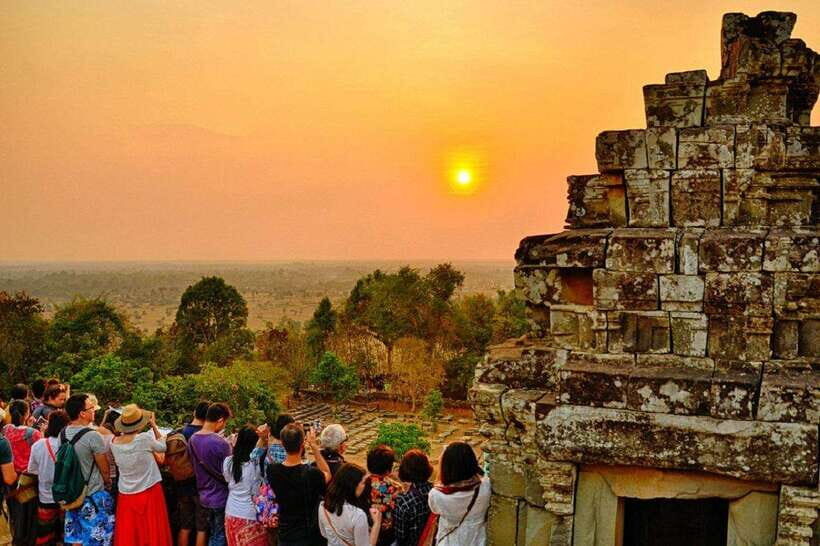
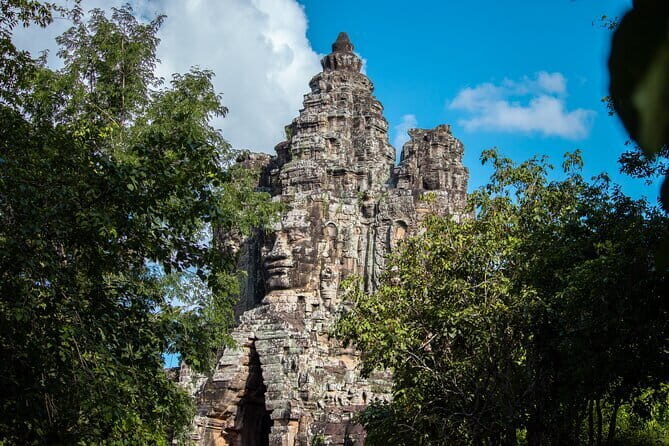
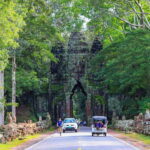
Angkor Thom is the “Great Royal City” built in the 12th century under King Jayavarman VII. Even from the road, the layout feels like power made stone: walls, gates, and a city-within-a-city feel.
The highlight most people remember is the Bayon Temple, decorated with hundreds of stone faces. Standing among them, you feel why this place is so famous. The faces aren’t just decoration; they anchor the whole experience. One good moment can turn into a slow, absorbing walk where you start noticing angles, weathering, and how the expressions change depending on where you’re standing.
If you’ve seen movie-style references to Angkor (including that Tomb Raider association you’ll hear in the area), this is where the real thing gets you. The guide context helps you separate Hollywood imagery from what’s actually carved here.
Terrace of Elephants and the Hindu-Era Stops You Can’t Skip
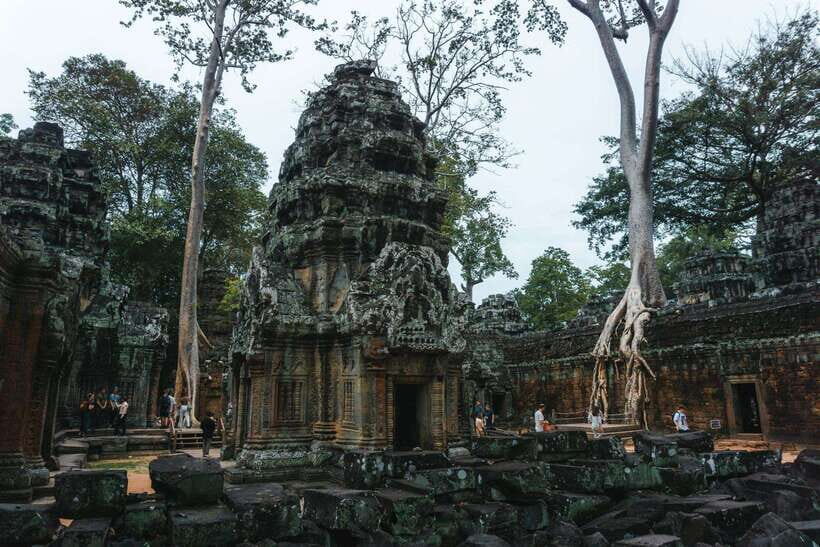
After Bayon, you’ll hit the Terrace of Elephants, which was part of the Royal Palace complex. This is one of those stops where scale makes you pause. It’s not a quick photo wall—details on the terrace reward slow movement, and you’ll see why it mattered in royal life.
The route continues through other important Angkor Thom sites, including:
- Phimeanakas (a key structure in the palace area)
- Terrace of the Leper King (named for a famous sculpted figure)
- Baphuon Temple (described as the largest Hindu temple in the town of Angkor Thom)
This cluster matters because it helps you understand what you’re looking at. Instead of just seeing temples as individual attractions, you start seeing them as parts of one large ceremonial and political space. You’ll likely get more out of this hour-to-hour flow if you accept that this isn’t just sightseeing—it’s a guided reading of the ruins.
Ta Prohm: When Trees and Roots Take the Wheel
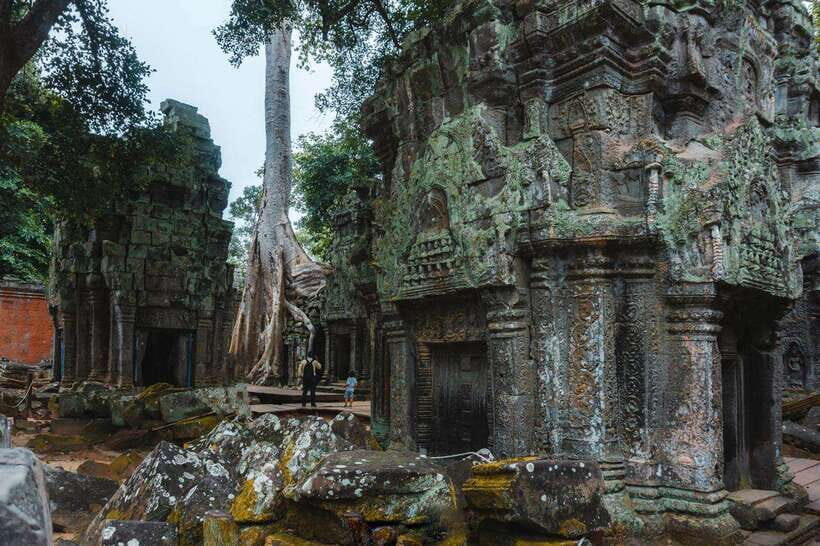
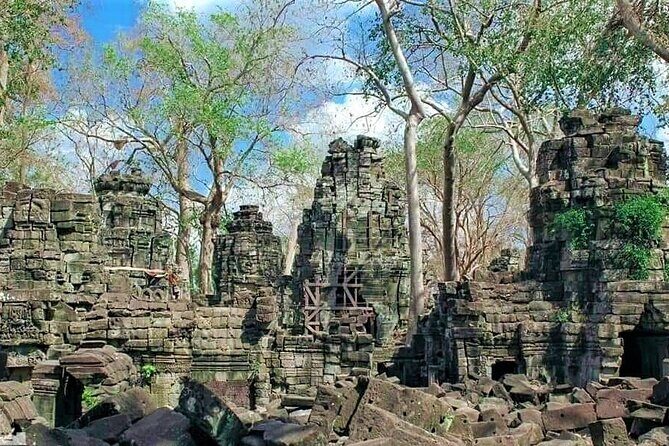
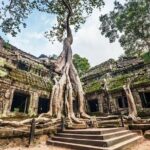
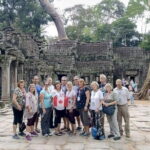
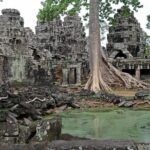
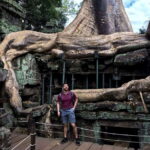
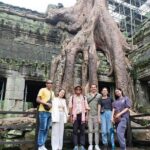
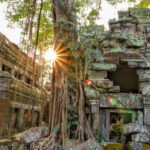
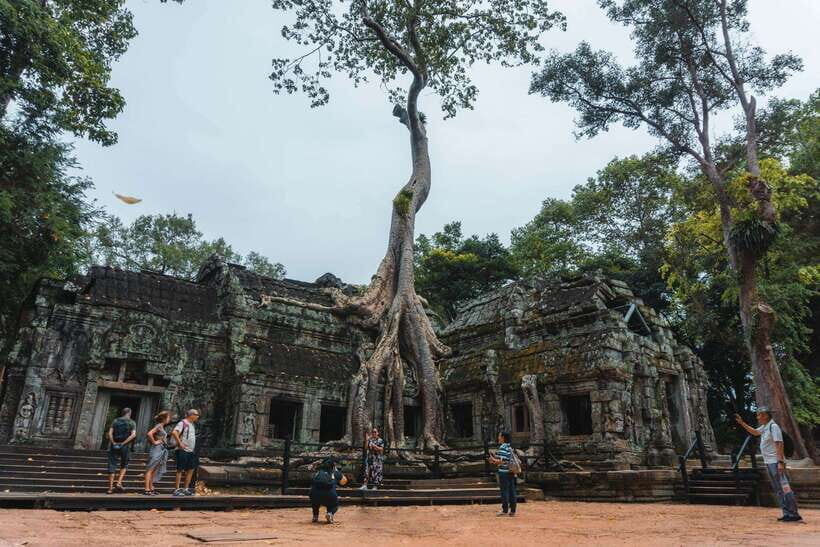
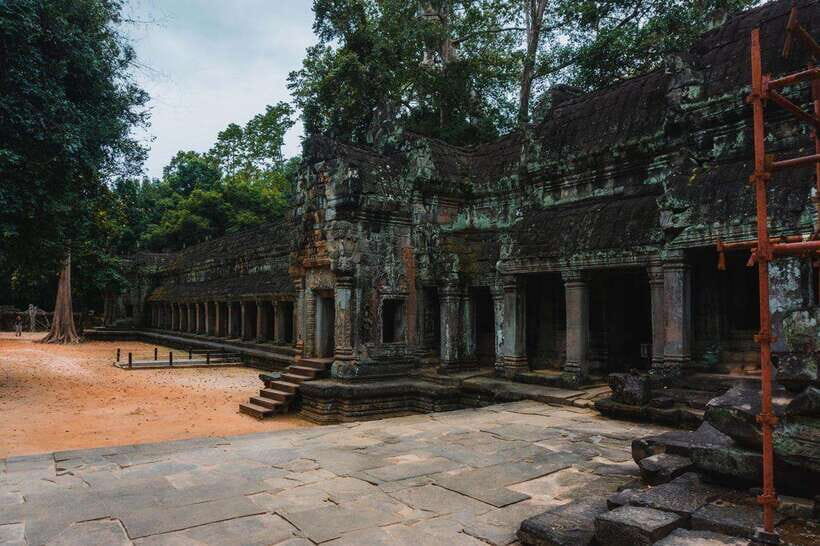
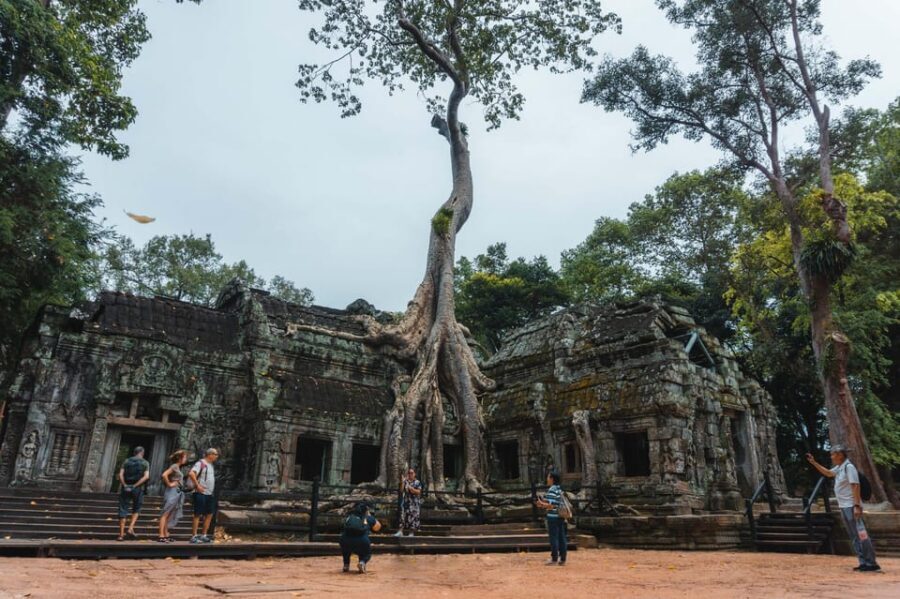
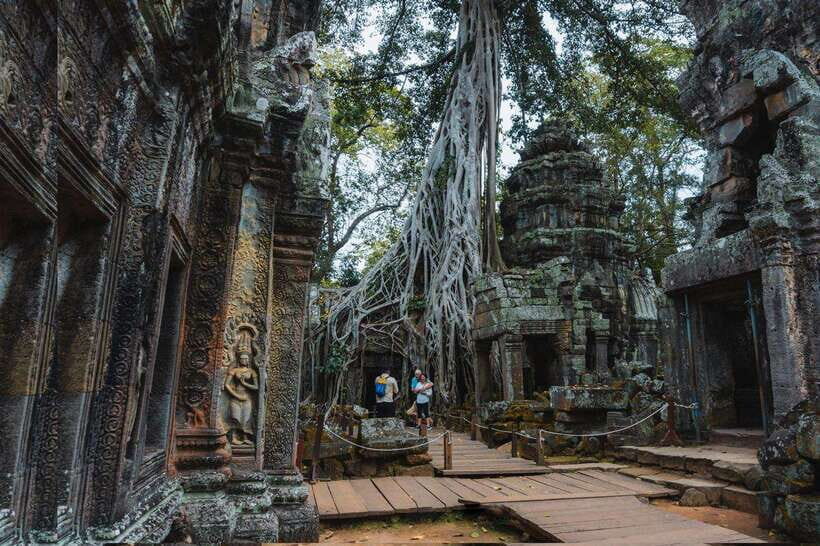
Next comes Ta Prohm, famously left in its original state, with trees and roots growing into the temple. This is one of the best places on the route to feel the tug-of-war between human effort and time.
If you’re used to restored, “perfect” temples, Ta Prohm will feel different. It’s messier, darker, and more alive. And that’s the point. When you’re standing under those roots and seeing the stonework framed by greenery, the temple stops being a museum exhibit and becomes a living scene.
This stop is also the one where it’s easy to lose track of time because photos are tempting. The guide’s pace helps keep you moving, but don’t rush it. The best moment is often the quiet one when you realize how many angles the roots create—like natural arches over carved stone.
You can also read our reviews of more tours and experiences in Siem Reap
Phum Preah Dak Village: Palm Cake and Palm Sugar Lessons
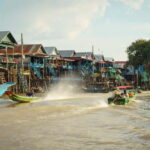
Lunch is not included, but the tour does include time at Phum Preah Dak, an authentic village stop where you can learn local food traditions. The tour specifically includes demonstrations related to palm cake and palm sugar.
I like this part because it breaks the temple-only rhythm. After hours of stone, you get something practical and human: how everyday products are made and why palm-based ingredients matter here. Even if you’re not a food tour person, it gives you a more complete sense of Khmer daily life beyond monuments.
If you’re visiting during the heat of the day, this village stop can also be a useful reset. Take the chance to drink water, step into shade when you can, and ask questions if your English guide makes space for them. In at least one past booking, the English guide was Bunhak, and the explanation style made the history feel easier to follow.
Angkor Wat: The Biggest Sacred Building and Why It Feels Different
Later, you’ll head to Angkor Wat, described as the largest sacred building in the world and a signature icon of Khmer civilization. The first reaction is usually scale. Then the second reaction is atmosphere.
Angkor Wat sits inside dense jungle, and the tour includes views of the jungle as part of your experience. That matters because it changes how the temple reads. The setting makes the stone feel like it’s part of a bigger machine—religion, landscape, and time working together.
This is also the moment when photos can start to look repetitive if you rush. The trick is to slow down and change your viewpoint. Walk a little farther than you think you should, then stop and let your eyes adjust. You’ll notice how the temple geometry behaves under different angles of light and how the scene expands the longer you stay.
Phnom Bakheng Sunset: Best Views, Shared Timing, and a Watch-Out
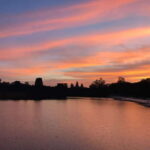
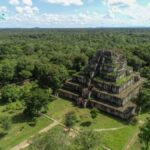
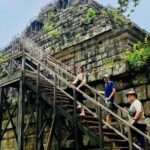
The day ends with a climb of Phnom Bakheng to watch the sunset. This is one of those choices where timing and viewpoint planning matter a lot. The climb is part of the experience—sunset wouldn’t feel right from the ground.
One caution from real-world expectations: sunset can be misleading if you assume you’ll be right beside Angkor Wat the whole time. On at least one occasion, the sunset portion wasn’t near Angkor Wat as expected. So I’d treat this as a sunset climb experience, not a direct Angkor Wat-afterglow plan.
Still, sunset from Phnom Bakheng is a classic reason to do a full-day tour. The higher vantage point and changing sky colors make the ruins feel even more dramatic. Just bring sun protection and expect crowds and waiting. If you’re the type who hates peak crowd times, you’ll need to manage your expectations here.
Price and Value: What $32 Gets You (and What Costs Extra)
The tour price is $32 per person, and what you’re getting is real support: hotel pickup and drop-off, a luxury minivan with insurance, a licensed English-speaking guide, plus cold water and cold towels.
But the value equation depends on two add-ons:
- The Angkor pass is $37 per person (not included)
- Lunch is not included
So, if you’re budgeting, think in totals, not just headline price. Even with the pass added, you’re still paying for guided route efficiency and transportation. If you were to do the same day on your own, you’d spend time figuring out logistics and entry flow—and you’d likely lose some of the context that makes the ruins meaningful.
Where this tour feels especially worth it is the temple sequence. Angkor Thom → Ta Prohm → Angkor Wat is a smart arc. You’re seeing different historical and architectural moods without needing to keep reorganizing plans.
Who This Tour Suits Best
This tour is a strong fit for you if:
- You want one full day that hits Angkor Thom, Ta Prohm, Angkor Wat, and a sunset climb
- You’d rather spend your brainpower on the ruins than on route planning
- You like learning details while you walk (stone faces, royal structures, and why Ta Prohm looks the way it does)
It might be less ideal if:
- You want a very fast, minimal-walking temple sprint
- You strongly prefer the sunset to be right next to a specific temple area (the exact viewing location can vary)
- You hate paying separately for the Angkor pass and lunch
Practical Tips Before You Go (So You Don’t Get Cranky)
A little preparation makes a big difference in Angkor.
Bring:
- Comfortable shoes (you’ll be walking and climbing)
- Sun hat and sunscreen
- Comfortable clothes that let you move
Watch for dress code:
- Short skirts are not allowed.
And do this for a smoother day:
- If you’re sensitive to heat, slow down at every shade break.
- Pack small patience for temple crowds during key times.
- If lunch is handled on-site, plan for a separate payment.
On comfort, the tour includes cold water and cold towels, which helps you keep going instead of fading halfway through the day.
Should You Book This Siem Reap Angkor Small-Group Tour?
I’d book it if you want a guided, efficient day that covers the big Angkor scenes plus one village stop that adds real texture to your trip. The Bayon stone faces, the Ta Prohm tree-root atmosphere, and the Angkor Wat scale are the core rewards. The Phum Preah Dak learning component is the extra value that turns the day from temples-only into something more human.
Just go in knowing two things: the Angkor pass and lunch cost extra, and the sunset setup is a sunset-climb experience rather than a guaranteed “right next to Angkor Wat” arrangement. If that fits your expectations, this tour is a solid way to make one day count in Siem Reap.
FAQ
Is the Angkor pass included in the tour price?
No. The Angkor pass is not included and costs $37 per person.
Is lunch included?
No. Lunch is not included in the tour price.
How long is the tour?
The tour duration is listed as 10 hours.
What’s included with hotel pickup and drop-off?
Hotel pickup and drop-off are included, along with a luxury minivan with insurance, a licensed English-speaking guide, and cold drinking water plus cold towels.
Where does pickup happen?
Pickup is included from your hotel in Krong Siem Reap.
What language is the guide?
The tour guide speaks English.
What should I wear or bring?
Wear comfortable shoes and comfortable clothes. Bring a sun hat and sunscreen. Short skirts are not allowed.