REVIEW · SIEM REAP
Siem Reap Cambodian Buddhist Water Blessing and Local Market
Book on GetYourGuide →Bookable on GetYourGuide
That first splash of blessed water changes the day.
This Siem Reap experience pairs a calm temple visit with an actual Buddhist ritual: you’ll listen to monks chanting and receive a sacred water blessing linked to wishes for good luck, safe travel, and a long life. I like how it feels more personal than a standard sightseeing stop, because you’re not just watching the culture—you’re participating. One thing to consider: you may choose a longer version where water is poured over your head, so plan for getting wet (they do provide a sarong to help keep clothes dry).
I also like the balance of spirituality and everyday life. After the blessing, you get a guided walk-and-talk through a local market with a photo stop, which helps you connect what you heard at the pagoda with what you see in town. A small drawback: this is short and focused (about 2 hours), so if you want long temple time or lots of free-market wandering, you’ll have to do a separate stop on your own.
In This Review
- Key things to know before you go
- A Buddhist water blessing you can actually take part in
- Wat Athvear Temple time: setting the mood before the ritual
- Wat Arang Pagoda: choose between two blessing styles
- Sarong and red wrist ties: how the ritual shows up on you
- The local market stop: daily life after the prayer
- Price and value: what $45 buys in a 2-hour day
- Who should book this (and who might skip it)
- Should you book this water blessing and market tour?
- FAQ
- FAQ
- Where does the water blessing take place?
- How long is the water blessing part?
- Are there different types of water blessings?
- Is a sarong provided?
- What happens at the end of the blessing?
- What temples or sites are visited?
- How long is the market stop?
- What is the total tour duration?
- What is included in the price?
- What should I know about cancellation and payment?
Key things to know before you go
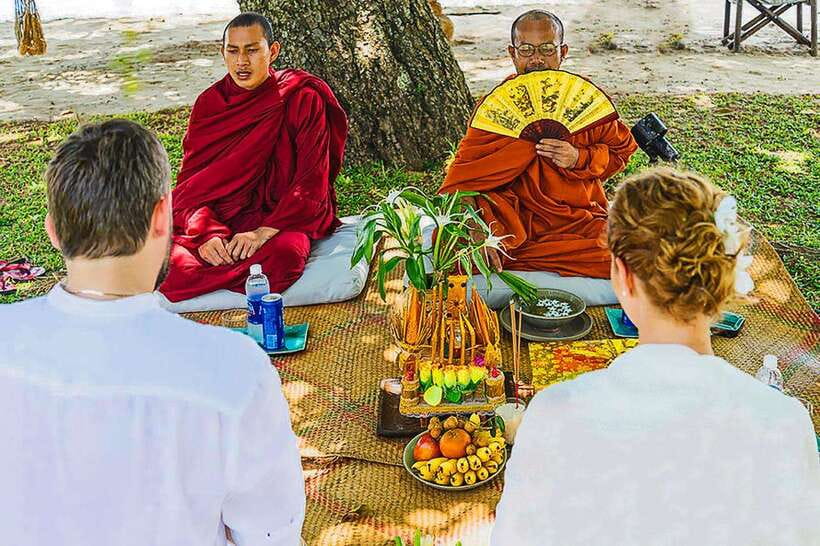
- Two blessing options: short chanting with a light sprinkling, or a longer head-pour ritual.
- Sarong included for the longer pour-over blessing so your clothing stays as dry as possible.
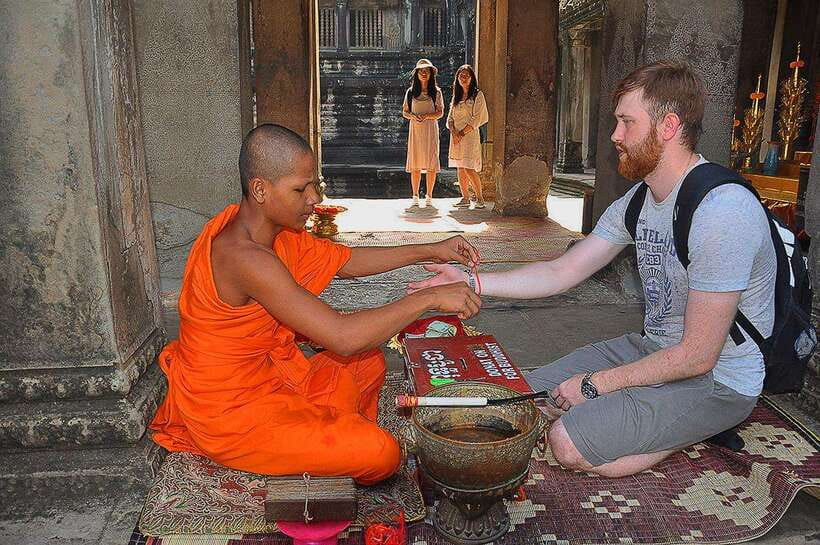
- Red wrist ties are added at the end to mark the blessing you received.
- Wat Athvear Temple gives you the context before the ritual, with a guided visit time.
- Local market stop includes a guided tour plus time for photos.
- English-speaking guide (often named Mia Jorge Mia) helps you understand what you’re seeing, not just where to stand.
A Buddhist water blessing you can actually take part in
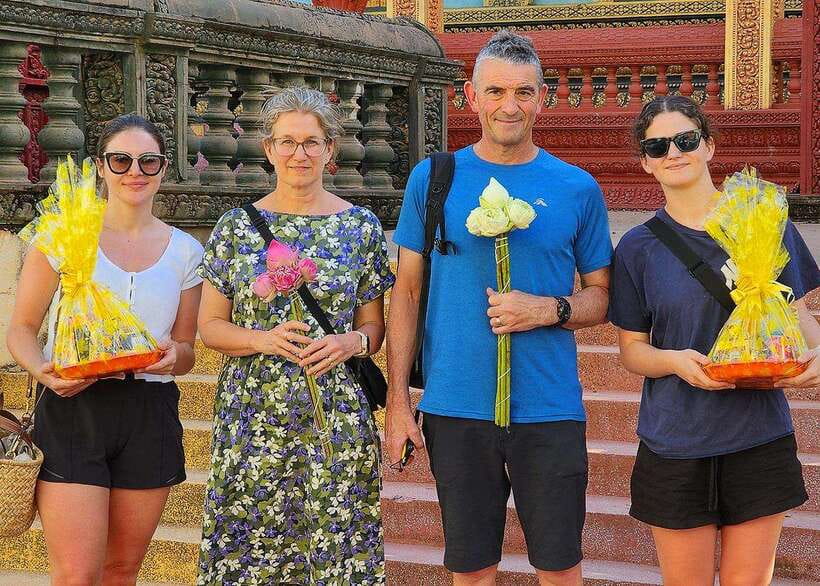
In Siem Reap, it’s easy to treat temples like photos. This tour nudges you toward something different: ritual you can follow, listen to, and participate in with intention. The practice is described as a tradition that goes back a long way—one reason it still feels grounded, not staged.
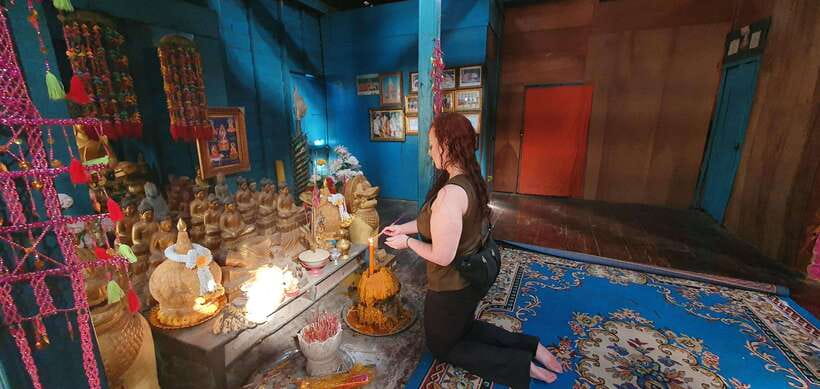
The blessing happens at Wat Arang Pagoda in the countryside just south of Siem Reap. That matters. Even if you’re only going for a short time, you’re leaving the main tourist flow and stepping into a setting that feels more local and less performative. And because the monks chant and guide the ceremony, the experience isn’t just about the result—it’s about the rhythm of the ritual and what it means to the people performing it.
You’ll also see how faith shows up in everyday gestures. Water, chanting, and symbolic wrist ties aren’t “decorations.” They’re part of a way of asking for protection and well-being in life, travel, and health. If you like cultural experiences that respect the real meaning, you’re in the right place.
Wat Athvear Temple time: setting the mood before the ritual
The day starts with a hotel pickup in Krong Siem Reap, then a tuk-tuk ride out to the temple area. You’ll spend about an hour at Wat Athvear Temple, guided in English, so you understand what you’re about to experience instead of just watching it happen.
This first stop is valuable because it frames the ceremony. You don’t need to memorize Buddhist terms, but you do want a basic feel for why monks chant and what people are asking for. In the guidance style reported in the reviews, the best part isn’t fancy language—it’s clear explanations and a guide who makes sure you grasp the ideas.
One traveler specifically mentions guide Mia Jorge Mia as fluent in English and very effective at conveying the concept. That’s exactly what you want here: enough context to follow along, and enough patience to answer your questions without rushing you.
Practical note: dress modestly for temple visits. You’re going to be standing around quietly for parts of the ceremony, and comfort helps you focus. Also, keep your phone handy but not glued to your hand—there’s a moment where listening matters more than filming.
Wat Arang Pagoda: choose between two blessing styles
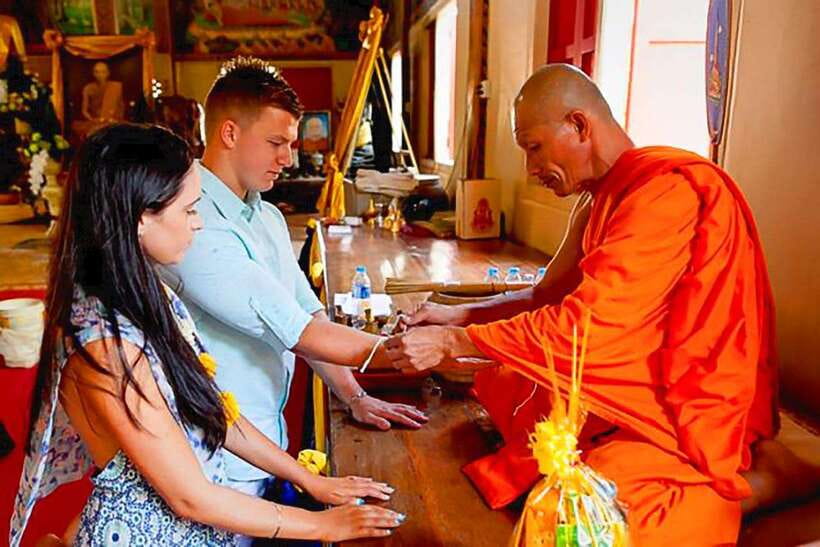
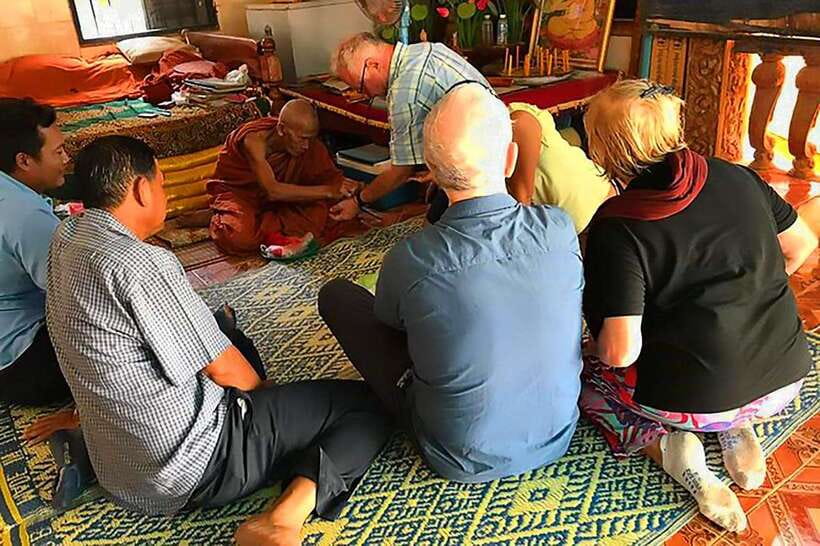
Once you’re at the pagoda, you’ll take part in the water blessing with monks who live and practice there. The ceremony is described as two different forms of blessing, and you can choose between them.
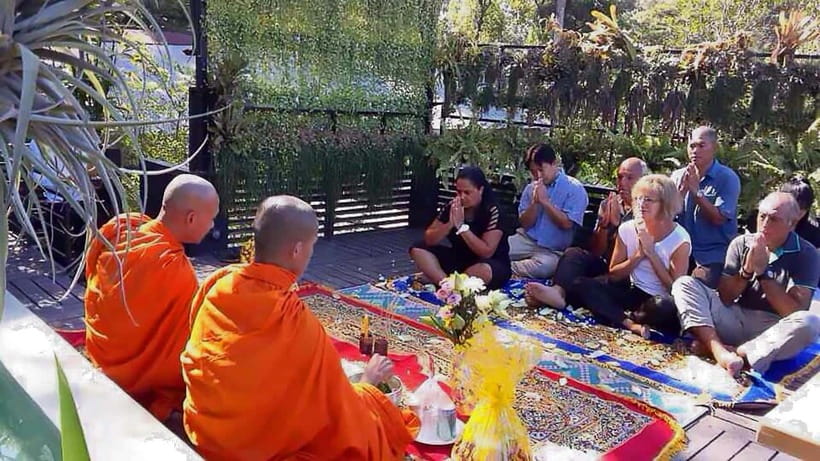
The first option is shorter: the monks chant harmoniously while they wish you good luck, safe travel, and a long life. During this one, you’ll receive a light sprinkling of water. It’s gentle and straightforward, and it still gives you the symbolic part of the experience without soaking you.
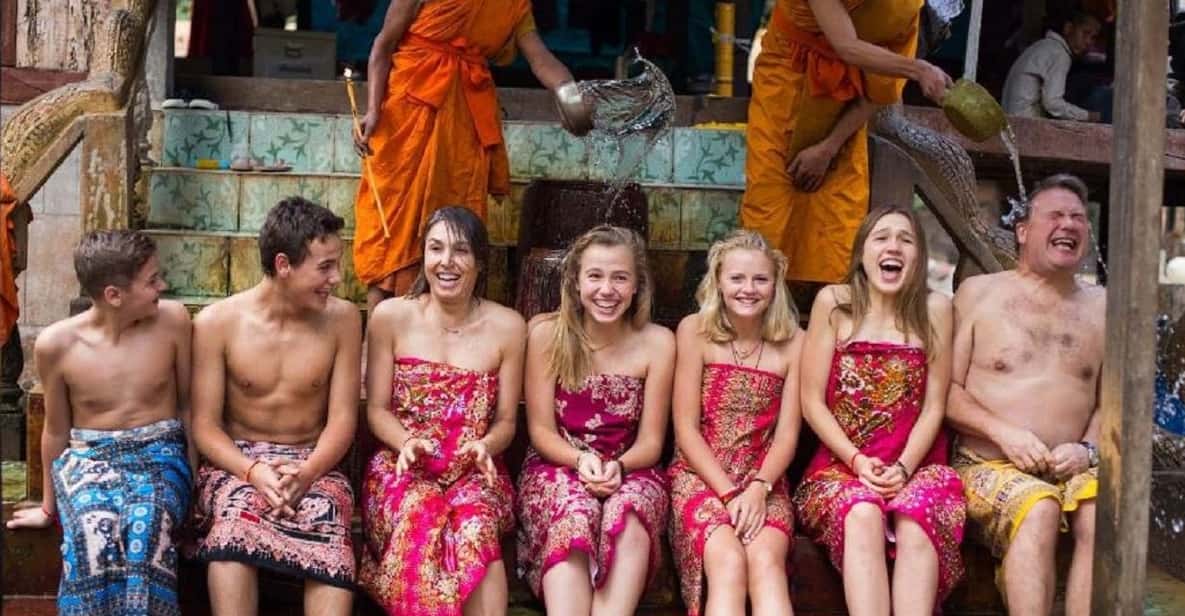
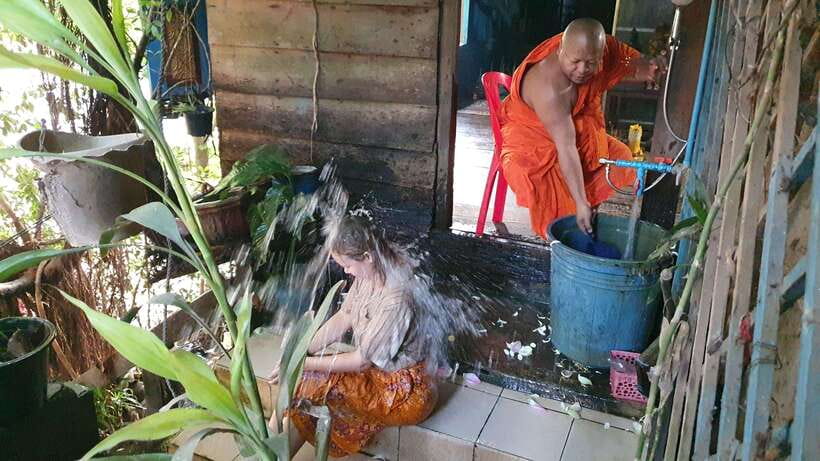
The second option is longer and more dramatic. Blessed water is poured over your head while the monks chant. If you pick this version, they provide a sarong for you to change into so your clothing stays dry. That detail is not just a convenience—it signals respect for the ritual. It helps you participate without worrying about your clothes the whole time.
If you’re unsure which to pick, think about your comfort level and your plans for after. The longer ritual is the one people remember most, but the shorter version gives you the same core idea—prayer through water and intention—at a gentler pace.
Sarong and red wrist ties: how the ritual shows up on you
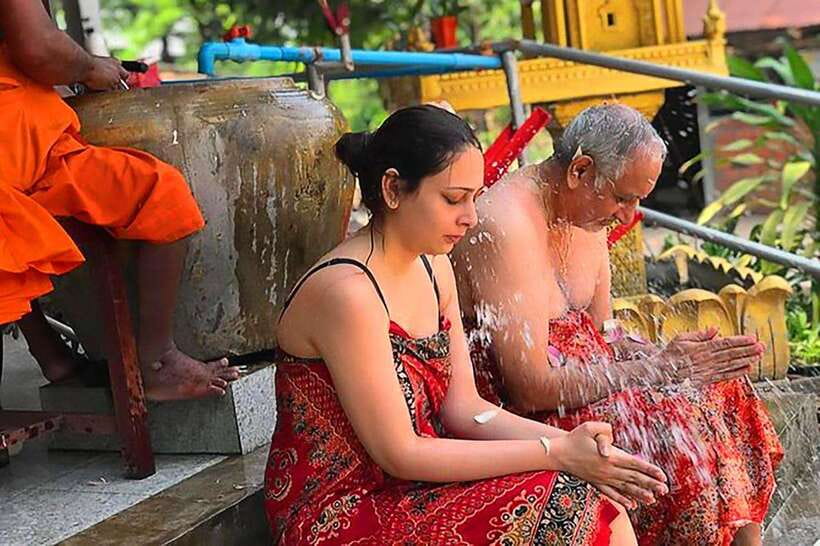
This tour makes the ritual feel real because it doesn’t stop at chanting. You’ll physically participate and then leave with a small, visible symbol.
For the longer water pouring option, you’ll be given a sarong to change into so your clothing remains dry. That’s helpful if you’re worried about getting soaked or if you have a time-sensitive schedule after. It also helps you feel ready, because you’re not guessing how the process works.
At the end of the blessing, your wrist is adorned with special red ties that signify the blessing performed. This part is surprisingly meaningful. It turns the event into something you can carry, literally, as you move through the rest of your day in Siem Reap. It also acts like a gentle reminder that the ceremony wasn’t a show—it was a personal blessing.
A respectful tip: keep your movements calm and follow your guide’s instructions. The monks are focused on the ritual, and your best role is to stay present, not to over-direct the moment with questions at the wrong time.
The local market stop: daily life after the prayer
After the temple and blessing, you’ll head back by tuk-tuk and stop at a local market. The market time is listed at about 40 minutes and includes a photo stop, a visit, and a guided tour.
I like this part because it adds context. You just spent time hearing about belief, ritual, and spiritual wishes. Then you see real commerce and daily routines—how people live, buy, sell, and move through the day. Even if you don’t buy anything, it helps you read the culture around the temples instead of treating temples like isolated monuments.
Keep expectations realistic here. It’s not a long free-market wander. It’s a guided visit with enough time to look, ask, and take photos. If you love markets, you may want to come back later on your own for more time. But as a pairing with the blessing, the market stop is a smart way to ground the experience.
Also, markets in Cambodia can mean lots of small stalls and moving people. Wear comfy shoes. You’ll feel better if you can walk without thinking about it.
Price and value: what $45 buys in a 2-hour day
At $45 per person for about 2 hours, this is priced like a “guided cultural experience” rather than just transport. And you do get real value packed into that timeframe.
Included in the price:
- an English-speaking guide
- tuk-tuk transfers
- a sarong (for the longer blessing option)
- a donation to the pagoda
- a market visit
That combination matters. Doing these parts independently usually means arranging transport, finding a guide who can explain what’s happening, and sorting out the right place and timing for the ritual. Here, you get the structure: temple context first, then the blessing with monks, then the market stop.
Is it “cheap”? Not really. But for what’s included—especially your participation in a religious ritual and the guide time—$45 feels fair. The biggest reason it can be worth it is that you’re not translating your own way through the experience. The guide helps you understand the meaning while you’re there.
If you’re trying to see Angkor temples on a schedule, this is a good add-on because it doesn’t turn your day into another long museum-style plan. It gives you something spiritual and local, quickly.
Who should book this (and who might skip it)
This is a great fit if you want spirituality with structure. You’ll know what the monks are doing, what the different blessing options mean, and how the ritual works from start to finish. It also works well if you like guided experiences where the language barrier doesn’t steal your attention.
It’s also a good choice for first-time visitors to Siem Reap who want something beyond temple architecture. Water blessings are tied to the same spiritual world as the temples you’ll see later in Cambodia. So you get an extra layer of understanding—how faith shows up in daily prayer, not only in stone.
I’d think twice if you hate getting wet. Even with the sarong option for the longer ritual, water is part of the event. You can choose the shorter sprinkling version, but you should still be mentally prepared for a wet moment if you’re near the ritual area.
And if you’re the type who wants lots of free time—more wandering, more stopping for photos on your own—this may feel short. It’s designed to be focused, not sprawling.
Should you book this water blessing and market tour?
I’d book it if you want a meaningful break from the typical Siem Reap routine. The strongest reason is the combination: an actual Buddhist water blessing with monk chanting, plus context at Wat Athvear Temple, then a guided market stop that shows daily life right after the prayer.
Pick the blessing style that matches your comfort. If you want maximum participation and you’re okay with the longer head-pour ritual, choose that option and use the sarong. If you prefer something gentler, the light sprinkling is still a full blessing experience in the ceremony’s own way.
If you’re skeptical about religious tourism feeling awkward, this format helps because the guide and monks lead the pace, and the red wrist ties make it feel personal and sincere. For a 2-hour cultural outing that gives you something you can’t really replicate on your own, this one is a strong yes.
FAQ
FAQ
Where does the water blessing take place?
The water blessing is held at Wat Arang Pagoda in the countryside just south of Siem Reap.
How long is the water blessing part?
The water blessing experience is described as 1 hour.
Are there different types of water blessings?
Yes. There are two forms: a shorter chanting blessing with a light sprinkling, and a longer ritual where blessed water is poured over your head.
Is a sarong provided?
Yes. You are provided a sarong to change into for the longer ritual so your clothing remains dry.
What happens at the end of the blessing?
Your wrist is adorned with special red ties that signify the blessing performed.
What temples or sites are visited?
You’ll visit Wat Athvear Temple during the tour, and the water blessing is performed at Wat Arang Pagoda.
How long is the market stop?
The market stop is about 40 minutes and includes a photo stop, visit, and guided tour.
What is the total tour duration?
The total duration is 2 hours.
What is included in the price?
Included are an English-speaking guide, tuk-tuk transfer, sarong, donation to the pagoda, and the market visit.
What should I know about cancellation and payment?
You can cancel up to 24 hours in advance for a full refund. You can also reserve now and pay later to keep plans flexible.