REVIEW · SIEM REAP
Siem Reap: Angkor Full-Day Group Tour with Japanese Guide
Book on GetYourGuide →Operated by Vamos Camboja Turismo · Bookable on GetYourGuide
Angkor hits harder when you understand what you’re seeing. This full-day Japanese-led tour gives you the context you usually miss, plus the pacing to keep it enjoyable. The big payoff is the guide’s clear explanations as you move from Angkor Thom to Ta Prohm to Angkor Wat, with stops planned for photos and breaks.
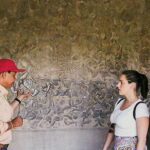
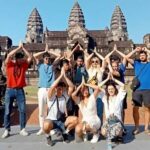
I especially love how the guide experience can make the temples feel legible, not just impressive. In particular, guides like Chun (and Bun, in other departures) are praised for fluent Japanese, careful explanations, and even light humor that keeps things fun. The second thing I like: they work hard on practical photo moments and angles, and they’ll adjust the route pace for people who need it—like slower walkers or families.
One possible drawback: lunch isn’t included, and you still need to buy the Angkor Archaeological Park pass separately, so the all-in cost is higher than the headline tour price. Also, temple time means walking, heat, and strict dress rules—so you’ll want to plan for that.
In This Review
- Key points to know before you go
- Why a Japanese guide makes Angkor easier (and more fun)
- Timing that actually matters: 8:30 start vs sunrise
- One-day route: South Gate, Bayon, Ta Prohm, Angkor Wat
- Angkor Thom via the South Gate and Victory Gate photos
- Elephant Terrace and the restored Baphuon
- Bayon and its smiling faces
- Srah Srang break and a real pause
- Ta Prohm: the jungle temple that looks like a movie set
- Angkor Wat at the end: symbolism, not just scale
- What each temple is really teaching you (beyond the photo)
- Two-day upgrade: Banteay Srei, Beng Mealea, plus a sunrise day 2
- Pre Rup for warm-brick views
- Banteay Srei: pink sandstone and fine carving
- Beng Mealea: the adventurous, photogenic ruin
- Bakong to wrap the day
- Transportation in Siem Reap: tuk-tuk vs A/C van
- Dress code and what to pack so you don’t get stopped
- Price, entrance tickets, and real value for your day
- Who this tour suits best
- Should you book this Japanese-led Angkor tour?
- FAQ
- How long is the one-day tour?
- What does the tour cost, and is the Angkor ticket included?
- What is included in lunch?
- What time is hotel pickup?
- Which temples are included in the one-day tour?
- What’s included in the two-day extended tour?
- Can I choose private or small-group options?
- What should I wear or avoid at the temples?
Key points to know before you go
- Japanese guide who explains what you’re looking at in clear, patient language
- Skip-the-ticket-line and hotel pickup that keeps your morning stress low
- Optional sunrise timing when the temples feel quieter and the light looks better
- Tight one-day focus: Angkor Thom + Ta Prohm + Angkor Wat with planned photo stops
- Two-day upgrade adds Banteay Srei + Beng Mealea, plus time at Pre Rup and Bakong
- Cold water and cold towels during temple visits, plus pickup/drop-off in Siem Reap
Why a Japanese guide makes Angkor easier (and more fun)
Angkor can feel like a blur if you’re just collecting photos. You’ll still get the wow factor—giant faces, carved stone, jungle roots grabbing ruins—but the experience changes when someone explains the symbolism and the layout as you go.
That’s where this tour shines. The Japanese-speaking guides are repeatedly described as fluent and very clear, with explanations that make the history feel understandable rather than overwhelming. I like that the tour doesn’t rely on you reading every sign or guessing what mattered most—your guide points out what to notice while you’re standing right there.
There’s also a practical side. Many people are eager to see “everything,” then burn out halfway through. With a guided pace, you get a steadier flow between sites, plus photo stops that aren’t just random sightseeing.
You can also read our reviews of more guided tours in Siem Reap
Timing that actually matters: 8:30 start vs sunrise
This tour gives you two main timing choices for your comfort and your photos.
For the standard day, you’re picked up between 08:30 and 09:00 from your hotel area, and the day runs about 8 hours. That’s usually the best fit if you want a full temple day without crawling out of bed at an ungodly hour.
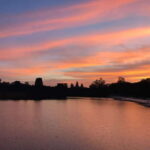
If you choose the sunrise option, pickup is 04:30 to 05:00, and the tour finishes around 12:00. The advice is simple and helpful: bring breakfast from your hotel for after sunrise. Sunrise changes the vibe—less heat, softer light, and a quieter feel—though you’ll be moving earlier than most of the town.
Either way, the biggest time saver is that you’re not negotiating tuk-tuk rides or waiting around for tickets. You start with a plan, then you go site to site.
One-day route: South Gate, Bayon, Ta Prohm, Angkor Wat
A one-day plan is ideal if this is your first serious Angkor day and you want maximum highlights without turning it into a marathon.
Angkor Thom via the South Gate and Victory Gate photos
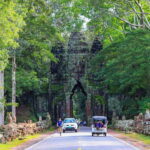
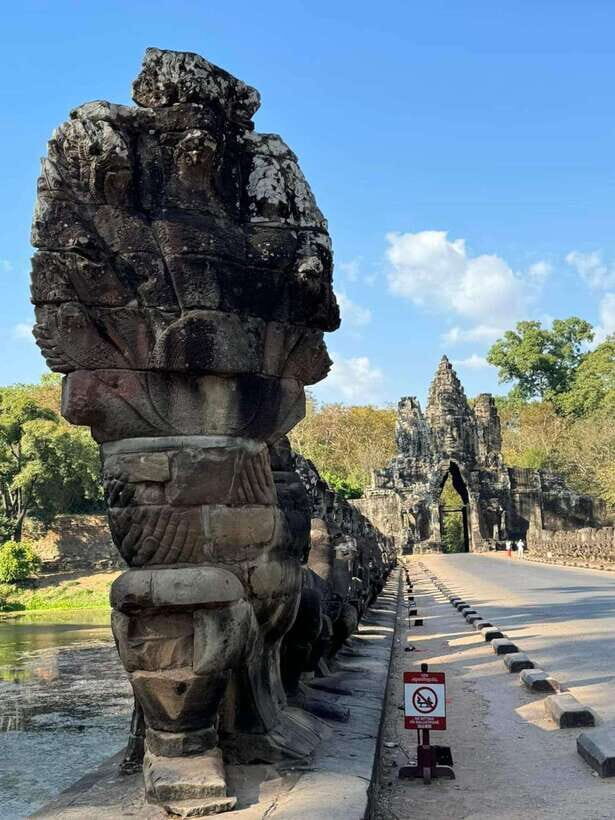
Your day begins with entering Angkor Thom through the South Gate, where giant stone faces greet you. Right away, you get a visual “map” for the complex, and your guide can explain what you’re seeing instead of leaving you to interpret it alone.
You’ll also get a quick stop near the Victory Gate for photos. Ten minutes is short, but it’s enough to capture the scene without turning the whole day into a waiting game.
Elephant Terrace and the restored Baphuon
Next comes the Terrace of the Elephants—a ceremonial platform that gives you a sense of how royal processions once worked. It’s one of those stops where the carvings aren’t just decoration; they hint at the temple’s original role.
Then you move to Baphuon, a temple that’s been recently restored. You’ll notice why the restoration matters: it helps you read the structure better and appreciate the scale as you look out across the area.
These segments are usually around 30 minutes each in the flow of the day, which feels just right. You can look closely, take pictures, and still keep energy for the heavier hitters later.
You can also read our reviews of more tours and experiences in Siem Reap
Bayon and its smiling faces
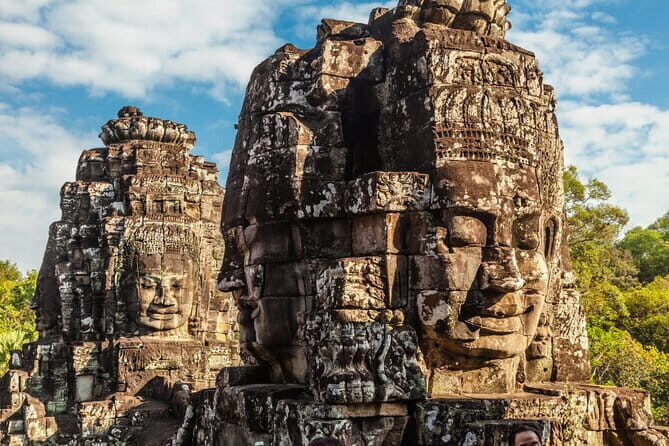
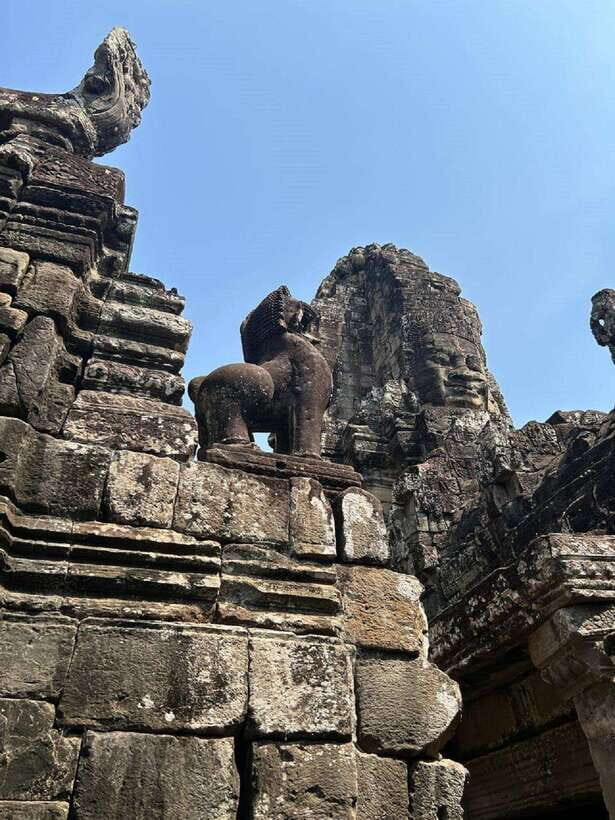
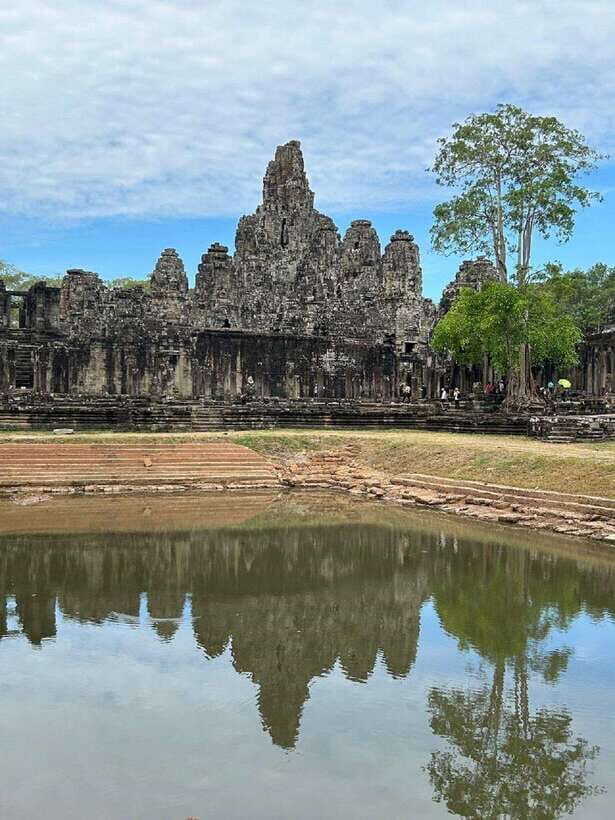
Bayon is the “center of attention” temple in Angkor Thom. The standout detail is the 54 towers covered with 216 smiling faces of Avalokitesvara. With a guide, that isn’t just a trivia fact—it becomes a reason to keep scanning the towers from different angles.
In practice, the guide’s explanations help you notice the symmetry, the repetition, and how the faces appear differently as you shift positions. Your time here is about 45 minutes, which is long enough to both wander thoughtfully and not feel rushed.
Srah Srang break and a real pause
You’ll have a break at Srah Srang, a water feature area, with time built in for lunch (lunch itself isn’t included). Even if you skip fancy exploration here, the break matters because it keeps the rest of the day from turning into a tired shuffle.
This is also where I like guided tours: the structure forces a reset so you don’t spend the afternoon moving too fast.
Ta Prohm: the jungle temple that looks like a movie set
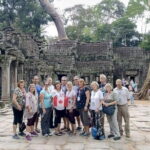
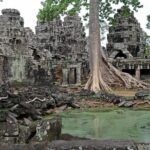
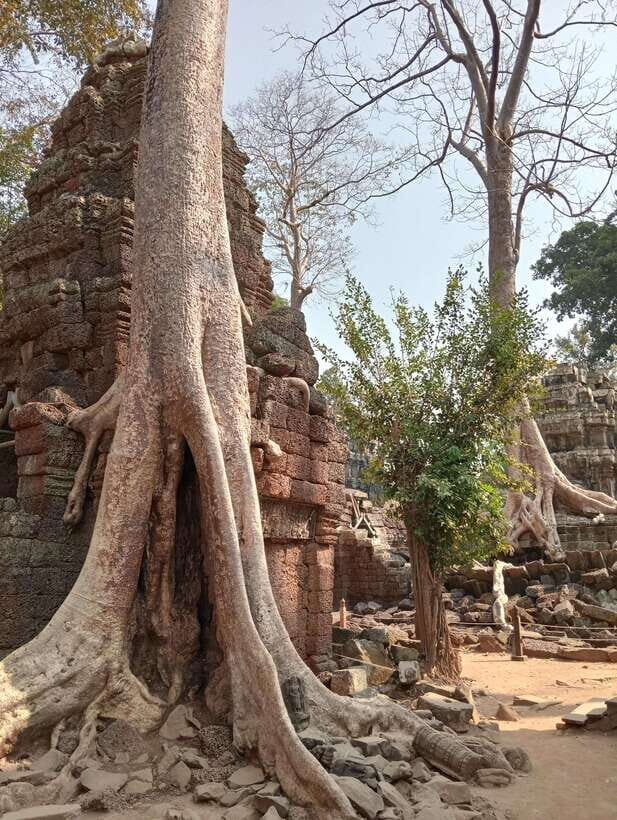
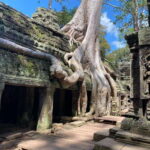
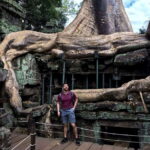
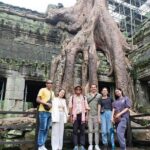
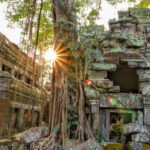
Then comes Ta Prohm, the famous jungle temple. If you’ve ever seen the images where tree roots wrap around stone, this is that moment—up close.
In a guided format, you don’t just walk through the ruins. You get cues on what to frame and where the best views tend to land, and you can understand why certain parts look “left in nature” rather than restored into something cleaner.
The most useful part: you can enjoy the weirdness. It’s atmospheric, and it’s easy to get distracted—so having someone handle timing helps you stay with the experience instead of rushing to “finish.”
Angkor Wat at the end: symbolism, not just scale
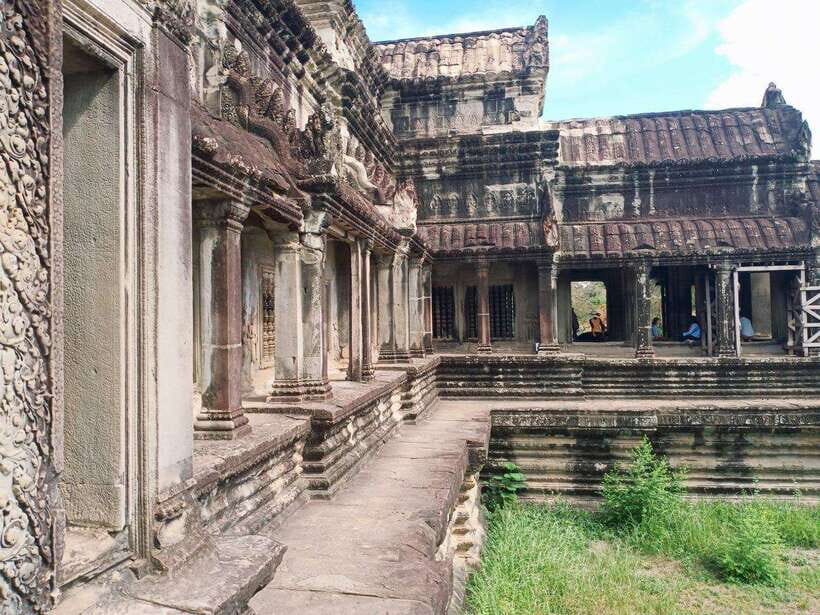
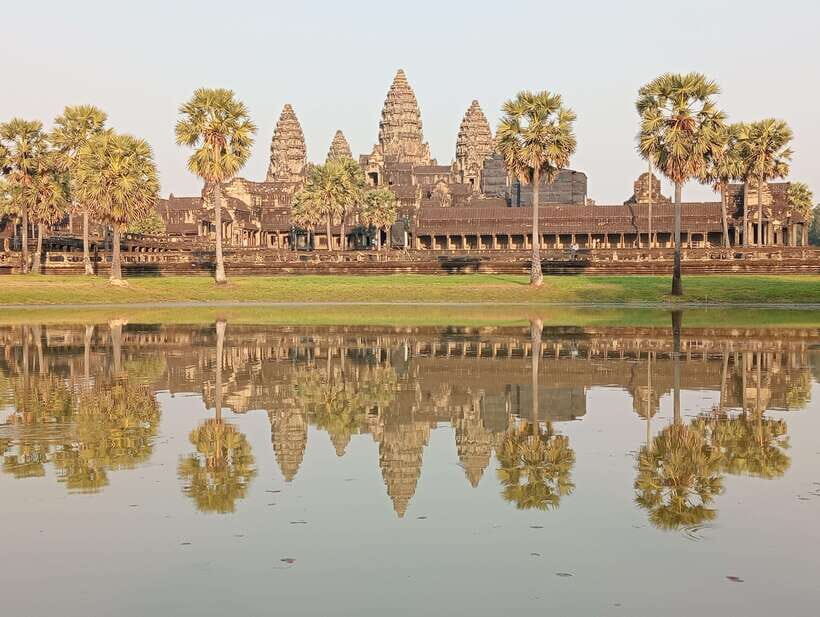
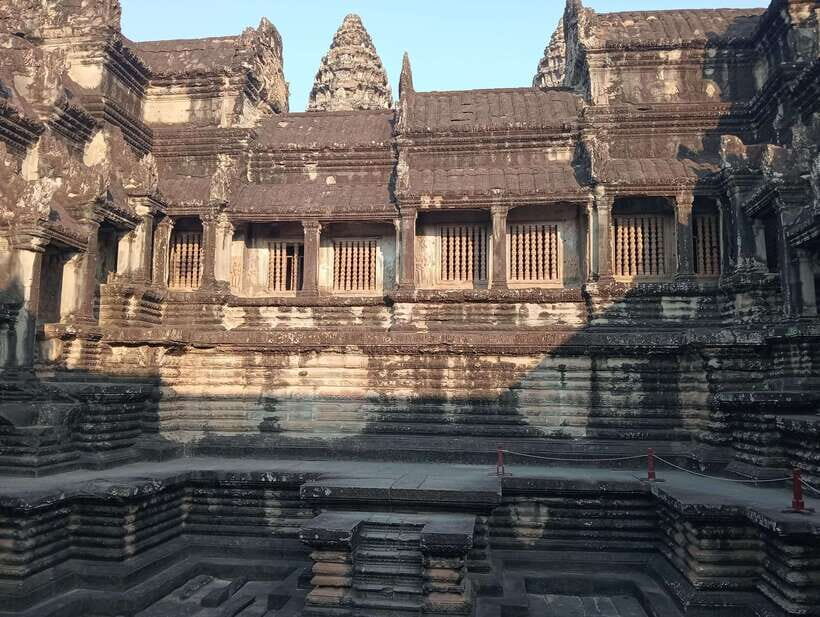
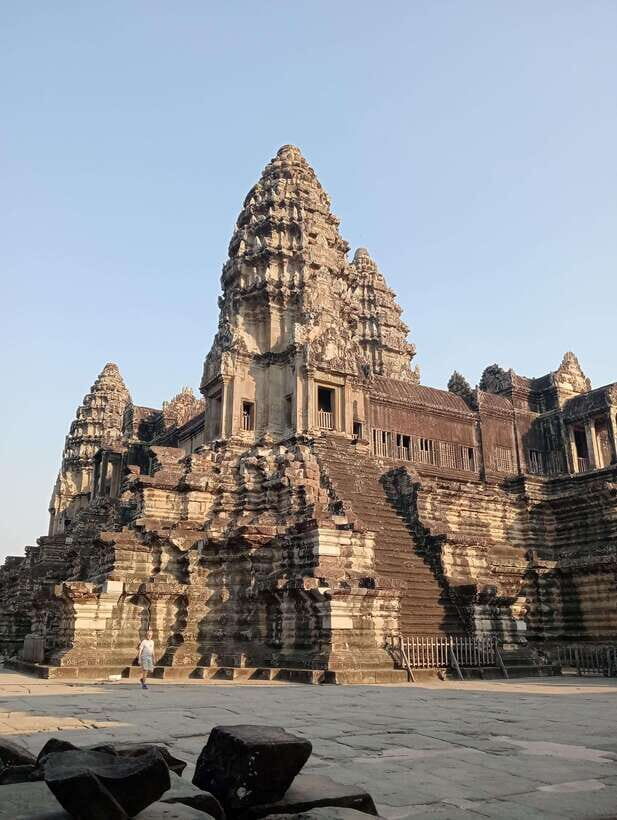
The day concludes at Angkor Wat, where you spend about 2 hours. This is the big one, and it can be overwhelming if you’re only thinking about size.
With a guide, you’ll learn the art, history, and symbolism—so you’re not only walking the courtyards, you’re understanding why the layout looks the way it does. You’ll finish around 16:30 to 17:00, then return to your hotel.
For me, that ending timing is ideal: you’re getting Angkor Wat when you’re warmed up from earlier sites, but not so late that you feel like you’re dragging yourself out.
What each temple is really teaching you (beyond the photo)
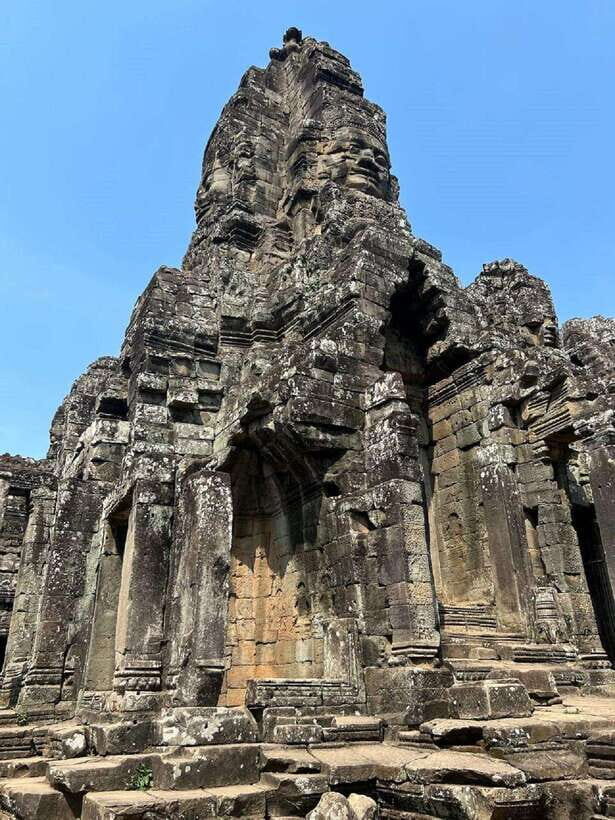
These temples can feel like separate “attractions.” A good guide helps them connect into a single story.
Angkor Thom (South Gate + Bayon) teaches the idea of a designed city. The huge faces and repeated design elements make it clear this wasn’t random construction. The guide’s explanations help you see Bayon as the “crown” within the city, not just another stop.
Baphuon is where restoration matters. Seeing a structure that’s been worked on helps you read the architecture. It also gives you a sense of how long Angkor has been studied, rediscovered, and maintained.
Ta Prohm teaches contrast: human intention versus what time and nature do next. The jungle-root look isn’t just dramatic; it shows how the ruins were found and what happened when the site wasn’t pushed into a uniform “museum look.”
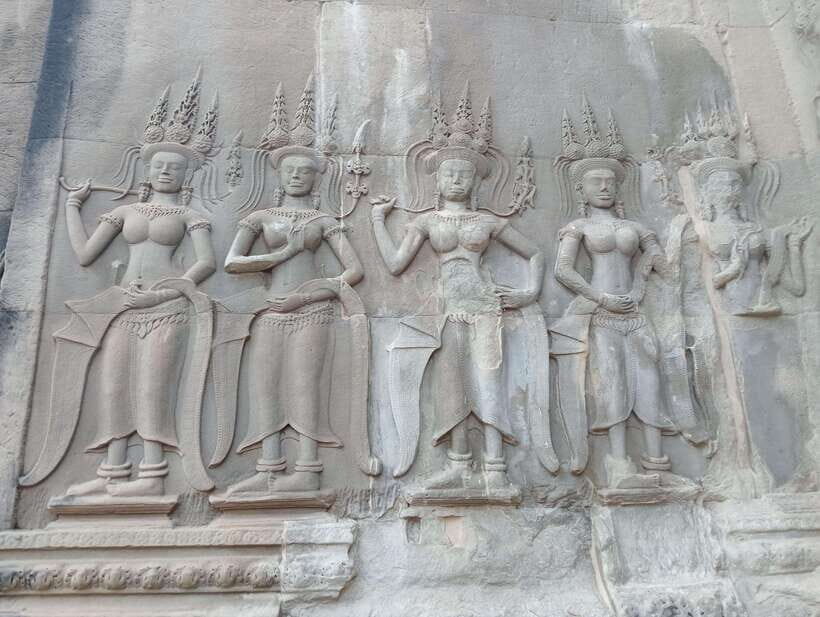
Angkor Wat teaches symbolism through design. The carvings, layout, and sacred geometry matter. When you understand the themes, the temple feels less like scenery and more like a statement.
Two-day upgrade: Banteay Srei, Beng Mealea, plus a sunrise day 2
If you can spare the time, the two-day option is the one that feels more relaxed and less like a checklist. Day 2 starts with sunrise again, this time with pickup around 05:00.
The plan is to enjoy morning colors at Angkor Wat, then breakfast (bring it from your hotel). After that, the day expands into smaller, more detailed temples and one of the most adventurous ruins in the region.
Pre Rup for warm-brick views
You start at Pre Rup, a 10th-century pyramid temple built of warm brick and laterite. The guide’s value here is pointing out what to watch for on the terraces and why the viewing points are worth your time.
This stop is a strong “architecture starter” because it bridges what you saw earlier with a different style of construction.
Banteay Srei: pink sandstone and fine carving
Next comes Banteay Srei, famous for its pink sandstone and extremely detailed carvings. It’s often called the Citadel of Women, and that nickname makes you pay attention to how the carvings feel more intricate and delicate than some of the larger sites.
This is the day’s “slow looking” temple. It’s the one where you can trade quick photo bursts for more time studying details—if you’re not rushing.
Beng Mealea: the adventurous, photogenic ruin
Then you head to Beng Mealea, where nature has taken over a lot of the space. Expect collapsed galleries, big stone blocks, and tree roots. It’s atmospheric and messy in the best way, and it’s photogenic without needing perfect conditions.
Compared with the main Angkor complex, it often feels more like wandering through a real ruin field—less polished, more raw.
Bakong to wrap the day
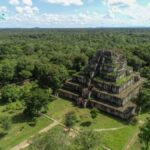
Finally, you end around 14:30 to 15:00 at Bakong, noted as the first grand stone pyramid temple of the Khmer Empire. Your drive back to Siem Reap follows after that.
I like that the day closes with an anchor temple that helps connect the dots between earlier architecture and later Khmer styles. It makes the extra time feel earned, not just added.
Transportation in Siem Reap: tuk-tuk vs A/C van
How you travel affects how tired you feel by noon.
For 1–2 participants, the tour uses a tuk-tuk by default (with a car option possible at checkout). For 3–6 people, you travel in an air-conditioned van. In private arrangements, the same logic applies: small parties more likely get tuk-tuk, larger parties get a car or bus.
I find air-conditioned transport a big deal in Cambodia’s heat, especially after a sunrise start or a busy first half of the day. But the tuk-tuk can be more fun, and it gets you moving fast through town.
Either way, pickup and drop-off are included, and that reduces friction more than people think.
Dress code and what to pack so you don’t get stopped
Angkor has strict clothing rules, and it’s smart to follow them before you get to the gate.
What’s not allowed includes shorts, short skirts, and sleeveless shirts. Temple clothing rules also matter: a scarf that covers your knees and shoulders often works in many places, but except for Angkor Wat you must wear trousers and skirts covering the knees, and shirts covering the shoulders.
So: bring a lightweight layer you can adjust quickly. I’d also plan on comfortable shoes—temples mean real walking. A hat helps with sun, and insect repellent is worth it in the humid parts of the day. You’ll also want cash for any extras, and a camera because you’ll want it.
The good news: you get cold drinking water and cold towels during visits, which helps you stay upright and not just survive.
Price, entrance tickets, and real value for your day
The tour price is $50 per person, and that’s where you need to think in two layers.
Layer one: what you pay for the experience itself—hotel pickup, guided visits, Japanese-speaking guide, water and towels, and transport. That part is reasonably priced for a full-day structure, especially with a guide who’s good at explanations and photos.
Layer two: the Angkor Archaeological Park pass. This is not included. It’s $37 per person for 1 day and $62 per person for 2–3 days. If you choose a two-day plan, you’ll want to plan for that higher ticket cost as part of your total budget.
So the actual all-in cost is more than the $50 headline. Still, when you compare it to paying for entrance, transport, and then trying to find a guide who speaks your language, the package often becomes good value—especially if this is your first time at Angkor.
Who this tour suits best
This is a great fit if:
- you want Japanese-guided explanations so the temples feel meaningful
- you like having a plan so you don’t waste time figuring out timing and routes
- you prefer small groups or private options for flexibility
- you’re traveling with parents or family and want gentler pacing
It may be less ideal if:
- you need wheelchair access, since it’s not suitable for wheelchair users
- you want total freedom to wander with no structure (this tour is structured by design)
- you’re sensitive to early mornings if you choose the sunrise option
Should you book this Japanese-led Angkor tour?
I’d book it if you want Angkor to feel understandable, not just impressive. The combination of a Japanese guide (with guides like Chun and Bun noted for clarity and kindness), transport, and planned temple stops makes it a strong “first Angkor day” choice.
Also, if you can manage the extra time, the two-day option tends to feel more relaxed and gives you the temples beyond the usual big names—especially Banteay Srei and Beng Mealea.
One practical note for your decision: budget for the Angkor pass, and plan your lunch options since lunch isn’t included. If you do that, the tour price starts making sense fast.
If your plans are still fluid, you can cancel up to 24 hours in advance for a full refund, which takes some pressure off your booking.
FAQ
How long is the one-day tour?
The one-day option runs about 8 hours, with a finish time around 16:30 to 17:00. The sunrise option ends around 12:00.
What does the tour cost, and is the Angkor ticket included?
The tour price is $50 per person. The Angkor Archaeological Park pass is not included: it costs $37 per person for 1 day and $62 per person for 2–3 days.
What is included in lunch?
Lunch is not included. The day includes a break time at Srah Srang, but you’ll need to arrange lunch separately.
What time is hotel pickup?
For the standard one-day tour, pickup is between 08:30 and 09:00. For sunrise options, pickup is between 04:30 and 05:00.
Which temples are included in the one-day tour?
The one-day tour includes Angkor Thom (South Gate), Bayon, Baphuon, Terrace of the Elephants, Ta Prohm, and Angkor Wat. It also includes a short photo stop at Victory Gate and a break at Srah Srang.
What’s included in the two-day extended tour?
The two-day option includes sunrise at Angkor Wat on day 2, plus Pre Rup, Banteay Srei, Beng Mealea, and Bakong. Lunch is not included.
Can I choose private or small-group options?
Yes. The tour offers small-group or private options, with transportation based on group size.
What should I wear or avoid at the temples?
Avoid shorts, short skirts, and sleeveless shirts. You’ll need clothing that covers shoulders and knees; a scarf that covers knees and shoulders can work in many temple areas, with stricter requirements at most temples (except Angkor Wat).
If you tell me your travel dates and whether you’re doing one day or two, I can help you pick the better option for your pace and light.