REVIEW · SIEM REAP
Cambodian Private Cooking Class at a Local’s Home
Book on Viator →Operated by Angkor Focus Travel · Bookable on Viator
A good meal starts with the market. This Cambodian private cooking class turns Siem Reap’s food scene into a hands-on experience, with hotel pickup by romork tuk-tuk and a private, local-host kitchen setup. I like the way you learn the spice logic behind Khmer favorites like fish amok curry and tom yum soup. I also like that you’re not just watching—you prepare and eat multiple dishes. One possible drawback: the cooking space may feel more like a clean, modern facility than a truly old-school local house, so your expectations should stay practical.
Expect a friendly team and a smooth pace over about three hours, starting with a market visit and ending with the meal you helped make. The tour is designed for value at $33.13 per person because it bundles transfers, ingredients, and lunch in one go. It also works well if your group wants a no-stress plan that doesn’t require you to chase restaurants or translators.
In This Review
- Key Highlights You’ll Feel Immediately
- Why a Siem Reap Market Walk Changes Everything
- Romork Tuk-Tuk Pickup and the 3-Hour Private Format
- What You’ll Cook in the Kitchen (and How Meals Are Served)
- Fish Amok and Tom Yum Soup: The Spice Secrets You Can Recreate
- Banana Flower Salad and Banana Sago Dessert: Why This Class Goes Beyond One Main Dish
- Customization and Comfort: Handling Preferences Without Breaking the Flow
- Price and Value: Is $33.13 Per Person Fair for What You Get?
- Who Should Book This Cooking Class (and Who Might Skip It)
- My Booking Decision Checklist
- FAQ
- How long is the Cambodian private cooking class in Siem Reap?
- Is hotel pickup and drop-off included?
- Will I cook and eat the dishes, or just watch?
- Does the tour include a local market visit?
- What Khmer dishes might we cook?
- Is beer or wine included?
- Is there free cancellation?
Key Highlights You’ll Feel Immediately
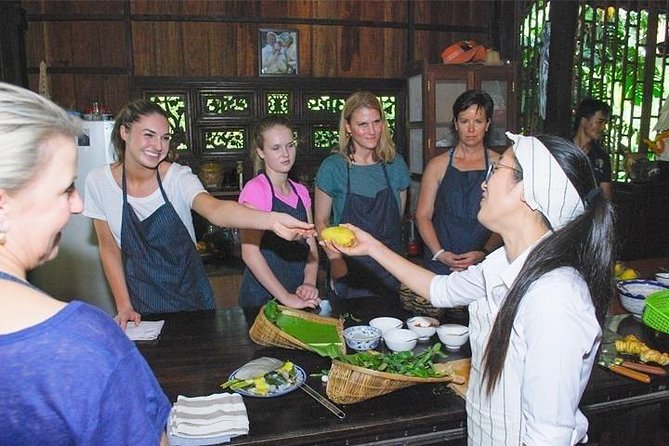
- Market shopping with a local guide so you understand what you’re buying and why
- Private class only for your group (you won’t be mixed in with strangers)
- You cook and eat multiple Khmer dishes in an authentic home-style setup
- Spice guidance for classics like fish amok curry and tom yum soup
- Tuk-tuk pickup and drop-off (romork) that keeps timing simple
- Hosts who can adapt, including examples like adjusting for coriander preferences
Why a Siem Reap Market Walk Changes Everything
The first step is the market, and it’s not just a warm-up. You go out with a local guide to find fresh ingredients, which gives you something most restaurant meals never do: a clear view of the building blocks. You’ll see what locals look for, not just what’s easiest to buy for tourists.
This matters because Khmer cooking is built on flavor balance. When you know the ingredients that go into the dish, the cooking lesson makes sense instead of turning into a checklist. By the time you’re at the stove, you’re already holding the story of the meal in your hands.
Also, it’s a good way to break the “temple sightseeing rhythm.” Siem Reap is strong on history, but food is where you get a different kind of memory. A market stop gives you that texture—colors, smells, and the practical pace of shopping—before you settle in for the hands-on part.
You can also read our reviews of more tours and experiences in Siem Reap.


Romork Tuk-Tuk Pickup and the 3-Hour Private Format
Logistics are part of why this works. You get hotel pickup and drop-off by tuk-tuk (romork), so you’re not budgeting time for finding the right spot or haggling your way into motion. The experience is listed at around three hours, which is long enough to learn real steps but short enough that you won’t burn half your day.
You’ll also be in a private setup. That “only your group participates” part is more than a comfort perk. It usually means you can move at your group’s pace, ask more direct questions, and actually pay attention instead of sharing the host’s time with a larger crowd.
If you’re a bit worried about whether you’ll end up in an out-of-the-way place, the setup here is designed to be straightforward. It’s near public transportation, and you’ll have a mobile ticket for entry, so you’re not juggling paperwork.
One thing to keep in mind: it requires good weather. If conditions are poor, the plan may shift, so stay flexible.
What You’ll Cook in the Kitchen (and How Meals Are Served)
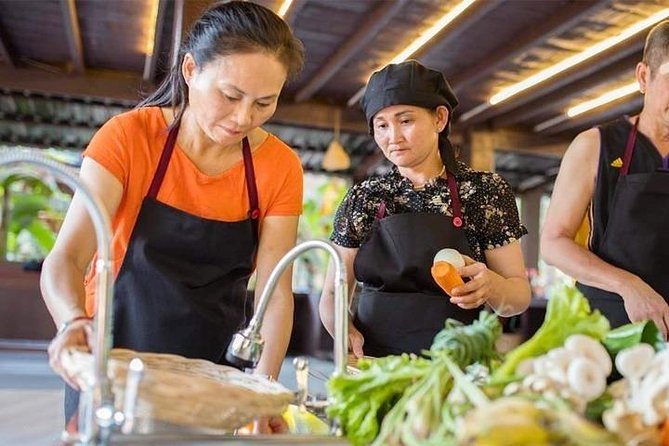
This class is built around making and eating what you cook. You prepare four separate dishes, and you’ll eat a meal made from your work, described as a 3-course meal in the included details. In practice, that usually means the dishes are organized into starter, main, and dessert style portions, even if the count is described as four items.
Across the class, you’ll learn Khmer cuisine like a local, with a guide helping you through the steps. One review-style detail that’s worth noting: you may each cook parts of the meal—starter and main come up as an expectation—so it doesn’t feel like one person does all the work while everyone else watches.
Dish examples you might see include fish amok curry, tom yum soup, and a banana flower salad. Dessert examples include banana sago. And there’s a clear theme: you’re not just making one “safe” dish. You’re tasting variety—savory, spicy, and sweet—within one sitting.
The host and kitchen setup also seems to be kept clean and organized. One important reality check from the experience notes: the location may not be strictly a traditional home, even if it feels home-style. Still, the cooking area is presented as tidy, and the focus stays on the food.
Fish Amok and Tom Yum Soup: The Spice Secrets You Can Recreate
The promise here is not just recipes. It’s understanding the spice secrets behind Khmer dishes like fish amok curry and tom yum soup. That’s the part you’ll appreciate later when you try to recreate the flavors at home.
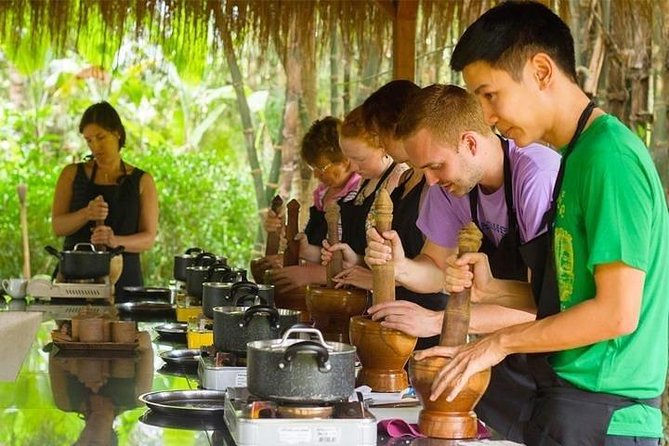
Fish amok curry is one of those dishes people associate with Khmer cuisine, and the class treats it like a teaching moment—how the spice blend becomes part of the sauce and how the dish should smell and taste as it comes together. Tom yum soup is the other anchor, a dish where sour, salty, and spicy notes have to line up, not just be dumped in.
In a class like this, the value is how the guide explains decisions, not just steps. For example: when you’re learning spice use, you’re learning timing and adjustment. When to add, how to taste, and what balance the dish should aim for.
You’ll also be guided through ingredients you sourced at the market. That creates continuity. If you bought the items that define the dish, the final meal feels like it belongs to your hands, not just your appetite.
Banana Flower Salad and Banana Sago Dessert: Why This Class Goes Beyond One Main Dish
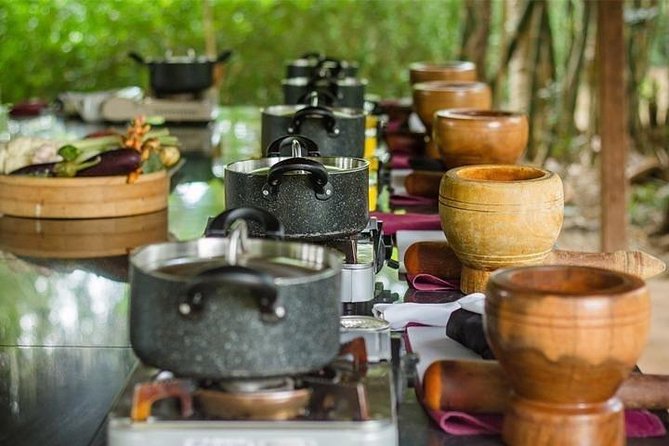
Many cooking experiences stop after one showpiece entrée. This one keeps going, and the extra dishes matter because they show Khmer food as a whole system, not a single plate.
A banana flower salad is a great example. It brings texture and freshness into a meal that might otherwise lean heavy with curry flavor. If you’re someone who likes variety—crunch next to sauce, herb notes next to spice—you’ll likely appreciate this part.
Then there’s banana sago dessert, which gives you a sweet finish that’s still connected to local ingredients. Dessert is often treated like an afterthought in cooking classes, but here it’s described as one of the prepared dishes. That means the class teaches you across food types, not just savory technique.
If your group is food-structured (starter, main, sweet), these add-ons can make the experience feel complete. If you’re more adventurous, they help you taste what’s local instead of what’s generic.






Customization and Comfort: Handling Preferences Without Breaking the Flow
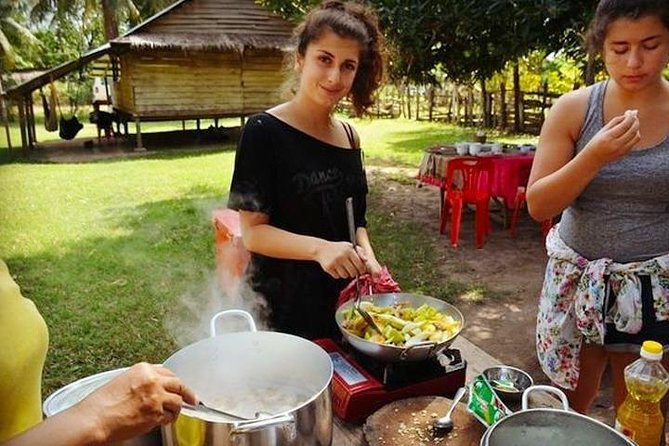
One of the best signs in a cooking class is whether it can handle real preferences. In at least one case, the host adjusted for a partner who does not eat coriander. That kind of flexibility is practical and important, because coriander is common in many cuisines and not everyone wants it.
So if you have dietary limits or specific dislikes, plan to say it early. The earlier you communicate, the easier it is for your host to adjust during cooking rather than scrambling at the last minute.
You’ll also get bottled water included, which helps you stay comfortable during the market walk and in the kitchen. And while the class doesn’t include beer and wine, the meal is planned as lunch and a complete experience on its own.
Price and Value: Is $33.13 Per Person Fair for What You Get?
At $33.13 per person, this class competes strongly with the cost of a guided experience plus a decent meal—especially in a place where you’ll otherwise pay for transport, a market guide, and separate dining plans.
Here’s what your money covers, based on what’s included:
- hotel pickup and drop-off by romork tuk-tuk
- a local market visit with a guide
- an experienced host/guide
- ingredients for your dishes
- bottled water
- lunch and the 3-course meal you prepare
That bundle is the value engine. The transfers alone remove the friction of getting from your hotel to a local home-style kitchen. The market stop turns ingredients into learning, not just shopping. And the hands-on cooking is the difference between a food tour and a cooking class.
Could it be more expensive if you DIY it? Likely yes, because you’d spend on multiple pieces. Could it be cheaper? Some do, but they often cut the guided ingredient sourcing or reduce what you cook. For the time you’re spending—about three hours—and the number of dishes you’ll prepare, the pricing feels geared toward a full experience rather than a short tasting session.
If you’re traveling as a couple or small group, this also tends to feel even better because private time makes every question matter. There are also group discounts listed, which can sweeten the deal when the schedule works for your party.
Who Should Book This Cooking Class (and Who Might Skip It)
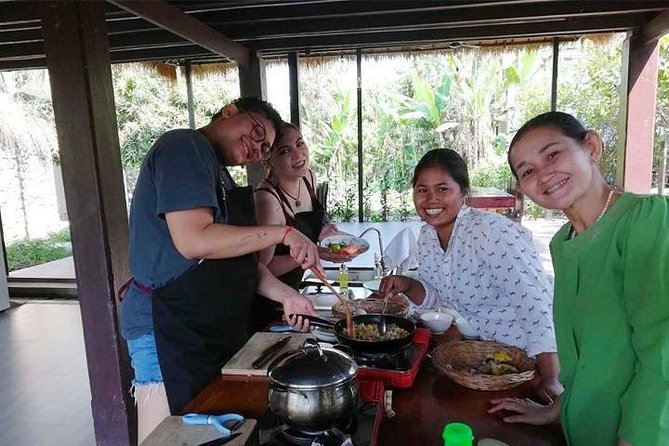
This class is a great fit if you want something that feels active and local in Siem Reap. It’s especially good for:
- couples who want an experience instead of another restaurant
- friends who like a hands-on plan with a shared payoff
- anyone who enjoys cooking enough to care about ingredients, not just flavor
It’s also a good choice if you want a break from temple-heavy days. Food makes your trip feel complete.
You might consider skipping it if you’re hoping for a very specific kind of location. One note that comes up is that the setting may not be strictly inside a traditional local home as you might picture it. It can be clean and modern, which is good for comfort, but it may not match the romantic version of a Cambodian household kitchen in your head.
My Booking Decision Checklist
If you answer yes to most of these, book it:
- You want a market-to-meal experience, not just a tasting.
- You like practical cooking guidance, especially for Khmer classics.
- Your schedule can spare about three hours in Siem Reap.
- You prefer guided transfers with pickup and drop-off.
- Your group would enjoy cooking and then eating what you made, as a lunch-style meal.
FAQ
How long is the Cambodian private cooking class in Siem Reap?
It’s listed at about 3 hours.
Is hotel pickup and drop-off included?
Yes. Pickup and drop-off are included by romork tuk-tuk.
Will I cook and eat the dishes, or just watch?
You’ll prepare and then eat four separate dishes in the class, and the meal is included.
Does the tour include a local market visit?
Yes. You’ll visit the local market with a local guide to find fresh ingredients.
What Khmer dishes might we cook?
The class focuses on Khmer cuisine and includes examples like fish amok curry and tom yum soup. You may also prepare dishes such as banana flower salad, banana sago dessert, and additional course items.
Is beer or wine included?
No. Beer and wine are not included.
Is there free cancellation?
Yes. You can cancel for a full refund up to 24 hours in advance, and the experience requires good weather.
Should you book this class? If you want real food learning in a short, guided block—and you value eating what you cook—this is a strong pick. The market start plus the multi-dish cooking structure makes the experience feel like more than a meal, and the private setup helps it stay personal.