REVIEW · SIEM REAP
Siem Reap: Angkor Wat Tour with French-Speaking Guide
Book on GetYourGuide →Operated by Vamos Camboja Turismo · Bookable on GetYourGuide
Some mornings start with stone faces.
This Angkor tour is built for making sense of the Khmer Empire fast, with a French-speaking guide who points out what to look for and where to stand for photos. I especially like the way the route mixes the iconic hits with “how to read it” explanations, and I also appreciate the cold water and cold towels that help you survive the heat. One thing to keep in mind: the temple pass is not included, so the real total depends on whether you choose 1 day or 2 days.
You can go at a calmer pace with the 2-day version or compress the best moments into a single long day. Pickup is in the morning from your Siem Reap hotel, and the tour gives you transport plus guidance so you’re not stuck figuring out entrances, timing, and photo angles by yourself. The only real drawback is that you need to dress correctly for the temples, and you’ll want to plan your lunch separately since it isn’t included.
In This Review
- Key Things I’d Prioritize
- French-Speaking Guidance That Makes Angkor Click
- Angkor Wat Tour Options: 1-Day Hits vs 2-Day Comfort
- Sunrise Choices: Beating the Crowds (and the Heat Timing)
- South Gate to Bayon: The Angkor Thom Morning Route
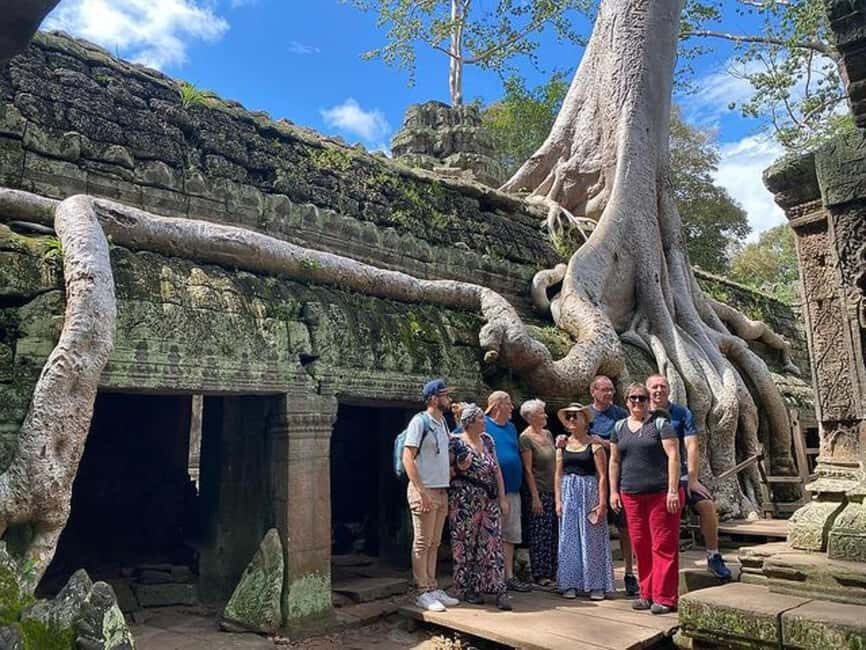
- Ta Prohm: Tree Roots, Framing, and Movie-Scene Photos
- Angkor Wat Later in the Day: Symbolism Plus the Best Photo Spots
- Day Two Grand Circuit: Preah Khan, Neak Pean, Ta Som, and Views
- Banteay Srei: Pink Sandstone and Fine Carving on the Second Day
- Transport in Siem Reap Heat: Tuk-Tuk vs A/C Van
- Price Reality Check: $50 Base Plus the Temple Pass
- What You Actually Do at Each Stop
- Dress Code and Day-Pack Essentials (Don’t Skip This)
- Who This Tour Fits Best
- Should You Book This Angkor Wat Tour?
- FAQ
- Is the Angkor Archaeological Park entrance ticket included in the price?
- What time does hotel pickup happen?
- What’s the difference between the 1-day and 2-day options?
- Do I get a French-speaking guide?
- Is lunch included?
- How is transport handled?
- What should I wear to visit Angkor Wat?
- What are the cancellation and payment options?
Key Things I’d Prioritize
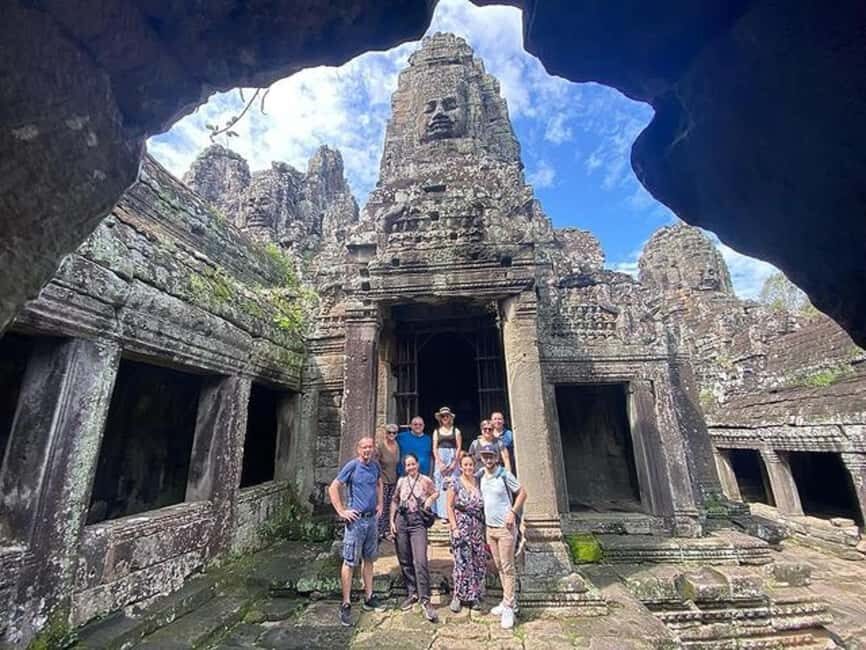
- French guide commentary that explains what you’re seeing (not just walking from one gate to the next)
- Cool-down details like cold towels and bottled water during visits
- Smart timing options, including sunrise starts that finish earlier in the day
- Route choices: Small Circuit + Angkor Wat in 1 day, or a bigger Grand Circuit with Banteay Srei on day two
- Comforty transport that matches your group size, from tuk-tuk to A/C van
French-Speaking Guidance That Makes Angkor Click
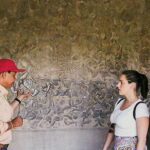
Angkor can feel like a blur if you’re only chasing the prettiest photos. What makes this experience practical is the live French guide, who helps you understand why certain towers, faces, carvings, and layouts matter.
In the real world of bookings, the French guides have a pattern: clear explanations, a good sense of humor, and the ability to connect details back to the Khmer story. Names you may run into include Mey, Alex, Kamal, Kanal, Piset, and Philrom, with repeated praise for being attentive and keeping things structured rather than random.
This matters because you’re dealing with big places, long walks, and multiple temples with different vibes. When the guide tells you what you’re looking at, you spend less time wondering and more time noticing.
You can also read our reviews of more guided tours in Siem Reap
Angkor Wat Tour Options: 1-Day Hits vs 2-Day Comfort
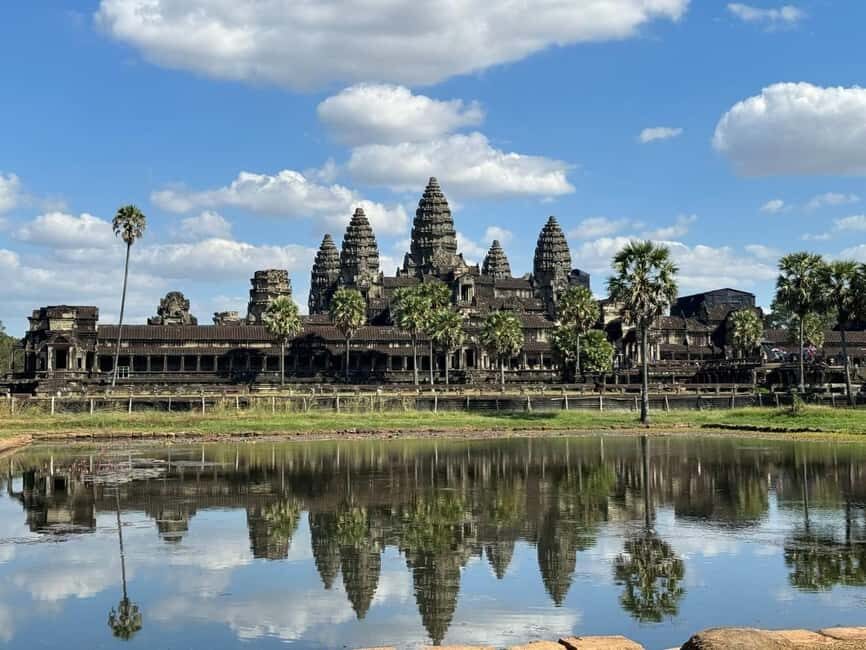
You have two ways to shape your day.
The 1-day version focuses on the main temples through the Small Circuit and then lands at Angkor Wat later in the day. It’s a great choice if you want the big icons without committing to two full days.
The 2-day version adds more ground with the Grand Circuit and finishes at Banteay Srei. This is for people who don’t want to feel rushed and who like having time to slow down for photos and carvings.
Either way, the tour includes guided visits and transport. The difference is how much Angkor you get to digest between heat, walking, and meal breaks.
Sunrise Choices: Beating the Crowds (and the Heat Timing)
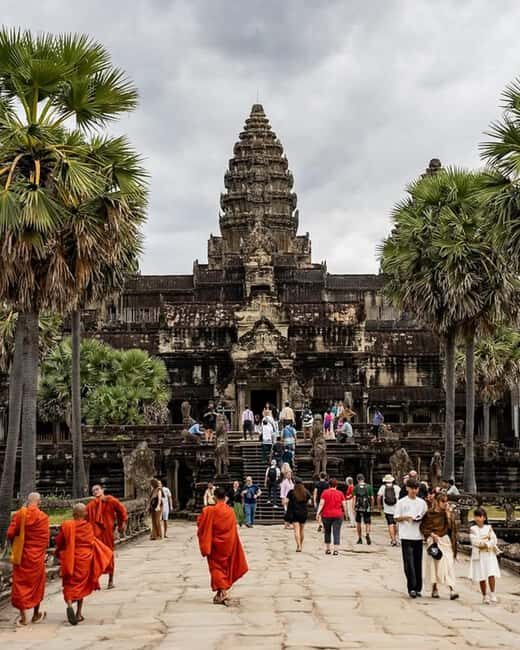
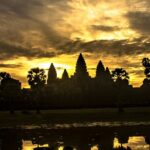
If you pick the sunrise option, pickup is much earlier, around 05:00 AM, and the tour wraps around 12:00 PM (for that sunrise day). The morning energy can be worth it, but sunrise also demands preparation.
Bring breakfast from your hotel if you choose sunrise, since your tour day may start before you naturally think about eating. Also, you’ll still want sunscreen and a hat—morning light can be beautiful, but the sun still climbs fast once you’re out in open areas.
If you’re choosing between sunrise and later starts, think about your comfort level with early mornings. Sunrise is less about sleeping in and more about getting temple light and a calmer rhythm.
South Gate to Bayon: The Angkor Thom Morning Route
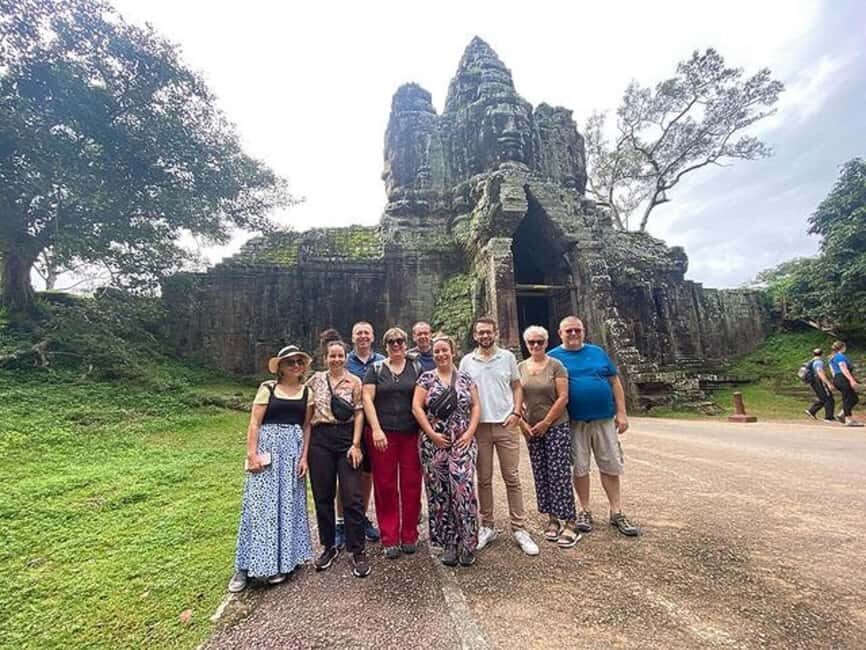
One of the smartest parts of this tour is starting where Angkor Thom feels most dramatic.
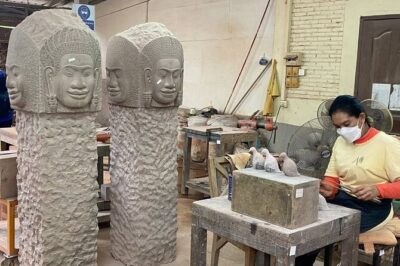
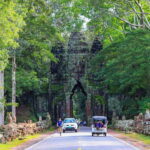
You typically begin at the South Gate of Angkor Thom and then move through the space dominated by giant stone faces. It’s not subtle. It’s one of those moments where your brain finally understands why Angkor has been protected and studied for so long.
From there, you visit Bayon Temple, famous for its many towers topped with serene smiles. The guide’s role becomes important here because Bayon’s visual style can look repetitive until someone explains the theme and the geometry.
You also walk past the Terrace of the Elephants and the Terrace of the Leper King. Short photo moments happen along the way, but what you’ll really appreciate is the guided pace—enough walking to get the feel, not so fast that you lose the details.
Practical note: some of these terraces are busy with steps and uneven ground. Comfortable shoes aren’t optional if you want to enjoy rather than just survive.
Ta Prohm: Tree Roots, Framing, and Movie-Scene Photos
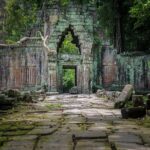
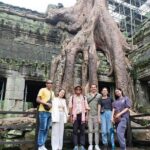
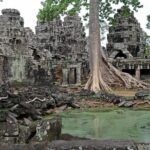
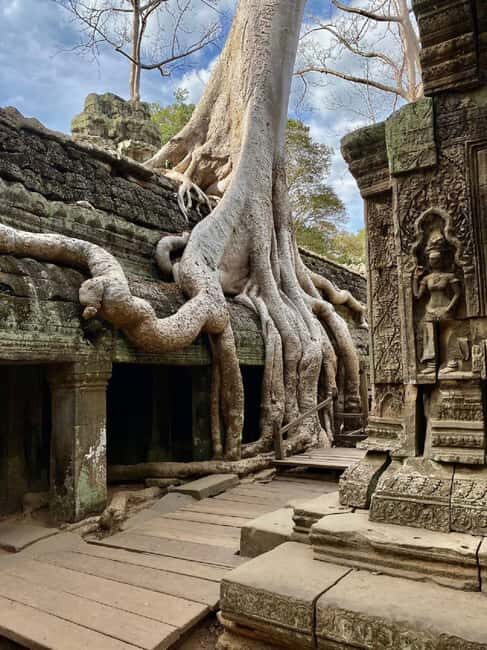
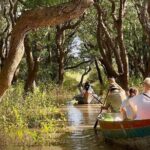
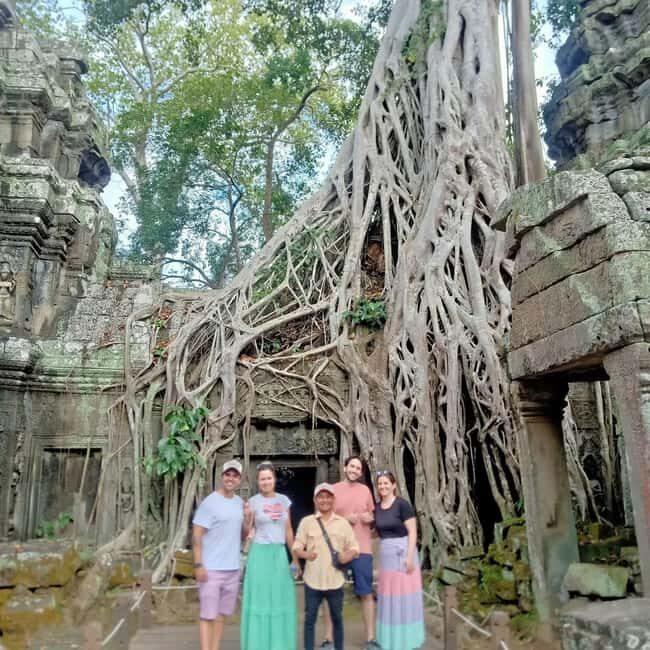
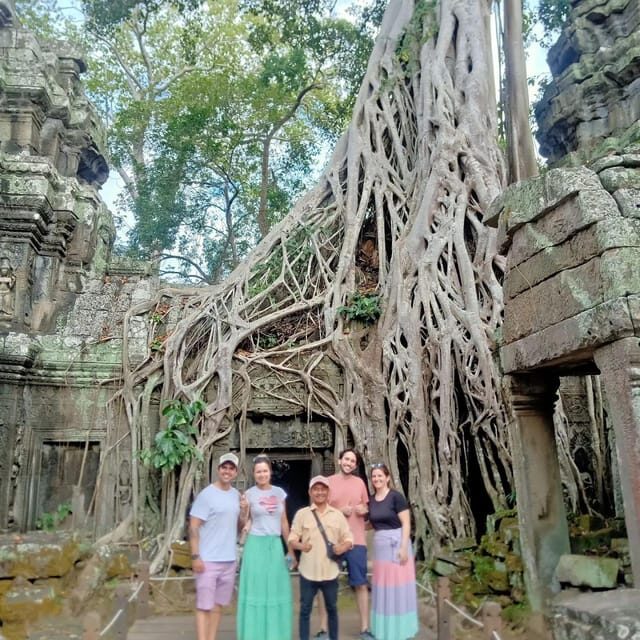
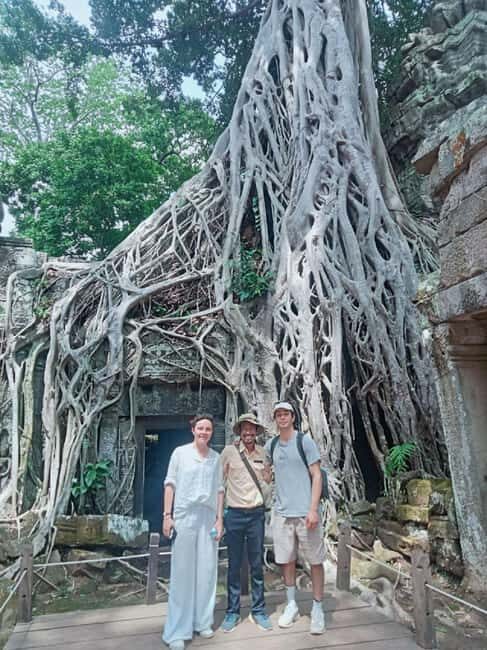
After the morning circuit, you head to Ta Prohm, one of Angkor’s most photogenic temples for a simple reason: the big trees and their roots have become part of the architecture.
This is the stop where photos can take over your brain. The tour keeps it grounded by giving you a focused amount of guided time and a walking route that helps you see multiple angles instead of getting stuck at one perfect corner.
Expect a strong “how is this still standing?” feeling. Bring sunglasses and plan for bright light through the trees. You’ll likely do well if you let the guide show you a couple of viewpoints before you go full camera mode.
Angkor Wat Later in the Day: Symbolism Plus the Best Photo Spots
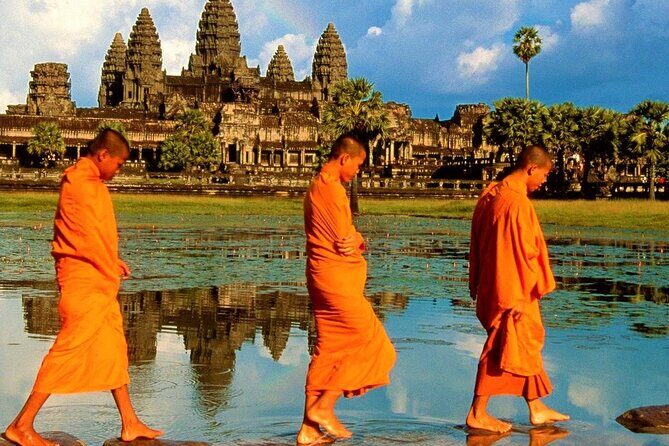
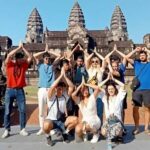
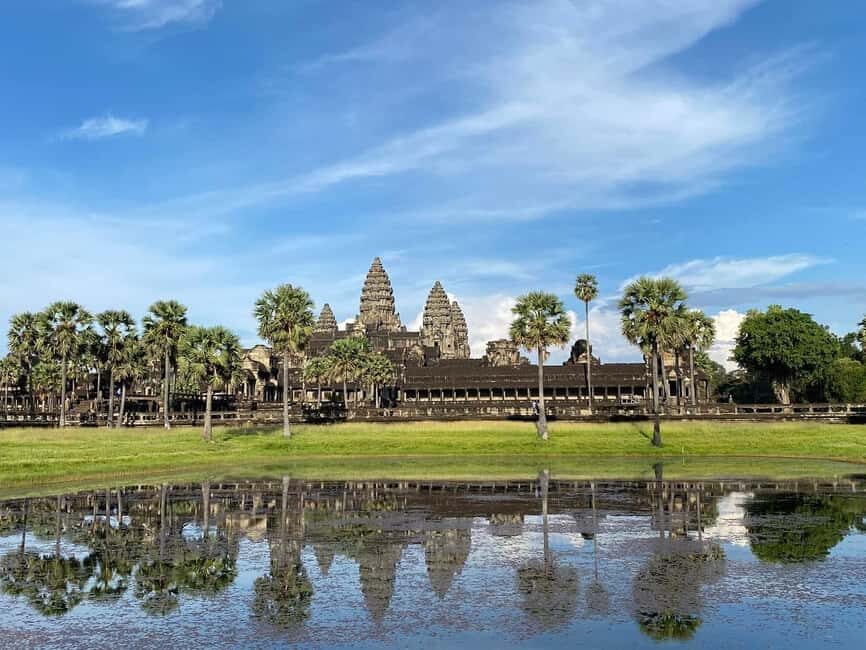
Angkor Wat is the centerpiece for many visitors, and the good part is that the tour doesn’t treat it like just a photo stop. The guide explains art, symbolism, and history so you understand why the temple looks the way it does.
In a 1-day format, you reach Angkor Wat in the afternoon and finish around 5:00 PM, then return to your hotel. That afternoon timing can be a sweet spot: enough daylight for photos, without starting at the very earliest hours.
For photographers, the key is the guide leading you to the most photogenic points rather than you roaming randomly. Even if you’re not a pro, this saves energy and helps you get the views you came for.
Day Two Grand Circuit: Preah Khan, Neak Pean, Ta Som, and Views
If you choose the 2-day option, day two expands beyond the Small Circuit.
You begin with Preah Khan, described as a vast monastic complex with atmospheric corridors and carvings. This is the kind of place that rewards guided interpretation because it can be easy to miss the structure while you’re overwhelmed by the sheer size.
Next is Neak Pean, a smaller temple surrounded by calm pools. It offers a quieter interlude between bigger, busier areas.
Then you visit Ta Som, well known for its iconic tree-covered gate. This is the kind of temple where the photo angle matters, because the gate frames the scene for you.
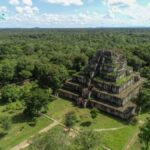
You’ll also see East Mebon, once on an island in an ancient reservoir, and then move to Pre Rup, a mountain-style temple where you can get sweeping views of the Cambodian countryside. That last view stop is a good “stretch your legs and look around” moment before the day ends.
Banteay Srei: Pink Sandstone and Fine Carving on the Second Day
The finish on day two is Banteay Srei, sometimes called the Citadel of Women. It’s admired for extremely intricate pink sandstone carvings, and it tends to feel different from the heavier, larger stone monuments you’ve been walking through.
This is the part of the tour where you’ll likely slow down and study. The carvings look small from a distance, but up close they reward patience—especially if you have a guide translating what you’re seeing.
The tour typically ends around 4:00 PM on day two, then you return to your hotel.
Transport in Siem Reap Heat: Tuk-Tuk vs A/C Van
Transport can make or break a temple day, and this tour tries to match vehicle choice to your group.
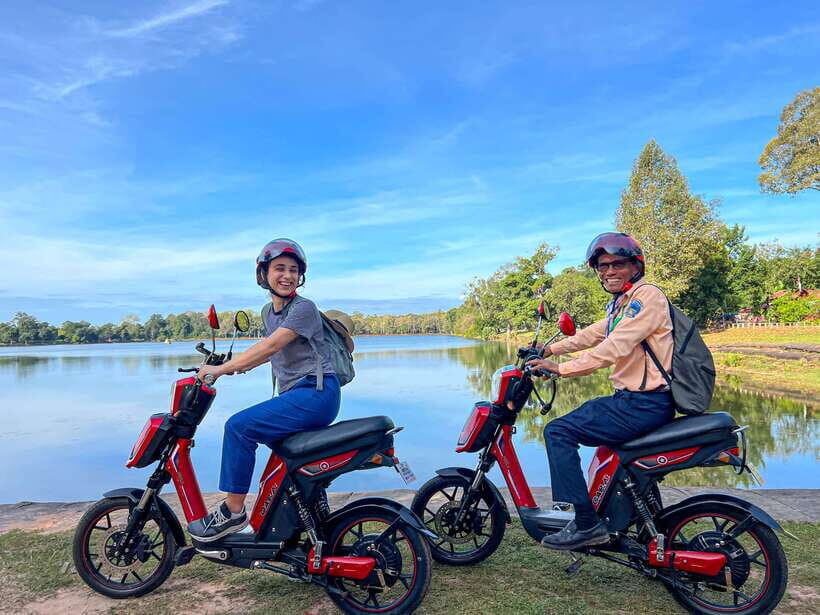
For 1–2 people, the plan uses a tuk-tuk (and you can sometimes choose a car during checkout). For 3–6 people in shared tours, you travel in an A/C van. Larger group setups also use an A/C vehicle, depending on the option.
The practical win: you get a break between temple stretches, plus the added comfort items like bottled water and cold towels during visits. In hot weather, those details matter more than people expect.
You also get timing coordination, meaning less time waiting around and more time walking through temples while the light is right.
Price Reality Check: $50 Base Plus the Temple Pass
The headline price is $50 per person, but the key detail is that the Angkor Archaeological Park entrance ticket is not included.
You’ll need to budget:
- $37 per person for a 1-day pass
- $62 per person for a 2–3 day pass
So the total you pay is your tour price plus the temple pass, and lunch is also not included.
Is it good value? Usually, yes, because this tour combines French guiding, transport, and temperature-smoothing extras (cold towels and water). The guide also saves you from time-wasting decision-making, which is part of what you’re paying for.
For short stays, the 1-day option can be the best “max impact” move. If you’re in Siem Reap long enough to breathe, the 2-day route can feel far less frantic.
What You Actually Do at Each Stop
Here’s the rhythm you can expect across the day(s):
- You start with hotel pickup between about 08:30 and 09:00 AM, then head to get the temple pass (or you can buy it online in advance).
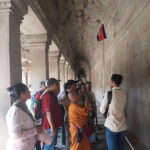
- During each temple visit, you get guided context and structured walking time.
- You’ll have photo moments at specific points, such as Victory Gate at Angkor, before moving deeper into Angkor Thom and Bayon.
- You stop for lunch at a local restaurant during a scheduled break. Lunch isn’t included, and the price quality can vary, so I suggest bringing a little snack or planning to spend what you’re comfortable with.
- You finish and return to your hotel in the evening for the 1-day tour, or mid-afternoon for the 2-day tour.
This structure matters because Angkor days often go wrong through fatigue. Here, the schedule is tight enough to hit the highlights, but not so chaotic that you feel lost.
Dress Code and Day-Pack Essentials (Don’t Skip This)
Angkor temples have rules, and you’ll feel it if you don’t follow them.
Avoid:
- shorts
- short skirts
- sleeveless shirts
- revealing clothing
You might also need a scarf to cover knees and shoulders for many temples. For Angkor Wat specifically, you’ll need clothing that covers knees (pants or skirts that reach the knees) and shirts that cover the shoulders.
For what to bring, stick to the basics:
- comfortable shoes
- sunglasses and sun hat
- sunscreen
- insect repellent
- comfortable clothes that still meet the dress rules
Angkor is hot. Your gear should help you walk longer, not just look good in photos.
Who This Tour Fits Best
This is a great pick if you want:
- French language guiding
- a route planned for your photo goals
- temple explanations that make the Khmer Empire feel understandable
- A day trip experience without transportation headaches
You’ll be especially happy with the 2-day option if you like carvings and don’t want to rush through Banteay Srei.
If you hate early mornings, skip sunrise. If you love sunrise light and can handle an early start, it’s a strong choice.
It’s not suitable for wheelchair users, and it may be challenging for people over 95 years due to walking demands.
Should You Book This Angkor Wat Tour?
Book it if you want a guided Angkor day with French-speaking interpretation, comfort breaks, and a route that hits the most important temples without turning the trip into a self-guided puzzle. The value is strongest when you factor in transport, guidance, and those temperature-friendly extras like cold water and cold towels.
Don’t book it if you’re trying to do this completely on the cheap and you don’t want to add the temple pass costs. Also think twice if you’re likely to ignore the dress code; you’ll spend energy scrambling when you could be enjoying the temples.
If you’re in Siem Reap and you want a thoughtful, efficient Angkor experience, this tour is a solid bet.
FAQ
Is the Angkor Archaeological Park entrance ticket included in the price?
No. The Angkor Complex entrance ticket is not included. It costs USD 37 per person for a 1-day pass and USD 62 per person for a 2–3 day pass.
What time does hotel pickup happen?
Pickup is included. The guide picks you up at your hotel lobby between 08:30 and 09:00 AM. If you choose sunrise, pickup is at 05:00 AM.
What’s the difference between the 1-day and 2-day options?
The 1-day tour focuses on the Small Circuit and then Angkor Wat. The 2-day option is more relaxed and expands to the Small Circuit, Grand Circuit, and includes Banteay Srei.
Do I get a French-speaking guide?
Yes. The tour includes a live French-speaking guide.
Is lunch included?
Lunch is not included. There is a lunch break at a nearby restaurant during the day, but you’ll pay for your meal separately.
How is transport handled?
Transport depends on the option and group size. Shared tours may use tuk-tuk for 1–2 people or an A/C van for 3–6 people. Private tours use tuk-tuk for 1–2 people on the first day, and an A/C car or van/bus depending on the option and group size.
What should I wear to visit Angkor Wat?
Angkor Wat requires proper clothing: pants or skirts covering the knees and shirts covering the shoulders. Shorts, short skirts, tank tops, and revealing clothing are not allowed.
What are the cancellation and payment options?
You can cancel up to 24 hours in advance for a full refund. You can also reserve now and pay later.