REVIEW · SIEM REAP
Private 2 Days Angkor Wat Sunrise, Floating Village & Beng Mealea
Book on Viator →Operated by Siem Reap Guide · Bookable on Viator
You’ll be up early, then you’ll stay amazed. This private 2-day run packs Angkor Wat sunrise with major temple stops, then swaps crowds for jungle quiet at Beng Mealea. I love how the route hits the big names without feeling like a rushed checklist, and I also love the comfort touches like cold water and wipes during the hot temple hours. One thing to consider: most entrances are not included, and you’ll do a fair amount of walking and stairs.
I also like the human factor. You’re not stuck with a giant group. With guides like Han and Yanos and a driver who thinks about comfort (fresh cold water and even eucalyptus-scented restroom stops after temple walks, per past guests), the day feels smoother. Just note that this experience depends on good weather, and the jungle temple portion can feel more rugged than the famous Angkor sites.
If you want a balanced mix of classic Angkor views plus off-the-beaten-path jungle temple time, this is a strong choice. It’s priced per private group and stays focused on two full days rather than spreading your effort across more stops.
In This Review
- Key highlights worth planning for
- Angkor Wat sunrise: why the early start really changes everything
- Angkor Thom in a tight, logical circuit: Bayon, Ta Prohm, and the rest
- Bayon Temple: the faces that pull you in
- Ta Prohm: Tomb Raider vibes, but with real atmosphere
- Baphuon: carvings, a climb, and a viewpoint
- Terraces of the Elephants and the Leper King: details you’ll miss solo
- Beng Mealea: the jungle temple stop that changes the whole trip
- Tonle Sap at Kompong Khleang: boat life on real stilted homes
- Price and value: what $279 per private group gets you
- Timing, walking, and comfort: small choices that make days like this easier
- Who this tour fits best
- Should you book this private 2-day Angkor and Beng Mealea combo?
- FAQ
- What’s included in the tour price?
- Are temple entrance fees included?
- What’s the duration?
- Is pickup available?
- How long is the boat trip at the floating village?
- What’s the group size for this private tour?
- Is the tour physically demanding?
- What happens if weather is bad?
- Is there a cancellation window?
Key highlights worth planning for
- Sunrise at Angkor Wat gives you the best light and calmer viewing window
- A private driver and guide setup keeps timing flexible between temple crowds
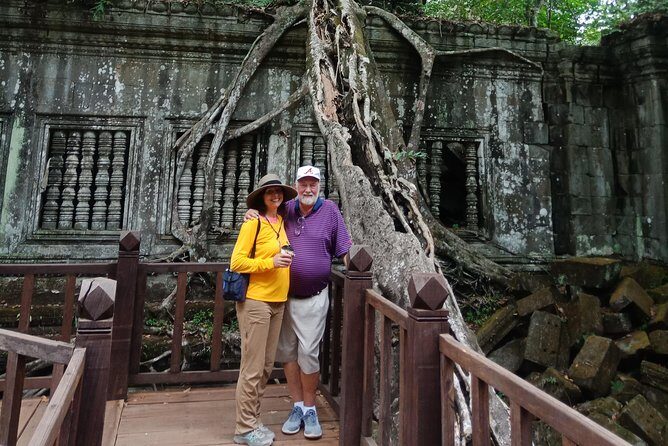
- Jungle-overgrown Ta Prohm and Beng Mealea deliver that lived-in, untamed feel
- Kompong Khleang on Tonle Sap by boat connects you to daily life on stilted homes
- Comfort details like cold water and wipes help you handle the heat between stops
- Two days, not one means you can actually enjoy the temples instead of sprinting
Angkor Wat sunrise: why the early start really changes everything
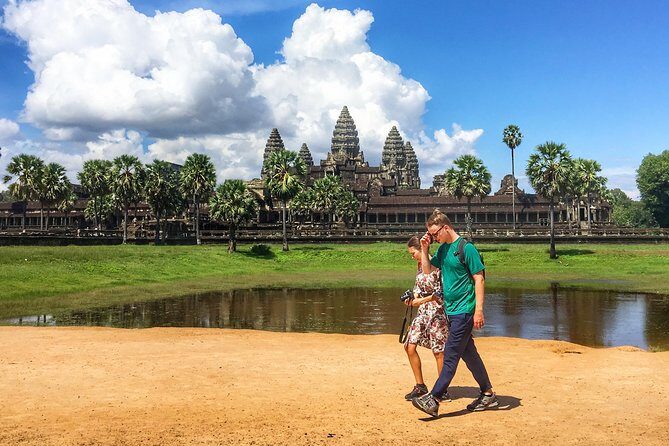
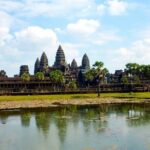
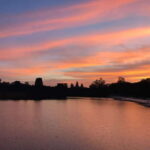
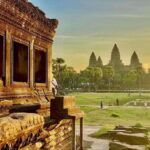
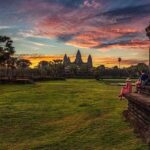
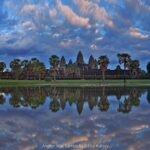
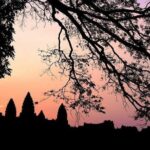
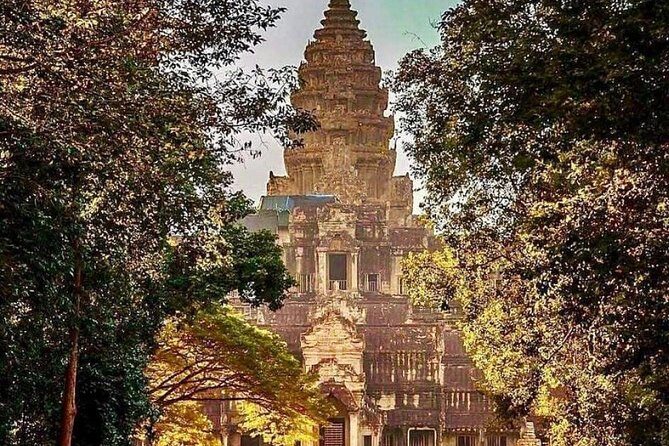
Angkor Wat at sunrise is one of those experiences where timing matters more than anything else. When you see it early, the sky is usually doing its best work—soft light, less glare, and a gentler pace at the entrance. You’re also walking through the temple complex when many other groups are still finding their bearings.
On this tour, you start with a sunrise visit and then continue into the temple city. The schedule sets aside about 3 hours at Angkor Wat itself, so you’re not just taking a quick photo and moving on. You’ll get time to look up at towers and carvings, wander the courtyards, and notice how the temple layout creates those classic Angkor sightlines.
Practical note: sunrise visits mean an early morning and cooler temperatures at first, but it won’t stay cool for long. Bring breathable clothing and plan to reapply sunscreen after the first viewing push.
You can also read our reviews of more private tours in Siem Reap
Angkor Thom in a tight, logical circuit: Bayon, Ta Prohm, and the rest
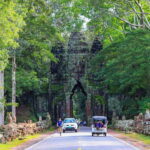
Day 1 continues into the heart of Angkor Thom and the surrounding temple cluster. The idea here is simple: you get the iconic “wow” stops while a guide helps you keep your orientation and pacing.
Bayon Temple: the faces that pull you in
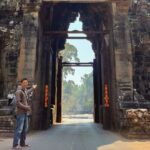
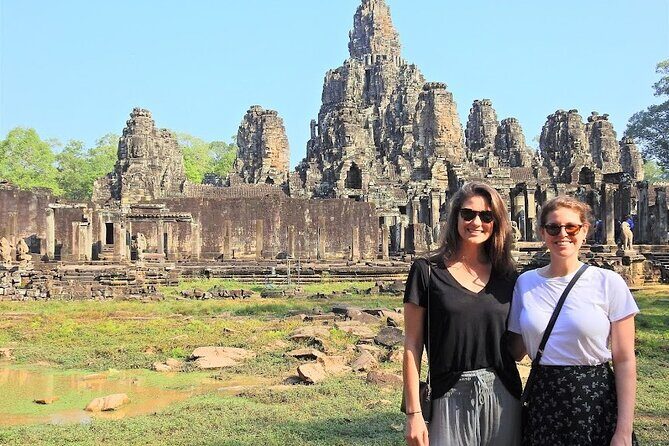
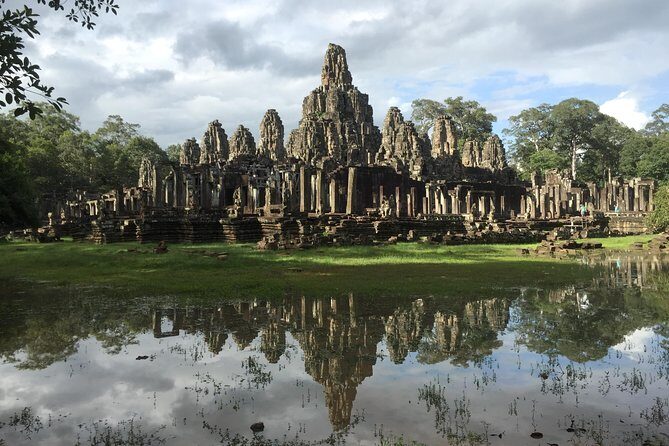
Bayon is built around Buddhist imagery and the famous smiling faces. This stop is shorter—around 45 minutes—so it’s best thought of as a highlight stop you’ll want to pay attention to. I like the way Bayon works as a visual palate cleanser after Angkor Wat’s grand structure. The faces feel like they’re watching you from multiple angles, and a guide can point out the right viewing points so you don’t just wander randomly.
Ta Prohm: Tomb Raider vibes, but with real atmosphere
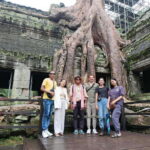
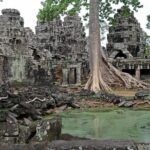
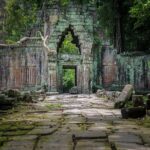
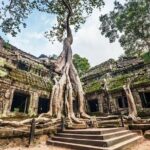
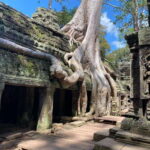
Ta Prohm is the temple most people associate with movie scenes, but the real magic is what the jungle does to the architecture. The schedule gives you about 1 hour here, which is a sweet spot. Long enough to slow down and trace the roots and stone edges, but not so long that you start to feel done before you’ve even hit the other temples.
If you’re sensitive to uneven ground, be ready for it. Jungle temples often mean slippery patches and roots right where you want to place your feet. Sturdy shoes help. (And no, you don’t need hiking boots. Just don’t show up in flip-flops.)
Baphuon: carvings, a climb, and a viewpoint
Baphuon sits inside Angkor Thom and is described as an 11th-century Hindu temple. What makes this stop useful is the variety: you can look at Hindu myth-related carvings and also see a reclining Buddha noted as 16th century in the tour description. There’s also an option to climb to get the best views, and with about 40 minutes, you can choose how ambitious you want to be.
The value here is contrast. After Ta Prohm’s jungle chaos, Baphuon gives you a more “structure-forward” feel, plus a payoff viewpoint if you climb.
You can also read our reviews of more tours and experiences in Siem Reap

Terraces of the Elephants and the Leper King: details you’ll miss solo
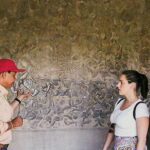
These two terraces are quick—about 20 minutes each—but they’re packed with sculptures. You’ll see intricate bas-reliefs and animal figures, including three-headed elephants and five-headed horses, plus other myth-inspired scenes. The Terrance of the Leper King stop centers on a carved figure missing fingers and toes, as described, along with multiple creatures tied to Hindu myths.
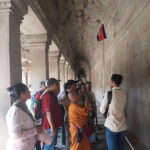
I like these short stops because they reward attention. With a guide, you’re more likely to clock the storytelling in the carvings instead of just thinking: “Yep, more stone art.” If you’re into iconography, spend time looking at faces, posture, and scene layout.
Beng Mealea: the jungle temple stop that changes the whole trip
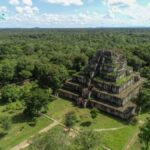
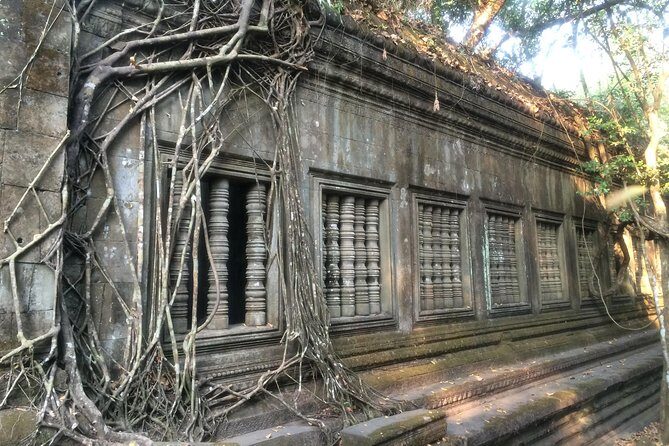
Day 2 shifts away from the main Angkor circuit. The standout here is Prasat Beng Mealea, described as an untouched outback jungle temple. It gets about 2 hours, which gives you time to take in the feeling of “ruins in the wild” rather than treating it like a quick photo mission.
This is the part of the itinerary that most improves your sense of place. Angkor Wat and Ta Prohm can feel like the well-lit highlights of a bigger complex. Beng Mealea feels more like a temple reclaimed by nature. That contrast is exactly why the two-day structure works.
What to watch for: jungle temples can feel less maintained, with more uneven surfaces and less predictable footing than central Angkor. Your “moderate physical fitness” level matters here. If you’re comfortable with stairs and walking on rugged ground, you’ll be fine.
Also, the entrance fee for Beng Mealea is not included in the tour price you see upfront, so plan for that separate cost.
Tonle Sap at Kompong Khleang: boat life on real stilted homes
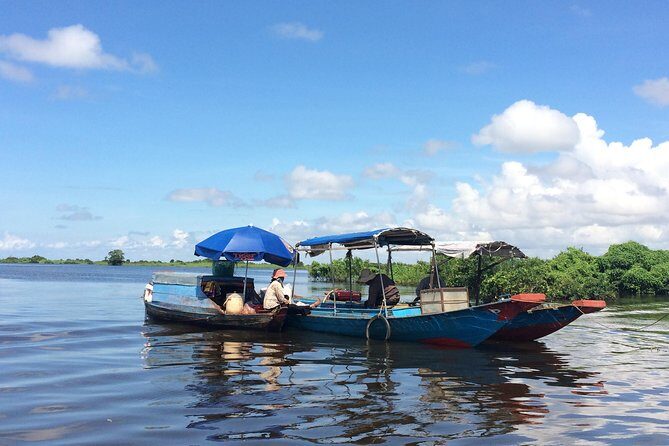
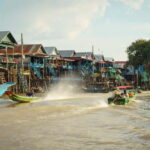
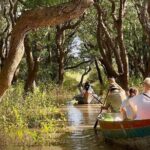
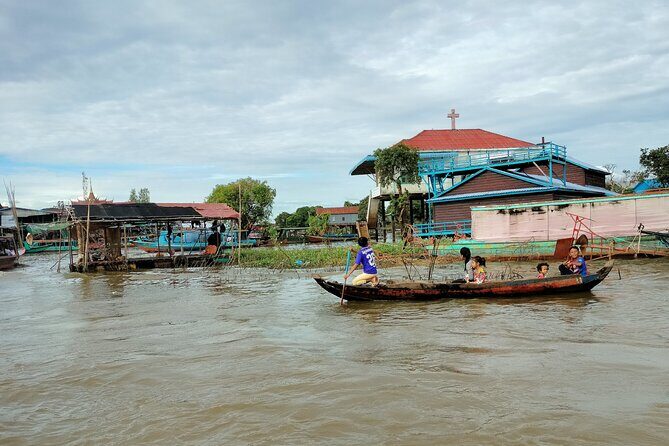
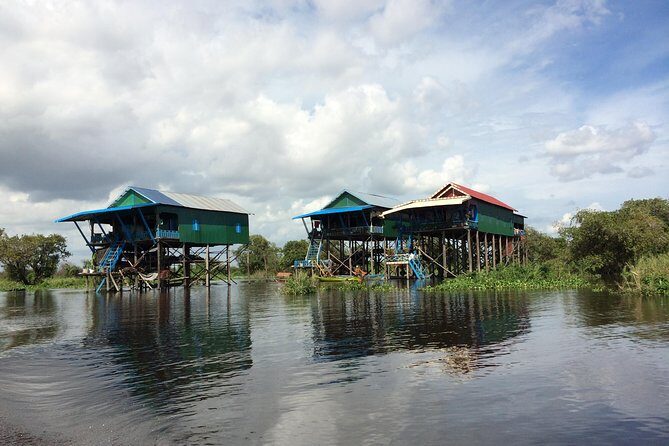
After temple days, the Tonle Sap lake portion is a smart reset. You head to Kompong Khleang, described as the best and largest fishing/floating village on the bank of the great Tonle Sap Lake. The description puts the population at over 20,000 people, living on stilt houses and boat-houses shaped by life on the water for about 1,000 years.
You’ll do a boat ride (listed as about 2 hours within a 3-hour stop). This is the part you’ll remember on calm days. The water changes how you perceive the village—everything looks more open and more connected to the lake’s rhythms than it would from the shore.
One practical advantage: since this is a private tour, you’re not forced into a strict cattle-car schedule. Your guide can help you time the boat part and keep the day moving without feeling like constant transfers.
Also note: the included list specifically mentions the admission included for the boat trip to the floating village area, plus toll roads, parking fees, and gasoline. That reduces surprise charges tied to transport and the lake segment.
Price and value: what $279 per private group gets you
This tour lists a price of $279 per group (up to 10). You’re paying for private transportation, a private guide, and included components like the boat trip admission plus transport costs such as tolls and parking.
So the real question isn’t just what you pay. It’s what you don’t have to manage. On a two-day Angkor-focused itinerary, coordination is the hidden cost in energy and time. Here, you’re handed a plan: pickup is offered, you get cold water and wipes, and you have a guide to translate what you’re seeing at the right pace.
What’s not included is also important for budgeting:
- Angkor Park entrance fee for the Angkor sites (listed as not included for Angkor Wat and other Day 1 stops)
- Beng Mealea entrance fee
- Meals and soft drinks
If you’re traveling with 2–10 people, private can be cost-competitive compared with piecing together multiple bookings. If you’re solo, it can still be worth it for the early sunrise start plus the time saved by having one guide steer the whole day. Either way, build your budget around park and temple entrance fees so the total stays predictable.
Timing, walking, and comfort: small choices that make days like this easier
This tour is built around daytime heat and early morning light. That means you’ll want a simple strategy: stay comfortable, stay hydrated, and pace your energy.
Based on what past guests highlighted, I’d expect comfort-minded support from the guide and driver team. Cold water and wipes are included, and there are extra comfort touches mentioned by previous groups—like eucalyptus toilets after temple walks. That’s the kind of detail that turns a long day from annoying into manageable.
Here’s how you can pack for this kind of itinerary:
- Comfortable, closed-toe shoes for uneven temple ground
- Light layers for early morning and stronger midday sun
- Sunscreen and a hat for sunrise into late morning
- A small day bag so you keep your hands free on stairways and crowded courtyards
Your group size is private, and the tour is run only for your group. That matters because you can maintain a steadier pace. It also means bathroom breaks and timing are less about “the whole bus” and more about your plan.
Who this tour fits best
I’d recommend this experience if you want:
- A real sunrise moment at Angkor Wat, not just a late-day look
- A focused temple route that includes Angkor Thom highlights (Bayon, Ta Prohm, Baphuon, and the terraces)
- Jungle temple atmosphere with Beng Mealea rather than only sticking to the main circuit
- A Tonle Sap boat segment that adds culture beyond temples
It’s also a good fit if you value private guidance. When someone like Han or Yanos helps you orient and interpret, you see more meaning per minute—especially at the terrace carvings.
It may be less ideal if you want a super-relaxed pace with minimal walking. Even though it’s described as moderate physical fitness, the temple sites naturally involve stairs and uneven surfaces.
Should you book this private 2-day Angkor and Beng Mealea combo?
I think you should book it if you’re the type who likes structure: sunrise first, then temples, then a different kind of day on the lake. The route balances the famous Angkor names with Beng Mealea’s outback jungle feel, and that contrast is the big reason the itinerary works.
You’ll also likely enjoy it if comfort matters. Cold water and wipes are included, and the tour’s private setup makes it easier to handle breaks without getting stuck waiting on strangers. If you’re okay budgeting separately for Angkor Park and Beng Mealea entrance fees, you’ll avoid the most common “surprise” moment.
If you want, tell me your travel dates and group size. I can help you think through a simple budget and what to prioritize if you’re more sunrise-focused or more jungle-focused.
FAQ
What’s included in the tour price?
The tour includes private transportation, a private guide, cold waters and wipes, and admission included for the boat trip to the floating village area, along with toll roads, parking fees, and gasoline.
Are temple entrance fees included?
No. Entrance fees are listed as not included for Angkor Park sites (including Angkor Wat and Day 1 stops) and for Beng Mealea.
What’s the duration?
The tour is listed as approximately 2 days.
Is pickup available?
Yes, pickup is offered.
How long is the boat trip at the floating village?
You’ll have a total stop time of about 3 hours at Kompong Khleang, including a Sampan boat ride for about 2 hours.
What’s the group size for this private tour?
The price is listed per group up to 10. The tour description also mentions private groups of up to 12, so it’s smart to confirm your exact maximum group size in your booking details.
Is the tour physically demanding?
It’s listed as suitable for travelers with moderate physical fitness. Expect walking and temple stairs/uneven surfaces.
What happens if weather is bad?
The experience requires good weather. If it’s canceled due to poor weather, you’ll be offered a different date or a full refund.
Is there a cancellation window?
Yes. There’s free cancellation up to 24 hours in advance for a full refund.