REVIEW · SIEM REAP
Private 2 Days Angkor Wat Sunrise and Discover all Major Temples
Book on Viator →Operated by About Cambodia Travel & Tours · Bookable on Viator
Angkor at dawn feels unreal. This private 2-day tour is built around the big moments, with Angkor Wat sunrise plus sunset viewpoints, then full days of temple walking and Khmer Empire storytelling by an official English-speaking guide. You ride in a comfortable AC vehicle, with bottled water and cool towels to keep you moving.
I love how the plan mixes the must-sees with other sites beyond the usual rush. You’ll hit the headline temples (Angkor Wat, Bayon, Ta Prohm area temples nearby) and also make room for stops like Banteay Kdei and Ta Nei, which change the pace and help you understand how different temple styles fit together.
One thing to consider: it’s a long, packed 2 days, and while the tour includes transfers and guidance, the Angkor Pass and meals are on you (plus tips for the guide and driver).
In This Review
- Key highlights worth planning around
- Why this private 2-day Angkor plan feels efficient
- Angkor Wat sunrise at 4:30: what the timing buys you
- Day 1 through Angkor Thom: the stone gates, faces, and royal terraces
- Angkor Thom South Gate and causeway
- Angkor Thom itself (the city structure)
- Bayon Temple: the famous faces
- Baphuon Temple: the scale in context
- Phimeanakas: the aerial palace idea
- The Elephant Terrace and Terrace of the Leper King
- Ta Nei Temple: late-12th century focus
- Banteay Kdei: close to the East Baray and calmer energy
- Day 2: Banteay Srei sets a different tone
- Preah Dak Village stop: souvenirs and local craft energy
- Day 2 Preah Khan to Pre Rup: sacred water, island temple design, and viewpoints
- Preah Khan: dedicated to Jayavarman VII’s father
- Neak Pean: the unusual island-in-water design
- Ta Som: late 12th century, dedicated in a personal way
- Eastern Mebon: a mountain temple feel
- Pre Rup: an important legacy temple
- Comfort and timing: the AC car and cool towel advantage
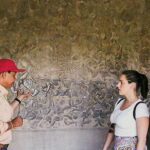
- Guides and how the history comes alive
- Price and value: what you pay for, and what you’ll add
- Should you book this Angkor Wat sunrise and major temples tour?
- FAQ
- Is pickup and drop-off from my hotel included?
- Is this a private tour or a shared group?
- What’s included in the tour price?
- Are temple entrance fees included?
- Are meals included?
- What time is the Angkor Wat sunrise?
- Do I need to tip the guide and driver?
- Can I cancel for a refund?
Key highlights worth planning around
- 4:30 Angkor Wat sunrise to catch the iconic silhouette with the site before the day crowd
- Private AC vehicle + cool towels for comfort between temple clusters
- Angkor Thom Royal Square core: South Gate, Bayon, Baphuon, Phimeanakas, Elephant Terrace
- Terrace pair: the Terrace of the Elephants and the Terrace of the Leper King in one focused stretch
- Day 2 major sites: Banteay Srei, Preah Khan, Neak Pean, Ta Som, Eastern Mebon, Pre Rup
- Guide helps with the Angkor Pass purchase at Angkor Park entrance so you’re not stuck
Why this private 2-day Angkor plan feels efficient
Angkor rewards people who can pace themselves. Two days is the sweet spot for most first-timers: you get the headline temples without trying to “win” Angkor Wat like it’s a race, and you still have time to connect the dots between different parts of the old Khmer city.
The real value here is how your day is structured around timing. Starting at 4:30 means less waiting, and it sets you up for a morning where you’re not constantly feeling rushed by the next group. Then, the itinerary keeps moving in logical temple clusters rather than bouncing randomly across the park.
You’re also not stuck with a loud group schedule. This is a private tour for your group only, with pickup and drop-off from your hotel in Siem Reap, plus transfers in an air-conditioned vehicle. That matters in practice because Angkor heat and sun can turn “just one more temple” into “why am I melting.”
You can also read our reviews of more private tours in Siem Reap
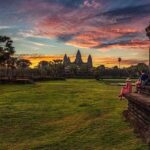
Angkor Wat sunrise at 4:30: what the timing buys you
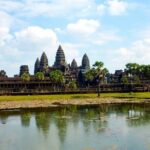
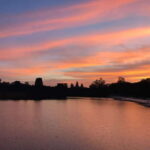
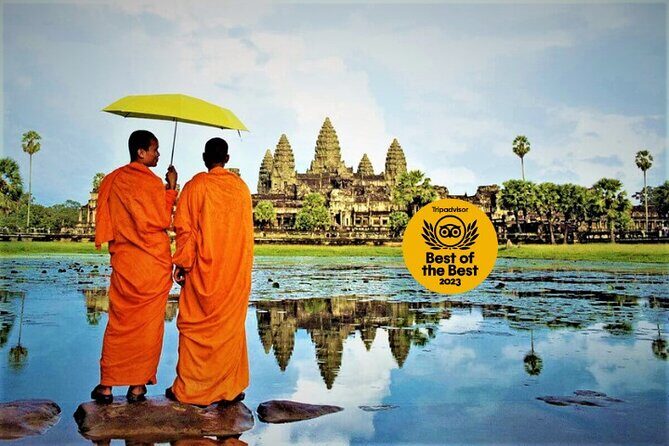
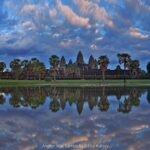
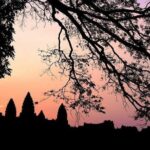
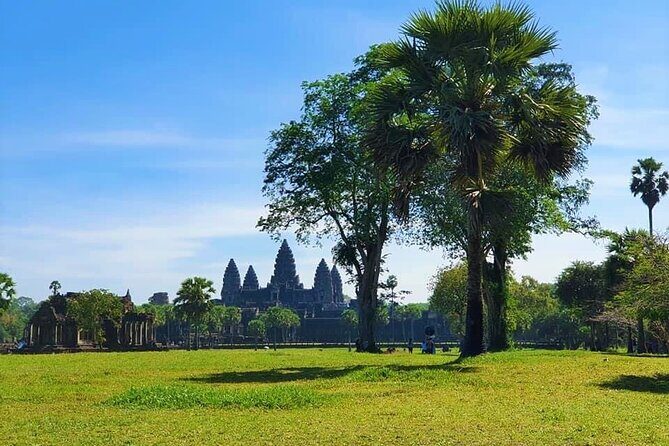
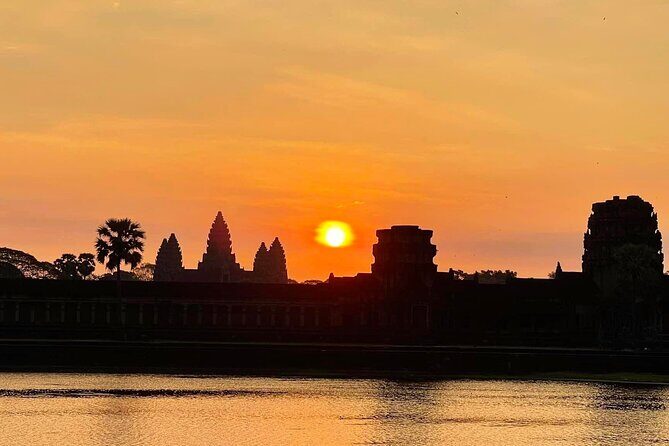
Your Day 1 starts early, with pickup and a morning departure around 4:30 for Angkor Wat sunrise. Angkor Wat is Cambodia’s national emblem, and the tour is set up to let you see it in the most cinematic way: the silhouette of five towers, or three when viewed from the frontal perspective. That’s the kind of detail that clicks fast once the light hits the stone.
You’ll spend about 2 hours at Angkor Wat. That’s long enough to walk viewpoints, take photos, and settle into the scene without feeling like you have to sprint. You’ll also want that time buffer because sunrise timing is partly about patience: the sky changes slowly, and the best views aren’t always the first view you try.
A practical consideration: entrance to Angkor Wat is not included in the tour price, since you’ll need the Angkor Pass (more on that later). Your guide will help you purchase it at the entrance of Angkor Park before you begin temple touring, so you’re not hunting for tickets while the day is already rolling.
Day 1 through Angkor Thom: the stone gates, faces, and royal terraces
After sunrise, the itinerary shifts you into the heart of Angkor Thom. This is where your guide’s explanations really help, because these temples aren’t just scenery—they’re part of a planned city space with gateways, causeways, and ceremonial areas.
Angkor Thom South Gate and causeway
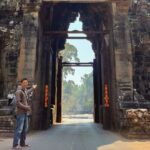
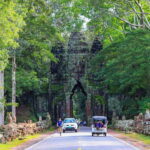
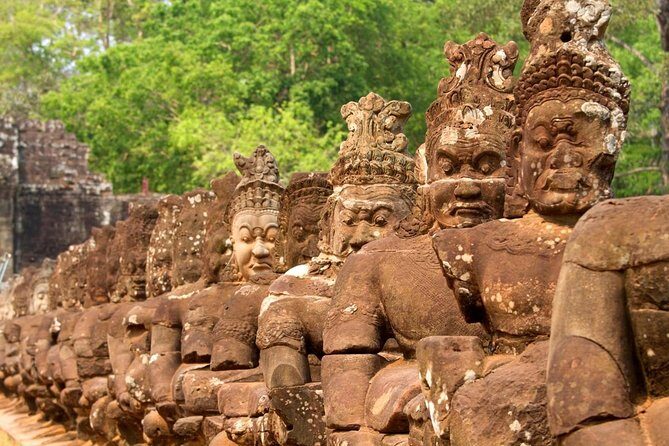
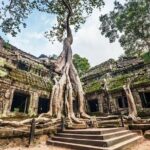
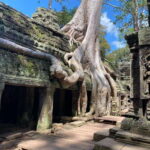
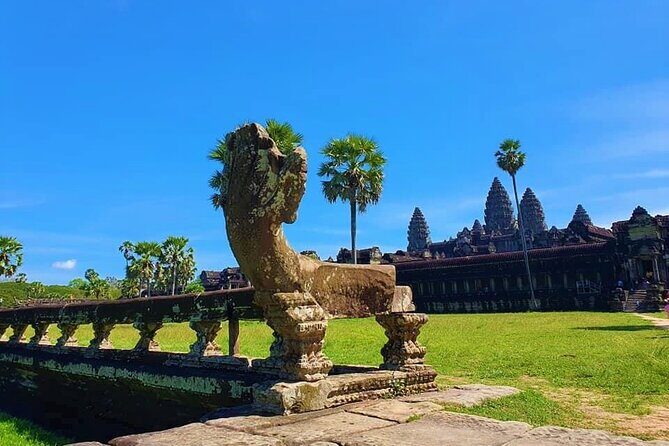
You’ll start with the Angkor Thom South Gate and the causeway leading into the city area. The standout detail here is the preserved and restored stone causeway spanning the moat, plus the famous rows of giant sculptures along the railings. Expect about 40 minutes—enough time to take in the layout and get oriented before walking deeper into Angkor Thom.
Angkor Thom itself (the city structure)
Next is Angkor Thom for around 40 minutes. The name matters: Angkor Thom means Great Angkor, used after Angkor stopped being the Khmer capital. That one fact helps you read the space better. You’re not just seeing ruins; you’re seeing how the Khmer kingdom arranged major ceremonial and royal zones.
You can also read our reviews of more tours and experiences in Siem Reap

Bayon Temple: the famous faces
The centerpiece is Bayon Temple, around 1 hour 30 minutes. Bayon is described as the second most popular monument in Angkor after Angkor Wat and is known for the enigmatic stone faces. If you’ve ever wondered why people keep pointing upward at Bayon, it’s because the faces are part of how the temple communicates power across viewpoints.
A tip: don’t rush this one. If you only look straight ahead, you’ll miss why the faces feel slightly different from different angles. Take your time walking the edges and corridors your guide suggests.
Baphuon Temple: the scale in context
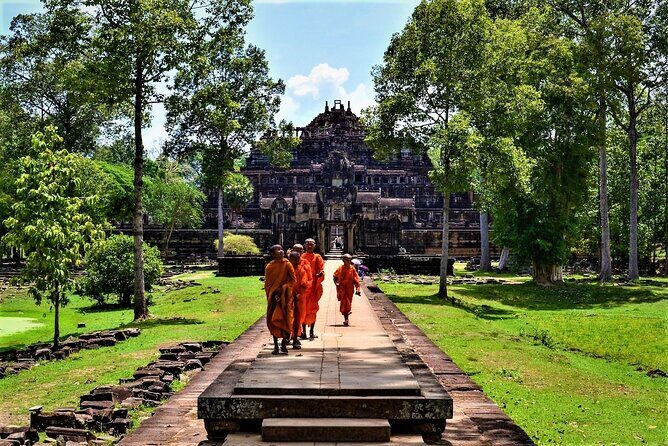
Next is Baphuon Temple (about 1 hour). The Baphuon sits close to Bayon and is noted as by far the hugest Khmer temple before Angkor Wat. That “before Angkor Wat” context gives you a better sense of ambition and change in Khmer temple building.
Phimeanakas: the aerial palace idea
You’ll then stop at Phimeanakas for about 20 minutes. The meaning is tied to “Aerial Palace” or “Celestial temple,” and the name connects to Sanskrit ideas of vimana and akasha. Even if you don’t memorize terms, your guide’s language helps you understand the spiritual framing behind the architecture.
The Elephant Terrace and Terrace of the Leper King
This is one of the most satisfying pairs of stops in the whole itinerary, with a combined feel of about 1 hour total:
- Terrace of the Elephants (about 30 minutes) along the western edge of the Royal Square
- Terrace of the Leper King (about 30 minutes) just north of the elephants’ terrace
Both terraces matter because they’re not “one temple, done.” They’re part of a larger ceremonial layout. The Elephant Terrace is described as an ancient wall and platform forming the western edge, while the Leper King terrace is singled out as worth seeing and studying for how the reliefs and details are laid out.
If you’re someone who likes to stop and really look, this is where the tour pays off—you’re not on a strict conveyor belt, and you’re not missing context.
Ta Nei Temple: late-12th century focus
From there, you move toward Ta Nei Temple for about 50 minutes. Ta Nei is late 12th century stone temple built during King Jayavarman VII’s reign, dedicated to the Buddha. This is a good break from the busiest central zones, and it helps you see how Khmer religious priorities can shift over time.
Banteay Kdei: close to the East Baray and calmer energy
Your Day 1 ends with Banteay Kdei for about 50 minutes. It’s described as easy to find near the junction of the Small Circuit and Grand Circuit, and the Srah Srang reservoir is mentioned across the road. That matters because Banteay Kdei feels different when you’re thinking about reservoirs, sacred water, and how temple sites connect to surrounding features.
Day 2: Banteay Srei sets a different tone
Day 2 begins with Banteay Srei for about 2 hours. It’s often considered the most beautiful temple visitors see in Cambodia, with both visitors and Cambodians pointing to it as a favorite. I like how the tour gives it real time, because this is the kind of temple where you want to slow down and appreciate detail rather than just tick off another stop.
The itinerary then continues to Banteay Samre (about 50 minutes). It’s described as an early 12th century Hindu temple associated with the reigns of Suryavarman II and Yasovarman II. If you’re building a mental map of Angkor’s religious shifts, Samre helps you connect what you saw on Day 1 to how temple function could differ.
Preah Dak Village stop: souvenirs and local craft energy
There’s also a stop at Preah Dak Village, noted as a place for souvenirs such as objects and arts, plus natural places to discover. This is a more human-scale break during the temple-heavy rhythm of the two days.
Day 2 Preah Khan to Pre Rup: sacred water, island temple design, and viewpoints

This second day is where the tour becomes more varied in feel. You’re still doing major sites, but you’re seeing different temple layouts and different ideas in stone.
Preah Khan: dedicated to Jayavarman VII’s father
You’ll visit Preah Khan for about 1 hour. The dedication story is front and center: it was dedicated in 1191 to Jayavarman VII’s father, with the central statue named Jayavarmeshvara. Even if names are tough to remember, the key point is that this temple isn’t just ancient—it’s tied to a specific person and political-religious structure.
Neak Pean: the unusual island-in-water design
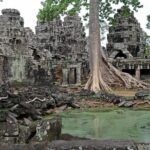
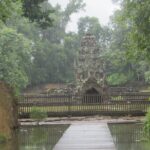
Next comes Neak Pean for about 1 hour. Neak Pean is described as exceptional because its layout differs from other Khmer architecture. It was a temple on an artificial island about 350 meters in diameter inside a huge Baray. That design turns a temple stop into a “how did they build this?” moment, and your guide’s explanations help you understand why it’s special in the broader Angkor plan.
Ta Som: late 12th century, dedicated in a personal way
Then it’s Ta Som for about 40 minutes. Built in the late 12th century by King Jayavarman VII, it’s noted that little is known about its purpose, but it may have been dedicated to the king’s father or one of his teachers. That uncertainty is part of the appeal: some temples are easier to categorize than others, and Ta Som feels like a conversation rather than a solved textbook page.
Eastern Mebon: a mountain temple feel
You’ll stop at Eastern Mebon for about 30 minutes. It’s called a mountain temple built in the middle of the 10th century by King Rajendravarman II and dedicated to Shiva. “Mountain temple” is the kind of phrase that changes how you look at the structure—more vertical emphasis, more sense of sacred space.
Pre Rup: an important legacy temple
Finally, you end with Pre Rup for about 1 hour. It’s described as the most significant legacy of Rajendravarman II and founded in 961. End your second day here and you’ll feel how the tour moves from the earlier big names and architectural styles to a site that helps anchor the timeline.
Comfort and timing: the AC car and cool towel advantage

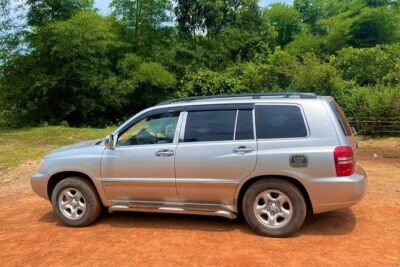
This tour includes all private transfers by an air-conditioned vehicle. That’s not a small perk at Angkor; it’s what keeps a 2-day temple plan realistic. Between stops, you’ll have a place to cool down, drink the bottled water provided, and reset.
Also included: cool towels. That sounds simple, but after a sunrise start and a full day walking, it can make the difference between enjoying the next temple and feeling wrecked.
Guides and how the history comes alive
One of the most praised aspects in the feedback is the guide experience. You’ll have a professional official license tour guide with excellent English skills at each destination. Names that show up in strong feedback include Leap and Sara, along with drivers like Ry, La, and Mr. Pheap/Sophal depending on the pairing.
What matters for you is the approach: instead of just telling you what a temple is called, the guide’s job is to explain why it was built and what the design signals. That’s how Angkor stops feel connected, not random.
Price and value: what you pay for, and what you’ll add
The listed price is $149.46 per person for the 2-day private experience. You do get meaningful inclusions:
- pickup and drop-off at your hotel
- private AC transfers
- official license guide
- bottled water and cool towels
- services charge and current government VAT
Not included:
- tipping for the guide and driver
- entrance fees through the Angkor Pass
- meals during the tour
Lunch is at your expense, but local restaurants offer both vegetarian and non-vegetarian options, with menu prices ranging from $3–$10 per dish. That’s usually manageable, but you should plan for it so you’re not surprised mid-day.
The Angkor Pass detail is the key cost lever. Since the pass covers all temples in the itinerary, your best move is to treat it as part of the trip budget rather than a separate “extra.” Your guide assists you with purchasing it at the entrance of Angkor Park before temple touring begins.
Should you book this Angkor Wat sunrise and major temples tour?
I’d book this tour if you want a structured Angkor experience with sunrise and sunset viewpoints, major temples, and enough time to make the stops feel meaningful. The private vehicle and licensed guide support are the big reasons it works, especially if this is your first time in Siem Reap or you don’t want to figure out timing on your own.
I’d think twice if you’re the type who hates early starts, because the 4:30 sunrise sets the tone for both days. Also, budget for the Angkor Pass, lunches, and tips so the total cost doesn’t creep up at the last minute.
If you’re aiming for a “see the essentials and learn what you’re seeing” Angkor plan, this one is a strong match.
FAQ
Is pickup and drop-off from my hotel included?
Yes. The tour includes pickup and drop-off at your hotel in Siem Reap.
Is this a private tour or a shared group?
It’s private. Only your group will participate.
What’s included in the tour price?
Included items are hotel pickup/drop-off, an official license guide with English skills, private AC transfers, bottled water and cool towels, and services charge plus current government VAT.
Are temple entrance fees included?
No. Entrance fees are not included. The Angkor Pass covers the temples in the itinerary, and your guide will assist you with purchasing it at the entrance of Angkor Park.
Are meals included?
Meals aren’t included. Lunch is available at local restaurants, with vegetarian and non-vegetarian options, and menu prices typically range from $3–$10 per dish.
What time is the Angkor Wat sunrise?
The schedule calls for getting up early at about 4:30 to visit Angkor Wat for sunrise.
Do I need to tip the guide and driver?
Tipping is not included, so you should plan to tip your guide and driver.
Can I cancel for a refund?
Yes. Free cancellation is available, and you can cancel up to 24 hours in advance for a full refund.