REVIEW · SIEM REAP
Angkor Wat Sunrise Guided Join-In Tour/Private Tour
Book on Viator →Operated by Asia Voyage Tour · Bookable on Viator
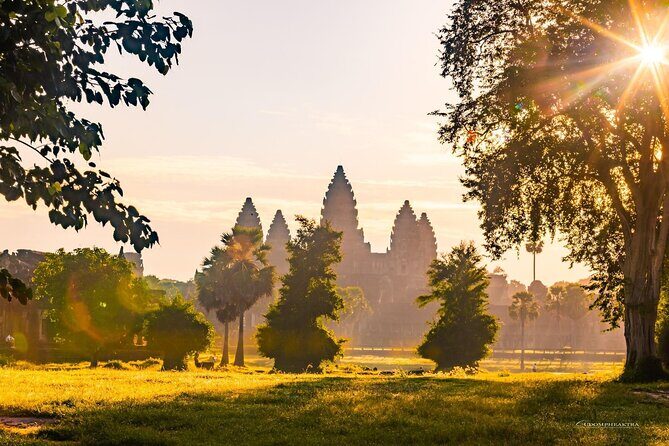
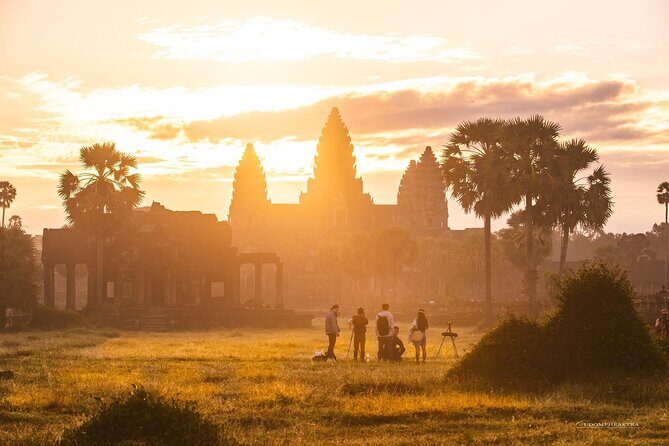
Sunrise over Angkor hits different. This join-in style tour is built for the early hours, when the crowds thin out and the temples feel almost unreal. You’ll get a guided run through Angkor Wat, Angkor Thom, and Ta Prohm, with air-conditioned transport and little comfort touches like cold towels and bottled water.
I especially like the small-group feel (max 4 travelers), which keeps the morning more personal and helps you ask questions as you walk. I also love the way the guides connect what you’re seeing to stories—some guides like Nary, Sayoeun, Huo Chuop, and Sopheak have shared Temple history and the meaning behind carvings, including links to Mahabharat and Ramayana tales.
One thing to weigh: Angkor entrance fees are not included in the $23 price, and sunrise depends on the weather. Also, it’s a smart-casual religious sites dress code, so plan for covered shoulders and comfortable walking shoes.
In This Review
- Quick hits before you set your alarm
- Price and logistics: what the $23 really buys you
- 5:00 am pickup: how the early start shapes the whole experience
- Angkor Wat sunrise: seeing the complex with a guide’s map in your head
- Angkor Thom and Bayon: the stone faces and the terraces that slow you down
- Ta Prohm: Tomb Raider fame, but still a living ruin
- Khmer breakfast timing: when to eat and what you’ll likely choose
- What to wear: the smart-casual rule that keeps you comfortable
- The guide factor: why names like Nary and Sayoeun matter
- Join-in vs private: who should choose which?
- The best day plan: how to pair this tour with the rest of Angkor
- Should you book this sunrise tour?
- FAQ
- What time does the Angkor Wat sunrise tour start?
- How long is the tour?
- Is Angkor entrance included in the $23 price?
- What’s included in the tour cost?
- What’s not included?
- Are there any dress code rules?
- Can I cancel for a full refund?
Quick hits before you set your alarm

- 5:00 am start: you’re going out early enough that the morning actually feels like a sunrise mission, not a late stroll
- Max 4 travelers: small-group pacing with room to move and listen
- Pickup, cold towels, bottled water: comfort is handled so you can focus on the temples
- Guide focus on meaning: you’ll get historical and cultural context, not just dates and directions
- Angkor pass extra: the ticket price is separate, so the real “all-in” cost needs planning
- Temple rules: you won’t climb monuments, and you’ll get guidance for proper etiquette
Price and logistics: what the $23 really buys you

At $23, this tour is priced like a solid budget sunrise option—but the fine print is important: the Angkor entrance fee is paid separately. A one-day pass is USD 37, and a three-day pass is USD 62, so your total cost will jump once you add entry.
That said, the value still makes sense. You’re paying for a tight half-day plan: hotel pickup and drop-off, air-conditioned transport, an English-speaking guide, and the morning temple circuit. If you’re staying in Siem Reap and want everything organized for the early hours, you’re buying convenience and time—not just a ticket to a viewpoint.
If you already planned to visit Angkor Wat and the big “three” temple stops anyway, this format helps you compress time. You won’t be figuring out timing, routes, or which carvings matter first thing in the morning.
You can also read our reviews of more guided tours in Siem Reap


5:00 am pickup: how the early start shapes the whole experience
This tour begins at 5:00 am, with hotel pickup and round-trip transfers. The early timing matters because it changes the atmosphere: sunrise time is cooler, light is softer, and the experience feels less rushed.
You’ll typically ride in an air-conditioned minivan or small bus. That’s not just comfort—it helps because the morning starts before you’ve fully “awakened.” A cold towel and bottled water early in the trip are small touches, but they do make the first hour easier.
Also, the tour’s group size is capped at 4 travelers. That’s a meaningful difference. A larger group can turn sunrise into a traffic jam of people and photos. A smaller one keeps the pace closer to walking and listening, which is what you want when your guide starts explaining why certain bas-reliefs and temple features mattered.
Angkor Wat sunrise: seeing the complex with a guide’s map in your head
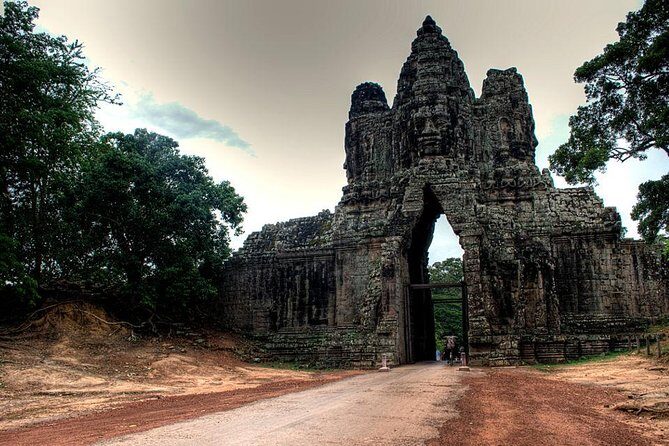
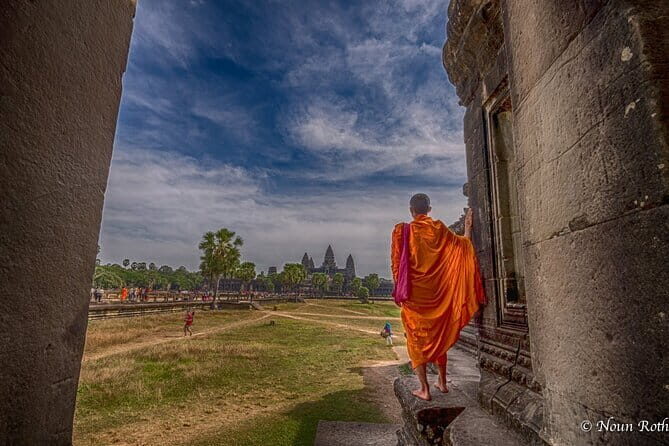
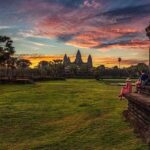
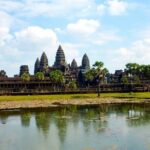
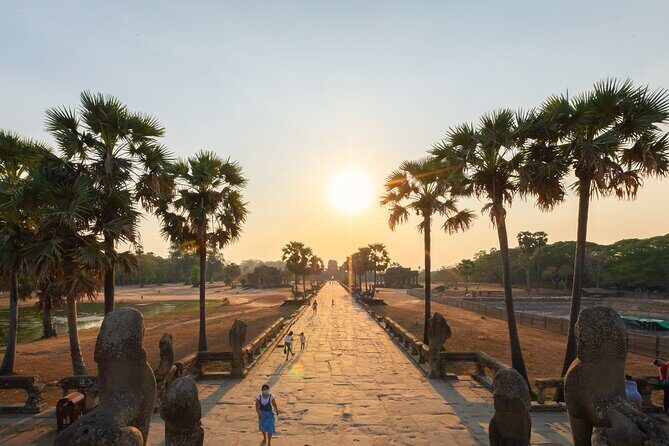
Your morning centers on Angkor Wat. After pickup, you’ll head to the departure point and then on to the Angkor ticket office, before quickly moving toward Angkor Wat for sunrise.
Two practical notes here:
1) Sunrise is weather-dependent. If the sky is cloudy, the experience can feel calmer and dreamier rather than dramatic, and your guide’s storytelling can still make the visit meaningful even without a perfect sunrise show.
2) The key is timing. Going early lets you experience Angkor Wat before the heat and before the day’s crowd surge starts to take over your photos and your patience.
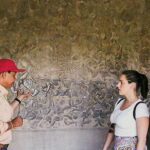
What makes the guided part work is not just the sunrise moment—it’s the context. The guides are known for explaining what you’re looking at: carvings, temple symbolism, and how different elements connect to classic stories. For example, Sayoeun stood out for linking the carvings to the Mahabharat and Ramayana, which helps you look longer instead of treating the place like a quick photo stop.
Even if you’re not a “history person,” this is where a guide earns their keep. Angkor is huge. When someone helps you understand what matters first, you can actually see instead of just walking.
Angkor Thom and Bayon: the stone faces and the terraces that slow you down
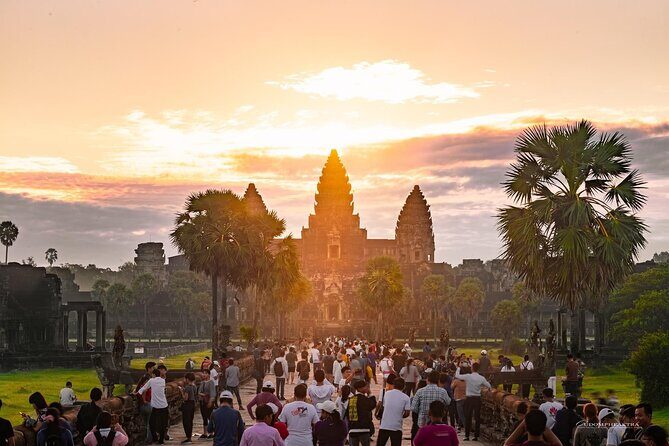
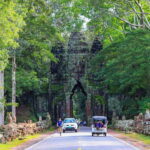
After Angkor Wat, you’ll move to Angkor Thom, another major stop in the Angkor Archaeological Park. This is the part where the temples start to feel less like a single site and more like a whole world.
Your visit includes:
- Bayon Temple with its thousand stone faces
- Terrace of the Elephants
- Terrace of the Leper King
The Bayon faces are the headline, but the terraces are often what people remember after the hype. They give you scale and show how the site was designed for ceremonies and performance. With a guide, you’ll get more than “here’s a cool view.” You’ll learn why certain details were carved and what they were meant to communicate.
A small pacing warning: this is still a morning tour with a schedule. If you like to stop frequently for quiet observation, tell your guide. In a small group, it’s more likely you’ll get a few extra minutes without the whole trip falling behind.
Ta Prohm: Tomb Raider fame, but still a living ruin
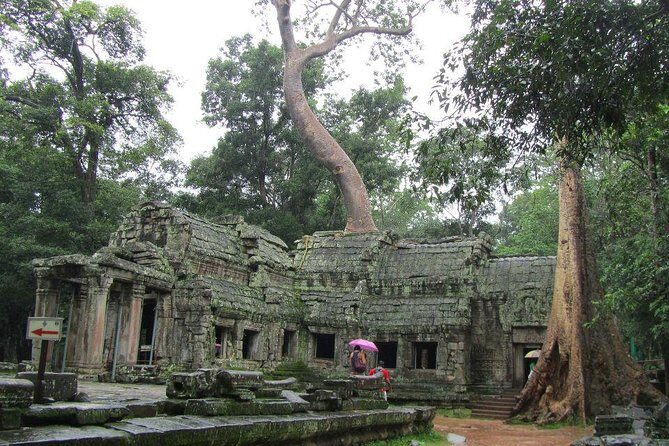
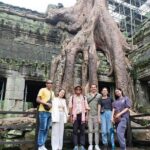
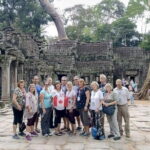
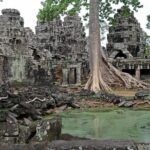
Next is Ta Prohm, the temple many people first recognize from Tomb Raider. Sure, the movie connection brings in the crowds—but the real magic is in the way the temple feels intertwined with nature.
You’ll walk through the famous feel of tangled roots and broken stone, and it’s the kind of stop where light and shadows can change what the scene looks like every few minutes. That makes it great in a half-day schedule because it gives variety after the formal symmetry of Angkor Wat and the dense face-front energy of Bayon.
One strict rule you’ll be reminded about: do not climb on the ancient monuments. That’s not just safety. It’s basic respect for a site that survives by being left alone.
If you’re hoping for the most iconic photo angles, go early within the stop itself. By late morning, the heat kicks in and walking becomes slower, even with air-conditioning during transport breaks.
You can also read our reviews of more private tours in Siem Reap

Khmer breakfast timing: when to eat and what you’ll likely choose
Breakfast is not included by default, but you do get the chance to start the day with a Khmer breakfast for your own expense. There’s also an option for an inclusive 4-course breakfast.
Here’s how to think about it:
- If you want maximum convenience and a sit-down meal plan, choose the inclusive option if it’s offered on your day.
- If you prefer flexibility, eat breakfast on your own after the main temple circuit, when you’re ready to cool off and refuel.
Also remember: by the end of the tour, warmth can move in fast. One guide was praised for handling unbearable heat with patience, which is a hint that you should dress for sun and carry water for after the tour as well.
What to wear: the smart-casual rule that keeps you comfortable
Dress code is smart and casual, but it comes with a big practical requirement: cover shoulders and wear trousers or knee-length pants or skirts. You’ll also want comfortable walking shoes, because you’re on temple ground with uneven areas.
This matters because Angkor temples are religious sites, and the rules are there for a reason. When you follow them, you spend less time adjusting clothing and more time watching light, carvings, and the stone texture.
If you run warm easily, plan for it. This is a “cool early start, then the sun catches up” style of tour. Light layers help, but keep coverage in mind so you stay compliant.
The guide factor: why names like Nary and Sayoeun matter
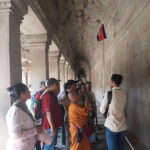
This is one of those tours where the guide can make the difference between a checklist visit and a “wait, I get it now” morning.
In the feedback, guides such as Nary and Huo Chuop were noted for being accommodating and friendly, and for giving clear explanations that made the temples feel connected rather than random. Sayoeun stood out for weaving temple carvings into cultural stories, making details you might miss feel purposeful. Sopheak was also mentioned as doing an excellent job, especially when weather wasn’t perfect.
Look for guides who:
- explain what you’re seeing at each stop
- help you understand why carvings and layouts matter
- keep the group moving without feeling rushed
A great guide also deals with the reality of early mornings and heat. When the temperature rises, explanations that make you pause and look can be a lifesaver for both your attention span and your body.
Join-in vs private: who should choose which?
The tour is set up as join-in (with small-group sharing), and the title also points to private tour options. With a max of 4 travelers, the join-in style is already fairly intimate. That helps if you want the savings and still want a calmer feel.
Choose join-in if you:
- like meeting other travelers but still want a small group
- want a low-stress, organized morning plan
- don’t need total control over pacing
Consider a private tour if you:
- want flexibility to linger at specific carvings or photo angles
- have a small group or family that needs steadier timing
- prefer fewer people and less waiting around the group dynamic
Even when private can be cost-effective depending on group size, the “best fit” depends on how much patience you have for sharing a schedule at sunrise.
The best day plan: how to pair this tour with the rest of Angkor
This tour is a half-day temple route focused on big icons: Angkor Wat, Bayon, and Ta Prohm. That’s a smart way to get your bearings fast—without burning an entire day before you’ve even learned how the complex feels.
If you’re continuing with more temples afterward, the one-day vs three-day pass choice matters. A one-day pass may cover your immediate needs, but a three-day pass can be worth considering if you plan to return to different zones on separate mornings and afternoons. Your guide’s comments during the tour can also help you decide what you’ll want to revisit.
Should you book this sunrise tour?
I’d book it if you want:
- a small-group sunrise experience with hotel transfers
- major Angkor highlights handled in one morning
- an English guide who explains what you’re seeing, including cultural meaning
Skip it or think twice if:
- you’re on a tight budget and don’t want to add entrance fees on top of the base price
- you dislike very early starts (5:00 am is not negotiable here)
- you need guaranteed clear skies—sunrise depends on the weather
If you’re flexible, this tour is an efficient, well-organized way to make Angkor Wat meaningful, not just photogenic.
FAQ
What time does the Angkor Wat sunrise tour start?
The tour starts at 5:00 am.
How long is the tour?
It runs for about 5 hours.
Is Angkor entrance included in the $23 price?
No. Angkor entrance fees are not included. A one-day pass costs USD 37, and a three-day pass costs USD 62.
What’s included in the tour cost?
You get hotel pickup and drop-off, air-conditioned transport, a professional English-speaking guide, cold towels, bottled water, and a half-day temple visit covering Angkor Wat, Bayon, and Ta Prohm.
What’s not included?
Angkor entrance fees are not included, and breakfast is not included by default (though a 4-course breakfast option may be available).
Are there any dress code rules?
Yes. Dress smart and casual, cover shoulders, and wear trousers or knee-length pants/skirts. Bring comfortable walking shoes.
Can I cancel for a full refund?
You can cancel up to 24 hours in advance for a full refund. If you cancel less than 24 hours before the experience starts, you won’t get your money back.