REVIEW · SIEM REAP
Angkor Wat Cycling Tour
Book on Viator →Operated by Easy Angkor Trip · Bookable on Viator
Angkor Wat looks different from the seat of a bike. This tour trades big-vehicle chaos for safer cycling paths and a more personal way to move through the Angkor complex. I especially like the chance to see temples with quieter jungle backroads, not just the main parade routes, and the guide can adjust how much you cycle. One consideration: the Angkor Wat temple pass is not included, so you’ll need to budget extra before you go.
What makes it feel worth it in real life is the rhythm of the day. You start with an early hotel pickup (leaving at 7:30 AM) and then layer in classic stops like Angkor Wat with other sites around Angkor Thom and the jungle-temple zone. With a guide like Mr K (from the name you’ll hear on the day), the ride stays organized, and the helmets and mountain bikes help you feel steady.
Price-wise, it’s priced at $45 per person, which is low compared to many Angkor half-day tours that mostly drive. The catch is the $37 temple pass for Angkor Wat, so your total spend is closer to ~$82 if you don’t already have a pass. Still, the rest of the stops in the route list are free, which helps the day pencil out.
In This Review
- Key highlights from this Angkor Wat cycling day
- Why cycling Angkor Wat works so well here
- Bikes, helmets, and pace control with Mr K
- 7:30 AM hotel pickup: the calm start you’re paying for
- Angkor Wat first: the main stage and the one paid-ticket stop
- Bayon Temple and the 54 towers around Angkor Thom
- Chau Say Tevoda: a quick stop that changes the mood
- Ta Prohm: the jungle temple time window you’ll feel in your legs
- Ta Nei and the Buddha connection near the East Baray
- Bayon Temple East (Death) Gate: the wrap-up gate inside Angkor Thom
- Price and temple pass value: what $45 really buys
- How much cycling should you expect?
- Who this Angkor Wat cycling tour suits best
- Should you book this Angkor Wat cycling tour?
- FAQ
- How long is the Angkor Wat cycling tour?
- What’s included with the tour price?
- Do I need to buy an Angkor temple pass?
- Are all temple stops included without extra tickets?
- What time does the tour start?
- Is there a mobile ticket?
- What is the cancellation policy?
Key highlights from this Angkor Wat cycling day
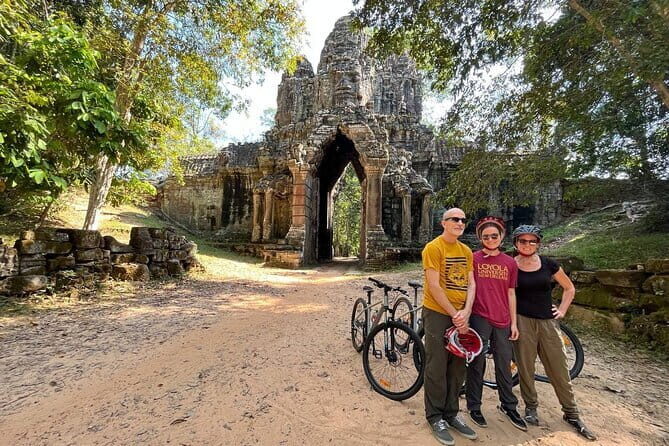
- Quiet cycling paths that help you avoid the crush and keep the experience moving.
- Mr K-led hidden trails with a flexible pace so you can cycle more or less.
- High-quality mountain bikes and helmets included, which makes the backroad sections feel safer.
- A mix of big-name and smaller temple stops across Angkor Wat and Angkor Thom.
- Free entry for most stops on the route list, with Angkor Wat requiring the separate temple pass.
Why cycling Angkor Wat works so well here
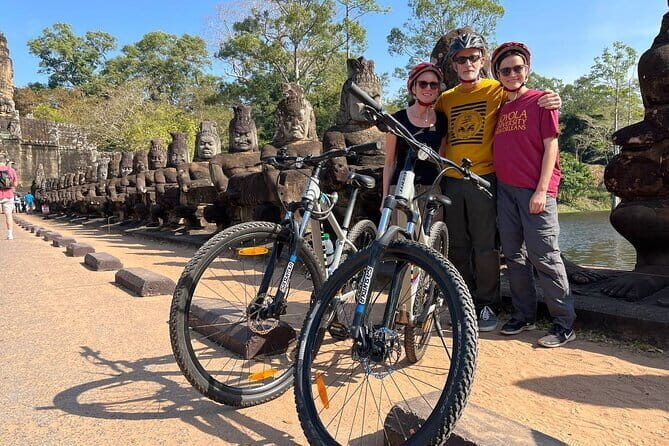
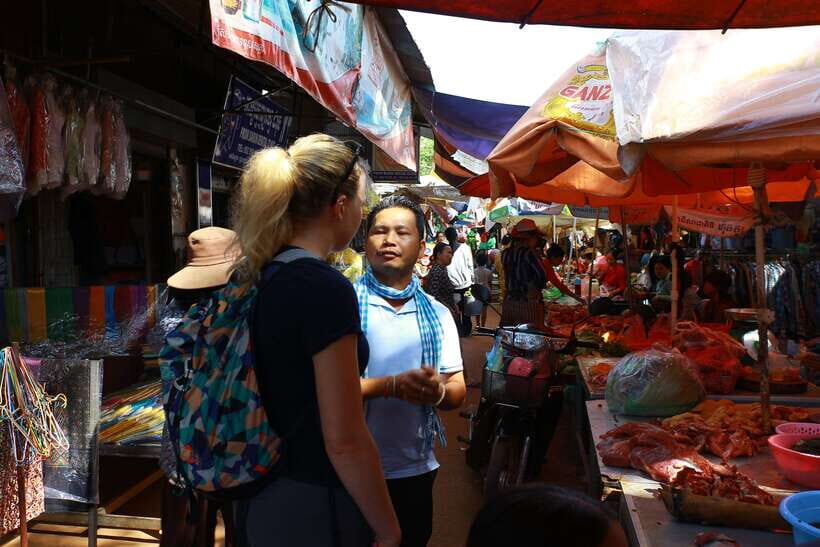
Angkor is famous for a reason, but it’s also famous for crowds. This tour’s big idea is simple: use a bike to reach the temple zone while keeping your movement calmer and more flexible. You’re not stuck in a long line behind a van schedule. Instead, you get a more direct feel for the setting—stone, trees, and the backroads where daily life continues around the park.
I like that the route isn’t just a checklist of famous names. You’re guided to the classic sights like Angkor Wat and Bayon, then you keep going into areas that feel more overgrown and lived-in. The tour also emphasizes environmentally friendly cycling and dedicated, safer paths rather than random road-hopping. That matters because the difference between a tiring outing and a fun one often comes down to how you travel between stops.
If you want a day that feels active without turning into a suffer-fest, this format is a good fit. You’ll spend time at temples on foot too, but cycling reduces the downtime between them.
You can also read our reviews of more cycling tours in Siem Reap
Bikes, helmets, and pace control with Mr K
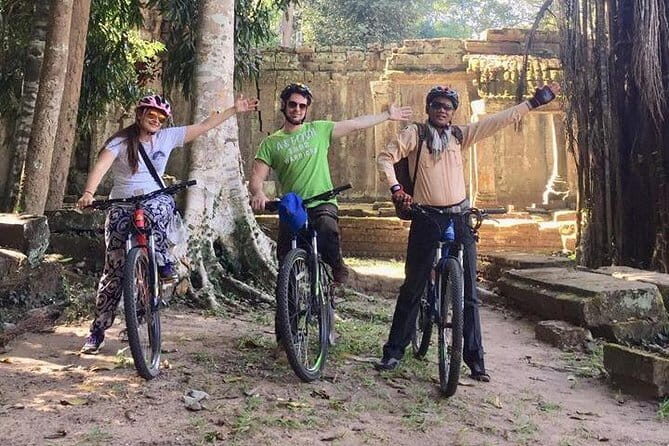
You start with the gear, and the basics are handled for you: a mountain bike and a helmet. That’s a practical win because you don’t have to hunt down rentals or wonder if the bike fits. Cold drinking water is also included, which helps keep momentum when you’re bouncing between temple entrances and photo stops.
The other part that makes a cycling tour work is the human factor: pace. The route is set up as a leisurely day, and the guide can accommodate how much cycling you want to do. That’s huge for mixed groups—someone can ride more while someone else focuses on the temple time, and you don’t constantly feel like you’re behind schedule.
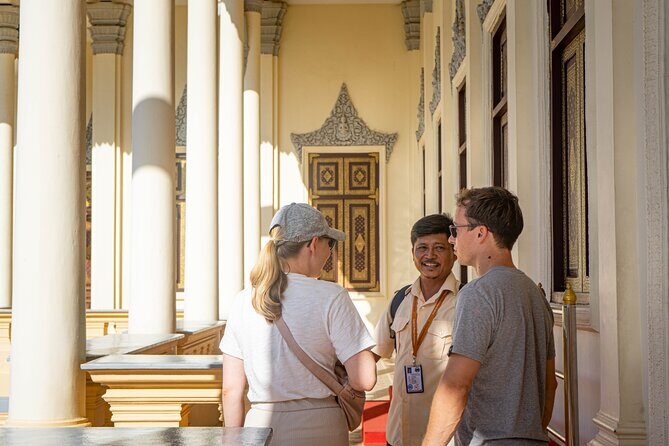
From the feedback you can expect on the day, Mr K is the kind of guide who keeps things organized and friendly, with a level of care that shows in how the day runs. People also describe the biking as more adventurous than they expected, especially on the backroad stretches—so if you’re nervous about uneven paths, tell the guide early and let them set the comfort level.
7:30 AM hotel pickup: the calm start you’re paying for
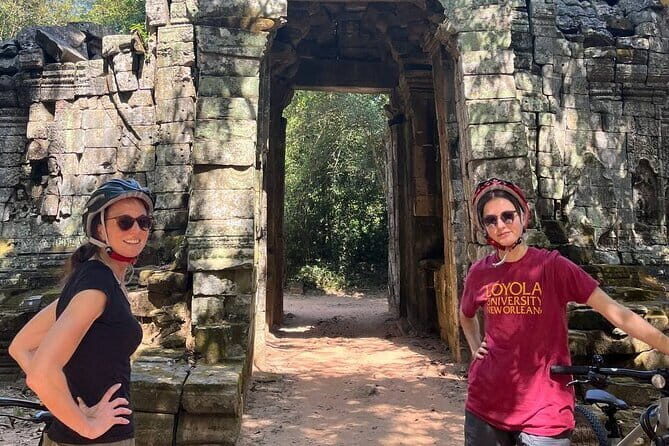
This tour leaves from your hotel at 7:30 AM, and that early start is more than a detail. Angkor has a way of getting busier as the day goes on, and the whole concept of this ride is to help you experience the park with fewer headaches. Starting early also gives you better light for photos at the big temple and less pressure when you’re moving between areas.
The day is built as a full temple visit, not just a quick ride past the gates. That means the timing matters: you need enough time to park the bike, walk the temple paths, and still feel relaxed. Expect a total duration of about 6 to 8 hours, with temple stops ranging from 30 minutes to around 2 hours.
You’ll also get pickup and drop-off, so your day starts with minimal planning on your end. And because this is described as a private tour/activity for your group, you’re not negotiating your pace with strangers in a crowded vehicle line.
Angkor Wat first: the main stage and the one paid-ticket stop
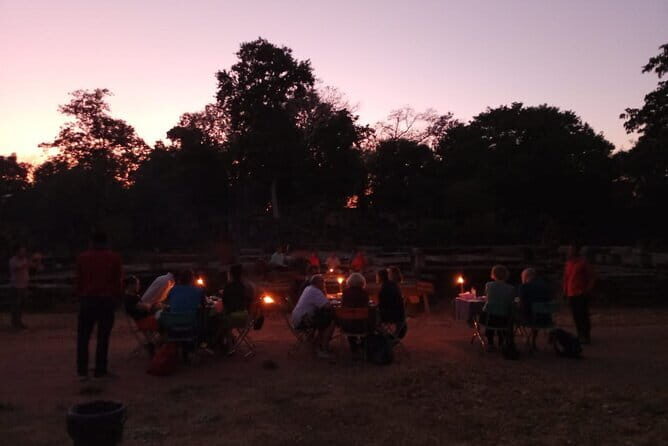
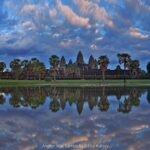
Angkor Wat is the centerpiece, so it’s smart that it’s the first major temple on the route. The tour gives you about 2 hours here, which is enough time to look up at the scale and still slow down for the details that make Angkor Wat feel monumental.
A few grounding facts to know before you arrive:
- Angkor Wat dates to the 12th century, built between 1113 and 1150
- It was built during the reign of Suryavarman II
- It’s about 65 meters high
- The temple is surrounded by a large moat area, which shapes how you approach the complex
Here’s the practical part: Angkor Wat admission is not included. You’ll need the Angkor temple pass (listed at $37 per person) for that stop. The other listed temple stops are marked as free entry in the route plan, so Angkor Wat is the only ticket math that really matters.
If you’re visiting for the classic Angkor image, make sure you arrive ready to spend your energy. The biking component helps you break up the day, but Angkor Wat still deserves your walking time.
Bayon Temple and the 54 towers around Angkor Thom
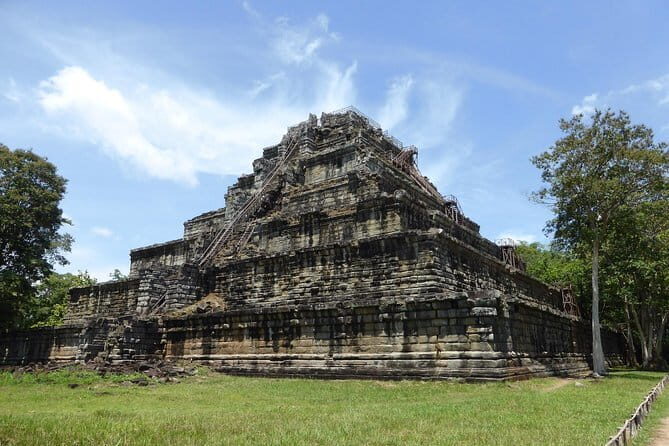
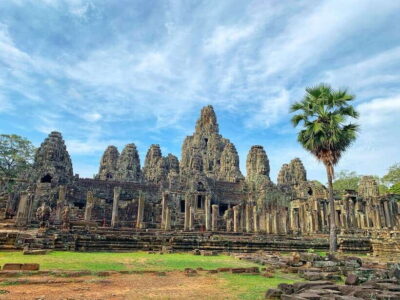
After Angkor Wat, the tour moves into Angkor Thom territory with Bayon Temple. You’ll get about 2 hours at Bayon, and it’s one of the stops where the cycling format pays off. Bayon is visually intense—so having a bike to move between areas lets you spend more of your day actually looking, instead of waiting in transit.
The standout detail here is the scale of the faces:
- Bayon (also linked with Angkor Thom) is a Buddhist-style temple
- It dates to the late 12th / early 13th century, built by Jayavarnam VII
- Bayon has 54 towers, and those towers represent 54 provinces before and during the Khmer empire
This is a great temple to visit with a guide, not because you need a lecture, but because it helps you orient yourself. Once you get your bearings, Bayon’s “face towers” become easier to interpret as you move around.
Chau Say Tevoda: a quick stop that changes the mood
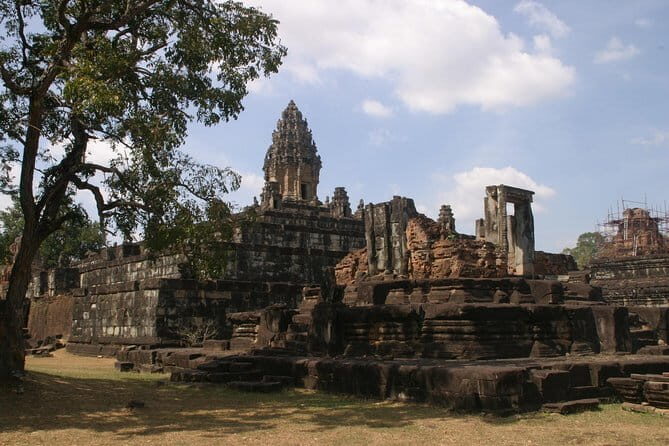
Next is Chau Say Tevoda, with about 30 minutes on the schedule. This is one of the route stops that feels like a palate cleanser between heavier complexes. You’re moving from the face-towers energy into something quieter and more focused.
Chau Say Tevoda sits:
- Just east of Angkor Thom
- Directly south of Thommanon
- Across Victory Way
- Built in the mid-12th century and linked to the Angkor Wat period
It’s described as a Hindu temple in that period. Even on a short stop, it’s the kind of site that makes the whole day feel less repetitive. If you enjoy seeing different temple styles instead of only the biggest names, you’ll appreciate this short-but-specific stop.
Ta Prohm: the jungle temple time window you’ll feel in your legs
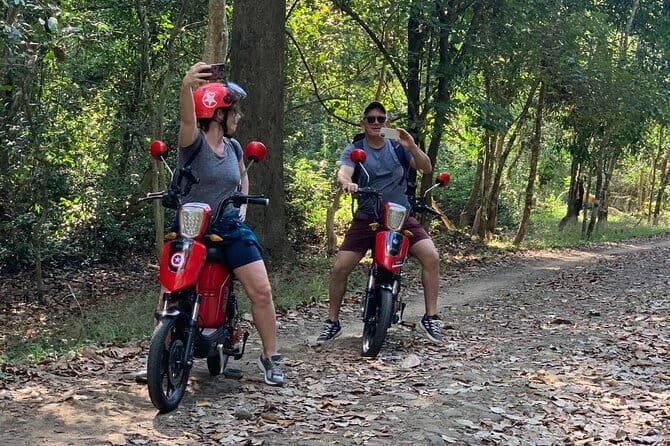
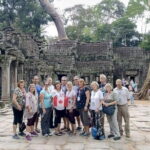
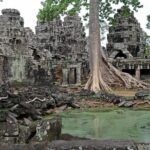
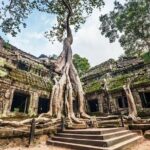
Then comes Ta Prohm, with about 2 hours. This is the famous “jungle temple” type stop, but the cycling angle changes how it feels. When you arrive having already ridden through quieter backroads, the whole setting reads as part of the same story: stone + forest + time.
Key context to keep in mind:
- Ta Prohm was built in the late 12th century under Jayavarman VII
- It was dedicated in 1186 to his mother
- It had a Buddhist background, later converted to Hindu
- Some Buddhist galleries remain
That change-over matters because it explains why Ta Prohm can feel layered. You’re not just looking at one chapter—you’re seeing how religious purpose shifted over time.
You’ll want to budget your attention here. Two hours sounds like a lot, but with a place this textured (paths, structures, viewpoints), time can evaporate fast. The upside of a bike day is that you arrive without a long walking-only grind, so you can enjoy Ta Prohm rather than just endure it.
Ta Nei and the Buddha connection near the East Baray
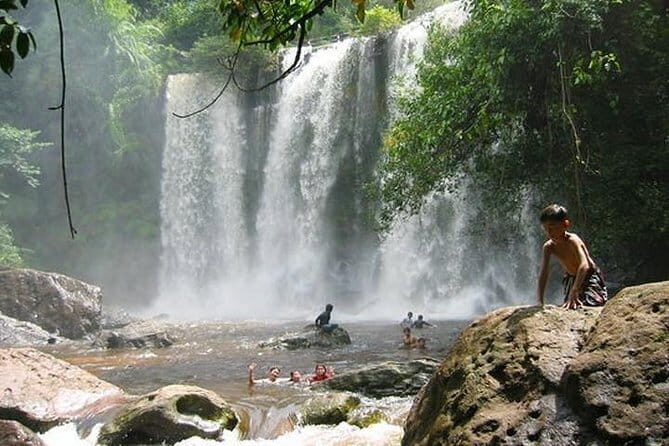
After Ta Prohm, you’ll stop at Ta Nei for about 1 hour. This is a smaller temple that adds variety, especially if your day already includes two major anchor sites.
Ta Nei is described as:
- A late 12th century stone temple
- Built during King Jayavarman VII’s reign
- Near the northwest corner of the East Baray (a large holy reservoir)
- Dedicated to the Buddha
It’s the kind of stop that works well for a bike tour. You get enough time to notice shape and placement, but it doesn’t eat your whole afternoon. In a day where you’re seeing a mix of high-visibility and more tucked-away parts of Angkor, Ta Nei helps keep the experience from turning into nonstop “big temple only.”
Bayon Temple East (Death) Gate: the wrap-up gate inside Angkor Thom
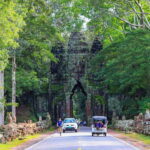
The last named temple stop on the route plan is the Bayon Temple East (Death) Gate, with about 30 minutes. This is a strong final note because gates are where you feel the city layout.
The description points to it as:
- One of five gates guarding the ancient city of Angkor Thom
- Built in the late 12th century during King Jayavarman VII’s reconstruction of the city
- Part of the design that connects to the Victory Way
You get a bit of time to orient yourself for what you’ve already seen. If you’ve spent the day bouncing between major temple points, ending at a gate is a good way to mentally map the complex.
Price and temple pass value: what $45 really buys
At $45 per person, this tour is priced for people who want more than a slow drive. You’re getting:
- An English-speaking guide
- Pick up and drop off
- Cold drinking water
- Mountain bike and helmet
The one big extra cost is the Angkor temple pass for Angkor Wat: $37 per person, not included. Based on the route’s ticket notes, most other listed stops are free entry.
So you’re basically choosing between:
- A biking-focused Angkor day with multiple temple stops
- Plus the one must-pay ticket portion for Angkor Wat
Is it good value? For a day that includes several distinct temple experiences, private guiding, and the equipment handled for you, yes—especially if you’re staying in Siem Reap and want a full morning to early afternoon that doesn’t revolve around a single temple.
How much cycling should you expect?
The tour is described as leisurely, and you can accommodate how much cycling you want to do. Still, the day includes backroad cycling and an adventurous feel on some stretches, so don’t assume it’s a flat, effortless loop.
The bikes are mountain bikes and helmets are included, which makes a difference. And since the guide leads the route, you’re not left to figure out timing, turns, or where to lock up. That keeps the experience practical.
If you have any concerns about comfort, I’d treat this as a “tell the guide early” kind of day. Let Mr K know what feels okay for you—then the route can match your pace.
Who this Angkor Wat cycling tour suits best
This tour fits best if you want:
- A more intimate way to see Angkor than a large group or vehicle ride
- The chance to view the temple zone plus the surrounding nature
- A day that mixes big monuments with smaller stops that add variety
- A guide-led route that keeps things organized while still feeling flexible
It’s also a solid choice for couples and families who don’t want to repeat the same walking routine all day. The bike break helps your legs, and you keep moving without the stress of constant transfers.
If you hate bikes or you want a purely walking-and-cafe style itinerary, this may not match your mood. But if you’re comfortable cycling and you like the idea of quieter backroads, it’s a smart way to see Angkor without spending the entire day in a crowd.
Should you book this Angkor Wat cycling tour?
I’d book it if you like the sound of a guided day that balances classic temples with less-familiar stops, and you want to move through Angkor in a way that feels more personal than a big vehicle circuit. The included bike and helmet remove friction, and the English-speaking guide keeps the day readable as you visit each site.
I’d think twice if you don’t want to deal with the separate Angkor Wat temple pass cost, or if you expect the cycling to be strictly gentle and predictable. Also, plan for a long-ish temple day: even with biking, you’re still spending time at sites.
If you want a Siem Reap day that feels active, organized, and connected to the landscape—not just the postcard angles—this is a strong pick.
FAQ
How long is the Angkor Wat cycling tour?
The tour runs about 6 to 8 hours.
What’s included with the tour price?
Included are an English-speaking tour guide, pickup and drop-off, cold drinking water, and a mountain bike with a helmet.
Do I need to buy an Angkor temple pass?
Yes. Angkor Wat admission is not included, and the temple pass is listed at $37 per person.
Are all temple stops included without extra tickets?
On the route list, Angkor Wat is marked as admission not included, while Bayon, Chau Say Tevoda, Ta Prohm, Ta Nei, and the Bayon East (Death) Gate are marked as free.
What time does the tour start?
You’re picked up from your hotel at 7:30 AM.
Is there a mobile ticket?
Yes, the tour uses a mobile ticket.
What is the cancellation policy?
Free cancellation is available up to 24 hours before the experience start time for a full refund. Less than 24 hours before start time isn’t refundable.