REVIEW · SIEM REAP
Angkor Wat: Sunrise 2.5 Days with Tonle Sap Lake Tour
Book on GetYourGuide →Operated by Journey Cambodia · Bookable on GetYourGuide
Morning magic in Siem Reap.
This Angkor Wat and Tonle Sap Lake trip feels worth the effort because you get the atmosphere of sunrise and sunset plus a guided walk through the temples with enough time to stop, look, and understand. I especially like how the itinerary pairs standout monuments (Banteay Srei, Preah Khan, Ta Prohm) with quieter, story-filled stops (Neak Pean) and then ends with Kampong Pluk on Tonle Sap where you meet local village life. The main drawback to plan for is that temple entrance tickets are not included, and you’ll also be walking quite a bit between sites (and it’s not wheelchair accessible).
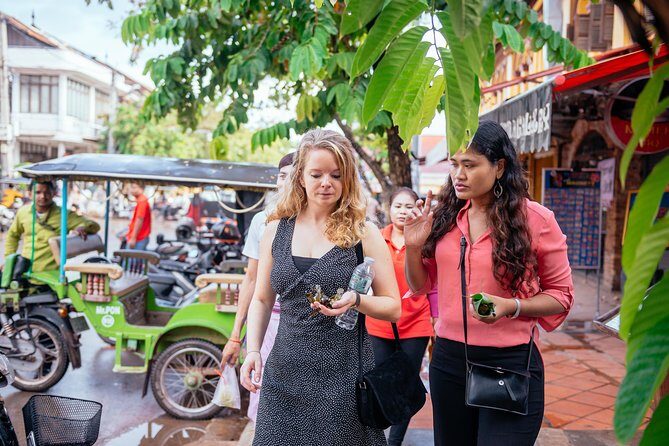
You can also feel the difference a good guide makes here. Across the guides named in recent customer feedback, what keeps coming up is clear English, smart pacing, and even excellent photo stop choices (for example Sopheap Rath, Pal Saruon, Sokpee, Chhay, Rom, and Sam). If you’re the type who wants the temples to make sense, that matters.
Finally, the value is decent if you’re budgeting correctly. The tour price is $69, but you should add entrance fees (about $62/person for temple coverage over a 2–3 day span) and expect meals to be on your own. Get that math right, and you’ll spend less time guessing and more time seeing.
In This Review
- Key highlights at a glance
- Why the Angkor Wat sunrise and Bakheng sunset hit harder than daytime
- Day 1: Re Rub, Banteay Srei, Neak Pean, Preah Khan, then Bakheng sunset
- Re Rub (the first temple stop and a strong start)
- Banteay Srei (where the carving is the point)
- Neak Pean (the “quiet” stop that teaches you how to see)
- Preah Khan (ruins with atmosphere)
- Sunset at Bakheng (a good ending for your first day)
- Day 2: Sunrise exploration inside Angkor Wat, then Ta Prohm and Ta Nei
- Morning: Depart before dawn and take the interior time seriously
- Breakfast nearby and then straight to Ta Prohm
- Ta Nei (a long, fulfilling close)
- Day 3 on Tonle Sap: Kampong Pluk fishing villages and flooded-forest life
- The ride out and what Tonle Sap means by the numbers
- Boat trip to Kampong Pluk (where locals live)
- Dry-season alternative: Cambodia Phare Circus
- Price and logistics: what $69 buys, and what you must pay separately
- Private-feeling pacing: small group comfort with the option to slow down
- Guide quality: why these Angkor days depend on interpretation, not just transport
- What to pack and how to dress so Day 1–3 don’t feel miserable
- Should you book this Angkor Wat sunrise 2.5-day Tonle Sap tour?
- FAQ
- Is sunrise at Angkor Wat and sunset at Bakheng included?
- How much are the temple entrance tickets?
- Will I visit Tonle Sap Lake and Kampong Pluk fishing villages?
- What happens on Tonle Sap in March to July?
- What should I wear and bring?
- Can I cancel for a refund, and is the tour wheelchair accessible?
Key highlights at a glance
- Angkor sunrise and Bakheng sunset timed for the best mood, not just checkboxes
- English-speaking guidance that helps you read what you’re seeing in Khmer temple stone
- Grand Circuit + Banteay Srei for craft and detail without feeling rushed
- Ta Prohm and Angkor Thom/Bayon for iconic sights plus real context
- Kampong Pluk fishing villages on Tonle Sap, with a boat in the flooded forest setting
- Small group comfort that sometimes turns private depending on your booking
Why the Angkor Wat sunrise and Bakheng sunset hit harder than daytime
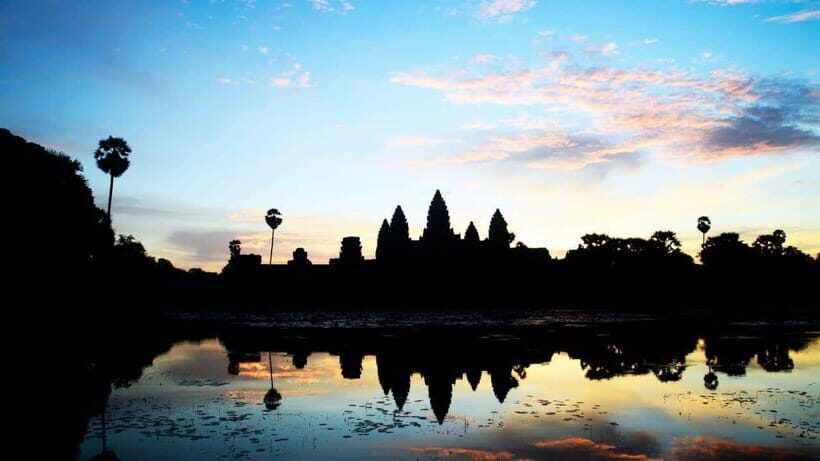
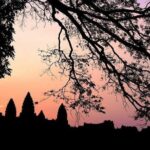
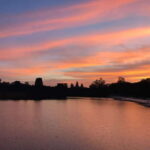
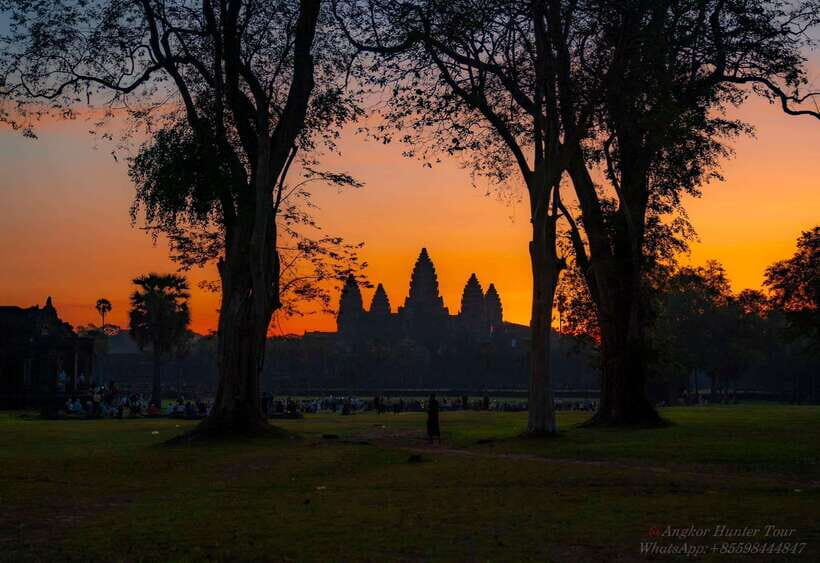
If you’ve seen Angkor at midday, you’ve seen plenty of stone. But sunrise and sunset are different—light changes the contrast, shadows carve out reliefs, and the crowds behave a lot better before the day heats up. This tour explicitly builds both moments into your schedule: sunrise at Angkor Wat and sunset at Bakheng Temple.
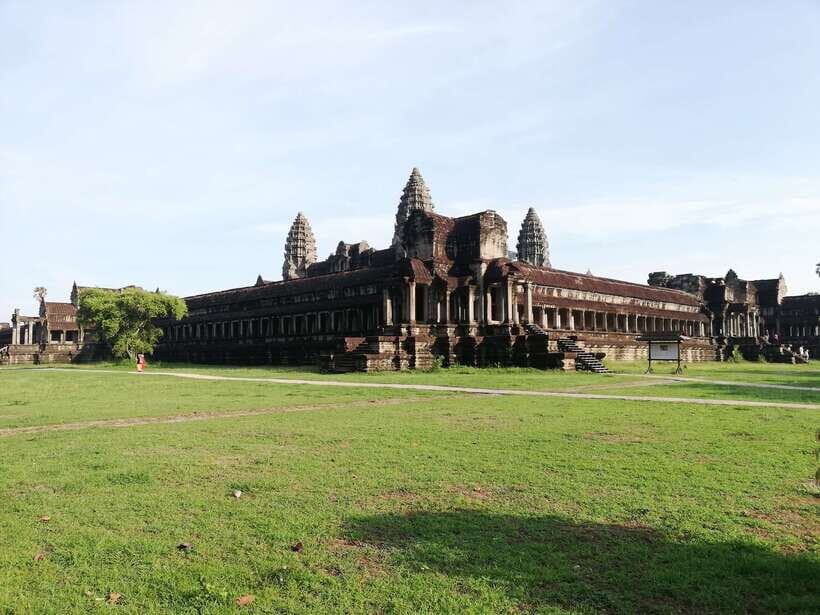
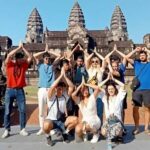
Sunrise at Angkor Wat usually means you’re still under the cover of pre-dawn calm when the main building starts to show its shape. You’ll then have time to explore the interior for about two hours, moving through corridors, central chambers, and upper terraces at a pace that won’t leave you sprinting between photos. That’s important because Angkor rewards attention to layout: the axis, the central structure, the way the temple is organized for movement.
Then there’s Bakheng for sunset. Bakheng is a climb and the light makes the whole hill look more dramatic. The payoff is a view that feels atmospheric instead of just scenic. The trade-off is simple: expect a bit of effort on uneven ground and stairs.
You can also read our reviews of more tours and experiences in Siem Reap
Day 1: Re Rub, Banteay Srei, Neak Pean, Preah Khan, then Bakheng sunset
Day 1 is where you set your mental baseline for Angkor. You start with temples that are less about spectacle and more about craftsmanship and design.
Re Rub (the first temple stop and a strong start)
You’ll visit Re Rub, described as a Hindu temple built as the state temple of Khmer king Rajendravarman and dated to 961 or early 962. What that means for you on the ground is that this is an early Khmer story told in brick, laterite, and sandstone. It’s not the biggest name in most first-timer lists, but it’s a solid opener because it gives you context before you hit the heavier hitters.
Banteay Srei (where the carving is the point)
After that comes Banteay Srei. This is a smaller sandstone structure, and that’s why it works. The reliefs are often called the finest in Cambodia, and the size helps you actually see details instead of getting swallowed by scale. If you like architecture you can read—figures, patterns, and the careful work—Banteay Srei is one of the most satisfying stops on this plan.
Practical note: it’s still temple walking. You’ll want comfortable shoes and steady footing, especially if the ground is damp.
Neak Pean (the “quiet” stop that teaches you how to see)
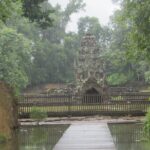
Then you move to Neak Pean, an artificial island with a Buddhist temple on a circular island in Jayatataka Baray. This is the sort of stop that can be missed if you only want the most famous silhouettes. But with a good guide, it becomes a lesson in how Khmer rulers used water features and symbolism—so you understand why this “island temple” exists where it does.
You can also read our reviews of more tours and experiences in Siem Reap
Preah Khan (ruins with atmosphere)
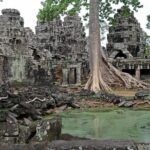
Next is Preah Khan, described as ruined but highly atmospheric, with a mix of crumbling stone structures and tree roots. This is where Angkor starts to feel alive in a different way—less like a museum display, more like a living ecosystem around old stone.
The drawback here is crowd flow and lighting. Late afternoon can mean more people and more shadows. If you like photos, go slow on the transitions so you don’t miss the textures.
Sunset at Bakheng (a good ending for your first day)
You end Day 1 with sunset at Bakheng mountain. This is a classic Angkor mood: you’re tired, your legs feel it, and then the view makes you forgive your calendar for being early. It’s also a great reset before the big next-day sunrise start.
Day 2: Sunrise exploration inside Angkor Wat, then Ta Prohm and Ta Nei
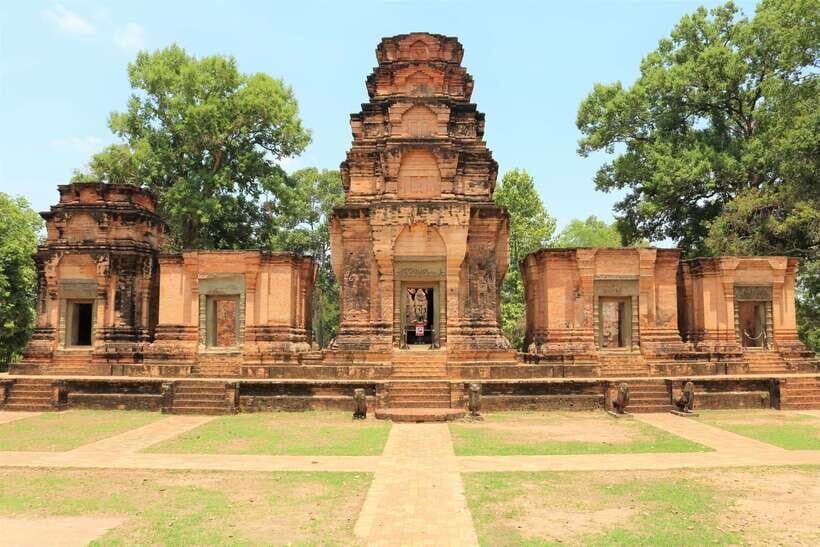
Day 2 is the “big temples” day, and it’s structured to keep you moving without turning it into a blur.
Morning: Depart before dawn and take the interior time seriously
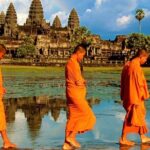
You depart before dawn to see the sunrise outside Angkor Wat. Instead of racing straight in, you’re guided to soak up the atmosphere from the edge of one of the ancient library pools. That small detail matters. Pools like this give you a calmer framing for the temple before you enter the main spaces.
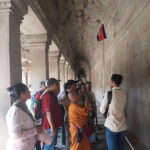
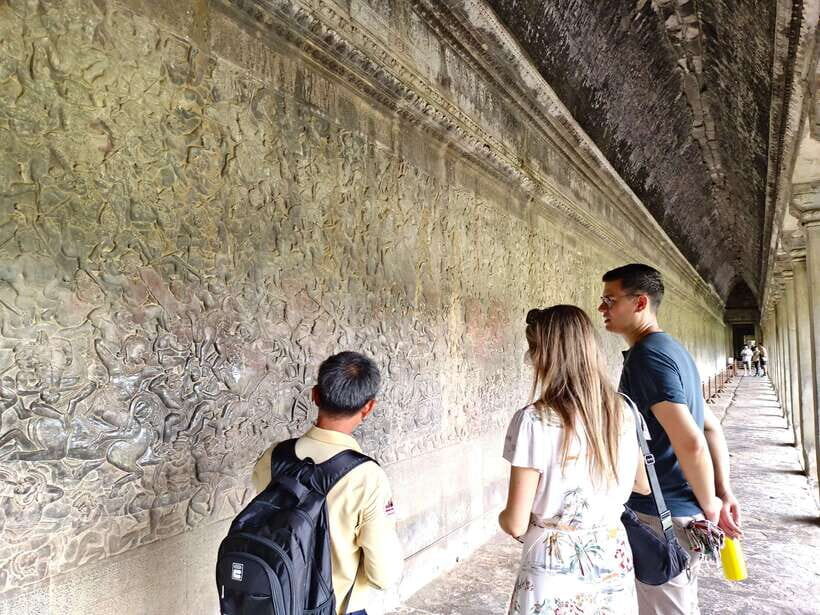
Then you explore Angkor Wat interior for a thorough two hours. You’ll move through corridors and central chambers, and then out to upper terraces. This is where your guide makes the difference. Without context, you can wander. With it, the structure starts to feel logical—like a planned route through power, belief, and architecture.
Breakfast nearby and then straight to Ta Prohm
After the morning temple time, you get breakfast at a local restaurant near the temple area. Meals aren’t included, so you’ll pay for breakfast, but the logistics are handled so you’re not trying to find a place while everyone is hungry.
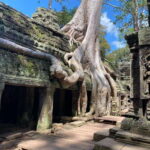
Then it’s off to Ta Prohm. This is the Tomb Raider temple—the one most people recognize by its roots and dramatic framing. The value here is not only the visuals, but how the guide helps you understand why the temple looks the way it does and what parts to pay attention to (stone edges, root growth, and how the ruin is structured).
Ta Nei (a long, fulfilling close)
You continue to Ta Nei, described as a long but fulfilling day with lifetime memories from some of the most impressive monuments built by mankind. Ta Nei is a late 12th-century stone temple dedicated to the Buddha. If Ta Prohm is the “movie” temple, Ta Nei is where you can slow down and let meaning catch up with the sight.
You’ll want to keep your energy for the day-end walk. This is not a sit-and-stare outing.
Day 3 on Tonle Sap: Kampong Pluk fishing villages and flooded-forest life
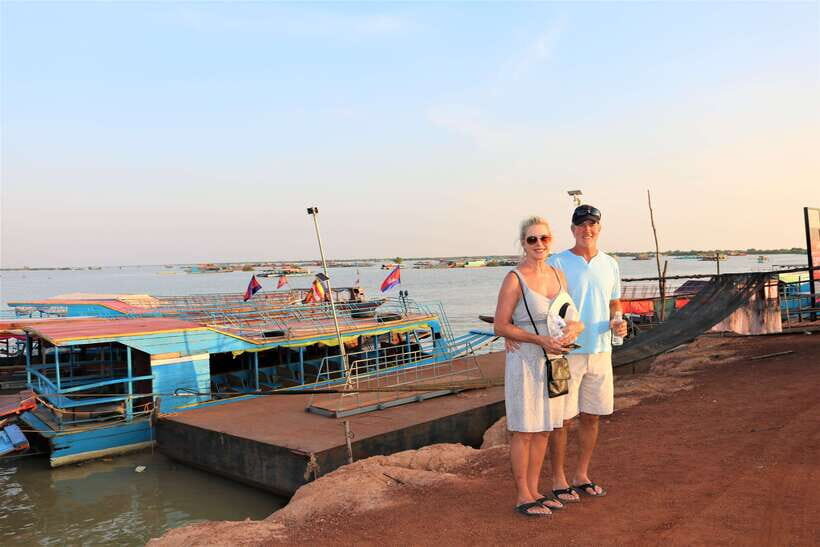
After temples, Tonle Sap is the emotional pivot. Instead of carved stone, you get water, boats, and a different rhythm of life.
The ride out and what Tonle Sap means by the numbers
You start with pickup around 8:00 AM and head through the countryside to Tonle Sap Lake. The tour notes the seasonal swing: the lake swells dramatically to about 12,000 kilometers squared, and in the dry half of the year it shrinks to about 2,500 kilometers squared as it drains into the Tonle Sap River.
That matters because it explains why floating and flooded settlements exist. This is not just a boat trip; it’s a response to a landscape that changes size and shape.
Boat trip to Kampong Pluk (where locals live)
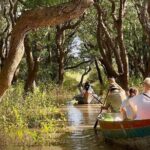
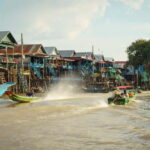
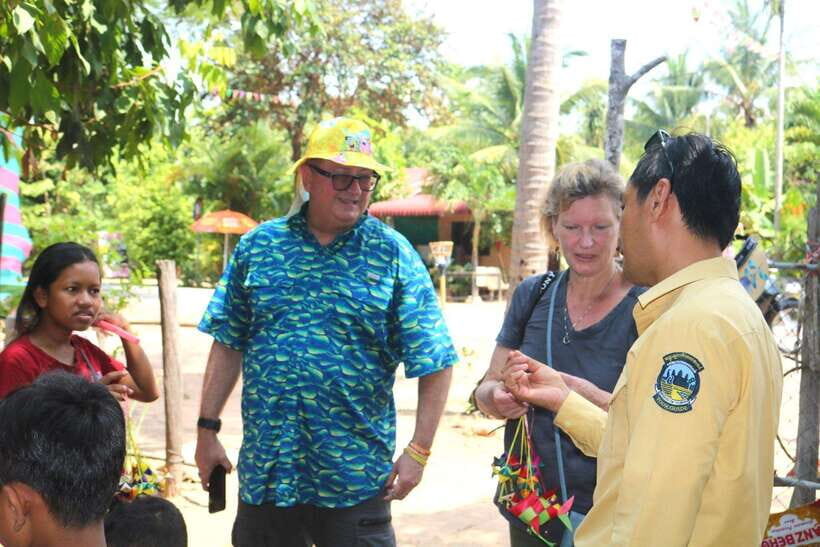
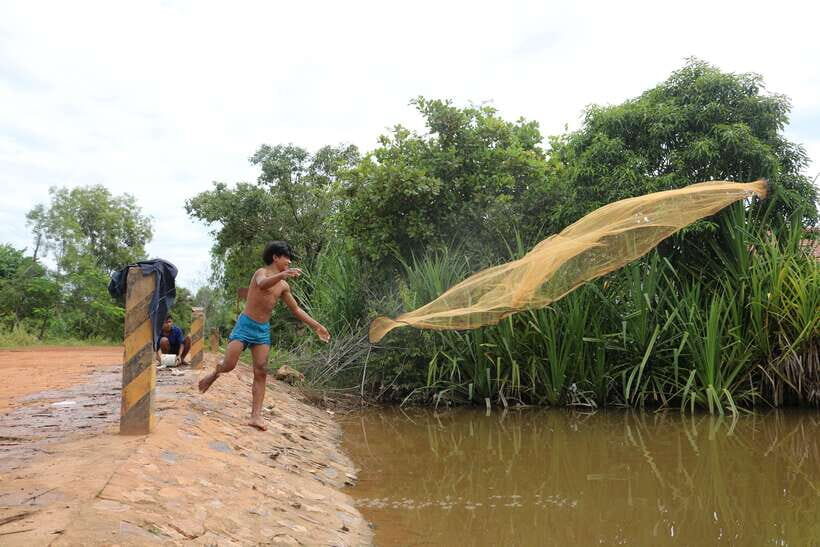
Your boat trip goes to Kampong Pluk, described as three small fishing villages in an atmospheric flooded forest setting. This is the highlight that shifts you from tourist-land to human-scale. You’ll meet local people at the fishing village, and you’ll see how daily work relates to the water level.
Lunch is at your own expense, so plan for it. A lot of people take the lunch they can find nearby rather than looking for a perfect restaurant.
Dry-season alternative: Cambodia Phare Circus
There’s one important seasonal consideration. In dry season (March to July), due to water level, the alternative is Cambodia Phare Circus with Seat C. That’s not the same as a lake boat, so your experience will change with the month you travel. If seeing flooded villages is the main reason you booked, check your dates carefully.
Price and logistics: what $69 buys, and what you must pay separately
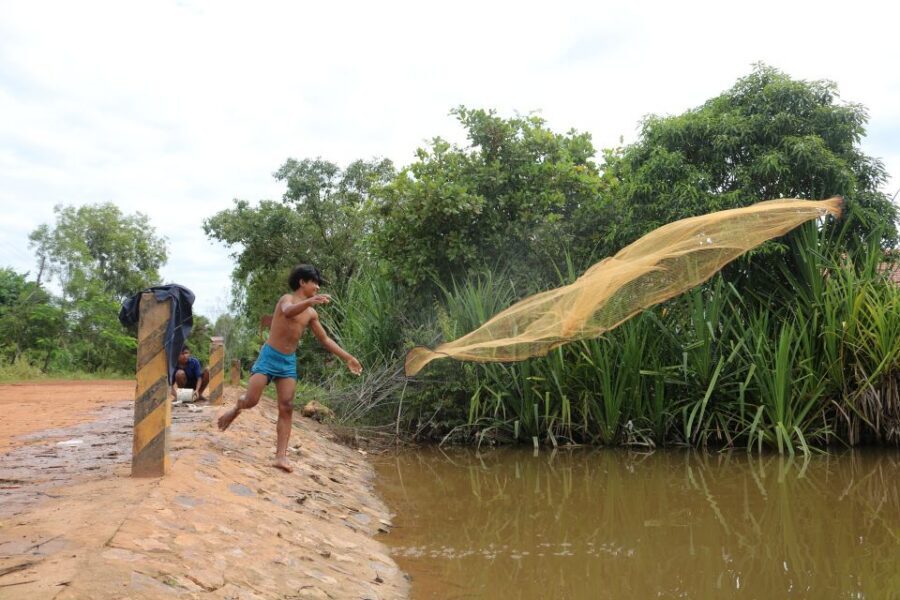
Let’s do the money math in a way that helps you plan.
The tour price is $69 per person and includes:
- Hotel pickup and drop-off (in Siem Reap city)
- An English-speaking guide
- Sunrise at Angkor Wat and sunset at Bakheng Temple
- Temple visits including Ta Prohm, Angkor Thom with Bayon, Banteay Srei, and the Grand Circuit
- An air-conditioned vehicle
- Complimentary bottled water and a cool towel
- Skip the ticket line
- Live tour guide and small group availability
Not included:
- Temple entrance tickets, listed at about $62 per person for 2–3 days
- Meals
So your realistic budget is closer to $69 + $62, plus meals you choose. The skip ticket line helps, but you’re still paying entrance fees separately. If you’re a “see everything” person, the structure makes sense: you’re paying for transport, timing, and interpretation—things that are hard to DIY at sunrise.
Also, you should factor in walking effort. Temples are spread out. Even with a driver and AC vehicle, you’ll spend a lot of time on foot.
Private-feeling pacing: small group comfort with the option to slow down
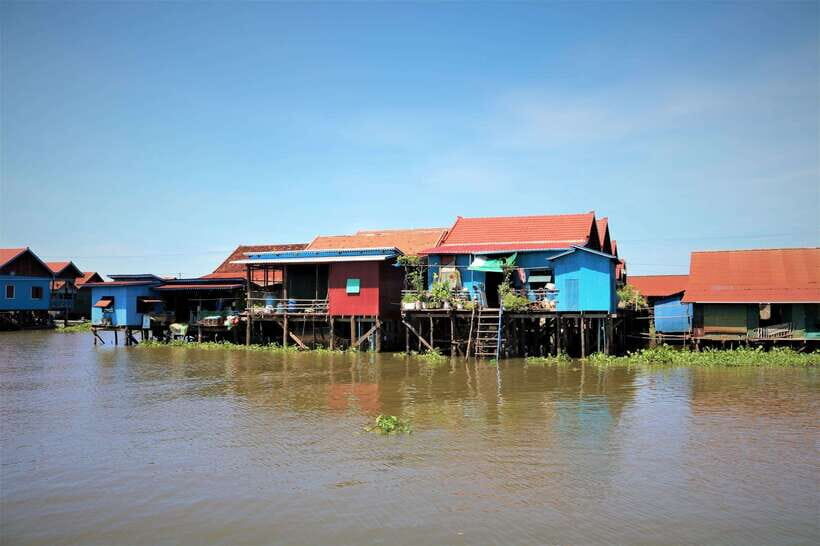
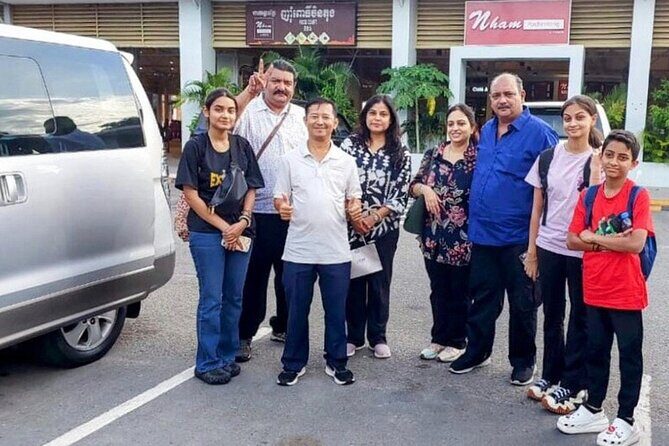
This trip is set up as a small group, and the vibe can tilt toward private. One review specifically notes that although a group tour was booked, a private guide experience was provided, and the guide could offer options to shape the day around preferences. That’s the difference between a rigid assembly line and a flexible tour where you can ask questions, pause for photos, and move at your pace.
Why this matters: Angkor can be overwhelming. The guides named in feedback—Sopheap Rath, Pal Saruon, Sokpee, Chhay, Rom, and Sam—are consistently praised for pacing and making the sites feel understandable rather than just old.
If you’re traveling with a mix of interests (someone who wants architecture, someone who wants photos), a small group with a responsive guide can keep everyone happy.
Guide quality: why these Angkor days depend on interpretation, not just transport
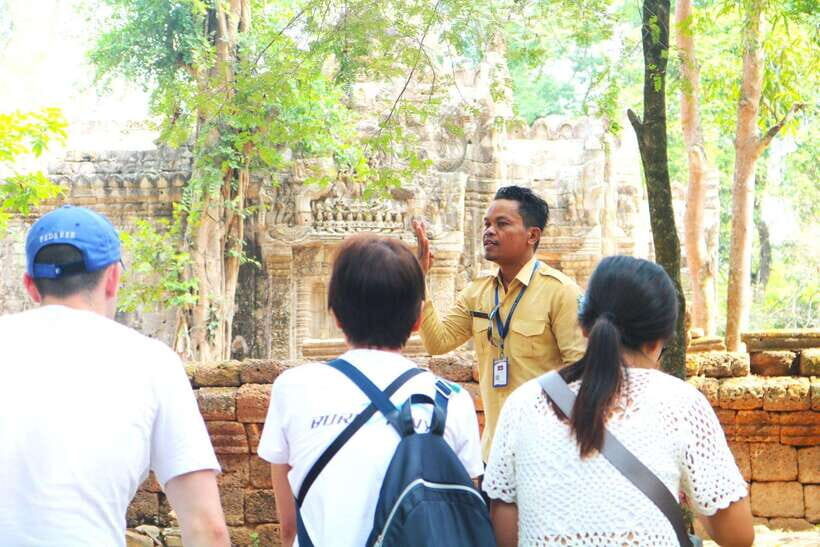
A temple is just stone until someone helps you read it. In the feedback, what’s most repeated is not just facts—it’s timing, explanation style, and strong English.
Examples from guide names you may encounter:
- Sopheap Rath, praised for both entertainment and Khmer history explanations, plus top-tier photography spotting
- Pal Saruon, highlighted for detailed explanations of different periods and how temples were constructed
- Sokpee, noted for the right amount of information so you don’t feel overloaded, with great photo stops
- Chhay, called out for taking time to answer questions and tailoring the tour options
- Rom and Sam, credited for strong knowledge of Angkor and the surrounding life that makes ruins feel connected to people
Even if you get a different guide, aim for the same thing: someone who can explain how each temple fits into the larger picture and who knows good places to stand without blocking other people.
What to pack and how to dress so Day 1–3 don’t feel miserable
This tour is straightforward about comfort needs.
Bring:
- Comfortable shoes (you’ll be on foot a lot)
- Insect repellent
Dress rules:
- Cover shoulders and knees
- Shorts are not allowed
- No pets
If you want one extra practical trick: pack something light for early morning and late afternoon. Sunrise starts early, and evenings can cool off. You’ll also want your camera ready, but not at the cost of walking safely on uneven temple surfaces.
Should you book this Angkor Wat sunrise 2.5-day Tonle Sap tour?
Book it if:
- Sunrise and sunset are on your must-do list
- You want a guide to help you understand what you’re seeing, not just where to walk
- Tonle Sap and Kampong Pluk are equally important to you as Angkor’s main temples
- You like a tight plan that still leaves time for pacing and photo stops
Skip or reconsider if:
- You hate walking and uneven ground
- You’re traveling with limited flexibility for seasonal changes (Tonle Sap boat can switch to Cambodia Phare Circus in March–July)
- You’d rather spend temple time completely on your own without a structured route
If you get the entrance ticket budget right and you’re prepared for early mornings, this is a strong way to cover the big Angkor highlights and then swap stone for water—without turning your days into stress.
FAQ
Is sunrise at Angkor Wat and sunset at Bakheng included?
Yes. The tour includes sunrise at Angkor Wat and sunset at Bakheng Temple.
How much are the temple entrance tickets?
Temple entrance tickets cost about $62 per person and cover all temples for 2–3 days. Entrance fees are not included in the $69 tour price.
Will I visit Tonle Sap Lake and Kampong Pluk fishing villages?
Yes. The plan includes a boat trip to Kampong Pluk fishing villages on Tonle Sap Lake. Lunch is at your own expense.
What happens on Tonle Sap in March to July?
In the dry season (March to July), the water level can limit Tonle Sap activities, and the alternative listed is Cambodia Phare Circus (Seat C).
What should I wear and bring?
Wear respectful clothing that covers your shoulders and knees (shorts are not allowed). Bring comfortable shoes and insect repellent.
Can I cancel for a refund, and is the tour wheelchair accessible?
The tour offers free cancellation up to 24 hours in advance for a full refund. It is not wheelchair accessible.