One day in Angkor feels like a whole chapter. This small-group tour strings together five of the most photogenic temple stops, then times your final climb for the wide sunset views from Phnom Bakheng. You’ll also get hotel pickup and a small-group pace that’s easier to manage than the big-bus crush.
What I like most is the focus on getting you from temple to temple without wasting time, thanks to the air-conditioned mini van and on-the-road comfort (cold waters and wipes help more than you’d think). I also like that you’re traveling with a professional/photography-style guide, and several guide names come up often in recommendations—like Theara Kong and Sen Prourng—which usually means you’ll spend more time looking for good angles and context, not just walking.
The main drawback to plan around is money: the tour price is low, but the Angkor Park admission fee is separate, and you’ll want to budget for that up front. Add in the dress code for worship sites (shoulders and knees covered), and you’ll want to pack smart so you don’t get stuck at the gate.
In This Review
- Key points to know before you go
- A small-group Angkor Wat day that ends with Phnom Bakheng
- Morning pickup and how the 8:30 start shapes your day
- Ta Prohm Temple: jungle drama with time to notice details
- Bayon and Angkor Thom: the smiling faces at the center
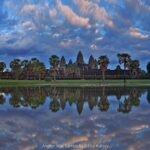
- Angkor Wat: a 12th-century giant with room to breathe
- Baphuon Temple: the climb that rewards you
- Phnom Bakheng at sunset: the panoramic finish
- Price and value: $20 tour price versus the real Angkor total
- What’s included, and what you’ll need to budget
- Guide quality that changes how you experience Angkor
- Who this tour fits best
- Should you book this sunset Angkor Wat tour?
- FAQ
- Is the Angkor Park admission fee included in the price?
- What is the meeting time for the tour?
- What does the tour include for transportation and comfort?
- How big is the group?
- What dress code do I need for the temples?
- Is breakfast or lunch included?
- What happens if weather is poor?
Key points to know before you go
- Max 12 people keeps the day from feeling like a stampede.
- Hotel pickup/drop-off plus transport saves time in Siem Reap.
- Sunset viewpoint from Phnom Bakheng caps the day with panoramic temple views.
- Dress code rules can block entry if you show up in shorts or sleeveless tops.
- Admission fees are not included, so the real cost is tour price + park ticket.
A small-group Angkor Wat day that ends with Phnom Bakheng
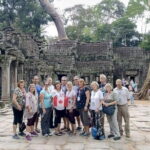
This is the kind of Angkor tour that works when you want a full day but not chaos. You start at 8:30 am, see the big names, and then finish where the whole complex looks spread out below you at sunset. The day runs about 8 to 9 hours, which is long enough to feel complete but not so long that you’re melting by lunchtime.
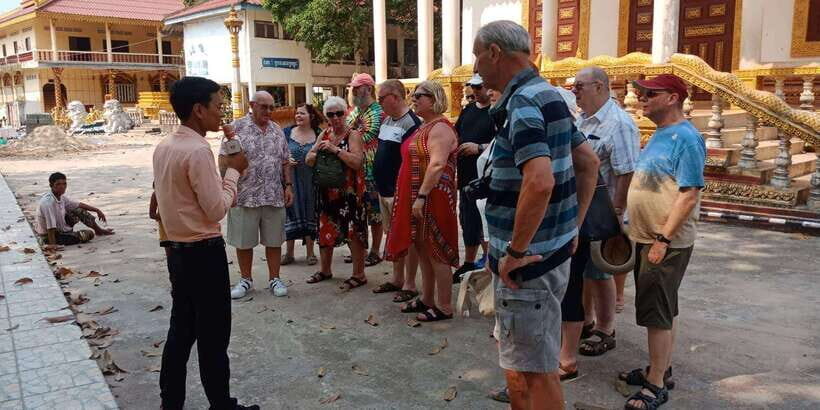
Because it’s capped at 12 travelers, your guide can actually keep track of the group. That matters at Angkor, where paths split, crowds surge, and you want a plan for where to stand and when to move.
You can also read our reviews of more evening experiences in Siem Reap
Morning pickup and how the 8:30 start shapes your day
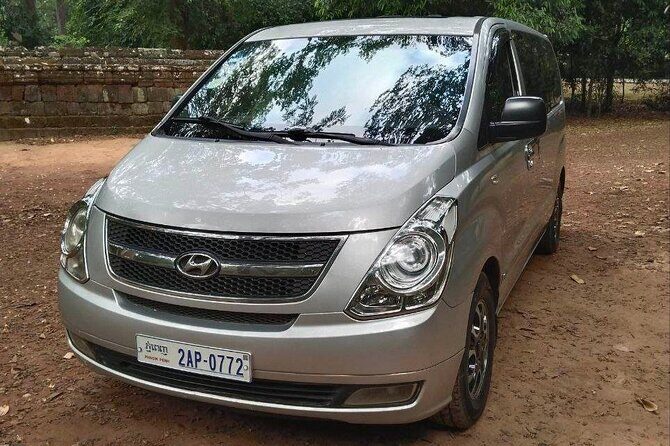
Pickup is included, and you’re riding in an air-conditioned mini van. This is a big deal in Cambodia heat, especially once you’re near temple areas where walking starts stacking up. You also get cold water and wipes, which helps you stay focused on the temples instead of wiping sweat every five minutes.
The schedule is packed but not random. You hit Ta Prohm first, then work your way through Angkor Thom and Angkor Wat, and finally do Baphuon before the sunset climb at Phnom Bakheng. If you’re the type who hates feeling rushed inside monuments, you’ll still want to keep a steady pace—but the group size makes it feel more manageable.
Dress code is not a suggestion here. You’ll need shoulders and knees covered for places of worship (no shorts, no sleeveless tops for both men and women). If you ignore it, you risk being refused entry, so bring lightweight long pants and a breathable top.
Ta Prohm Temple: jungle drama with time to notice details
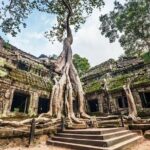
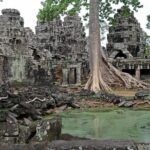
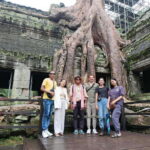
Your first stop is Ta Prohm, famous for being left partly overgrown—often linked to the Lara Croft Tomb Raider look. You’ll have about 1 hour here, and that’s a practical length. Short enough to avoid burnout, long enough to actually see the way trees and roots twist through stone.
The best strategy at Ta Prohm is to slow down for the photos, then wander for the story. Even in an hour, you can catch the big temple silhouettes and then circle back for the smaller carved or root-wrapped corners that give it personality.
Potential consideration: Ta Prohm can be busy, and the paths are uneven. Wear shoes you trust on stone and dirt, and keep an eye on where you step if you’re shooting photos from angles low to the ground.
Bayon and Angkor Thom: the smiling faces at the center
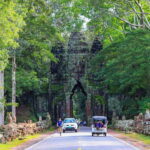
Next comes Bayon Temple, inside the ancient city area of Angkor Thom. You get around 1 hour, and the highlight is the near 200 smiling Buddha faces—the ones that seem to watch you from multiple directions depending on where you stand.
Bayon works best when you don’t just look up once. Move a little, change your angle, and you’ll notice how the faces repeat across towers, creating a sense of depth. With a guide who helps with photo timing, you’re more likely to avoid standing in the wrong spot for the best symmetry.
One practical tip: the walking between viewpoints adds up. If you’re in moderate physical condition, expect short climbs and steady steps rather than one long hike.
Angkor Wat: a 12th-century giant with room to breathe
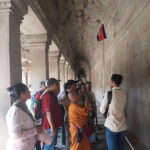
Then you reach Angkor Wat, the world-famous, massive 12th-century Hindu temple in the Angkor complex. You’re allotted about 3 hours here, which is the longest stretch of the day and the one that gives you breathing room.
This stop is where good guidance really shows. Angkor Wat is huge, so the wrong pace can turn into aimless wandering. With a guide to help you pick routes and photo spots, you can spend time where it matters: the monumental core, the major carvings and walls, and the perspectives that show off the temple layout.
Price-wise, remember that admission is separate. The tour itself is budget-friendly, but Angkor Park tickets are required to enter Angkor Wat and most other key temple areas, so plan the money before you arrive.
Baphuon Temple: the climb that rewards you
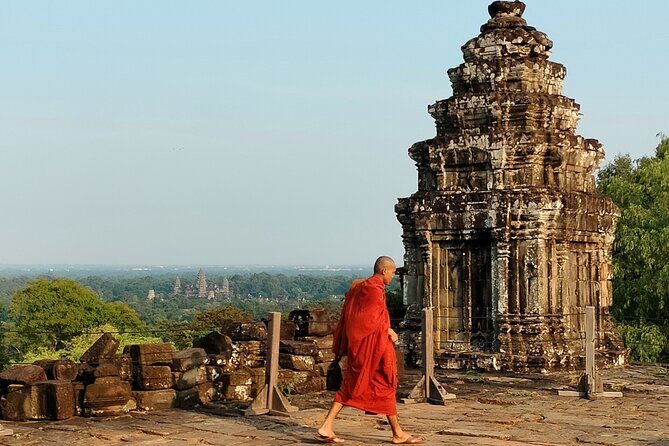
Baphuon is next, a Hindu temple from the 11th century. You get about 1 hour, including the chance to climb up for a better view and that welcome breeze you only notice once you’re high enough.
This is the point in the day where your legs start talking back a bit. It’s not an all-day trek, but it’s enough stairs and uneven surfaces to make comfortable shoes and a steady pace worth it. If you’re traveling with someone who gets tired easily, this is one stop where your guide’s timing can really help you rest without falling behind.
Phnom Bakheng at sunset: the panoramic finish
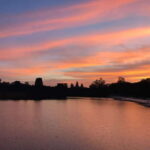
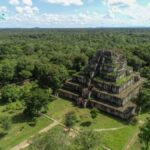
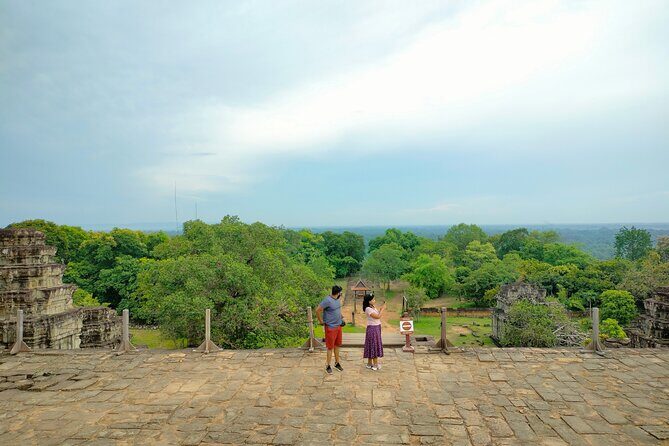
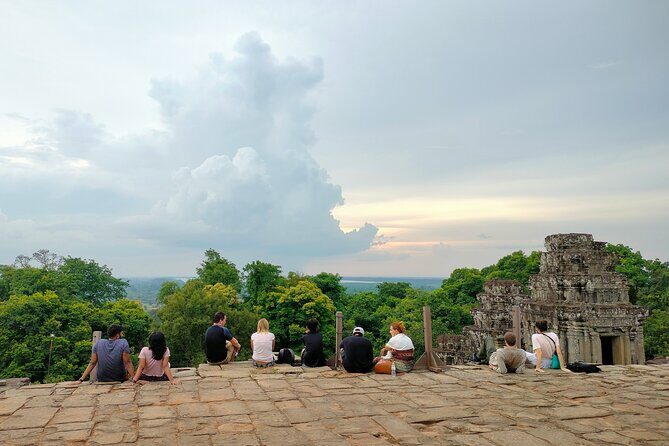
The final temple is Phnom Bakheng, a late 9th-century mountain-style temple and one of the classic sunset viewpoints. You’ll have about 1 hour, timed to catch the broad panorama over the temple complex, including the chance to see Angkor Wat towers from the top viewpoint.
Sunset viewpoints at Angkor can mean crowds, heat, and long minutes waiting for the light to turn. The payoff is the wide view: it’s where Angkor starts to look like the master plan it really is, with temples spaced out like pieces of a puzzle.
Physical note: there’s a climb involved. Since the tour mentions a moderate fitness level, treat this as the day’s biggest effort, not the first part.
Price and value: $20 tour price versus the real Angkor total
At $20 per person, this tour is priced to feel attainable. The catch is that the Angkor Park admission fee is not included—it’s listed at $37 per person. In plain math, that puts your baseline at about $57 per person, before you factor meals and drinks.
What makes it good value is what you’re getting for that $20: air-conditioned transport, hotel pickup/drop-off, toll roads/parking/gas, and even cold water and wipes. If you tried to piece this together on your own, you’d still spend money on transport and time, and you’d lose the efficient sequencing of temples.
Also, the group size cap (max 12) means your guide attention likely stays stronger than on huge tours. For many people, that’s where the value shows up: less waiting, fewer missed photo chances, and less wandering.
What’s included, and what you’ll need to budget
Included in the tour:
- Transport by air-conditioned mini van
- Professional/photography guide
- Hotel pickup and drop-off
- Cold waters and wipes
- Toll roads, parking, and gasoline
- Mobile ticket
Not included:
- Breakfast/lunch/dinner
- Soft and alcohol drinks
- Admission fee to Angkor Park (listed at $37 per person)
Since meals aren’t included, you’ll want to plan for lunch on the go. This also affects your packing: bring a small water plan for yourself (even though you get water on the tour), and consider a light snack you can eat quickly between stops.
Guide quality that changes how you experience Angkor
A big reason Angkor tours feel good or painful is the guide. In the recommendations you can see a pattern: certain guide names keep showing up for strong English and strong temple context, plus photo help.
Names that come up include:
- Theara Kong (praised for English and temple/history knowledge)
- Sen Prourng (praised for in-depth knowledge and professional approach)
- Chet (praised as the best guide for the area, with a friendly style and good info)
- Narin (praised for professional photo help)
- Sam Pho (praised for history knowledge and directing good picture locations)
- Kim (praised for helpful explanation and language skills)
You can’t guarantee the guide you get, but you can use these names as a signal when you book—ask who will guide your day, and if your tour provider can accommodate requests, mention the names. Even if you don’t get one of these exact guides, the repeated feedback tells you what to look for: clear English, smart photo guidance, and confident explanations tied to what you’re seeing.
Who this tour fits best
This tour is a good match if:
- You want the major hits—Ta Prohm, Bayon, Angkor Wat, Baphuon, and Phnom Bakheng—in one day.
- You prefer a small group (max 12) for easier movement.
- You can handle moderate walking and climbs, especially near the viewpoints.
- You want someone to help you choose photo angles and routes, not just point at ruins.
It may be less ideal if you:
- Want a super slow, read-every-stone pace.
- Are sensitive to stairs and uneven surfaces (you’ll face both).
- Don’t want to deal with the dress code. Angkor won’t bend here.
Should you book this sunset Angkor Wat tour?
If you’re trying to get the classic Angkor highlights plus a real sunset payoff, I think it’s a strong choice. The pacing makes sense for a day trip, and the combination of transport, small group size, and photo guidance is what turns temples into a satisfying experience instead of a checklist.
I’d book it if you’re comfortable paying the separate Angkor Park admission fee and you’re willing to dress correctly for worship sites. With that handled, you end up with a full Angkor day that feels efficient, not rushed—and a sunset view from Phnom Bakheng that’s exactly the kind of finish this complex deserves.
FAQ
Is the Angkor Park admission fee included in the price?
No. The tour price does not include the Angkor Park admission fee, which is listed at $37.00 per person.
What is the meeting time for the tour?
The start time is 8:30 am.
What does the tour include for transportation and comfort?
You get transport by air-conditioned mini van, with hotel pickup and drop-off. The tour also includes cold waters and wipes, plus toll roads, parking, and gasoline.
How big is the group?
It’s a shared small-group tour with a maximum of 12 travelers, and a minimum of 3 people per booking.
What dress code do I need for the temples?
You need shoulders and knees covered to enter places of worship and selected museums. That means no shorts or sleeveless tops for both men and women, and you may risk refused entry if you don’t comply.
Is breakfast or lunch included?
No. Breakfast, lunch, and dinner are not included, and soft or alcohol drinks are also not included.
What happens if weather is poor?
This experience requires good weather. If it’s canceled due to poor weather, you’ll be offered a different date or a full refund.