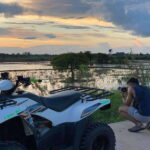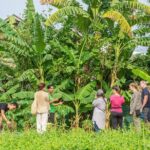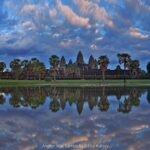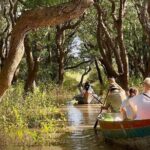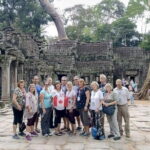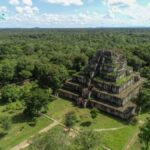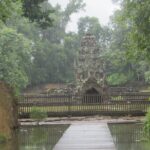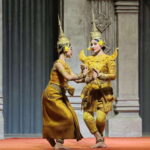
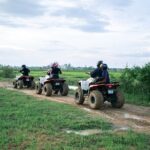
A morning bike ride can turn into a history lesson. This private Angkor Jungle Biking Adventure mixes 25–40 km of shaded paths with stops at the big names—Angkor Wat, Bayon, Ta Prohm—plus quieter spots many visitors skip. It’s designed to move you off the main road and into the surrounding vegetation, where the temples feel less like set pieces and more like part of the jungle.
I especially like how this tour is private and built around fewer crowds, so you can actually take your time at key angles and details. I also love that the guide brings the Khmer Empire to life with clear, story-driven temple context—names like Leap and Sok come up for a reason. One thing to consider: this is not a slow walking day. It’s for moderate physical fitness, and you’ll be cycling for several hours in heat and shade.
If you want Angkor with motion—wind on your face, stops timed to photos and shade, and the chance to see parts that don’t fit the bus loop—this is a strong match.
In This Review
- Key highlights to know before you ride
- Why Angkor on a bicycle beats the usual circuit
- Price and value: what $61.75 covers in real terms
- Getting started in Siem Reap: pickup, transfer, and a smooth park entry
- Stop-by-stop ride: Angkor Wat, Ta Nei, and the French Dam break
- Angkor Wat (about 2 hours)
- Ta Nei Temple (about 30 minutes)
- French Dam / ទំនប់ទឹកបារាំង (about 19 minutes)
- Bayon, South Gate, and Ta Prohm’s tree-filled atmosphere
- Bayon Temple (about 1 hour)
- Angkor Thom South Gate (about 30 minutes)
- Ta Prohm (about 1 hour)
- The ride itself: what 25–40 km means for you
- Guides and day-to-day care: Leap, Sok, and the team vibe
- Tickets, lunch, and tips: your budget checklist
- Angkor Park admission
- Lunch
- Tips
- Who should book this cycling tour?
- Quick FAQ before you pedal
- FAQ
- How long is the Angkor Jungle Biking Adventure tour?
- What does the tour cost per person?
- Is hotel pickup and drop-off included?
- What’s included with the tour package?
- Do I need to buy Angkor tickets separately?
- Is lunch included?
- How fit do I need to be for this bike ride?
- Is this a private tour or shared group?
- Can I cancel for a full refund?
- Should you book it?
Key highlights to know before you ride
- Crowd-light temple viewing with a private pace and quieter routes between sites
- 25–40 km of jungle and temple roads that feel more like exploration than sightseeing
- English-speaking guide storytelling (often with high-energy guides like Leap or Sok)
- Comfort basics included: mountain bike, helmet, water, and snacks
- Major temples plus in-between stops like Ta Nei and the French Dam viewpoint
- Ticket handling support: your guide helps you buy the Angkor Park admission
Why Angkor on a bicycle beats the usual circuit
Angkor is famous for its iconic temples, but most days there’s a traffic jam problem: buses, tour groups, and the same photo stop repeated until everyone’s tired. Cycling changes the rhythm. You’re not just shuffling between landmarks. You’re moving through the space between them—tree-covered lanes, old causeways, and side roads that feel like they belong to the jungle instead of a checklist.
This tour leans into that idea. You’ll ride well away from busier routes, then stop often enough to keep the day from feeling like a blur. The benefit is simple: you get more angles and less rushing. When you’re on a bike, the temples feel bigger because you’re arriving under your own steam, not dropping out of a vehicle at the loudest moment of the day.
And because it’s private, you’re not stuck with a group pace that doesn’t match yours. If your interest is architecture, you get time for it. If you’re more into nature and quiet corners, you also get breathing room.
You can also read our reviews of more cycling tours in Siem Reap
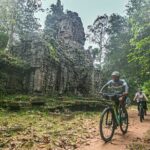
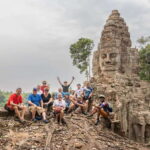
Price and value: what $61.75 covers in real terms
At about $61.75 per person, the value comes from what’s included versus what’s left for you to handle.
Included:
- Pickup & drop-off from your hotel
- An English-speaking cycling guide
- Mountain bike and helmet
- Bottled water and snacks
- The private structure, meaning you’re not sharing the day with random strangers
Not included:
- Angkor Park admission ticket (your guide assists with purchasing)
- Lunch (optional meals at local restaurants cost roughly $3–$10 per dish)
- Tips for the guide
That inclusion list matters. Bike + helmet + driver support plus guided stops would be a lot more if you booked each piece separately. You’re also paying for the guide’s job of routing you between major sites and quieter bits—where the day actually becomes more fun.
The main “hidden cost” to plan for is the Angkor ticket and your lunch choice. If you budget for those at the start, you’ll feel in control rather than surprised.
Getting started in Siem Reap: pickup, transfer, and a smooth park entry
Your day begins with a hotel pickup, then a transfer to the start point near Angkor Park. This matters because Angkor days can be chaotic if you’re trying to line up transport on your own. Here, you show up, get set up, and start riding.
Once you’re at the entry area, you’ll stop at the ticket counter at Angkor Wat. This is one of those unglamorous details that can make or break the morning. The point is efficiency: the entry process is described as well-organized, which helps you move quickly to the first temple and spend more time outside rather than standing in lines.
Stop-by-stop ride: Angkor Wat, Ta Nei, and the French Dam break
This is a day built for a steady rhythm: cycle, stop, learn, rest, repeat. Here’s what each stop adds.
Angkor Wat (about 2 hours)
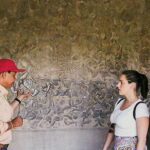
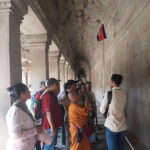
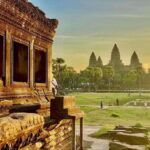
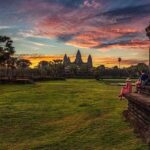
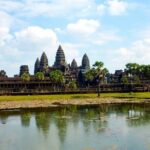
Angkor Wat is the big one, and the tour gives it the time it deserves—around 2 hours. It’s described as the best preserved monument in the Angkor group, and the focus is on its composition and detailed sculpture work. Even if you’ve seen pictures before, the architecture reads differently when you’re not racing toward it.
Practical note: this is also where you’ll feel the sheer scale. If you want calm angles, go with the flow of your guide and watch for natural pauses in the route.
You can also read our reviews of more private tours in Siem Reap
Ta Nei Temple (about 30 minutes)
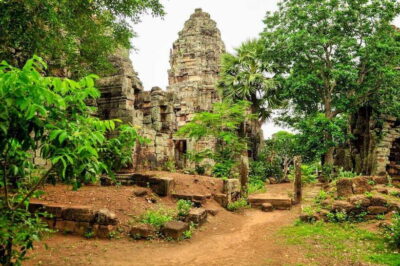
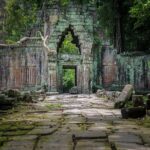
Next is Ta Nei, a late 12th-century stone temple connected to King Jayavarman VII and near the East Baray. The tour frames it as a dedicated Buddha temple, which helps you understand why it looks the way it does without turning it into a random stop.
A 30-minute window is ideal here. You get context and time to look around, but you’re not stuck long enough for the heat to drain your energy.
French Dam / ទំនប់ទឹកបារាំង (about 19 minutes)
Then comes a short, refreshing change of pace: the French Dam viewpoint. The tour description focuses on the sensory feel—water sound mixing with birdsong. This kind of stop is underrated on temple days. It’s not about monuments; it’s about giving your brain a breather so the next big site hits harder.
If you like nature moments between iconic buildings, this stop earns its place.
Bayon, South Gate, and Ta Prohm’s tree-filled atmosphere
The second half keeps the momentum while shifting the mood from open grandeur to more enclosed, face-filled, and overgrown spaces.
Bayon Temple (about 1 hour)
Bayon comes next for about 1 hour. It was built nearly a century after Angkor Wat, and it sits in the center of the royal city. The result is that Bayon feels like an event: you’re not just looking at one structure, you’re stepping into the heart of a city plan.
When you’re on a bike day, this timing works. You’ve already warmed up and learned key context, so your attention can sharpen on the key features rather than getting lost in first impressions.
Angkor Thom South Gate (about 30 minutes)
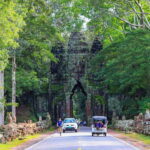
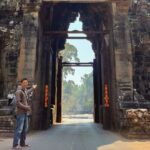
Then you hit Angkor Thom’s South Gate. This is one of the more restored access points, and it’s known for the surviving face heads. The tour positions it as a main route into Angkor Thom from Angkor Wat, so it’s a good bridge between what you already saw and what’s next.
If you’re a photo person, this is a practical stop: you can focus on the restored elements and the symmetry without needing a long stay.
Ta Prohm (about 1 hour)
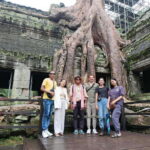
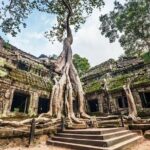
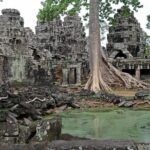
Finally, Ta Prohm for about 1 hour, often described as the kingdom of the Trees. The big idea here is that the temple is largely left as-is, with only clearing for paths and structural support. That means you’re seeing the temple in a way that feels closer to how it was experienced over time.
From a cycling perspective, Ta Prohm is a perfect wrap-up because it naturally slows you down. You’ll look up, you’ll scan roots and beams, and you’ll realize why this site is famous. It’s not just a temple; it’s a full scene.
The ride itself: what 25–40 km means for you
The tour covers about 25–40 km of cycling, and the route is mostly described as shaded trails, quiet roads, and old causeways. That combination is important. Sun plus long stretches is tiring. Shade plus frequent stops is manageable for many people.
You’ll want a little realism here:
- Moderate fitness is recommended, so don’t treat this like a casual stroll.
- The pace and the exact feeling of the ride depend on the road surface and the day’s conditions.
- Your guide and driver support the day, but you still need to feel comfortable cycling for hours.
The good news: mountain bikes and helmets are included, and you get bottled water and snacks along the way. That turns a long bike day from stressful into straightforward. Still, bring a positive attitude. You’re doing a temple trip with movement, not a museum route.
Guides and day-to-day care: Leap, Sok, and the team vibe
This is one of those tours where the guide is the difference between seeing temples and understanding them. The style described is enthusiastic and energetic, with strong storytelling that makes Cambodian history feel usable, not textbook.
Names that come up include Leap and Sok. Leap is noted for energetic delivery and for creating an ad hoc combination of different tour styles for a couple. Sok is described as knowledgeable and passionate, guiding people through jungle trails while balancing culture, nature, and adventure. On the logistics side, the presence of a driver vehicle is also mentioned—this matters because it keeps the day safe and organized.
The other thing I like in the way this tour is framed: you’re not just handed a bike and sent off. There’s attention to care—water, snacks, and a rhythm that keeps you from running out of steam mid-day.
Tickets, lunch, and tips: your budget checklist
Here’s what you need to plan financially so your day stays smooth.
Angkor Park admission
The Angkor ticket is not included, and your guide will assist you in purchasing it at the entrance of Angkor Park. This is a helpful service because it reduces the confusion of which ticket to get and where to go.
Lunch
Lunch is at your own expense. Meals are available at local restaurants with both vegetarian and non-vegetarian options, with menu prices around $3–$10 per dish. You’ll likely appreciate having that flexibility, especially if you want something light after cycling.
Tips
A tip for the guide is not included. If this is a priority for you, it’s worth having small cash ready. (Guides work hard to route you safely and explain what you’re seeing.)
Who should book this cycling tour?
This tour suits you if:
- You want a more active way to experience Angkor than bus stop hopping
- You enjoy quiet roads and shaded nature as much as major monuments
- You like learning with a guide who connects temple details to the Khmer Empire
It may not fit if:
- You want a very relaxed, mostly flat walking day with minimal cycling effort
- You’re not comfortable with moderate physical activity in warm conditions
Because it’s private, it’s also a good fit for couples or small groups who want their own pace rather than a shared timetable with strangers.
Quick FAQ before you pedal
FAQ
How long is the Angkor Jungle Biking Adventure tour?
It runs for about 7 to 8 hours.
What does the tour cost per person?
The price is $61.75 per person.
Is hotel pickup and drop-off included?
Yes. Pick-up & drop-off at your hotel are included. You provide your hotel name for pickup.
What’s included with the tour package?
You get an English-speaking guide, mountain bike and helmet, bottled water, and snacks.
Do I need to buy Angkor tickets separately?
Yes. The Angkor ticket is not included, and your guide will help you purchase it at the entrance of Angkor Park.
Is lunch included?
No. Lunch is not included, but you can find local restaurants with vegetarian and non-vegetarian options, typically $3–$10 per dish.
How fit do I need to be for this bike ride?
The tour is recommended for travelers with moderate physical fitness.
Is this a private tour or shared group?
It’s private. Only your group participates.
Can I cancel for a full refund?
Yes. You can cancel for a full refund if you cancel at least 24 hours in advance of the experience’s start time.
Should you book it?
I’d book this if you want Angkor to feel like a real day outside—cycling between sites, taking breaks when it’s comfortable, and getting temple context from a guide who treats storytelling like part of the route. The bike + helmet + water/snacks + pickup package is a solid value for a 7–8 hour active outing.
Skip it if you’re hunting for a purely low-effort sightseeing schedule. This one is for people who don’t mind cycling and want the quieter side of Angkor more than the straight-line crowd path.