REVIEW · BATTAMBANG
Morning Tuk tuk: City, Handicrafts, Killing field, Temples
Book on GetYourGuide →Operated by Battambag full day city and countryside Tuk Tuk tour · Bookable on GetYourGuide
Rice tells the story of Battambang. On this tuk-tuk morning route, I love the up-close rice craft stops where you can taste what’s made that day, and the guide’s clear stories tying food, farming, and faith together. The one drawback is that Wat Samrong Knong is emotionally heavy, since it’s connected to the Khmer Rouge and a killing field memorial.
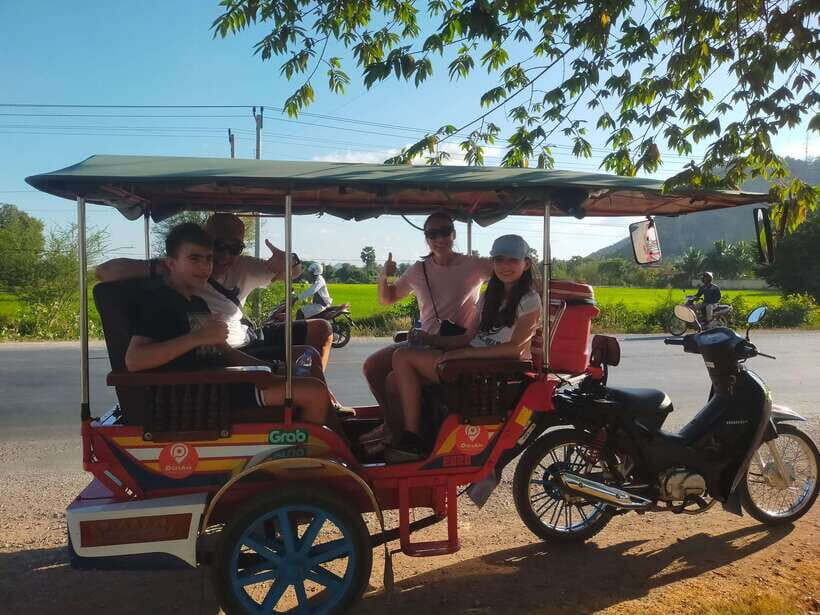
Guides like Samol or David bring the day to life in English, with calm, safe driving and a relaxed pace that still keeps you moving. Expect a tight loop—5 hours from start to finish—built for seeing major city sights plus countryside temples without eating up your whole day.
In This Review
- Key things you’ll notice
- Battambang by morning tuk-tuk: the 5-hour rhythm
- City sights first: market, provincial hall, and Ta Dambong Kranhoung
- Khmer rice noodles: breakfast food, made by hand
- Bamboo sticky rice: a sweet snack with real texture
- Rice paper and spring rolls: the work behind the wrap
- Rice wine production since the 1980s: tasting and old uses
- Wat Samrong Knong: 1707 temple, brick stupa, and a killing field
- Ek Phnom Temples: a 25m giant Buddha plus 1991 and 11th-century ruins
- Price and value: what $20 really buys
- Comfort, rules, and who should skip this tour
- Tips for getting the most out of the day
- Should you book this Battambang tuk-tuk morning tour?
- FAQ
- What is the duration of the Battambang tuk-tuk city and countryside tour?
- What time is pickup?
- How much does the tour cost?
- What is included in the price?
- What tastings are part of the tour?
- Can I cancel for a full refund?
- Are there any dress code rules or items not allowed?
- Is the tour suitable for older travelers or people with health conditions?
Key things you’ll notice
- Khmer rice noodle making up close before you taste breakfast-style noodles
- Bamboo sticky rice cooked by locals for sweet snacks people actually eat
- Rice paper production for spring rolls, with villagers making large daily quantities
- Wat Samrong Knong (1707) and its brick stupa, torture house, and memorial for about 10,008 victims
- Ek Phnom’s 25m Buddha plus a 1991 temple and 11th-century temple ruins
Battambang by morning tuk-tuk: the 5-hour rhythm
This is a well-paced morning circuit that starts at 7:20 AM with pickup from your accommodation (or a restaurant). The ride takes place in a tuk-tuk, so you’re outdoors enough to feel like you’re part of daily life, but not stuck walking for hours.
The total time is 5 hours, which sounds short until you realize it includes city sights, multiple food workshops, and two major temple zones. If you prefer long, slow museum-style touring, you’ll want to keep your expectations realistic here: this is about variety and short stops that move.
One more practical point: pickup and drop-off are set for locations within 5 km of Battambang town. If you’re farther out, you may need to arrange your own meeting point.
You can also read our reviews of more tours and experiences in Battambang.
City sights first: market, provincial hall, and Ta Dambong Kranhoung
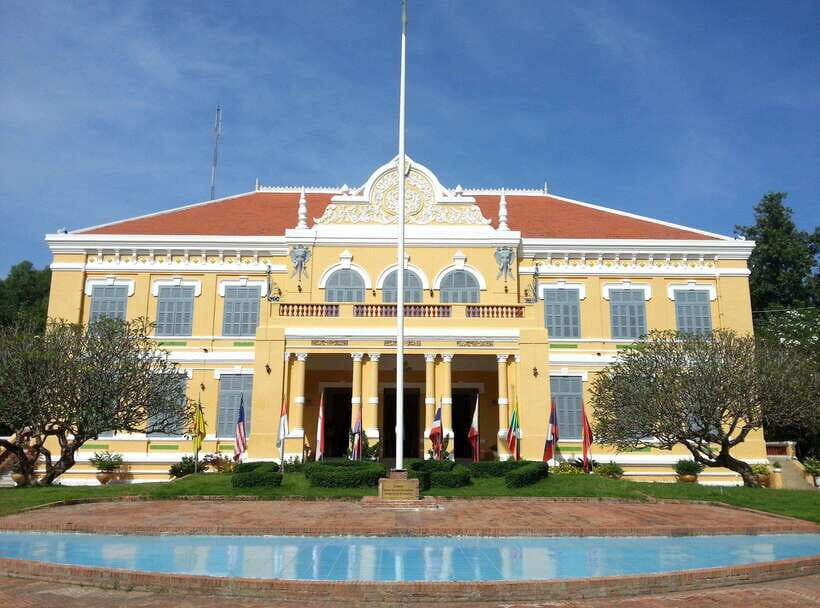
You start in Battambang Province with a guide who sets the scene—history, religion, agriculture, and even folk tales. That matters because it helps everything you’ll see later make sense. Temples and food traditions stop feeling random when you hear how Buddhism, farming, and Khmer culture connect here.
Then you get time in the city for landmarks like the central market and the provincial hall. You’ll also visit the area’s symbol statue, Ta Dambong Kranhoung, which gives you an easy visual anchor for the day.
This first stretch is also a good chance to get your bearings fast. You’ll be able to spot patterns in how Battambang is laid out, and you’ll understand why the countryside stops feel like a natural next step instead of a long detour.
Khmer rice noodles: breakfast food, made by hand
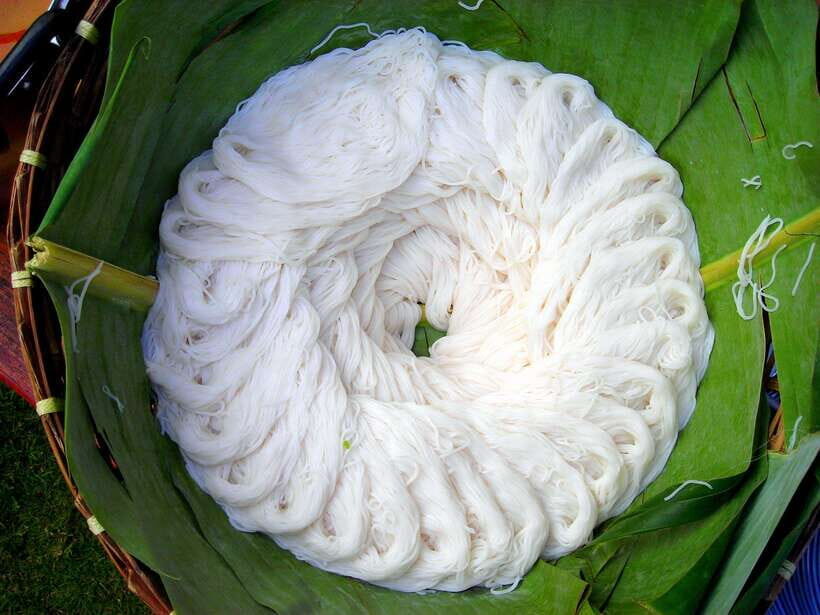
Next comes one of the most useful stops of the whole day: watching where Khmer rice noodles are made. Rice noodles are treated like everyday fuel here, not a tourist novelty. You’ll learn why they’re such a common breakfast, lunch, and dinner choice in Khmer households.
The best part is how quickly you grasp the process once you’re standing near the production. You’re not just hearing about noodles—you see the workflow and how it stays tied to local skills.
And yes, there’s tasting. This is one of those rare tours where the food is more than a snack break. Tasting fresh noodles gives you a real sense of what changes when you move from packaged or restaurant versions to something made right in front of you.
Bamboo sticky rice: a sweet snack with real texture
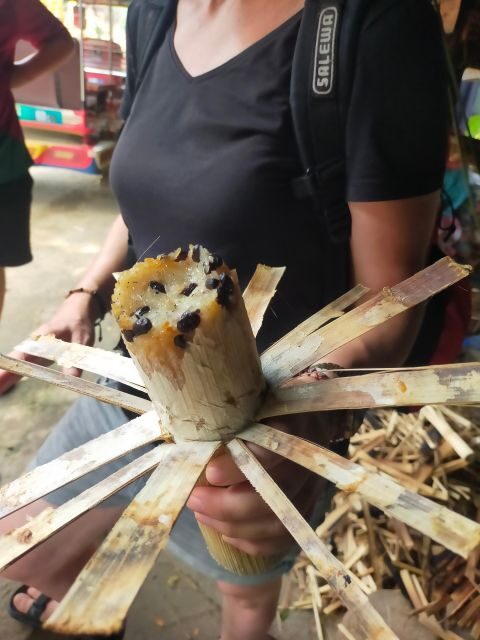
After noodles, you shift to another rice-based specialty: bamboo sticky rice. This is the kind of dessert or sweet snack people genuinely enjoy, not something only made for visitors.
Watching locals cook it is a reminder that Cambodian food has a practical backbone. Techniques like steaming and wrapping aren’t just tradition—they’re how you get strong flavor and consistent texture without complicated equipment.
You’ll see how bamboo is used as part of the preparation and then sample the result. If you like simple sweets with a distinct chew and aroma, this stop is often the kind you remember later, long after the temple photos fade.
Rice paper and spring rolls: the work behind the wrap
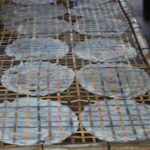
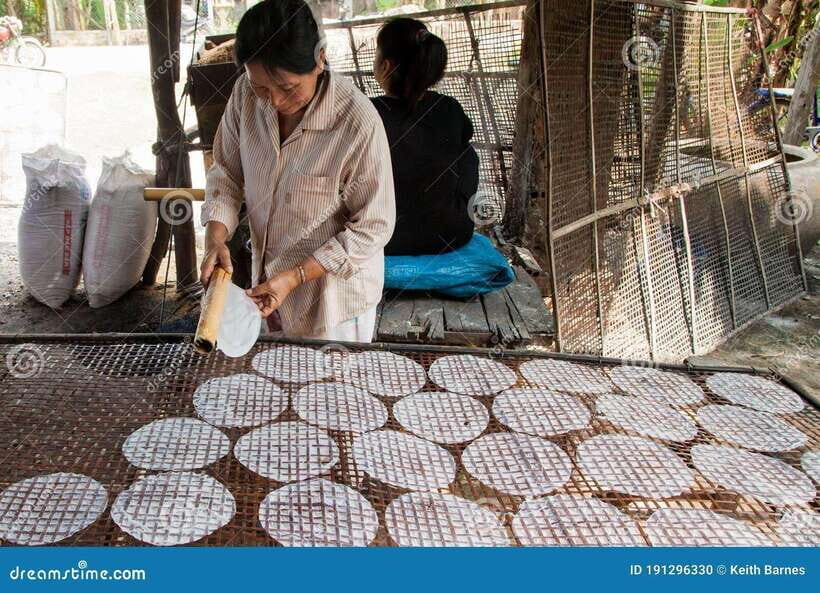
Then you move to rice paper production, which is closely tied to one of Cambodia’s most recognizable foods: spring rolls. You’ll learn how villagers make rice paper for daily use, and you’ll see how labor-heavy it is compared to what most people imagine.
A helpful detail here: production is still done by working villagers, and they can make at least 1,500 per day. That number gives you context for why this food is affordable and common, even when it takes time and skill.
If you enjoy hands-on food travel, this is a high-value stop. It takes you from ingredients to the finished wrap, so when you eat spring rolls later, you’ll understand what’s actually happening behind the scenes.
You can also read our reviews of more tours and experiences in Battambang

Rice wine production since the 1980s: tasting and old uses
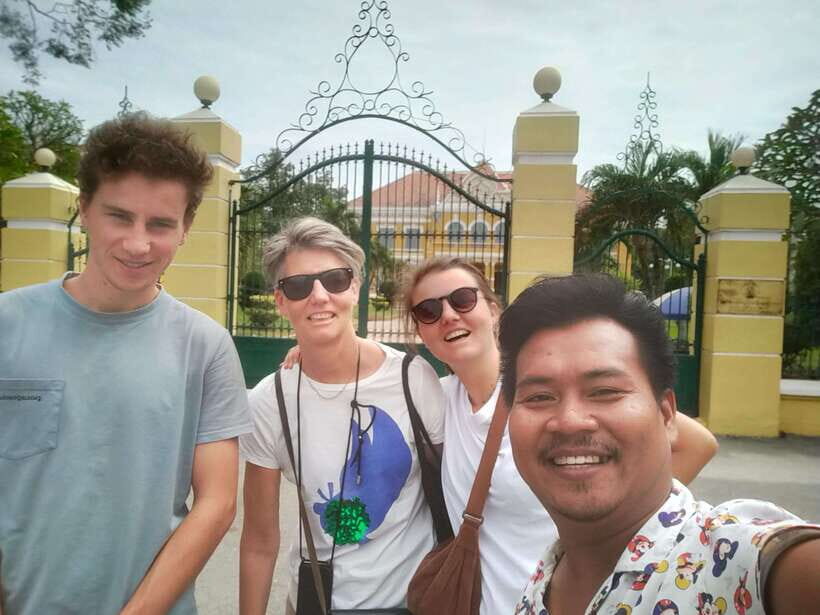
Next you’ll ride to a rice wine production plant that’s been operating since the 1980s. Rice wine here isn’t presented as a fancy novelty. It’s tied to everyday uses and older beliefs about how it can help beyond drinking.
You’ll learn how rice wine is made and then you get to sample it. The tour also explains how it has been used in the past for medication and even for soaking plants and fruits—plus soaking poisonous animals like cobras and tarantulas.
That last bit can feel surprising, so keep an open mind but also keep your comfort level in check. This stop is about understanding local practice, not judging it.
Wat Samrong Knong: 1707 temple, brick stupa, and a killing field
Now for the hardest part of the day.
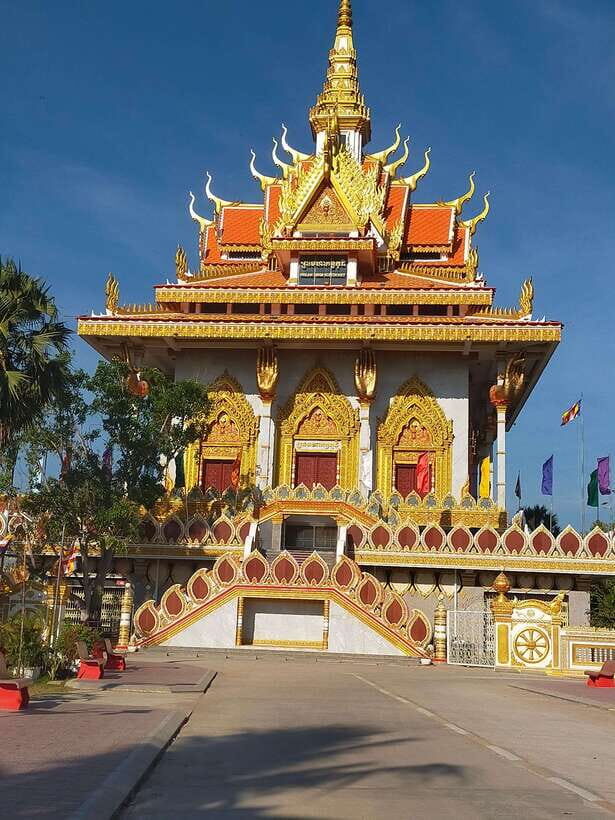
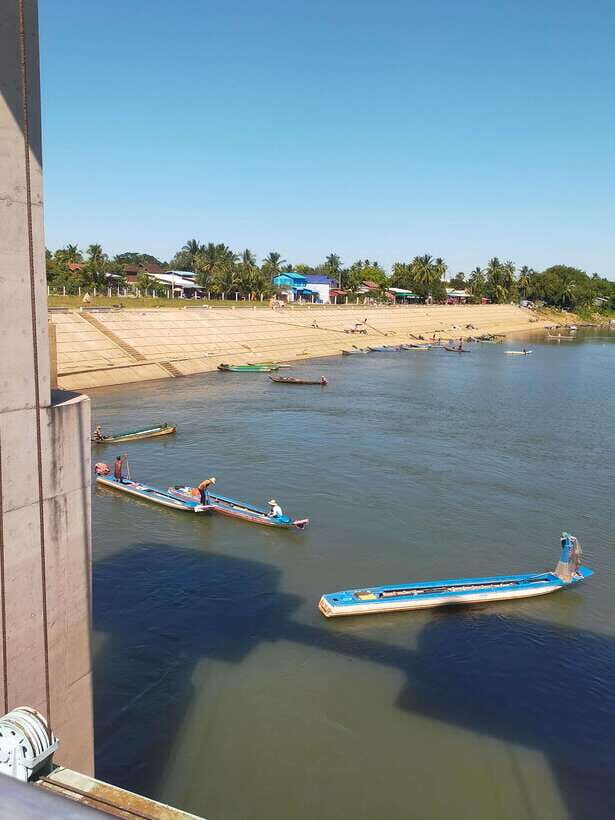
You visit Wat Samrong Knong, described as the oldest Buddhist temple in the area, built in 1707. You’ll also see a brick stupa built in 1887, which helps you connect the sacred architecture to Cambodia’s long timeline.
But the reason this stop lands so hard is its later use. The pagoda area was used to house Khmer Rouge soldiers and also served as a detention area for victims. You’ll see the torture house and the killing field memorial, tied to approximately 10,008 victims.
Go in with two expectations: first, you may need a moment to process what you’re seeing; second, the guide’s storytelling matters here. This is one of those experiences where respectful pacing helps. If you don’t do well with dark historical sites, this is the point to reconsider.
Ek Phnom Temples: a 25m giant Buddha plus 1991 and 11th-century ruins
After the gravity of Wat Samrong Knong, the day shifts back toward awe and scale.
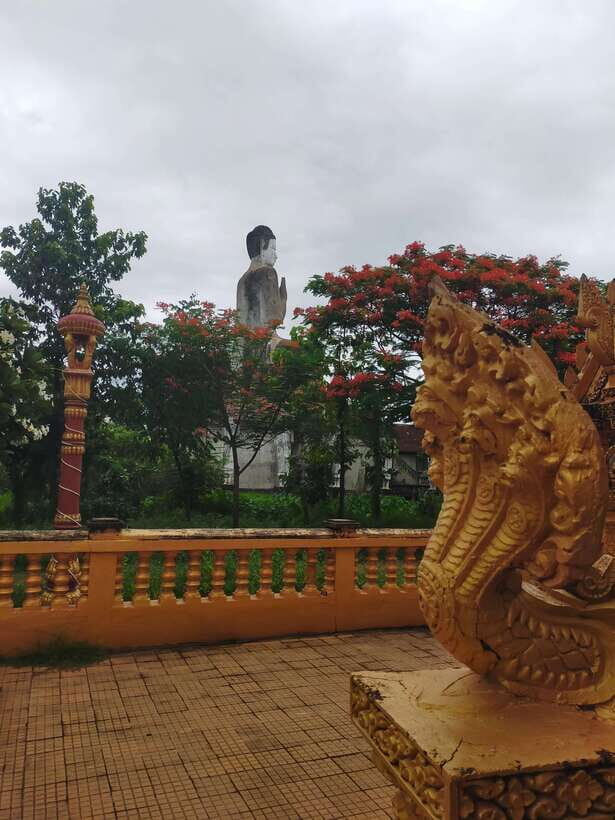
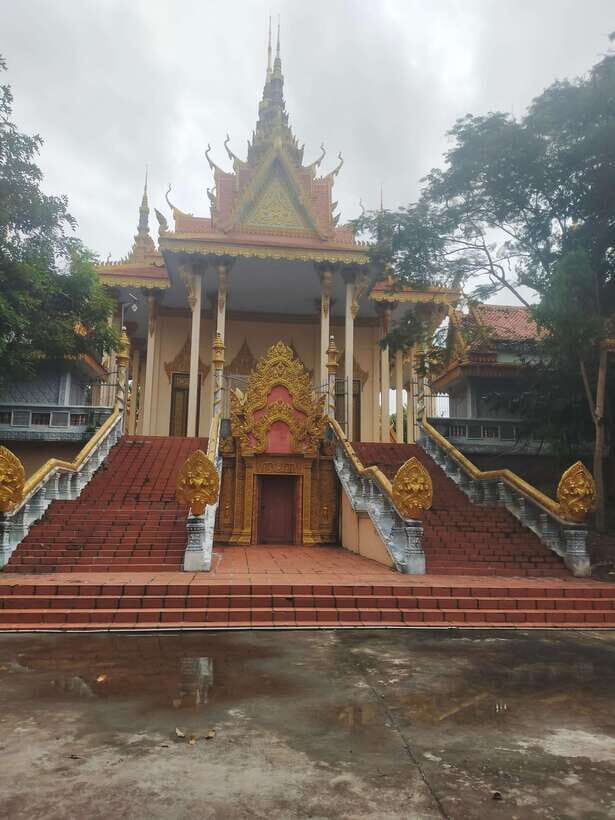
At Ek Phnom, you’ll see a 25m-high giant Buddha standing above the site, flanked by standing Buddha statues on either side. The size is obvious immediately, even before you start reading details. It’s one of those views that makes you stop and look up without effort.
You’ll also walk to a Buddhist temple built in 1991. Inside, you can see Buddha’s story displayed on the walls, which gives the place a narrative feel instead of just a photo-op feel.
Finally, you’ll see ruins of an Angkorian Hindu temple built in the 11th century during King Suryavarman I’s rule. This mixed layer—Buddhist worship alongside older Hindu temple remains—helps you understand how Khmer religious life changed over time.
Price and value: what $20 really buys
At $20 per person, this tour is priced like a practical local experience rather than a polished show. The value is strongest when you look at what’s included.
You get hotel pickup and drop-off, a live English guide, cold bottled water, wet wipes, and photo opportunities. You also get admission and donations included, plus snacks tasting built into multiple stops.
That last part matters. If you were to pay separately for a driver, multiple tickets, and several food experiences, the total adds up fast. Here, the price is basically bundling transportation, guide time, and access into one morning package.
The one cost to plan for is personal spending—souvenirs, extra drinks, and anything not included in the tastings.
Comfort, rules, and who should skip this tour
This tour is not a good match for everyone, mainly because of pace and the historical site content.
It’s not suitable for people with high blood pressure and people over 70. The tuk-tuk ride plus walking at temples and the need to move through multiple stops in a short window likely explain part of that recommendation.
There are also basic rules: baby strollers are not allowed, and sleeveless shirts are not allowed. So wear something with sleeves and closed-toe shoes if you can.
If you’re sensitive to heavy history, especially sites connected to torture and mass death, plan your emotional pacing. A guided visit can be meaningful, but it’s still intense.
Tips for getting the most out of the day
Here’s how to make the morning feel smooth instead of rushed.
Bring a small layer even in warm weather. Temples and factories can swing between sun and shade, and the ride is outdoors enough to feel it.
When you reach the food stops, ask your guide what makes the process Khmer-specific. You’ll understand the why behind the technique, not just the what. Guides like Samol and David are especially good at tying food back to daily life, and it turns tasting into a lesson.
And at Wat Samrong Knong, don’t try to power through. Take a breath, step slowly, and let the explanation land. The goal is respect and understanding, not speed.
Should you book this Battambang tuk-tuk morning tour?
Book it if you want a 5-hour plan that mixes temples + real working food production and gives you practical context for both. The rice noodles, bamboo sticky rice, rice paper, and rice wine stops are the kind of experiences that don’t feel staged, because you’re seeing how locals make everyday staples.
Skip it if you don’t handle intense historical sites well, or if health or mobility concerns make the walking and quick stops a problem. Also skip the idea if you dislike hot, early mornings—7:20 AM pickup is early on purpose.
If you’re the type of traveler who likes learning through food and place, this is a smart way to spend your limited time in Battambang without turning your day into a checklist.
FAQ
What is the duration of the Battambang tuk-tuk city and countryside tour?
The tour lasts 5 hours.
What time is pickup?
Pickup starts at 7:20 AM from your accommodation or a restaurant.
How much does the tour cost?
The price is $20 per person.
What is included in the price?
You get hotel pickup and drop-off, a live guide (English), cold bottled water, wet wipes, photo opportunities, snacks tasting, all admissions, and donations.
What tastings are part of the tour?
You’ll have snack tastings connected to the stops, including sampling Khmer rice noodles, bamboo sticky rice, and rice wine.
Can I cancel for a full refund?
Yes. You can cancel up to 24 hours in advance for a full refund.
Are there any dress code rules or items not allowed?
Sleeveless shirts are not allowed, and baby strollers are not allowed.
Is the tour suitable for older travelers or people with health conditions?
It is not suitable for people with high blood pressure and for people over 70.