REVIEW · SIEM REAP
Siem Reap: Bike the Angkor Temples – Full-Day 30km Tour
Book on Viator →Operated by Discova Southeast Asia · Bookable on Viator
Two wheels changes how Angkor feels. This Siem Reap Angkor temples bike tour is interesting because you ride backroads through local villages and still get guided temple time that explains what you’re seeing. It’s a full-day ride that mixes big “wow” moments with quieter, off-the-beaten-path corners of the UNESCO area.
Here’s the one tradeoff: it’s active. Expect about 25–30 km (15–18 miles), plus some sandy or bumpy dirt segments, and you’ll be in real heat most days.
In This Review
- Key things I’d plan around before you go
- A Siem Reap Angkor Temples Bike Tour That Gets You Off the Main Roads
- Meeting at ផ្ទះគ្រូ Café: your morning start and the bike setup
- Angkor Wat first: getting in, then walking the details
- Angkor Thom, Bayon, and the terraces where the day starts to feel magical
- Lunch moment at the Elephant Terrace area
- Srah Srang: the midday cultural break with Khmer lunch and snacks
- Ta Prohm in the afternoon: tree roots, moss, and slower walking time
- How hard is a 30km day: surfaces, heat, and what to wear
- Temple dress rules you must follow
- Price and value: $35 plus the Angkor Pass you still need
- Guides and safety: why small groups make this feel personal
- Who should book this Angkor temples bike tour (and who should rethink it)
- Families and kids
- Should you book this Angkor Temples Bike Tour?
- FAQ
- FAQ
- How long is the full-day bike tour?
- How far will we ride?
- What temples are included?
- Is lunch included?
- Are temple entrance fees included in the price?
- What time does the tour start?
- Where does the tour meet?
- What’s provided with the tour?
- Is this tour suitable for beginners?
- Is the group size small?
- Is there child-seat seating available?
- Is there an upgrade option for private tours?
Key things I’d plan around before you go
- Mostly flat riding, but not all-smooth: good for many people, with some dirt/trail sections that can be tough for total beginners
- Iconic temples plus side terraces: Angkor Wat, Bayon, Ta Prohm, plus areas like the Elephant Terrace and Royal Enclosure along the way
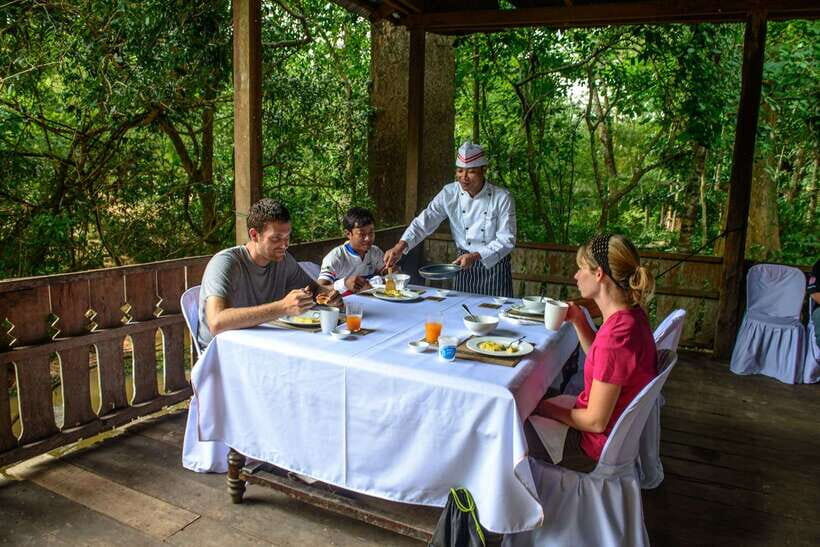
- Comfort basics included: bike and helmet, bottled water, snacks, and Khmer lunch if you choose that option
- A small group vibe: capped at 10 riders, which makes it easier to move, stop, and ask questions
- You’ll handle the Angkor Pass on site: your guide helps you purchase admission at the park entrance
- Refresh at the finish: you can end the day with chilled coconut and a cool towel, depending on the day’s setup
A Siem Reap Angkor Temples Bike Tour That Gets You Off the Main Roads
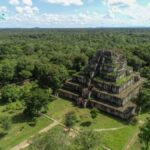
Angkor is famous for its epic scale. The problem is scale also means crowds and long walks. This tour fixes that by giving you wheels and a plan, so you can see more without spending the whole day stuck in bottlenecks.
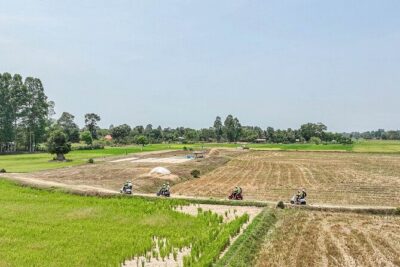
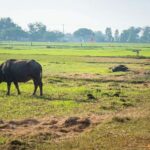
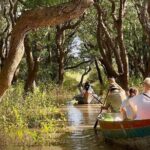
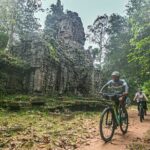
I like how the route mixes major temple hits with quieter riding. You’re not just hopping between ticketed sights. You pedal through village lanes and rural stretches, so Angkor feels connected to the daily life happening around it.
The other big win is pacing. You’re not on a sprint schedule. You ride at a leisurely speed with photo stops and time inside temples, which helps you actually understand what you’re looking at instead of rushing past it.
You can also read our reviews of more cycling tours in Siem Reap
Meeting at ផ្ទះគ្រូ Café: your morning start and the bike setup
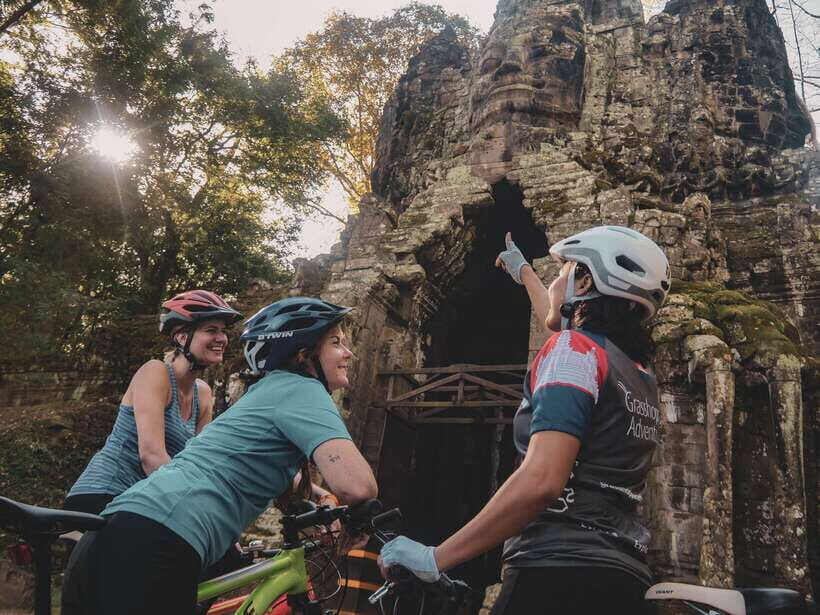
You meet back at ផ្ទះគ្រូ Café in Siem Reap, starting at 7:30 am. Starting early matters here. The temples are mind-blowing at any hour, but the ride is much easier before the hottest part of the day settles in.
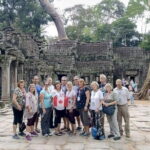
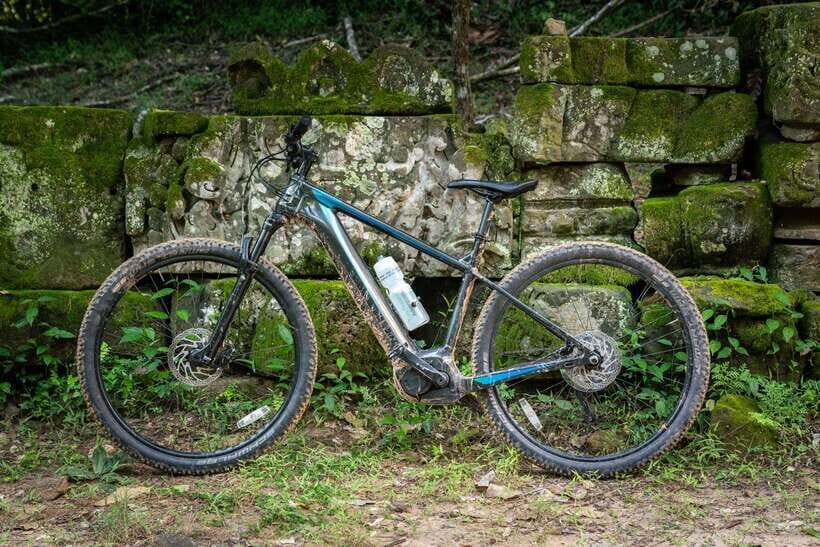
Once you arrive, the guide introduces everyone and does a safety briefing. Then you get fitted with a high-quality mountain bike plus a helmet. This is the part that makes the day feel smooth. You don’t waste time figuring out gears, comfort, or what to do with your helmet strap.
You’ll also ride as a group, with guides positioned for control and safety. More than one review highlights that there’s support around you while biking, not just one person leading from the front.
Angkor Wat first: getting in, then walking the details
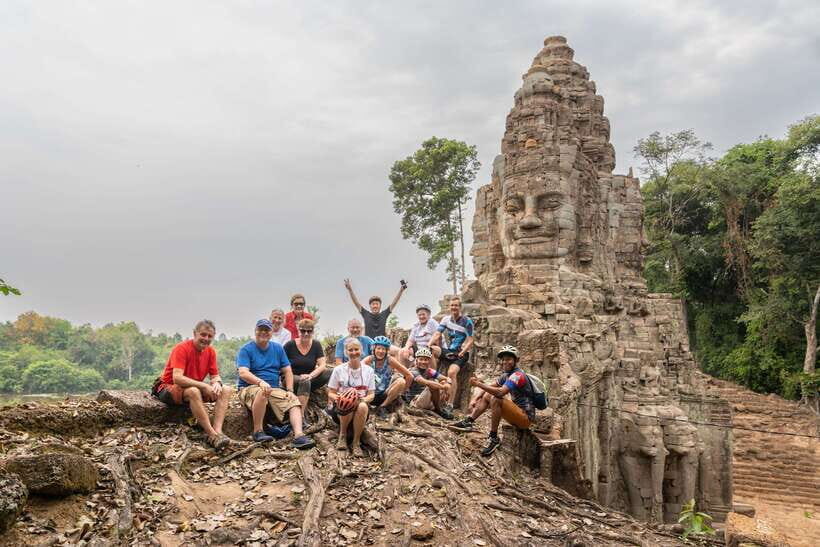
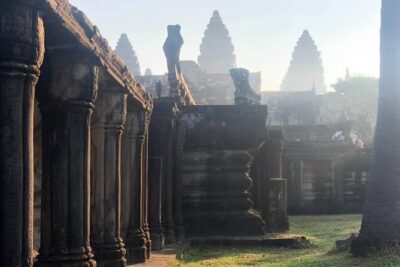
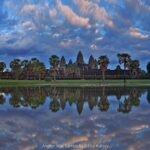
Your first real stop is Angkor Wat. Morning light and early crowds are the reason this works well as a first temple. You’ll explore the complex for about an hour, with time in the galleries and viewing areas.
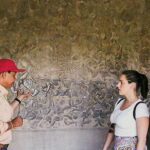
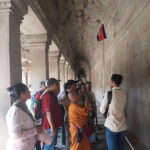
Angkor Wat isn’t just big towers. It’s carved stone stories and wide visual lines that reward slow wandering. Your guide ties in what you’re seeing, including references to the Ramayana, so the bas-relief scenes make more sense than just decorations.
After you explore, you cycle onward toward Angkor Thom. One practical detail: when you reach the Angkor entrance, your guide helps you purchase the Angkor Pass. That saves you time and stress at the gate.
Angkor Thom, Bayon, and the terraces where the day starts to feel magical
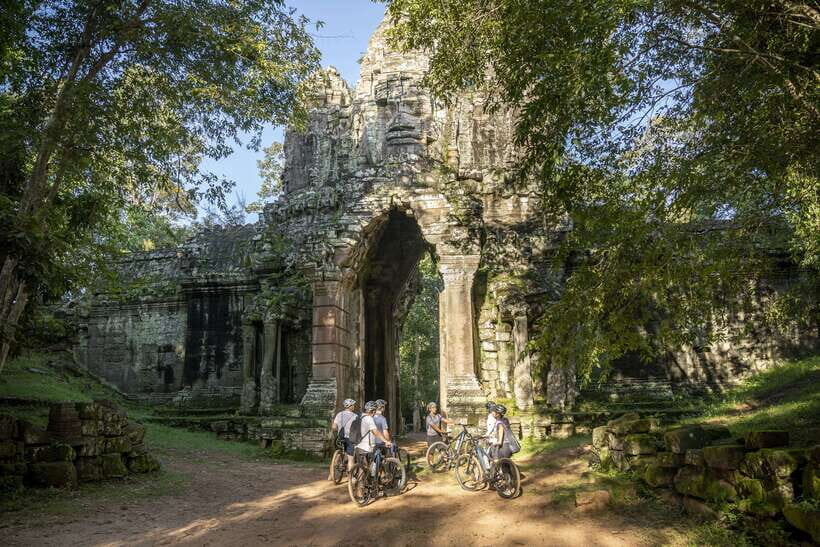
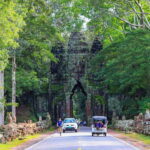
From Angkor Wat you shift into the Angkor Thom area, where the ground feels more like an ancient city than a single monument. You’ll pass expressive stone sculptures of divinities and demons as you ride in.
Next up is Bayon Temple, known for the stone towers topped with smiling faces. This is a temple where the faces change as you move around the towers and walkways. The guide’s explanations help you notice details you’d otherwise miss when you’re just scanning for photos.
Then you roll to nearby terrace sites, including:
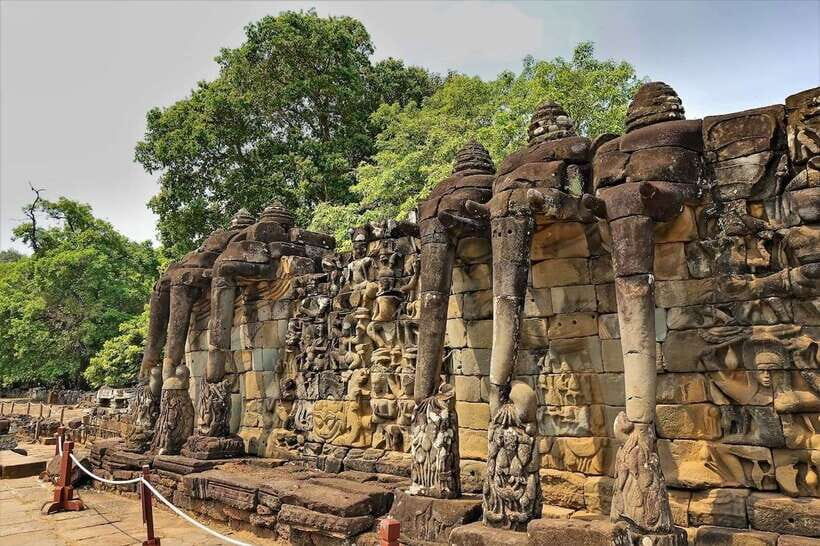
- Terrace of the Elephant
- Royal Enclosure
- Terrace of the Leper King
This is a smart mix. You get a main-ticket icon (Bayon) and also get the “in-between” places that make Angkor feel layered and lived-in.
Lunch moment at the Elephant Terrace area
Lunch timing is built into the Bayon portion and the next stop. You’ll get a break with Khmer food, and you’ll also have snack and water support to keep your energy steady. In reviews, people repeatedly mention the lunch is a highlight, not an afterthought.
If you’re heat-sensitive, treat this as your reset. Use the stop to hydrate early, not only when you’re already wiped out.
You can also read our reviews of more tours and experiences in Siem Reap
Srah Srang: the midday cultural break with Khmer lunch and snacks
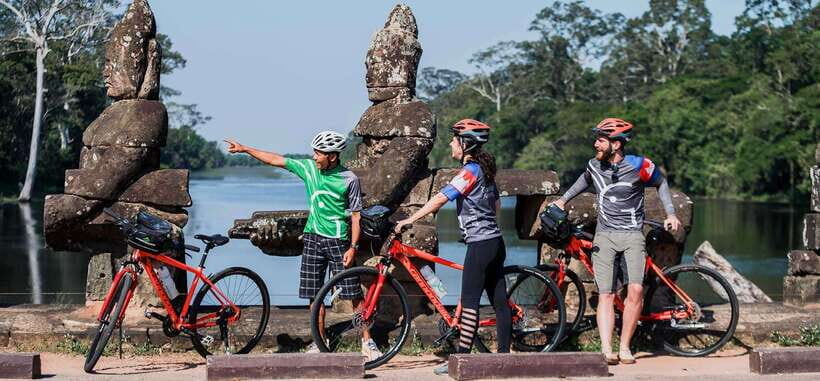
Srah Srang is a welcome change of pace. It’s one of those places that helps you see Angkor as infrastructure, not only temples. Your guide also uses this time to explain culture and history related to the area.
You’ll spend about two hours around this stop, with lunch and snacks included if you selected the lunch option. The tour is set up so you’re not starving or scrambling for food while you’re riding.
From a practical standpoint, this is where your body appreciates the plan. You’ve ridden from the morning start and will likely be sweating. Having fruit/snacks and cold drinks in the middle of the route keeps the day from turning into pure survival mode.
Ta Prohm in the afternoon: tree roots, moss, and slower walking time
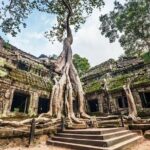
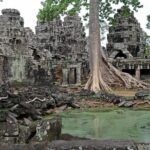
After lunch and more touring, you head to Ta Prohm. This temple is famous for the otherworldly look of tall trees growing around structures, plus thick root systems spreading through ruins.
Your cycling portion brings you through more peaceful, jungle-like corridors. Then you spend about an hour exploring Ta Prohm itself. This is the stop where you’ll want to actually slow down. The details are all around you—roots, stone texture, shaded corners, and changing light through the leaves.
Guides typically share symbolism and stories here, which makes Ta Prohm feel less like a single photo angle and more like a place with meaning. If you like history with your sightseeing, this is often the most rewarding stop because it looks strange and specific at the same time.
How hard is a 30km day: surfaces, heat, and what to wear
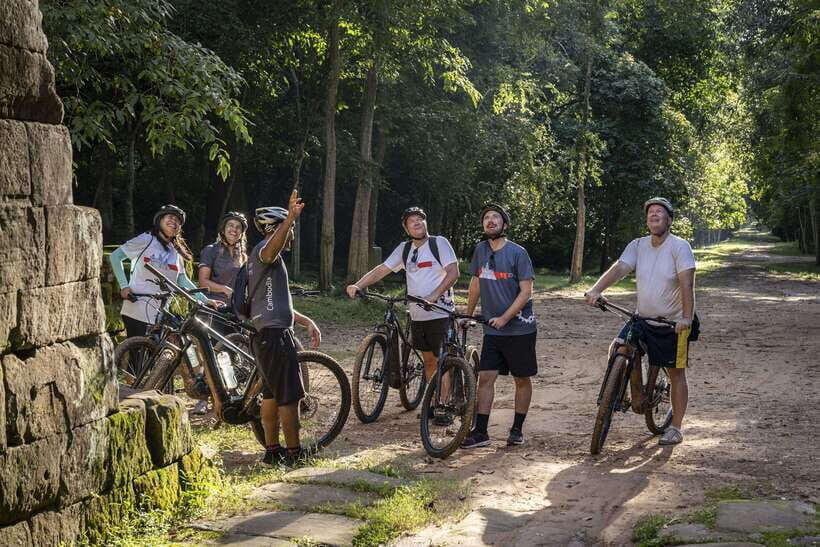
Plan for a moderately active day. The ride is about 25–30 km (15–18 miles), mostly flat roads and small paths. But the tour also includes dirt trails that can be rough.
So here’s my straight advice: bring a “bike day” mindset. You might still find it easy if you ride regularly, but you may feel it in sand or bumpy segments. A few reviews mention possible tired legs or knee discomfort after rougher riding. That’s not a reason to skip the tour, just a reason to wear the right gear and not treat the dirt like smooth pavement.
Heat is the other factor. Some reviews mention temperatures reaching around 35°C, and the day still works because you’re given water and breaks. Still, you should come ready:
- Wear a hat and sunscreen
- Use proper cycling shoes or at least comfortable closed-toe footwear
- Bring practical long-enough clothing for temple rules
Temple dress rules you must follow
This tour is also a temple entry tour. That means dress code rules apply:
- Sleeveless shirts and see-through shirts are not allowed
- Pants and shorts must be at least knee length to enter temples
If you’re unsure what you packed, check it before you leave. Nothing kills momentum like getting held up at a temple gate.
Price and value: $35 plus the Angkor Pass you still need
The headline price is $35.00 per person, which is unusually good for a full-day guided cycle with a mountain bike, helmet, bottled water, snacks, and Khmer lunch if you choose the lunch option.
But here’s the budgeting reality: entrance fees to the Angkor temple complex are not included. Expect about USD $37 for a single day entry. Your guide helps you purchase the pass at the entrance, so you won’t be figuring it out alone, but it is still an extra cost.
So your likely total is around $72-ish before souvenirs. For that, you’re getting a lot: multiple major temples, plus the terrace stops, plus time riding through village areas—not just “temple hopping by tuk-tuk.”
What you don’t get: hotel pickup and drop-off. You meet at the café and return there.
Guides and safety: why small groups make this feel personal
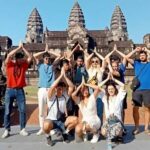
This is capped at 10 travelers, and it shows in how the ride feels. You move more like a cohesive group than a mass tour. That helps with photo stops and keeps you from feeling like you’re always waiting for the slowest person (or always being left behind).
Safety support is also a big theme in reviews. You’ll have guidance on the road, including a front-and-back approach that helps you ride more confidently. There are also mentions of hand signals and choosing safer bike-friendly routes where possible, which matters because you will be biking in public areas at times.
Finally, the human part. People consistently praise the guides by name, including Wich, Moon, Mun, Chen, Pat, Sunchen, and Samnang Chan. The best guides don’t just describe architecture. They connect temple symbols to today’s Cambodian culture, so your stops feel less like checkmarks.
Who should book this Angkor temples bike tour (and who should rethink it)
You’ll likely love this tour if you:
- Want the Angkor experience but don’t want to spend the whole day walking
- Prefer a mix of major temples and rural backroads
- Are comfortable biking 25–30 km in warm weather
- Like guided explanations, not just wandering
You might want to skip (or at least assess your comfort closely) if you:
- Don’t ride bikes often and aren’t confident on uneven ground
- Have knee issues that flare on bumpy surfaces
- Really want a mostly-paved, low-effort day
Families and kids
Child seats are available on request, but only for children up to 14 kg. This tour is still active, so families should plan for a real bike day, not a gentle stroller-friendly outing.
Should you book this Angkor Temples Bike Tour?
If you want a first solid introduction to Angkor that feels active, practical, and more local than most temple tours, I’d book it. The combination of bike access, guided stops at Angkor Wat, Bayon, and Ta Prohm, and the village riding makes it a strong value at $35, especially with bike/helmet and snacks included.
But be honest with yourself about the physical side. Bring sunscreen, wear knee-length temple-acceptable clothing, and expect some rougher riding. If you do that, you’ll finish the day tired in a good way, not cranky.
FAQ
FAQ
How long is the full-day bike tour?
It runs about 8 hours 30 minutes.
How far will we ride?
You’ll cover roughly 25–30 km (15–18 miles).
What temples are included?
You’ll visit Angkor Wat, Bayon, and Ta Prohm, plus additional terrace areas in the Angkor complex area.
Is lunch included?
Lunch is included if you choose the with lunch option. Otherwise, you’ll still have snacks, fruit, and bottled water.
Are temple entrance fees included in the price?
No. Temple entrance fees to the Angkor temple complex are not included (about USD $37 for a single day entry).
What time does the tour start?
The start time is 7:30 am.
Where does the tour meet?
Meeting and end are at ផ្ទះគ្រូ Café in Siem Reap.
What’s provided with the tour?
You get a bike and helmet, an English-speaking cycling guide, plus snacks, fruits, and bottled water. Lunch is optional depending on your selection.
Is this tour suitable for beginners?
It’s described as mostly flat and doable for many travelers, but some dirt trails are unsuitable for beginning riders.
Is the group size small?
Yes. The tour has a maximum of 10 travelers.
Is there child-seat seating available?
A child seat is available upon request, but it can accommodate a child up to 14 kg.
Is there an upgrade option for private tours?
The overview says you can join a small group or upgrade to a private tour.