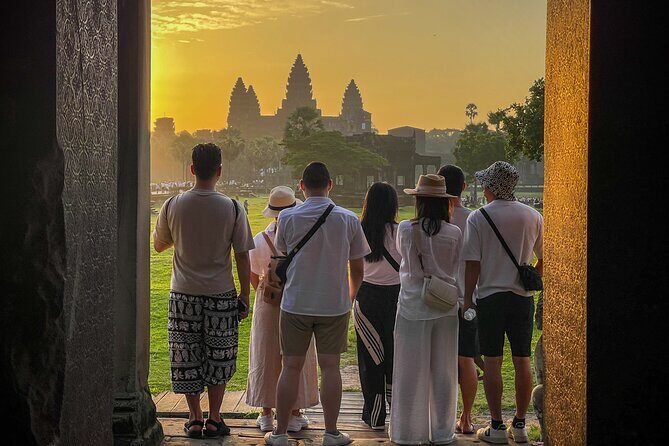
You wake up for temples, and it changes everything. This Angkor Wat guided tour is built around the big moment: sunrise at Angkor Wat, then cooler, less crowded temple time in the morning. You get a small-group setup (up to 5) with a professional guide who helps you read what you’re seeing instead of just snapping photos.
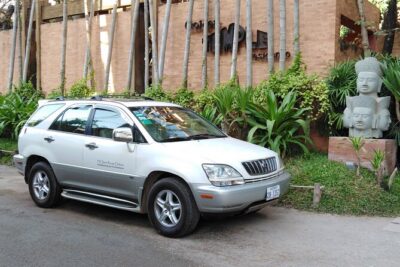
What I like most is the value of context. A good guide turns stone and carvings into Khmer culture you can actually follow, and the guides here are known for being friendly, professional, and easy to talk to. I also like the practical comfort: hotel pickup and drop-off, an air-conditioned vehicle, plus cool water and towels to help you stay functional through the heat.
One consideration: the big temple admission is not included. You’ll need the Angkor pass ($37 per person), and you should plan for a very early start plus a long day (around 10 hours), with no meal included.
In This Review
- Key highlights at a glance
- Sunrise at Angkor Wat, and why “early” is the whole point
- Your guide: Pablo and the “explain it like a person” approach
- The route through temples: a practical morning-to-afternoon flow
- Angkor Thom and the Gate to Bayon: where the faces catch you
- Ta Prohm (Tomb Raider Temple): pacing, shade, and what to watch for
- Phnom Bakheng and Buddhist contrast: why the ending feels different
- Price and value: $76 for your group plus the Angkor pass
- Comfort and logistics: AC pickup, cool water, and mobile tickets
- What to bring for a smooth 10-hour day
- Who this tour fits best (and who should consider alternatives)
- Should you book this Angkor Wat guided tour?
- FAQ
- Is hotel pickup and drop-off included?
- How much is the Angkor pass?
- What does the $76.00 per group price include?
- How long is the tour?
- Is admission to the temples included?
- Do I need to bring my own tickets?
- Is there a meal included?
- Is this a private tour or shared with other people?
- Can I cancel for a full refund?
- Are service animals allowed?
Key highlights at a glance
- Sunrise at Angkor Wat for softer light and calmer temple time
- Small-group private feel (up to 5) instead of a giant bus tour
- Professional English-guided storytelling, with guides who can switch languages
- A classic circuit: Ta Prohm, Angkor Thom, and the Gate to Bayon area
- Temple variety that mixes Hindu and Buddhist sites in one day
- Easy comfort details: AC transport, water, towels, and hotel pickup
Sunrise at Angkor Wat, and why “early” is the whole point
The heart of this tour is the sunrise plan at Angkor Wat. That means you’re not arriving when the site is packed and the light is harsh. Instead, you get the kind of glow that makes the temple feel way more than just big.
Sunrise also gives you a mental head start. When you walk into the first courtyards with the day just waking up, carvings and causeways feel more intentional. It’s the best time to get your bearings fast, because the morning pace helps you focus on what matters.
You’ll spend about 3 hours at Angkor Wat, which is enough time to see it properly without feeling rushed. Still, sunrise mornings can be tiring, so bring patience. Temples are not a sprint, even when you’re excited.
Your guide: Pablo and the “explain it like a person” approach
This is the kind of tour where the guide can make a huge difference, and the guide team here is consistently praised for communication and warmth. In multiple write-ups, the guide is credited by name—Pablo—and also referred to as Channat (Pablo), with emphasis on professionalism and kindness.
What stands out is how guides connect the stones to Khmer culture. You don’t just get dates and facts; you get explanations that help you understand why certain shapes, stories, and symbols appear where they do. Guides are also noted for speaking more than one language, with examples including English, Spanish, French, and Khmer.
That matters on a site like Angkor Wat, where details can be easy to miss if nobody explains what you’re looking at. If you’re the type who likes to ask questions, this tour tends to work well because the guide’s job is to answer.
The route through temples: a practical morning-to-afternoon flow
The day is structured to group similar experiences together so you’re not constantly traveling, waiting, and backtracking. You’ll move from Angkor Wat into the classic second-act temples, then finish with more viewpoint and Buddhist contrast.
Expect about 10 hours total. That’s plenty of time to see several major stops without feeling like you’re only touching each place for a photo. The trade-off is a full day commitment, so plan light the evening before.
Also keep in mind this is private to your group (up to 5). That typically means fewer coordination headaches—no herding people down a corridor, and fewer long pauses waiting for the whole group to catch up.
Angkor Thom and the Gate to Bayon: where the faces catch you
Angkor Thom is where the day shifts from the famous iconic views to a deeper, more maze-like temple experience. You’ll spend about 3 hours here, and the highlight is the Gate to Bayon area.
The Bayon faces are the moment most people point at, but the real value of a guide-led visit is understanding the setting around them. You’ll notice how the gates, pathways, and courtyards create a controlled flow through the complex. With the morning light, it’s easier to track the layout instead of feeling lost.
One nice benefit of getting here during the morning window is visibility. You’re more likely to see details clearly and move through at a steady rhythm. Crowds still exist at Angkor, of course, but the plan is built to help you avoid the worst crush.
Ta Prohm (Tomb Raider Temple): pacing, shade, and what to watch for
Next up is Ta Prohm, where time feels different. The famous trees and roots can make you forget you’re standing in a historic temple complex. With a guide, you’re not just looking at the visual spectacle—you learn what you’re seeing and why it’s preserved the way it is.
You’ll get about 2 hours at Ta Prohm. That’s a good length of time because it gives you room for a slow walk, a few moments to sit and absorb the scale, and time to notice carvings and structural details that pop out once you’re not rushing.
A practical note: Ta Prohm can feel hotter and more exposed in sections, especially mid-morning. The included water and towels help, and the AC vehicle between stops keeps you from cooking entirely.
Phnom Bakheng and Buddhist contrast: why the ending feels different
The final stretch includes a temple viewpoint feel at Phnom Bakheng for about 2 hours. Viewpoint stops at Angkor can be crowded at peak times, so the exact light and timing can make a difference in how comfortable the experience feels.
The tour also includes a Buddhist temple stop at Banteay Kdei (listed as part of the temple set in the tour overview). That’s a smart choice because it gives you contrast in religious architecture and mood. If your mind is mostly tuned to Angkor Wat and Hindu-themed temple stories earlier, a Buddhist site helps you reset your understanding of how the Khmer world expressed belief through space.
If you’re the kind of person who likes variety—different textures, different iconography, different angles—this ending phase delivers. It also helps break up the day so the last hours don’t feel like copy-paste temple photos.
Price and value: $76 for your group plus the Angkor pass
The headline price is $76 per group (up to 5). That sounds like a deal, and it can be—especially if you split with friends or family. But here’s the part you should plan for: the Angkor pass is not included, and it’s $37 per person.
So the true cost depends on your group size. For a group of 2, you’d pay $76 plus two passes. For a group of 5, you’re still paying $76 total for the tour service, but each person pays the pass price.
Also remember: meal is not included and tips are not included. That doesn’t mean you’re expected to overspend, but it does mean you should budget for lunch on your own and keep some cash for a fair tip if you feel the guide earned it.
For value, the main reason this works is simple: you’re not just buying entry to temples. You’re paying for transport comfort, a guide who helps you understand what you see, and a morning rhythm designed to make the best light and fewer crowds happen.
Comfort and logistics: AC pickup, cool water, and mobile tickets
This tour is built around being easy to start. You get hotel pick up and drop-off, and you’ll travel in a private air-conditioned vehicle. Between temple stops, that can be the difference between enjoying your day and counting minutes until you can sit down.
You also get cool water and towels. That small detail matters at Angkor, where it’s easy to feel dehydrated before you realize you’re already behind on water.
The tour offers a mobile ticket, which typically means less paperwork on your side. Just make sure your phone battery is happy, because you’ll be using it during travel and checking in before departure.
What to bring for a smooth 10-hour day
The tour data doesn’t list a gear kit, so I’m going to keep this practical and simple based on the reality of Angkor visits. Wear light layers and plan for sun. Bring a hat and something for your shoulders and knees, since you’ll be walking through temple areas.
Pack water if you tend to drink a lot, even though the tour includes water. Also bring sunscreen and bug spray if you’re sensitive. You’ll spend hours outside, and the heat can sneak up on you.
Finally, keep a little cash on hand for meals and tipping. The pass is the one big paid element already known to you, but day-to-day costs still pop up.
Who this tour fits best (and who should consider alternatives)
This is a good match if you want a guided, small-group day with a focused route and a sunrise start. If you like explanations, you’ll benefit from how the guide team communicates—especially if you’re more interested in meaning than only photos.
It’s also ideal for travelers who don’t want to play transportation chess. With hotel pickup/drop-off and a private vehicle, you spend more time seeing and less time figuring out schedules.
Consider another option if you hate early mornings or you’re trying to keep the day very relaxed. Sunrise means a tough start, and the whole experience runs about 10 hours, which is full-day energy.
Should you book this Angkor Wat guided tour?
Book it if you want the sunrise experience, a guide who explains Khmer culture in plain language, and a day paced so you can enjoy the temples instead of rushing through them. The small-group size (up to 5) and the included comforts—AC transport, water, towels—make the day feel manageable.
Pass if you’re the type who prefers a DIY pace and you already know the basics so well that a guide won’t add much. Also reconsider if the extra Angkor pass ($37 per person) would be a stretch right now, since the tour price alone won’t cover entry.
If you can handle an early start, this is a strong “best of Angkor” route with a very human guide focus.
FAQ
Is hotel pickup and drop-off included?
Yes. The tour includes pickup and drop-off at your hotel.
How much is the Angkor pass?
The Angkor pass is not included. It costs $37.00 per person.
What does the $76.00 per group price include?
It includes a private air-conditioned vehicle, cool water and towels, and a professional English tour guide & driver. The group price is up to 5 people.
How long is the tour?
The duration is approximately 10 hours.
Is admission to the temples included?
No. Admission tickets are not included, and you’ll need the Angkor pass.
Do I need to bring my own tickets?
You’ll use a mobile ticket for the tour, but you still need to purchase the Angkor pass separately.
Is there a meal included?
No meal is included.
Is this a private tour or shared with other people?
This is a private tour/activity, and only your group will participate.
Can I cancel for a full refund?
Yes. You can cancel up to 24 hours in advance for a full refund.
Are service animals allowed?
Yes, service animals are allowed.
If you tell me your group size and your preferred pace (early and intense vs slower and contemplative), I can help you figure out whether the sunrise start and this temple mix fits your style.