REVIEW · SIEM REAP
2 Days Angkor Wat Tranquility Tour
Book on Viator →Operated by Angkor Doors · Bookable on Viator
Angkor feels different when you leave the crowds behind. This 2-day Angkor Wat Tranquility Tour is built around smaller temples and a pre-dawn sunrise at Angkor Wat, with a private guide helping you understand what you’re seeing as you go.
I really like the balance of the route: you start with countryside sites like Prasat Bat Chum and Banteay Samre, then work your way toward the big-name monuments on day 2. I also like that round-trip hotel transfers are included, so you do not have to play transport Tetris with tuk-tuks or public buses.
The main thing to consider is logistics around entry fees and early mornings. Temple entrance is not included, and you’ll need a 3-day Angkor pass, plus the Angkor Wat sunrise day starts early enough that you’re planning around dawn, not a relaxed late start.
In This Review
- Key things you’ll appreciate
- Price and logistics: what $110 really buys
- AC transfers, pickup, and the no-public-transport payoff
- Day 1: countryside temples where you can slow down
- Prasat Kravan: a Hindu temple opener (about 30 minutes)
- Prasat Bat Chum: quiet layers of Buddhist Khmer history (about 30 minutes)
- Pre Rup: brick structure and a top-floor view (about 1 hour)
- Banteay Samre: architecture style plus quiet time (about 1 hour)
- Eastern Mebon: the elephant-stone spectacle (about 1 hour)
- Preah Khan: stone piles, carvings, and nature (about 1.5 hours)
- Banteay Prei: the kind of temple you can enjoy without the noise (about 30 minutes)
- Day 2: dawn at Angkor Wat, Ta Prohm, and the South Gate sunset
- Angkor Wat before dawn (about 4 hours)
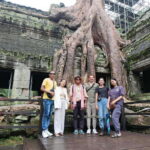
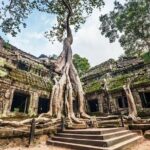
- Ta Prohm: the movie-famous frames (about 1 hour)
- Banteay Kdei: where archaeology found Buddha statues (about 1 hour)
- Angkor Thom and the South Gate sunset (about 3 hours)
- The guide effect: what makes a private route feel worth it
- Dress code, timing, and practical temple sanity
- Who this tour is best for
- Should you book this 2-day Angkor Wat Tranquility Tour?
- FAQ
- What time does the tour start?
- Is pickup included?
- What’s included in the tour price?
- Do I need to pay entrance fees?
- What dress code do I need for the temples?
- How long is the tour?
Key things you’ll appreciate
- Private guide focus on helping you interpret each temple as you arrive, not just ticking boxes
- Quiet countryside temples like Prasat Bat Chum and Banteay Prei, where you spend time without the crush
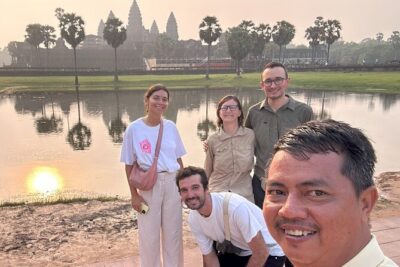
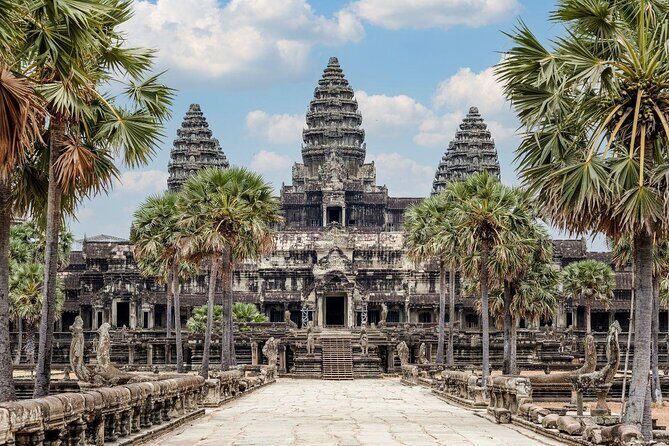
- Angkor Wat before dawn for that calm first light experience (and fewer distractions)
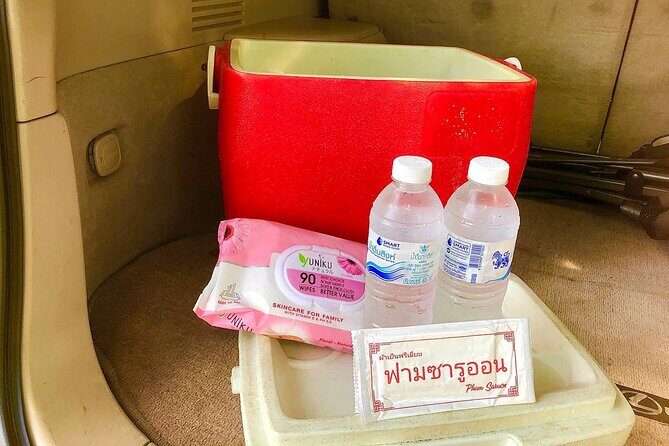
- Full transfers in an AC vehicle, plus bottled water, so you travel comfortably between sites
- Sunset at South Gate in Angkor Thom, tying the day to a classic viewpoint
Price and logistics: what $110 really buys
At $110 per person for about two days, this tour is priced in a way that makes sense if you want comfort and a guided route without the hassle of arranging your own driving plan. The big value move here is that you get round-trip transfers and AC transportation between multiple temple sites, not just one highlight.
One catch: the tour price does not include temple entrance. You’ll need to budget for the 3-day Angkor pass at $62 per person. That changes the math a bit—your total goes up once you add entry—so you’ll want to buy the pass in advance and keep the timing straight for both days.
Also plan for food. The tour includes bottled water, but it does not include meals. On a temple day, this matters more than it sounds: you’ll be moving through multiple stops, and having your own meal plan can help you avoid losing time.
You can also read our reviews of more tours and experiences in Siem Reap
AC transfers, pickup, and the no-public-transport payoff
You can feel the “easy mode” in how this is set up. You get pickup offered, and the itinerary is structured around private round-trip transfers so you don’t have to piece together public transport between sights.
That’s not just convenience. It also changes how the day feels. When transport is handled, you can spend your attention on the temples instead of timing connections or negotiating rides. You also get an English-speaking guide plus bottled drinking water, which is genuinely useful for long driving and walking days in Siem Reap.
Vehicles can be an AC car, minivan, or minibus depending on your group size. Either way, you’re covered on the comfort side, especially for the early start hours and the afternoon sun.
And since this is described as private with only your group participating, you’re not stuck moving at someone else’s pace. That matters when you’re trying to enjoy quieter temples.
Day 1: countryside temples where you can slow down
Day 1 is where the tour’s “tranquility” idea becomes real. You start with smaller sites, with enough time at each stop that you’re not sprinting from one doorway to the next. Many of the stops are timed around about 30 minutes to 1.5 hours, so you get variety without eating up the whole day on a single complex.
Here’s how the day unfolds.
Prasat Kravan: a Hindu temple opener (about 30 minutes)
You begin at Prasat Kravan, a 10th-century Hindu temple dedicated to Lord Vishnu. Starting here is a smart choice because it sets the religious context early, before the day turns toward the more visually intense Angkor-area scenes.
Look for structure details more than scale. This is the kind of stop where being with a guide helps you notice what you might otherwise rush past.
Admission is not included, so keep your pass ready.
Prasat Bat Chum: quiet layers of Buddhist Khmer history (about 30 minutes)
Next is Prasat Bat Chum. This is one of those temples that feels made for calm visiting—many times, you’ll find it without heavy tourist flow. It’s a smaller temple built by Kavindrarimathana, described as a learned Buddhist minister of Khmer King Rajendravarman, in the middle of the 10th century.
What I like about this stop is how it shifts the story. Instead of only chasing the famous Angkor imagery, you see the way Buddhism shows up in temple building and Khmer political life.
A shorter stop also keeps you fresh for the next viewpoints later in the day.
Pre Rup: brick structure and a top-floor view (about 1 hour)
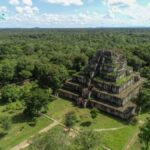
Pre Rup is where you get a strong “walk-up-and-look” payoff. It’s described as a great brick structure with views. From the top floor, the feeling is about scale—seeing the Angkor civilization spread through a jungle environment around it.
Even if you don’t consider yourself a ruins photographer, the value here is perspective. You’re not just looking at a temple; you’re looking at how those temple builders shaped the experience of place.
Banteay Samre: architecture style plus quiet time (about 1 hour)
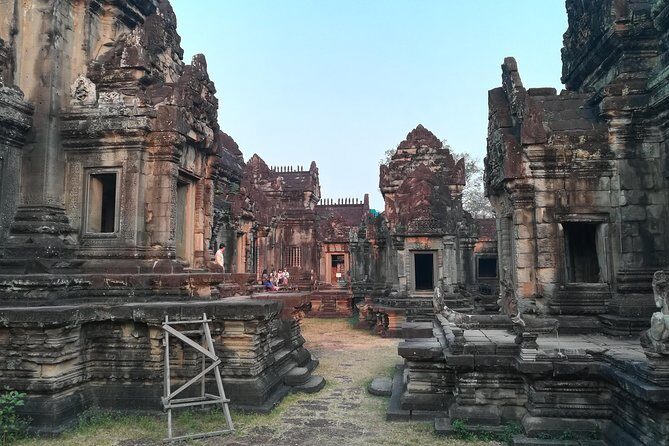
Then comes Banteay Samre, a site where peace is part of the appeal. The architecture style and the calmer atmosphere make it a stop you might not want to rush through.
This is also a good tempo reset. If the early stops left you with questions, your guide can usually help you connect what you saw in earlier temples to what you’re about to see next.
Eastern Mebon: the elephant-stone spectacle (about 1 hour)
Eastern Mebon is highlighted as the temple with eight elephant statues made from one huge stone. That single-stone detail is the kind of thing that makes a guide’s commentary worthwhile, because it turns a quick visual into something you can remember.
You’ll also appreciate the pacing: about an hour gives you time to take in the statue detail and walk around enough to get a sense of the structure.
Preah Khan: stone piles, carvings, and nature (about 1.5 hours)
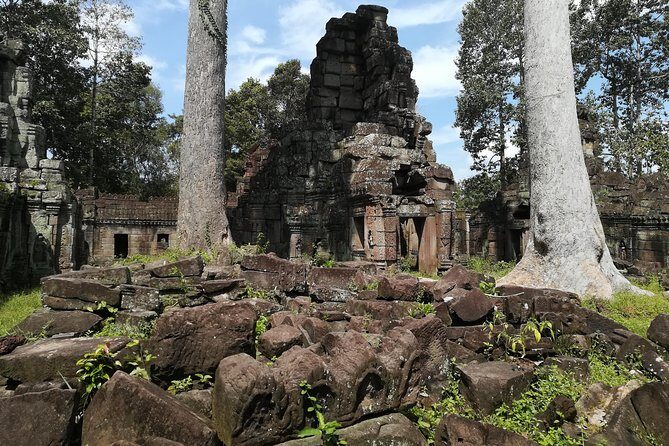
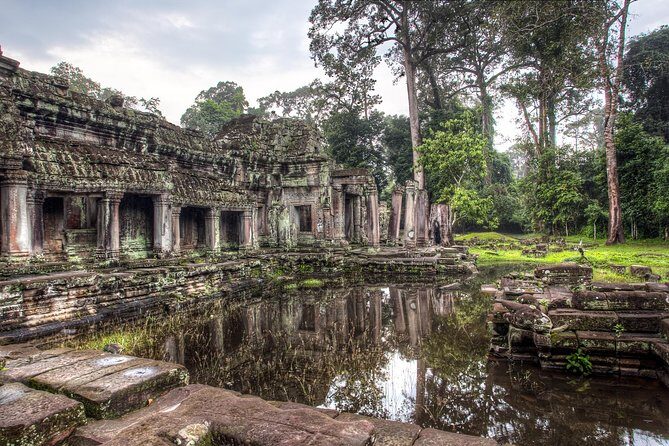
Preah Khan is described as a must-see because of how piles of stone, carvings, and nature combine. This stop is longer, which helps because temples like this reward slow scanning of carvings and edges.
If you’re the kind of person who likes to stop and stare at details, you’ll likely enjoy the length here. If you prefer only the most famous sites, you might still love Preah Khan because it balances artistry with the raw feel of the ruin.
Banteay Prei: the kind of temple you can enjoy without the noise (about 30 minutes)
You finish day 1 at Banteay Prei, and the big point is simple: you often won’t see crowds. That makes it ideal if you want a peaceful closing stop, not another rushed dash.
It’s shorter at about 30 minutes, but for a day built around quieter temples, this ending style fits perfectly.
Day 2: dawn at Angkor Wat, Ta Prohm, and the South Gate sunset
Day 2 is the blockbuster day, but the plan tries to keep it calm by structuring it around early timing. You start early so you can be at Angkor Wat before dawn.
Angkor Wat before dawn (about 4 hours)
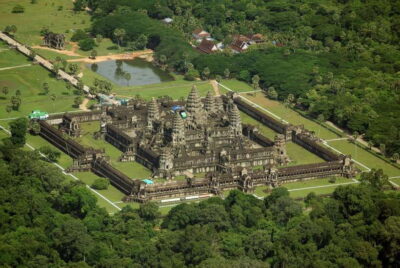
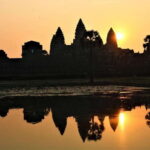
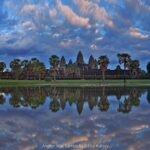
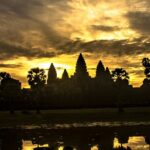
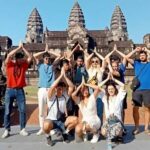
Angkor Wat is the UNESCO World Heritage-listed star, and going before dawn is the difference between fighting for a good viewing spot and actually enjoying the light change.
The tour gives you about 4 hours, which helps because sunrise is not the only moment. You’ll have time to get bearings, look at the main areas, and enjoy the atmosphere as it shifts from dark to morning.
A practical note: this is where your temple pass and your clothing need to be squared away. The dress code is strict—thighs and shoulders must be covered, or you may be refused entry.
Ta Prohm: the movie-famous frames (about 1 hour)
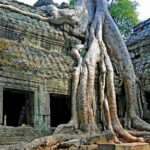
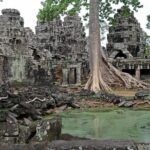
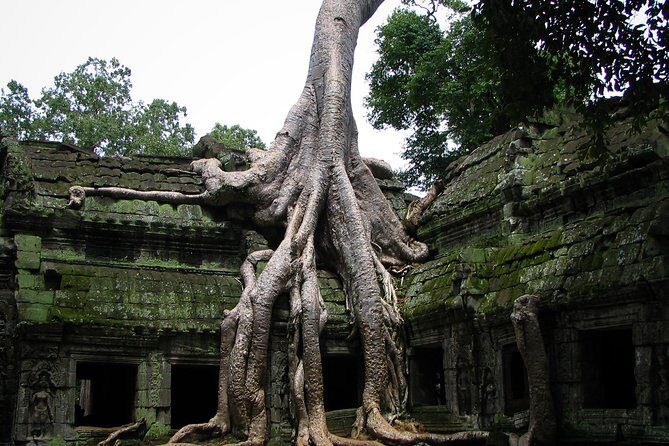
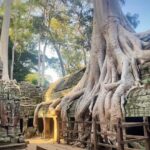
Next is Ta Prohm, strongly associated with the movie Tomb Raider. That connection brings people in, but the real value on a guided visit is that you can look beyond the pop-culture angle and see the way the temple structure and trees interact.
At about an hour, you’ll likely get a full pass: enough time for the iconic views without turning it into a long grind.
Banteay Kdei: where archaeology found Buddha statues (about 1 hour)
Then you head to Banteay Kdei, where Japanese archaeologist students reportedly found 274 pieces of Buddha statues from digging. That kind of detail helps you understand why the temple matters beyond the visuals.
This is a stop that can feel more “interpretive” with a guide. If you’re happy with history-style context, you’ll probably enjoy it more than you expect.
Angkor Thom and the South Gate sunset (about 3 hours)
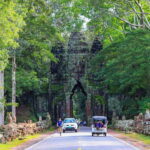
You spend the afternoon in Angkor Thom, exploring the ancient city compound and finishing with sunset at the South Gate.
A 3-hour block is ideal because Angkor Thom is not one single moment. It’s a place you need time to move through. The sunset at South Gate gives your day a clean emotional arc: morning stillness at Angkor Wat, then cinematic ruin energy at Ta Prohm, and ending with a classic city-view finish.
The guide effect: what makes a private route feel worth it
A good guide does more than talk. On a temple route, they help you notice patterns—religion, architecture, restoration choices, and the reason one viewpoint works better than another.
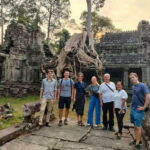
One highlight from a past guide experience: Mr Pal Chen is described as an excellent guide who was also a nice guy, with detailed history shared across stops. The key praise is that he put the day together in a way that balanced the important sights with a real effort to avoid crowds. That is exactly what you should look for in this kind of tour: someone who can keep the day moving while still giving the quieter temples their time in the spotlight.
If your guide is good, you’ll leave each temple with at least a few clear takeaways, like what a temple was dedicated to or how the site’s design fits the larger Angkor story.
Dress code, timing, and practical temple sanity
The temples here require respect. You must cover your thighs and shoulders when entering the temple complex. If you show up without the right clothing, you may be refused entrance, so don’t assume you can fix it on-site.
For timing, the itinerary is built around two important windows:
- Morning before dawn for Angkor Wat
- Late afternoon into sunset for Angkor Thom’s South Gate
That means you should treat your early start as part of the value. If you’re the type who hates getting up early, you’ll feel it more than you would on a lazier tour. But if you like the calm feel of early light and softer crowds, this schedule is a strong match.
Also remember: admission tickets are not included in the tour price, and your 3-day Angkor pass at $62 is part of the real cost of making this work. Plan so you’re not stressed on arrival.
Who this tour is best for
This itinerary is a great fit if you:
- Want a guided route with fewer crowd pressures
- Like a mix of “big names” (Angkor Wat, Ta Prohm, Angkor Thom) and quieter stops (Prasat Bat Chum, Banteay Prei)
- Prefer not to organize your own transport day by day
It’s also a strong choice for first-timers in the Angkor region, because it gives you structure. You don’t just get one highlight—you get a sense of how the sites relate to each other across two days.
If you only care about the biggest famous monuments and you don’t care about the slower stops, you might decide this is more than you need. But if you want meaning and calm, the countryside portion is where the tour earns its name.
Should you book this 2-day Angkor Wat Tranquility Tour?
I’d book it if you’re choosing between “random self-guided hopping” and “a clear, comfortable plan.” The included AC transfers, English-speaking guide, bottled water, and sunrise/sunset setup make this an easier way to do Angkor with less stress.
It’s also a good deal if you’ll actually use the pass across multiple days and you care about timing. If you’re the type who wants to arrive at Angkor Wat with the place still waking up, the early start is worth planning around.
I’d hesitate only if you’re very budget-sensitive once the pass and meals are added, or if early mornings are a hard no. Otherwise, this route gives you the highlights you came for, with a real attempt to keep the day peaceful.
FAQ
What time does the tour start?
The start time is listed as 8:00 am.
Is pickup included?
Pickup is offered, and the tour includes round-trip transfers to and from your hotel.
What’s included in the tour price?
Included items are an English-speaking guide, transportation in an AC vehicle, bottled drinking water, and sunrise and sunset.
Do I need to pay entrance fees?
Yes. Temple entrance fees are not included. The 3-day Angkor pass is listed as $62 per person.
What dress code do I need for the temples?
You must cover your thighs and shoulders when entering the temple complex. If you are not wearing the correct clothing, you may be refused entrance.
How long is the tour?
It’s listed as a 2-day tour with approximate duration. Day 1 and day 2 each include multiple stops with time estimates per temple.