Two days can change your Angkor view. What makes this outing work is the private format plus transport handled end to end, so you’re not hunting down rides between far-flung ruins. You also get a guide with you both days, which matters when the carvings and layout start to blur together.
I especially like the simple, practical touches: an easy meeting point in Siem Reap, plus cold drinking water so you can keep walking without feeling wiped out. And because it’s private, you can move at your own pace instead of getting swept along at someone else’s speed.
The one thing to plan for up front is money. The Temple Pass is not included, so you’ll want extra cash ready before you start counting steps.
In This Review
- Key Things That Make This 2-Day Ruins Route Worth It
- Why This 2-Day Angkor Wat + Koh Ker + Beng Mealea Mix Feels Balanced
- Day 1: Angkor Wat, Ta Prohm, and Bayon Inside Angkor Thom
- Angkor Wat: The Khmer World’s Big Statement
- Ta Prohm: The Jungle-Grown Look That People Can’t Stop Filming
- Bayon: The Faces of Angkor Thom
- Day 2: Koh Ker’s 7-Tier Pyramid and the Sprawling Ruins of Beng Mealea
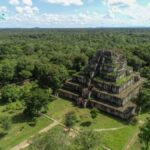
- Koh Ker: A Pyramid Temple You Won’t Confuse With the Usual Angkor Look
- Beng Mealea: Ruins Designed to Echo Angkor Wat
- Transport and Timing: The Real Value of Having It All Organized
- Price and What You Really Pay (Including Temple Pass Fees)
- Your Guide Experience: Explanations That Make the Ruins Click
- Dress Code and Comfort Tips That Prevent Annoying Stops
- Who This Tour Suits Best
- Should You Book This 2-Day Angkor Wat + Koh Ker + Beng Mealea Tour?
- FAQ
- What’s included in the 2-day tour price?
- Do I need to pay a Temple Pass?
- What’s the dress code for visiting temples?
- How long is the tour?
- Is this tour private?
- What’s the cancellation option if plans change?
Key Things That Make This 2-Day Ruins Route Worth It
- Cold drinking water included to keep you moving in the heat
- Easy meeting point in Siem Reap so you spend less time guessing and more time exploring
- Guide stays with you both days, with explanations you can actually use
- Koh Ker stays quieter, since it’s in dense jungle and gets fewer crowds
- You’ll cover big, very different sites in just 2 days: Angkor’s icons plus lesser-seen ruins
Why This 2-Day Angkor Wat + Koh Ker + Beng Mealea Mix Feels Balanced
Angkor is often sold as one place. This tour gets you past that mental shortcut. You start with the grand, famous monuments that most people dream about, then you shift into temples that feel more remote and more personal. That change of scenery is the secret sauce.
On Day 1, you’ll see the core Angkor Archaeological Park highlights in a logical flow: Angkor Wat, then Ta Prohm (the one with jungle-grown walls), then Bayon inside Angkor Thom. Day 2 flips the mood with Koh Ker, a striking pyramid style that doesn’t look like the typical Angkor look, and then Beng Mealea, where ruined temple blocks and corridors sprawl across a wider site than you might expect.
Two things make this format practical for you. First, the transport is organized the whole way, so you’re not stressed about booking motorcycles or taxis between distant points. Second, you’re private, so you can pause for photos, ask questions, or slow down when the light turns good.
You can also read our reviews of more tours and experiences in Siem Reap
Day 1: Angkor Wat, Ta Prohm, and Bayon Inside Angkor Thom
Day 1 is the “main stage” of the Angkor experience, but it’s not just sightseeing. With a guide at your side, you’ll understand why each stop hits differently and what you’re actually looking at.
Angkor Wat: The Khmer World’s Big Statement
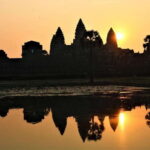
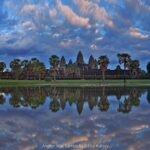
Angkor Wat is the reason many people come to Siem Reap. It’s the largest temple built during the Khmer empire and it draws well over 2 million visitors per year. That sounds overwhelming, but the guide context helps you see past the crowd motion.
You’ll visit Angkor Wat as the start of the tour, and that timing matters because it sets your baseline. Once you’ve mentally mapped the main shapes and symbolism here, Ta Prohm and Bayon won’t feel like random stops. They’ll start to read like chapters of the same story.
Ta Prohm: The Jungle-Grown Look That People Can’t Stop Filming
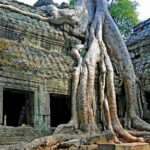
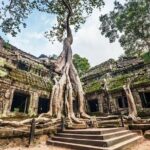
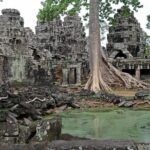
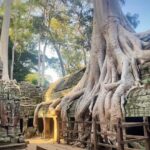
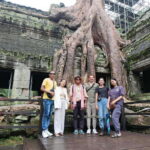
Next is Ta Prohm, often called the Tomb Raider temple because it was used as a movie set starring Angelina Jolie. The key thing here is not the pop-culture connection. It’s the way the temple was left to the elements and the jungle began working its way through the structures.
You’ll get to walk around those partially swallowed walls and roots, and this is where a guide’s explanations pay off. When you understand how the site’s layout works, the vegetation doesn’t feel like just a photo backdrop. It becomes part of the ruin’s personality.
A practical note: Ta Prohm can be physically tiring because the ground can be uneven and the shade is spotty. Since the tour includes cold water, you’re in a better position to keep going instead of burning out early.
Bayon: The Faces of Angkor Thom
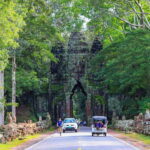
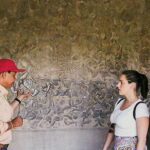
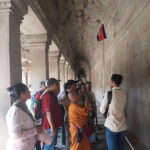
Day 1 ends with Bayon Temple, located right in Angkor Thom, the ancient walled city that was the Khmer Empire’s center for centuries. Bayon is famous for the carved faces adorning many towers. You’ll hear the idea that those faces represent the king or gods, looking down toward the people below.
This is a stop where going slow helps. If you rush, you miss the repeating patterns in the carvings and the way the faces seem to follow you as you move through the area. The tour’s private pace helps here, because you’re not forced to match a group’s timing.
Day 2: Koh Ker’s 7-Tier Pyramid and the Sprawling Ruins of Beng Mealea
Day 2 feels like a reward after Day 1. You’re still in Khmer-era territory, but the temples feel less synchronized with mass tourism and more like discoveries.
Koh Ker: A Pyramid Temple You Won’t Confuse With the Usual Angkor Look
Koh Ker is described as a 7-tiered pyramid-style temple. It also looks different from other Khmer temple styles, and some experts even suggest the Khmer may have had outside assistance. I treat that claim as speculation, not a fact. But as a conversation starter, it works. The structure itself really does feel odd compared to what you expect.
You’ll spend a few hours exploring the pyramid and the surrounding area. The site is in dense jungle, and the big advantage is that you don’t get the same level of crowding you’ll see in the most famous Angkor hubs. That means you can walk, take in views, and let the scale hit without shoulder-to-shoulder pressure.
This quieter setting is one of the most valuable parts of the whole tour for you. It turns the ruins from a checklist item into a place you actually notice.
Beng Mealea: Ruins Designed to Echo Angkor Wat
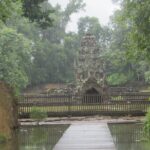
Beng Mealea once sat on an ancient highway connected the main Angkor temples to Preah Khan. Today, you’ll see extensive ruins, and the layout was designed to look exactly like Angkor Wat. That’s a fun twist: a temple that’s familiar in concept, but different in how it’s broken and spread out.
It’s a large temple site, though it’s still much smaller than Angkor Wat in global fame and sheer tourist gravity. In practice, it means you can spend time moving through the broken corridors without feeling rushed out of the experience.
The best way to enjoy Beng Mealea is to slow down and look at how the stonework sits in place—or doesn’t. Because the site is in ruins, the design is clearer when you’re not rushing toward the next landmark.
Transport and Timing: The Real Value of Having It All Organized
In Siem Reap, you can absolutely piece together temple days on your own. But the pain point is travel time and coordination. This tour’s biggest “behind the scenes” win is that transport is organized for the whole 2 days and there’s a guide with you the entire time.
That matters for two reasons:
- You don’t lose energy negotiating rides or worrying about where to meet.
- You spend more time in the temples and less time in between them.
You also get a “private tour” structure, meaning it’s only your group. That makes it easier to keep a steady pace. If you want extra minutes for a photo, a quick question, or a breather in the shade, you’re not stuck waiting for other people.
And yes, it’s still a group-tour price point. The tour includes suitable transport for your group size and a guide who keeps things moving with explanations at each site.
Price and What You Really Pay (Including Temple Pass Fees)
At $147.44 per person, this tour isn’t just paying for a driver. You’re paying for guide time across both days, organized transport, and the convenience of a Mobile ticket. You’re also getting the “do the most important stops” structure without having to build your own route.
But here’s the thing you should budget for: Temple Pass fees are not included. The tour data lists:
- Angkor area temple pass: $37 per person (1-day)
- Koh Ker: $10 per person
- Beng Mealea: $5 per person
So, in practical terms, you should expect extra costs on top of the tour fee. The good news is you can plan for them now, and the tour specifically encourages you to bring extra cash for the Temple Pass.
If you’re comparing value, do it like this: you’re paying a set amount for two days of guided, organized temple time, then adding the temple fees that keep the sites open. For many first-timers, that ends up feeling cleaner than trying to manage everything separately.
Also, this tour is often booked ahead (around 42 days on average). If you want a specific date or fewer compromises, booking earlier is a smart move.
Your Guide Experience: Explanations That Make the Ruins Click
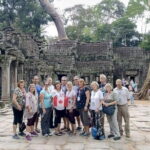
One of the strongest parts of this tour is the way the guide explains what you’re seeing. The standout theme from prior participants is that the guide brought in-depth explanations at each site and showed real curiosity about what we don’t fully know from the past.
That style is what helps Angkor go from impressive to understandable. When someone points out why certain features repeat, what the architecture suggests, or how the site fits into the Khmer world, you start noticing patterns on your own.
There’s also a small but important detail: the tour includes cold drinking water, which is often overlooked until you’re stuck walking in the heat. It makes your guide’s explanations easier to enjoy because you’re not focused on thirst or fatigue.
One caution: there was at least one instance of a communication hiccup that led to a late start (involving someone named Sam and Viator). The point for you is simple: if your schedule is tight, double-check your confirmation details early and be ready to be flexible. Once things got going, the experience was reported as amazing and strongly guided.
Dress Code and Comfort Tips That Prevent Annoying Stops
Temple visits in Cambodia come with dress expectations. For this tour, you need to cover shoulders and knees to enter temples. You don’t want to discover that at the gate.
Also think about comfort in a very real way. You’ll be outside for long stretches, walking over uneven surfaces, and moving through sun and shade. Since the tour provides water, you can focus on:
- Wearing breathable clothes that still meet the dress code
- Bringing lightweight layers in case it gets windy or cooler in the evening
- Planning to take breaks when your body asks for them, not when the schedule forces you
And because this is private, you can usually adjust your pacing without the awkward feeling of holding up a big group.
Who This Tour Suits Best
This is a strong match if you:
- Want the famous Angkor temples and want to avoid ending with only the big-name circuit
- Prefer having a guide explain the sites instead of reading signs you barely get time to study
- Like quieter ruins, especially for Koh Ker where the jungle setting means fewer crowds
- Want to skip the hassle of arranging transport across multiple distant locations
It also works well for people who want a steady plan but don’t want to feel rushed. The tour is designed for your group to go at your own pace, with the guide walking beside you both days.
Should You Book This 2-Day Angkor Wat + Koh Ker + Beng Mealea Tour?
I’d book it if you want a clean, guided route that covers the big icons and still gives you two days of variety. The value comes from organized transport, a guide for both days, and the chance to trade crowds for quieter exploration at Koh Ker.
I’d think twice only if you hate temple pass logistics or you’re traveling without extra cash. Since temple fees are not included, you’ll want to plan that part early. If you do, the tour becomes a straightforward way to see a lot of Cambodia’s most memorable ruins without turning your day into a transport puzzle.
If you want one practical way to decide: add the listed temple pass costs to the tour price in your budget. Once you see the full total, it’s easier to judge whether paying for guidance and transport is worth it for your style of travel.
FAQ
What’s included in the 2-day tour price?
The tour includes a guide, cold drinking water, and transport suitable for your group size. Food and drinks are not included.
Do I need to pay a Temple Pass?
Yes. Temple Pass fees are not included. The tour lists $37 for an Angkor area 1-day pass, plus $10 for Koh Ker and $5 for Beng Mealea.
What’s the dress code for visiting temples?
You must cover your shoulders and knees to enter the temples.
How long is the tour?
It runs for 2 days (approximately).
Is this tour private?
Yes. It’s a private tour/activity, so only your group participates.
What’s the cancellation option if plans change?
You can cancel for a full refund if you cancel at least 24 hours before the experience’s start time. Free cancellation is available.