REVIEW · SIEM REAP
2-Day Angkor Wat, Banteay Srei & Floating Village Kampong Pluk
Book on Viator →Operated by Happy Angkor Tour · Bookable on Viator
Angkor is best when you can keep moving. This two-day plan links sunrise moments, the big-name temples, and Tonle Sap life into one smooth rhythm.
What I like most is the balance: you get the iconic Angkor Wat start, then a classic Angkor Thom day with big “wow” structures like Bayon, plus the calmer Ta Nei detour. The second big win is the Kampong Pluk floating village stop with a private boat ride, which adds real-world Cambodia beyond stone ruins. One consideration: the schedule is tight and the day ends with a climb up Phnom Bakheng for sunset, so it’s not ideal if you hate steep steps.
In This Review
- Key highlights before you go
- Price and what’s actually included in the $166 rate
- Day 1: From Angkor Wat to the Angkor Thom highlights
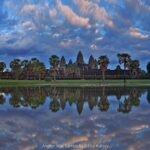
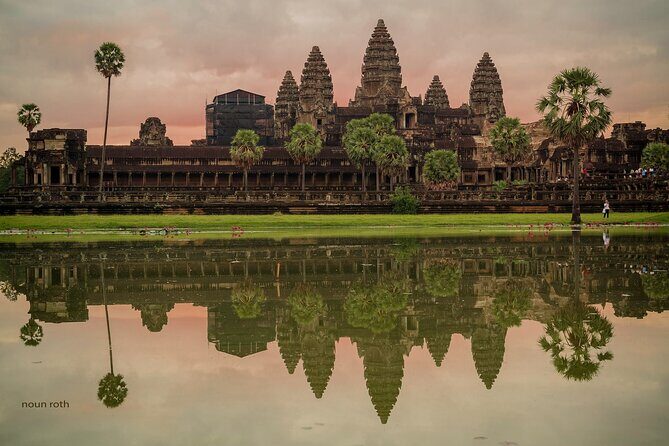
- Angkor Wat: the big religious monument start
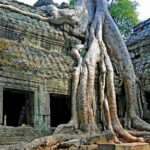
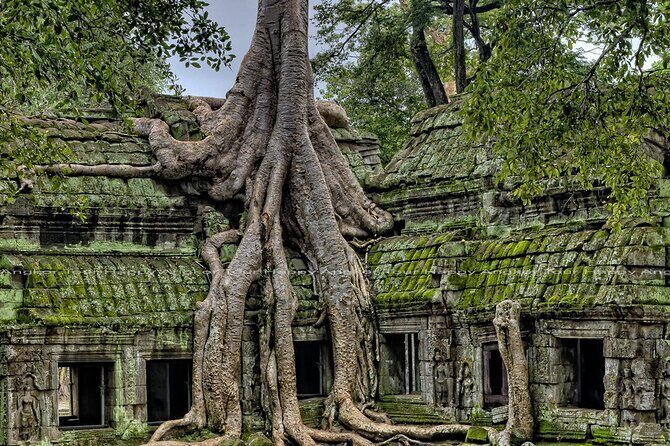
- Ta Prohm: Tomb Raider roots and the jungle effect
- Ta Nei: a calmer break inside the park
- Angkor Thom east side: Victory Gate to Bayon’s faces
- Baphuon and Phimeanakas: older layers and royal spaces
- Terrace of the Elephants and the Leper King: storytelling in stone
- Phimeanakas area add-on: Preah Palilay
- Day 1 finish: Phnom Bakheng sunset and the step-count reality
- Day 2: Angkor Wat sunrise, then Tonle Sap at Kampong Pluk
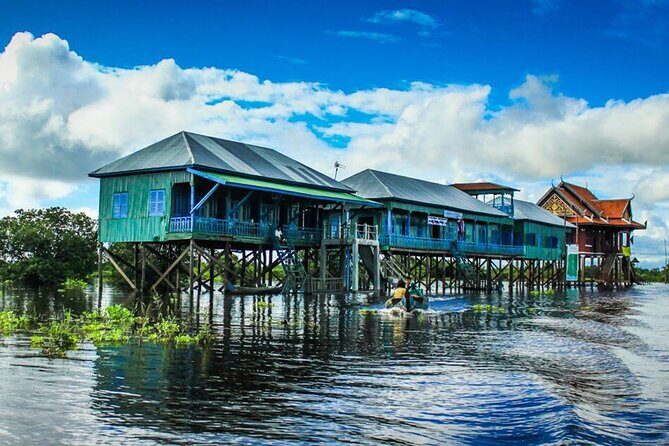
- Kampong Pluk floating village: private boat ride on Tonle Sap
- Day 2 afternoon: Banteay Srei and the pink-sandstone contrast
- Banteay Samre: Angkor-style architecture in a smaller package
- Pre Rup: a late 10th-century Hindu temple visit
- Banteay Kdei: Ta Prohm/Bayon-style similarities
- Guides, drivers, and why this tour feels smoother than DIY
- What to know before you book (so you enjoy it more)
- Who this tour suits best
- Should you book this 2-day Angkor Wat, Banteay Srei, and Kampong Pluk tour?
- FAQ
- How long is the tour?
- Is hotel pickup and drop-off included?
- What does the $166 per person price include?
- What admissions are not included?
- Is lunch included?
- What time is the Angkor Wat sunrise on Day 2?
- What are the main stops on Day 1?
- What are the main stops on Day 2?
- Is this a private tour?
- Can I cancel for a full refund?
Key highlights before you go
- Angkor Wat sunrise twice: Day 2 starts at 5:00am for sunrise, while Day 1 also works in the morning tempo.
- Tree-root Ta Prohm: a full stop built around the famous Tomb Raider look.
- Angkor Thom core sites: Victory Gate, Bayon’s faces, Baphuon, and the Terrace of the Elephants/Leper King.
- Kampong Pluk by private boat: you ride through stilt houses on Tonle Sap Lake.
- Pink-sandstone Banteay Srei: the “jewelry of Angkor” stop uses rare material and 10th-century Hindu design.
Price and what’s actually included in the $166 rate
On paper, the tour is $166 per person for two days. That base price covers a lot of the heavy lifting: hotel pickup and drop-off, English license guide, and an A/C vehicle with driver (plus water, towels, and parking/road tolls).
Two costs sit outside that $166 and you should plan for them:
- Angkor + All Temples pass: $62 per person
- Kampong Pluk floating village ticket + private boat ride: $20 per person
- Lunch: depends on the menu, about $5 per person
In other words, a realistic “all-in” budget is usually around $248–$255 per person, assuming the included lunch cost matches the listed estimate. For Angkor, that’s typically how value works: you’re paying for time, logistics, and the guide who keeps you on the right route early (and at the right moments) instead of spending your day hunting down tickets and crosswalks.
The other practical detail: the tour offers mobile ticket and pickup, which matters when you’re trying to start at 5:00am without fuss.
You can also read our reviews of more tours and experiences in Siem Reap
Day 1: From Angkor Wat to the Angkor Thom highlights
Day 1 starts with pickup around 8:00am, then you’re taken to pick up temple passes along the way before entering the main temple complex. The pace is “see a lot, but not randomly.” Each stop has a clear purpose, and you’re not stuck staring at the same wall for an hour waiting for someone to catch up.
Angkor Wat: the big religious monument start
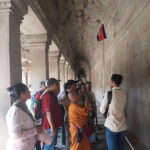
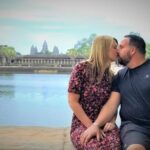
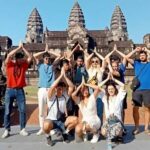
You’ll get about two hours at Angkor Wat. This is the anchor of the trip: huge scale, strong symmetry, and that mix of Hindu roots and later Buddhist influence you’ll keep seeing across the park. The guide’s job here isn’t just pointing out towers—it’s helping you read the temple layout so it doesn’t feel like one long viewpoint run.
A small detail that can make a difference: because passes are handled before you start, you’re less likely to waste your first morning waiting.
Ta Prohm: Tomb Raider roots and the jungle effect
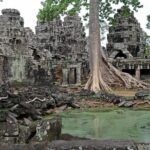
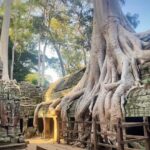
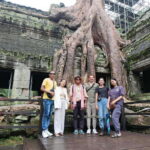
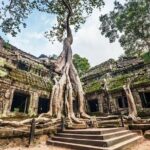
Next is Ta Prohm for around two hours. This is the “giant tree roots over the temple” spot—famous because nature actually takes over in a way that looks staged, even though it isn’t. You’ll likely slow down here because the best photos come from small angles: root textures, doorway frames, and the way the light hits stone.
One possible drawback: Ta Prohm is one of the most photographed temples, so you’ll want to stay flexible with timing. The tour does keep you moving, but you still feel how popular this stop is.
Ta Nei: a calmer break inside the park
Then comes Ta Nei, about 45 minutes. It’s described as smaller and less restored, and that’s the point. Instead of chasing only the headline scenes, you get a woodland-feeling detour with big trees around the temple. If you’re tired of crowds and restoration work, this is a nice relief stop that still feels very “Angkor.”
Angkor Thom east side: Victory Gate to Bayon’s faces
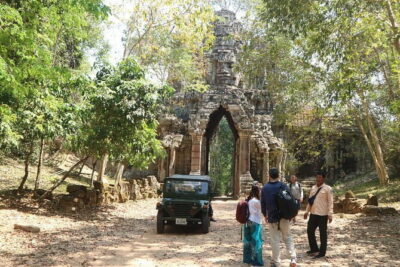
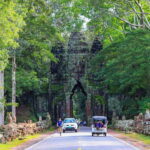
After lunch (timing depends on the day’s movement), you head into Angkor Thom territory. First you stop at the Victory Gate on the east side for a quick photo window. This is one of those places where a 10–15 minute stop feels short, but it’s exactly long enough to grab the classic framing before you move on.
Next is Bayon, about 45 minutes. Bayon’s famous for the 49 towers, each with four faces—196 faces in total. The guide’s explanation helps a lot here because it changes how you walk: you start “reading” the temple from different angles instead of just circling and hoping you’ll stumble onto the best view.
Baphuon and Phimeanakas: older layers and royal spaces
You then visit Baphuon (~45 minutes). It’s a Hindu temple built before Angkor Wat in the 11th century, and the reclining Buddha behind it was built in the 16th century. That time gap matters. You’ll see how Angkor changed over centuries, not just once.
Nearby are royal-enclosure areas, starting with Phimeanakas (~20 minutes). It’s a pyramid Hindu temple built in the 10th century and located in the center of the old Royal Palace of Angkor Thom. Even without deep technical archaeology, the payoff is simple: you get a sense of how the rulers’ space was designed for power and ceremony.
Terrace of the Elephants and the Leper King: storytelling in stone
Two quick, tightly placed stops make this section memorable:
- Terrace of the Elephants (~15 minutes) with elephant carvings and a platform used by kings to view victorious returning armies
- Terrace of the Leper King (~15 minutes) on the north side, another nearby platform
These are short stops, but they’re “high information” stops. The architecture feels like it’s doing a job—showing authority, celebrating success, and preserving stories through carvings.
Phimeanakas area add-on: Preah Palilay
You’ll also see Preah Palilay (~10 minutes), a small Buddhist sanctuary in a wooded area north of the Royal palace. It’s brief, but it breaks up the day with something smaller and quieter.
Day 1 finish: Phnom Bakheng sunset and the step-count reality
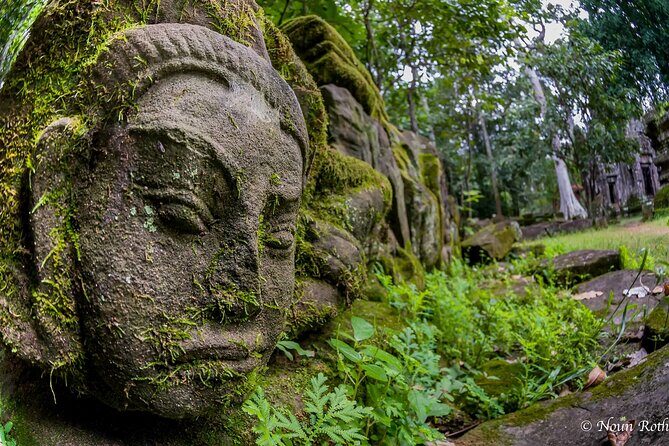
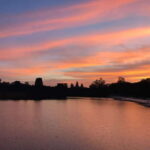
The last stop on Day 1 is Phnom Bakheng (around two hours). The goal is sunset, and you climb up to reach the viewpoint.
If you want sunset, plan for patience and footwork. The tour notes you can skip waiting for sunset if you’d rather not stand around for the light to change. That flexibility is worth knowing. Even if you don’t wait for the last minute, the climb itself often delivers a “park-wide” perspective.
This is also the part of the trip where energy management matters most. Angkor days can stack up fast: start early, walk between temples, then climb again at the end. If you’re traveling with anyone who doesn’t handle stairs well, this is the stop to discuss in advance.
Day 2: Angkor Wat sunrise, then Tonle Sap at Kampong Pluk
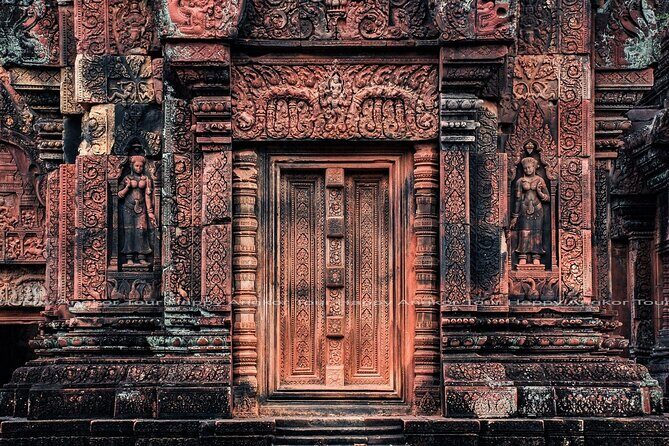
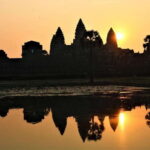
Day 2 begins early: pickup is around 5:00am for sunrise at Angkor Wat. The tour allocates about 1 hour 45 minutes for the sunrise window and the return.
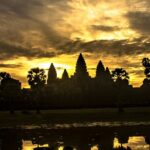
Starting this early changes everything. Angkor Wat isn’t just impressive—it feels different when the light is low and you’re not dealing with the busiest daytime flow. You’ll often notice more stone texture and shadow depth. The guide’s timing helps you see the moment instead of missing it.
Kampong Pluk floating village: private boat ride on Tonle Sap
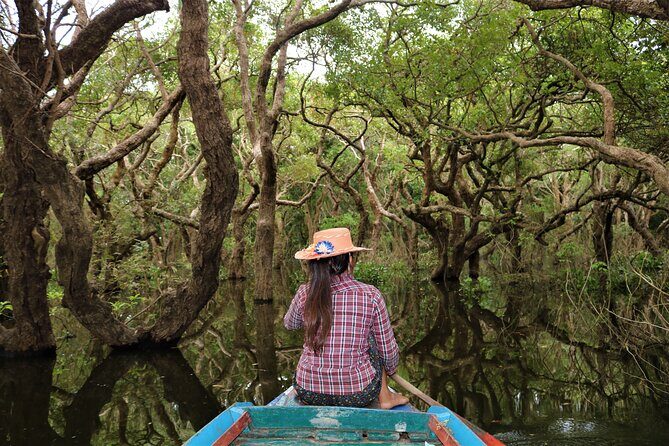
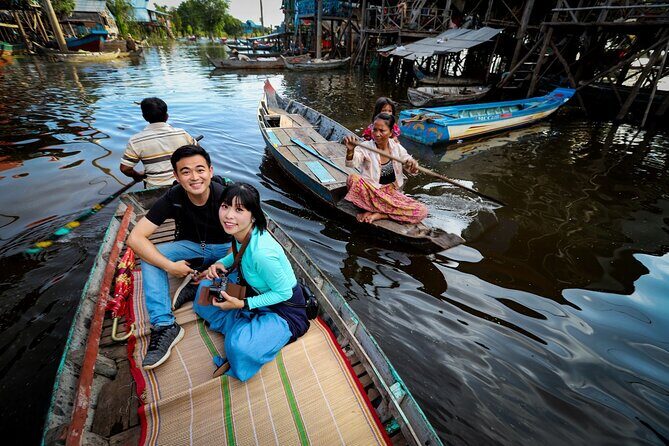
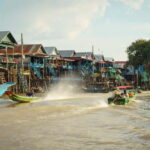
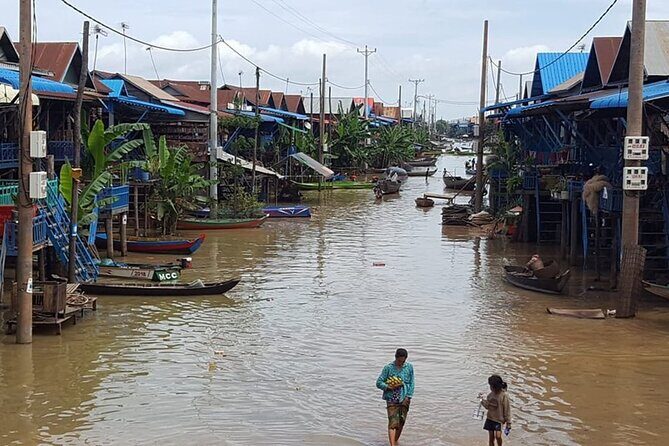
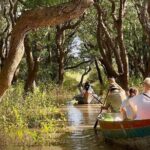
After sunrise and breakfast, the tour heads to Kampong Pluk floating village on Tonle Sap Lake for about four hours. The key feature here is the private boat ride through the stilt houses of fishing villages.
This is where your trip turns from monument-focused to life-focused. Even with a short timeframe, you’re seeing a working landscape tied to the seasons of Tonle Sap. It helps you understand that Angkor isn’t the only “Cambodian story” worth seeing—Cambodia is also water-based daily life.
One practical note: because this part is a ticketed activity ($20 per person on top of the base price), you’ll want to budget it rather than expect it to be included.
Day 2 afternoon: Banteay Srei and the pink-sandstone contrast
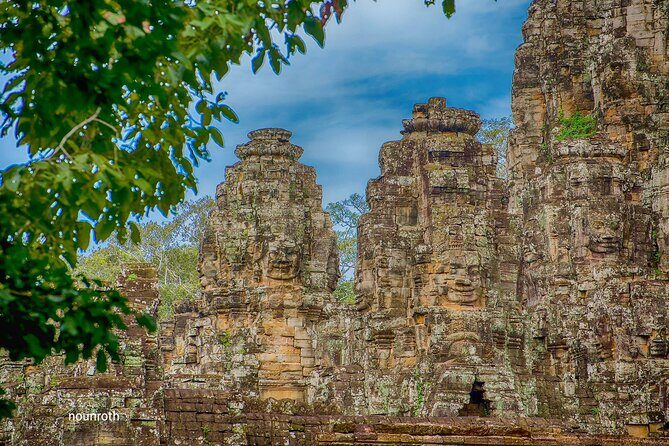
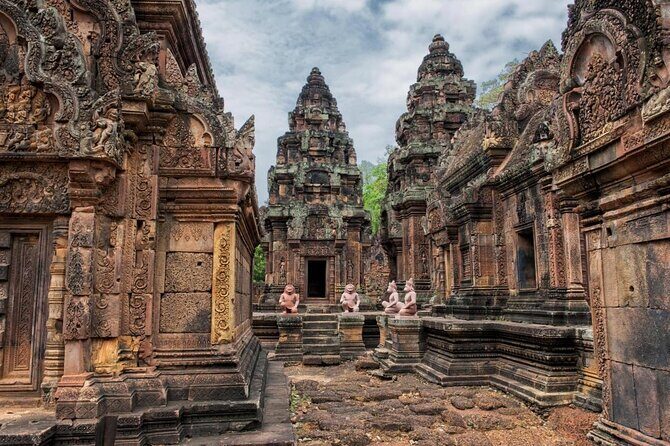
The afternoon focuses on smaller but striking temples, starting with Banteay Srei (~1 hour). This is known as the Ladies Temple, made from rare pink sandstone, and built in the half of the 10th century by Hindu King Rajendravarman II for the trinity gods.
The material is the point. Pink sandstone makes colors shift with daylight, and it tends to feel more delicate than the larger dark-stone monuments. It’s also an “Angkor detail” temple: you may find yourself pausing more often to look at carving patterns instead of only taking skyline views.
Banteay Samre: Angkor-style architecture in a smaller package
Next is Banteay Samre (~45 minutes). It’s a Hindu temple built in the 12th century, and while the architectures don’t show obvious signals, it’s believed to be modeled similarly to Angkor Wat. This makes it a good follow-up after Banteay Srei because it shows how styles spread and shift across time.
Pre Rup: a late 10th-century Hindu temple visit
You’ll visit Pre Rup (~30 minutes), constructed in the late 10th century and dedicated to Hindu gods. The description also ties it to Cambodian belief about funerals being conducted at temples farther away, adding a cultural layer to what might otherwise feel like another mound-and-view stop.
Banteay Kdei: Ta Prohm/Bayon-style similarities
Finally, Banteay Kdei (~45 minutes) rounds out Day 2. It’s a Buddhist temple from the 12th century, and the structures are said to have a similar style to Ta Prohm and Bayon. That means you finish with a temple that echoes the day’s earlier themes: stone, guardians, and a sense of layered religious use.
Guides, drivers, and why this tour feels smoother than DIY
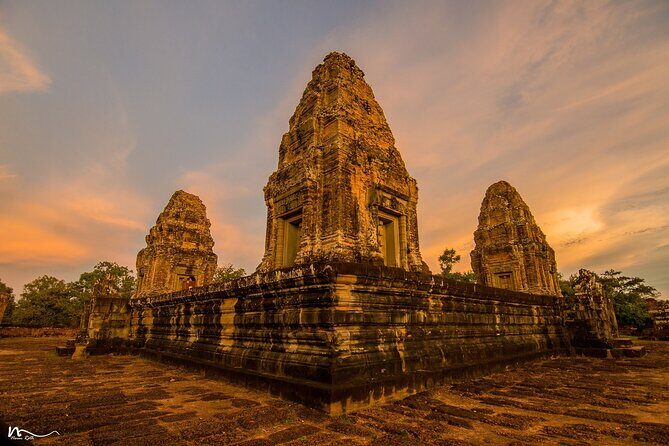
This is a private tour, meaning you’re not squeezed into a mixed group schedule. Only your group participates, and that matters early—especially with 5:00am pickup.
You may be matched with guides like Bun, Vanna, Lonn, or Chhay (the tour has multiple guides), and drivers such as Sreang, Path, Dat, or Lis. People also credit some guides for strong photo help and for explaining temples in a way that makes the walking route feel logical, not like a checklist.
There’s also a practical “comfort” factor: A/C vehicle with a driver plus water and towels gives you a buffer between long stone walks and hotter hours.
What to know before you book (so you enjoy it more)
This tour is built for people who want structure. You’ll hit a lot of temples without needing to plan daily routes, but you should understand that you’re committing to a full schedule for two straight days.
Here are the tradeoffs to consider:
- If you’re sensitive to early mornings, the 5:00am Angkor Wat sunrise on Day 2 is the big one.
- If stairs and climbing stress you out, Phnom Bakheng at sunset on Day 1 is the stop to watch.
- If you want lots of free time to wander alone, this itinerary is more guided-and-paced than open-ended.
Who this tour suits best
This is a great fit if you want:
- A guided route across major Angkor sites without juggling tickets and timing
- The classic highlights (Angkor Wat, Ta Prohm, Bayon, terraces) plus the more off-beat Ta Nei
- A real-world add-on with Kampong Pluk and a private boat ride
It’s less ideal if you prefer slow travel, minimal driving, or you absolutely hate sunrise trips.
Should you book this 2-day Angkor Wat, Banteay Srei, and Kampong Pluk tour?
Yes, if you want a high-value, well-paced plan that covers the core of Angkor and still gives you a distinct second-day moment on Tonle Sap. The price isn’t just “for temples”—it’s for the transportation, guide guidance, and the sunrise timing that’s hard to DIY.
Book it with a clear budget in mind (base $166 plus temple pass, floating village boat ticket, and lunch). If that works for you, you’re choosing the kind of trip where each day has a strong “why,” from sunrise light over Angkor Wat to stilt houses floating over Tonle Sap.
FAQ
How long is the tour?
It runs for about 2 days.
Is hotel pickup and drop-off included?
Yes. The tour includes hotel pickup and drop-off.
What does the $166 per person price include?
The base price includes pickup/drop-off, cool drinking water and towels, parking fees and road tolls, an English license guide, and an A/C vehicle with driver.
What admissions are not included?
The tour lists admissions not included for the Angkor + All Temples pass ($62 per person) and the Tonle Sap Lake/Floating Village ticket with private boat ride ($20 per person).
Is lunch included?
Lunch is not included in the base price. The listed lunch cost depends on the menu and is about $5 per person.
What time is the Angkor Wat sunrise on Day 2?
Pickup is at 5:00am for sunrise at Angkor Wat on Day 2.
What are the main stops on Day 1?
Day 1 includes Angkor Wat, Ta Prohm, Ta Nei, Victory Gate, Bayon, Baphuon, Phimeanakas, Terrace of the Elephants, Terrace of the Leper King, Preah Palilay, and Phnom Bakheng.
What are the main stops on Day 2?
Day 2 includes Angkor Wat sunrise, Kampong Pluk floating village (with private boat ride), then Banteay Srei, Banteay Samre, Pre Rup, and Banteay Kdei.
Is this a private tour?
Yes. It’s described as a private tour/activity, and only your group participates.
Can I cancel for a full refund?
Yes, you can cancel for a full refund if you cancel at least 24 hours in advance of the experience start time. Free cancellation is listed, with the cut-off based on local time.