Angkor at sunrise hits different, and this 3-day plan strings together the big names with less-frequent stops. I like that you get door-to-door A/C pickup and drop-off in Siem Reap, so you spend less time figuring out transport and more time looking up at carved stone. The itinerary also sets you up for Angkor Wat sunrise plus a Pre Rup sunset, which is a smart way to match the light with the temples.
My favorite part is the people factor. When the guide is strong, you stop seeing random carvings and start noticing meaning and stories in the stone, and the tour’s guides really lean into that. In past trips, guides such as Young and Makara have been praised for being professional, kind, and even fun, with Makara also helping people get great photos.
One thing to consider: the tour price does not include entry fees, and temple passes are required. You’ll also be up early—especially for the 5:00 am sunrise start—so if you’re not a morning person, plan for it.
In This Review
- Quick hits before you go
- Why a private 3-day loop works around Siem Reap
- Day 1: South Gate of Angkor Thom, Bayon faces, then Angkor Wat sunset
- Angkor Thom and Bayon’s story in stone
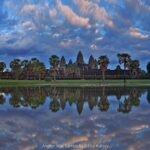
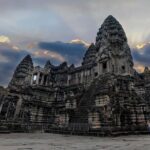
- Angkor Wat in the afternoon light
- Day 1 reality check
- Day 2: Phnom Kulen first, then Banteay Srei and Tonlé Sap life
- Phnom Kulen: waterfall, the river of 1000 lingas, and a big reclining Buddha
- Lunch, then Banteay Srei’s pink sandstone detail
- Tonlé Sap: floating village and floating market
- Day 3: 5:00 am Angkor Wat sunrise, Ta Prohm, Preah Khan, Neak Poan, Pre Rup
- Breakfast and the calm after sunrise
- Ta Prohm before the biggest crowds
- Preah Khan, Neak Poan, and Ta Som: a route through royal and sacred water
- Pre Rup finishes the day
- Price and ticket math: what $171.50 really means
- Timing and transport: where the itinerary helps you
- Guide quality: what you gain beyond photos
- Floating village on Tonlé Sap: a different kind of Cambodia
- What to wear at Angkor (and how to avoid problems)
- Is this tour for you?
- FAQ
- What’s included in the tour price?
- Are entrance fees included?
- Do I need to buy a temple ticket?
- Is lunch included?
- What time does the tour start on day 1?
- What time is the Angkor Wat sunrise on day 3?
- Is this a private tour?
- Can I cancel for a full refund?
- Should you book this Siem Reap Temple and Waterfall Tour
Quick hits before you go
- Door-to-door A/C transport in Siem Reap means fewer logistics headaches
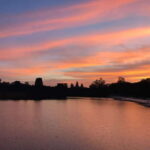
- Angkor Wat sunrise plus a Pre Rup sunset for golden-hour temple time
- Phnom Kulen waterfall + reclining Buddha gives you a break from only Angkor ruins
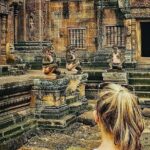
- Banteay Srei pink sandstone adds variety and fine Khmer detail
- Tonlé Sap floating village and market shifts the vibe toward everyday life
Why a private 3-day loop works around Siem Reap
Siem Reap’s temples aren’t all close together, and public transport is not really the answer if you want an efficient route. This is a private tour, so you’re not stuck waiting for other groups or losing time to last-minute juggling. You get pickup and drop-off within Siem Reap, plus an A/C car/van/minibus and cool water and towels to keep you going in the heat.
Three days is a sweet spot. It’s enough time to see major sites like Angkor Wat and Angkor Thom without turning the trip into a hurried checklist. At the same time, it leaves room for the “why” of each location—how temples relate to Khmer kings, religion, and daily life.
You should also know this tour is private for your group. Even with group discounts mentioned, it’s still your guide and your pace, which matters a lot at Angkor where timing can make or break the experience.
You can also read our reviews of more tours and experiences in Siem Reap
Day 1: South Gate of Angkor Thom, Bayon faces, then Angkor Wat sunset
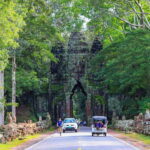
Your first morning starts at 8:00 am, and it begins at the South Gate of Angkor Thom. That sets the tone fast: Angkor Thom feels like a city you step into, not just a ruin you pass by. The plan then moves through key temples inside the city walls.
Angkor Thom and Bayon’s story in stone
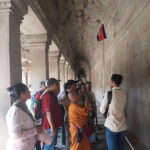
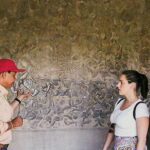
The big stop is Prasat Bayon, often recognized by its many smiling faces. This is a Buddhist state temple built in the late 12th century, linked to Avalokiteshvara, and the carvings are where your guide earns their keep. You’ll also learn how the reliefs show scenes of daily life and conflict—especially war history tied to the Champa Kingdom.
After Bayon, the route includes:
- Prasat Baphoun: the rainbow bridge leads you onward, and the temple is known for its pyramid shape.
- Prasat Pimeanakas: located next to the Royal swimming pool.
Between major temple moments, there’s a lunch break in Angkor Park, with a chance to rest before the afternoon shift.
Angkor Wat in the afternoon light
The afternoon turns to Angkor Wat, the world-famous religious monument. You’ll have time to see the main site after it cools down from the hottest part of the day.
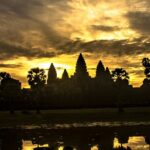
Then comes the lighting win. The tour ends with a sunset viewpoint at either Phnom Bakheng or Pre Rup (based on the plan for that day). If you care about photo timing and want the view to feel earned, this is exactly the kind of scheduling you hope for.
Day 1 reality check
You’ll cover a lot of ground, but the advantage is that your guide manages transitions. The only “you problem” is staying hydrated and being dressed correctly—Cambodian temple rules are real, and you’ll feel it if you show up in the wrong outfit.
Day 2: Phnom Kulen first, then Banteay Srei and Tonlé Sap life
Day 2 also starts at 8:00 am, but the focus shifts from Angkor city temples to Khmer origins and nature.
Phnom Kulen: waterfall, the river of 1000 lingas, and a big reclining Buddha
Your day begins with Kulen Waterfall. Before you even get there, you’ll pass by Khmer people going about daily life along the way. That matters because it keeps the trip from feeling like a “temples-only bubble.”
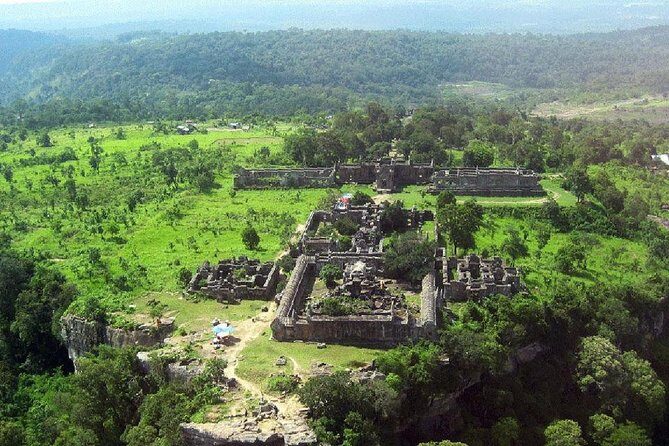
Once you arrive, Phnom Kulen is described as the first main shrine and city connected to the birth of the Khmer empire. The highlights include:
- a waterfall
- the River of 1000 Lingas
- a large reclining Buddha image
This is a nice break from the flat, carved-stone intensity of Angkor. It also gives your legs a different kind of sightseeing than walking temple baselines for hours.
Lunch, then Banteay Srei’s pink sandstone detail
After lunch and time to relax, the afternoon is for Prasat Banteay Srei. This is the “jewelry of Khmer arts” type of stop—small-scale but celebrated for intricate Khmer-style detail. The temple is built from pink sandstone, which helps it feel visually different from the darker stone of many Angkor structures.
Because it’s lower and smaller compared with some other sites, it can feel more intimate. That’s good if you like craft and detail more than sheer size.
Tonlé Sap: floating village and floating market
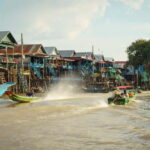
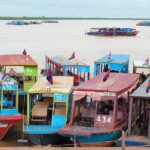
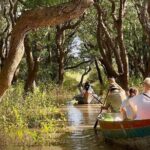
The day finishes at Tonlé Sap, where you’ll see a floating village and floating market. This isn’t about temple grandeur. It’s about how the lake shapes daily life, and it’s the kind of stop that breaks up the intensity of three straight days of ruins.
It’s also a moment to reset your senses. When you step from temple stone to water-life routines, you’ll feel the trip become more balanced.
Day 3: 5:00 am Angkor Wat sunrise, Ta Prohm, Preah Khan, Neak Poan, Pre Rup
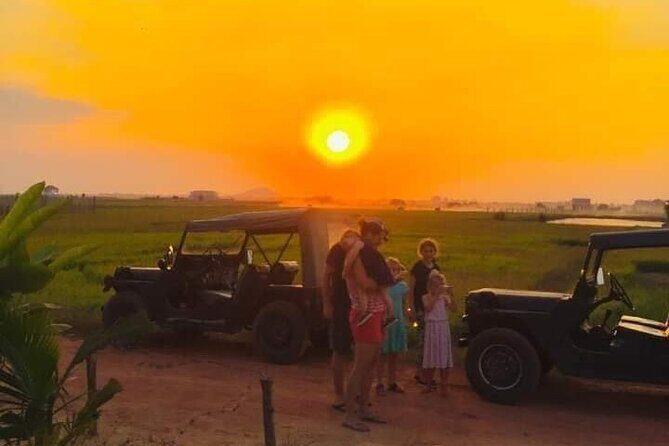
This is the big final day. Your pickup from your hotel starts at 5:00 am, and the goal is sunrise at Prasat Angkor Wat.
If you hate early starts, you’ll still feel glad you did this part. Sunrise light softens edges and makes the carvings feel more sculpted. Plus, you avoid much of the scramble that happens later in the day.
Breakfast and the calm after sunrise
After sunrise, you head to a local restaurant for breakfast. That’s practical: you get fuel before more walking, without having to hunt for food yourself at an hour when everything feels half-asleep.
Ta Prohm before the biggest crowds
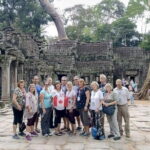
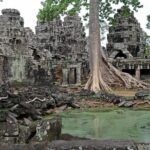
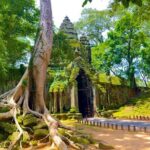
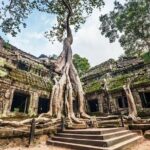
Next up is Ta Prohm, the temple made famous by the Tomb Raider movie. It’s known for the dramatic feel of trees growing around structures, and it’s a great “textured” stop after the big composition shots you’ll take at Angkor Wat.
The plan then includes a short drive along the big circuit to reach more temples.
Preah Khan, Neak Poan, and Ta Som: a route through royal and sacred water
You’ll visit:
- Prasat Preah Khan: described as the biggest ancestor temple built by a Buddhist king to honor his father.
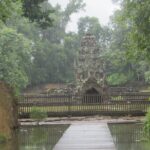
- Prasat Neak Poan: considered a holy pool at the center of a reservoir.
- Prasat Ta Som: positioned on the bank of the water reservoir.
This is one of the more interesting ways to understand Angkor temple design. Water isn’t just scenery here—it’s part of how sacred space is organized.
Pre Rup finishes the day
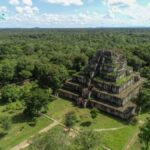
The last stop is Prasat Pre Rup, the royal state temples built in the 10th century. It’s still standing and is described as the biggest brick sanctuary from one thousand-plus years ago. This finale is great for wrapping your head around how Khmer power and religious meaning got built in layers over centuries.
Price and ticket math: what $171.50 really means
The tour price is $171.50 per person, and it includes transportation and basic comforts: pickup/drop-off in Siem Reap, an A/C vehicle, cool water, and cool towels. The big exclusions are entry fees and tickets and lunch.
Here’s how to budget without surprises:
- The temple ticket is required at $37 per person for a single day.
- The tour includes multiple temple-heavy days, so you’ll likely be buying passes that match each day you enter temple zones (double-check how your operator plans it for your dates).
- Lunch is not included, even though the schedule includes lunch breaks.
So the value question isn’t only the $171.50—it’s what you buy with it. You’re paying for:
- a private guide who keeps you on route and explains what you’re seeing
- an A/C vehicle that handles longer drives
- time-efficient scheduling (especially sunrise and sunset)
If you’re comparing against self-guided options, the biggest savings usually disappear the moment you have to coordinate transport, deal with heat, and figure out the day-to-day temple logistics. Here, that’s handled.
Also, you get a mobile ticket, and group discounts are mentioned. If you’re traveling with friends or family, ask about pricing for your group size before you lock in.
Timing and transport: where the itinerary helps you
The best temple plans don’t just list places. They manage heat, daylight, and fatigue.
This itinerary does that in a few ways:
- Day 1 at 8:00 am starts before the hottest late morning stretch.
- Day 2 at 8:00 am keeps you moving early when Phnom Kulen and the waterfall area feel more comfortable.
- Day 3 at 5:00 am targets Angkor Wat at sunrise—when the site changes from busy to meaningful.
- Sunset placement at either Phnom Bakheng or Pre Rup is designed to use late-day light rather than forcing you to scramble at the wrong time.
And the private transport matters because Khmer temples aren’t laid out like a neat walking loop. You’ll spend time in the car; the point is to make that time easier with A/C, water, and a driver who knows the route.
Guide quality: what you gain beyond photos
A great guide changes your relationship with the stones.
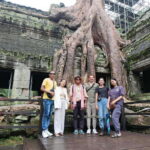
In examples from recent trips, guides have been described as professional, knowledgeable, kind, and fun. One guide named Young was praised for being both professional and silly in a good way, turning the trip into something more personal than a scripted tour. Another guide named Makara was praised as a wonderful photographer who helped people get great pictures. There was also praise for a guide named Boy along with a driver named Chantha.
Even without getting too specific about personalities, you can take the lesson: you want a guide who will explain:
- what each temple is connected to (religion, rulers, or sacred design)
- what you’re seeing in the reliefs and carvings
- how to move through the site without wasting time
That’s where “private” pays off. You can ask questions, pause for the shot you actually want, and adjust pacing if someone in your group needs a break.
If you travel with kids, this matters even more. One group included a 4-year-old, and the trip was still described as feeling personal and well handled. It’s the kind of proof that the guide is paying attention to the group, not just the route.
Floating village on Tonlé Sap: a different kind of Cambodia
Tonlé Sap is the tonal shift in this tour. After three days of temple architecture, you get water-life reality: a floating village and a floating market.
The value here isn’t just seeing something different. It’s having a break from the stone-heavy theme and understanding that the region’s culture is still alive beyond the ruins. It’s also a practical change of pace: the mental work feels lighter than decoding temple symbolism all day.
Keep an open mind. This stop is different in style and it can run hotter and more crowded depending on the day. Wear comfortable footwear and keep your expectations flexible.
What to wear at Angkor (and how to avoid problems)
Temple dress rules in Cambodia are strict enough that it can ruin your day if you ignore them.
You should dress properly. If you wear shorts and T-shirts, they must be long enough to reach knee length and cover your shoulders. No scarf or shawl and no tank tops are allowed, and light cotton clothes are recommended because it’s hot and humid most of the year. The weather is noted as nicer in November, December, and January.
I also suggest you bring:
- a light layer for early mornings (5:00 am starts can feel cooler)
- comfortable shoes with grip (temples can be uneven)
- a hat and sunscreen, since you’ll spend time outside
Is this tour for you?
This tour makes sense if you want:
- a private guide and smooth door-to-door transport
- the best temple timing (sunrise at Angkor Wat, sunset at Pre Rup or Phnom Bakheng)
- variety across Angkor ruins, Phnom Kulen nature, Banteay Srei detail, and Tonlé Sap life
It’s less ideal if:
- you strongly dislike early mornings
- you want fully included pricing without thinking about temple tickets and lunches
- you’d rather control everything yourself instead of following a structured route
If you can handle a couple of early starts and you’re okay budgeting for temple tickets ($37 per person per day) plus lunch, you’ll get a lot of value for the guidance and scheduling.
FAQ
What’s included in the tour price?
Pickup and drop-off in Siem Reap, an A/C car/van/minibus, and cool water and cool towels are included.
Are entrance fees included?
No. Entry fees and tickets are not included.
Do I need to buy a temple ticket?
Yes. A temple ticket is required, listed at $37 per person for a single day.
Is lunch included?
No. Lunch is not included, even though the schedule includes lunch breaks.
What time does the tour start on day 1?
Day 1 starts at 8:00 am.
What time is the Angkor Wat sunrise on day 3?
Day 3 starts at 5:00 am to see the sunrise at Angkor Wat.
Is this a private tour?
Yes. Only your group participates.
Can I cancel for a full refund?
Yes, free cancellation is offered. You can cancel up to 24 hours in advance for a full refund.
Should you book this Siem Reap Temple and Waterfall Tour
I’d book it if you want the big Angkor sights done in a logical order, plus a real change of pace at Phnom Kulen and Tonlé Sap. The private A/C transport and the early sunrise/sunset planning are where this tour earns its keep.
Skip it—or at least negotiate expectations with the operator—if you hate waking up early or you’re trying to keep the entire trip cost fully lump-sum. Temple tickets and lunch are extra, and you’ll feel those costs over three days.
If your priority is seeing a lot without the stress of logistics, this is a solid, practical way to do it.