REVIEW · SIEM REAP
Siem Reap One Day Dirt Bike MotorbikeTour
Book on Viator →Operated by Hidden Cambodia Adventure Tours - Dirt Bike, 4WD, Koh Ker · Bookable on Viator
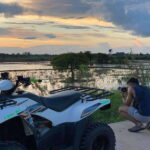
Dirt bike days in Siem Reap feel different. This one-day ride sends you out from the usual temple route and into quieter villages, rice fields, and abandoned corners where daily Cambodian life is easy to spot. I like how the pace is truly flexible, and you’re not stuck doing everything at one speed behind a slow group.
What makes it especially good is the full protective kit (helmet, goggles, boots, pads) and the support of an English-speaking mounted guide who helps you find the best spots along the trail. The main thing to consider is that this is off-road riding, so you’ll want to be comfortable with dirt, gravel, and getting a little dirty—and temple entry for ticketed sites like Beng Mealea isn’t included.
In This Review
- Key highlights
- Price and what you actually get for $216
- The real appeal: countryside riding instead of another temple stamp
- Your bike day logistics: gearing up, getting mapped, then riding out
- What the equipment setup means for your comfort
- The guide experience: safety, trail choices, and temple context
- Stop 1: Banteay Samre and the value of an earlier temple pause
- Stop 2: Prasat Beng Mealea and what to expect when entry is extra
- How the route turns into an adrenaline-and-life mix
- Group size and pacing: why max 10 matters
- Who this tour suits best (and who should think twice)
- Weather and timing: why your day can change
- Should you book this one-day dirt bike tour in Siem Reap?
- FAQ
- What time does the Siem Reap one-day dirt bike tour start?
- How long is the tour?
- What bike will I ride?
- What protective gear is included?
- Is pickup included?
- Are temple entry fees included?
- Is lunch and drinks included?
- How big is the group?
- Does weather affect the tour?
Key highlights
- Full motocross-style protection kit included, so you can ride without hunting gear first
- Set your own pace, from relaxed countryside cruising to harder riding
- English-speaking mounted guide helps you navigate and spot worthwhile stops
- Countryside vs. crowds, with villages, rice fields, and hidden temple vibes
- Small group size (max 10) keeps the day flexible and easier to manage
Price and what you actually get for $216
At $216 per person for an ~8-hour day, this tour isn’t just paying for a driver and a viewpoint stop. You’re paying for a lot of the expensive, high-friction pieces up front: a ready-to-ride bike (Honda XR250 electric start), fuel, lunch, and a full set of safety gear like helmet, gloves, goggles, knee and elbow pads, and a body protector. That’s exactly what makes it feel like value if you want the active version of Siem Reap rather than another temple day that mostly involves walking and waiting.
Two items affect your final cost. First, you’ll pay temple entry for ticketed sites, especially Beng Mealea. Second, the day includes food and drinks, but soda/pop isn’t listed as included, so plan on buying that separately if you want it. Once you account for the extra temple fees, the price still makes sense if you’re choosing this because you want the ride itself to be the main event.
You can also read our reviews of more cycling tours in Siem Reap
The real appeal: countryside riding instead of another temple stamp
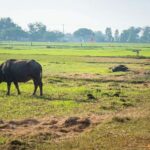
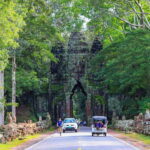
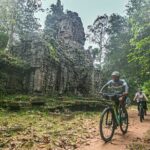
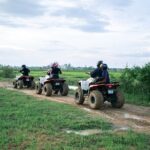
Siem Reap is famous for temple history, sure. But this tour’s hook is different: you’re going from the city into working areas—villages and farmland—where you can see how people live when there aren’t tour buses clogging the roads.
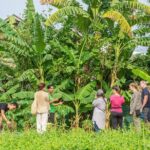
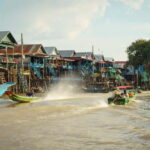
You’ll ride through quiet hamlets and areas described as having stilt houses, rice fields, and family farms. Even if you’ve visited temples before, it’s the mix of settings that changes the day. You’re not only looking at ancient stone—you’re also watching daily Cambodian life move by at road speed, then slowing down for stops when the guide thinks a spot is worth your time.
Your bike day logistics: gearing up, getting mapped, then riding out
This day starts at 8:00 am, and it typically runs about eight hours. After pickup, the day begins with gear-up and instructions at base, and you’ll get an introduction to the bike plus a map of the area. The setup time is about an hour before you actually ride out.
That matters more than it sounds. When you’re riding an off-road bike, small details make a big difference: how you mount/dismount, what the route style looks like, how to handle slower sections, and how the guide manages pace. The “set your own pace” style also means you’ll get room to decide how aggressive you want to be that day—go far and fast when the track allows it, or slow down and take it all in.
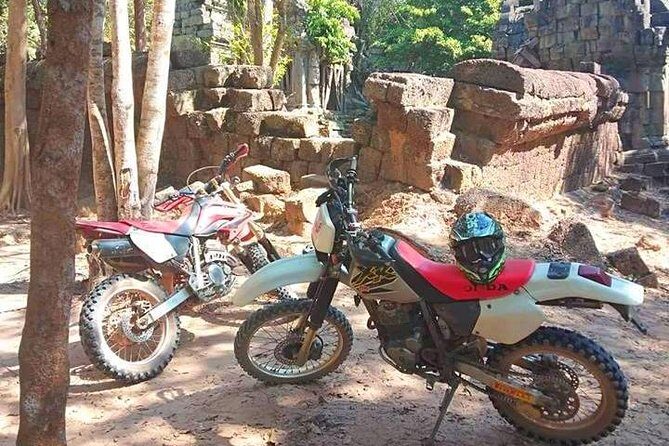
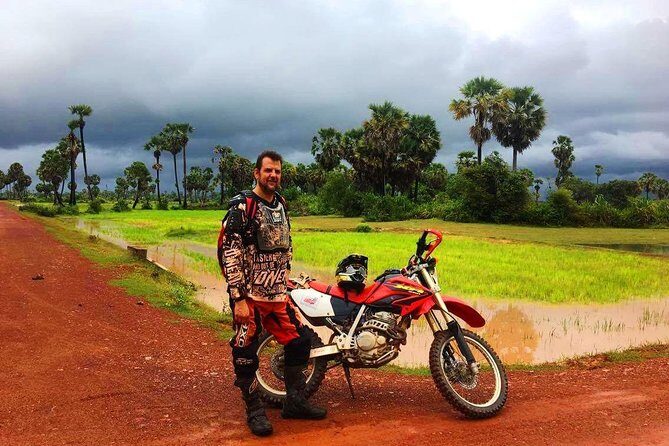
The ride is on a Honda XR250 with electric start. If you upgrade, you might ride a CRF, WR, or KTM, depending on what’s offered and what you request.
What the equipment setup means for your comfort
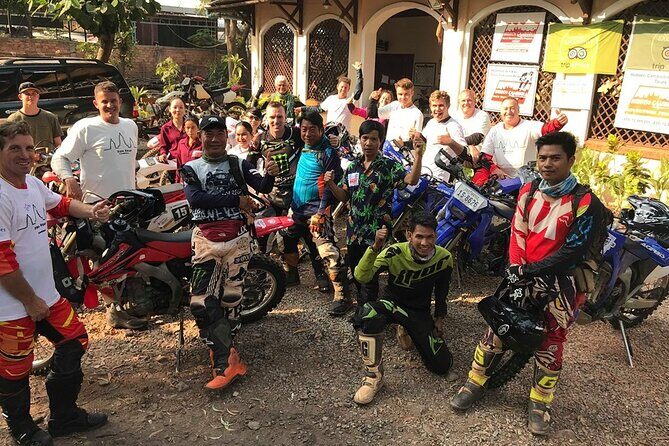
The included kit isn’t the minimal “helmet and go” approach. You get motocross gloves, goggles, helmet, jersey, motocross pants, boots, and protective pads (knee and elbow) plus a body protector. That’s a big deal because it lets you focus on control and scenery instead of worrying about whether you’ll scrape up your hands or burn your knees on gravel.
You also get water during the day, and coffee and water on arrival at base. When you return, there’s ice-cold beer waiting. (Not listed as a requirement, of course, but it’s a nice finish if that’s your kind of reward.)
If you’re a first-time off-road rider, the gear still helps because it reduces fear of minor bumps. It doesn’t remove the reality of the terrain, but it makes the day more forgiving.
The guide experience: safety, trail choices, and temple context
This tour is led by an experienced, friendly English-speaking mounted guide. In practical terms, that’s what keeps a half-day adventure from turning into a frustrating scavenger hunt. You’re following a person who knows where the passable paths are, where the turns make sense, and where the worthwhile sights show up.
Guides linked to this operation—like Rong and Slim—are praised for knowing trail routes and explaining temple and terrain details. You’ll feel the difference when the day includes both easier stretches and rougher surfaces. A good guide doesn’t just keep you on the right track; they also help you understand what you’re looking at when you stop.
You can also read our reviews of more tours and experiences in Siem Reap
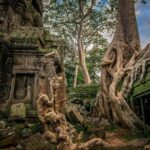
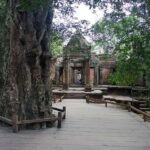
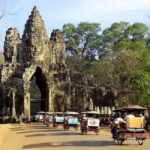
Stop 1: Banteay Samre and the value of an earlier temple pause
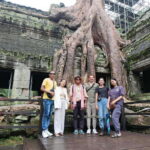
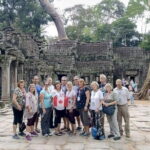
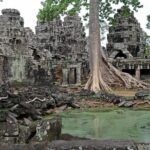
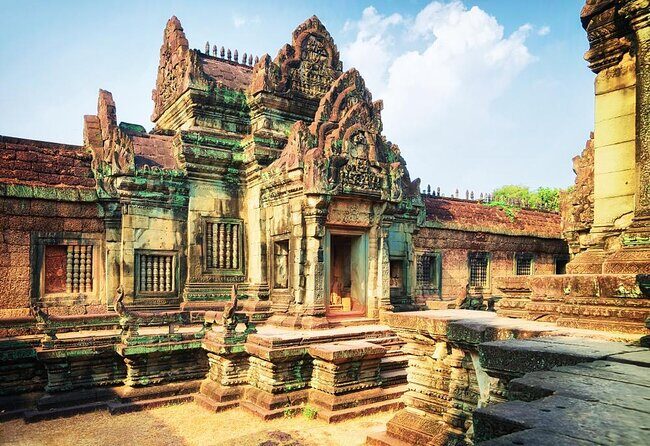
Your first temple stop is Banteay Samre. The big advantage here is timing and mood. Coming from the countryside ride, you don’t feel like you’re walking through the same crowded temple circuit again. It’s a break from dust-and-gravel energy, but not a full reset either—you’re still in the rhythm of the day.
What I like about a stop like this is the contrast. One moment you’re moving through fields and village lanes; the next, you’re standing in a temple setting where stonework and ruins force you to slow down. Even if you’re not a hardcore architecture person, you’ll likely appreciate the calmer pace of this stop compared with the busiest temple areas.
A consideration: temple entry costs aren’t included for ticketed sites, and the tour specifically flags Beng Mealea as the one you’ll likely pay for. The data doesn’t spell out Banteay Samre’s fee status, so it’s smart to ask when you book or confirm in your voucher what’s covered at each stop.
Stop 2: Prasat Beng Mealea and what to expect when entry is extra
The second major stop is Prasat Beng Mealea. This is explicitly called out as a ticketed temple that isn’t included in the tour price. If you’re budget-minded, plan for that extra cost so you’re not stuck deciding last minute.
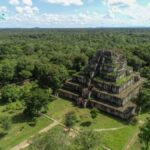
Why it’s worth budgeting: the tour framing sets this day up as a move away from major tourist routes. Beng Mealea is part of that “more abandoned and hidden” feel, and riders describe the day as including difficult-to-reach temple areas. The off-road approach helps here—you’re arriving in a way that feels more like you’re exploring than being delivered.
Practical tip: bring the right cash/credit options for temple entry if you don’t already know what payment types are accepted that day. Since entry is listed as not included, you want to avoid awkward delays while everyone waits.
How the route turns into an adrenaline-and-life mix
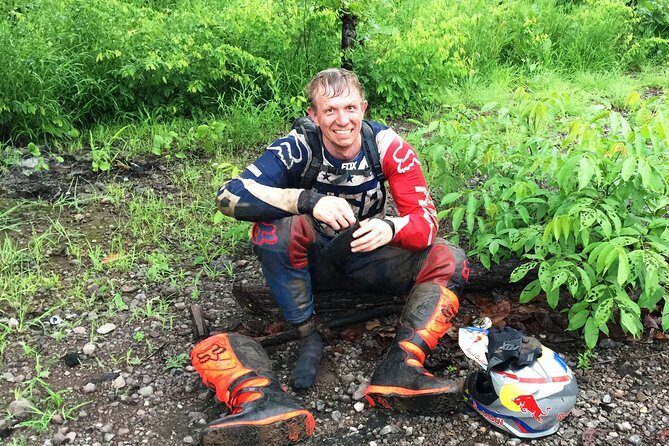
The day is structured around two temple stops, but the route experience is what makes it memorable. The countryside portion is built for variety: village lanes, rice fields, and dirt tracks that shift between easier riding and tougher gravel.
One rider noted a wide range of terrain, from open rice fields to gravel sections. That’s exactly what you should look for. If you only wanted a paved ride with a single stop, this wouldn’t be the right fit. If you want motion plus discovery, it delivers.
And because the tour is described as customizable, you can often steer the day toward what you care about more—speed and track time, or calmer stops for photography and village glimpses. You still follow the guide, but you’re not locked into a rigid march.
Group size and pacing: why max 10 matters
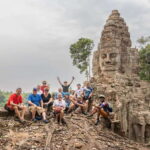
This tour has a maximum of 10 travelers. That size is meaningful. With smaller groups, you’re more likely to get your turns without long bottlenecks and less likely to feel like you’re stuck waiting for someone at every junction. You’ll also get more manageable pacing if you want a relaxed day.
That said, you should still expect a group setting: you’re riding together, pausing together, and following a route. “Set your own pace” works best when you stay flexible and communicate with the guide, especially in rougher stretches.
Who this tour suits best (and who should think twice)
This is a strong match if you want an active, off-road way to see Siem Reap beyond temples on foot. It’s also a good fit if you enjoy countryside scenes—rice fields, village life, and quieter settings that don’t feel like a highlight-reel stop.
You should think twice if:
- You’re not comfortable with off-road riding or you get nervous on dirt and gravel
- You’re expecting temple entry to be fully included
- You need a completely low-energy, fully seated day
On the positive side, it says most travelers can participate, which suggests they don’t make it a super-athlete-only experience. Still, this is adventure riding, not a casual city scooter ride.
Weather and timing: why your day can change
This experience requires good weather. If conditions are poor, the tour is canceled and you’ll either get a different date or a full refund. That’s important in Cambodia because rainy days can quickly turn dirt roads into slick, unpredictable sections.
Since the tour begins at 8:00 am, you’ll want to plan your Siem Reap day around it. If you’ve got tight museum or dinner reservations that are time-critical, keep some slack on the calendar so you’re not scrambling if your date shifts.
Should you book this one-day dirt bike tour in Siem Reap?
Book it if you want the most direct way to turn Siem Reap countryside into a hands-on experience. You’ll get full protective gear, a bike ready to ride (XR250 electric start), an English-speaking guide on a mounted setup, and a day that mixes villages, farmland, and temple stops like Banteay Samre and Beng Mealea. The price can feel fair because lunch, fuel, and equipment are bundled, and the small group size helps the day stay flexible.
Don’t book it if you mainly want to stroll temples at your own rhythm, or if you hate the idea of riding dirt and dealing with extra temple entry costs. In that case, you’d probably be happier with a standard guided temple route.
If you’re the type who likes motion, views you earn, and a day that feels different from the usual circuit, this is one of the better ways to spend your time.
FAQ
What time does the Siem Reap one-day dirt bike tour start?
The start time is 8:00 am.
How long is the tour?
It runs for about 8 hours.
What bike will I ride?
The tour uses a Honda XR250 with electric start. Upgrades to CRF, WR, or KTM may be available.
What protective gear is included?
You get helmet, motocross boots, gloves, goggles, jersey, motocross pants, body protector, and knee and elbow pads.
Is pickup included?
Yes. Pickup is offered.
Are temple entry fees included?
No. Entry to ticketed temples, including Beng Mealea, is not included.
Is lunch and drinks included?
Yes. The day includes lunch, plus coffee and water on arrival. You’ll also have an ice-cold beer on arrival back at base.
How big is the group?
The tour has a maximum of 10 travelers.
Does weather affect the tour?
Yes. The experience requires good weather. If it’s canceled due to poor weather, you’ll be offered a different date or a full refund.