REVIEW · SIEM REAP
1-Day private Angkor Temple Tour from Siem Reap
Book on GetYourGuide →Operated by Sokoan · Bookable on GetYourGuide
Angkor feels close with a plan. This private 7-hour temple loop starts with hotel pickup in Krong Siem Reap and uses a separate entrance for skip-the-line entry, so you spend more time looking and less time waiting. A great guide (people like Arun, Sim, Som, and Rith) helps you read the carvings, not just wander past them.
Two things I really like: you get cold bottled water and cool towels at the stops, and you keep flexible timing so you can rest when the heat gets loud. You’ll also get photo help, plus room for real conversation with local people along the way.
One caution: it’s a long day with a lot of walking and temple stairs, and the Angkor Wat entry ticket is not included (it’s $37 per person and paid onsite). If you come with the right expectations, the day feels smooth. If you don’t, it can feel like a marathon.
In This Review
- Key highlights to know before you go
- Why this private Angkor day works better than DIY
- Getting started in Siem Reap: pickup, tickets, and dress code
- Angkor Wat: bas-reliefs, central chambers, and strong photo spots
- Tonle Om Gate and Bayon: going from stone patterns to smiling faces
- Baphuon, Vimeanakas, and the Terrace of Elephants: temples within temples
- The Leper King terrace to Ta Prohm’s living jungle ruins
- Timing, walking, and heat: how to make a 7-hour route feel fair
- Price and value: what you’re really paying for
- Who this tour suits best (and who might want another plan)
- Should you book this private Angkor Temple Tour from Siem Reap?
- FAQ
- What’s the duration of the Angkor tour from Siem Reap?
- Does this tour include the temple entry ticket?
- Who provides the guide and what language do they speak?
- Where does pickup happen?
- What temples are included?
- Is bottled water included?
- What’s the dress code?
- Are there any age-based entry notes?
Key highlights to know before you go
- Skip-the-line entrance helps you get into Angkor Wat faster
- English-speaking guide brings history and symbolism to life at each stop
- Cool water and refreshing towels make the heat far more manageable
- Photo-focused stops with guidance on where to stand for strong shots
- Private pacing means you can slow down, speed up, and take breaks
Why this private Angkor day works better than DIY
Angkor is huge. Even if you’re an efficient planner, doing it on your own can turn into a frustrating mix of wrong turns and missed meaning. On this private day tour, you move with a guide who knows what matters and when to look, so the monuments don’t blur together.
I like the structure because it keeps you oriented. You hit the headline sites—Angkor Wat, Bayon, and Ta Prohm—but you also spend enough time in the “in-between” areas to understand what you’re seeing. Guides like Sim are known for finding shade and pacing the day, while people like Som are praised for clear explanations and photo positioning.
You also get practical benefits that add up. Your driver and guide stay with you for the full day, and you’re not juggling logistics between temples. That means more looking, fewer headaches, and a better shot at enjoying the best light and quieter corners.
You can also read our reviews of more private tours in Siem Reap
Getting started in Siem Reap: pickup, tickets, and dress code
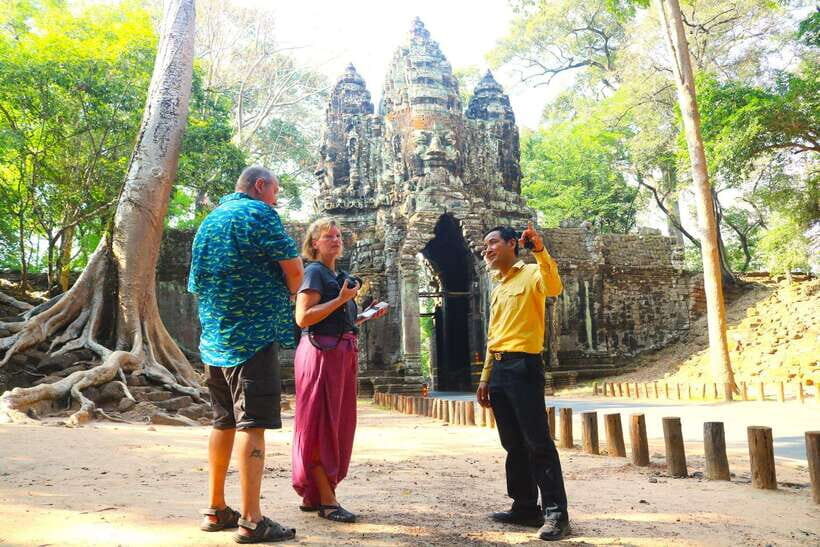
The day starts right from your hotel lobby in Krong Siem Reap. You’ll be met by the guide and driver, and you’ll head out early enough to make the morning feel productive rather than chaotic. The tour is private, so you’re not trapped behind a crowd line or forced into someone else’s pace.
Before you go, plan for the temple entry ticket situation. The tour price includes the guide, return transfers, and bottled water. The Angkor Wat temple entry ticket (listed at $37 per person) is not included and is paid onsite. The good news is you also get skip-the-line help through a separate entrance, which reduces the waiting time.
Dress matters at Angkor. You should plan to wear comfortable clothes and avoid shorts. The rules you’re given are: shorts are not allowed, but shorts that reach the knees are allowed to enter temples. If you’re unsure, go safe with long pants and breathable fabric. Also bring a camera—this day is made for it.
Angkor Wat: bas-reliefs, central chambers, and strong photo spots
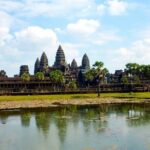
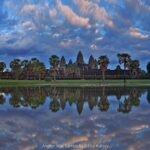
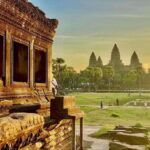
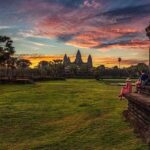
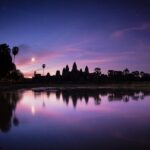
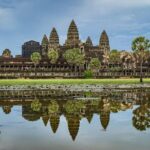
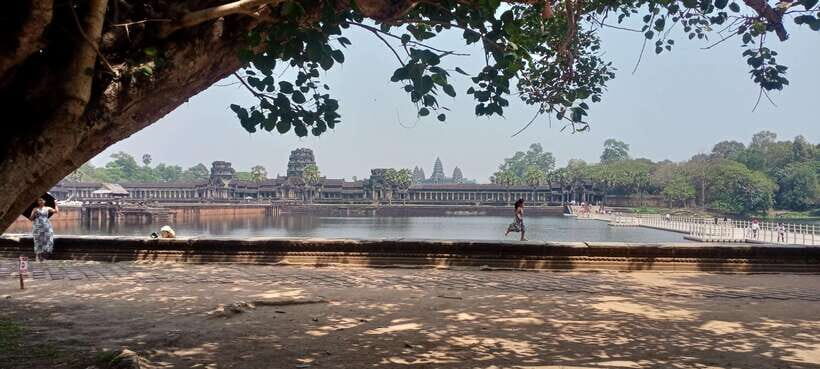
Angkor Wat is the big reason most people come to Siem Reap. It’s also the kind of place where a guide changes everything. Yes, it’s breathtaking even without context. But when someone walks you through the layout and the carvings, your eyes start working like they’re finally “turned on.”
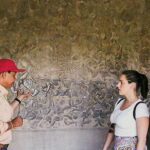
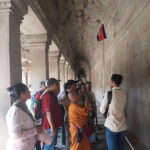
You’ll visit Angkor Wat first, including time to walk and a guided tour. The guide focuses on the central areas, where the stonework tells stories. One highlight you’ll hear about is that the site features the longest stretch of bas-relief carvings in the world, so you get a better sense of why every surface feels covered.
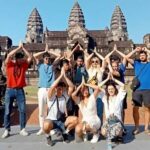
You’ll also get a break during the morning block, plus photo time. Several guides are praised for knowing the best vantage points, and you’ll often get tips on where to stand for symmetry and clear angles. That’s especially useful at Angkor Wat, where people pile in front of the same spots.
A small practical note: this is a lot of temple walking. Wear shoes you trust. Bring water from your tour and take shade breaks early, not after you feel exhausted.
Tonle Om Gate and Bayon: going from stone patterns to smiling faces
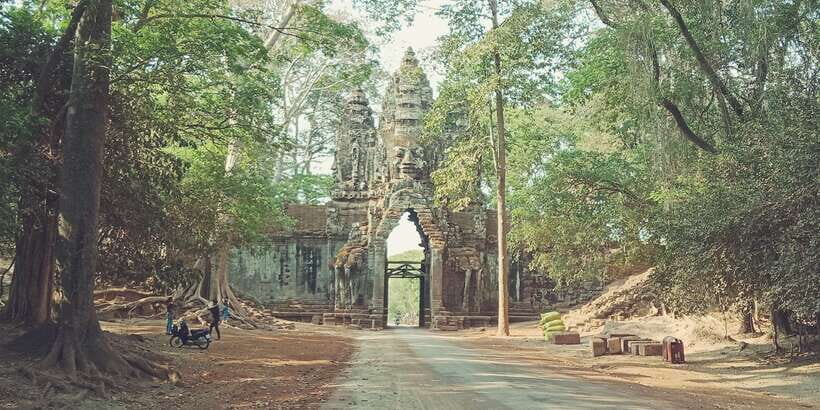
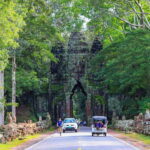
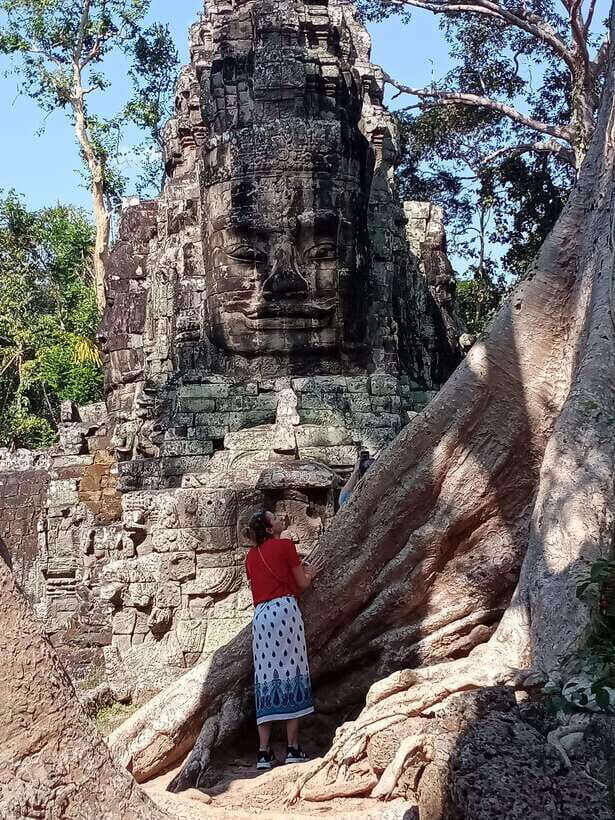
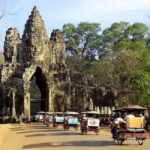
After Angkor Wat, you head toward Angkor Thom’s South Gate, one of five gates of the ancient city. You’ll pause for photos and get guided context so you don’t just see another gateway—you understand how it fits into the bigger Khmer city plan.
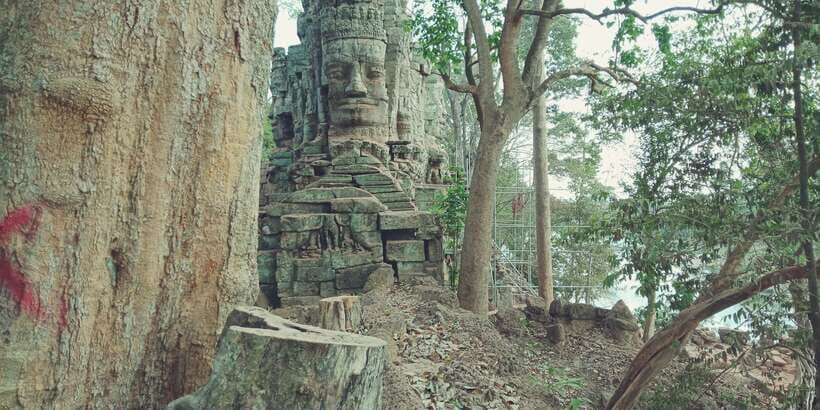
Then comes Bayon, famous for the hundreds of carved towers topped with large, smiling faces. The number you’ll hear is over 200 enormous faces across the structure. The guide also points out that Bayon includes two sets of bas-reliefs: mythological, historical, and even everyday-life scenes. That mix is what makes Bayon feel less like a single theme and more like a time capsule.
You get a guided visit plus walking time and photo opportunities. This is also where the private format pays off. You’re not stuck waiting behind a slow-moving group that’s debating angles for 20 minutes. If you’re ready, you can move on. If you want extra time at the faces, you can stay a bit longer.
One drawback to watch for: if you hate climbing or standing in direct sun, Bayon can feel intense. The upside is that skilled guides are good at timing shade and breaks, so the heat doesn’t fully run the day.
Baphuon, Vimeanakas, and the Terrace of Elephants: temples within temples
Next, you’ll move to Baphuon, a three-tier temple mountain built as the state temple. The guide explains what the tiers mean and how the temple’s positioning relates to the larger complex. If you’ve only seen one Angkor temple before, Baphuon helps you understand how Khmer builders played with levels and viewpoints.
After that, you visit Vimeanakas (also called the celestial temple). It’s described as a three-tier pyramid, built at the end of the 10th century. Even if you’re not a “temple architecture” nerd, you’ll appreciate the guided framing—otherwise it’s easy to treat these structures as just more stone.
Then you reach the Terrace of the Elephants. It stretches about 350 meters and was used as a giant reviewing stand for public ceremonies. That detail is useful because it reframes the terrace: you’re not just looking at carvings and steps; you’re imagining how crowds used this space and why the scale mattered.
This part of the day is where I think the tour is strongest for learning. The guide turns each stop into a “reason.” Why this spot? Why this design? Why this scale? You start seeing the logic behind the stone.
You can also read our reviews of more tours and experiences in Siem Reap
The Leper King terrace to Ta Prohm’s living jungle ruins
Late morning brings the Terrace of the Leper King. The structure is U-shaped, and it’s thought by some to have been used as a royal cremation site. Whether every interpretation is your favorite, the guided explanations give you a clear sense of why this terrace feels so different from others.
After that, you’ll have a short secret/side stop for photos and guided context, plus another brief hidden-photo style pause later. These short segments aren’t as famous as the headlines, but they often help the day feel less like a checklist. They also give your legs a mental reset.
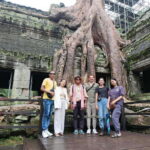
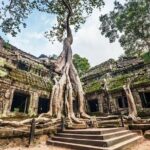
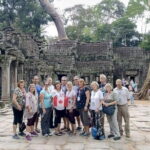
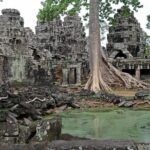
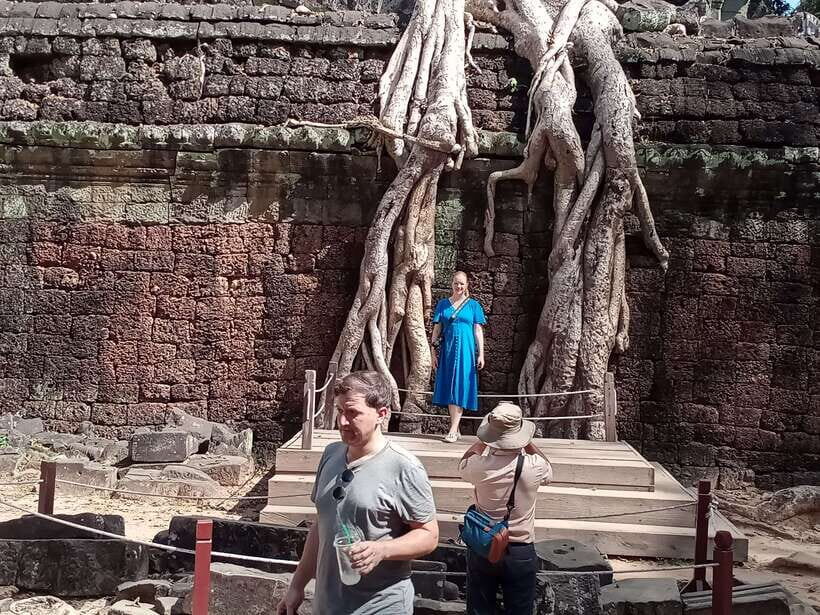
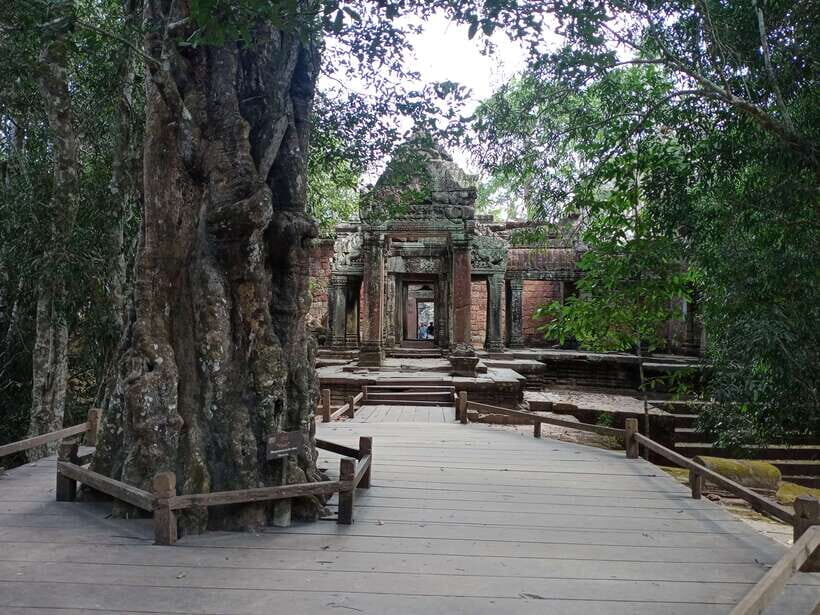
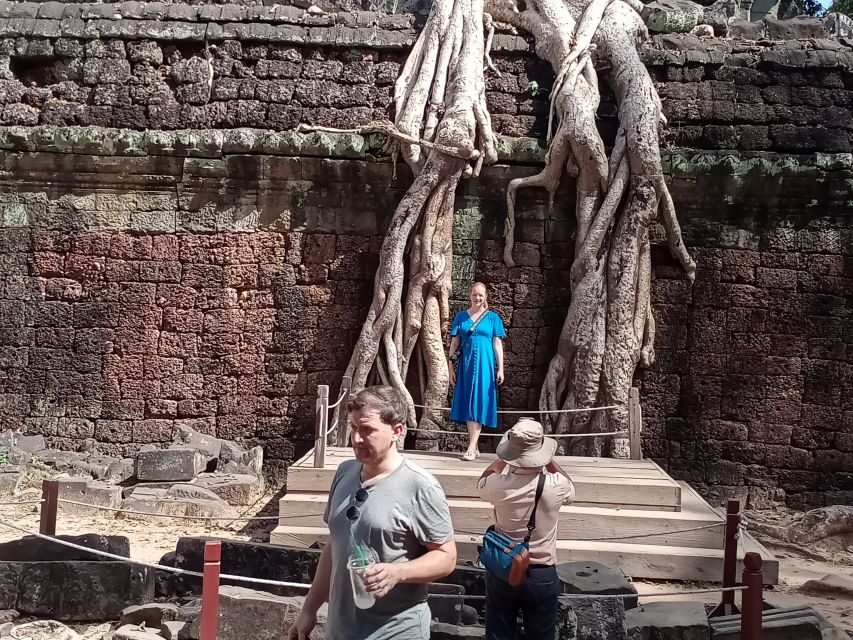
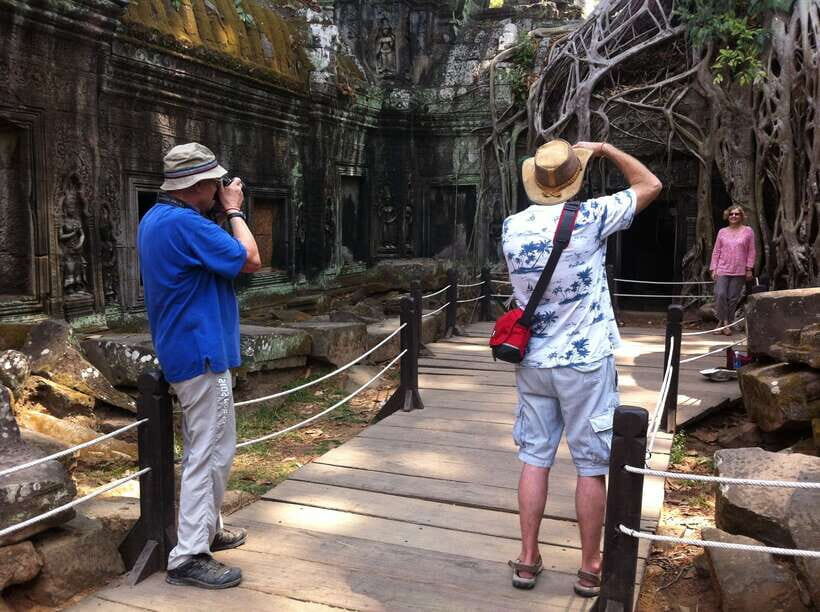
Early afternoon you visit Ta Prohm, the jungle-enveloped “Tomb Raider” temple. You’ll see why Ta Prohm is so photogenic: it’s described as being in much the same condition as when it was found, with trees growing out of and around the ruins. That combination of stone and roots is exactly why Ta Prohm often looks like a movie set—even in real daylight.
You’ll get time for photos and free time during the Ta Prohm visit, which is important. This is the stop where your camera hand will work overtime. It’s also the stop where you’ll appreciate a guide who suggests where to stand so you don’t get stuck with the worst lighting or the most crowded angles.
If it rains, some drivers have been known to bring umbrellas, which can be a lifesaver for keeping your day enjoyable without rushing.
Timing, walking, and heat: how to make a 7-hour route feel fair
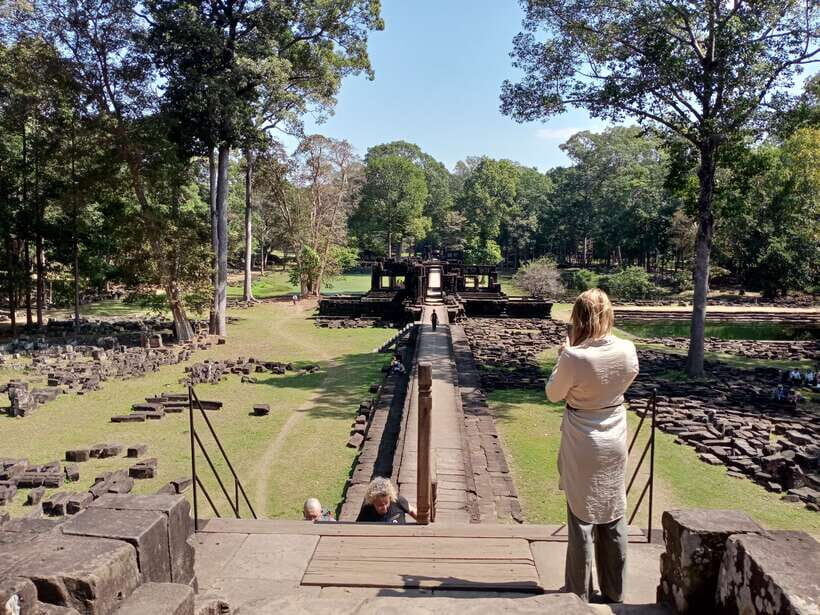
This tour is built for a full day—about 7 hours—and it’s temple-heavy. You should expect plenty of walking and a bit of climbing across uneven stone. One clear theme from the experience is that heat is real, especially mid-day, so you’ll want to plan like you’re going outside in summer.
The best comfort advantage is what the driver and guide bring: bottled water and cool towels at stops. People also emphasize that the team keeps checking in and that breaks are respected. That’s a big deal because the biggest danger at Angkor isn’t the temples—it’s overdoing it before your body cools down.
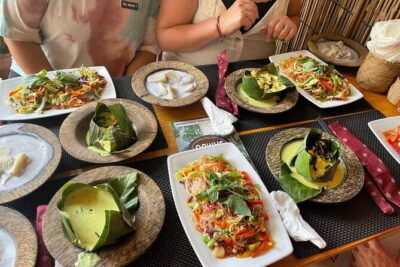
Breakfast is built into the morning flow, and lunch time is part of the rhythm too. The tour timing is also flexible in order and pace, so if you need more shade or want less time at one area, your guide can usually adjust.
Practical tips for you:
- wear shoes that won’t slip on stone
- bring sunscreen and drink water even before you feel thirsty
- plan your photos for early and late parts of the day, when light is often kinder
Price and value: what you’re really paying for
The listed price is $34 per person, and the big additional cost is the Angkor Wat entry ticket at $37 per person. So your day is effectively around $71 total per person for the main temple access plus the guided private experience.
That may sound like a lot until you look at what’s included: a private English-speaking guide, return transfers, bottled water, and skip-the-line entry help. For Angkor, those items can save time and fatigue, which is basically the currency that keeps your day enjoyable.
I also think the private angle is where you get value. This isn’t just someone driving you between temples. The guide explains what you’re seeing, suggests better photo spots, and sets a pace that matches your stamina. Multiple guides are praised for being careful about timing and shade, and for answering questions without making you feel rushed.
If you’re traveling with kids, note that children under 12 get free entry to any temple. That can change the math in your favor.
Who this tour suits best (and who might want another plan)
This tour is ideal if you want the highlights but also care about understanding what you’re looking at. If you like history, symbolism, and “why” behind the stone, you’ll feel satisfied by the guided explanations at Angkor Wat, Bayon, and the later terraces.
It’s also a good fit if you hate rigid schedules. Because it’s private, you can request a different pacing and you’re not forced to match a bus tour group’s timeline. People also mention guides adjusting finish timing based on your preference, which can matter if you’re chasing a special light moment at Angkor Wat.
Who should think twice? If you’re someone who hates walking and stairs, or you’re very limited in mobility, this route can feel physically demanding. Even with breaks and towels, Angkor is still Angkor.
Should you book this private Angkor Temple Tour from Siem Reap?
Book it if you want a guided day that feels organized, comfortable, and photo-friendly, with skip-the-line help and temperature-smart support from the driver. The combination of top temples—Angkor Wat, Bayon, Baphuon, Terrace of the Elephants, Leper King terrace, and Ta Prohm—covers the core Angkor experience without turning into a chaotic self-guided scramble.
Skip it or consider a lighter alternative if you’re sensitive to heat and you can’t handle long walking days. Also, budget for the Angkor Wat ticket cost upfront so there are no surprises.
If you want an Angkor day that turns into memories instead of just steps and photos, this private format is a strong bet.
FAQ
What’s the duration of the Angkor tour from Siem Reap?
The tour runs for about 7 hours.
Does this tour include the temple entry ticket?
No. The Angkor Wat entry ticket is not included and is listed as $37 per person, paid onsite. (It says this entry covers all the temples.)
Who provides the guide and what language do they speak?
You’ll have an English-speaking tour guide, and the tour guide and driver stay with you for the whole tour.
Where does pickup happen?
Pickup is from the Krong Siem Reap area, starting at your hotel lobby (the guide holds a card with the traveler leader’s name).
What temples are included?
The day includes Angkor Wat, Tonle Om Gate (Southern Gate), Bayon, Baphuon, Phimeanakas, Terrace of the Elephants, Preah Ponlea Sdach Komlong (Terrace of the Leper King), and Ta Prohm, plus short photo stops.
Is bottled water included?
Yes. Bottle water is included.
What’s the dress code?
Shorts are not allowed. The info also says shorts on the knees are allowed to enter the temples. Comfortable clothing is recommended, and you should bring appropriate coverage for temple entry.
Are there any age-based entry notes?
Children under 12 get free entry to any temple.