REVIEW · SIEM REAP
Siem Reap: Bike the Angkor Temples – Full-Day 30km Tour
Book on GetYourGuide →Operated by Discova Southeast Asia · Bookable on GetYourGuide
Forget the tuk-tuk line.
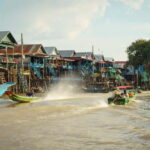
This 30 km bike day turns Angkor into a slow, human experience, with quiet tracks, forest shade, and big temple moments timed for the morning light. I love the way the route keeps you moving through real countryside—farms, villages, and stilt-house areas—so Angkor doesn’t feel like an isolated museum. I also love the storytelling: guides such as Soun Chen, Tu, and Moon are the kind who can point out meaning in carvings, towers, and face-towers while you’re still riding the same path the Khmer lived around. The main drawback: you do need stamina and comfort on a bike, because parts are off-road and the day ends with a longer return stretch that can feel like the last hurdle in the heat.
You’ll meet in town early and ride for about 7.5 hours. It’s great for active couples and families (kids bikes, baby seats, and tag-alongs are available on request), but it’s not for everyone—there’s no hotel pickup, and it’s marked as not suitable for pregnant women. Also, plan for sun protection and the fact you may end up dusty from earth tracks.
In This Review
- Key highlights at a glance
- Why biking 30 km feels better than clocking Angkor from the road
- Price and value: why $35 can make sense (and when it doesn’t)
- Getting started in Siem Reap: meeting point and an early-morning rhythm
- The first pedals: along the Siem Reap River toward Angkor
- Angkor Wat at the start: towers, bas-reliefs, and the advantage of morning light
- Angkor Thom and the forest shortcuts to Bayon
- Elephant Terrace: lunch here is a smart reset, not just a meal
- Ta Prohm and the afternoon ride: roots, moss, and red-earth tracks back
- What you actually ride each day: off-road portions, mud, and bike handling reality
- Bikes, guide, and small-group comfort: what you gain with max 8
- What to bring (and what not to wear) for temple + bike day
- Should you book this Angkor bike tour?
- FAQ
- How long is the Siem Reap bike tour?
- How far do you cycle?
- Which temples are included?
- Do I need an Angkor Pass?
- Where is the meeting point?
- What’s included in the price?
- What should I wear for this tour?
- Is the tour suitable for everyone?
Key highlights at a glance
- Small group (max 8) means fewer stops, more questions, and a calmer pace
- Quality mountain bikes + helmets with full vehicle support during the day
- Crowd-light temple entrances via forest paths and local cycling routes
- Angkor Wat to Ta Prohm in one day, including Bayon and Elephant Terrace
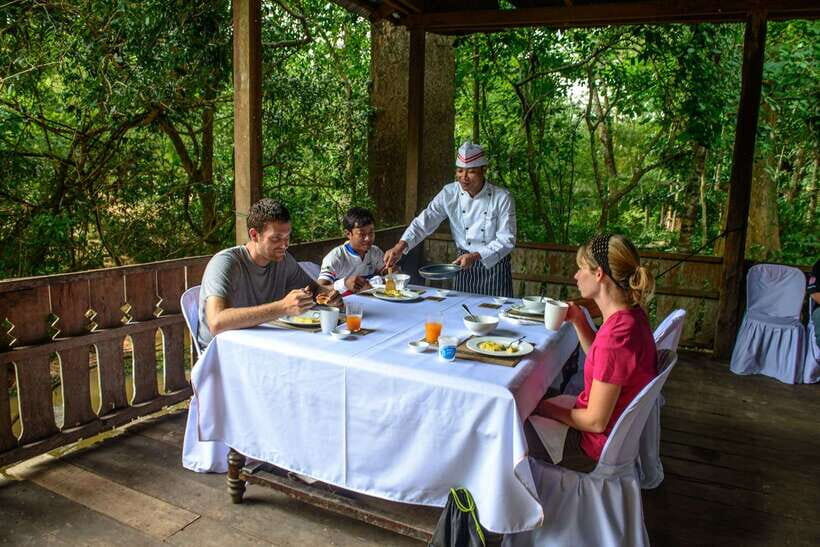
- Lunch option plus snacks, fruit, and bottled water to keep energy steady
Why biking 30 km feels better than clocking Angkor from the road
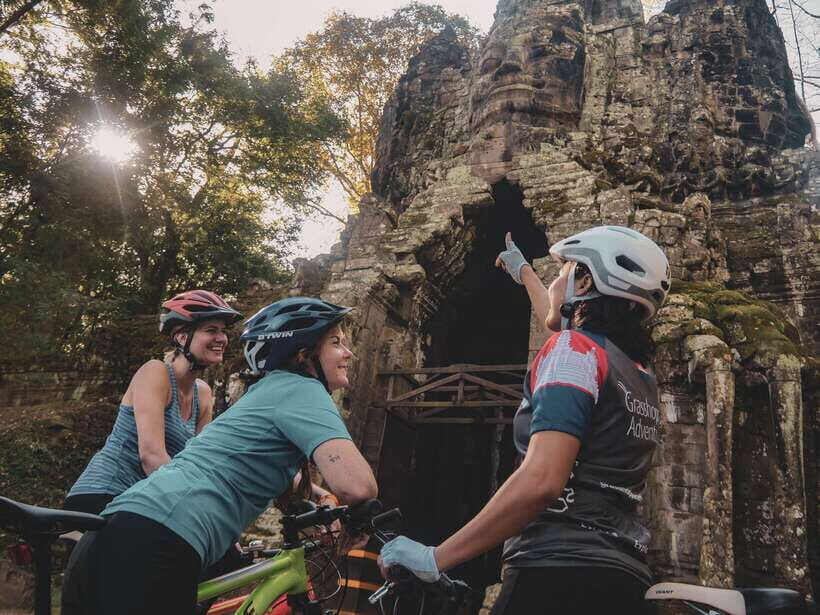
Angkor is huge, and it’s easy to treat it like a checklist: arrive, rush the photo angles, move on. This tour changes the rhythm. When you pedal, you notice details you’d miss from a car—tree shade that cools your shoulders, the texture of the red earth, the quiet life near the edges of the temple zone. It also helps that you’re not spending the day stuck waiting at busy entrances.
The route is built for movement. You start in the morning while the temples are still waking up, and you’re guided stop-by-stop—Angkor Wat, then Bayon and the Elephant Terrace complex, and finally Ta Prohm. That’s a smart lineup because it covers the most famous sites while still giving you time for the smaller meaning-makers along the way, like less obvious viewpoints and secondary paths the “big bus” crowd usually doesn’t use.
Two things you’ll feel right away: the bikes are comfortable enough to keep you steady, and the guides keep the day coherent. On many departures, names like Mr Ta, Seng, Lem, and Thou show up in the guide stories, and the common thread is clear instructions, good pacing, and lots of time to stop for photos without turning the ride into a sprint.
You can also read our reviews of more cycling tours in Siem Reap
Price and value: why $35 can make sense (and when it doesn’t)
At $35 per person for a 7.5-hour, 30 km guided bike ride, you’re not just paying for transportation. You’re paying for:
- a guided route through temple areas plus quiet tracks outside the busiest corridors
- bikes, helmets, and snacks, fruit, and bottled water
- optional lunch arranged in advance if you select it
- vehicle support behind the scenes for peace of mind
The big extra cost to plan for is the Angkor Pass. It’s not included in the tour price, and you’ll need an Angkor Archaeological Park pass for the tour area. If you don’t have one yet, you can purchase it on the morning of the tour. The official ticket site is the one you’re directed to through Angkor Enterprise.
So the value equation is this: if you’re already going to buy an Angkor Pass anyway, this tour gives you a day that’s more than “entry plus a circuit.” It’s a guided experience that connects temples to surrounding village life. If you don’t want to bike—if you prefer a mostly seated sightseeing day—then this is not your best fit, even if the price looks attractive.
Getting started in Siem Reap: meeting point and an early-morning rhythm
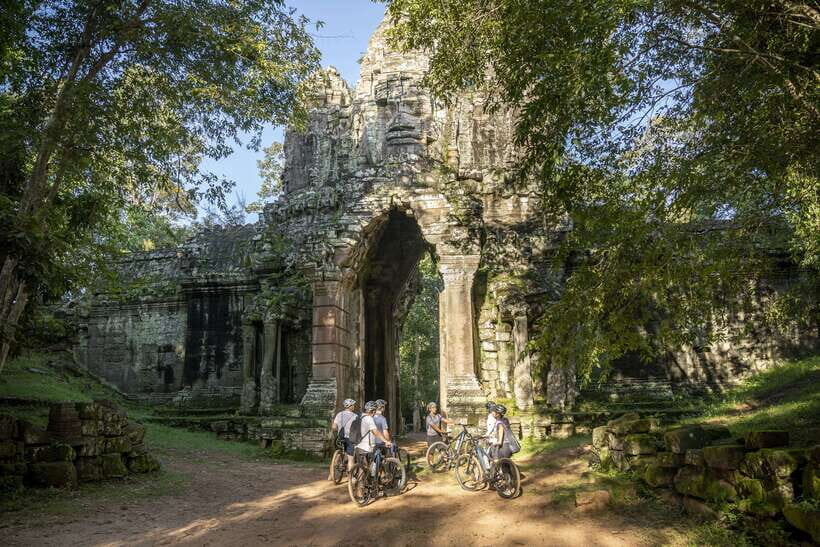
You’ll meet at Pte Kru Café (ផ្ទះគ្រូ Café) in Siem Reap. The plan is to arrive early (at least 15 minutes before the start), because you’ll need time to fit bikes and get geared up. A note you should not ignore: from 05 February, the meeting point changes to Gingold Coffee on Sivutha Boulevard.
You begin cycling around 7:30 AM, and that timing matters. It’s cooler, you get better morning light for the first temple stop, and your body starts the day before the sun fully ramps up.
There’s no hotel pickup or drop-off, so build your day around getting to the café on time. The upside is you avoid the dead time of waiting for transfers. The downside is simple: you need to make your own way to the start point.
The first pedals: along the Siem Reap River toward Angkor
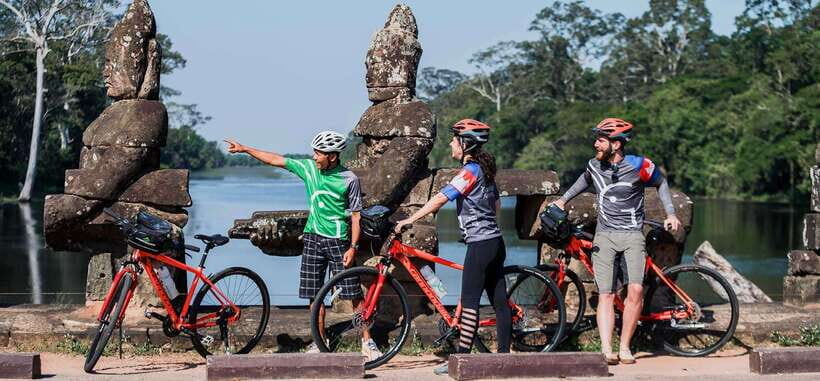
The morning ride starts with a calm road section beside the Siem Reap River, setting the tone. This is the part where you get used to your bike, tighten your grip, and settle into the guide’s rhythm.
From here you’re heading toward the Angkor Archaeological Park area. You’ll feel the day shift as you approach the temple zone. Even when the ride is physically easy, your eyes start scanning—tree lines, gateways, and the first glimpses of the temple skyline.
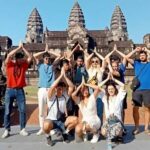
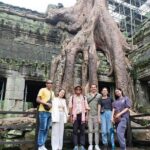
This is also where having a small group helps. With a maximum of eight guests, the guide can move you as a unit without dragging the slowest riders to the back of the pack, and you’re less likely to get separated by the “everyone for themselves” energy you sometimes see on bigger outings.
Angkor Wat at the start: towers, bas-reliefs, and the advantage of morning light
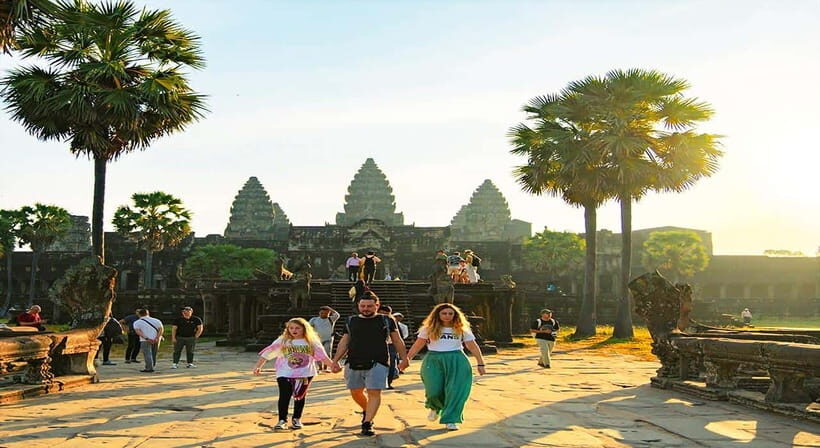
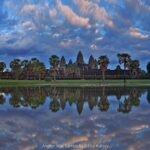
Angkor Wat is the headline, and you visit it first. Going by bike doesn’t change the fact that the scale is mind-blowing. What it changes is how you experience it: you’re arriving after a ride that warms you up, but before the park feels fully crowded.
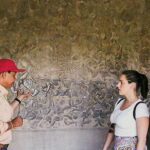
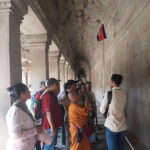
Your guide leads you through the complex with time for the vast galleries and bas-reliefs. The value here isn’t just seeing the carvings—it’s getting an explanation while you’re standing in front of them. Many guides on past departures (including people like Chen and Moon in the guide stories) are especially good at linking what you’re looking at—symbols, layouts, and story elements—to the Khmer worldview.
Practical tip: treat this as a walk-stop even though you’re biking. Wear something you can move in, because you’ll be standing and walking through temple spaces.
You can also read our reviews of more tours and experiences in Siem Reap
Angkor Thom and the forest shortcuts to Bayon
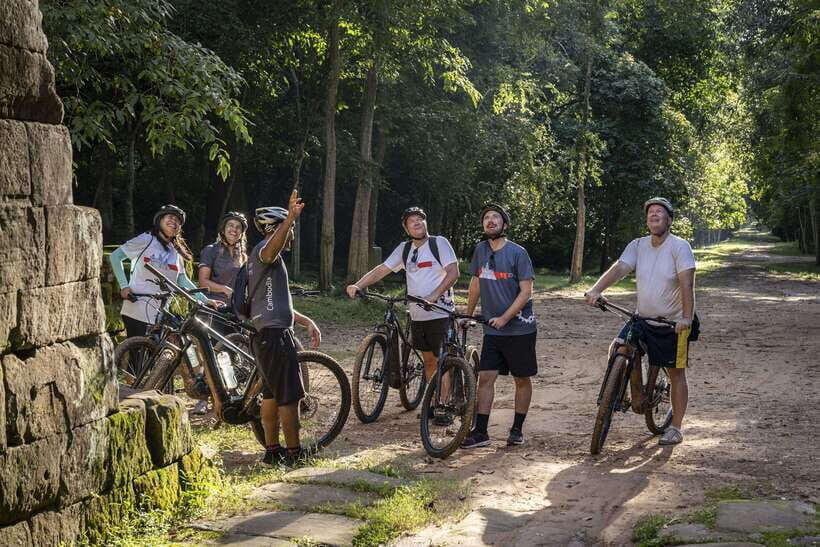
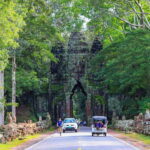
After Angkor Wat, you cycle toward Angkor Thom, and you’ll pass through the gate. This is where the tour starts to feel like more than just a route between famous sites.
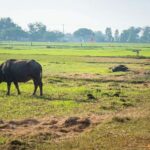
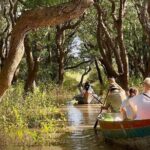
Once you leave the main road area, you slip onto secluded forest paths. That shift is the whole point. You’re riding under taller trees and across quieter tracks that most people don’t see when they arrive by tuk-tuk or bus. The ride also changes the soundscape—less traffic noise, more birds and leaves.
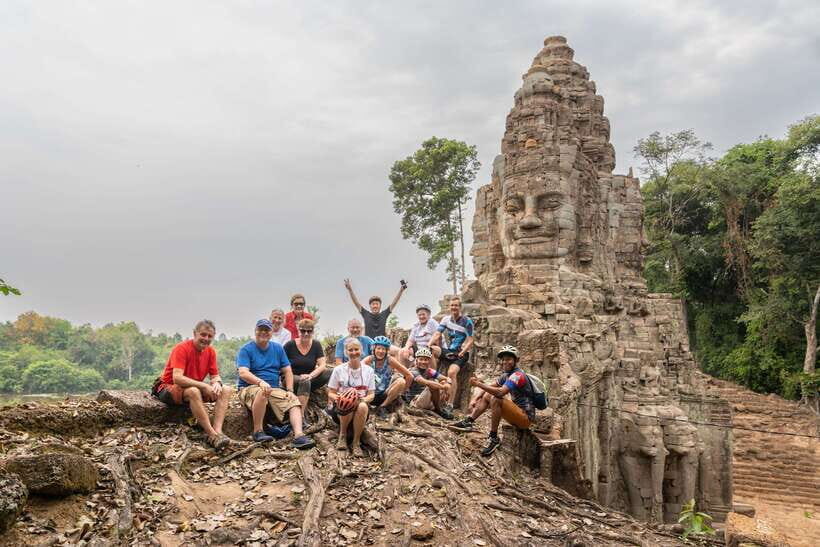
This is your lead-in to Bayon, famous for its serene stone faces. The guide shares stories and interpretations of the temple as you approach, and it lands better when you’re not rushing between photo points. You’ve already spent time on the quieter tracks, so you’re ready to slow down and actually look.
And yes, you’ll notice how the route choices affect your crowd experience. People often talk about “getting off the main route,” and here it’s not a slogan. You’re truly cycling into paths you wouldn’t find on your own.
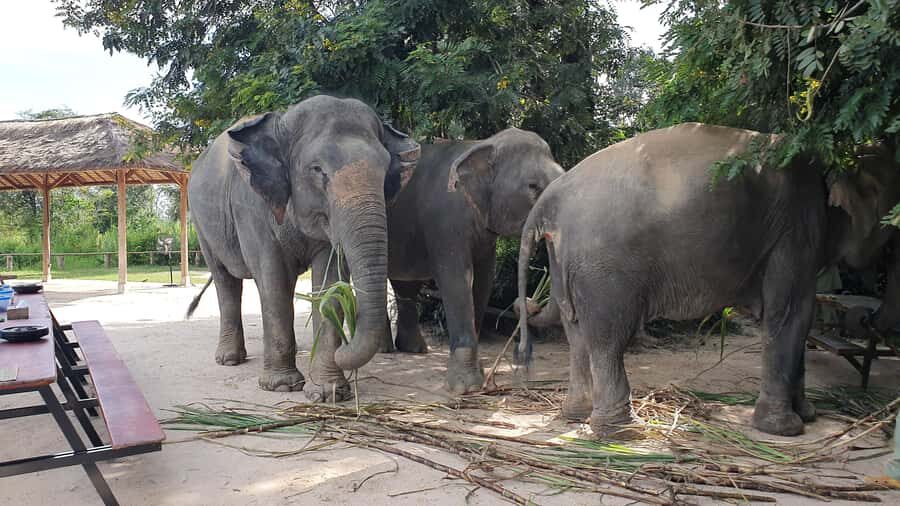
Elephant Terrace: lunch here is a smart reset, not just a meal
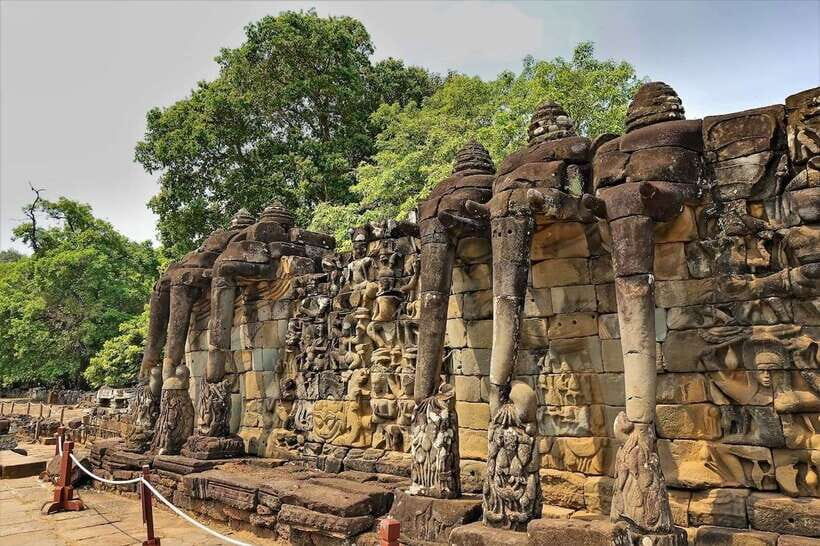
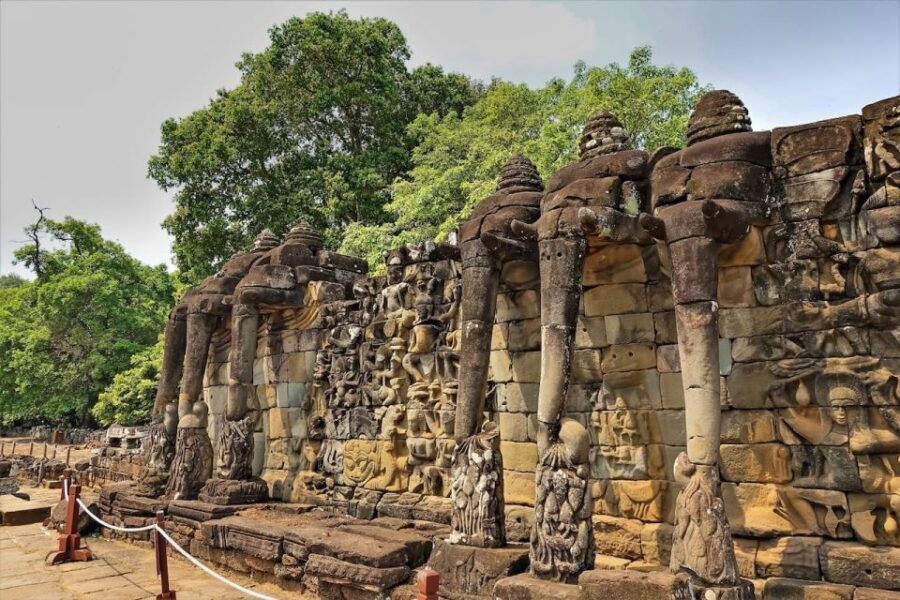
Next comes the Elephant Terrace Complex. It’s a powerful stop in itself, but the tour structure gives you something just as important: a break.
At this point, you take lunch (if you chose the option). The lunch is arranged in advance, and the general vibe from the day’s feedback is that it’s a decent local meal with enough food to keep you going. If you didn’t choose lunch, you still get time to explore or eat on your own before regrouping.
Here’s why I like lunch at this stage: you’re mid-day, you’ve already worked through two major temples, and you’ll want a fuel-and-water moment before you hit the later afternoon portion to Ta Prohm. It also helps that you’re not stuck deciding where to eat while hungry and sunburnt.
One balanced note: not every meal is someone’s perfect taste match, even when it’s good value. But overall, this stop is treated as part of the experience, not just a “sit down because you must.”
Ta Prohm and the afternoon ride: roots, moss, and red-earth tracks back
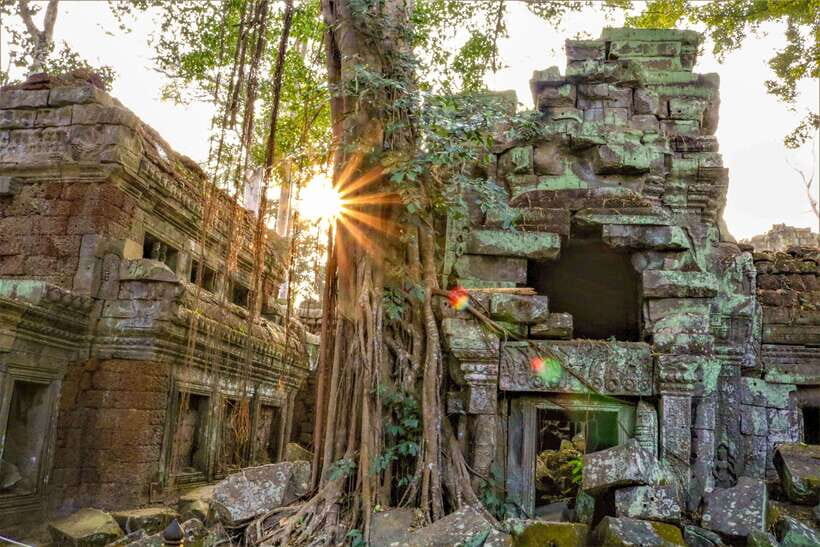
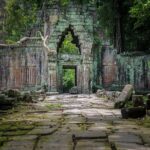
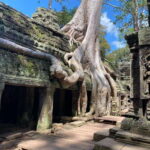
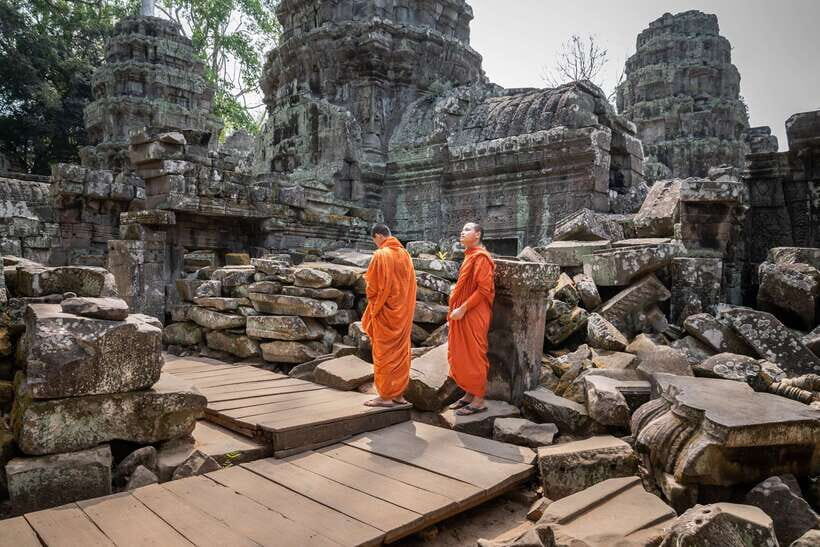
In the afternoon you head to Ta Prohm. This is the temple where you expect the most “movie set” photos, but the biking still improves the experience. You arrive after time on dirt tracks and quiet corridors, which makes the temple feel less like a ticketed destination and more like something you found.
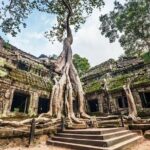
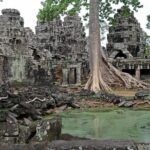
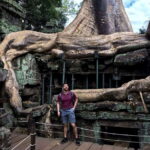
Ta Prohm is known for its twisting tree roots and moss-covered stones, and the guide helps you read what you’re seeing. You’re not just staring at the roots; you’re getting context about how the temple fits into the broader Angkor story.
After Ta Prohm, the ride returns you toward Siem Reap via red-earth tracks and village paths. This final stretch is described as relaxed and scenic, and that matters because the day is long. You’re tired, but in a good way—your body wants movement and your eyes want quiet views.
Also, expect that road you haven’t thought about: the last return can be the hardest part. Several guides pace well, but that ending push—around 9 to 10 km in one shared experience—can feel like work if you arrived underprepared or you’ve been managing heat stress.
What you actually ride each day: off-road portions, mud, and bike handling reality
The tour isn’t an easy “bike around town” spin. It includes a mix of quiet road segments and off-road track riding, including forest paths. Some sections can be dusty, muddy, or sandy, so plan to get a bit grubby. A common piece of practical advice that comes through in past experiences is to wear gear you don’t mind getting marked up.
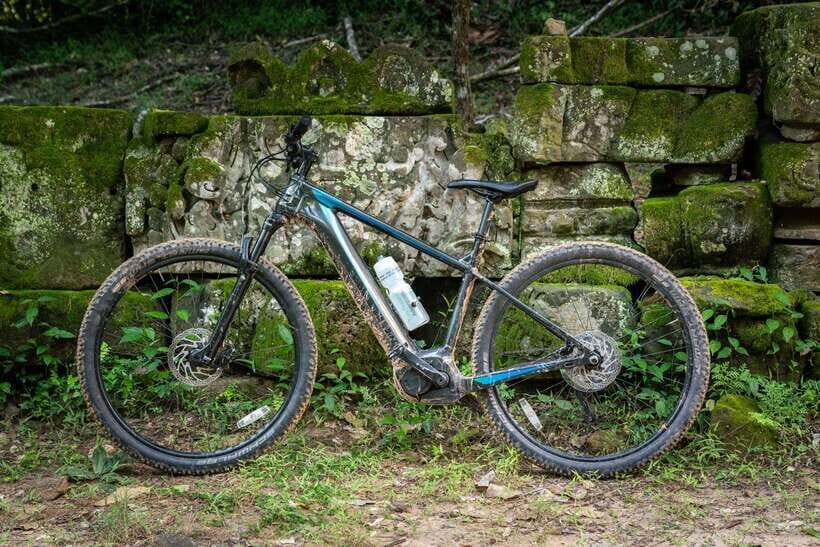
The bikes are described as good quality mountain bikes, and helmets are provided. That’s the foundation. But you still need a basic comfort level: you don’t need to be a trained cyclist, but you should be confident riding on uneven ground, staying balanced on dirt, and pedaling steadily without stopping every few minutes.
If you’re nervous about riding in traffic at all, know that the day can include some road riding near Siem Reap. One piece of feedback even warns that beginners who aren’t confident on a bike may find parts challenging, especially because the ride can get more demanding than it looks at first glance.
So my advice is simple: if you can bike 30 km on fairly mixed terrain at a moderate pace, you’ll likely be fine.
Bikes, guide, and small-group comfort: what you gain with max 8
The small-group cap—eight guests—isn’t a marketing line. It changes how the day feels.
You get:
- more coherent stop times
- more room to ask questions mid-ride
- less waiting around when your group size is small
Guide quality also comes through strongly in the feedback. Names like Soun Chen, Tu, Lem, Seng, and Chen show up repeatedly, and the themes are consistent: clear instructions, friendly energy, and a strong ability to explain what you’re seeing. People also mention the guide helping with photos—sometimes even creating a short video reel—so you don’t need to spend the whole day juggling camera settings.
And the vehicle support is part of the safety net. Even when the ride is the main event, you’re not fully on your own if something goes wrong.
What to bring (and what not to wear) for temple + bike day
This is a temple day, so dress rules matter.
Bring:
- sunglasses
- sun hat
- camera
- sunscreen
Not allowed:
- sleeveless shirts
I’d also add a practical mindset: you’ll ride in the sun, then stand and walk through temple areas. If you’re the type who burns fast, make sunscreen your default. If you’re the type who sweats, plan to hydrate early, not just when you feel thirsty. Bottled water is provided, and fruit/snacks help keep you from crashing.
Also, tell the operator about height so they can set you up with the right-side bike. If you’re bringing kids, there are options like children’s bikes, baby seats, and tag-along trailers upon request. Just note the child seat weight limit: it can accommodate up to 14 kg.
Should you book this Angkor bike tour?
Book it if you want Angkor to feel like a day outside the usual pattern: you’ll bike between temples, not just around them, and you’ll see the Khmer story in the places where it touches daily life. This is especially good if you enjoy countryside riding, shade under trees, and guides who talk through what you’re seeing.
Skip it (or think twice) if:
- you’re not comfortable riding a bike on uneven dirt/forest tracks
- you don’t want a long day of heat, walking, and a late return stretch
- you’re looking for a mostly seated, zero-effort sightseeing day
If you do book, your biggest “pro tip” is simple: treat it as an active temple visit. Start hydrated, protect your skin, and embrace the fact that some mud and dust are part of seeing Angkor the non-tour-bus way.
FAQ
How long is the Siem Reap bike tour?
It lasts about 7.5 hours.
How far do you cycle?
The ride is approximately 30 km for the full-day tour.
Which temples are included?
You visit Angkor Wat, Bayon, the Elephant Terrace complex, and Ta Prohm.
Do I need an Angkor Pass?
Yes. The tour does not include the Angkor Historical Park Pass, so you’ll need one to enter the Angkor Zone. You can purchase it on the morning of the tour.
Where is the meeting point?
You meet at Pte Kru Café (ផ្ទះគ្រូ Café) in Siem Reap. Note that starting from 05 February, the meeting point changes to Gingold Coffee on Sivutha Boulevard.
What’s included in the price?
Included: bike and helmet, an English-speaking cycling guide, snacks plus fruit and bottled water. Lunch is included only if you choose the with-lunch option.
What should I wear for this tour?
No sleeveless shirts are allowed. Bring sun protection like sunglasses, a sun hat, and sunscreen.
Is the tour suitable for everyone?
It’s suitable for active families, and kids bikes and tag-alongs are available on request. It is not suitable for pregnant women.