REVIEW · SIEM REAP
Siem Reap Full Day Angkor Wat Tour Small Group
Book on Viator →Operated by Angkor Wat Local Guide · Bookable on Viator
Angkor can feel like a maze, so I like tours that keep the day organized and easy to follow. This small-group full-day circuit lines up the biggest hits—Angkor Wat, Angkor Thom (Bayon), and Ta Prohm—so you spend less time guessing and more time looking closely.
Two things I really like: first, the door-to-door pickup/drop-off in an air-conditioned vehicle, which matters a lot when the park is big. Second, the guides have a knack for making the stones make sense, from the bas-reliefs at Angkor Wat to the face towers at Bayon. One thing to watch: the $19 price does not include the temple entrance fees, listed at $37 per person.
You’ll still be in the temples for hours, so it’s a warm, sometimes sweaty kind of day. Still, with a max group size of 15 and a guide who can set a steady pace, it’s a strong way to do Angkor without the stress of self-driving.
In This Review
- Key highlights to know before you go
- Why this Angkor day feels smarter than DIY
- Door-to-door logistics: pickup, timing, and how to pace yourself
- Angkor Wat: what makes it worth those 3 hours
- Angkor Thom and Bayon: faces, gates, and controlled walking
- Ta Prohm: the Tomb Raider feeling, minus the confusion
- Guide quality is the real value-add
- Price and value: $19 is the deal, but plan for $37 entry
- What a full day at Angkor really feels like
- Who this tour suits best (and who might want another plan)
- Should you book this Siem Reap small-group Angkor Wat tour?
- FAQ
- How long is the tour?
- What time does the tour start?
- Are hotel pickup and drop-off included?
- What temples are visited?
- Is the temple entrance fee included?
- How much are the entrance fees?
- Is bottled water provided?
- What language is the tour guide?
- What happens if the weather is poor?
- Is there a limit on group size?
- Can children participate?
Key highlights to know before you go

- Max 15 travelers keeps the experience more personal and easier to manage at each stop
- Hotel pickup and drop-off in an air-conditioned vehicle saves time and energy
- Three iconic temples in one day: Angkor Wat, Angkor Thom (Bayon), and Ta Prohm
- English tour guide + bottled water means fewer logistics headaches
- Entrance fees extra ($37 per person) so budget for that before you book
Why this Angkor day feels smarter than DIY
Angkor Archaeological Park covers about 154 square miles (400 square kilometers), and that scale is why transport matters. A full-day temple loop works best when someone maps the day for you—when to drive, where to walk, and how long to spend—so you don’t burn your best morning time just getting from point A to point B.
This is also a comfort-first tour style. You get picked up near where you’re staying, you ride in an air-conditioned vehicle, and you’re returned afterward. That doesn’t sound glamorous, but it’s exactly what keeps a long day from turning into a grind.
And the small-group size is the quiet advantage. When the group stays under 15, you’re less likely to feel rushed, and your guide can actually adjust the flow when people need a break. In at least one case, a guide named Nat helped a guest take things at their own pace when an injured knee required extra rest time. That’s the kind of flexibility that makes a difference in real life.
You can also read our reviews of more tours and experiences in Siem Reap
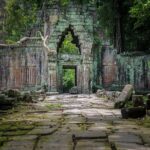
Door-to-door logistics: pickup, timing, and how to pace yourself

The tour starts at 8:30am, and the day runs about 8 hours total. That early start is practical: you want to be moving through the temples while energy is still high and before the heat becomes a wall.
You’re picked up from your door and dropped back there, which makes your day smoother even if you’re staying in a central area. The air-conditioned vehicle is included, and bottled water is included too. Small comforts like that matter here because you’re walking in sun and stone.
A quick note on expectations: this is a full temple day, with multiple long visits. Angkor Wat alone gets about 3 hours, Bayon inside Angkor Thom gets about 3 hours, and Ta Prohm gets 1.5 hours. You won’t “see everything” in one glance—this tour is built for looking at key sights with enough time to absorb them.
Angkor Wat: what makes it worth those 3 hours
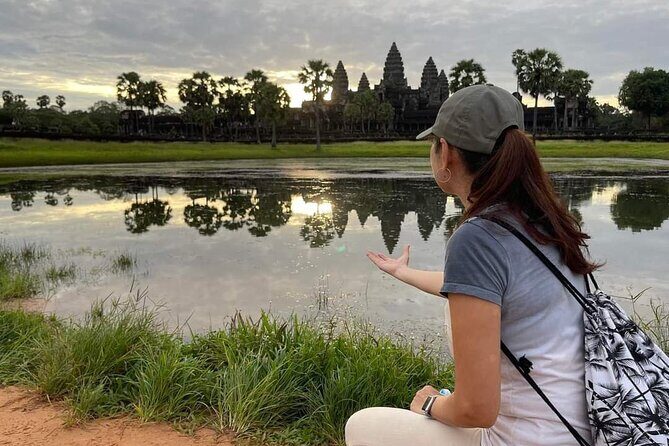
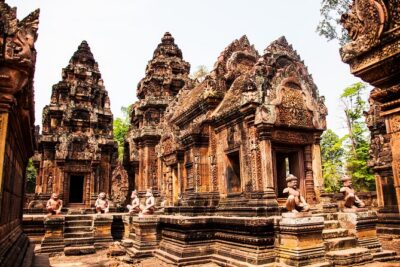
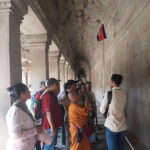
Angkor Wat isn’t just famous. It’s famous because it’s packed with details. The religious monument is described as the largest of its kind in the world, and the experience is all about the visuals: the towering spires and the intricate bas-reliefs that cover surfaces like a story carved into stone.
Spending around 3 hours here is a good match for how Angkor Wat works. If you only have an hour, you end up sprinting between photo stops. With more time, you can slow down and actually notice patterns—how figures repeat, how scenes connect, and how the architecture creates that sense of scale.
There’s also a mental benefit. When you understand what you’re looking at early in the day, Bayon and Ta Prohm later feel less random. You’re not just collecting temples; you’re building a thread.
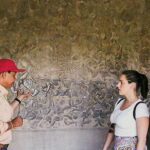
If you’re the type who likes asking questions, this is where the guide’s role really shines. One guide mentioned in feedback was Theara (also known as Tom), and the highlight wasn’t just driving well—it was being organized, hospitable, and able to explain Cambodia’s history and what you’re seeing right in front of you. That kind of context can turn Angkor Wat from a list of images into something you can follow.
Angkor Thom and Bayon: faces, gates, and controlled walking

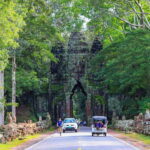
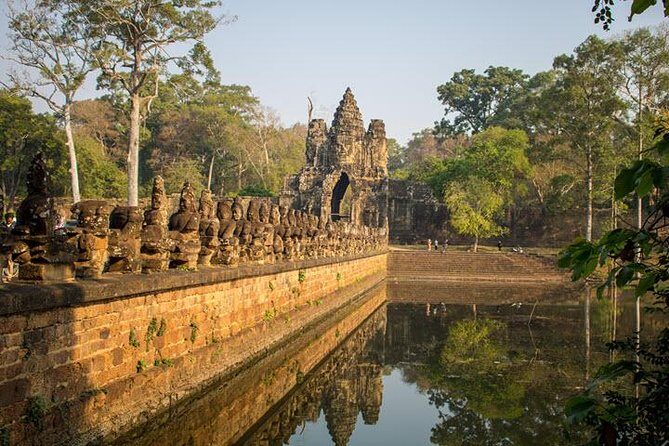
Angkor Thom is the ancient capital area, and the entry experience is part of the payoff. You walk through the ancient gates and see the layout and fortifications that defined the city. Those walls aren’t just background—they help you understand how Angkor was designed to control movement and protect power.
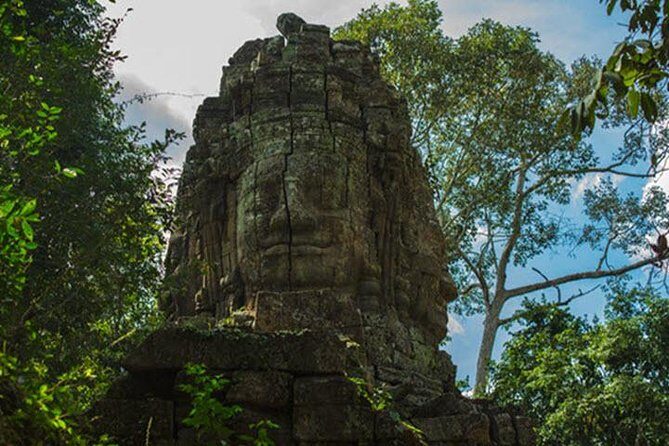
Then you move to Bayon Temple, known for its unique stone architecture and the famous enigmatic stone faces that gaze in multiple directions. The point of spending about 3 hours at Angkor Thom is that Bayon isn’t something you take in from one angle. The faces seem to shift depending on where you stand and how you move around the temple space.
This is where a small group becomes useful again. Bayon can get busy, and if you’re stuck in a big crowd, it’s hard to pause. With a max of 15 people, you’re more likely to get moments of space to watch how the carvings and faces read as you walk.
One practical thing: plan to stay alert here. You’ll be walking in sun and shade patterns, and the stone surfaces can be slick or uneven in spots. A guide who keeps the group moving without speeding up is the difference between an enjoyable day and a rushed one.
Ta Prohm: the Tomb Raider feeling, minus the confusion
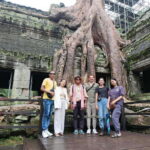
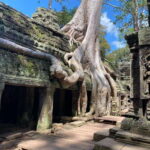
Ta Prohm is often described in pop-culture terms, but the real magic is the tension between nature and architecture. You get about 1 hour 30 minutes here, which is usually enough time to understand why people call it the Tomb Raider Temple: towering trees and roots have grown into the ruins, creating scenes that look staged even though they aren’t.
This stop has a different vibe than Angkor Wat and Angkor Thom. Instead of focusing on symmetry or city layout, you’re reading an ongoing conflict between stone and living growth. That’s why the time is shorter. Ta Prohm’s best moments are about view framing and walking slowly enough to notice how roots twist through doorways and walls.
Also, this is often when the heat feels toughest. One piece of feedback noted that the day is hot and sweaty, but the route still stayed interesting with a guide named Sothie who helped make the history clear. If you know you’ll need breaks, it helps to choose a tour with a guide approach that allows pacing at a human speed—not a photo-rush pace.




Guide quality is the real value-add
At Angkor, the stones can look similar if you don’t know what you’re seeing. That’s why the guide matters more than most people expect. This tour includes an English tour guide, and the focus is on helping you connect the key sites you’re visiting.
Across the feedback, three names came up: Nat, Theara (Tom), and Sothie. What repeated wasn’t just friendliness—it was organization and the ability to explain what’s happening in a way that sticks. One guide helped someone adjust pace because of an injury. Another was described as extremely organized and knowledgeable about both Angkor Wat and Cambodia’s history and present day. Another kept the day interesting even in heat.
If you’re visiting for the first time, those skills are huge. Angkor Wat and Bayon can look like “big wow” with no context, but with the right explanation you start noticing why certain parts matter and how the sites relate to each other.
Price and value: $19 is the deal, but plan for $37 entry

The tour price is listed at $19.00 per person, which is hard to beat for a full-day, air-conditioned, hotel pickup included setup. But don’t get surprised at the end: the temple entrance fee is $37.00 per person and is not included.
So your budgeting math is basically:
- $19 for the tour service (transport + guide + bottled water + sightseeing stops)
- $37 for temple entry access
That makes the total feel more like a mid-priced day, but still good value considering you’re covering three major temples in one shot, without needing to arrange drivers, tickets, or navigation. In a place where transport costs and time matter, paying for someone else to handle the driving and timing can save you money in the long run—even if the admission is extra.
If you want the best value outcome, book this kind of tour when it matches your energy level. If you’re trying to see Angkor in one day but don’t want to run yourself ragged, the included planning is part of what you’re paying for.
What a full day at Angkor really feels like

Even with perfect logistics, this is still a day of walking and heat. The tour is timed to spend a solid chunk at each of the main sights, so you’re not doing quick, sketchy stops. That’s good for understanding and photos. It’s also why you’ll likely feel tired if you go into the day underprepared.
I recommend you treat this like a walking day with a cultural focus:
- Wear comfortable shoes you trust on uneven surfaces
- Bring sun protection (cap/hat, sunglasses, sunscreen)
- Plan for breaks in the middle of the day, not only at the end
The good news: you get bottled water, and the day is split into manageable blocks—Angkor Wat, then Angkor Thom, then Ta Prohm. That structure helps you recover between stops, even if you don’t feel like stopping.
Who this tour suits best (and who might want another plan)
This works well for:
- First-timers who want the major temples in a single day without self-driving
- People who value air-conditioned transport and door-to-door convenience
- Anyone who prefers a group small enough that the guide can manage the pace
- Visitors who want explanations in English rather than a guidebook-only approach
There are also clear limits:
- Children 5 and younger aren’t allowed
- The tour has a maximum of 15 travelers
- It lists most travelers as able to participate
If you’re traveling with someone who needs a flexible pace, this small-group format can be a plus. One feedback story specifically highlighted a guide named Nat adapting to an injured knee by letting the guest go at their own speed and rest when needed.
Should you book this Siem Reap small-group Angkor Wat tour?
If you want a simple, organized way to hit Angkor’s three best-known stops in one day, I’d say yes. The mix of hotel pickup, air-conditioned comfort, and a max-15 group is the right kind of practical for Angkor—especially if you’re not trying to spend your vacation solving logistics.
Book it if:
- You like clear structure: three temples, guided explanations, and time to look
- You’re okay paying temple entry separately (plan $37 per person)
- You’d rather ride in comfort than negotiate transport all day
Skip it (or consider a different format) if:
- You need a slow, custom pace with minimal walking, because you’ll still spend multiple hours inside each major stop
- You’re traveling with very young kids, since children 5 and younger aren’t allowed
FAQ
How long is the tour?
The tour is listed at about 8 hours (approx.).
What time does the tour start?
The start time is 8:30am.
Are hotel pickup and drop-off included?
Yes. Hotel pickup and drop-off are included.
What temples are visited?
You’ll visit Angkor Wat, Angkor Thom (including Bayon Temple), and Ta Prohm.
Is the temple entrance fee included?
No. Temple entrance fees are not included.
How much are the entrance fees?
The listed temple entrance fee is $37.00 per person.
Is bottled water provided?
Yes. Bottled water is included.
What language is the tour guide?
An English tour guide is included.
What happens if the weather is poor?
The experience requires good weather. If it’s canceled due to poor weather, you’ll be offered a different date or a full refund.
Is there a limit on group size?
Yes. The maximum group size is 15 travelers.
Can children participate?
Children 5 years old and younger are not allowed.