You’ll feel Angkor slowing your day down. This small-group tour (max 6) with a historian guide makes the 400-acre Angkor Wat complex feel doable, not like a race through history.
Two things I really like here: the included lunch at a local house with snacks and fruit, plus the steady comfort you get from bottled water and an air-conditioned vehicle. It turns a long temple day into something you can actually enjoy.
One thing to plan for: temple tickets are not included (USD 37 per day), and the day involves enough walking for you to want moderate fitness.
In This Review
- Key highlights worth planning around
- Angkor Wat, but with a pace that feels human
- Your day’s logistics: pickup, comfort, and the mobile ticket
- Stop 1: Banteay Kdei and the jungle-side contrast near Ta Prohm
- Stop 2: Angkor Thom and Bayon’s stone faces
- Stop 3: Angkor Wat, plus the lunch break that keeps you steady
- The real value of the included lunch and snacks
- Tickets and cost reality: what your day should budget
- Guide quality: why the names in the feedback matter
- What to expect from the pacing and walking
- Who this tour fits best
- Should you book this Angkor Wat small-group tour?
- FAQ
- How long is the Angkor Wat small-group tour?
- Are temple admission tickets included in the price?
- What’s included in the tour package?
- Does the tour offer hotel pickup?
- Is lunch available for vegetarians?
- How big is the group?
Key highlights worth planning around
- Max 6 travelers keeps the pace human and questions easy
- English speaking historian guide helps you connect what you see to Khmer history
- Pickup + air-conditioned vehicle matters in Siem Reap heat
- Lunch at a local house plus bottled water, snacks, and fruit
- Three major temple zones: Banteay Kdei and Ta Prohm vibes, Angkor Thom (Bayon), and Angkor Wat
Angkor Wat, but with a pace that feels human
Angkor has a way of making your brain spin. Even if you’ve seen photos, the scale surprises you once you’re there. This tour helps because it’s built for time on-site, not just photo stops.
The starting point is Siem Reap, with 8:00 am pickup from your hotel area and drop-off back to the start point. You get an air-conditioned ride between temple zones, and the group stays small enough that the guide can steer you through the complex at a comfortable rhythm.
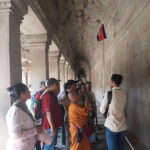
One underrated benefit: when you’re not crammed into a bigger crowd, you’re better able to notice the details that give Angkor its mood. Carved corridors, worn stone, and the shift from wide views to close textures all land better when you have a bit of breathing room.
You can also read our reviews of more tours and experiences in Siem Reap

Your day’s logistics: pickup, comfort, and the mobile ticket
This is a 7-hour outing, with time allocated across three main stops. The structure is simple: morning travel from Siem Reap, two zones that set context, and then the headline temple complex.
A few practical pieces make the day smoother:
- Hotel pickup and drop-off saves you from sorting tuk-tuk logistics on a tight schedule
- Bottled water plus local snacks and fruits help you avoid the mid-day slump
- Air-conditioned vehicle keeps your energy up between sites
- Mobile ticket is included, so you’re not scrambling for paperwork during the day
The tour also explicitly expects a moderate physical fitness level. That doesn’t mean you need to be an athlete, but it does mean you should be ready for a full temple day with plenty of walking and time spent standing and viewing.
Stop 1: Banteay Kdei and the jungle-side contrast near Ta Prohm
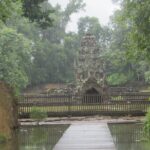
The first part of your day is in the wider Angkor Archaeological Park area, starting with Banteay Kdei. You’ll have roughly 2 hours here before moving on.
What makes this opening segment smart is contrast. You’re not jumping straight into Angkor Wat’s grand symmetry. Instead, you start with temples that feel more grounded in the landscape. The whole region around here is known for that mix of massive stone architecture and nature pushing in, and the experience builds momentum from that.
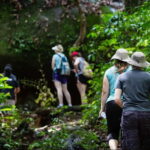
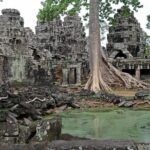
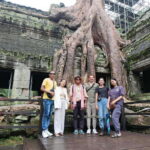
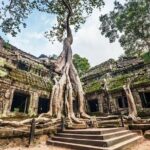
This is also where Ta Prohm shows up in the day’s plan. Ta Prohm is described as a temple complex slowly being reclaimed by the jungle, and that description is more than poetic. It changes how you see the carvings and towers, because nature and craftsmanship are in the same frame. You start noticing how the site’s survival depends on both human design and time.
Practical tip: begin the day with sunscreen in your day bag. The tour information is clear about bringing sunscreen and water, and you’ll feel why once you’re out in the open stretches between structures.
Stop 2: Angkor Thom and Bayon’s stone faces
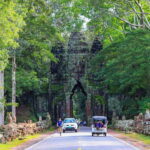
Next comes Angkor Thom, the big walled city that served as the royal capital in the 12th century. This stop runs about 2 hours.
Here’s what makes Angkor Thom a key chapter rather than just another pile of stones: it gives you the sense of scale and urban life. The tour materials note the city once had a population of about 1 million, far larger than any European city of the era. Standing in a former capital like this does something to your perspective. It helps you stop thinking of Angkor as one monument and start thinking of it as a whole system of power, movement, and belief.
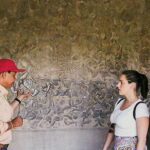
Then you get the centerpiece: Bayon Temple, known for carved-stone faces. That’s the moment many people remember as the turning point in their trip, because your attention keeps snapping upward. The guide’s role matters here. A historian-style explanation helps you understand why these faces are placed where they are and what they meant in context, instead of treating them as just a photo backdrop.
Potential drawback at this stage: it’s easy to over-focus on Bayon faces and rush everything else in your 2-hour window. If the group is moving fast, you might feel pulled along. The small-group limit helps, but you still need to be ready to manage your own pace—slow down when the guide pauses for key points.
Stop 3: Angkor Wat, plus the lunch break that keeps you steady
Finally, you reach Angkor Wat, the main event. This part gets about 3 hours, and it’s also where the tour plans your lunch break before you explore the temple itself.
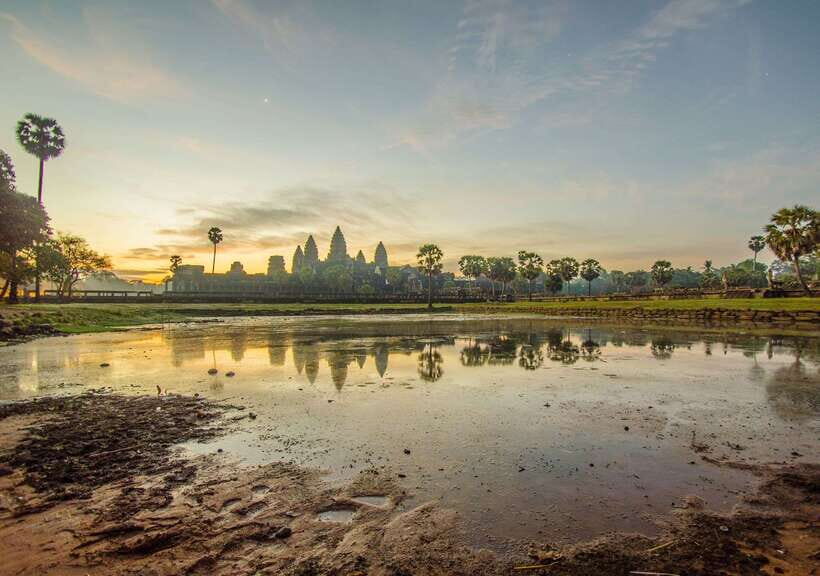
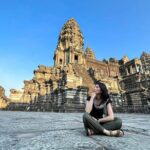
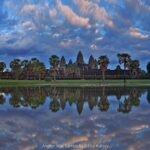
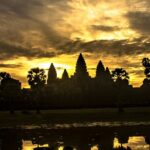
Angkor Wat is described as the largest religious building in the world, and the scale is obvious even before you get inside. The history details are part of what makes the visit stick: the temple took 30 years to construct and used labor from 300,000 workers. When you hear that kind of effort, the carvings feel less like decoration and more like a long-term human project with serious intention.
Lunch is a big deal on this tour. You’re not eating a random snack while standing on a curb. You get lunch at a local house, plus bottled water, local snacks, and fruits built into the day’s comfort plan. That means you’re less likely to feel drained at the exact moment you need energy for the walking and viewpoint changes inside and around Angkor Wat.
What to watch for in this final segment: you can easily burn out if you chase every angle at once. Three hours sounds generous, but Angkor Wat rewards patience. If you’re the type who likes to linger, this is your moment. If you’re more goal-oriented, still take a pause. The site is famous for being visually overwhelming, and stepping back helps you see patterns rather than just details.

The real value of the included lunch and snacks
Temple days are often priced like the ticket is the only cost. Here, your included lunch changes the math.
At USD 49 per person, you’re paying for:
- Hotel pickup and drop-off
- English-speaking tour guide
- Bottled water
- Local snacks and fruits
- Air-conditioned vehicle
- Lunch at a local house
And then you add the temple admission separately: USD 37 per day.
So think of the total as more like a “day package” than just a guide plus transportation. When lunch and snacks are included, you get fewer decision points on the ground. That’s especially helpful if you want to spend your attention on the temples instead of hunting for food options between sites.
Vegetarian travelers also have an option. If you need a vegetarian lunch, you should flag it when booking. That small step can prevent a stressful scramble once you’re on-site.
Tickets and cost reality: what your day should budget
Let’s talk numbers without drama. You pay USD 49 for the tour. The temple tickets are not included, and the listed temple ticket cost is USD 37 per day.
That means your Angkor day budget is roughly:
- USD 49 for the tour package
- USD 37 for temple admission
Total around USD 86, before personal extras. The tour does a decent job adding value because it includes lunch and basic refreshment support, so you’re not paying extra along the way for water and food.
If you’re comparing, also consider the group size. A max of 6 travelers can make the tour feel more like a guided walk with context than like a bus excursion with a microphone.
Guide quality: why the names in the feedback matter
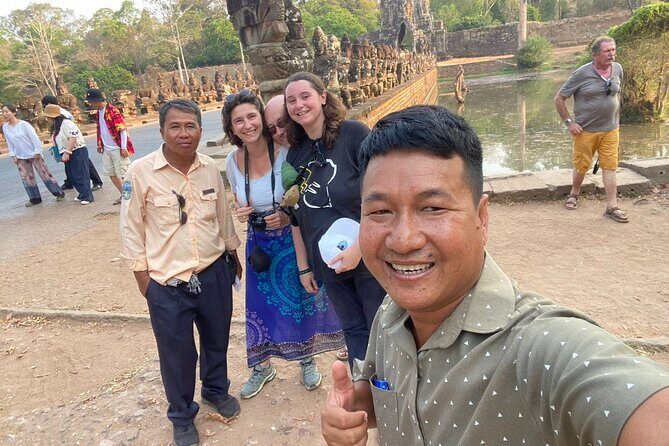
A big reason this experience gets a perfect recommendation rate in the feedback you’ll find for this operator is the guide skill. Names that come up for this company’s Angkor experiences include Ben, Son, Rith, Prathna Son, and Sotin.
Even without assuming which guide you’ll get, the pattern is useful: the guides are praised for clear English, friendly interaction, and big-picture context that makes the temples easier to understand. Some descriptions also point out that guides help with the best viewpoints for photos, which sounds small until you realize angles can make a huge difference at Bayon and Angkor Wat.
If you care about more than just seeing the temples, this is where the tour justifies itself. The difference between scanning carvings and understanding what you’re looking at is often the difference between a good trip and a memorable one.
What to expect from the pacing and walking
This is a full day built around three major stops, with time allocated as:
- Banteay Kdei segment: about 2 hours
- Angkor Thom segment: about 2 hours
- Angkor Wat segment: about 3 hours
That timing matters because it affects how much you’ll feel rushed. On paper, it’s balanced. In real life, heat and crowds at the sites can squeeze your attention. This is why the small group size is more than a comfort perk. With fewer people, your guide can slow down when you need a moment, or answer questions without the whole group falling behind.
You should also be prepared for moderate activity, since the tour notes that it’s suitable for travelers with moderate physical fitness. If you have mobility issues, it’s worth thinking carefully before booking.
Who this tour fits best
This tour is a great match if you want:
- A guided, historian-focused Angkor day rather than a self-drive checklist
- The ability to move at a calm pace with a group of up to 6
- Meals handled: lunch at a local house plus snacks and fruits
- A structured plan that hits the big three zones you’re likely picturing: Banteay Kdei/Ta Prohm style jungle atmosphere, Angkor Thom with Bayon faces, and Angkor Wat
It may be less ideal if you want a totally relaxed day with minimal walking, or if you strongly prefer having control over every minute. Even with a small group, you’re on a set schedule with allocated time per stop.
Should you book this Angkor Wat small-group tour?
I think you should book if you want Angkor Wat without the stress. The combination of hotel pickup, air-conditioned transport, and an included lunch makes the day feel organized. Add a historian guide and a small group size, and you get a better chance of actually understanding what you’re seeing.
If your budget is ultra-tight, you need to account for the temple tickets at USD 37 per day. Still, compared with piecing together guides, transport, and food separately, this package looks like a practical value play.
My decision rule: if you’d rather spend your energy learning and looking closely than managing logistics, this tour makes a lot of sense.
FAQ
How long is the Angkor Wat small-group tour?
It’s listed as about 7 hours.
Are temple admission tickets included in the price?
No. Temple admission is listed as USD 37 per day and is not included.
What’s included in the tour package?
Hotel pickup and drop-off, an English speaking tour guide, bottled water, local snacks and fruits, an air-conditioned vehicle, and lunch at a local house.
Does the tour offer hotel pickup?
Yes. Hotel pickup and drop-off are included, with the tour starting around 8:00 am.
Is lunch available for vegetarians?
Yes. A vegetarian option is available, and you should advise at booking.
How big is the group?
The tour has a maximum of 6 travelers.