REVIEW · SIEM REAP
Siem Reap: Angkor Wat Temples & Phnom Kulen Park 3-Day Tour
Book on GetYourGuide →Operated by Angkor Wat Travel Tour · Bookable on GetYourGuide
Sunrise at Angkor changes everything.
This 3-day private tour is built around timing: early temple starts, a calmer look at the carvings, and ends with the big wow moments like Angkor Wat sunset and the pre-dawn rise for sunrise. I especially like how the plan blends famous names with less-visited stops, so you don’t just tick boxes. You’ll also see what strong guiding looks like through guides such as Paul and Praim, and the “always ready” service style from drivers like Sol with chilled water and cold handkerchiefs.
One more thing I really like is the mix of temple styles across the days—classical gateways and towers in Angkor Thom, then the dramatic jungle mood at Ta Prohm, then the quieter, more spiritual feel at Buddhist sites. A possible drawback to plan for: the big tickets are not included—your 3-day temple pass and the Phnom Kulen ticket are extra—so the final cost will land above the headline price.
In This Review
- Key Highlights You’ll Actually Feel on This Tour
- Why This 3-Day Loop Works in Siem Reap
- Day One: Banteay Srey First, then Phnom Kulen and Kampong Phluk
- Day Two: Angkor Thom Gate-to-Gate, Ta Prohm Jungle Magic, and Phnom Bakheng Sunset
- Day Three: 5:00 AM Angkor Wat Sunrise, Then Pre Rup and the Temples After Lunch
- What Your Guide and Driver Get Right (and How to Use Them)
- Price and Value: What $336 per Group Really Means
- Practical Packing and Temple Etiquette You’ll Thank Yourself For
- Who This Tour Fits Best
- Should You Book This Siem Reap Temples and Phnom Kulen 3-Day Tour?
- FAQ
- What’s included in this 3-day tour?
- What’s not included?
- What time do pickups happen on each day?
- Do I need to buy the temple pass and Phnom Kulen ticket?
- What vehicle will I ride in?
- What should I wear and bring for the temples?
- Is free cancellation available?
- Is this tour private?
Key Highlights You’ll Actually Feel on This Tour
- Banteay Srey before crowds: You start early enough to enjoy the temple’s carvings with breathing room.
- Sunrise logistics that matter: A 5:00 AM pickup keeps you in position before the heaviest rush.
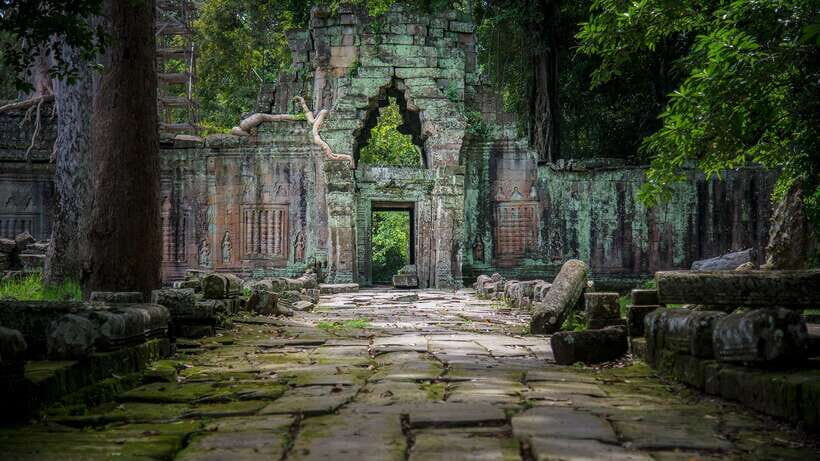
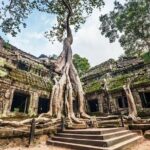
- Ta Prohm with the right mood: Roots, stone, and that movie-linked fame, but you’ll still get real temple time.
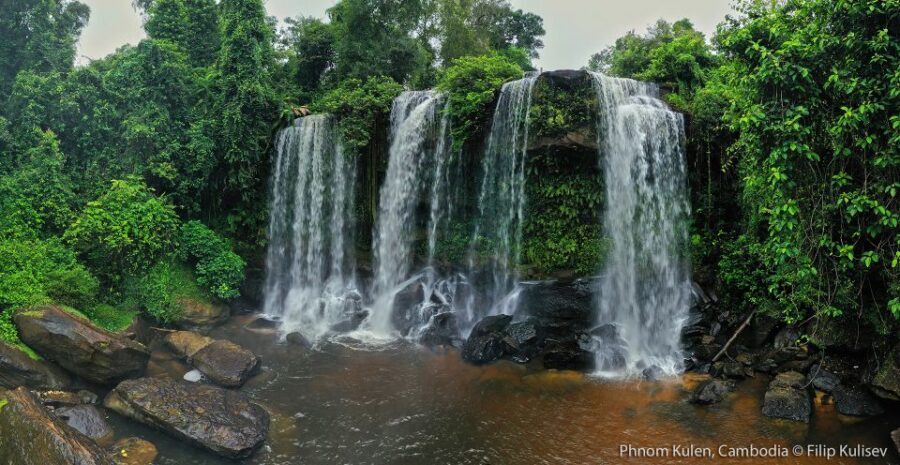
- Phnom Kulen isn’t a detour: It’s tied to the start of Angkor’s royal cult under King Jayavarman II (802 AD).
- Kampong Phluk on Tonlé Sap surprises people: A floating village stop turns out to be more than a quick photo stop.
Why This 3-Day Loop Works in Siem Reap
Angkor is huge, and the easy mistake is trying to cram it in at your own pace until you’re fried. This tour solves that by clustering temples in smart geographic blocks and running early starts when the light and the crowds are on your side. You get a car experience too—either a mini LEXUS RX300 or a minivan—so you’re not bouncing around in the back of the wrong vehicle all day.
The other “why it works” is that you’re not only chasing the headline sights. You also get places that fill in the story: Banteay Srey’s carving detail, Angkor Thom’s named landmarks, and the later-day temple choices that keep the day from turning into one long blur.
And yes, the practical extras help. Expect pure mineral drinking water and a cold handkerchief during the trip, plus umbrellas in the rainy season. When you’re walking stone paths in hot weather, that comfort is not fluff.
You can also read our reviews of more tours and experiences in Siem Reap
Day One: Banteay Srey First, then Phnom Kulen and Kampong Phluk
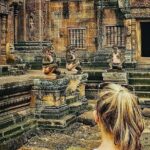
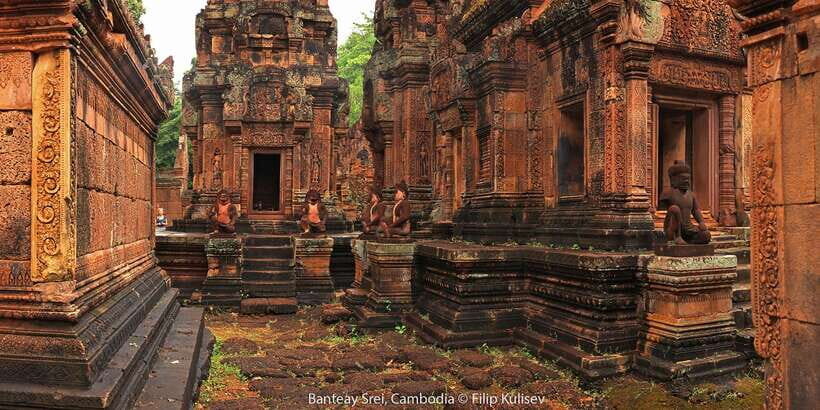
Your first morning starts with a pickup around 7:30 AM. The day begins by heading to get your 3-day temple pass, then going straight to Banteay Srey early enough to beat many of the crowd waves. This is the temple you came for if you love detail: it’s widely considered the most intricately carved in the Angkor complex.
On the drive, you’ll pass traditional Khmer villages and palm sugar plantations. That roadside hour matters because it shifts the day from just ruins to real life around Siem Reap—far more grounded than jumping from hotel to temple to temple.
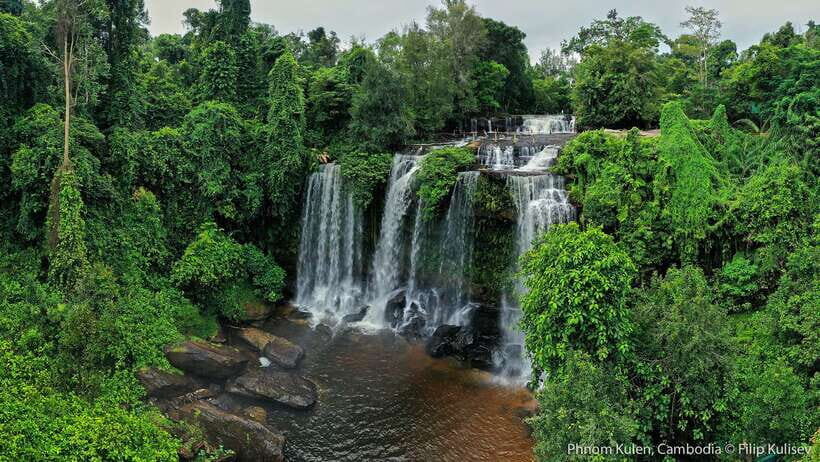
From there you have an option: stop at the Landmine Museum (admission is $5) or skip it and continue on to Phnom Kulen National Park. Phnom Kulen is where Angkor’s story gets a beginning marker: it’s tied to King Jayavarman II and the royal “God of the King” Linga cult initiated in 802 AD. If you’re the type who likes meaning behind the stones, this is the day that gives you that.
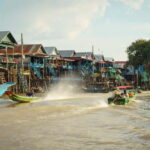
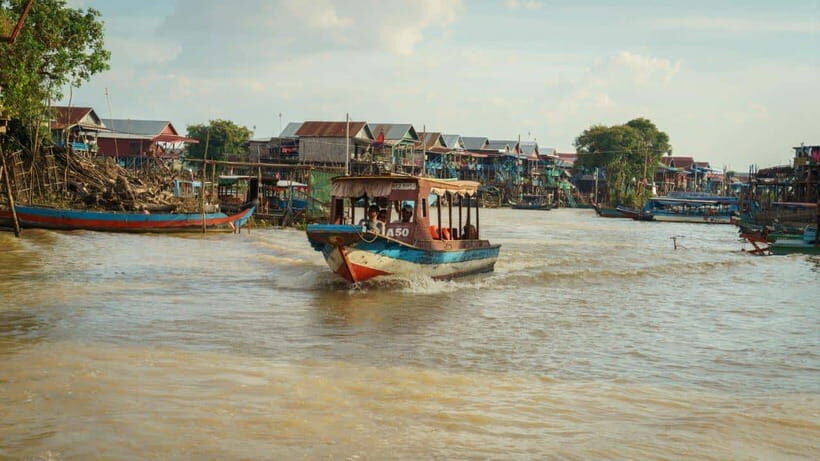
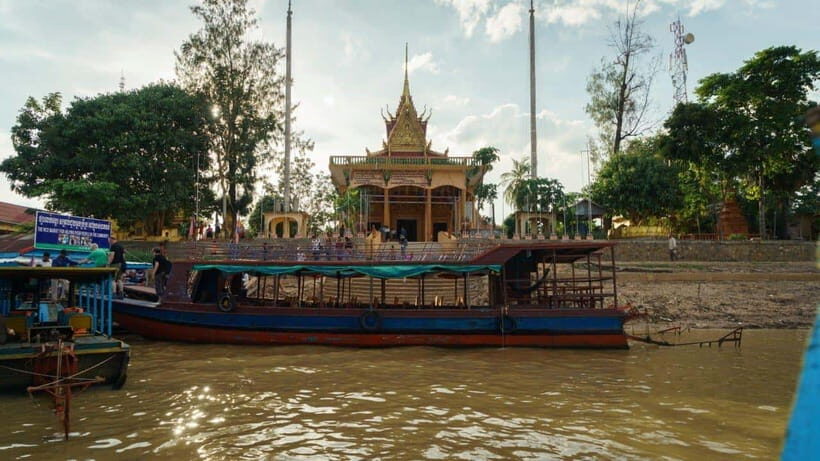
You finish with Kampong Phluk on Tonlé Sap Lake, the floating village area. People often come in skeptical because it sounds like a sightseeing add-on, but it lands differently when you see it as a living water-based community rather than a staged stop.
Watch-outs for Day One: it’s hot, and walk time can add up quickly once you’re inside temple compounds. Wear comfortable shoes, bring insect repellent, and plan to reapply sunscreen if you’re out in full sun.
Day Two: Angkor Thom Gate-to-Gate, Ta Prohm Jungle Magic, and Phnom Bakheng Sunset
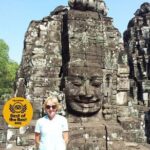
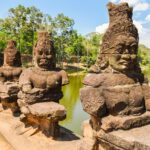
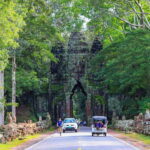
Day two pickup is around 8:00 AM, and you start with Angkor Thom. This is where the named monuments help you keep your bearings: the South Gate, Bayon, Baphuon, Phimeanakas, then the major terraces like the Terrace of the Elephants and the Terrace of the Leper King. You also pass the North and South Khleang, which are part of the larger layout of the city.
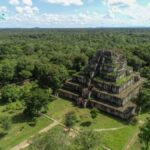
After that city core, you move into smaller sights on the small circuit, including Chau Say Tevoda, Thommanon, and Ta Keo. These are the kind of temples that can get skipped on fast tours, but they’re perfect for slowing down—less glare, more time to notice structure and stone work.
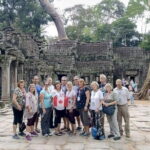
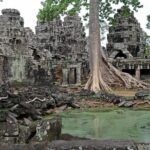
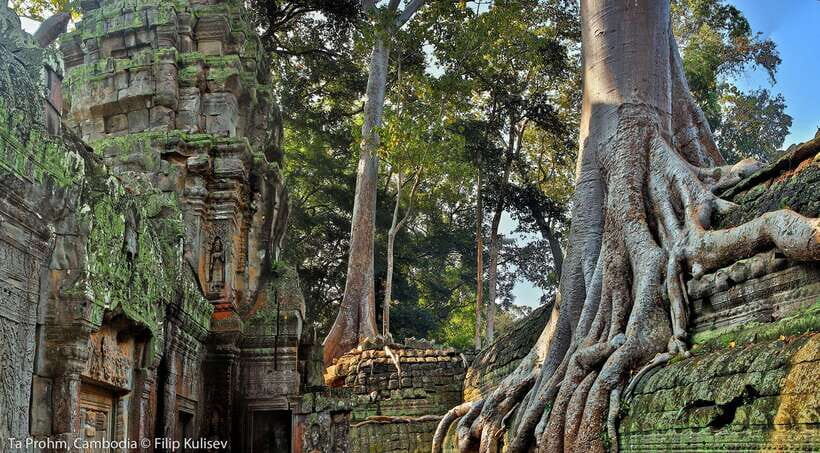
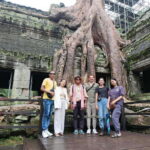
Then you hit the big dramatic one: Ta Prohm, the jungle temple associated with scenes filmed for Tomb Raider. Here’s the key: Ta Prohm is famous, but what makes it worth your time is seeing the stones framed by roots and greenery while your guide points out what’s actually carved versus what’s just atmosphere.
After lunch, you visit the Buddhist temple of Banteay Kdei. This stop balances the day because it’s more about spiritual space than cinematic spectacle. You’ll have time to explore it at your own pace, which is important at Angkor when your feet and brain both need a breather.
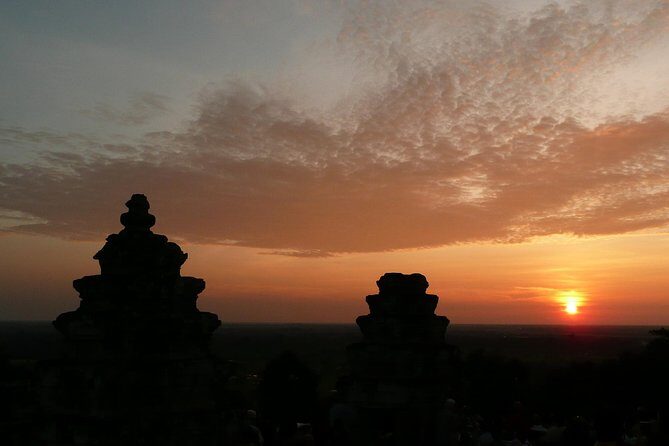
The day ends with Phnom Bakheng in time for sunset. That last-light timing can make carvings look softer and stone textures more visible. Just remember: sunset days often feel busy, even when the tour is well managed—so bring patience, not just enthusiasm.
Day Three: 5:00 AM Angkor Wat Sunrise, Then Pre Rup and the Temples After Lunch
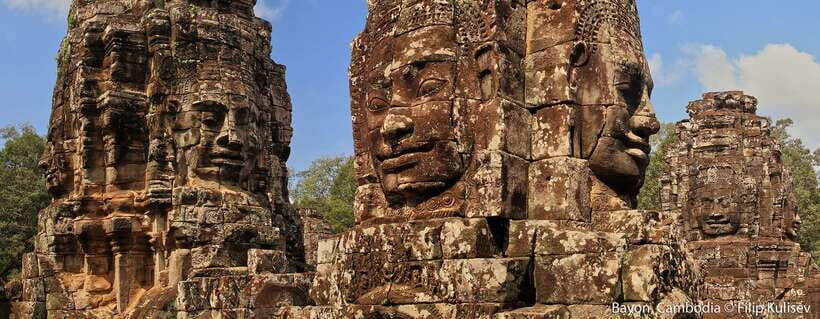
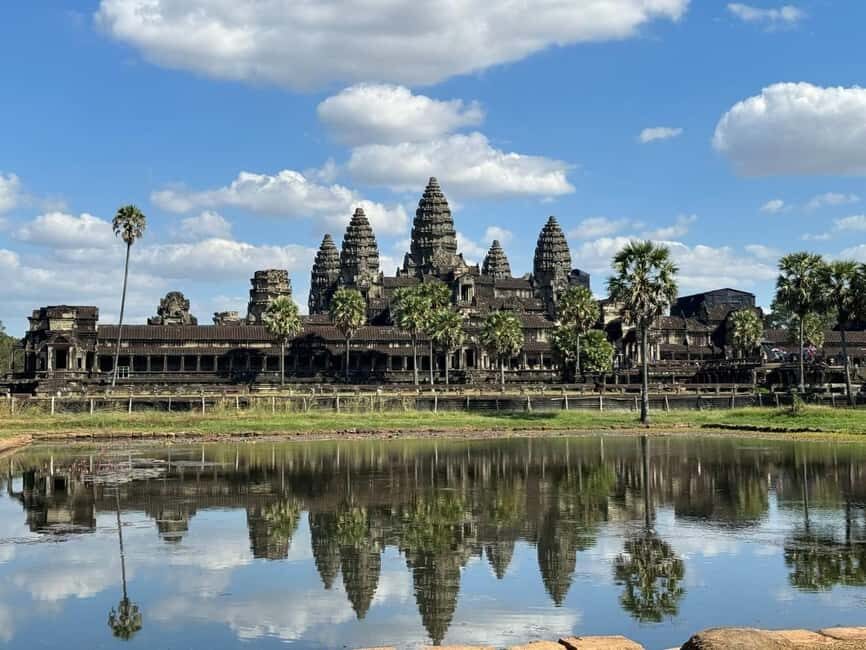
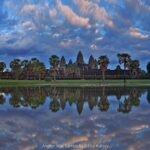
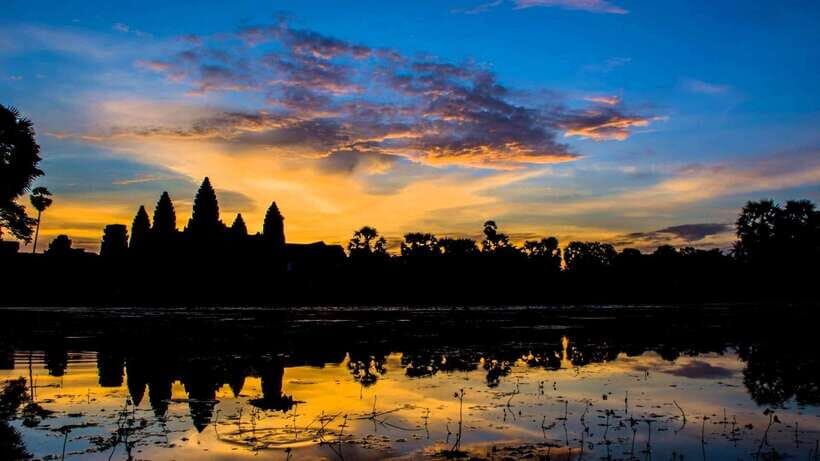
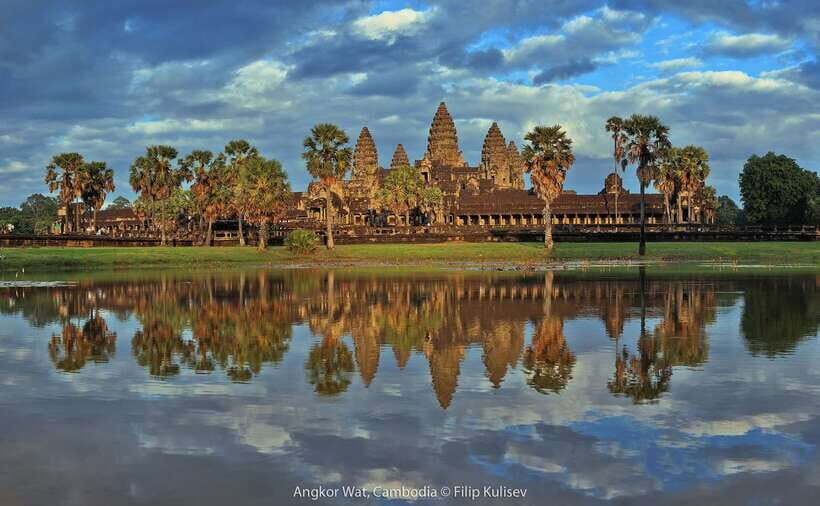
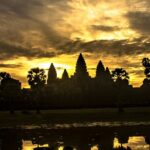
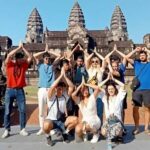
Day three starts very early—pickup is around 5:00 AM for sunrise at Angkor Wat. The point of the early start is not only the sunrise itself; it’s what happens right after. Once the biggest morning crowds thin out, you get time to explore Angkor Wat at your own pace while your guide is still there to explain what you’re seeing.
This is also where you get the most value from a great guide. Good ones don’t just list facts; they help you notice patterns—where to look for carvings, why certain layouts feel different, and what those layers meant to the builders. In past tours, guides like Paul and Noy were praised for staying attentive, adapting to your pace, and making the experience feel personal without wasting time.
After sunrise and temple time, you move to other major sights: Pre Rup and Banteay Samre. After lunch, you continue with additional temples including East Mebon, Ta Som, Neak Pean, and Preah Khan. This “after lunch” run matters because it keeps you moving while the light and energy levels are still workable—so you don’t drift into the late-day slump where every step feels harder than it should.
On the return drive, you pass local villages and you may want photo stops. Those quick breaks are useful. After three days of temples, a short street-level moment helps reset your brain.
What Your Guide and Driver Get Right (and How to Use Them)
This is a private group, so you’re not stuck watching the same guide script for ten dozen people. That flexibility shows up in how guides handle your pace and interests. In particular, I like the way guides have been described as adjusting tours to match ability and never making you feel rushed.
Service also seems to be a real priority. Drivers like Sol are noted for being ready with chilled water and those soothing cold handkerchiefs. It’s the kind of small thing that helps you stay upright and walk instead of feeling wrecked by heat.
Photography can be another hidden win. One guide—Hear Praim—was specifically mentioned for being a top photographer. If you care about getting shots without wasting time, this is the type of guide who can help you time stops for angles and avoid the worst positioning.
One balanced note: if you want heavy, lecture-style history all day, you might find the pace more “site focused” than “classroom focused.” That’s not bad—it just means you’ll get the details that help you see the temples, not a substitute for a documentary marathon.
Price and Value: What $336 per Group Really Means
The price is listed as $336 per group (up to 3 people) for a 3-day experience. That’s about $112 per person if you split it three ways, before tickets and meals. The trade-off is that you’re paying for a private guide, a driver, and transport (mini LEXUS RX300 or minivan), plus the built-in early starts that are hard to copy on your own.
Here’s what isn’t included, so you should budget ahead:
- Phnom Kulen ticket
- 3-day temple pass
- Optional Landmine Museum admission ($5)
- Meals
- Accommodation and personal expenses
So the tour is best value when you already plan to do Angkor properly and you’ll actually use a guide to cut through confusion. If you’re the kind of traveler who hates set timing, this may feel like too much structure. But if you want the “right order, right time” advantage—especially for sunrise—that structure pays off.
Also: the tour includes practical comfort items like drinking water and cold handkerchiefs. Over three days of temple walking, those small extras add up.
Practical Packing and Temple Etiquette You’ll Thank Yourself For
For temples, dress is not optional. You’ll be visiting sacred sites, so you need shoulders, knees, and chest covered for both genders. Keep fabric light and breathable, but don’t show too much skin.
Bring:
- Comfortable shoes (stone steps and uneven paths are normal)
- Sunscreen
- Insect repellent
- A hat, plus hydration (drink water often, not just when you feel thirsty)
Weather is often hot for most of the year, so assume you’ll sweat and plan around it. Also, if you’re visiting in rainy season, umbrellas are included—but you’ll still want a backup layer if you get caught in downpours.
Small tip that makes a difference: save energy in the morning by not overpacking your day bag. Carry only essentials you’ll use immediately, and keep the rest for the breaks.
Who This Tour Fits Best
This is a great fit if you want:
- A private, guided Angkor experience with efficient routing
- The full Angkor range: Banteay Srey, Angkor Thom, Ta Prohm, and Angkor Wat sunrise
- A day outside the main temple grid with Phnom Kulen and Kampong Phluk
It also works well for mixed groups, including families. One small-kid-friendly detail: the driving was described as smooth even off-road, with the driver helping without making logistics your problem.
If you’re an extreme history nerd who wants nonstop lectures, you might want to add your own reading time or documentaries. But for most people, the balance of guided pointing, meaningful stops, and time to explore on your own is a sweet spot.
Should You Book This Siem Reap Temples and Phnom Kulen 3-Day Tour?
Book it if you want Angkor with structure, comfort, and timing that hits sunrise and early temple hours. The early 7:30 AM start on day one and the 5:00 AM sunrise on day three are not fluff—they’re what separates a satisfying visit from a crowded, sunburn-heavy grind.
Don’t book it yet if budget surprises would stress you out. Since the 3-day temple pass and Phnom Kulen ticket are not included, you’ll need to add those costs, plus meals. Also, if you hate fixed schedules and prefer total spontaneity, a multi-day loop can feel a bit rigid.
If you can handle that, you’ll get a strong mix: intricate carvings at Banteay Srey, cinematic-mood Ta Prohm, spiritual sites like Banteay Kdei, a real outdoor day at Phnom Kulen, and the Tonlé Sap floating village experience.
FAQ
What’s included in this 3-day tour?
You get a car or minivan with gasoline and a driver, a fully licensed English-speaking tour guide, pure mineral drinking water, and cold handkerchiefs. Umbrellas are provided during the rainy season.
What’s not included?
Not included are the Phnom Kulen ticket, the 3-day temple pass, admission to the Landmine Museum (listed at $5 if you choose it), meals, accommodation, and personal expenses.
What time do pickups happen on each day?
Day one pickup is suggested for 7:30 AM. Day two pickup is suggested for 8:00 AM. Day three pickup is suggested for 5:00 AM to catch sunrise at Angkor Wat.
Do I need to buy the temple pass and Phnom Kulen ticket?
Yes. The 3-day temple pass and the Phnom Kulen ticket are not included, and the tour includes time to purchase the temple pass on day one.
What vehicle will I ride in?
You’ll ride in either a mini LEXUS RX300 or a Mercedes Istana minivan, depending on the group setup.
What should I wear and bring for the temples?
Dress appropriately with shoulders, knees, and chest covered. Bring comfortable shoes, sunscreen, and insect repellent, and plan to stay hydrated in the hot weather.
Is free cancellation available?
Yes. You can cancel up to 24 hours in advance for a full refund.
Is this tour private?
Yes. It’s listed as a private group with hotel pickup included in Krong Siem Reap.