REVIEW · SIEM REAP
Private Tuk Tuk Tour to Angkor Wat and Small Circle with Two Extras
Book on Viator →Operated by Angkor-Travel Tours · Bookable on Viator
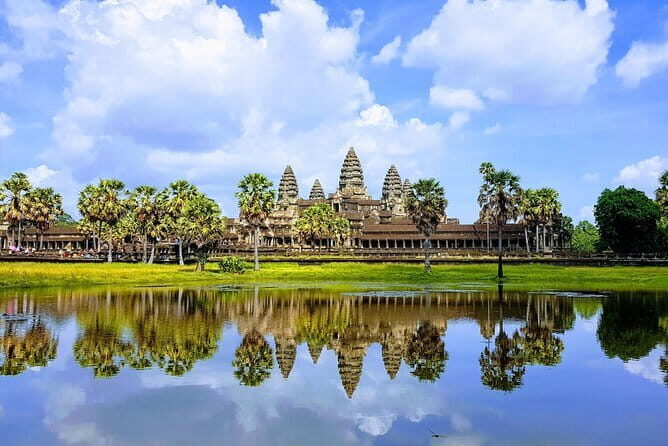
One day gives you two Angkor Wat angles. This private tuk-tuk route is built for better photos and a calmer pace, with an early start through the East Gate and a return late in the day for mirror-like pond views. I also like that you mix major sights with smaller stops that help you understand what you’re looking at, not just pass by it.
My favorite part is the balance: big temples like Ta Prohm and Bayon, plus quieter ruins and even the Wat Thmey memorial. One drawback to plan for is that the schedule is long and the Angkor temple ticket is extra, so you’ll want to budget for both the tour and the 1-day temple pass.
In This Review
- Key highlights that make this day work
- A private tuk-tuk day in 9–10 hours: how it feels in real life
- Morning Angkor Wat: the East Gate entry and the best light
- Small Circle stops that add meaning: Prasat Kravan, Bat Chum, Srah Srang
- Jungle temples without the scramble: Banteay Kdei, Ta Prohm, Ta Nei
- Angkor Thom circuit: Ta Keo, Spean Thma, gates, Bayon, South Gate
- Late-afternoon Angkor Wat: pond reflections and a second chance at the best shots
- Wat Thmey Killing Fields: what to expect and how to handle it
- Price and ticket math: where the real value comes from
- Packing tips that match a long temple day
- Who this tour fits best (and who might want a different plan)
- Should you book this private tuk-tuk Angkor Wat and Small Circle day?
- FAQ
- What is the duration of this tour?
- What time does the tour start?
- Is pickup included?
- Is this tour private or shared?
- Do I need to buy the Angkor temple ticket separately?
- Is lunch included?
- What’s included in the tour price?
- Is Wat Thmey included, and does it cost?
- How many temple stops are included?
- Is free cancellation available?
Key highlights that make this day work
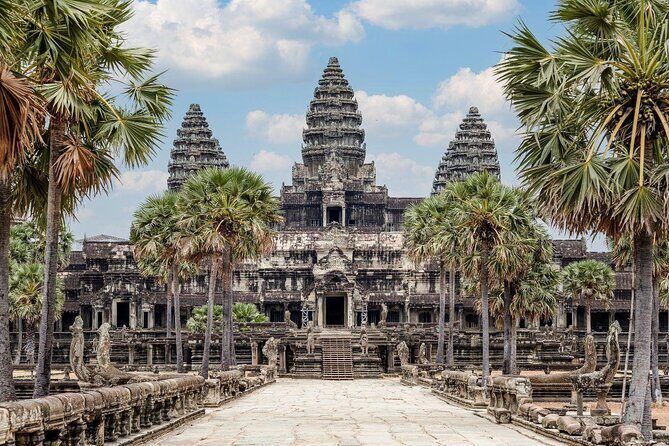
- East Gate start, then Angkor Wat again late afternoon for two very different photo moments
- Small Circle coverage that includes major hits (Ta Prohm, Bayon) and lesser-seen ruins
- Ta Prohm + Tomb Raider photo fun, with time to slow down under the huge trees
- Ta Nei is off the main track, reached by gravel roads for a more Indiana Jones feeling
- Wat Thmey Killing Fields memorial stop with stupa and photo boards, plus free entry
A private tuk-tuk day in 9–10 hours: how it feels in real life
This is a full-day loop that starts early, around 7:00 am, and typically runs 9 to 10 hours. You’re in a private vehicle with an English-speaking driver, plus free bottled water during the tour. For me, the value of a private setup is simple: you’re not stuck waiting for a big group at every gate or fighting your way into the same photo spots.
You’ll also notice the tour is designed around timing. You hit Angkor Wat early enough to catch softer light and then come back later when the reflections in the ponds and moats are usually the star. That “go and return” approach is a smart way to do the most famous site without turning the day into one long sprint.
The other practical point: there’s no mention of lunch being included. So you’ll want a day plan for food and breaks, because you’ll be busy moving between temples all morning and afternoon.
You can also read our reviews of more private tours in Siem Reap
Morning Angkor Wat: the East Gate entry and the best light
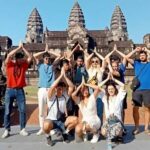
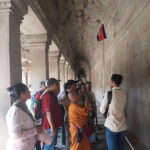
Angkor Wat is always worth seeing, but the trick is how you enter and when. This tour starts by driving to a less-frequented East Gate so you see the complex in morning light. Then you still get the more famous view from the West Gate-side angle later, so you don’t miss the classic postcard perspective.
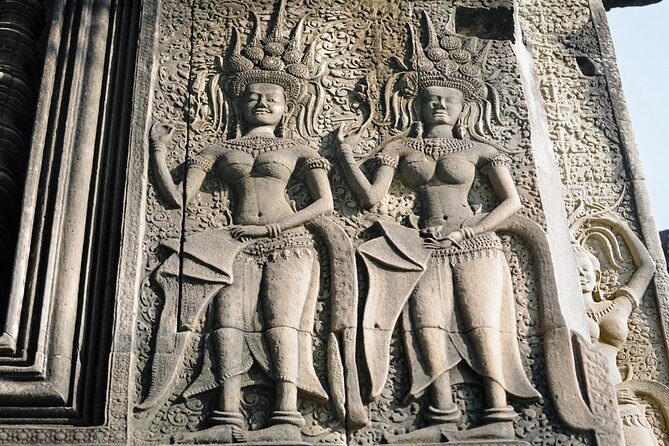
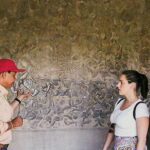
The morning stop is about 2 hours, which is enough time to take photos, walk the key areas, and still feel human instead of rushed. If you care about architecture details—doorways, lintels, and the way the temple lines up with the surrounding water—you’ll have the time to notice them.
A private driver also helps here because you can shape your pace. In past experiences with this kind of service, drivers like Pin have been described as friendly and willing to let you proceed at your own pace. That flexibility matters because Angkor Wat can be crowded in waves, and your best photo moment might not match the group schedule.
Small Circle stops that add meaning: Prasat Kravan, Bat Chum, Srah Srang
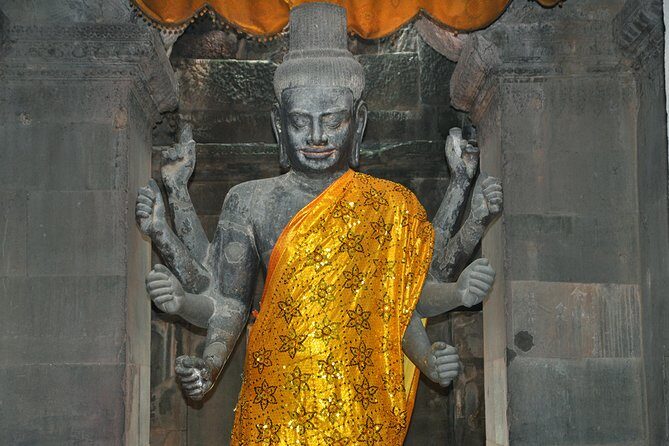
After the first Angkor Wat hit, the day shifts into “learn what you’re seeing” mode. The best part of a Small Circle route is that it connects the dots between styles and religious changes—without requiring you to read a book during your vacation.
Prasat Kravan is short—about 20 minutes—but memorable. You’ll see five towers in one line, with large brick carvings that stand out because many other Angkor carvings are more stone-focused. Even with limited time, it’s a good stop for spotting the differences in materials and decoration.
Next is Prasat Bat Chum (also about 20 minutes). This one has three towers on a shared platform, and the standout feature is the large inscriptions. Those markings point toward a period when Buddhism had taken route in Angkor, which gives you a reason to look closely instead of treating it like a quick photo.
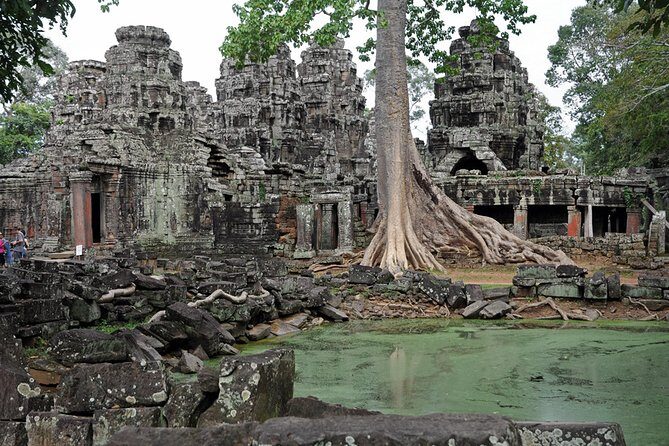
Then comes Srah Srang (around 10 minutes). It’s a smaller water feature than the big baray reservoirs, but it’s still visually rewarding. The terrace includes animal sculptures, and the basin design is its own thing: Srahs are artificially deepened water basins, not the reservoir-style barays. If you like details, this is an easy stop to enjoy because it’s designed for the eye—especially when the light hits the carvings and the water looks calm.
Jungle temples without the scramble: Banteay Kdei, Ta Prohm, Ta Nei
This is where the day gets cinematic. You’ll spend about 45 minutes at Banteay Kdei, then 1 hour 15 minutes at Ta Prohm, and 30 minutes at Ta Nei. That chunk of time matters because these temples aren’t about one perfect view. They’re about wandering through structure and shade.
Banteay Kdei is often compared to the famous jungle temple Ta Prohm, but it has its own layout. It’s still a large complex with a labyrinth-like design, and the good news is you won’t have to worry too much about getting totally lost. The temple walls and paths help guide you, even if you’re just following instincts and trying to find the best angles for photos.
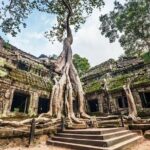
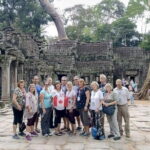
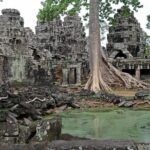
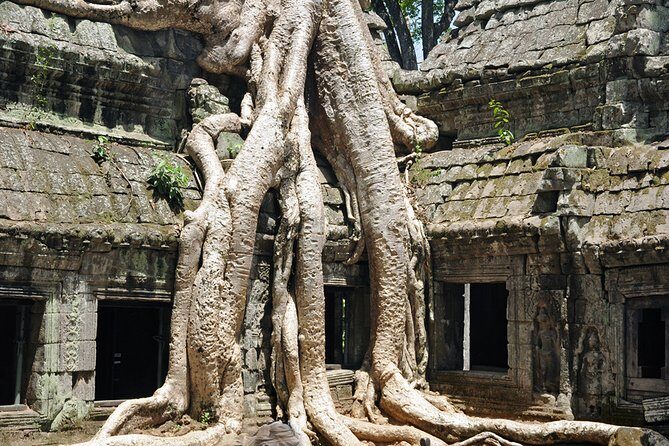
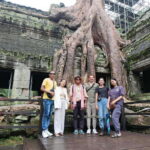
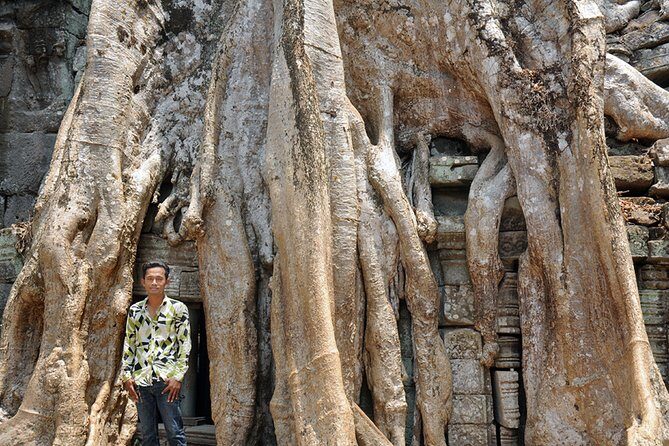
Then Ta Prohm brings the world-famous look: overgrown with huge strangle fig trees. You get about 1 hour 15 minutes, which is just right—enough time to walk around the main areas, stop for those iconic photos, and take in the way the roots interact with carved stone. If you’ve seen the big screen images from The Tomb Raider, you’ll understand why people try those playful recreations here. This temple practically begs for that kind of “wait, look at this” moment.
After that, you shift to something most visitors miss: Ta Nei. It’s described as still hidden in the jungle and accessible via gravel roads, which is exactly why it gets fewer visitors. Expect about 30 minutes. The best way to enjoy Ta Nei is to treat it like a mini adventure: go slower, look for framed views through the trees, and accept that the approach itself is part of the experience. The Indiana Jones feeling is the whole point.
Angkor Thom circuit: Ta Keo, Spean Thma, gates, Bayon, South Gate
Once you’re finished with the jungle temples, the route moves into the Angkor Thom area with a mix of stepped pyramids, a stone bridge photo break, and city gates that give you the best overall sense of the capital.
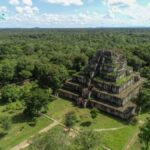
Ta Keo (about 40 minutes) is a former state temple and built like an artificial mountain, a stepped pyramid. The stairs are extraordinarily steep, so it’s worth thinking about your comfort level before you commit. If you’re the type who likes a challenge and you’ve got steady footing, you’ll enjoy the climb and the dramatic geometry. If stairs aren’t your thing, plan for a slower pace and focus on the parts you can reach comfortably.
Next is Spean Thma, a quick photo stop of about 5 minutes. It’s a stone bridge from the late Angkor period, and the construction used carved stones taken from earlier temples. That’s a cool detail because it turns the bridge into a time-capsule of reused stone. The riverbed has shifted east over time, so what you see today looks different than what it was meant for. Even with only a short pause, it’s a smart stop because it gives variety.
Then come the gates, and the day gets more “city scale.” Chau Say Tevoda (about 20 minutes) has a processional route from the east and lots of pediment carvings with mythological scenes. Thommanon (around 15 minutes) is the sister temple of Chau Say Tevoda and uses a tower style similar to Angkor Wat. If you’re starting to see patterns in design, these two stops help you spot them faster.
The Victory Gate is about 10 minutes. This one is known as one of the best preserved gates in Angkor Thom. There’s also a payoff if you climb along the gate structure: you get views toward the southern giant face area (the classic Bayon face towers theme). It’s a short stop, but it’s one of those times where standing at a higher angle makes everything click.
Bayon itself is only a quick photo stop (about 10 minutes). That’s important to understand up front. This tour gives you a taste—enough to frame the famous faces and get the photo you came for. If you’re hoping for a long, unhurried Bayon walk, you might want to save that for another day or be ready to treat Bayon as a highlight moment rather than a deep exploration.
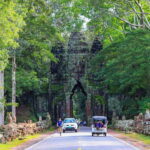
Finally, Angkor Thom South Gate gets about 15 minutes. This is an iconic stop with a face tower and rows of giant statues showing demons and gods. It’s the kind of scene that makes you look up without trying.

Late-afternoon Angkor Wat: pond reflections and a second chance at the best shots
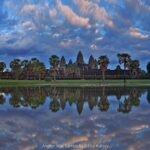
You return to Angkor Wat again in the late afternoon, with about 30 minutes at the complex. This second visit is less about learning new architecture and more about photography and atmosphere. The timing is the whole point: the towers can appear mirrored in the temple ponds and moats, which turns the scene into something more cinematic than the morning light.
Because you only get about half an hour here, I’d treat this as your “pick your spots” visit. Decide ahead of time what you want most—wide tower reflections, close-up carvings, or a specific angle—and spend your time there. A private tuk-tuk day makes that easier because you’re not balancing a dozen other people’s priorities.
Wat Thmey Killing Fields: what to expect and how to handle it
The emotional part of the day is Wat Thmey (Killing Fields). Entry here is free, and you’ll have about 10 minutes. The memorial includes a small stupa for victims of the Khmer Rouge and photo boards showing some of the people killed here. There’s also an open prayer hall on the grounds.
This stop is short, so I recommend a simple approach: keep your pace respectful, read what you can without rushing, and then take one quiet moment before you move on. It’s not the kind of place you should treat as a quick photo break. If you’re sensitive to heavy history, bring that awareness with you and slow down when you need to.
Price and ticket math: where the real value comes from
The tour price is $15 per person, and the Angkor temple ticket is not included. The ticket is $37 per person for 1 day (valid for temples). So your day budget is effectively $52 per person before lunch and personal spending.
Where this becomes good value is in the combination: private transportation, a full 9–10 hour route, English-speaking driver, and time at a mix of major and lesser-known sites. Most importantly, you get Angkor Wat twice with different timing. Paying for a second round of the main complex is often what makes a tour feel worth it compared to doing everything alone with less strategic timing.
Wat Thmey is free, which helps offset costs slightly. Lunch isn’t included, so you’ll likely add that yourself. If you prefer to eat where the route stops, plan for it early, because you won’t have a lot of control once the day is rolling.
Packing tips that match a long temple day
This is a hot-weather, big-walking kind of day. Even if you’re on a tuk-tuk between sites, you’ll still spend real time on foot at multiple temples. I’d pack for sun and walking comfort: hat, sunscreen, water bottle if you prefer your own, and shoes with grip for uneven stone.
Bring something small for temple basics too. You’ll be moving between sacred areas where modest coverage is appreciated, so a light layer can help if you get stuck between rules and weather. A small day bag also makes it easier to keep your phone, tickets, and a snack organized between stops.
Finally, manage your expectations about time. Some stops are only 10–20 minutes, and that’s by design. Use that to your advantage: take your key shots early, then let the slower temples do the heavy lifting.
Who this tour fits best (and who might want a different plan)
This tour fits best if you want structure without feeling trapped. A private tuk-tuk day is great for couples, solo travelers who don’t want to navigate alone, and anyone who prefers a “see a lot, but with a calmer pace” approach.
You’ll also like it if you care about photography. The combination of morning East Gate entry and late pond reflections at Angkor Wat is an intentional photo plan, not an accident. Ta Prohm’s overgrown look also gives you that fun, cinematic atmosphere—without you needing to rush.
If you’re the kind of visitor who wants to spend a long time in every complex, you might find a few stops feel too quick—especially Bayon, which is only a short photo stop here. In that case, you could treat this as your “greatest hits + context” day, then return later for slower repeats.
Should you book this private tuk-tuk Angkor Wat and Small Circle day?
Yes, you should book it if you want a well-paced temple circuit with smart timing and variety. The private transport, free water, English-speaking driver, and two Angkor Wat photo opportunities are the big wins. The addition of Wat Thmey also adds meaning to the day beyond stone and selfies.
Skip this tour or at least adjust your plan if you hate tight stop windows. Some sights here are brief by nature, so you’ll get a taste rather than a full deep-dive at every single site. And remember to budget for the Angkor 1-day ticket plus your own lunch.
If you want the comfort of a driver and the payoff of hitting both sides of Angkor Wat well, this is a strong way to spend a day in Siem Reap.
FAQ
What is the duration of this tour?
The tour runs about 9 to 10 hours.
What time does the tour start?
The start time is 7:00 am.
Is pickup included?
Yes, pickup is offered, and drop-off can be back to your hotel or another point in central Siem Reap.
Is this tour private or shared?
It’s private. Only your group participates.
Do I need to buy the Angkor temple ticket separately?
Yes. The Angkor ticket is not included. The provided price is $37 per person for a 1-day ticket (valid for all temples).
Is lunch included?
No. Lunch is not included.
What’s included in the tour price?
You get private transportation, an English-speaking driver, and free bottled water during the tour.
Is Wat Thmey included, and does it cost?
Yes. Wat Thmey (Killing Fields) is included, and it lists free admission.
How many temple stops are included?
The route includes 14 key Angkor sites plus Wat Thmey, with a total of two Angkor Wat visits during the day.
Is free cancellation available?
Yes. The policy allows free cancellation for a full refund up to 24 hours in advance.