REVIEW · SIEM REAP
Angkor Wat 1 Day with Sunrise Combined tour with (Tuk Tuk)
Book on GetYourGuide →Operated by Angkor Wat Private Tour · Bookable on GetYourGuide
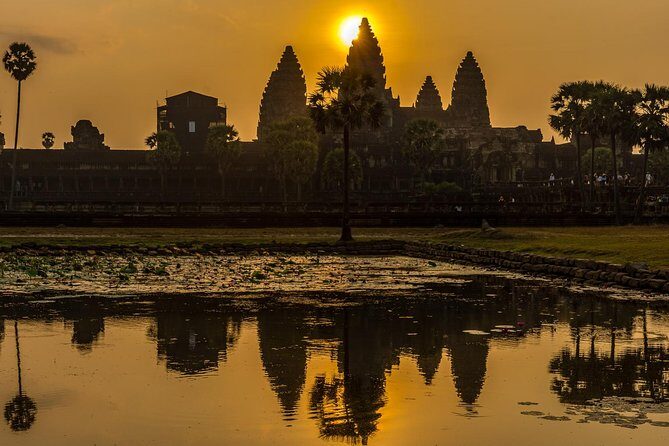
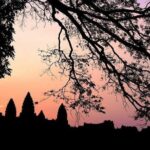
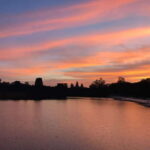
That first glow over Angkor Wat hits fast. This 1-day private tuk tuk experience is built around an early start, a sunrise that feels almost private, and then a smooth run through the big Angkor Thom sights without feeling like you’re being herded. I like that you get an English-speaking driver who gives context at each stop, plus flexibility when you want more time for photos.
One thing to consider: it starts very early (around 04:45), and the tour isn’t suitable for people with back problems.
In This Review
- Why This Angkor Sunrise + Tuk Tuk Day Feels Different
- Key Highlights You’ll Actually Care About
- A 4:45 AM Start That Really Changes Angkor Wat
- Temple Pass + Breakfast: The Part People Forget to Plan
- Private Tuk Tuk Comfort: Sit, Look, and Let the Day Flow
- After the Crowd Leaves: Exploring Angkor Wat at Your Own Speed
- Angkor Thom South Gate and Tonle Om Gate: Your Entry Point
- Bayon and the Terraces: Jayavarman VII’s Masterpiece Zones
- Bayon
- Baphuon
- Phimeanakas
- Terrace of the Elephants
- Terrace of the Leper King
- Thommanon, Chau Say Tevoda, and Ta Keo: Three Different Moods
- Thommanon
- Chau Say Tevoda
- Ta Keo
- Lunch Break at Local Restaurants: Budget-Friendly, but Not Included
- Ta Prohm: The Tomb Raider Temple Moment
- Banteay Kdei: Chambers, Calm, and Another Jayavarman VII Era
- Timing and Drop-Off: Back by Mid-Afternoon
- What’s Included, What’s Not, and How to Budget Smart
- Included
- Not included
- Who This Tour Fits Best
- Booking Tips That Make the Day Go Smoothly
- Should You Book This Angkor Wat Sunrise + Tuk Tuk Tour?
- FAQ
- What time does the tour start?
- Does the price include the temple ticket?
- Is hotel pickup and drop-off included?
- Will I have an English speaking driver?
- What meals are included?
- What temples will we visit after sunrise?
- How long is the full day?
- Is drinking water included?
- Is lunch included, and what does it cost?
- Can I bring a drone?
Why This Angkor Sunrise + Tuk Tuk Day Feels Different
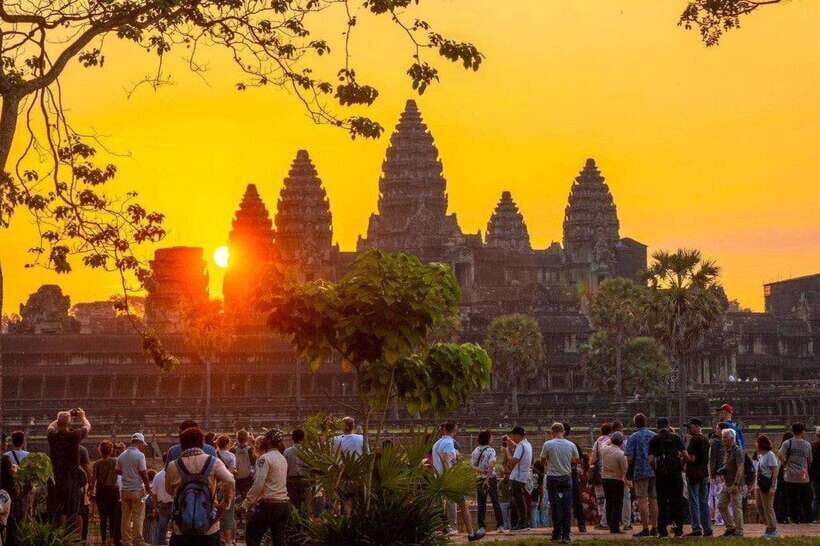
The big appeal here is how the day is paced. You’re up before most buses move, you watch the sunrise, and then you keep exploring after the crowd thickens and thins again. The tuk tuk is simple, open-air or semi-open style, and that matters at Angkor—less time fussing, more time noticing small details like carvings, doorways, and the way different temples change character as the light shifts.
It also helps that the driver role isn’t just driving. In real experiences, drivers like Indra (and sometimes Makara) handle temple-pass pickup timing, keep you oriented, and wait for you at each stop with cold drinking water. You also get practical help if your phone or internet fails—someone will still find you.
Key Highlights You’ll Actually Care About
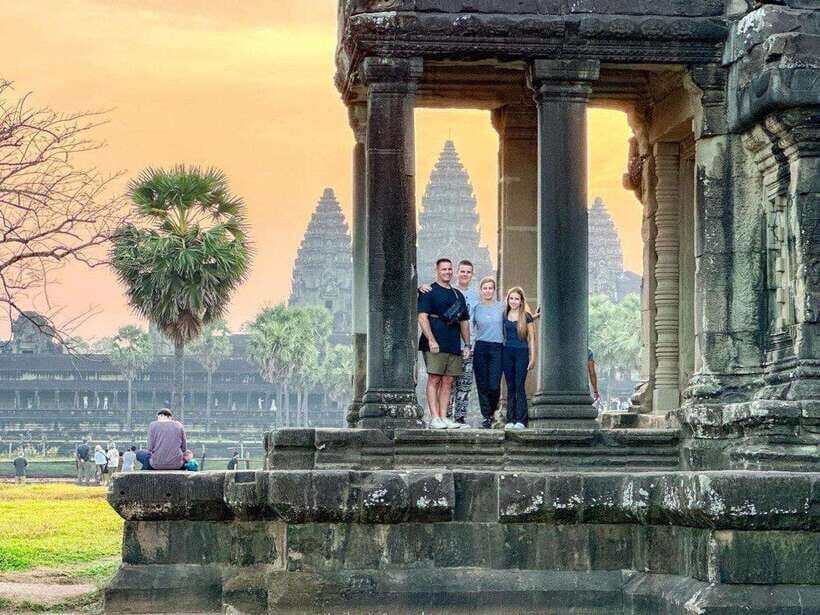
- Sunrise timing at Angkor Wat with an early pickup around 04:45 and time to enjoy the views before crowds surge.
- English-speaking tuk tuk driver who explains what you’re seeing and keeps the day moving at a humane pace.
- A smart Angkor Thom route from the South Gate toward Bayon and the surrounding terraces.
- Breaks built in: breakfast after sunrise, lunch mid-day, plus enough time to explore on your own.
- Cold pure drinking water on hand and frequent stop-and-wait logistics so you don’t lose time backtracking.
You can also read our reviews of more tours and experiences in Siem Reap
A 4:45 AM Start That Really Changes Angkor Wat
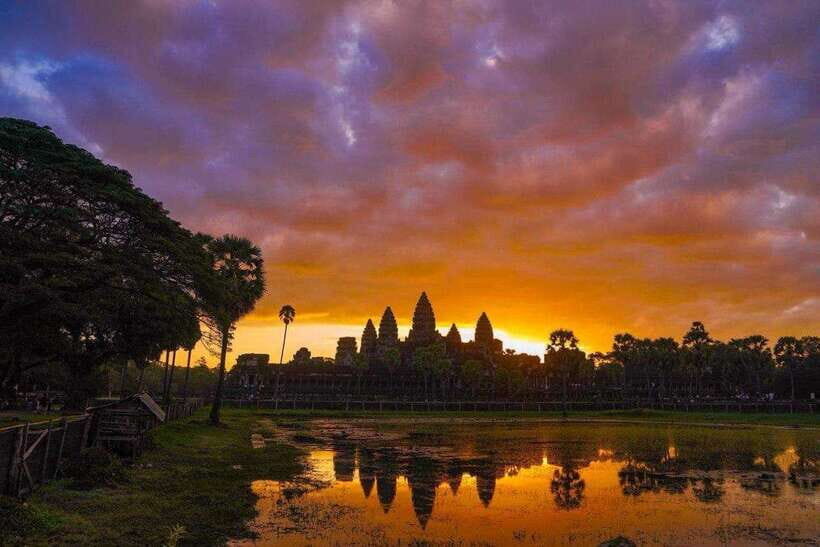
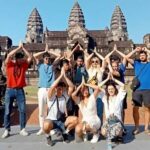
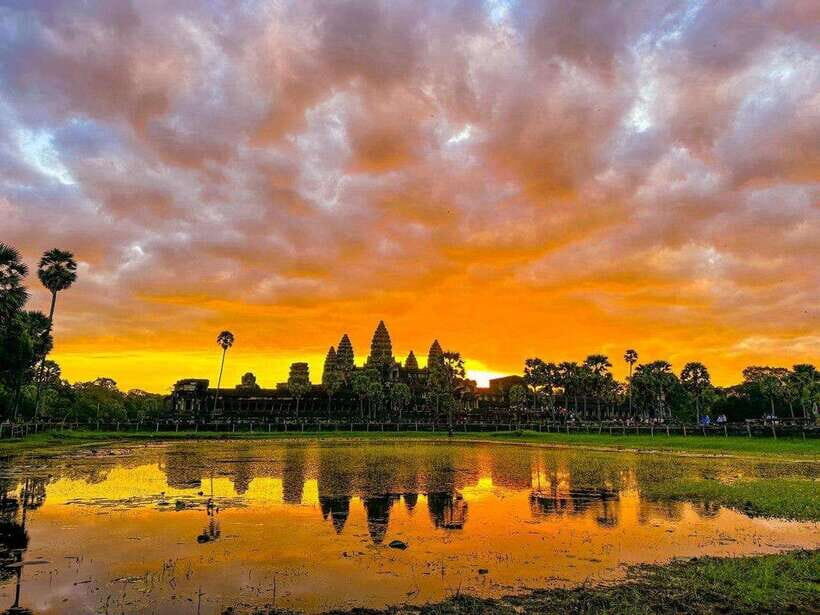
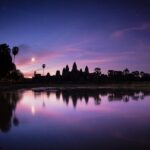
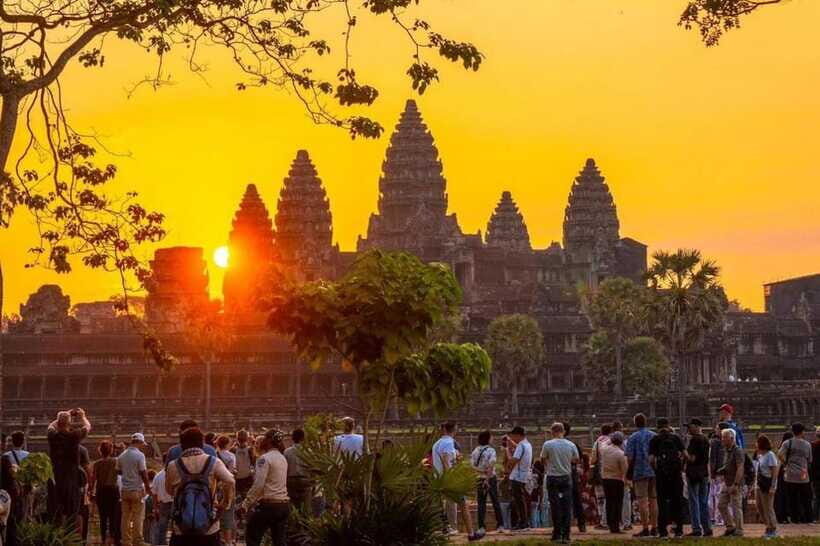
This tour is built on a single idea: see Angkor Wat when the world is quiet. You’ll be picked up from your hotel early—the suggested start is about 04:45 AM—then you’ll head to buy your temple pass before stepping into the sunrise area.
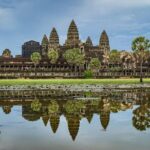
What you’re aiming for is the light. Early morning gives softer shadows on the towers and helps you photograph carvings without the harsh midday glare. It also helps you breathe. Angkor can feel like a crowded festival later in the day. Sunrise makes it feel more like you’re walking into a living monument rather than a theme park.
Practical tip: bring a long-sleeved shirt even if you’re traveling in warm season. Mornings can feel cooler at Angkor, and a layer keeps you comfortable through the wait and the early viewing.
Temple Pass + Breakfast: The Part People Forget to Plan
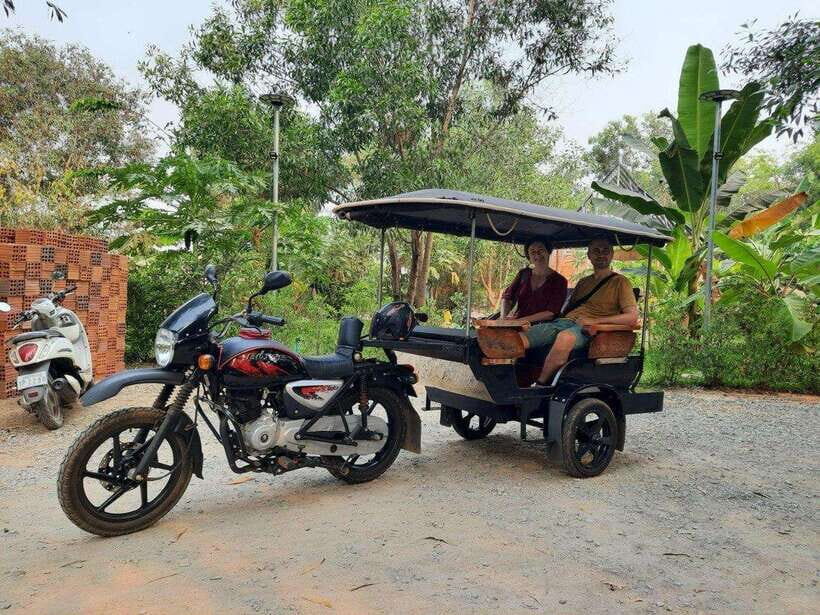
Your temple pass is not included, so you’ll use the driver’s help to purchase it before sunrise viewing. If you’re staying in a hotel, there’s a note worth taking seriously: many hotels provide breakfast boxes. You should request this in advance so you’re not scrambling for food that early.
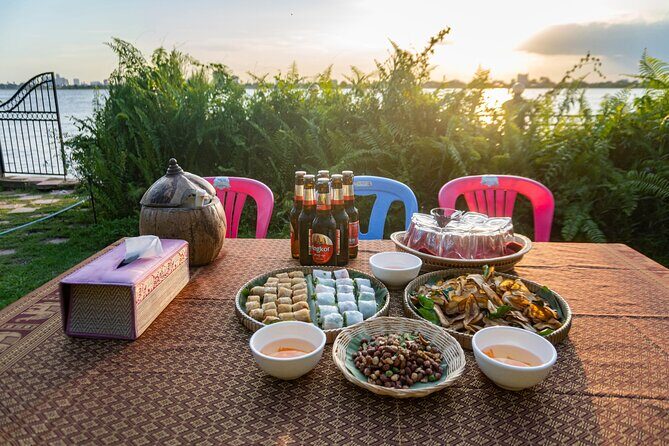
If you do have a breakfast box, you may be able to enjoy it as part of the flow after sunrise. If not, the driver will take your group to a local restaurant nearby for breakfast once you’re back near the parking area.
This is one of the quiet wins of a private day. You’re not stuck waiting around while a group leader tries to herd people through breakfast decisions. With a personal driver, you get a calmer transition from sunrise to exploring.
Private Tuk Tuk Comfort: Sit, Look, and Let the Day Flow
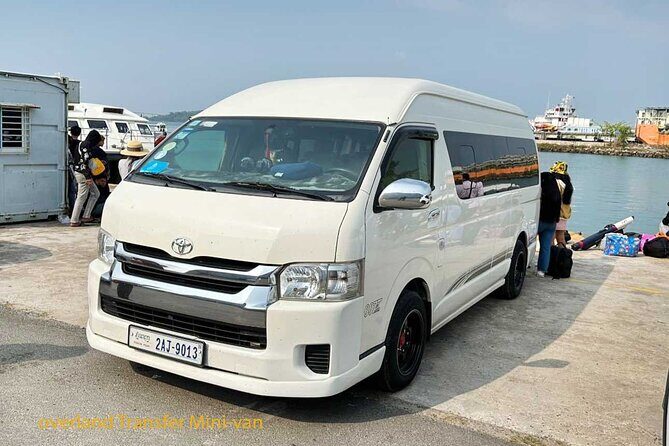
A tuk tuk sounds simple, but it changes your mental pace. You’re not wrestling with buses or constantly walking between distant stops. You sit back, look around, and let the driver handle the logistics: gasoline, parking, and transport are included.
In guides and driver experiences, comfort also shows up as attention. Drivers often keep cold water available after each visit. That matters because walking in Angkor means heat, sun, and sudden breaks in shade. Having a bottle ready saves you from the late-day scramble.
And yes, you’ll also get picture guidance. When people asked for photo help, drivers were willing to point out better angles before you step into the crowds.
After the Crowd Leaves: Exploring Angkor Wat at Your Own Speed
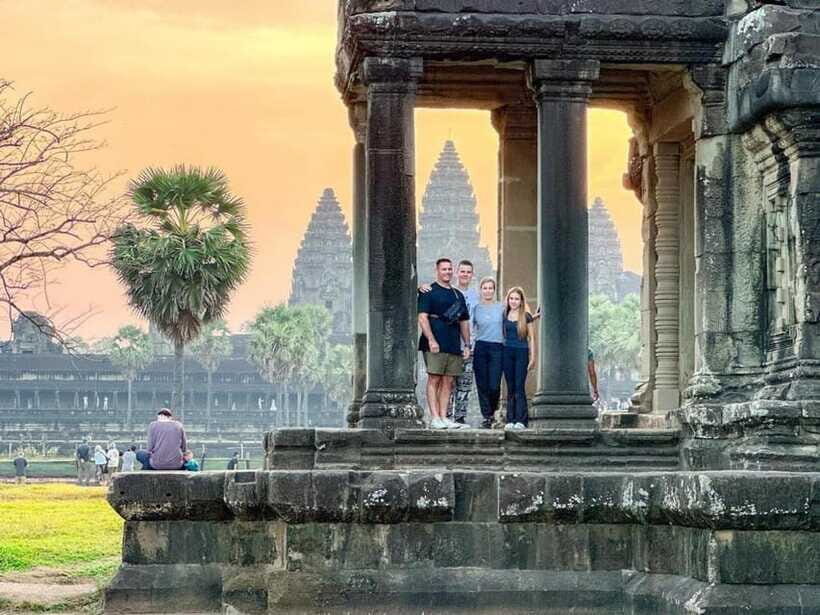
The itinerary is designed for a classic pattern: see the sunrise, then continue visiting while the crowd situation changes. You can browse and photograph with less pressure, and the schedule is realistic enough that many people finish the main sunrise segment around 08:00 AM.
Then you return to the parking area and your driver waits for you. That wait time is part of the value. It keeps you from re-walking through the same areas just to find your transport.
If you already know Angkor Wat’s biggest icons and just want more time for angles and side details, this structure works well. You’re not forced into a rigid checklist with a countdown timer.
You can also read our reviews of more tours and experiences in Siem Reap
Angkor Thom South Gate and Tonle Om Gate: Your Entry Point
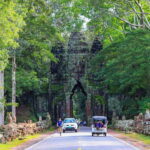
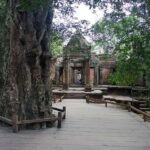
After breakfast, the day shifts from sunrise views to Angkor Thom, the walled city area. You’ll head to the South Gate of Angkor Thom, also known as the Tonle Om Gate.
This stop is short (about 15 to 20 minutes), but it’s a useful warm-up for the main circuit. It sets the tone: the scale, the symbolism at the gate, and the feeling of walking into one of Angkor’s power centers.
Bayon and the Terraces: Jayavarman VII’s Masterpiece Zones
From the South Gate area, you’ll move into central Angkor Thom and visit several standout structures. Expect this segment to take roughly 1.5 to 2 hours depending on your pace and how long you stop for photos.
Here’s what the itinerary includes, and why each one matters:
Bayon
Bayon is the big visual anchor of Angkor Thom. It’s known as the last state temple built at Angkor and the state temple built primarily to worship Buddhist deities under King Jayavarman VII in the late 12th or early 13th century. The famous faces give you instant context: this was political power expressed as spiritual architecture.
Photo note: the faces look different as you move around. If you like portrait-style shots of carvings and faces, take a little extra time here.
Baphuon
Baphuon was dedicated to Shiva by King Udayadityavarman II (mid-11th century). It’s a clear reminder that Angkor’s religious identity shifted over time. One day you’re looking at Buddhist devotion; another structure nearby points to Hindu worship.
Phimeanakas
Built in the late 10th century during the reign of Rajendravarman, Phimeanakas continues the Shiva association. It’s one more piece of the timeline puzzle: how temples change as kings and beliefs change.
Terrace of the Elephants
This terrace connected to royal spectacle. Jayavarman VII used it as a platform to view his victorious returning army. Even if you don’t know the story beforehand, standing there helps you understand how architecture was used for public moments.
Terrace of the Leper King
Also built in the Bayon style under Jayavarman VII. The name gets attention, but the deeper value is in the carvings and the sense of how the Bayon era expressed itself through stone and narrative.
Thommanon, Chau Say Tevoda, and Ta Keo: Three Different Moods
After the Angkor Thom core, the tour keeps going with more temples that broaden your sense of the complex. These stops are part of what makes the day feel full without turning into chaos.
Thommanon
A set of Hindu temples built during Suryavarman II’s reign. This adds another religious chapter to the day.
Chau Say Tevoda
This is described as the prolific grandchildren of a deity, located directly south of Thommanon across the Victory Way, built in the mid-12th century. The point here isn’t just the name—it’s that you’re seeing how the complex was planned along movement corridors.
Ta Keo
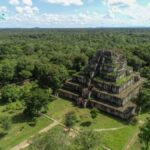
Ta Keo is a temple-mountain and noted as possibly the first Khmer temple built entirely of sandstone. It was the state temple of Jayavarman V in the 10th century and associated with Shiva.
If you like architectural variety, Ta Keo is a good shift after face-heavy Bayon. It also gives you another chance to photograph structures with different textures.
Lunch Break at Local Restaurants: Budget-Friendly, but Not Included
Lunch is scheduled after the Ta Keo segment, at a local restaurant near the temples. Meals are not included, but the food is described as reasonable: roughly $6 to $8 per plate.
You can often choose between outdoor seating or an air-conditioned room, depending on the spot the driver selects. That’s a small comfort upgrade when the heat starts to feel like it’s chasing you.
A practical move: carry cash so ordering is fast. Also, keep an eye on your energy level. This is the part of the day where a slower pace pays off.
Ta Prohm: The Tomb Raider Temple Moment
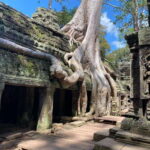
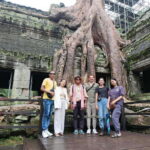
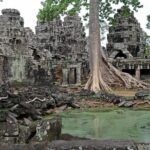
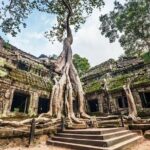
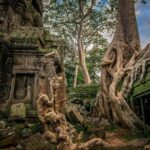
After lunch, you’ll visit Ta Prohm. It’s famous as the Tomb Raider Temple, sometimes called the Angelina Jolie Temple due to film connections. Even if you’ve never seen the movies, the visual effect is real: the temple feels fused with trees, and the roots and stone create a very “you have to see it” atmosphere.
From a tour-value perspective, Ta Prohm is a good mid-afternoon stop because it gives a different kind of Angkor experience than Bayon faces or sandstone towers. It also offers plenty of photo angles.
Banteay Kdei: Chambers, Calm, and Another Jayavarman VII Era
The final major temple stop is Banteay Kdei, known as a Citadel of Chambers. It dates to the mid-12th to early 13th centuries and is linked to Jayavarman VII in a Buddhist context.
This is where your day gains depth. By now you’ve already seen how religion and power played out across stone. Banteay Kdei rounds it out with a quieter, more chamber-like feel than the “headline” temples.
Timing and Drop-Off: Back by Mid-Afternoon
The itinerary is planned to finish around 02:30 PM to 03:00 PM. Your driver will then bring you back to your hotel, or you can request a drop-off somewhere in the city if you prefer.
This timing is a big deal if you’re continuing your Siem Reap plans the same day. You’re not locked into an all-day endurance contest.
What’s Included, What’s Not, and How to Budget Smart
Here’s the value math that matters:
Included
- Hotel pickup and drop-off
- Personal English speaking driver with a tuk tuk
- Gasoline, parking
- Cold pure drinking water
Not included
- Tour guide
- Temple ticket fee
- Meal
- Personal expenses
For budget planning: if you’re paying for temple pass and two meals, you’ll want to bring extra cash. Lunch is often around $6 to $8 per plate. Breakfast might be a breakfast box from your hotel or breakfast at a restaurant depending on what you arranged.
The standout value is that you’re paying low for the private transport and the English-speaking guidance—while still getting flexibility to linger at the stops you care about.
Who This Tour Fits Best
This is a great fit for you if:
- You want sunrise at Angkor Wat but don’t want a rushed group experience.
- You appreciate an English-speaking driver who explains what you’re seeing as you go.
- You like spending time at fewer places instead of sprinting through everything.
- You’d rather ride in a tuk tuk and let the logistics happen for you.
You should think twice if:
- You have a back problem (not suitable).
- You’re the type who needs a formal guide constantly (a “tour guide” is not included, though the driver usually provides information).
Booking Tips That Make the Day Go Smoothly
A few practical moves will make this experience feel effortless:
- Bring comfortable shoes. You’ll do a lot of walking on stone paths and temple steps.
- Pack sunscreen and a long-sleeved shirt for sun protection.
- Bring cash for temple pass and meals.
- Make sure your smartphone is charged. If phone or internet fails, drivers in real experiences can still help you reconnect, but a charged device makes everything easier.
- Bring biodegradable insect repellent.
- Leave drones at home. They aren’t allowed.
If you want extra control, tell your driver what you want more of. In multiple experiences, drivers were flexible about adding or swapping temple stops and about helping with photo spots.
Should You Book This Angkor Wat Sunrise + Tuk Tuk Tour?
If you’re trying to get the best parts of Angkor in one day—sunrise at Angkor Wat, then a real Angkor Thom circuit, plus more temples without feeling chased—this is a strong booking. The low price makes sense because you’re getting private transport, English support, and water, while you handle the temple pass and meals.
Skip it only if you need a formal, dedicated tour guide for every stop, or if an early 04:45 start will break your body clock. If you can handle mornings, you’ll be rewarded with a calmer sunrise and a day that stays organized even when the temples get crowded.
FAQ
What time does the tour start?
Pickup is suggested at around 04:45 AM for the Angkor Wat sunrise experience. Starting times can vary based on availability.
Does the price include the temple ticket?
No. The temple ticket fee is not included, and you’ll buy the pass as part of the pickup-to-sunrise flow.
Is hotel pickup and drop-off included?
Yes. The tour includes hotel pickup and drop-off in Siem Reap.
Will I have an English speaking driver?
Yes. A personal English speaking driver is included, and you travel by tuk tuk.
What meals are included?
Meals are not included. Breakfast may come from hotel-provided breakfast boxes (if you arrange it) and/or from a local restaurant after sunrise.
What temples will we visit after sunrise?
After Angkor Wat sunrise, the itinerary includes South Gate of Angkor Thom (Tonle Om Gate), Bayon, Baphuon, Phimeanakas, Terrace of the Elephants, Terrace of the Leper King, Thommanon, Chau Say Tevoda, Ta Keo, then Ta Prohm and Banteay Kdei.
How long is the full day?
It’s a 1-day tour. The schedule is designed to finish around 02:30 PM to 03:00 PM.
Is drinking water included?
Yes. Cold pure drinking water is included.
Is lunch included, and what does it cost?
Lunch is not included. The description indicates you’ll eat at a local restaurant with food around $6 to $8 per plate.
Can I bring a drone?
No. Drones are not allowed.