REVIEW · PHNOM PENH
Private Half Day Trip to Genocidal Museum & Killing Field
Book on Viator →Operated by Tour Guide-Siem Reap · Bookable on Viator
Few tours in Phnom Penh hit this hard. This private half-day takes you to Tuol Sleng Genocide Museum and then out to Choeung Ek Killing Fields, where you can follow the Khmer Rouge’s system from interrogation to mass execution. It’s confronting, but it’s also structured in a way that helps you make sense of what you’re seeing and why it matters.
I really like that this is a private tour with a guide who can connect the dots without rushing you. I also like the practical comfort factor: you get hotel pickup and drop-off in an A/C vehicle, plus pure drinking water.
One consideration: the visit is emotionally heavy, and the second stop is outdoors, so you’ll want to be ready for mud and insects if you’re walking around the grounds.
In This Review
- Key highlights I’d plan around
- A private route through Phnom Penh’s most difficult story
- How the A/C pickup and short timing change the experience
- Stop 1: Tuol Sleng Genocide Museum (S-21) and the prison inside a school
- What to look for at S-21: photographs, number boards, and the record-keeping shock
- Stop 2: Choeung Ek Genocidal Center and the memorial stupa in a quieter landscape
- Practical comfort tips: bugs, muddy paths, and a clean plan for your feet
- Price and value: what you’re paying for with this $130 private tour
- Who this private half-day is best for
- Should you book this private trip?
- FAQ
- What does the half-day trip include?
- How long is the private tour?
- How much does the tour cost?
- Is hotel pickup and drop-off included?
- What’s included in the $130 price?
- Are admission fees included?
- Do I need to print tickets?
- Is this a group tour or just for my party?
- What should I bring for the visit?
- What is the cancellation policy?
Key highlights I’d plan around
- Private guide + A/C pickup/drop-off, so you spend less time figuring out logistics
- Tuol Sleng S-21 shows the prison system and what happened to detainees, including only seven known survivors
- Killing Fields of Choeung Ek includes the memorial stupa with remains exhumed from mass graves (8,985)
- Photographs and records are presented room after room, including number boards that indicate the year
- Practical comfort tips matter here: bug spray and shoes that can get dirty are a must
A private route through Phnom Penh’s most difficult story
This trip is short on paper—about 3 to 4 hours total—but it packs a lot of impact. You’ll move from Tuol Sleng S-21, a former high school turned political prison, to Choeung Ek, where prisoners were taken after interrogation. The pacing is designed so you can focus on each place without getting scrambled between them.
Because it’s private, you can ask your guide questions in the moment. That matters here. Some history tours feel like lectures on fast-forward. This one works better when you can stop, look, and take a breath between key exhibits.
Also, the comfort touches aren’t just for convenience. Hotel pickup and drop-off reduce stress, and that helps you show up mentally ready for what you’ll see. You’re also not on your own trying to coordinate transport between sites that are far enough apart to matter.
You can also read our reviews of more private tours in Phnom Penh

How the A/C pickup and short timing change the experience
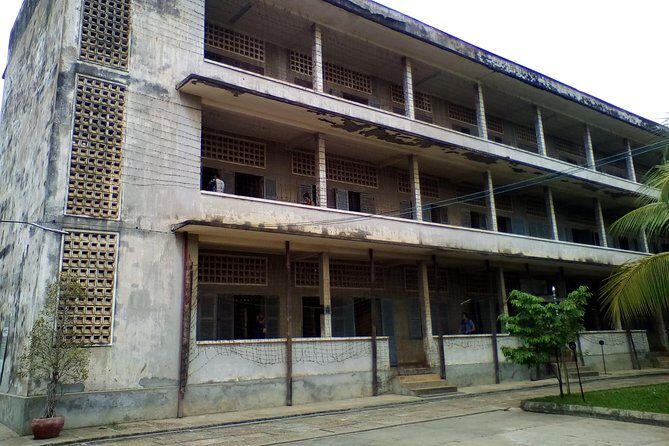
The trip runs about 1 hour at Tuol Sleng and about 1 hour at Choeung Ek, with transportation in between. That timing helps you keep control of your energy. You’re not stuck doing long drives while your brain is already overloaded.
I like the included pure drinking water. In Phnom Penh, the heat and humidity can wear you down fast, and you don’t want to spend the most intense part of the day hunting for a bottle. Having water ready makes the whole schedule feel calmer.
The A/C vehicle also gives you a psychological reset between sites. Tuol Sleng is enclosed and heavy. Then you shift to an outdoor memorial landscape. That transition is easier when you’re not baking in the car.
A small tip from experience: if your schedule allows it, going later in the day can feel more comfortable. Evening conditions can be cooler, and the overall visit may feel less crowded. Ask what time slots are available when you book.
Stop 1: Tuol Sleng Genocide Museum (S-21) and the prison inside a school
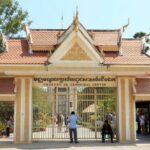
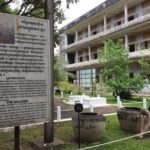
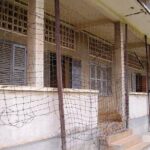
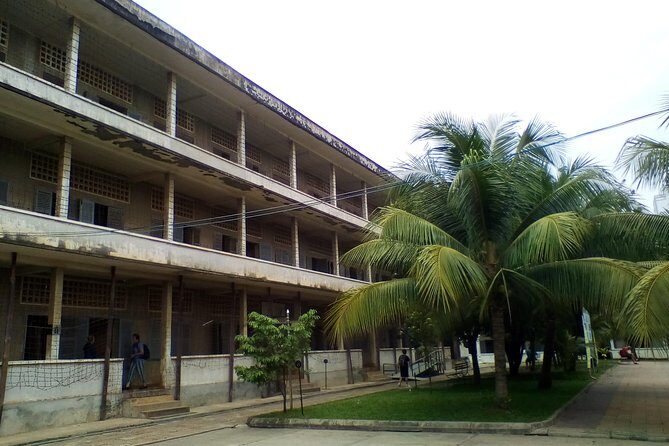
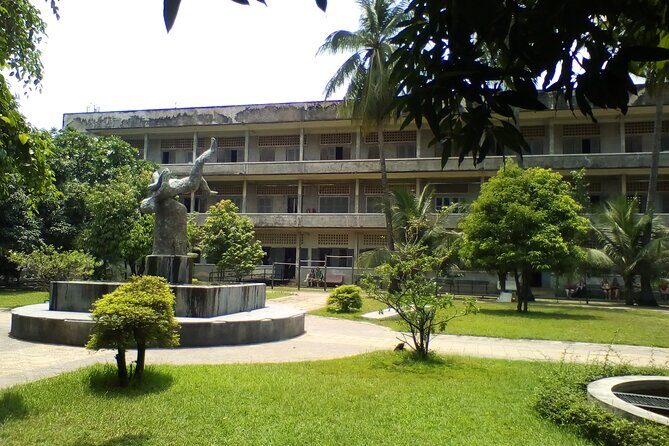
Tuol Sleng S-21 is the first stop, and it’s the one that can feel the most difficult on a first pass. This was once a high school. Under the Khmer Rouge it became a main political prison where suspected enemies of Angkar were sent.
Your guide helps you understand how the system worked as paranoia grew. As Pol Pot and the top commanders’ suspicion intensified, detention numbers rose. At S-21, an estimated 12,273 people were detained, and only seven known survivors survived to tell the tale.
The museum experience is built around evidence. You’ll see spaces used for interrogation, torture, and confinement. You’ll also see how the prison functioned with brutal efficiency. The sheer organization is part of what hits you—this wasn’t chaos. It was a method.
One important detail for your expectations: this is not just a museum of stories. It’s a place that still feels like a prison layout, so the visuals land with more force than a traditional indoor exhibit. If you’re the type who absorbs things best through context and explanation, having a private guide is a big win.
What to look for at S-21: photographs, number boards, and the record-keeping shock
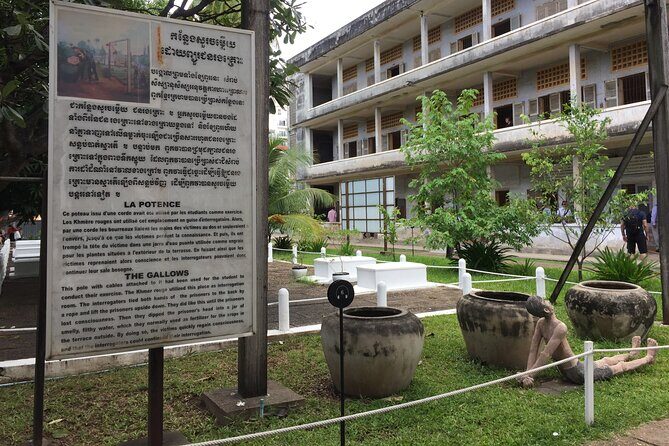
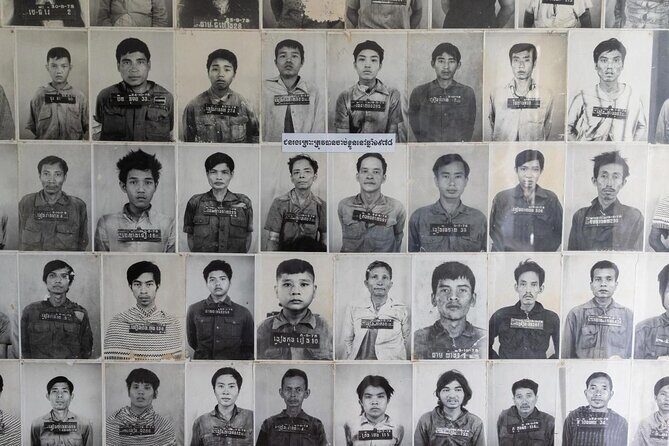
If you want to understand the Khmer Rouge machinery, Tuol Sleng is where you get the clearest picture. The museum presents room after room of harrowing black-and-white photographs. Many of the men, women, and children pictured were later killed.
A striking detail is how you can tell the year of each photograph by the style of the number board displayed on the prisoners’ chests. That means the evidence isn’t just symbolic. It’s categorized by time—so you can see the timeline of the prison system developing and the scale of detentions.
Your guide can also point out that foreigners were held here, including people from Australia, New Zealand, and the USA. That’s not included to shock you. It’s included because it broadens the scope of how far the Khmer Rouge reached beyond Cambodia’s borders, and it reinforces that this was a structured program with documentation.
Here’s how I’d approach the rooms: don’t try to take everything in at once. Instead, aim to understand one idea at a time. Start with what S-21 was. Then move to how prisoners were processed and the fate that followed. When you do that, the scale becomes clearer—and more manageable—without you losing the truth of it.
Stop 2: Choeung Ek Genocidal Center and the memorial stupa in a quieter landscape
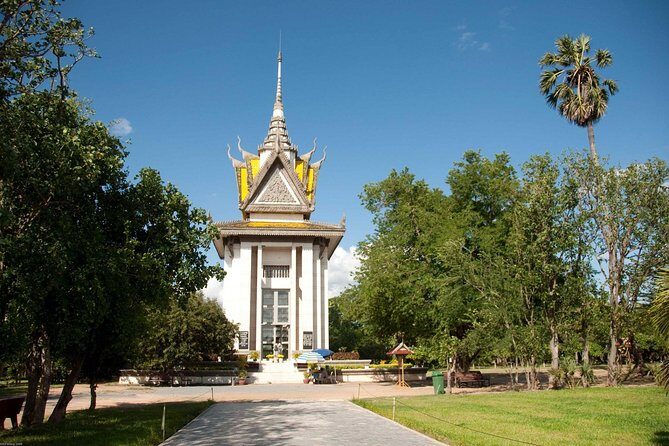
After Tuol Sleng, you travel out of town to Choeung Ek. This is the Killing Fields of Choeng Ek, an extermination camp turned from an old Chinese cemetery for political prisoners.
Between 1975 and 1978, about 20,000 people held at S-21 were taken to Choeung Ek for execution and the next stage of what the Khmer Rouge called re-education. Your guide ties the two sites together, including the fact that prisoners traveled this same route.
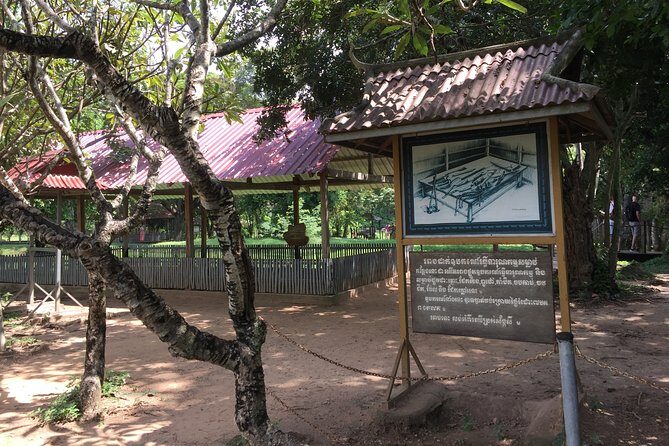
At this stop, the focus shifts. Instead of a prison interior, you’re in a landscape tied to mass graves and memorialization. There are displays and structures that help you understand what happened there and what remains after years of recovery and remembrance.
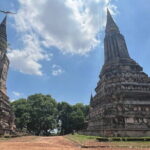
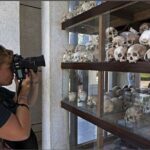
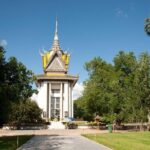
A key number to know: the remains of 8,985 people were exhumed and are kept in a memorial stupa here. Seeing that physical memorial can feel surreal at first. But it’s exactly what gives the site its role as a place to reflect rather than just a place to learn.
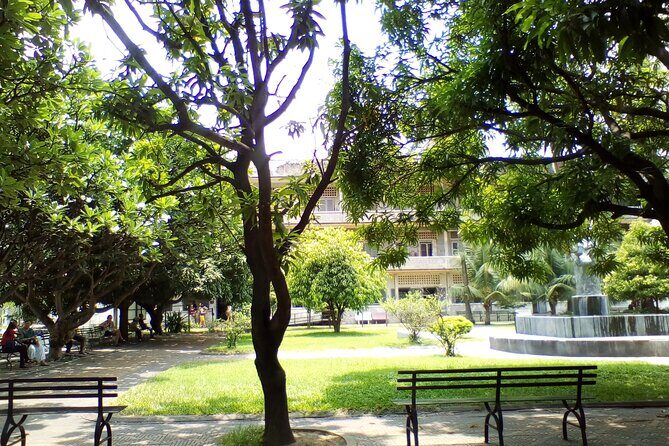
And yes, it can also feel peaceful. Despite the horrors, Choeung Ek is described as calm and tranquil—an intentional space for reflection. That doesn’t make it less tragic. It just makes it possible to hold what you’re learning without feeling like you’re trapped in chaos.
You can also read our reviews of more museum experiences in Phnom Penh

Practical comfort tips: bugs, muddy paths, and a clean plan for your feet
This kind of visit can be emotionally draining. So it’s worth making sure your body isn’t adding extra stress.
Based on solid on-the-ground advice, bring bug spray and wear shoes that can get dirty. Choeung Ek in particular can mean muddy, uneven ground. If you come in with delicate footwear, you’ll spend part of your attention worrying about your socks instead of the story you’ve come to understand.
Also, because admissions aren’t included in the base price, keep a little cash or be ready to pay entry fees on arrival. That way you don’t slow down the start of your visit.
Finally, because there’s no food included, plan your timing so you’re not starving while you’re standing in heavy spaces. You don’t need a big meal before this. You do need to be comfortable enough to focus.
Price and value: what you’re paying for with this $130 private tour
At $130, this is a private half-day with hotel pickup and drop-off, a professional guide, private A/C transportation, drinking water, and travel insurance. The big value here is not just convenience. It’s control and clarity.
A private guide matters because the story across Tuol Sleng and Choeung Ek is not simple. You’ll see records, rooms, photographs, and memorial structures that can feel overwhelming if they’re presented without explanation. Paying for a guide is paying for sense-making.
Transportation value is real too. The sites are far enough apart that independent travel can turn into time loss. A short schedule works best when logistics are handled for you.
One more cost detail: admission fees are not included. You’ll pay $5 per person for Tuol Sleng Genocide Museum and $3 per person for Choeung Ek Genocidal Center. For many people, those admissions are worth it because they’re part of how the sites are maintained and presented. Just budget for them so the day doesn’t get bumpy.
Who this private half-day is best for
This tour is best for you if you want a structured visit rather than a self-guided checklist. You’ll likely enjoy it most if you appreciate direct, factual guidance and you want time to process what you see at each location.
It’s also a good fit if you prefer privacy and comfort. You’re not sharing a small vehicle with strangers, and you’re not negotiating the “where do we go next” puzzle with a loose schedule. That makes it easier to stay focused on the exhibits.
If you’re short on time in Phnom Penh but still want both key sites—Tuol Sleng and Choeung Ek—this hits the main points in about 3 to 4 hours without turning the trip into a full day.
Should you book this private trip?
I’d book it if you want a guided, well-paced visit that takes the main sites seriously. The private format, the A/C pickup/drop-off, and the included water make it easier to show up mentally ready. Plus, the guide support helps you read what you’re seeing—especially the prison evidence and the record-keeping details.
I’d think twice only if you know you’re not up for intense subject matter or outdoor walking with mud and bugs. This day is heavy. You’re going to remember it.
FAQ
What does the half-day trip include?
The trip includes visits to Tuol Sleng Genocide Museum (S-21) and the Choeung Ek Genocidal Center (Killing Fields of Choeng Ek).
How long is the private tour?
The tour lasts about 3 to 4 hours total, with around 1 hour at each stop.
How much does the tour cost?
The price is $130.
Is hotel pickup and drop-off included?
Yes. The tour includes hotel pick up and drop off, with pickup from your hotel lobby.
What’s included in the $130 price?
It includes a private tour guide, private transportation with A/C, pure drinking water, hotel pickup & drop-off, and travel insurance.
Are admission fees included?
No. Admission fees are not included. Tuol Sleng Genocide Museum costs $5 per person, and Choeung Ek Genocidal Center costs $3 per person.
Do I need to print tickets?
No. The tour includes a mobile ticket.
Is this a group tour or just for my party?
This is a private tour/activity. Only your group will participate.
What should I bring for the visit?
Bring bug spray and wear shoes that can get dirty and muddy.
What is the cancellation policy?
You can cancel for a full refund if you cancel at least 24 hours in advance of the experience start time.