REVIEW · SIEM REAP
Angkor Wat 3-Day Temple Tours
Book on Viator →Operated by Cambodia Golden Tours · Bookable on Viator
Arrive early, and Angkor Wat starts breathing like a dream. This is a practical 3-day private tuk-tuk plan that strings together the major temple beats around Siem Reap without you burning time on figuring out routes, tickets, and logistics. I especially love the sunrise timing for those classic Angkor Wat photos, and I also like how the tour builds in comfort with hotel pickup plus cold water and cold towels to handle the heat.
One consideration: the tour price covers transportation and cooling, but you still need to budget for temple tickets and the boat entrance fee for Kampong Phluk. Add in the temple dress code, and you’ll want to come prepared so you don’t lose time at the gates.
In This Review
- Key moments that make this 3-day plan work
- Why a private 3-day Angkor plan beats DIY in Siem Reap
- Day 1: Angkor Wat sunrise and the Small Circuit essentials
- Day 2: Kampong Phluk stilt houses and the Rolous Group
- Kampong Phluk: what you’re really seeing
- Rolous Group: early Khmer temples with a clear timeline
- Day 3: Preah Khan through Kbal Spean for the second-wave temple day
- The $144 value: what you’re paying for (and what you still cover)
- Pickup, timing, and who drives your tuk-tuk
- Temple dress code and the practical reality at the gates
- Who should book this 3-day Angkor Wat tour
- Should you book this Angkor Wat 3-day temple tour?
- FAQ
- What is the starting time for the tour?
- Is this a private tour?
- What does the price include?
- What is not included in the price?
- Do I need an English tour guide?
- Will I be picked up from my hotel?
- Is a mobile ticket provided?
- Are there dress code rules?
- Can I cancel for a full refund?
Key moments that make this 3-day plan work
- Sunrise at Angkor Wat so you get the photo window before the crowds fully settle in
- Private hotel pickup by tuk-tuk each day, so you’re not hunting rides across town
- Cold water and cold towels during hot temple days (small thing, big relief)
- Kampong Phluk on Tonle Sap with a real look at stilt-house living and village services
- Roluos Group temples tied to the early Khmer classical period, not just the big names
- A full, tiring itinerary across three days, so plan for early starts and walking shoes
Why a private 3-day Angkor plan beats DIY in Siem Reap
Angkor isn’t hard because it’s complicated. It’s hard because it’s huge—and hot—and spread out. After a day of trying to coordinate tuk-tuks, ticket lines, and the right circuit order, you’ll understand why a ready-made plan feels like relief.
This tour solves the big pain points. You get pickup from your hotel each day, you ride in a private tuk-tuk, and you stay on a route that hits both the well-known temples and the good “in-between” stops. For many people, the value is exactly that: you’re not piecing together a schedule in bad internet conditions. You’re following a structure that keeps the days moving.
The other quiet win is pacing. Each day has a theme—sunrise and core Angkor Thom sites, then Kampong Phluk plus the Rolous area, then a second wave of temples beyond the center. That makes it easier to absorb what you’re seeing instead of bouncing randomly between sites.
You can also read our reviews of more tours and experiences in Siem Reap.
Day 1: Angkor Wat sunrise and the Small Circuit essentials
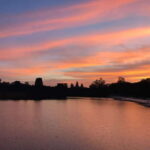
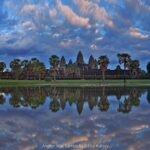
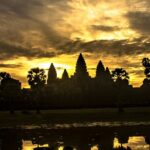
Day 1 is built around the classic opener: get to the Angkor complex early enough for the sunrise photos of Angkor Wat. Even if you’re not a hardcore photographer, this is when the stones feel most alive, and it’s when the light makes everything look more dramatic than it does at midday.
After that first hit, you roll into the cluster of stops around the Angkor archaeological core. The route includes major anchors like:
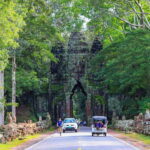
- South Gate of Angkor Thom, a natural start point for taking in the scale of the walled city
- Bayon Temple, famous for its dense visual details and towers
- Baphuon Temple, one of the big “you can’t miss this” temple structures
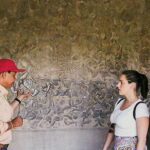
- Terrace of the Elephant and Terrace of the Leper King, both are worth slowing down for because they’re about carved scenes and stone storytelling
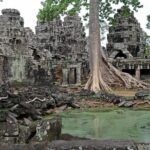
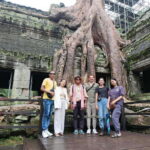
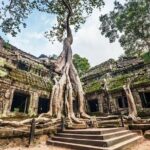
- Ta Prohm, often remembered for how the roots and trees show up around the architecture
- Banteay Kdei and Sras Srang, the kind of stops that feel calmer after the big-name hits
What I like about a day like this is that it gives you both wow-factor and variety. You’re not only chasing the headline temples; you also get terraces, courtyards, and temple structures that add texture to the bigger picture.
Possible drawback: Day 1 is a long one. You’ll be on your feet, and you’ll want to bring energy snacks and plan for heat. The tour helps with cold water and cold towels, but you still need to pace yourself—especially after the early start.
Day 2: Kampong Phluk stilt houses and the Rolous Group
Day 2 mixes two worlds: a living village setting and the early Khmer temple grouping outside the main core. It also starts with morning pickup, then heads out of town toward the Rolous area, roughly 13 km from Pub Street, and later continues onward to Kampong Phluk, around 37 km from Angkor Wat.
Kampong Phluk: what you’re really seeing
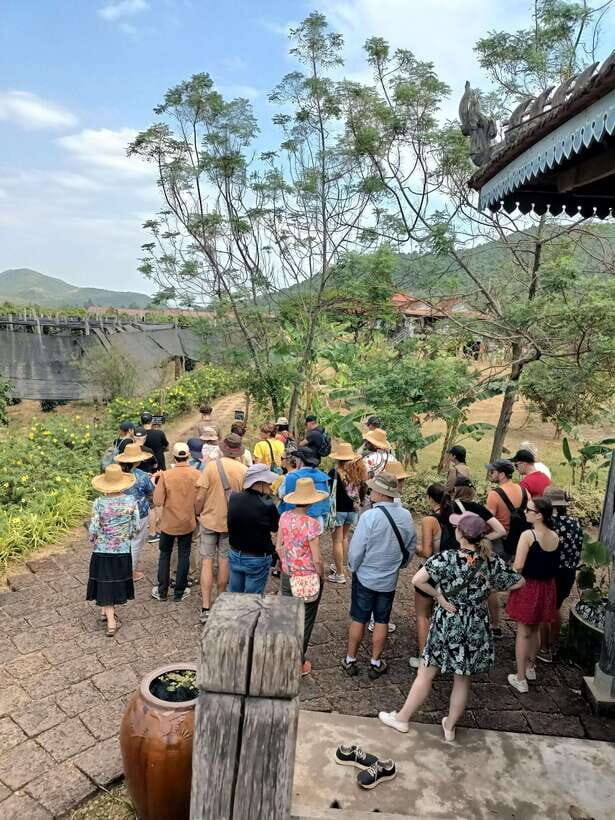
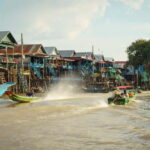
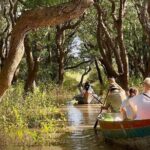
This is a floating village on the Tonle Sap Lake. The standout detail here is how the homes are built: the hand-made houses sit on stout stilts about 6 meters tall to handle flooding in the rainy season. In the dry season (from December to April), motorbikes can travel through the village.
You also get a sense that the village isn’t only houses on stilts—it has day-to-day services like clinics, pagodas, schools, restaurants, and churches. The tour also includes the chance to see floating forest and wildlife, which helps explain why this area matters beyond just tourism photos.
One practical note: boat entrance fees are not included. That matters here because Kampong Phluk is one of those stops where the water itself is part of the experience. If you’re trying to keep costs predictable, check what you’ll need to pay on-site before you go.
Rolous Group: early Khmer temples with a clear timeline
Afterward (or earlier in the day, depending on the exact run), you visit the Rolous Group. This temple area is tied to the Khmer Empire’s early capital at Hariharalaya. The big timeline detail to remember is that after King Jayavarman II established his capital on Mount Kulen in 802, he moved the capital back to Hariharalaya.
The Rolous Group includes temples like Bakong, Lolei, Preah Ko, and smaller sites. The tour route highlights an important idea: these are among the earliest Khmer-built temples, marking the beginning of the classical period of Khmer civilization dating to the late 9th century. You’ll also notice building materials and style cues like brick towers and carved areas made from sandstone.
Possible drawback: Day 2 can feel like a “travel day” layered with temples. You’ll be moving between sites, and it’s easier to get tired when one part of the day involves longer rides plus heat. The upside is that this is the day that breaks up the temple heaviness with village life.
Day 3: Preah Khan through Kbal Spean for the second-wave temple day
Day 3 leans into the “still amazing, less rushy” side of Angkor by covering a run of temples that feel different from the big circuit hits. The tour route includes:
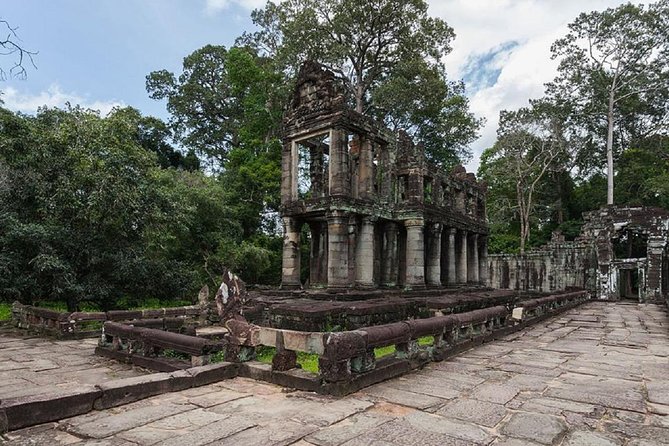
- Preah Khan, also called the Holy Sword, with Khmer-style architecture
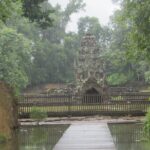
- Neak Pean, one of the included temple sites in this stretch
- Ta Som, another stop that helps keep the day varied
- East Mebon and Pre Rup, both part of the broad set of works included for the day
- Banteay Samre and Banteay Srei, both included later in the sequence
- Kbal Spean, which rounds out the day
The reason I like a structure like this is that you don’t repeat the exact same visual pattern all three days. You get a second wave of stone carvings, doorways, towers, and courtyards, plus at least one outlying site (Kbal Spean) that adds a different feel from the main cluster.
Possible drawback: This is still a full-day plan. Even with a private tuk-tuk, the temples demand walking and attention. If you know you get cranky when you’re rushed, you’ll need to slow down inside the temples—especially if you want to do photos without feeling like you’re speed-running.
The $144 value: what you’re paying for (and what you still cover)
For $144, you’re paying for real logistical help: private tuk-tuk transport for 3 days, plus cold water and cold towels. That’s a meaningful chunk of value in Siem Reap, because transport is usually the most annoying part to get right—and the heat makes the cooling stops surprisingly appreciated.
What you’re not paying for includes:
- Temples tickets
- Boat entrance fees
- Lunch near temples
- English tour guide
- Personal expenses
So the best way to think about the cost is this: it’s not a “all-in” Angkor package once you add the key site fees. Still, if you want to minimize hassle and maximize temple time, $144 is often a fair trade.
If you want deeper explanations at every stop, note that an English tour guide isn’t included. Some drivers can share context, but based on the way this experience is structured, you should assume you’ll rely on your own reading, signage, and whatever direction the driver chooses to provide.
Pickup, timing, and who drives your tuk-tuk
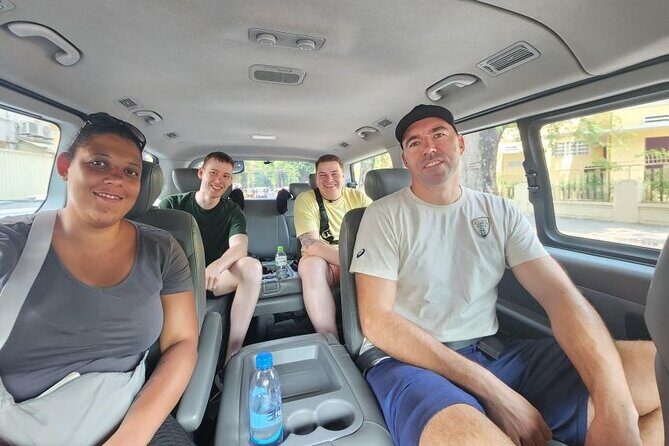
This is a private tour, meaning only your group participates. That matters because your driver can help adjust to your pace, rather than you being stuck in a rigid group rhythm.
The tour lists start time at 8:00 am, and the day-one plan includes early arrival for sunrise photos at Angkor Wat. In practice, that means you should expect mornings to start earlier than you’d like if you’ve slept in before. Plan for it.
In feedback about this operator, the names Vutha and Ly show up as tuk-tuk drivers linked to punctual service and courteous handling. A lot of the praise centers on drivers who keep things moving, stay on time, and adapt when plans need a little adjusting. Also, communication via WhatsApp is mentioned as quick and practical in some notes, which can be a big help when you’re trying to confirm morning pickup.
Temple dress code and the practical reality at the gates
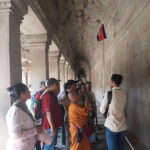
The tour notes include a dress code requirement for visiting temples. Even if you’ve been traveling for a while, this part can trip you up because you can arrive with the wrong clothing and then you’re stuck sorting it out mid-trip.
Keep an eye on what you wear before you go. You’ll want clothing that fits temple rules, and it’s smart to bring a light layer if you’ll be out in the sun and then walking into air-conditioned ticket areas or shaded temple corridors.
The tour itself helps with heat comfort through cold water and cold towels, but it can’t fix an outfit issue. That’s the reason I treat dress code as a planning step, not an afterthought.
Who should book this 3-day Angkor Wat tour
This tour is a strong match if you:
- Want private transport so you’re not arranging tuk-tuks by the hour
- Plan to visit multiple temple zones and prefer an organized route
- Appreciate comfort add-ons like cold water and cold towels in hot weather
- Like sunrise experiences and want a plan that actually gets you there early
It might feel less ideal if you:
- Only want a small number of top temples and would rather keep days relaxed
- Need an English tour guide to explain everything in detail (since guide services aren’t included)
- Prefer more time for resting or fewer long temple walks
Should you book this Angkor Wat 3-day temple tour?
I’d book it if your goal is clear: see a lot of the best Angkor sites in a structured way, without spending your precious vacation time coordinating rides and timing. The combo of sunrise at Angkor Wat, private hotel pickup, and built-in heat comfort makes the experience feel efficient in the best sense.
Before you commit, do your homework on two items: temple tickets and the Kampong Phluk boat entrance fee. If you’re okay adding those costs on top of the $144 price, you’ll be set up for three days that feel full, varied, and much easier than DIY.
One last thing: bring realistic expectations. This is a temple marathon. You’ll get plenty of wow moments, but you’ll also earn them with early starts and walking.
FAQ
What is the starting time for the tour?
The tour start time is listed as 8:00 am.
Is this a private tour?
Yes. It’s private, and only your group will participate.
What does the price include?
It includes tuk-tuk transport, cold water, and cold towels.
What is not included in the price?
Not included: temples tickets, boat entrance fees, lunch near temples, an English tour guide, and personal expenses.
Do I need an English tour guide?
An English tour guide is not included, so you’ll want to plan how you’ll get explanations during the visit.
Will I be picked up from my hotel?
Yes. Pickup is offered, and the plan includes getting picked up from your hotel lobby each day.
Is a mobile ticket provided?
Yes. The tour notes include a mobile ticket.
Are there dress code rules?
Yes. Guests need to follow the temple dress code rules when visiting temples.
Can I cancel for a full refund?
Free cancellation is offered if you cancel at least 24 hours before the experience’s start time for a full refund.