REVIEW · PHNOM PENH
Tuol Sleng Genocide Museum (S-21) and Choeung Ek Killing Fields Tour
Book on Viator →Operated by The Killing field and Toul Sleng genocide museum S21 Tour · Bookable on Viator
Phnom Penh hits hard, fast. This tour strings together two key Khmer Rouge sites in one tight visit: the execution grounds at Choeung Ek and the prison museum at Tuol Sleng S-21. You get a clear, chronological view of what happened from 1975 to 1979, with a guide translating the setting and the history into something you can actually follow.
I like the practical side as much as the history. Hotel pickup is included, and the van runs air-conditioning with cool water to keep you comfortable. Best of all, the pacing is built around two full hours at each place, so it does not feel like a rushed conveyor belt.
One consideration: this is heavy stuff. You’ll also pay admission fees on top of the tour price, and you should come prepared for that mental weight.
In This Review
- Key Highlights You’ll Notice Right Away
- A 4-Hour Route Through the Khmer Rouge Story
- Getting Picked Up (and Why It Matters in Phnom Penh)
- Choeung Ek Killing Fields: What You’re Really Seeing
- Tuol Sleng S-21 Museum: The Prison as a Story Machine
- Guides Make or Break a Heavy Visit
- Price and Value: What You’re Paying For
- What to Wear and Bring (So You Can Focus)
- Who This Tour Is Best For
- Should You Book It?
- FAQ
- How long is the Choeung Ek and Tuol Sleng S-21 tour?
- Does the tour price include admission tickets?
- Is hotel pickup included?
- What’s included in the tour?
- How big are the groups?
- What if the weather is bad?
- What’s the cancellation policy?
Key Highlights You’ll Notice Right Away
- Hotel pickup plus air-conditioned transport keeps the day from starting with stress
- Two 2-hour visits gives you time to read, look, and process without rushing
- Small group size (max 20) helps the guide keep control and answer questions
- Guides with strong English and a compassionate tone, including well-regarded names like Baboon, Sum Cheath, Tea, and Visal
- Water provided during the trip so you’re not scrambling in the heat
A 4-Hour Route Through the Khmer Rouge Story
This is a focused, half-day tour that works well if you want depth without losing a full day in Phnom Penh. The day is structured around two sites, each with its own role in the Khmer Rouge system. At Choeung Ek, you’re in the landscape tied to killings and mass burial. At Tuol Sleng S-21, you’re in the prison that fed confessions and interrogations into that machine.
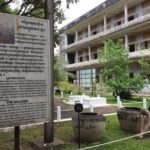
What makes the pairing smart is how the story changes location. Choeung Ek was once an orchard and a Chinese cemetery before the Khmer Rouge transformed it into the killing fields. Tuol Sleng began as a high school and later became a high-security prison—its name roughly meaning hill of the poisonous trees. Seeing both places in one morning helps the history feel less like separate facts and more like a single system.
Because the tour is about 4 hours total, you’ll also have time later for lighter activities—after your brain has absorbed the difficult part.
You can also read our reviews of more museum experiences in Phnom Penh
Getting Picked Up (and Why It Matters in Phnom Penh)
I’m a fan of tours that handle logistics quietly. Here, pickup is included, and the vehicle is air-conditioned with cool water. That combination sounds small until you’re dealing with heat and traffic right at the start of a tough day.
There’s also a clear group limit: the max is 20 travelers, which makes a difference when your sites are emotionally intense. Smaller groups tend to move more smoothly, and it’s easier for the guide to pause for questions and keep the schedule intact.
Start point can be either your hotel pickup or the meeting point at River Crown Restaurant (357, St. 178, Prehsisovath Quay, Phnom Penh 12206). End point is described as returning back to the meeting point area, and you may also be returned to your hotel/guesthouse depending on the pickup setup. Either way, you’re not stuck figuring out transport afterward.
Choeung Ek Killing Fields: What You’re Really Seeing
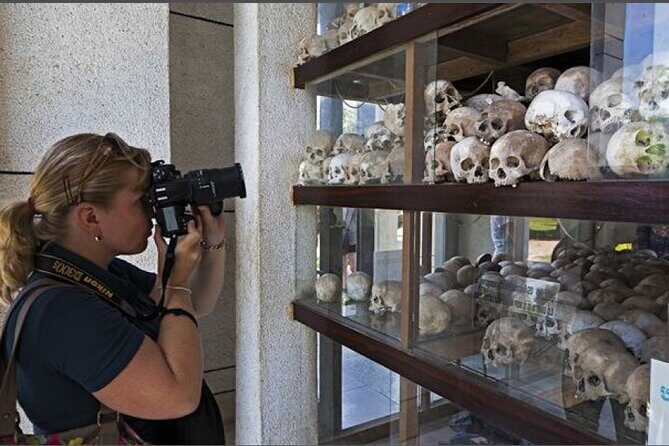
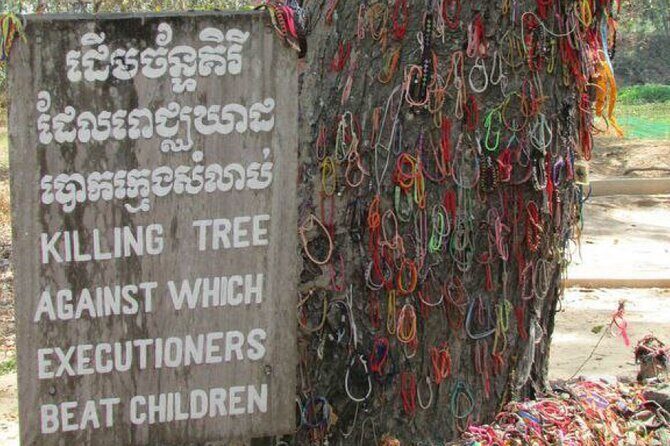
At Choeung Ek Genocidal Center, the tour is designed for about 2 hours on site. This is where you come to understand the brutal aftermath of the Khmer Rouge period from 1975 to 1979.
You’ll be walking through a place with a documented shift—from orchard and cemetery into a mass execution and burial site. The details shared by your guide focus on how prisoners were executed and what happened to them afterward. The numbers given for this site are staggering: around 2,000 prisoners executed here, and the broader period linked to 2.5 million people massacred and buried over three years. Those figures are part of why the experience is so difficult; they also explain why the visit is treated with seriousness.
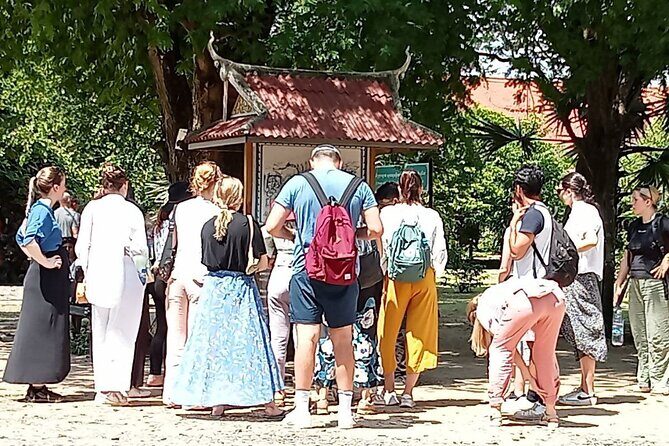
One thing I appreciate about this stop is the way it grounds the story in place. This is not just an exhibit behind glass. You’re in the outdoor setting tied to what occurred. That makes your guide’s tone and pacing especially important. In the well-regarded tours, guides like Baboon and Sum Cheath are praised for balancing clear facts with respect—serious when it should be serious, and controlled enough that you can keep up without feeling steamrolled.
Practical heads-up: plan on heavy visuals and uncomfortable moments. If you’re the type who needs a break every so often, tell your guide early. A good guide will pace you so you don’t feel rushed into things you’re not ready for.
Tuol Sleng S-21 Museum: The Prison as a Story Machine
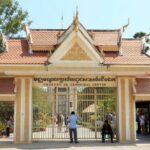
After Choeung Ek, you head back to Phnom Penh for Tuol Sleng Genocide Museum (S-21). This is another 2-hour stop, and the emphasis shifts from outdoor memory to the machinery of detention.
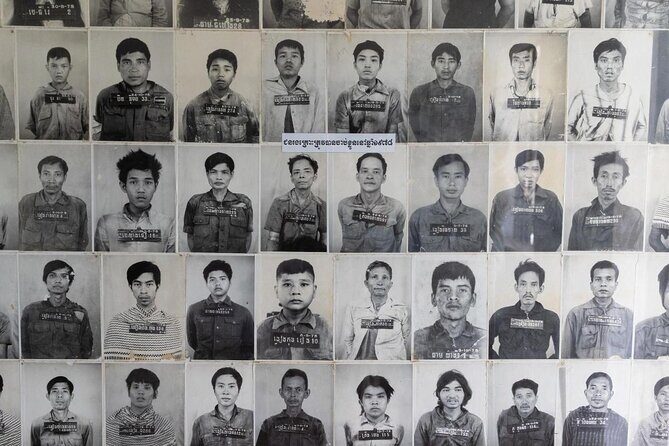
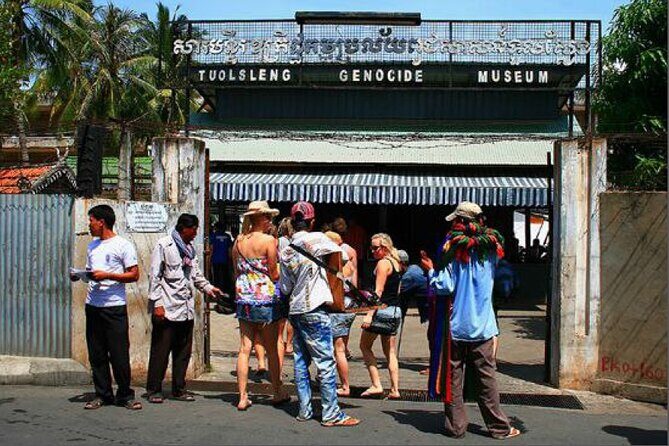
Tuol Sleng is described as a place where Pol Pot turned a once-popular high school into a high-security prison. The museum frames it as the “hill of poisonous trees,” and it shows how about 20,000 people were imprisoned there, with many facing torture in hopes of obtaining information.
Where Choeung Ek helps you understand the end of the process, S-21 explains the steps leading there. You’ll see how the prison environment was built to extract answers and control people completely. It’s not just history on a wall; it’s a design meant to break individuals down and funnel them into the system.
Guides who earn strong marks for this tour often get praised for clarity and compassion during S-21. Names that show up in strong feedback include Baboon, Sum Cheath, Tea, and Visal—all specifically noted for strong English and for explaining what you’re seeing in a way that stays respectful. Some guides also bring a personal family connection to the sites, which can make the visit feel less like a textbook and more like a lived human story.
If you want to be useful to yourself during this stop, slow down. Read what you can, then look again. This museum rewards a calmer pace than the average “hit the highlights” approach.
Guides Make or Break a Heavy Visit
This is one of those tours where the guide’s method matters as much as the content. The tours connected to names like Baboon are frequently described as both factual and compassionate, with a sense of humor used carefully—enough to keep you oriented, not enough to make light of the subject.
I also like the fact that the guides in these strong versions are repeatedly praised for:
- clear English (so you’re not constantly translating in your head)
- respectful handling of atrocities
- getting the timing right across both sites
- staying easy to understand even when the material is brutal
You’ll also notice that water is commonly mentioned as being provided through the trip. When your brain is busy and your body is tired, those small comforts make it easier to stay present and not mentally bail early.




Price and Value: What You’re Paying For
The tour price is $19.20 per person, with admission to the sites listed as not included. Then you add:
- Tuol Sleng (S-21): $5.00
- Choeung Ek Genocidal Center: $3.00
That puts the simple total at $27.20 per person, before any tipping. For many people, that’s a fair trade. You’re getting:
- a professional English-speaking guide
- hotel pickup
- air-conditioned transportation
- cool water
- a structured schedule that fits both major sites into about 4 hours
Could you visit both independently? Yes. But you’d still need transport and a plan for what to see and how to interpret it. Where this tour earns its value is in turning two complex locations into a coherent story with explanations that help you move with understanding rather than just staring.
If you’re short on time in Phnom Penh and you want a guide to handle the “what am I looking at and why does it matter” part, the price feels reasonable.
What to Wear and Bring (So You Can Focus)
No special gear is listed, but a few practical choices will help you survive the day comfortably:
- wear comfortable shoes for walking outdoors at Choeung Ek
- bring a light layer, since you’ll be in and out of air-conditioned transport
- keep your mind ready for emotional content; this isn’t sightseeing in the usual sense
The good news: the tour provides cool water during the trip, so you can focus on the experience instead of logistics.
Who This Tour Is Best For
This is ideal if:
- you want a guided and organized visit to two top Khmer Rouge sites
- you have limited time in Phnom Penh and want both major stops in one morning
- you appreciate historical context explained in clear English
- you prefer a small group format (max 20)
It may not be for you if you strongly dislike dark historical subjects or if you know you’ll struggle with intense, upsetting scenes. You can still visit Cambodia with sensitivity and care, but this particular pairing is meant to be confronted head-on.
Should You Book It?
If you’re going to Phnom Penh and you want the most direct, structured way to understand the Khmer Rouge era, I think this tour is a strong booking choice. The value is solid once you see what’s included beyond transport: a guide who helps you make sense of both places, with multiple well-regarded guides tied to clear English and respectful storytelling. The pacing also seems thoughtfully set up: two hours at each site within a total of about four hours.
Just be honest with yourself about the emotional weight. This is a “must-do” for many visitors because it’s meaningful and important—but it’s also the kind of visit where you should arrive ready to take your time.
FAQ
How long is the Choeung Ek and Tuol Sleng S-21 tour?
The tour runs for about 4 hours total, with around 2 hours at Choeung Ek and about 2 hours at Tuol Sleng S-21.
Does the tour price include admission tickets?
No. Admission fees are not included in the tour price. Tuol Sleng (S-21) is $5.00 per person and Choeung Ek is $3.00 per person.
Is hotel pickup included?
Yes. Hotel pickup is included, and the meeting point is listed at River Crown Restaurant on St. 178 in Phnom Penh.
What’s included in the tour?
You get a professional English-speaking guide and driver, air-conditioned transportation with cool water, and hotel pickup.
How big are the groups?
The tour has a maximum of 20 travelers.
What if the weather is bad?
This experience requires good weather. If it’s canceled due to poor weather, you’ll be offered a different date or a full refund.
What’s the cancellation policy?
Free cancellation is available up to 24 hours in advance for a full refund. If you cancel less than 24 hours before the start time, the amount paid is not refunded.