REVIEW · PHNOM PENH
Phnom Penh City Tour, Silver Pagoda, Genocide Museum, Killing Fields
Book on Viator →Operated by Green Era Travel · Bookable on Viator
Sober days need good planning. This one gives you Phnom Penh’s key sights in one smooth loop, from the Royal Palace area to the hard truth at Tuol Sleng and Killing Fields. It’s a structured way to understand the city fast, without spending your short time figuring out tuk-tuks and routes.
What I like most is the small group setup (max 10) paired with real hotel pickup and drop-off, so you lose less time to logistics. I also love the way the English-speaking guides often add personal context; guides such as Hong Kasy and Siphat have been praised for sharing family-linked stories that make the history hit differently, not just sound like a lecture.
One thing to consider: this is emotionally heavy and graphic. The tour is not recommended for children, and you’ll need to follow a strict dress code (shoulders and knees covered) or risk getting turned away at key sites.
In This Review
- Key things to know before you go
- Royal Palace and Silver Pagoda: starting with Phnom Penh’s royal face
- Tuol Sleng Genocide Museum (S-21): history that doesn’t let you look away
- Choeung Ek Killing Fields: the shock of how peaceful it looks
- Timing in Phnom Penh: why a 5-hour loop still feels full
- Price and value: what you’re paying for, and what you still need to budget
- Small-group comfort: max 10, fewer hassles, better pacing
- Dress code and readiness: the small rules that decide whether you can enter
- How the guides shape the experience at S-21 and Choeung Ek
- Who should book this Phnom Penh highlights tour
- Should you book? My practical call
- FAQ
- What places are included in this Phnom Penh tour?
- How long is the tour?
- Do I need to pay entrance fees separately?
- Is hotel pickup and drop-off included?
- What group size does the tour use?
- What should I wear for the Royal Palace and museum stops?
- Is this tour suitable for children?
- What transportation is used during the tour?
- Can I cancel for a full refund?
- How is the tour guided?
Key things to know before you go
- Max 10 people keeps it from feeling like a crowded conveyor belt.
- Royal Palace + Silver Pagoda means you start with Khmer royal design before switching to modern history’s darkest chapters.
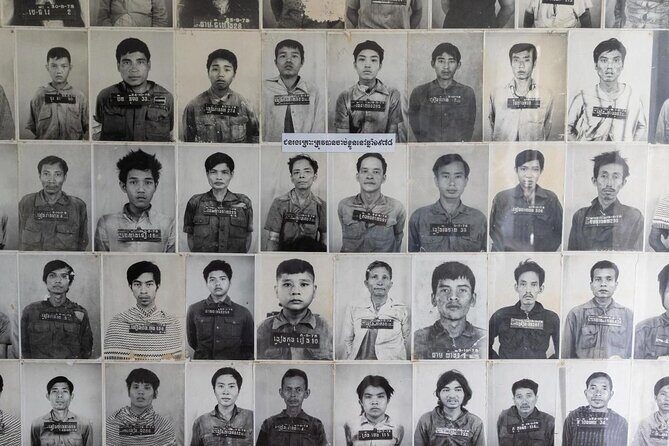
- Tuol Sleng (S-21) is explained clearly, in a former high school turned security prison setting.
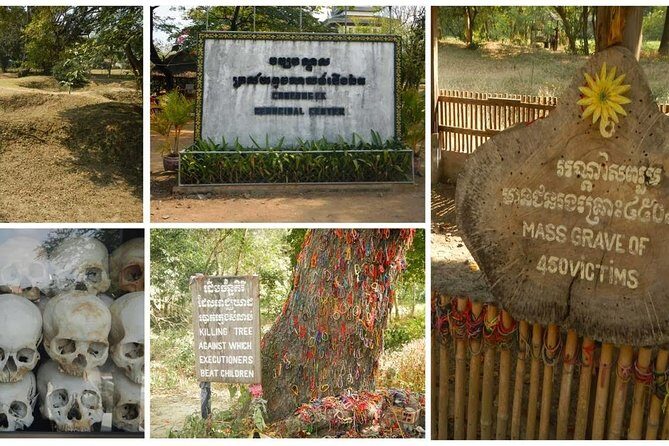
- Killing Fields at Choeung Ek is quieter in appearance than you’d expect, which makes the contrast hit harder.
- Hotel pickup and drop-off plus air-con when needed means less stress in Phnom Penh traffic.
- Dress code is enforced at places of worship and selected museums.
Royal Palace and Silver Pagoda: starting with Phnom Penh’s royal face
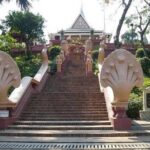
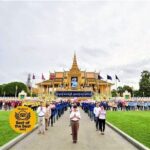
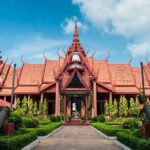
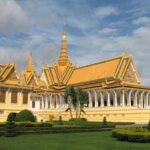
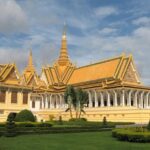
You begin in the Royal Palace complex, the part of Phnom Penh that still feels ceremonial. Expect about 1 hour here, with a stop that’s designed to give first-timers the “what am I looking at?” basics without turning it into a museum marathon.
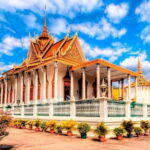
The big win is that you’re not only seeing pretty buildings. You’re getting the context that Cambodia’s royal tradition and court life are part of the city’s identity. Then you move to the Silver Pagoda, a name earned for practical reasons: the floor is made of 5,329 silver tiles. That detail alone is worth knowing before you walk in, because it turns the visuals into something you can explain to a friend later.
Two practical notes. First, admission for the Royal Palace and Silver Pagoda is not included, so plan for an extra ticket cost. Second, the dress code matters here—no shorts or sleeveless tops, and your knees and shoulders must be covered. If you forget, you might have to miss parts of the experience.
You can also read our reviews of more city tours in Phnom Penh
Tuol Sleng Genocide Museum (S-21): history that doesn’t let you look away
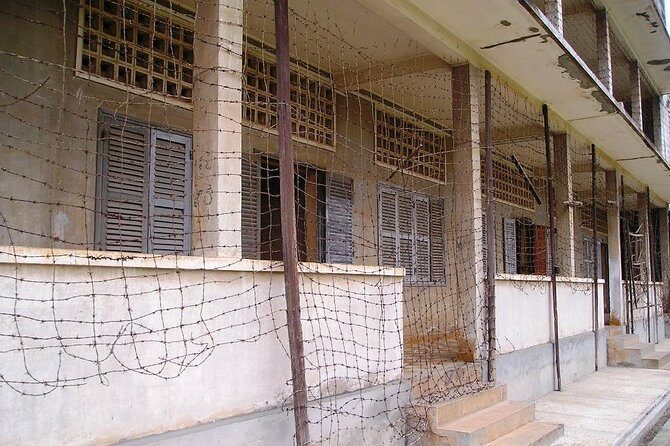
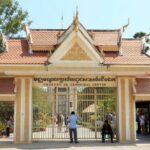
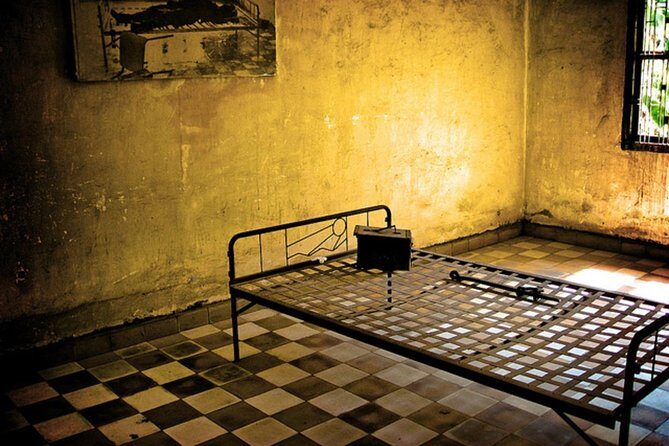
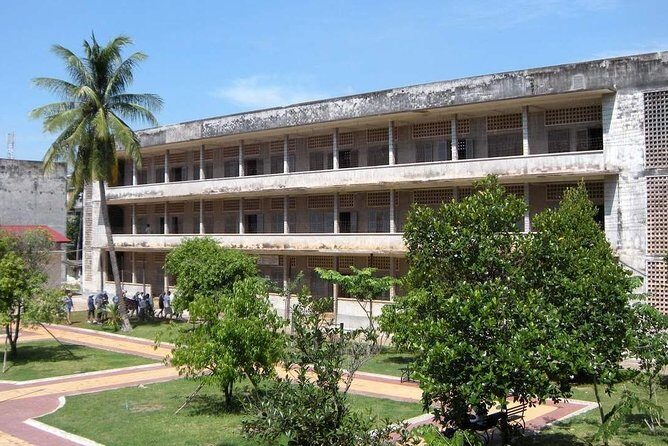
Next comes Tuol Sleng Genocide Museum, also known as S-21. This isn’t a casual stop. You visit for about 1 hour, and the setting does a lot of the work for the story: it was a former high school used as the notorious Security Prison 21.
What makes this part of the tour valuable is that the guide gives the background you need to make sense of what you’re seeing. Without context, places like this can turn into random rows of rooms. With context, it becomes clearer how a system operated—who was targeted, how people were processed, and why remembering matters.
The practical side: this museum is emotionally intense, and the tour notes it’s not recommended for children. It’s also the kind of site where you’ll want to move at a steady pace. If you get overwhelmed, give yourself space inside the building instead of rushing to finish.
If you’re sensitive to graphic or harrowing details, that’s not a reason to skip. It is a reason to mentally prepare and accept that the day won’t feel “light” at this point.
Choeung Ek Killing Fields: the shock of how peaceful it looks
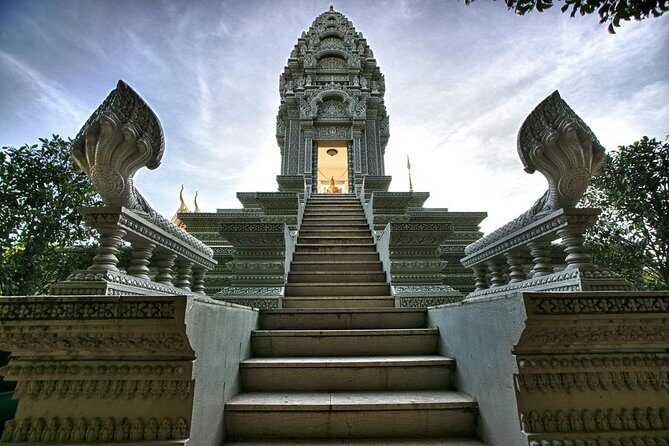
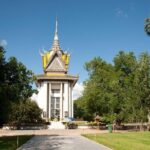
After Tuol Sleng, you head to Choeung Ek Genocidal Center, often called the Killing Fields. It’s about 17 km from Phnom Penh, so you’re getting out of the city center atmosphere and into a broader landscape setting.
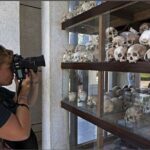
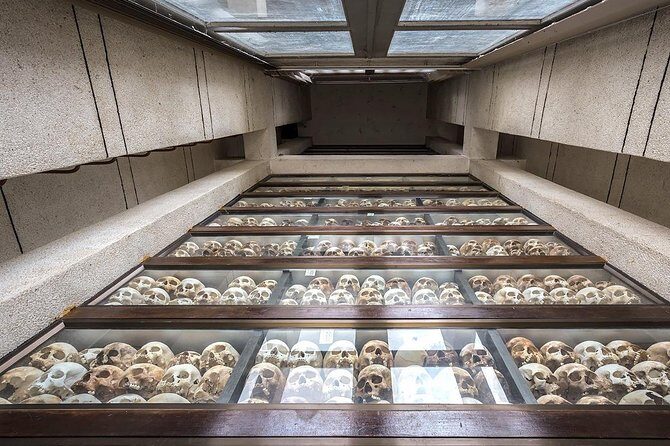
Here’s the unsettling contrast: the fields look green and calm, but that calmness is exactly why the story lands so hard. The experience is designed to show you how violence happened in a place that, at first glance, seems ordinary. The tour framing even points out this exact mismatch—peaceful surroundings don’t match the horrors tied to the site.
The itinerary lists this stop as short on paper, but your real pace will come from the guide’s explanations and how long you choose to stand and reflect. If you want a meaningful visit, don’t treat it like a quick photo spot. This is a place where respect is the whole point.
This stop also pairs well with Tuol Sleng. In combination, they help you see the full arc: detention and processing in the prison setting, then the later reality described at Choeung Ek. That sequence is one reason the tour works for first-time visitors with limited time.
Timing in Phnom Penh: why a 5-hour loop still feels full
This tour runs about 5 hours total. The attraction mix is heavy, so the schedule is more like a structured tour day than a casual stroll. The good news is you avoid the biggest time-wasters in Phnom Penh: figuring out transport between far-flung sites and negotiating routes on the fly.
Pickup is offered, and the start times can vary by hotel. The guidance is to expect pickup somewhere between 7:30am and 8:30am, then your tour activity aligns around a listed start time of 8:30am. Practically, that means you should be ready in the lobby early and keep your morning flexible.
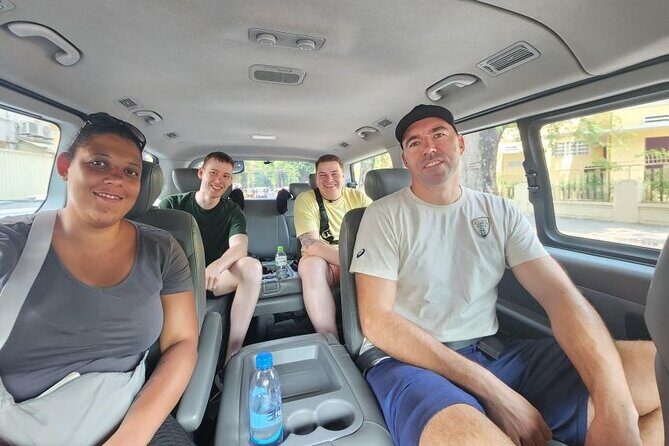
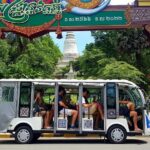
Transport during the tour depends on group size. For 1–2 people, it’s a shared tuk-tuk. For 3 or more, it uses an air-conditioned vehicle. In Phnom Penh heat, that swap can feel like a small luxury—especially after a long indoor museum stop.
Price and value: what you’re paying for, and what you still need to budget
The tour price is $65.67 per person for the full half-day style experience. That fee covers the parts that are hardest to DIY quickly: hotel pickup and drop-off, a small group maxed at 10, and an English-speaking guide, plus cold bottled water during the tour.
Not included are the entrance fees:
- Genocide Museum (Tuol Sleng): $5
- Royal Palace & Silver Pagoda: $10
- Killing Fields (Choeung Ek): $3
Add those up and you’re looking at about $18 in admission fees, before any food. Foods and drinks aren’t included, so if you need lunch, you’ll want to plan for it separately.
Here’s the value logic: if you’re short on time, a guide who can connect the dots between palace culture and Khmer Rouge history is the main benefit. Without that guidance, you’d spend more time sorting tickets, transport, and explanations. The price is reasonable for that kind of end-to-end structure, as long as you go in knowing the sites are serious and you’ll spend part of your day absorbing difficult material.
You can also read our reviews of more museum experiences in Phnom Penh
Small-group comfort: max 10, fewer hassles, better pacing
A tour capped at 10 travelers changes the feel. You’re less likely to get stuck behind a big crowd, and it’s easier for the guide to adjust pacing when a site calls for silence or reflection.
You also get a more personal experience from the guide. A number of guides have been praised for staying respectful and professional while explaining difficult events. Names that came up in feedback include Mr Kasy and Long Voolay, along with guides like Si and Sophy. Not all guides will have the same personal background, but the consistency is that the explanations are meant to be clear and sensitive.
For you, that means fewer headaches:
- fewer people interrupting transitions
- less time waiting for a group to regroup
- more time for your questions, if you have them
The drive between sites also matters. You’re in a shared tuk-tuk or air-conditioned vehicle, which reduces the “where do we go next?” stress and keeps you on schedule for a packed morning.
Dress code and readiness: the small rules that decide whether you can enter
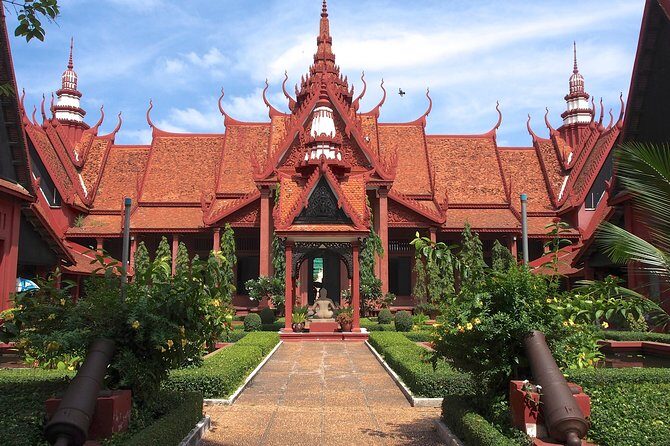
This tour makes dress code a real item, not a suggestion. For places of worship and selected museums, the rule is:
- No shorts
- No sleeveless tops
- Knees and shoulders MUST be covered for both men and women
And yes, there’s a practical consequence. You may get refused entry if you don’t follow the rules.
Even if the weather is hot, plan a simple layering system. One practical tip that keeps showing up in real-world feedback: bring something light you can throw on so you can cover your shoulders. A sweater or light jacket works well, and long pants or a long skirt helps you avoid last-minute fabric hunts near attractions.
Also note the tour states strong physical fitness is needed. That doesn’t mean it’s a hardcore hike, but it does mean you should be ready for walking through museum spaces and grounds without assuming everything is fully wheelchair-style paced.
How the guides shape the experience at S-21 and Choeung Ek
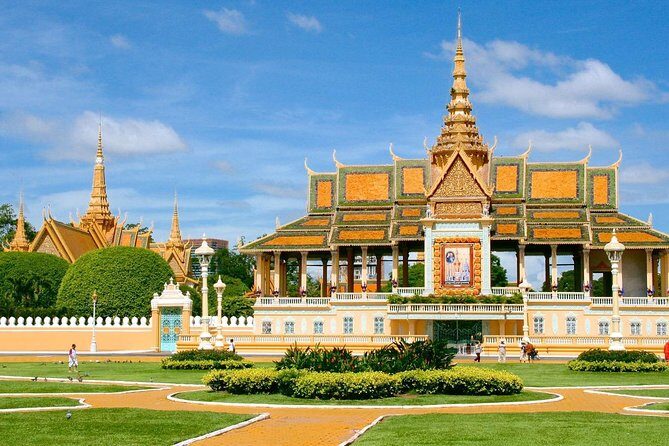
The guide is the difference between seeing buildings and understanding what the buildings represent. The tour includes an English-speaking guide, and the best parts of the experience come from the way guides connect the dots.
In feedback, several guides are specifically praised for adding personal context. Hong Kasy and Siphat stand out in comments about depth and sensitivity. Other names that appear include Daream, Putra, and Lay. The common thread in the positive notes is that the guide’s narration doesn’t jump around; it stays tied to what you’re standing in front of.
I’d treat the guide’s role as part of your “value equation.” If your goal is to get a fast introduction to Phnom Penh’s most important sites, this tour does that. If your goal is understanding the Khmer Rouge era beyond headlines, a strong guide matters even more—and this tour is built around that.
Who should book this Phnom Penh highlights tour
This is a good fit if you want:
- a first-time Phnom Penh orientation in a short time window
- a guided route that covers the big-name sites without you chasing transit
- a structured introduction to the Royal Palace area, then the modern history you can’t fully grasp from brochures alone
It’s also a great choice for solo travelers or couples who want a calm, organized day with hotel pickup and a small group setting.
Who might hesitate? If you’re traveling with children, the tour explicitly says it’s not recommended for kids to visit S-21 and Killing Fields. And if you know you struggle with graphic, emotionally intense content, you should still consider it—but only if you can handle a sobering day and want the context that comes with a guided visit.
Should you book? My practical call
Book it if your Phnom Penh time is tight and you want a guided one-stop day that pairs the Royal Palace and Silver Pagoda with Tuol Sleng and Choeung Ek. The structure is the whole point: hotel pickup, transport between sites, an English-speaking guide, and small-group comfort that keeps you moving without feeling rushed.
Skip or reconsider if you can’t meet the dress code. Also reconsider if your goal is a light sightseeing day. This tour isn’t built for casual vibes after the palace stops. Once you hit S-21 and Killing Fields, the day turns serious fast.
If you do book, come prepared: cover up properly, bring patience, and give the sites the time they deserve. That’s when the tour delivers its best value.
FAQ
What places are included in this Phnom Penh tour?
You’ll visit the Royal Palace, Silver Pagoda, Tuol Sleng Genocide Museum, and Choeung Ek Genocidal Center (Killing Fields).
How long is the tour?
The tour runs about 5 hours (approx.).
Do I need to pay entrance fees separately?
Yes. Entrance fees are not included. The listed fees are Genocide Museum $5 per person, Royal Palace and Silver Pagoda $10 per person, and Killing Fields $3 per person.
Is hotel pickup and drop-off included?
Yes. Hotel pickup and drop-off are included.
What group size does the tour use?
The tour is limited to a maximum of 10 travelers.
What should I wear for the Royal Palace and museum stops?
A dress code is required. No shorts or sleeveless tops. Knees and shoulders must be covered, or you may be refused entry.
Is this tour suitable for children?
The tour is not recommended for children to visit S-21 and Killing Fields.
What transportation is used during the tour?
It’s a shared tuk-tuk for 1–2 people, and an air-conditioned vehicle for 3 or more people.
Can I cancel for a full refund?
Free cancellation is available up to 24 hours in advance for a full refund.
How is the tour guided?
The tour includes an English-speaking guide. Cold bottled water is provided during the tour.