REVIEW · PHNOM PENH
3-Day Private Tour Phnom Penh & Siem Reap include domestic flight
Book on Viator →Operated by Global Travel & Tours Asia · Bookable on Viator
Some trips feel rushed. This one feels packed.
In three days, you’ll connect Cambodia’s capital with the Angkor region through a private plan that includes flights, hotel stays, a licensed English-speaking guide, and the paid entrances that usually eat up time on your own. I like that you move with a set rhythm: Phnom Penh’s major sites on Day 1, then the Angkor day built around the classic morning-to-sunset temple arc in Siem Reap on Day 2, and an alternate-day follow-up on Day 3.
Two things I particularly like about this itinerary are the emotional contrast (Tuol Sleng and the Royal Palace area one day, then Angkor Wat at sunset the next) and the way it bundles the logistics—pickup, air-conditioned transport, and a pre-arranged domestic flight—so you don’t spend your limited time chasing schedules. One thing to consider: this is a lot of sightseeing in a short window, and the outdoor pieces (including the river cruise and the ox-cart ride) make good weather important.
In This Review
- Key highlights to pay attention to
- A fast, focused way to see Phnom Penh plus Angkor
- Price and what you’re really buying at $735 per person
- Hotels and transport: private comfort with the flight built in
- Day 1 in Phnom Penh: Tuol Sleng, the Royal Palace, and a Mekong sunset
- Day 2 Angkor Thom to Angkor Wat: morning walls, faces, and late-day magic
- Day 3 beyond the headline temples: Banteay Srei, Preah Khan, and Kompong Phluk
- What makes the private guide matter (and what you should watch for)
- Who should book this tour, and who should skip it
- Should you book this Phnom Penh & Siem Reap private tour?
- FAQ
- How long is the tour?
- Is this tour private?
- Does the package include flights between Phnom Penh and Siem Reap?
- What are the flight times for Phnom Penh to Siem Reap?
- What hotels are included?
- Are entrance fees included?
- What meals are included?
- What happens if weather is bad?
- Can I cancel and get a refund?
Key highlights to pay attention to
- Private, door-to-door style transfers with pickup and modern air-conditioned vehicle throughout
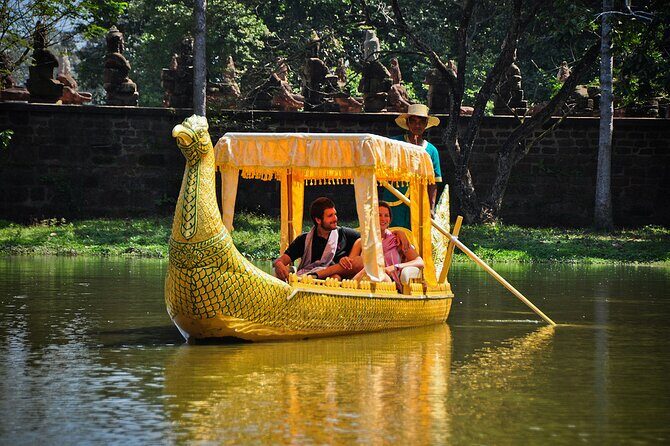
- Phnom Penh day focused on “major history” sites plus a one-hour sunset cruise on the Mekong and Tonle Sap
- Angkor Wat at sunset included after a long Angkor Thom + Ta Prohm run
- Two hotel nights already chosen: iRoHa Garden Hotel and Golden Temple Hotel (or similar)
- Domestic flight timing is built in (Phnom Penh to Siem Reap departs 07:35)
- Water and entrances are handled with mineral water and multiple included museum/temple tickets
A fast, focused way to see Phnom Penh plus Angkor
This tour is designed for people who want two different sides of Cambodia, without trying to play air-traffic-controller between cities. Phnom Penh is about power, loss, and resilience—while Siem Reap and Angkor are about time scales so huge they almost feel unreal. Doing both in three days is intense, but the structure helps you get your bearings fast.
The big value here is that it’s not just a “see a few things” day. The plan is built around actual priorities: history museums and royal-era monuments in Phnom Penh, then a full Angkor block that takes you from Angkor Thom’s city-wall complex to Ta Prohm’s tree roots and on to Angkor Wat’s late-day view. It’s the kind of itinerary where, if you do it solo, you’d spend a lot of your trip time figuring out tickets, timing, and routing.
Because it’s private, your pace depends mostly on your guide and your group—not on random group-tours dropping in and out. In the reviews, guides like Channak (Phnom Penh) and Rith (Siem Reap) come up as helpful and knowledgeable, which matters on a tight schedule. A good guide turns a checklist into something you can actually remember.
You can also read our reviews of more private tours in Phnom Penh

Price and what you’re really buying at $735 per person
At $735 per person, this is a mid-range price for a private, multi-day Cambodia plan. The reason it doesn’t feel overpriced is that it bundles the expensive “friction costs” that usually slow independent travel down:
- the domestic flight between Phnom Penh and Siem Reap
- two nights in booked hotels
- a licensed English-speaking guide
- entry fees at major sites
- private air-conditioned transfers and scheduled sightseeing time
- a boat cruise and other listed activities
It also includes some smaller things that add up: 02 bottles of mineral water per person during sightseeing and transfers, plus VAT and all taxes and service charge.
What’s not included matters too. Personal travel and health insurance isn’t included, and drinks during meals aren’t included. Any meals not marked as included are on you. That’s normal, but it’s worth budgeting for so the final total doesn’t surprise you.
One practical note: you’ll be paying for a lot of fixed-value services upfront. That’s great if you’re committed to the itinerary. If you want maximum freedom to skip or swap temples and museums, you might prefer a more flexible option.
Hotels and transport: private comfort with the flight built in
You get one night at iRoHa Garden Hotel (Comfort Room with Balcony) and one night at Golden Temple Hotel (Premier Pool View Room) or a similar option. Those specific room categories tell you what you’re signing up for—comfort and basic relaxation after long travel days, not a bare-bones stay.
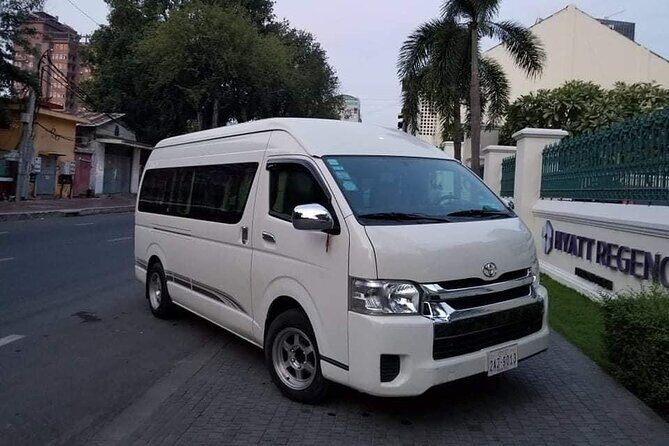
Transport is handled with private, modern air-conditioned vehicle throughout the itinerary. That helps in both cities, especially because your days include multiple stops clustered far enough apart that self-routing can get tiring. The tour also includes pickup, so you’re not trying to coordinate with hotels and taxis right at the start.
Then there’s the flight itself. Day 2 includes flying Phnom Penh to Siem Reap: 07:35 departure, 08:20 arrival (Economy). That early timing is a big reason this itinerary can fit so much Angkor in. If you book this type of trip, you’re basically choosing an “optimize time” strategy over “slow travel.”
You also receive mobile tickets, which is handy when you’re moving quickly and don’t want to keep track of paper.
Day 1 in Phnom Penh: Tuol Sleng, the Royal Palace, and a Mekong sunset
Day 1 starts with your arrival process in Phnom Penh. You meet your contact, then you’ll obtain your Cambodia visa upon arrival and clear Immigration and Customs. The itinerary includes time for that workflow, but the visa fee itself isn’t listed as included, so budget for it separately unless you already know you won’t need to pay.
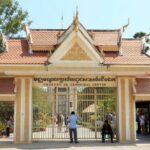
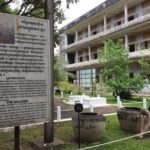
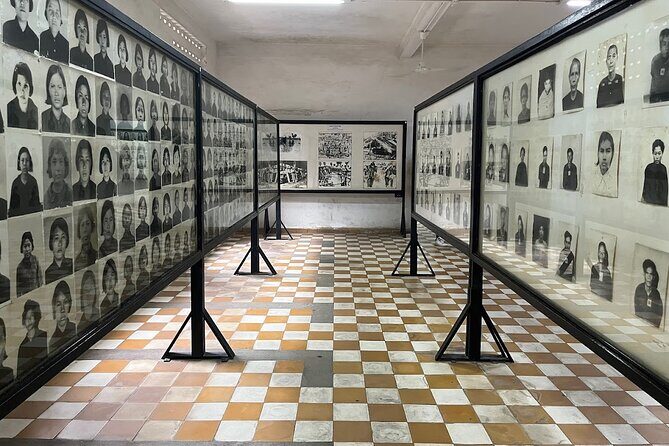
Your afternoon is anchored by Tuol Sleng Genocide Museum. This is one of the most heavy, emotionally direct stops in Cambodia. The tour gives you a focused block—about an hour—with an added benefit: having a guide means you’re not just walking through rooms. You’ll have context as you move from classroom spaces and exhibits into a bigger understanding of what happened there.
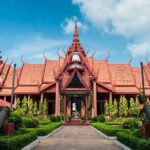
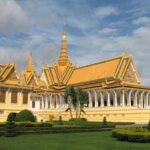
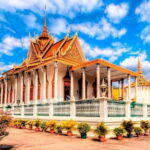
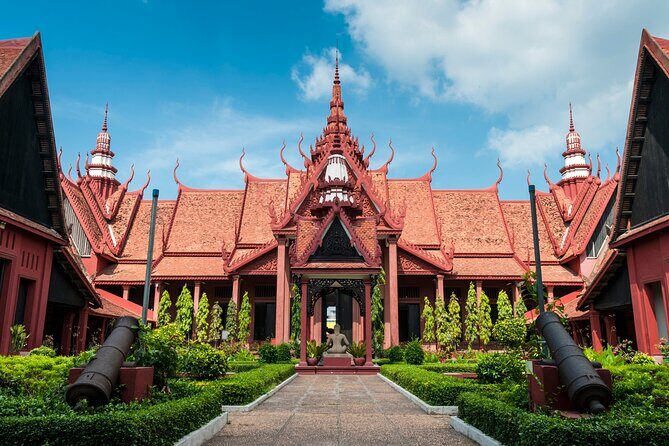
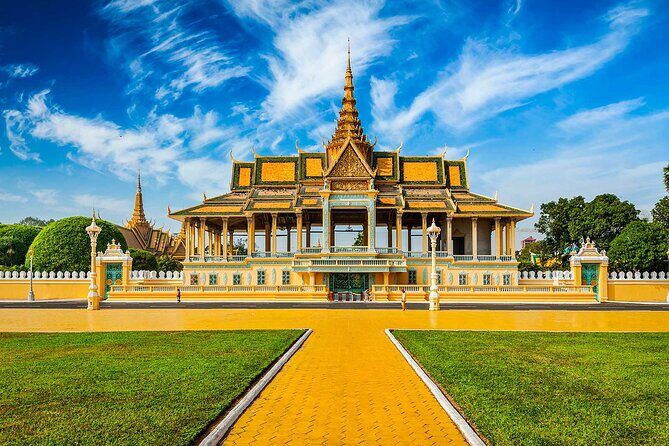
After that, you shift into the Royal complex and the more symbolic power of Cambodia’s monarchy era. You’ll visit the Royal Palace (built in 1866 by King Norodom), then the Silver Pagoda area is referenced within that compound, and you’ll also have time in the palace garden. Next is the National Museum, built in 1917, dedicated to preserving and displaying Khmer art and sculptures.
By the end of the day, you transition to a more local spiritual landmark at Wat Phnom, founded in 1373, known for housing Buddhist relics that washed ashore by the river. It’s a calmer finish that gives your mind a place to rest after Tuol Sleng.
Then comes one of the nicer “reset” moments: a one-hour sunset cruise on the Mekong and Tonle Sap Rivers. The boat passes floating villages and gives you city skyline views that you simply won’t see from the street. If you’ve been staring at walls, artifacts, and museum rooms, this is a useful change of pace.
If you’re the kind of traveler who needs variety to stay energized—this day has it. Heavy history, royal-era monuments, museum art, then river air at sunset.
Day 2 Angkor Thom to Angkor Wat: morning walls, faces, and late-day magic
Day 2 is the Angkor engine. You start with a transfer to the airport in time for your flight to Siem Reap, then you launch into the main ancient-city circuit.
You hit Angkor Thom South Gate first. Angkor Thom was the center of the largest city in the world around the year 1200, and the day starts with that “entry into the city” feeling. From there, you go to Bayon Temple, famous for its faces on multiple sides. It’s the kind of site where you start noticing different carvings once you’re standing among them, not just in photos.
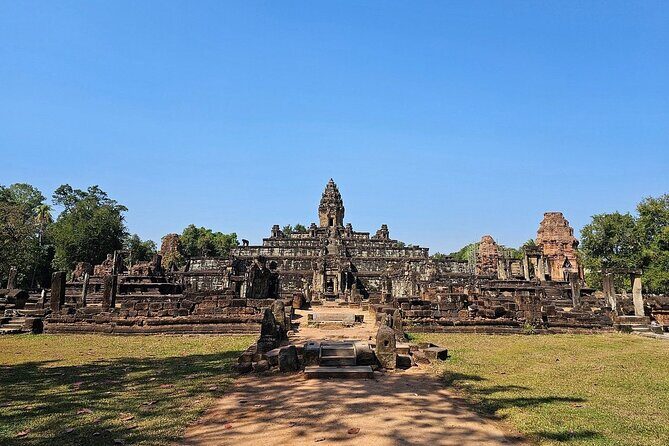
Next up are Baphuon and the Terrace of the Elephants. The terrace connection to Jayavarman VII’s use as a platform for viewing a victorious returning army is a detail that makes the space feel less like ruins and more like a stage. You also visit Terrace of the Leper King and Phimeanakas (also written as Vimeanakas), a Hindu temple built at the end of the 10th century and completed later in Suryavarman I’s era.
Then the itinerary pivots to one of the most atmospheric places: Ta Prohm. This temple was built as a monastery and residence for the mother of Jayavarman VII. Ta Prohm is famous for its tree roots and tangled stone-growth vibe, and the tour gives you about an hour here—long enough to walk the paths and take your time, not just rush through.
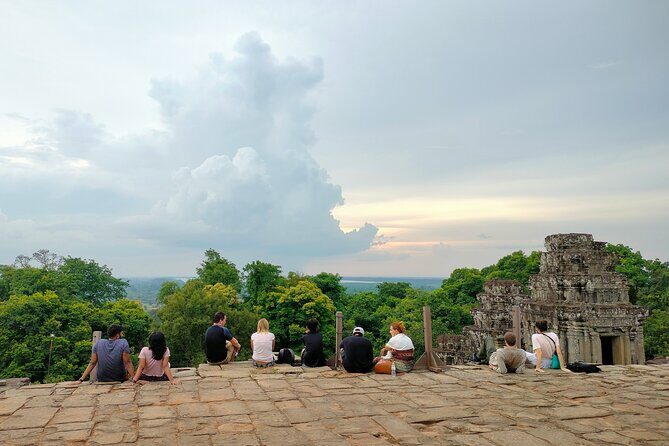
Finally, you reach the highlight: Angkor Wat in the late afternoon and sunset hours. You get a larger block—about three hours—which is important because Angkor Wat rewards patience. You’re not only there for the one photo moment; you have time to see how the temple’s mood shifts as the light changes.
A practical consideration: Day 2 is long on foot and mentally active. This is where having a guide matters for pacing and interpretation. The route is dense, but it’s also logical: Angkor Thom’s city core early, then Ta Prohm as a visual break, and Angkor Wat timed for late-day viewing.



Day 3 beyond the headline temples: Banteay Srei, Preah Khan, and Kompong Phluk
Day 3 shifts to a different feel: less “the biggest icon” and more “the works that make Angkor feel human at smaller scales,” plus a day outside the main temple circuit.
You start with Banteay Srei, described as a pink sandstone jewel built in the 10th century and dedicated to Shiva. The tour allots about two hours, which is a lot of time for a site like this. That suggests the plan expects you to slow down and actually look at the sculptures rather than treating it like a quick stop.
Next is Preah Khan, built in a style similar to Ta Prohm and also attributed to Jayavarman VII, meaning the sacred sword. This stop is shorter—around one hour—but it fits the flow: Banteay Srei first for detailed stonework, then Preah Khan for another temple atmosphere without dragging the day too long.
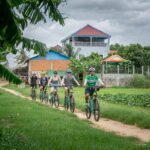
After lunch, you head to Kompong Phluk, a countryside and village area. You take an ox-cart ride through villages and rice fields, then you have a fresh coconut drink with the family. This part of the itinerary is valuable because it adds real-world life beyond the stone temples. It’s also a reminder that Angkor isn’t just a separate world—it sits inside living communities.
You’ll want to keep expectations realistic here: the ox-cart part is part of the experience, but it also means the schedule can feel more “human-paced” than the temple blocks. If you’re okay trading speed for context, you’ll probably enjoy this day.
What makes the private guide matter (and what you should watch for)
This tour includes a professional licensed English-speaking guide, and the private format means you’re not just listening—you can ask questions and adjust your pace. The review mentions guides Channak and Rith as especially helpful, which matches the expectation behind a paid guide on a tight route.
Here’s what I think matters most about that guide role on this particular itinerary:
- In Phnom Penh, you need framing at Tuol Sleng. The museum is not light subject matter, and context helps you process what you’re seeing.
- In Angkor, you benefit from guidance on how the sites relate to each other—city walls, temple clusters, and the way the monuments were used.
- Between stops, a guide helps keep your day from turning into a scavenger hunt for tickets, entrances, and timing.
One thing to keep an eye on: this itinerary includes many paid sites. If you have specific interests (art focus, architecture, or Cambodian history), say so early. A guide can often steer your attention while still respecting the schedule.
Who should book this tour, and who should skip it
This tour is best for you if:
- you want to see Phnom Penh + Angkor in only three days
- you prefer the convenience of private transport and a domestic flight plan
- you like guided structure, especially for sites like Tuol Sleng and complex Angkor clusters
- you’d rather pay for entrances and logistics than manage them yourself
You might skip it if:
- you want a slower pace and more downtime in each city
- you don’t like packed schedules and you’re the type who gets grumpy when days run long
- you want to fully control meal choices beyond what’s included (lunch and breakfast are included, but drinks and unspecified meals aren’t)
It’s also a strong fit for couples, families with teens, and small friend groups who want privacy without losing the benefits of a guide.
Should you book this Phnom Penh & Siem Reap private tour?
I think this is a solid booking when you want an efficient hit list with the heavy lifting already done. The price makes more sense because it bundles flight, hotels, private transfers, guide time, museum and temple entry fees, and a Mekong sunset cruise—the exact stuff that can turn a short Cambodia trip into stress.
If your top goal is classic Angkor Wat timing plus Phnom Penh’s major history sites, this itinerary matches that goal cleanly. Just go in knowing it’s a lot of sightseeing over three days, and that weather matters for the outdoor portions.
If you want more peace and more freedom to change plans mid-trip, you’ll probably prefer something less scheduled. But if you want maximum value per day with a licensed guide and real logistics support, this one earns a strong yes.
FAQ
How long is the tour?
The tour is listed as 3 days (approximately).
Is this tour private?
Yes. It’s described as a private tour/activity, and only your group participates.
Does the package include flights between Phnom Penh and Siem Reap?
Yes. It includes a domestic flight from Phnom Penh to Siem Reap (Economy).
What are the flight times for Phnom Penh to Siem Reap?
The itinerary lists a 07:35 departure and an 08:20 arrival.
What hotels are included?
The tour includes one night at iRoHa Garden Hotel (Comfort Room with Balcony) and one night at Golden Temple Hotel (Premier Pool View Room) or a similar hotel.
Are entrance fees included?
Yes. The tour includes entrance fees for the sites listed, including Tuol Sleng Genocide Museum, Royal Palace, National Museum, Wat Phnom, and the Angkor Archaeological Park temple ticket listed as a single-day ticket.
What meals are included?
The tour includes lunch and breakfast (2). Drinks during meals and meals not specified are not included.
What happens if weather is bad?
The experience requires good weather. If it’s canceled due to poor weather, you’ll be offered a different date or a full refund.
Can I cancel and get a refund?
Yes. You can cancel up to 6 days in advance for a full refund, with reduced refunds for cancellations made 2–6 days before the start time, and no refund for cancellations less than 2 days before the start time.