REVIEW · PHNOM PENH
The Killing Field and Toul Sleng Genocide Museum (S21) Tour
Book on Viator →Operated by The Killing field and Toul Sleng genocide museum S21 Tour · Bookable on Viator
History here hits hard. This guided Khmer Rouge tour connects Choeung Ek Genocidal Center and the Tuol Sleng Genocide Museum (S-21), with a real guide explaining how Pol Pot and the Khmer Rouge shaped Cambodia from 1975 to 1979. It’s not light sightseeing, but it’s one of the clearest ways to understand the scale of what happened.
I like that you get hotel pickup and return transfers, so you’re not stressing about rides through Phnom Penh. I also like the structure: you visit two major sites with time to reflect and ask questions, and the guide helps you make sense of what you’re seeing. The main drawback is that the content is emotionally intense, and depending on the guide, you might hear details you’d rather not.
In This Review
- Quick hits before you go
- Phnom Penh’s two truth-tellers: Choeung Ek and S-21
- Price and logistics: what $19.20 covers, plus entry fees
- From hotel pickup to AC ride: how the tour day flows
- Stop 1: Choeung Ek Genocidal Center and the need for quiet attention
- Stop 2: Tuol Sleng (S-21) Genocide Museum and what the guide adds
- Your guide matters: Visal, Sum Cheath, Cheath, Baboon, and Moon
- How long is enough: pacing, reflection time, and what to bring
- Who this tour is for (and who should think twice)
- Should you book the Killing Fields and S-21 tour?
- FAQ
- Are entry fees included in the $19.20 price?
- Does the tour include hotel pickup and return transportation?
- How long is the tour?
- Can I choose a morning or afternoon tour?
- What’s included in the tour price besides the guide?
- How many people are in the group?
- Do I need to bring cash?
- Is free cancellation available?
- Is the tour appropriate for families or visitors with strollers and mobility needs?
Quick hits before you go
- Two key sites in one half-day: Choeung Ek first, then S-21, so the story stays connected.
- Guide-led, not audio-led: you’ll get spoken context throughout the visit.
- AC ride and bottled water: comfort matters when the morning starts warm and the day gets heavier.
- Bring small cash: entry fees add up on-site, and books by survivors often get sold there.
- Guides vary in tone: most are praised, but one or two reviews mention overly graphic detail or harsh language.
Phnom Penh’s two truth-tellers: Choeung Ek and S-21
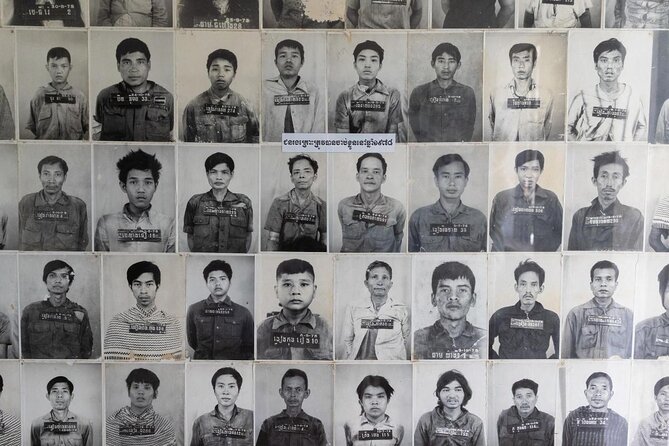
If you’re visiting Phnom Penh, you’ll hear a lot about the Khmer Rouge. This tour is the practical version of that knowledge. You walk into places where the history becomes physical—rooms, layouts, and memorials—then you leave with context that helps it all click.
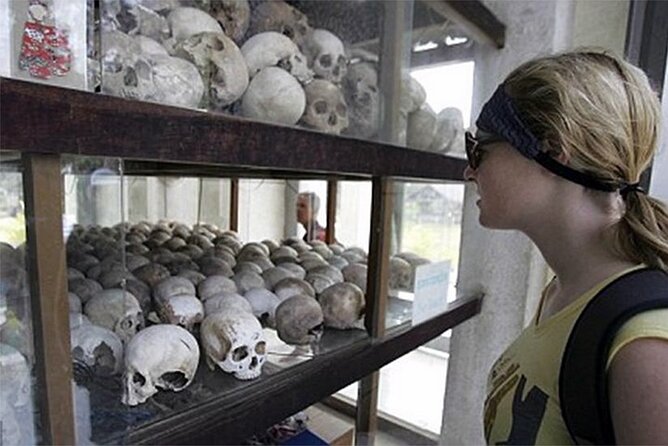
Choeung Ek focuses on the genocide center. S-21 is the prison and interrogation site, now a museum. Together, they show how the Khmer Rouge system worked: mass detention, forced control, and the brutal outcome.
I also like that this tour isn’t trying to turn suffering into a show. The best guides keep things clear and human, with a tone that respects what happened. Several guides named in reviews—Visal, Sum Cheath (also written as Sun Cheath), Cheath, Baboon, and Moon—are repeatedly praised for explanations that are both structured and emotionally aware.
You should still plan for a heavy mood. This is not a “chill museum stop.” It’s more like a history lesson you feel in your chest.
You can also read our reviews of more tours and experiences in Phnom Penh.

Price and logistics: what $19.20 covers, plus entry fees
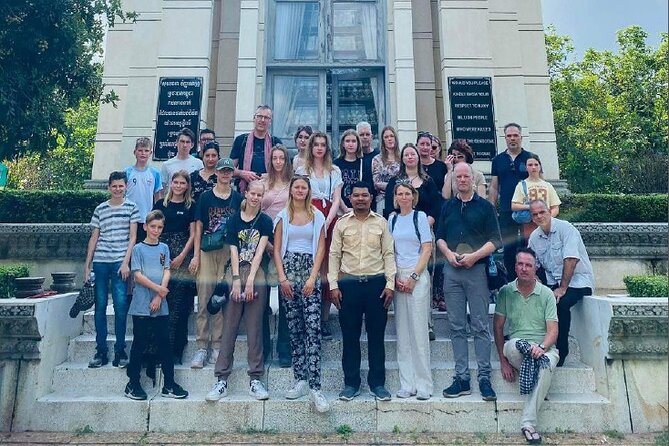
The tour price is $19.20 per person, and it’s genuinely good value for what’s included. That price covers a professional English-speaking guide and driver, an air-conditioned vehicle, cool water, and the hotel pickup service.
But here’s the important part: entry fees are extra. You’ll pay on-site:
- Choeung Ek Genocidal Center: $3 per person
- Tuol Sleng Genocide Museum (S-21): $5 per person
So plan on about $8 more for admission, plus whatever you want to spend on tips and books.
This math helps you avoid the travel stress that can turn an already intense day into a scramble. Bring cash for the entry fees. One review also notes cash was needed for both experiences, and that survivors’ books are often sold there (with prices mentioned at $10 each). Even if you don’t buy anything, having small bills makes the day smoother.
And yes, tipping is not included. You’ll want to budget a little extra for your guide.
From hotel pickup to AC ride: how the tour day flows
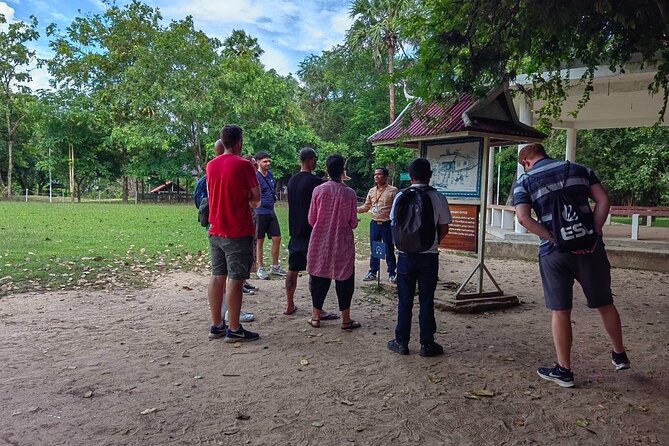
This tour is built around a simple rhythm: pickup, ride, two sites, then you’re back for a break.
You can choose a morning or afternoon tour. It runs about 4 hours total. That time window is realistic: two major sites is a lot, and you’ll want enough energy to read, look, and absorb without rushing.
The vehicle is air-conditioned, and they provide cool water. Reviews specifically call out the cold bottles being appreciated in the heat. Also, infant seats are available, and the museums on the route are described as wheelchair and stroller accessible, which is a real help for families and anyone moving with equipment.
Meeting point is at Grand River Sports Bar on Riverside Path. The tour notes say hotel pickup is included, and they also mention return transfers to your hotel—so you can expect end-of-tour transportation either back to your lodging or very near it. (If you’re comparing pickup/drop-off instructions in your booking confirmation, follow that version first.)
Group size matters for an experience like this. The tour caps at 50 travelers, but reviews mention smaller bus loads. Either way, the guide is there to answer questions, and the best guides manage pace so you’re not simply herded through.
Stop 1: Choeung Ek Genocidal Center and the need for quiet attention
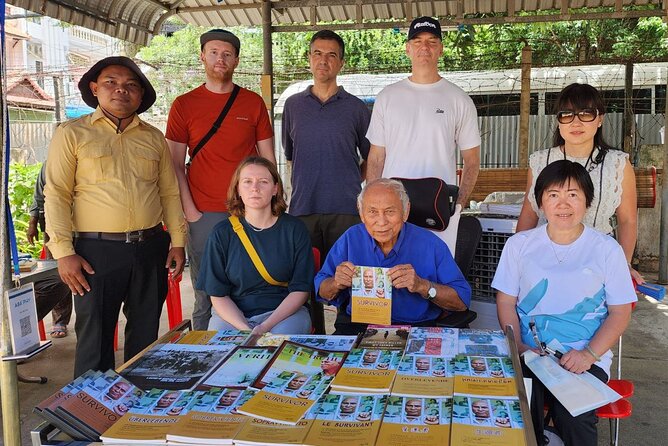
Choeung Ek Genocidal Center covers Cambodia’s history from 1975 to 1979, but the way it lands is different from a textbook. It’s not just information. It’s a memorial space that forces you to slow down.
The tour schedule gives you about 2 hours here. That’s a meaningful block. You’ll have time to follow the guide’s explanation, but you’ll also get moments to step back and look without talking over everything.
One thing to know: the tone is somber by design. Several reviews use words like sobering, powerful, harrowing, and important. That matches what the site is built to do—help you understand what was taken from Cambodia during the Khmer Rouge years.
A practical tip: wear comfortable clothing you can live in. The subject is intense enough without you thinking about your outfit. One review mentions that provisions are available at entrances for longer wear coverage, so if you’re worried about meeting a dress expectation, you’re not completely stuck improvising.
Also, if you’re traveling with teens, keep expectations clear. Some guides are very respectful and measured; others (in one flagged case) were described as too aggressive or using harsh language. It’s not something you want to gamble on if your group needs a calmer presentation. If you’re sensitive to that, it’s reasonable to ask the operator which guide you’ll have, or to set expectations up front.
Stop 2: Tuol Sleng (S-21) Genocide Museum and what the guide adds
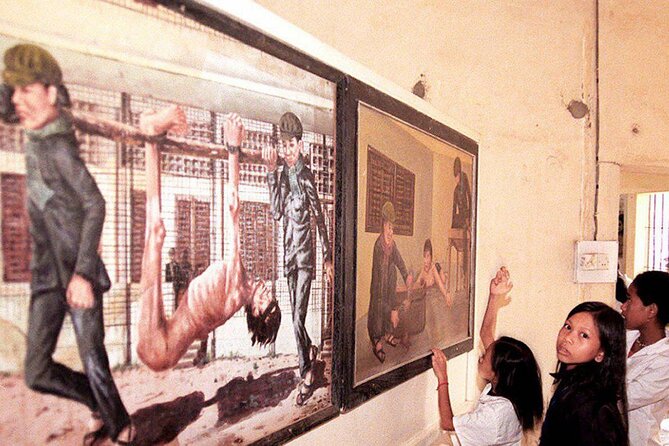
Tuol Sleng (S-21) is where the history becomes extremely specific. This is the prison and interrogation site turned museum, and it’s often the most emotionally difficult stop for people.
You’re given about 2 hours there, and that matters because you’ll want time to read and look carefully. A review notes that the tour felt slightly rushed in S-21 when there was still plenty to read. That’s the main pacing complaint I’d take seriously. If you’re the type who needs time to absorb text, you might feel the schedule. If you’re okay with moving steadily and letting the guide do the heavy lifting, you’ll likely be fine.
On this tour, you won’t be relying on audio headsets. You’ll have a guide talking you through what you’re seeing. Some reviews even mention that audio guides weren’t part of the experience, and they suggest audio might be interesting on your own. That’s a useful idea if you hate feeling rushed: you can always add independent time later in the city if you want to go deeper at your own speed.
The strongest guides make a clear chain of meaning. That’s why names like Visal and Sum Cheath come up again and again in reviews: people praise organization, strong English, and a balance of context with time to reflect. Even when the experience is painful, the guides aim to explain so it’s not just a blur of exhibits.
One more thing: the subject can get graphic depending on how a guide tells the story. A review criticized a guide for going too detailed on torture and killings. Another comment praised a different guide for covering the history without being too heavy. So the tone can vary. If you want the overview with fewer graphic details, say so at the start. A good guide can adjust their approach.


Your guide matters: Visal, Sum Cheath, Cheath, Baboon, and Moon
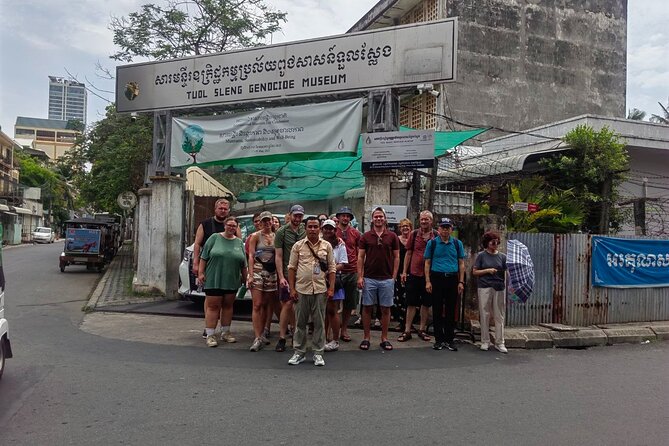
This tour is guide-driven, and the reviews make it clear that guide quality affects the experience.
I’d pay attention to these patterns from the feedback:
- Many guides are praised for being organized and very good with English (Visal and Cheath are named often).
- Guides frequently share personal or family context, which can make the history feel connected rather than distant (Baboon and Moon are mentioned this way in reviews).
- People appreciate guides who give background on the way to the sites, not only inside the museums. That prep can help you understand what you’re about to see before you walk in.
At the same time, tone is not guaranteed. One review flagged an aggressive guide using offensive language in front of teenagers. Another review felt the guide didn’t respond to questions or didn’t allow questions. Another said the guide was too pushy and lecturing. These are outliers, but they’re still a real reminder: you’re paying for the guide, so it’s worth caring about who you get.
Here’s what I suggest:
- If you’re traveling with kids or teens, tell the operator you prefer a respectful, non-graphic approach.
- If you want time for your own reading, mention you’d like slower pacing in S-21.
- If you’re sensitive to detailed descriptions of violence, ask for high-level context.
Good questions don’t ruin the tour. They improve it.
How long is enough: pacing, reflection time, and what to bring
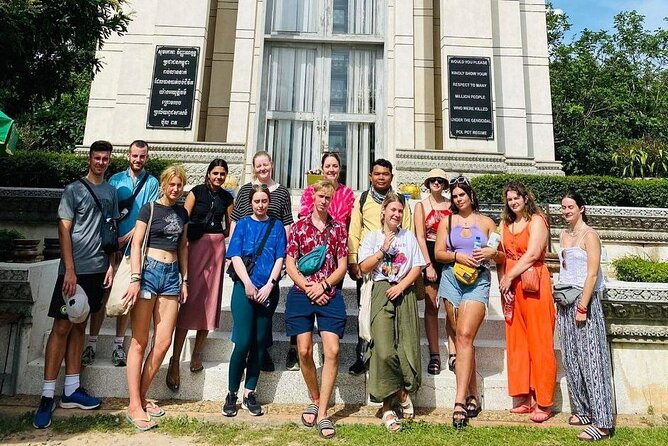
About four hours sounds short on paper, but the two-site layout means you’ll be mentally working the whole time. That’s why pacing is the biggest practical consideration.
The schedule is structured, and most people feel it’s the right length—one review calls it the right amount of time. But a few people mention being rushed at S-21 or wanting more time to explore on their own. If you’re the slow-reader type, plan to bring patience—or plan a second visit later if you want.
What to bring:
- Cash for the two admission fees ($3 and $5) and for tips
- Extra cash if you want to buy books written or sold through survivors (one review mentions $10 each)
- Comfortable shoes. You’ll be standing and moving through multiple areas.
- Light layers. The vehicle is air-conditioned, and the sites can be hot or bright.
Also, mentally prepare. This isn’t a “look and move on” experience. It’s built for reflection. Many reviews describe the tour as extremely painful but important, and that matches the reality: you’ll likely feel heavy even after you leave.
A small practical trick: take a breath break after each site. Don’t stay inside your thoughts for the entire ride. Let the guide finish, then step outside for a moment. You’ll be able to absorb more instead of burning out too early.
Who this tour is for (and who should think twice)
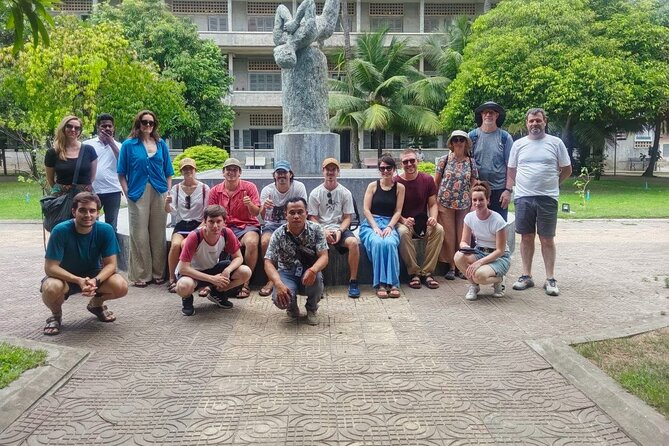
This tour is best for people who want context, not just pictures. If you care about understanding Cambodia’s recent history and how ideology and power were used to control and destroy, you’ll get a lot here—especially because the guide ties Pol Pot and the Khmer Rouge to what you see on-site.
It’s also a good option if you want convenience. Hotel pickup, air-conditioned transport, and bottled water reduce friction. When you’re visiting heavy places, removing logistical stress is a big deal.
Who might hesitate:
- If you’re very sensitive to graphic violence descriptions, choose the more measured guide option if you can, and ask them to keep details at a higher level.
- If you have mobility challenges, note that the museums are described as wheelchair and stroller accessible, which is helpful. Still, you’ll be walking and standing through multiple areas.
- If you’re looking for a fun day, this is not that. It’s serious history.
If you do go, go with intention. The value isn’t in escaping the past—it’s in meeting it honestly, with good context.
Should you book the Killing Fields and S-21 tour?
Yes, I’d book it—if you’re ready for a sobering, meaningful day.
Book this tour if:
- You want both Choeung Ek and S-21 in one half-day with a professional English-speaking guide
- You like guided context that explains Pol Pot and the Khmer Rouge years clearly
- You appreciate hotel pickup and AC comfort so you can focus on the sites, not logistics
Skip or rethink it if:
- You’re uncomfortable with intense, emotionally heavy content and you don’t want to hear details related to torture and killings
- You strongly prefer self-paced wandering without a guide’s structure (some reviews mention pace can feel rushed)
In my view, the best reason to book is simple: this is one of the most direct ways to understand what Cambodia endured during 1975–1979. It’s hard. It’s important. And with a strong guide like Visal, Sum Cheath, Cheath, Baboon, or Moon, it’s also handled with care.
FAQ
Are entry fees included in the $19.20 price?
No. Entry fees are extra. You pay $3 for Choeung Ek Genocidal Center and $5 for Tuol Sleng Genocide Museum (S-21).
Does the tour include hotel pickup and return transportation?
Yes. The tour includes hotel pickup, and return transfers to your hotel are included.
How long is the tour?
It runs about 4 hours in total.
Can I choose a morning or afternoon tour?
Yes. You can pick either a morning or an afternoon departure.
What’s included in the tour price besides the guide?
The tour includes a professional English-speaking guide and driver, air-conditioned transportation, cool water, and pickup/return transfers.
How many people are in the group?
The maximum is 50 travelers.
Do I need to bring cash?
Yes for the admission fees, since they are not included. Also, tips and personal purchases are not included.
Is free cancellation available?
Yes. You can cancel up to 24 hours in advance for a full refund.
Is the tour appropriate for families or visitors with strollers and mobility needs?
The museums on the route are described as wheelchair and stroller accessible, and infant seats are available. Most travelers can participate.