REVIEW · SIEM REAP
Private Guided Tours-Sunrise Angkor Wat, Ta Prohm, Bayon and more
Book on Viator →Operated by Hidden Angkor Tour · Bookable on Viator
Angkor looks different at dawn, and this tour is timed for that moment. You’ll start at 4:30am to catch sunrise at Angkor Wat, then keep going through the best-known temples at a pace that feels more human than big group tours.
I especially like the mix of must-see icons and in-between details: Ta Prohm with the tree-growth over the stones, plus the Angkor Thom route that strings together Victory Gate, the Terrace of the Elephants, Phimeanakas, and Bayon. One thing to watch: it’s a long day with lots of walking and a real early-morning wake-up, so wear comfy shoes and plan for heat and humidity later on.
In This Review
- Key points at a glance
- 4:30am Sunrise Angkor Wat: why the early start matters
- Ta Prohm’s jungle temple feel (and how to get great photos)
- Angkor Thom’s Victory Gate and the Terrace of the Elephants
- Baphuon stairs and Bayon faces: the ending that sticks
- What you’re really paying for: $78 value and private comfort
- Booking style and timing: why this tour works for first-timers
- Entrance pass and dress code: the two things that can ruin your day
- The pass you must buy
- Dress code rules at the temples
- Comfort tips: water, towels, shoes, and camera protection
- Should you book this Sunrise Angkor private tour?
- FAQ
- How early does the tour start?
- Is the Angkor Archaeological Site entrance pass included?
- How long is the tour?
- Is this tour private or shared?
- What’s included in the price?
- What should I wear to avoid being turned away?
Key points at a glance
- 4:30am sunrise timing for Angkor Wat’s most photogenic light
- Private, English-speaking guide with air-conditioned transport and a driver handling the route
- Ta Prohm’s tree-in-temple views plus calmer time to move around
- Angkor Thom highlights in a smart loop: Victory Gate to Bayon
- Cold water and a cool wet towel to make the long hours easier
- Angkor Archaeological Park pass not included (you’ll need to buy it separately)
4:30am Sunrise Angkor Wat: why the early start matters

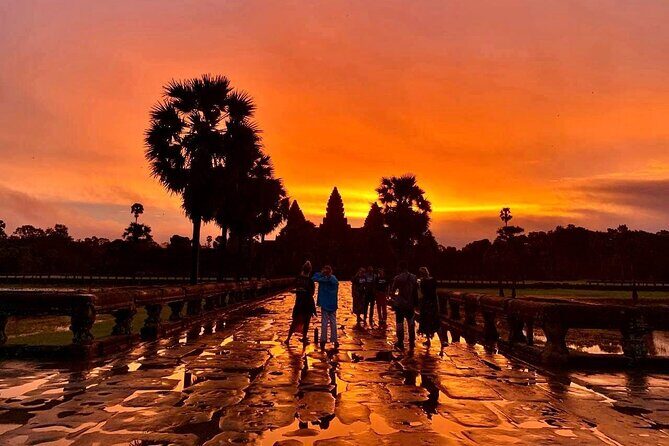
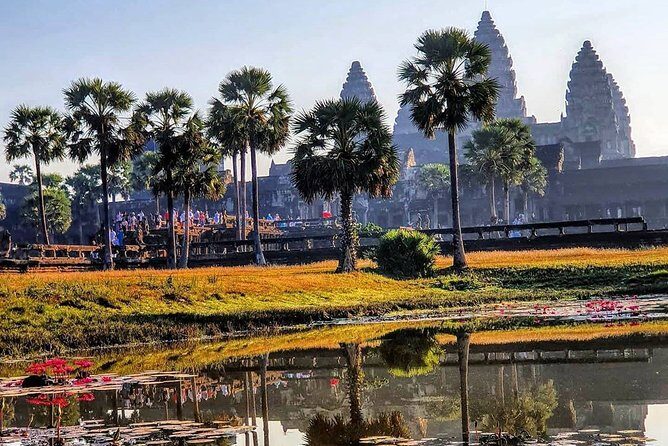
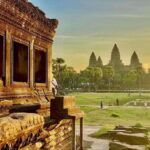
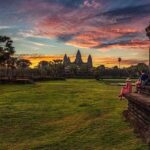
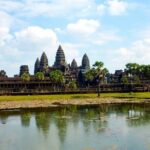
You meet at 4:30am, and the whole day is built around seeing Angkor Wat at sunrise. That early timing matters because the temple complex feels like a different place before the day heats up and crowds thicken. Even if you’ve seen photos, sunrise gives you more texture in the stone and a calmer rhythm as you arrive.
After sunrise time at Angkor Wat, the plan includes time for breakfast at a local restaurant in the Angkor area. Meals aren’t listed as included, so I’d budget for breakfast on your own. Either way, it’s a helpful break before the walking ramps up again.
You also get a real guide-led flow instead of wandering around with a map and guesswork. A good guide helps you orient fast—what you’re looking at, why it’s arranged that way, and where to stand for the best angles without wasting time.
You can also read our reviews of more guided tours in Siem Reap
Ta Prohm’s jungle temple feel (and how to get great photos)
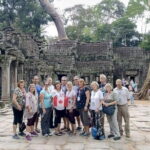
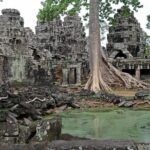
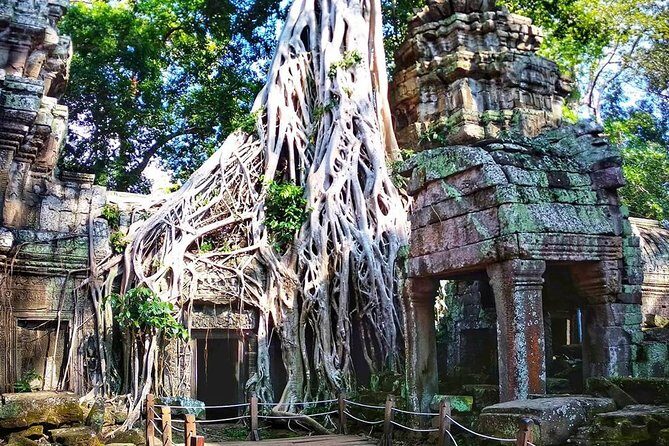
Next up is Ta Prohm, the famous monastic complex that’s only partly cleared of jungle growth. This is one of the stops where Angkor’s “ruin meeting nature” look becomes the main character. If you like photos, this is your target: the temple structure and those overgrown trees create the classic tree-in-temple scenes.
The time here is about 1 hour, which is enough to move, frame a few shots, and still feel like you’re seeing the place rather than sprinting through it. The drawback? One hour can still feel short if you’re slow with photos or you stop to study the carvings. If you’re a heavy photographer, bring a charged battery and a plan: pick a few shots you truly want and don’t get stuck chasing every single angle.
Ta Prohm also tends to be where people notice humidity and insects more than in the open areas. So if you’re sensitive, keep your own comfort items handy—light rain protection, insect repellent, and breathable layers.
Angkor Thom’s Victory Gate and the Terrace of the Elephants
After lunch, the tour shifts to Angkor Thom, and it’s a very logical route through the city’s main points.
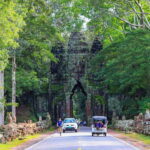
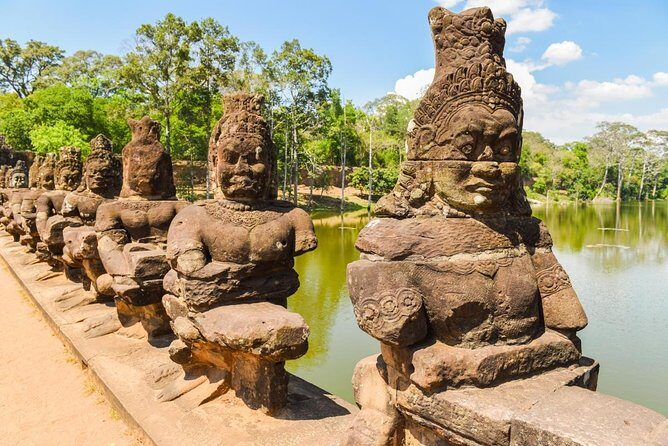
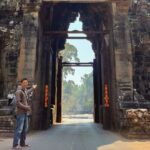
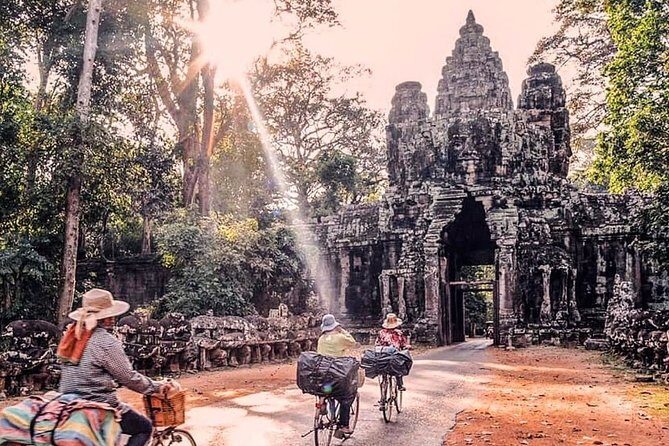
First is the Victory Gate, one of the five gates guarding Angkor Thom. It’s described as slightly less preserved than the South Gate, but that actually helps you read it. You see the structure without it turning into a perfect postcard surface, and your guide can help you understand the gate’s role in the city layout.
Then you head to the Terrace of the Elephants, part of the walled city area. This terrace was used as a viewing platform by King Jayavarman VII. Even if you don’t know the names yet, this stop is where the scale hits you: it’s not just a temple, it’s a designed stage in stone.
You’ll also walk past Phimeanakas, with its location aligned toward the route from the royal palace area and toward the Victory Gate. The name means celestial temple in Khmer, and the alignment theme is something your guide can connect as you move from one landmark to the next.
Tip for your brain: don’t treat these as separate attractions. Think of it as a guided walk through a planned city—gates, terraces, palace centerlines—so you leave with a picture in your head, not just a list of stops.
Baphuon stairs and Bayon faces: the ending that sticks
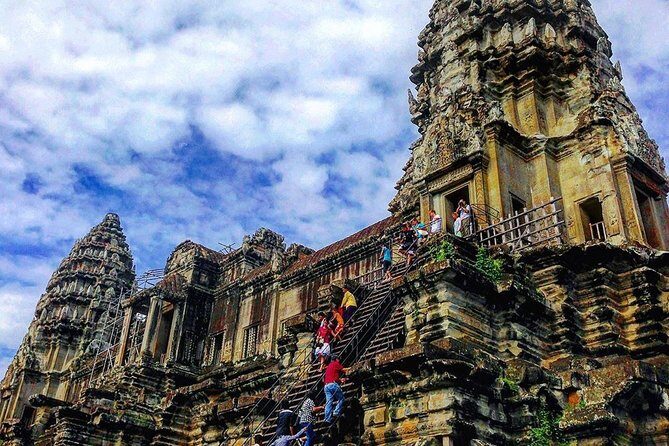
The next temple is Baphuon, near Phimeanakas. It’s an 11th-century temple-mountain, and it includes steep stairs leading to a terrace with one of the best views in the area. This is the kind of stop where you’ll feel the day catching up to you, especially if the morning light made you move faster than usual.
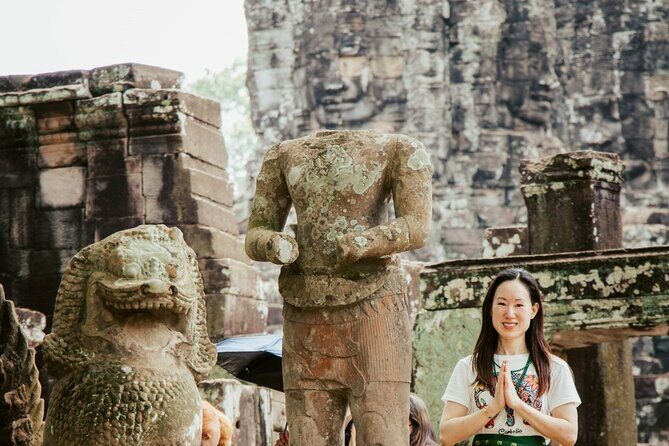
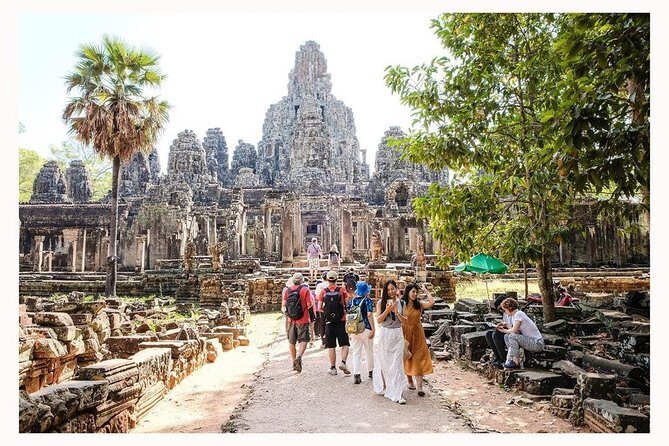
After that, you finish at Bayon, one of the most famous and popular structures in the Angkor Wat Archaeological Park. Bayon is known for its face towers, and it’s the kind of final stop that gives people that wow feeling—and a sense of closure. You’ve gone from sunrise calm at Angkor Wat, to Ta Prohm’s roots-and-stone vibe, to Angkor Thom’s city-scale geometry. Bayon ties it together.
Time at Bayon is about 1 hour, which works well for taking it in at a slower pace. If you want souvenir photos, do them after you’ve first done the “look around” circuit—otherwise you’ll end up walking back and forth with tired legs.
What you’re really paying for: $78 value and private comfort
At $78 per person, this tour is built around convenience and time. The entrance pass is extra, but you’re still buying several things that add up fast when you try to DIY it:
- A professional English-speaking guide who can steer you between sites without wasting your morning
- Air-conditioned transport with a professional driver
- Cool water and a cool wet towel, which is not a luxury when the day runs hot
- Taxes and service charges included in the listed price
You also get a key advantage: it’s full private basis, meaning it’s only your group. That matters at sunrise, where waiting and stopping for others can kill momentum.
Quick reality check on the total cost: the Angkor Archaeological Site entrance pass is $37 USD per person and is not included. So if you’re trying to plan a simple budget, think in the neighborhood of $78 + $37 = $115 per person, plus any single supplement if you’re traveling solo and require it.
You can also read our reviews of more private tours in Siem Reap
Booking style and timing: why this tour works for first-timers
This is a good match if you want the best-known Angkor highlights without spending your whole trip figuring out routes and timing. Your day starts very early and stays structured, which helps if you’re in Siem Reap for limited time.
It also helps that the tour supports most travelers: it’s noted that most travelers can participate. Still, you should expect a walking-heavy day. One review captures the mood well: get ready for a hike, but it’s worth it.
The schedule also has built-in pacing:
- Sunrise temple focus in the morning
- Jungle temple stop next
- Lunch and then the Angkor Thom loop
- Big finale at Bayon
That pattern prevents the day from turning into one endless blur of stones.
Entrance pass and dress code: the two things that can ruin your day
This is where you need to be smart before you leave Siem Reap.
The pass you must buy
You’ll need the Angkor Archaeological Site entrance pass because it’s not included. Fees are charged in US Dollars only. The pass covers access to sights in and around Angkor and should be visible at all times. Kids under 12 are free if you show a valid passport at the booth.
If you forget this, you’ll be stuck at the gate—and sunrise plans don’t tolerate delays.
Dress code rules at the temples
Several temple areas—including places like Baphuon—have strict dress expectations. You need clothes that cover shoulders and fall below the knees. Brightly colored clothing and shirts with obscene or disrespectful prints may lead to refusal of entry.
Bring something that fits the rules without roasting you. Light layers that cover shoulders are your best friend.
Comfort tips: water, towels, shoes, and camera protection
This tour provides cool water and a cool wet towel, which helps you handle the long hours. Still, you should bring your own basics too, because your comfort is your responsibility.
Shoes matter. Even if you think you’re just doing sightseeing, this itinerary includes temple terraces, steep stairs at Baphuon, and plenty of uneven ground. Plan for a day that feels more like a workout than a museum stroll.
Also, take the electronic warning seriously. Natural elements can damage devices, so wrap and protect your camera, phone, and other equipment. This is especially relevant in humid or jungle-grown areas like Ta Prohm.
Should you book this Sunrise Angkor private tour?
I’d book this if you want:
- a structured private day that hits Angkor Wat at sunrise and then covers Ta Prohm and Angkor Thom highlights
- a guide-led experience in English, plus air-conditioned transport
- the big names—Victory Gate, Terrace of the Elephants, Phimeanakas, Baphuon, and Bayon—without the stress of planning the route yourself
I’d think twice if:
- you hate early starts and long walking days
- you’re not willing to add the $37 entrance pass per person
- you might struggle with the temple dress code (shoulders covered, knees covered)
If you can handle an early wake-up and you care about getting the best Angkor highlights in one day, this is strong value.
FAQ
How early does the tour start?
It starts at 4:30am so you can see sunrise at Angkor Wat.
Is the Angkor Archaeological Site entrance pass included?
No. The entrance pass (about $37 USD per person) is not included. It gives access to all sights in and around Angkor and must be visible at the entrance.
How long is the tour?
Plan for about 8 to 9 hours.
Is this tour private or shared?
It’s full private basis, meaning only your group participates.
What’s included in the price?
Included items are a professional English-speaking guide, air-conditioned transportation with a driver, cool water and a cool wet towel, and applicable taxes/service charges.
What should I wear to avoid being turned away?
Temple areas require clothes that cover shoulders and fall below the knees. Brightly colored clothing and shirts with obscene or disrespectful prints may result in refusal of entrance.