REVIEW · SIEM REAP
Explore Angkor Wat by Bike and Sunset
Book on GetYourGuide →Operated by The Guide Cambodia Travel · Bookable on GetYourGuide
Angkor is huge. A bike day helps you feel it fast. This Angkor Wat by bike tour strings together major temples plus a Phnom Bakheng sunset, and you get there with the comfort of modern mountain bikes. I especially like that the route doesn’t feel like a rushed checklist, and the guide helps you understand what you’re looking at as you ride.
I also like how the stops are mixed: the big headline temple, plus quieter jungle ruins where you can slow down and read the stone. Ta Prohm is left in the dramatic state you expect, and Ta Nei adds variety by getting you off the most common path.
One consideration: this can be hot and it rides at a real cycling pace. Expect a tough stretch—around 25–30 km—so I would not pick it if you’re not comfortable on a bike or you’re traveling with small kids.
In This Review
- Key things I’d book this for
- A 9-hour Angkor circuit that makes the temples feel real
- Entering Angkor Wat before the heat and before the bikes
- Ta Prohm: roots, ruins, and a movie tie-in you can spot
- Ta Nei Temple: the calmer jungle stop (and why it matters)
- Angkor Thom by bike: East Gate, Bayon faces, and the Terrace of Elephants
- Bikes, gears, and heat: what to realistically expect
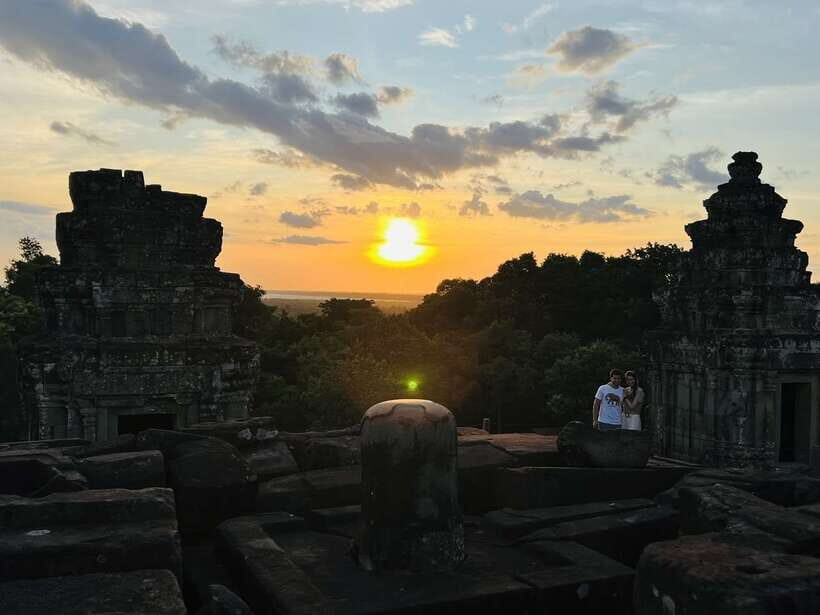
- Phnom Bakheng sunset: the finale you’ll remember longest
- Price and value: is $65 a fair deal?
- Who should book this Angkor Wat by bike tour
- Final call: book it or skip it?
- FAQ
- What does the $65 price include?
- Is the Angkor Pass included?
- How long is the tour?
- How big is the group?
- What time is pickup?
- Is lunch included?
- How hard is the cycling?
- Is the guide available in English?
- Can I cancel and get a full refund?
- Is reserve now, pay later available?
Key things I’d book this for
- Small group (max 8) keeps the temples from feeling like a cattle chute
- Modern Giant bikes with disc brakes, front suspension, and big gear ranges
- Ta Prohm’s roots plus a movie-famous setting you can actually see with your own eyes
- Ta Nei Temple as a calmer, less-visited jungle stop
- Bayon faces and Terrace of Elephants in one efficient flow from Angkor Thom
- Sunset at Phnom Bakheng after a full temple circuit
A 9-hour Angkor circuit that makes the temples feel real
This tour is built for one purpose: you see multiple major sites in one day, but you move between them in a way that matches the scale of the Angkor complex. Starting early with a main temple visit, then switching into cycling, you get both the wow-factor of first arrival and the freedom of exploring at your own rhythm once you’re on the bike.
The day is paced like this: pickup at 9:00 am from your hotel, then you head to Angkor Wat first. Around 11:00 am you start cycling, with lunch about 12:30 pm. After that you work through Ta Nei, then Angkor Thom (East Gate, Bayon, and the Terrace of Elephants). You finish with sunset time on Phnom Bakheng, and you’re back near your hotel around 6:30 pm.
It’s also a smart fit for comfort. You’re not doing all of this under your own power with no support—there’s support transportation included, plus you get water and a snack-style drink during the day, along with lunch.
You can also read our reviews of more cycling tours in Siem Reap
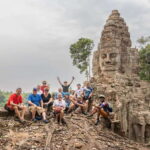
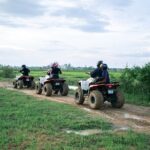
Entering Angkor Wat before the heat and before the bikes
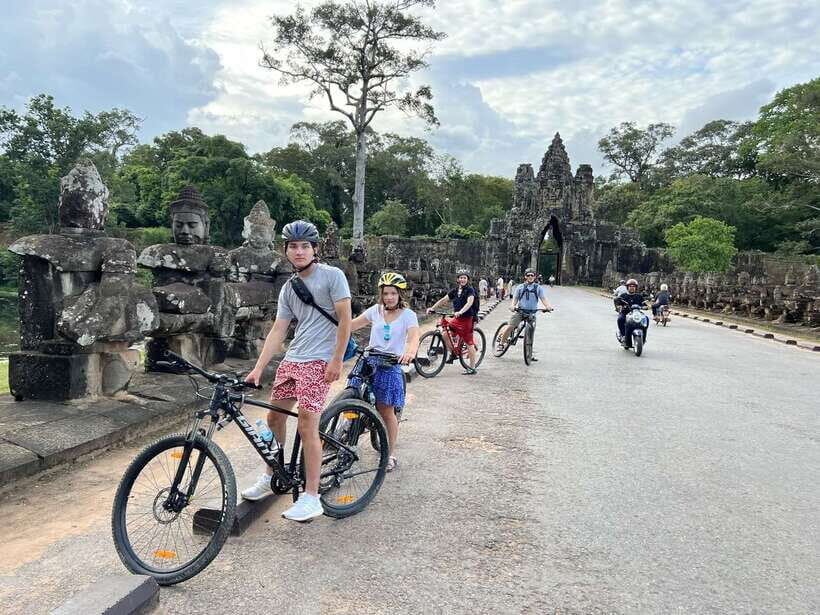
Your morning begins with hotel pickup by tuk-tuk or car, then a ride to Angkor Wat. You arrive in time to focus on the temple itself before the day gets too punishing. This matters because Angkor isn’t just about monuments. It’s about standing still long enough to notice how the carvings and layout guide your eye.
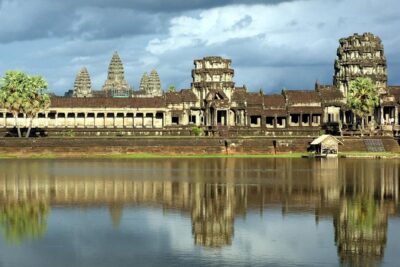
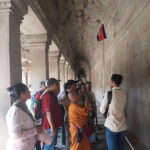
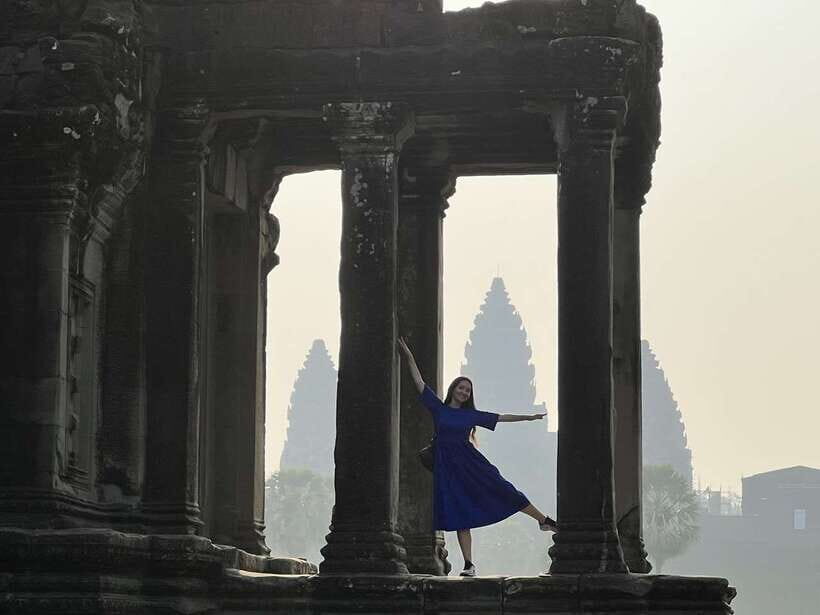
Angkor Wat is treated here as the anchor of the day, and it’s easy to see why. It’s considered the greatest temple of the Khmer empire, and it’s known for Khmer art that reached its height in the 12th century. Even if you’ve seen photos before, the real impact lands when you’re walking through the space and looking up instead of through a camera lens.
Practical tip: if you’re sensitive to heat, treat this morning temple time like your cool-down. Save the extra roaming for the bike segments later, when you can take breaks and adjust your effort.
Ta Prohm: roots, ruins, and a movie tie-in you can spot
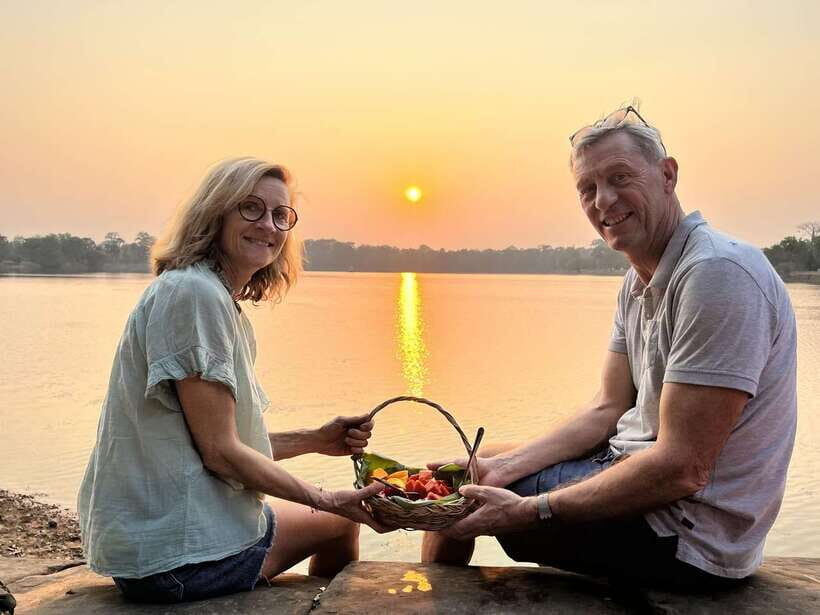
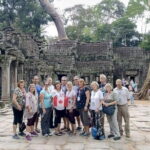
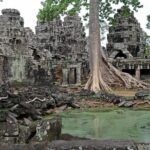
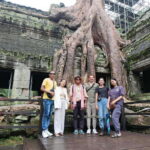
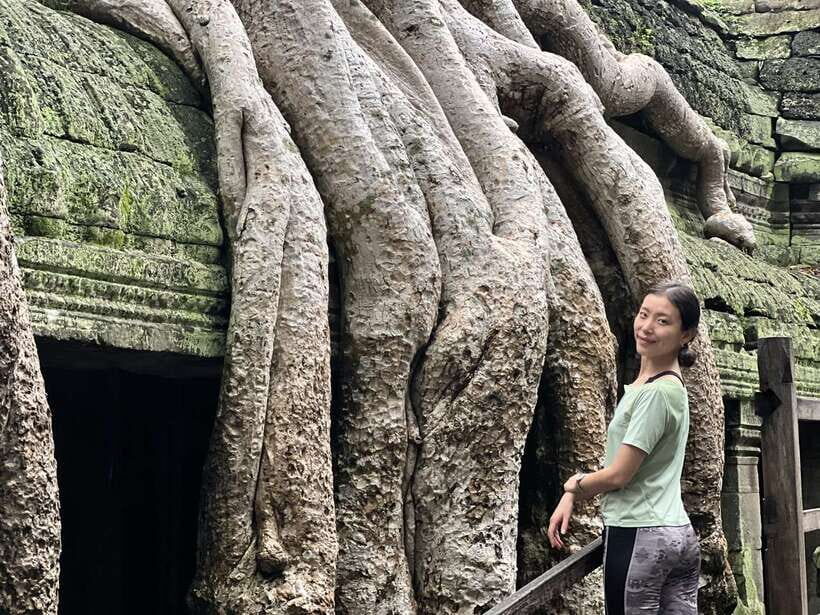
Once lunch is planned later, you start cycling in the late morning to reach Ta Prohm. This is a temple famous for being left in the state you likely imagine—massive tree roots grabbing the stone and weaving through the ruins.
In this schedule, you’re aiming for the viewpoint and atmosphere first, rather than just passing quickly. You’ll see the kind of detail that makes people talk about it: the way roots wrap columns, the way faces and walls are partially swallowed by jungle growth, and the overall feeling that the temple is still in a battle with nature.
There’s also a movie connection that the guide will point out. Ta Prohm is the setting used for filming the Hollywood movie Tomb Raider starring Angelina Jolie. It’s not that you need movie trivia to enjoy the place. It’s that the reference helps you recognize why certain shots became iconic. You can literally stand where those frames were inspired.
The only drawback I can see here is timing and crowds. Ta Prohm is still popular. But the bike route and the flow of the day can help you avoid feeling stuck in one long bottleneck.
Ta Nei Temple: the calmer jungle stop (and why it matters)
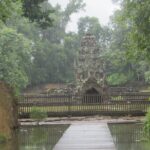
After Ta Prohm, the tour shifts into something more you-and-your-bike friendly: Ta Nei Temple. This part of the itinerary is there on purpose. Big temples can dominate your day if that’s all you do, and your brain gets overloaded with scale. Ta Nei helps reset that by offering a more tucked-away ruined temple setting you don’t see on every quick visit.
The description is clear about the value: it’s a ruined jungle temple that many tourists don’t catch. That’s exactly what you want if you like the texture of Angkor beyond the headline scenes. Less time in a crowd often means more time to notice stonework, openings, and the way the ruin sits inside the trees.
One more thing: this stop also breaks up the energy pattern of the day. After the emotional punch of Ta Prohm, Ta Nei feels like a quieter conversation with the landscape—stone, shadow, and a slower walk.
Angkor Thom by bike: East Gate, Bayon faces, and the Terrace of Elephants
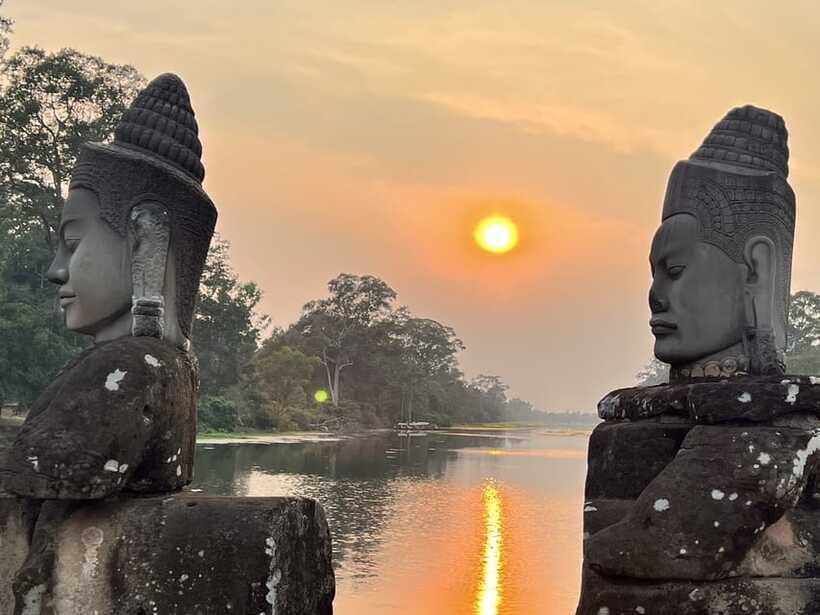
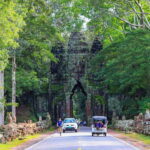
From Ta Nei, the cycling day leads you to the east gate of Angkor Thom. The east gate is an important arrival point because it frames the move from one major temple story into another. You’re stepping into a different zone of Angkor’s identity, and the guide’s job is to translate that so you don’t just see stone—you understand what the place is trying to say.
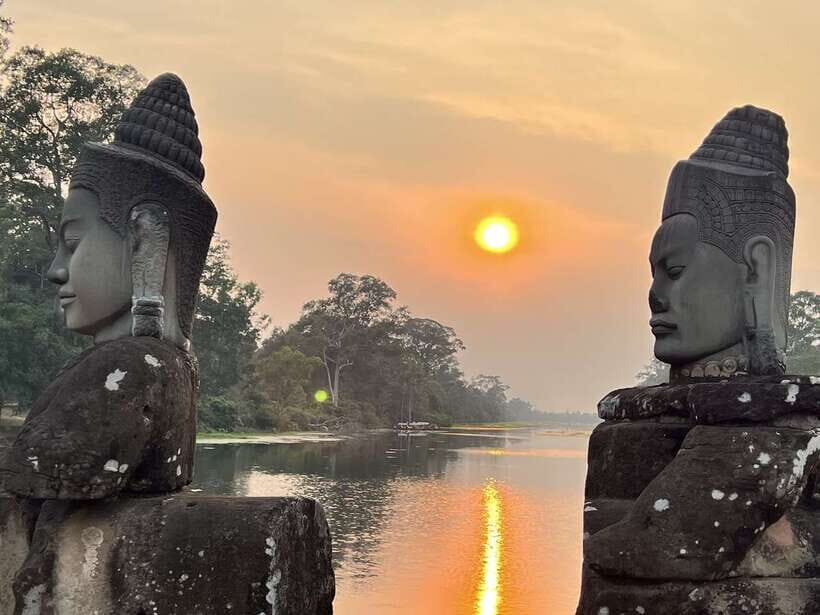
Then you visit Bayon. Bayon is known for its famous smiling stone heads, and this tour also connects those faces to the spiritual context of the time. The stone faces are associated with Avalokiteshvara, and Bayon is described as a state temple linked to the Mahayana Buddhist king Jayavarman VII. Standing in front of Bayon’s faces, it becomes obvious why they’re so memorable: the scale, the repetition, and the calm expressions create a surreal sense of being watched in a friendly way.
The itinerary then continues to the Terrace of Elephants, where the king is described as sitting to observe the training of elephants. That detail is useful because it keeps you from imagining Bayon as only spiritual theater. Angkor is also power, ceremonies, and everyday life at royal scale.
This section is where the day most rewards good pacing. If you rush, Bayon becomes a photo-op. If you slow a bit and let the guide steer you, Bayon becomes a story you can follow.
You can also read our reviews of more evening experiences in Siem Reap
Bikes, gears, and heat: what to realistically expect
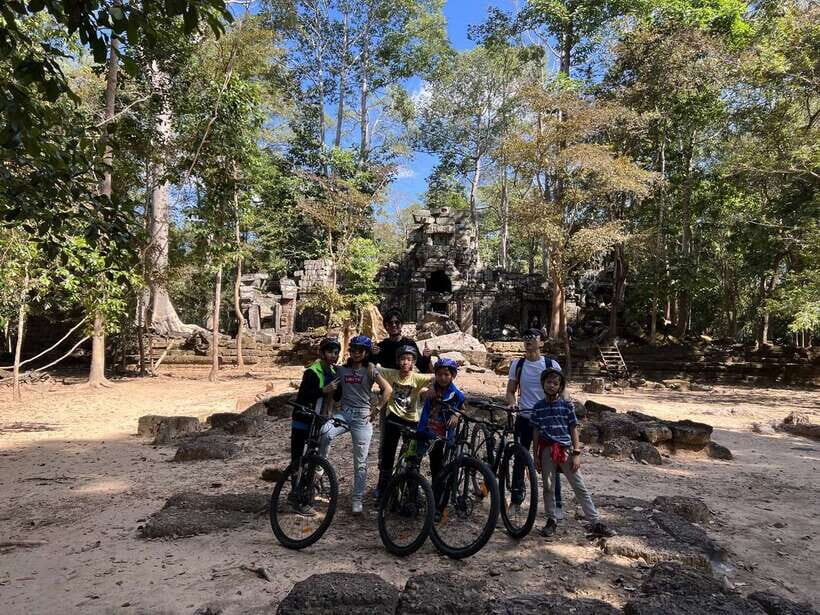
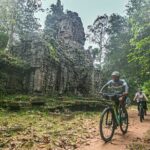
The bikes are a big part of the value here, and it’s not just a marketing line. You’re given modern high-quality mountain bikes with large gear sets, disc brakes, and good front suspension (Giant). That combination matters in Angkor because roads can be uneven and the ground can be dusty or bumpy.
If you haven’t ridden in a while, disc brakes and suspension can make the ride feel controlled instead of stressful. The gear range also helps you avoid turning every small climb into a sprint.
You’ll also do real distance. One day estimate from the experience notes is about 25–30 km, which matches what you’d expect from a route that moves between several big temple zones and a sunset viewpoint.
Heat is the bigger variable. Your itinerary includes multiple outdoor stops, and there’s water plus fresh fruit during the day, which helps. Still, you’ll want to take the breaks seriously. Go slow at first so you don’t burn out before Phnom Bakheng.
A practical note from the overall experience vibe: I’d only bring this plan to first-time cyclists if you’re ready to work. Based on the experience write-ups, it can be exhausting and sometimes challenging. It’s also not the kind of day I’d choose for small children.
Phnom Bakheng sunset: the finale you’ll remember longest
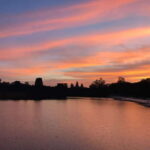
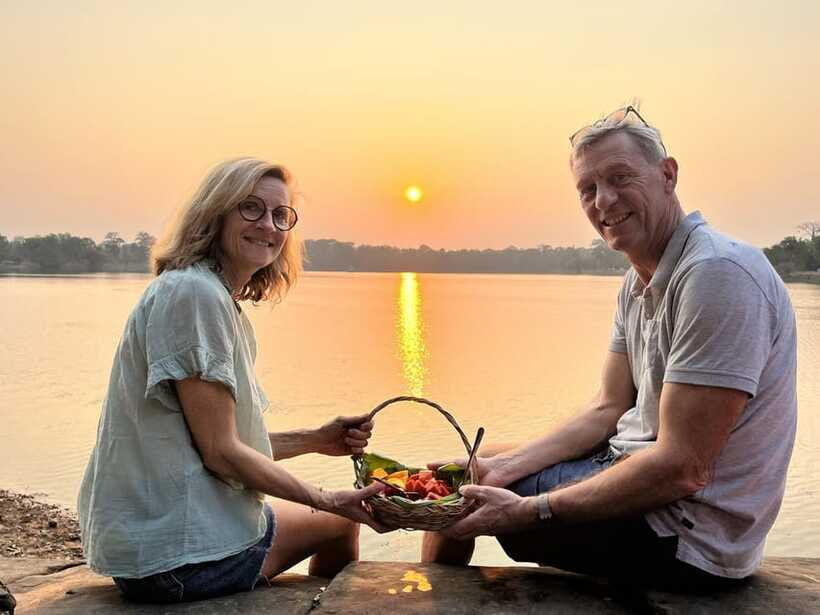
The last major event is the sunset at the top of Phnom Bakheng. This is timed after a full circuit of temples, which means you’re likely tired—but also mentally primed for the payoff.
Sunset here works because it’s a change of pace. You’re not just walking. You’re finishing with a viewpoint where the whole Angkor area feels like a stage. Even if you’ve seen sunset photos before, the real difference is scale and light hitting stone after a day of moving and looking up.
One smart way to handle this: keep your energy for the ride up. If you try to sprint it, you’ll arrive overheated and grumpy. If you manage your effort, the view lands the way it’s supposed to.
Price and value: is $65 a fair deal?
At $65 per person for a 9-hour day, the value comes from the whole package, not just the temples. You get:
- A professional English-speaking tour guide
- Helmet, bottle water, Coke, and fresh fruits
- Lunch at a local restaurant
- Modern Giant bikes with disc brakes and suspension
- Support transportation
- Hotel pickup and drop-off by tuk-tuk or car
- A small group size limited to 8 participants
The big thing not included is the Angkor Pass. If you’re budgeting, plan for that separately. The tour handles most of the day’s moving parts, but entry fees for the temple system are still on you.
In my mind, the strongest value is the combination of bike mobility and guided interpretation. Without a guide, you’d still see impressive ruins—but you’d probably miss the logic behind the sequence and the meaning behind details like the Bayon faces and the Jayavarman VII connection.
Who should book this Angkor Wat by bike tour
This is a good fit if you want:
- A guided introduction to Angkor Wat, Ta Prohm, and Bayon without turning the day into a bus tour shuffle
- A bike route that helps you grasp the Angkor area’s size
- A sunset finale at Phnom Bakheng instead of stopping at temples only
- A smaller group setup where you’re less likely to feel rushed
It’s not the best choice if:
- You’re not comfortable cycling for extended time or you’re expecting an easy stroll pace
- Your main goal is the absolute maximum number of temples with zero effort from you
- You’re very concerned about every single stop matching a specific list, because the day can vary in emphasis
One last practical move: before you go, double-check that the exact temple stops you expect match what’s planned for your day and voucher. It’s rare, but it’s the fastest way to protect your enjoyment.
Final call: book it or skip it?
Book it if you want the best blend of temples + transportation + timing—especially if you like the idea of seeing Angkor Wat, Ta Prohm, Bayon, and ending with Phnom Bakheng sunset in one efficient day. The small-group size and the quality bike setup make the experience feel smoother than doing it on your own.
Skip it if you’re aiming for a very gentle pace, have no cycling comfort, or you only want the simplest, least physical way to hit the highlights. For the right fitness level, though, this is one of the better ways to experience Angkor without feeling stuck waiting around.
FAQ
What does the $65 price include?
The price includes a professional English-speaking tour guide, helmet, bottle water, Coke, fresh fruits, lunch, modern mountain bikes (Giant) with disc brakes and front suspension, support transportation, plus hotel pickup and drop-off by tuk-tuk or car.
Is the Angkor Pass included?
No. The Angkor Pass is not included, so you’ll need to arrange it separately.
How long is the tour?
The tour lasts 9 hours.
How big is the group?
It’s a small group limited to 8 participants.
What time is pickup?
Pickup is included from your hotel, and you should wait in the lobby about 10 minutes before your scheduled pickup time. The itinerary starts at 9:00 am.
Is lunch included?
Yes. Lunch is included, and the tour also provides fresh fruits plus bottle water and Coke during the day.
How hard is the cycling?
The ride is about a 25–30 km cycling day and can be exhausting or challenging for people who aren’t used to cycling. It’s not recommended for untrained cyclists or small children.
Is the guide available in English?
Yes. The tour includes a live English-speaking guide.
Can I cancel and get a full refund?
Yes. You can cancel up to 24 hours in advance for a full refund.
Is reserve now, pay later available?
Yes. The option is reserve now & pay later, so you can book your spot and pay nothing today.