REVIEW · SIEM REAP
Siem Reap: Tonle Sap Lake – Fishing Village & Flooded Forest
Book on GetYourGuide →Operated by Journey Cambodia · Bookable on GetYourGuide
Tonle Sap feels like another planet. This half-day trip takes you to the world’s second-largest freshwater lake and into the seasonal flooded forest where fish spawn, birds gather, and whole communities live with the water. I really like the boat cruise through Kampong Phluk’s stilted fishing villages, and I also like the rural stops that connect the lake to everyday food production like smoking fish and prohoc (fish paste) making. One drawback to keep in mind: during drier months, water levels can be low, so access to the flooded-forest areas and views of certain parts may be more limited.
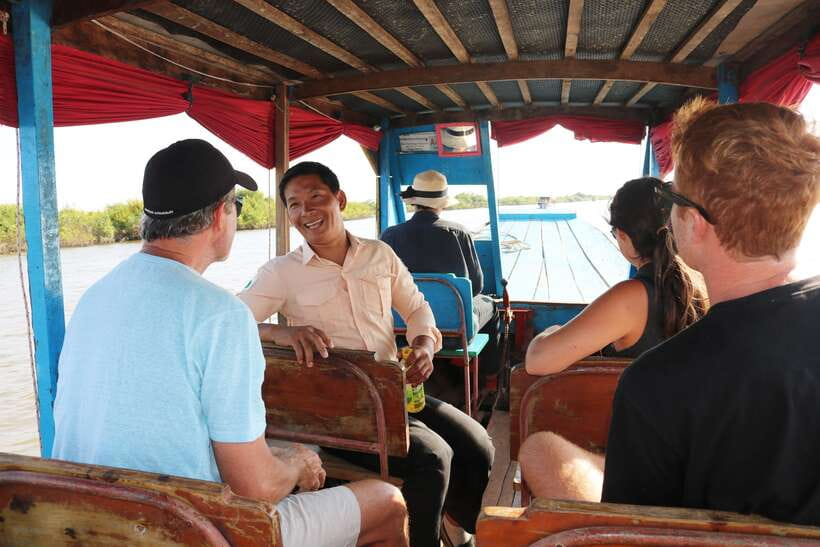
The upside is that it’s short enough to fit into a Siem Reap schedule, but the experience still feels like you’re stepping outside the Angkor bubble. If you get a talkative guide like Sargon Pal, the trip can feel calm and easygoing, with clear explanations along the way. Do note this is a mix of driving and time on boats and walking—so it’s not a fit for wheelchair users.
In This Review
- Key highlights to look forward to
- Why Tonle Sap’s flooded forest is unlike anywhere else
- The Kampong Phluk boat cruise: stilt villages and slow canal time
- The countryside driving stops: where lake life becomes food and farming
- Timing and water levels: what changes when it’s drier
- Price and logistics: is $45 good value?
- Who this tour fits best
- Should you book this Tonle Sap fishing village and flooded forest tour?
- FAQ
- How long is the Tonle Sap Lake fishing village and flooded forest tour?
- How much does the tour cost?
- Where does the tour start from?
- Are there morning and afternoon departures?
- What’s included in the tour price?
- Is every part of the mangrove forest included?
- Is the tour wheelchair accessible?
- When can the Buddhist monastery stop happen?
- Is free cancellation available?
Key highlights to look forward to
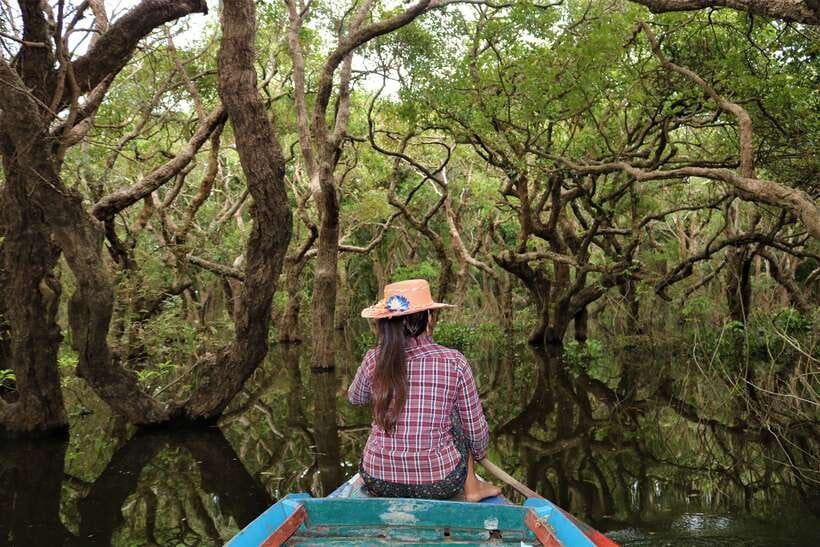
- Kampong Phluk fishing villages on stilts you’ll see from the water
- Slow boat cruising through flooded-forest canals (perfect for photos and wildlife spotting)
- Seasonal agriculture and aquaculture like rice work, duck farming, and fish processing
- Rural market food stops, including Khmer snacks and local vegetables
- Buddhist monastery visit possible between late July and early March
- Local guide storytelling that makes village life feel understandable, not just scenic
Why Tonle Sap’s flooded forest is unlike anywhere else
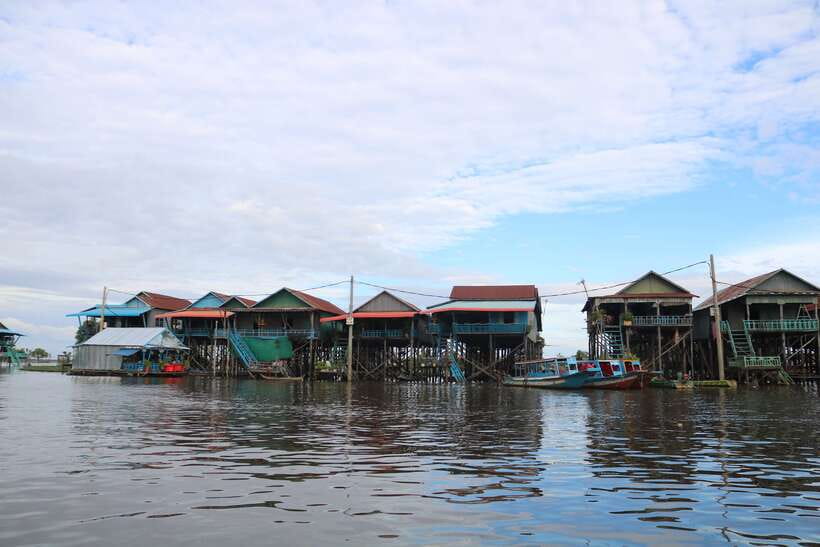
Tonle Sap is one of those places where the map lies to you a little. In the wet season, the lake spreads out to about 12,000 km². In the dry season it shrinks to around 2,500 km², draining into the Tonle Sap River. That yearly swelling changes everything: where boats can go, where people can farm, where fish spawn, and even what the forest looks like.
This ecosystem is also part of why the tour is worth your time. Tonle Sap is a UNESCO biosphere reserve (since 1997), and millions of fish come to spawn in the seasonally flooded forest. That’s what powers the whole food chain—fish draw birds, and the birds (and fish) draw people.
What you’re really buying with this tour is a look at life organized around water levels. Cambodia isn’t just passing by in the background here; it’s at the center of the story.
You can also read our reviews of more tours and experiences in Siem Reap.
The Kampong Phluk boat cruise: stilt villages and slow canal time
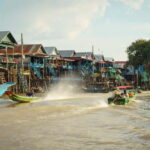
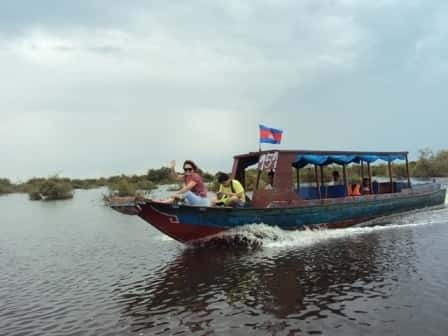
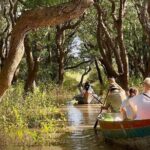
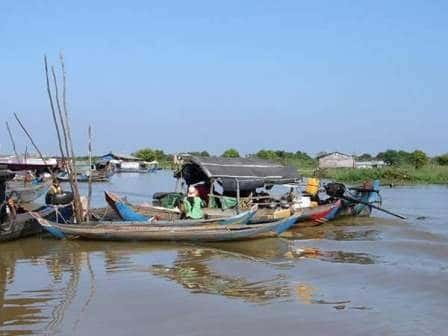
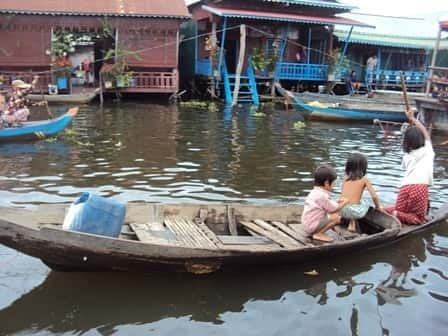
The main event is a boat trip to Kampong Phluk, a cluster of three small fishing communities that sit right where the lake meets the flooded forest. From the water you’ll see houses on stilts, plus everyday work connected to fishing and fish processing. This is one of the most atmospheric ways to understand Tonle Sap, because the scenery is shaped by the water rather than by buildings.
You’ll cruise through village areas and forest canals at a slow pace. That matters more than you might think. It gives you time to spot details like:
- how boats are used for transport and work
- how people’s homes and daily routines fit the waterline
- glimpses of plants and animals along the canals
This is also where having a guide who can explain what you’re seeing helps a lot. Guides like Chhay (who’s been praised for making the daily reality clear) can turn the trip from scenery into context—how people try to survive, what the community depends on, and how support networks matter in a place that changes with the season.
A quick practical note: this is not a fast “see it all” cruise. Plan on taking your time and letting the place work on you. If you’re the type who hates slow travel, this may feel like longer boat time than you expected.
The countryside driving stops: where lake life becomes food and farming
After pickup, you’ll start with a drive through the Siem Reap countryside for about 40 minutes. The ride isn’t just transit. It’s your first hint that Tonle Sap isn’t only fish and boats. Cambodia’s rural life and the lake economy are tied together, and the tour builds that bridge.
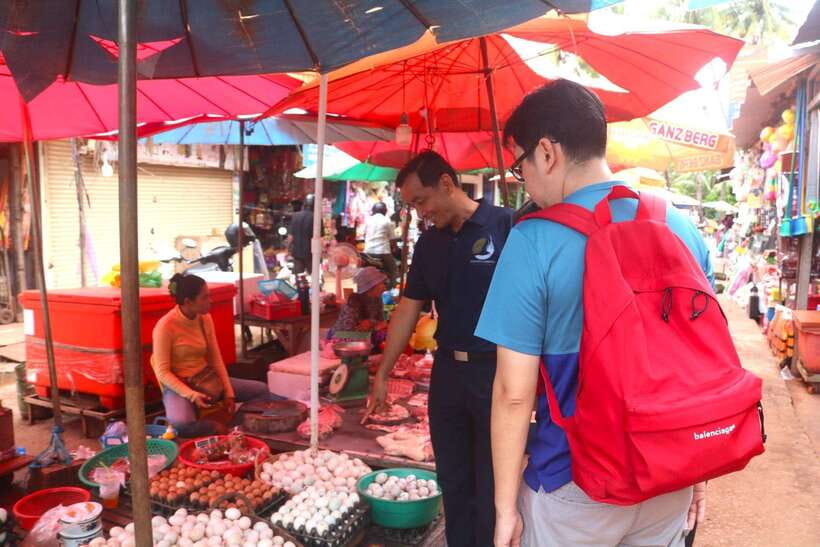
Then you’ll have a short guided stop and walk (about 25 minutes). This is where you may get your first taste of rural markets and village life—especially the chance to pick up Khmer snacks and browse what people actually eat and sell.
On the way back from the lake area, the tour focuses on seasonal work patterns. Depending on timing and water conditions, you might see agriculture and aquaculture activities such as:
- cricket catching
- rice planting and harvesting
- smoking fish
- prohoc (fish paste) making
- duck farming
These aren’t just random “look at this” moments. They’re the practical side of Tonle Sap’s ecosystem. Fish spawn in flooded areas; then the processing and food production ripple outward into daily life. That connection is why the food stops are more than a snack break—they’re part of the story of how communities maintain livelihoods.
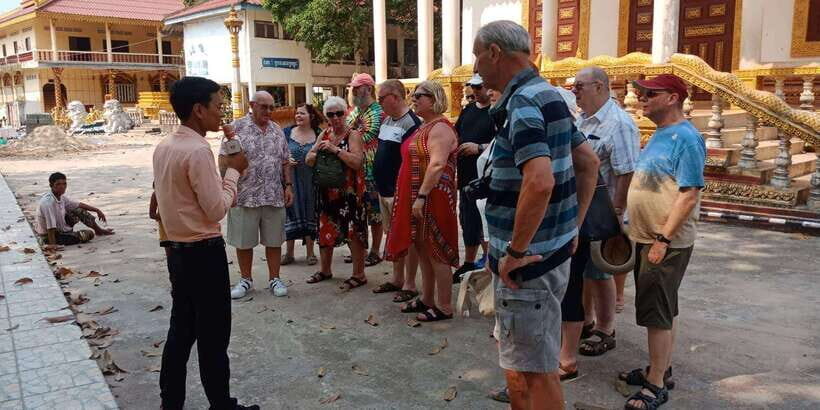
If timing works, you’ll also visit a Buddhist monastery before heading back. The suggested visit window is between the end of July and early March, so if you’re traveling outside that range, don’t treat the monastery as guaranteed.
Timing and water levels: what changes when it’s drier
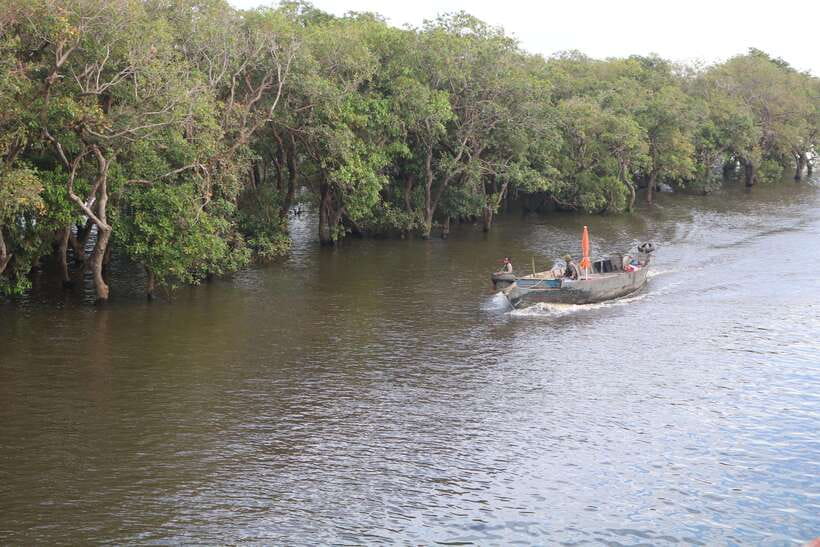
Here’s the part that can make or break your expectations: Tonle Sap is seasonal, and the tour experience changes with water levels. The lake swells dramatically in the wet season and shrinks in the dry half of the year. When water is low, the flooded forest can be less accessible and some areas may be quieter or harder to reach.
In practice, that can mean:
- less access to the interior of flooded-forest areas
- fewer visible signs of active floating/forest routines
- more “view from the outside” rather than walking through certain zones
That doesn’t mean the tour is bad when water is low. It just means you should arrive with a flexible mindset. Treat the tour as a lesson in how adaptation works in a seasonal system, not as a guaranteed look at maximum flooding conditions.
If your trip dates fall during the driest stretch, the best strategy is to focus on what you can still do well: the boat cruise, the village stilt houses, the canal scenery, and the rural farming-food connections.
Price and logistics: is $45 good value?
At $45 per person for about 4 hours, this tour sits in a fair mid-range. What helps it feel like value is what you get bundled in:
- an English-speaking local guide
- hotel pickup and drop-off in Siem Reap city
- an air-con vehicle
- boat cruise
- entrance free
- mineral water and a cool towel
It also helps that you’ll do the experience in a single half-day block, so you’re not spending a full day on the road.
The key thing to watch is what’s not included: a rowboat at the mangrove forest. The tour data flags that as separate, so if the mangrove portion is part of your route, budget for a small extra cost.
One more practical note: you get a choice of morning or afternoon departure. If you’re sensitive to heat and sun, the morning option usually feels kinder. If you like a slower start and prefer softer late-day light for photos, the afternoon departure can work nicely too.

Who this tour fits best
This tour is a great match if you want more than postcards. You’ll enjoy it most if you like:
- places shaped by ecology and seasonal cycles
- seeing rural livelihoods tied to fishing and farming
- short tours that still feel “real” instead of rushed sightseeing
It’s also ideal as a complement to other Siem Reap classics. After days around temples, this offers something completely different: people living with the lake, not people building monuments around it.
You should skip it or rethink if:
- you’re a wheelchair user (it’s marked not suitable)
- you hate walking and boat time
- you expect the flooded forest to look identical year-round
Should you book this Tonle Sap fishing village and flooded forest tour?
If you’re asking whether it’s worth it, my take is: yes, with seasonal expectations.
Book it if you want a half-day experience that connects ecology, community life, and food production—especially if you’re the type who likes understanding how locals actually live. The boat cruise through Kampong Phluk is the heart of it, and the rural agriculture and aquaculture stops add meaning beyond the scenery.
Don’t book it expecting full access to everything at every time of year. In drier months, you may see less flooded-forest action and more limited access. But even then, the tour’s value comes through: you’re still seeing Tonle Sap as a living system—water level first, everything else second.
FAQ
How long is the Tonle Sap Lake fishing village and flooded forest tour?
It’s about 4 hours total.
How much does the tour cost?
The price is listed as $45 per person.
Where does the tour start from?
Pickup is included from your hotel in Siem Reap city, with the pickup location shown as Krong Siem Reap.
Are there morning and afternoon departures?
Yes, you can choose a morning or afternoon departure.
What’s included in the tour price?
Included are a local English-speaking guide, air-con vehicle transport, hotel pickup and drop-off, the boat cruise, entrance free, and mineral water plus a cool towel.
Is every part of the mangrove forest included?
No. A rowboat at the mangrove forest is not included.
Is the tour wheelchair accessible?
No, it is not suitable for wheelchair users.
When can the Buddhist monastery stop happen?
The monastery visit is suggested between the end of July and early March.
Is free cancellation available?
Yes. You can cancel up to 24 hours in advance for a full refund.