REVIEW · SIEM REAP
From Siem Reap: Tonle Sap Floating Villages Tour
Book on GetYourGuide →Operated by Khmerdetours · Bookable on GetYourGuide
Half-day, but it hits hard. You’ll glide over Tonle Sap toward the floating villages, watching everyday life in an aquatic community shaped by water, seasons, and survival. The boat-and-guide format makes the story feel close, not like a show.
I especially like the lotus stop on the way to the port and the lunch setup at Queen Tara in the middle of the village life. You get practical context from an English-speaking lake guide, not just photos, plus chances to spot birds from the nearby sanctuary.
One thing to consider: a couple of animal-focused stops, like the crocodile and fish farm, can shift depending on current water levels, so your day may feel slightly different than someone else’s.
In This Review
- Key moments worth planning for
- Where Tonle Sap changes the pace of your day
- From your hotel to the lake: the 10:00 timetable and your comfort
- Lotus flowers and the calm stop that teaches you how to look
- Floating villages: what you’ll see and what it means
- Crocodile and fish farms: fun, but seasonal reality
- Lunch on Queen Tara: where the day slows down
- Bird sanctuary time: spotting painted storks and pelicans
- Price and value: is $65 fair for what you get?
- Who should book this floating villages tour?
- Should you book the Tonle Sap Floating Villages Tour from Siem Reap?
- FAQ
- What time does the tour depart from Siem Reap?
- How long is the tour?
- Is there a private boat for this experience?
- What size is the group?
- Does the price include lunch?
- Is there a vegetarian option?
- Are transfers included from Siem Reap hotels?
- Can you always visit the floating crocodile and fish farm?
- Is this tour suitable for children?
Key moments worth planning for
- Private boat on Tonle Sap: you’re not squeezed into a crowded ride.
- Lotus flowers en route: photo time plus a quick explanation of Buddhist meaning and uses of the plant.
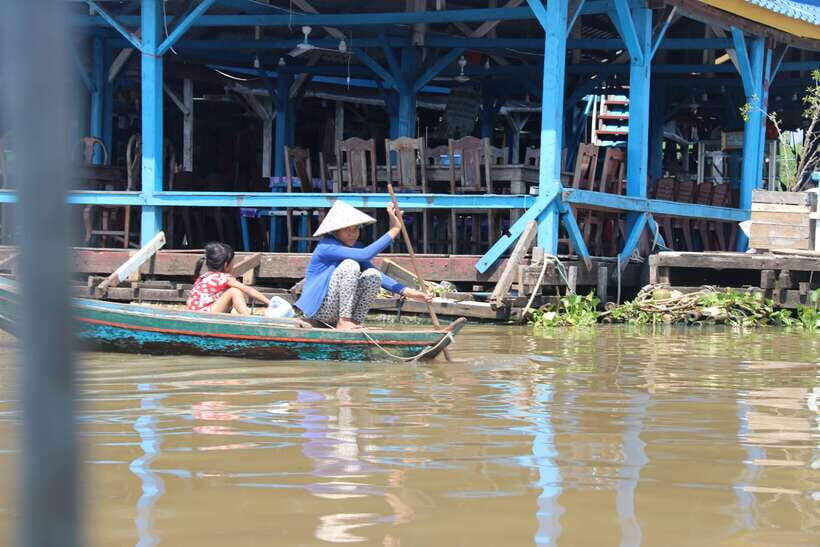
- Floating village immersion (without the rush): homes, markets, schools, even churches in one circuit.
- Animal stop depends on water: crocodile and fish farms may change with the season.
- Bird sanctuary watching: you might spot painted stork or spot-billed pelicans from the area around the reserve.
- Lunch at Queen Tara: included, with free drinks during your stop.
Where Tonle Sap changes the pace of your day
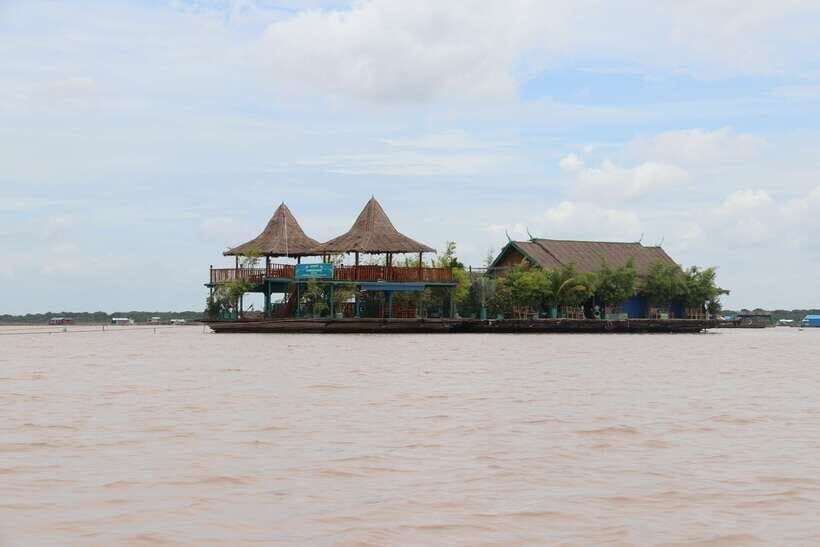
Siem Reap is all energy—temples, tuktuks, constant movement. This tour gives you a different rhythm. Tonle Sap is the largest freshwater lake in Southeast Asia, and you feel that scale as soon as you’re on the water. Instead of looking at Cambodia from land, you see how life works when the ground is water.
The UNESCO biosphere reserve status (designated in 1997) matters here, because it hints at why this area is so alive. You’re not just touring a village. You’re traveling through a high-biodiversity system where rivers and lake levels change everything, including where people build and how they earn a living.
This is also why the floating villages feel both fascinating and serious. You’ll learn how communities formed around the lake, how they keep going, and what threats their homes face—very grounded stuff, not just scenery.
You can also read our reviews of more tours and experiences in Siem Reap.
From your hotel to the lake: the 10:00 timetable and your comfort
The departure time is 10:00, and the whole tour is about four hours door-to-door. That timing is ideal if you want one calmer activity between temple days. It’s long enough to feel like you left Siem Reap’s rhythm behind, but short enough that you’re not stuck on a long journey all day.
Round-trip hotel transfers are included, and the ride is part of the overall experience. One practical perk: the tour provides cold towels, which is genuinely useful in Cambodia’s heat, especially if you’re going to be out of the vehicle and on the boat.
Group size is kept small, limited to 11 participants. That matters more than it sounds. On a half-day tour, you want a guide who can keep an easy flow—asking if you want more detail, adjusting the pace, and actually hearing your questions.
Lotus flowers and the calm stop that teaches you how to look
Before the boat circuit, you’ll have an opportunity to stop and take photos of lotus flowers. This is more than a scenic break. Your guide explains why the lotus is important in Buddhism and how different parts of the plant are used—from steam to the flower itself.
What I like about this kind of stop is that it gives you a lens. After you learn that lotus has cultural meaning and practical uses, you start noticing details instead of just snapping pictures. You’ll also likely pass or visit a lotus-related farm experience during the day, and some guides can add extra time for tastings—like lotus fruit at a lotus/lily farm style stop (you may hear this depends on the day and guide).
Quick tip: if you care about photos, bring a phone/waterproof setup that you can grab fast at the stop. The lotus moment is brief, and it’s better to be ready than to rummage.
Floating villages: what you’ll see and what it means
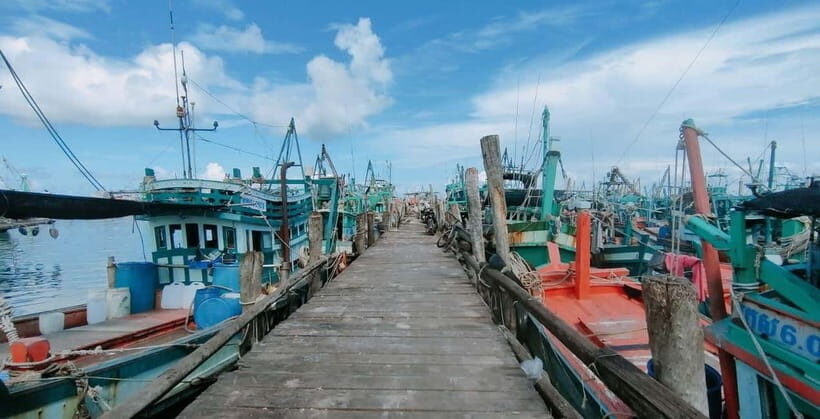
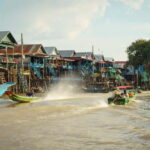
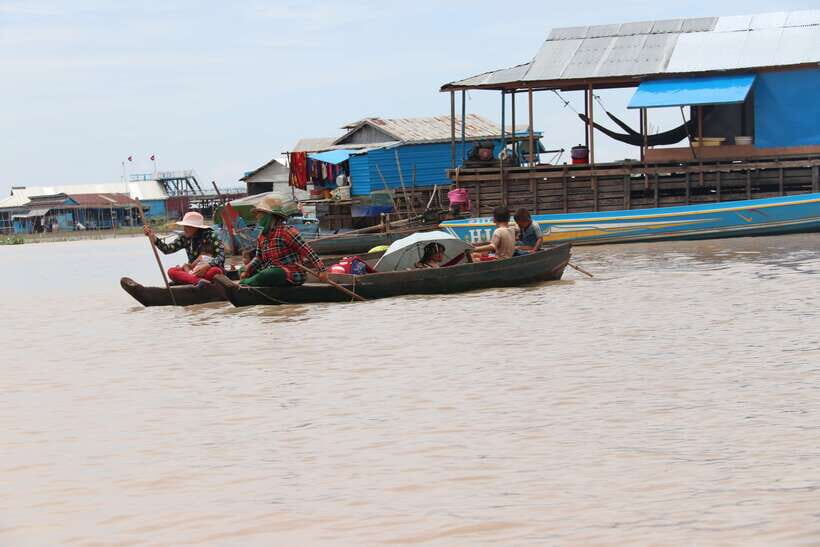
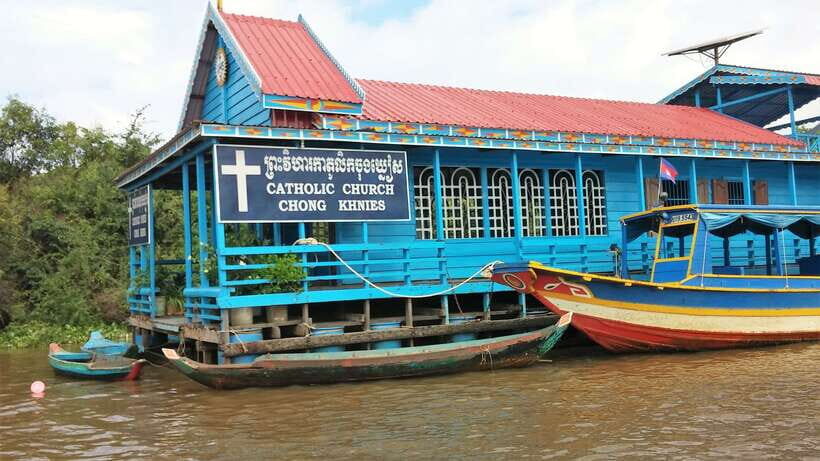
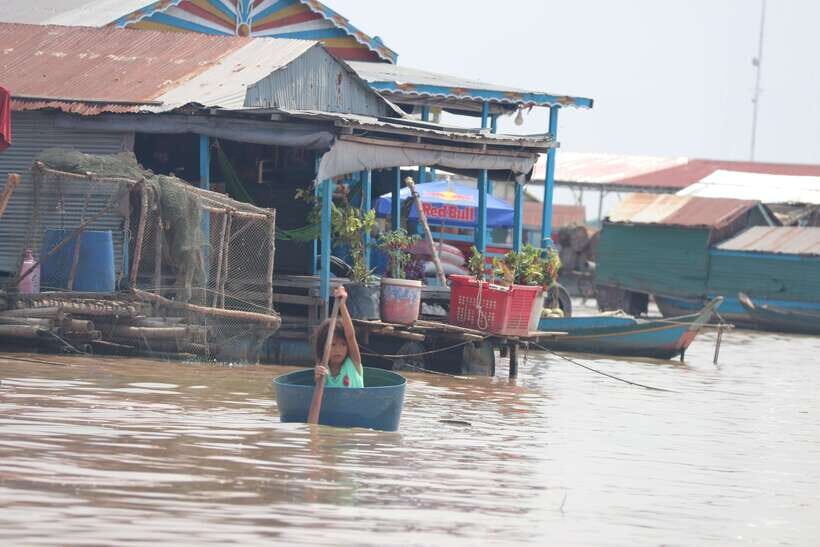
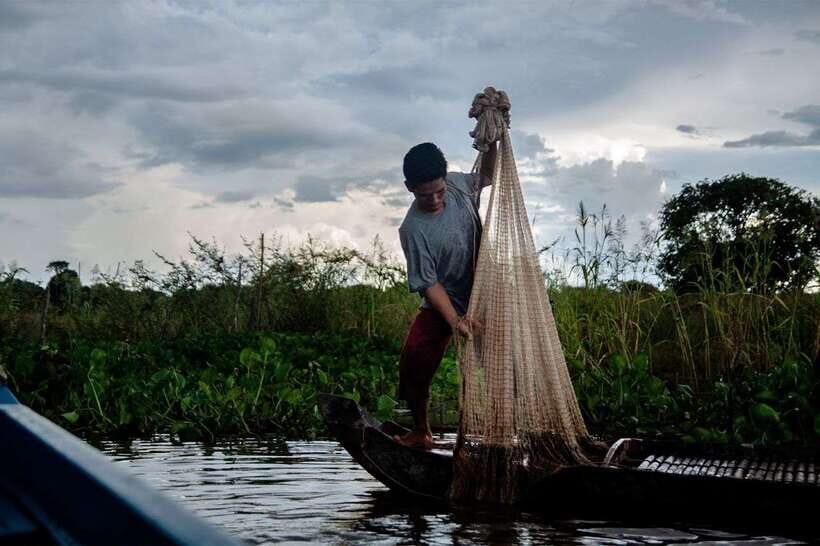
At the core of the tour is a visit to one of the largest floating villages on Tonle Sap. You travel by boat with a local English-speaking lake guide, and the circuit is built around showing you daily life—floating houses, markets, schools, and even churches.
Here’s the key value: you don’t just see structures. You learn how the communities evolved around the lake and how life continues today. The guide is also there to explain the pressures facing residents—especially threats to how people can live and work as water conditions, resources, and outside forces change.
It’s also educational in a very real-world way. You’ll be seeing a mixed community of Khmer, ethnic Vietnamese, and Cham communities. Even if you know Cambodia’s broader history, the floating setting changes the perspective. It makes the culture feel operational: where kids learn, how trade happens, how community spaces are maintained when everything is tied to water.
One watch-out: depending on the day, the amount of time you spend actually moving through the village can vary. Sometimes the route feels more like a look from the boat and nearby areas. If you’re the type who wants maximum time walking around (even though it’s a floating village), go in flexible. This tour’s strength is the boat view and guided explanations, not a long, hands-on village stroll.
Crocodile and fish farms: fun, but seasonal reality
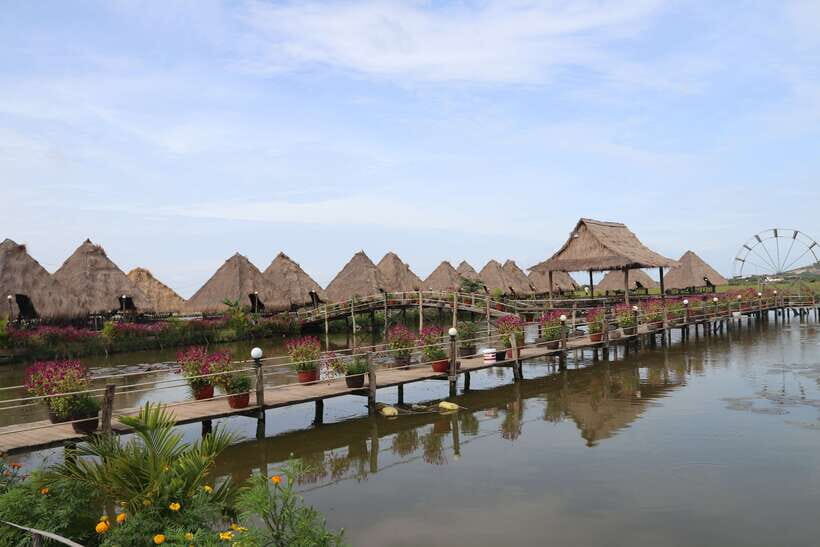
Part of the experience can include a floating crocodile and fish farm stop. That piece is listed as dependent on current water levels, which is exactly what you’d expect here—Tonle Sap is seasonal by nature, and the logistics around water-based operations shift.
The upside is that even when it’s included, it’s an eye-opening slice of how livelihoods link to the lake. You’re not just watching houses; you’re watching the lake economy.
The downside is simple: you can’t guarantee it every day. If you’re booking specifically for animal encounters, treat that as a bonus rather than a guarantee.
If you do get the stop, keep your expectations realistic. It’s likely a quick experience tied to viewing and an easy add-on in the flow of the half-day, not a long conservation workshop. Still, it can be memorable, especially if you enjoy seeing how people adapt their work to the water environment.
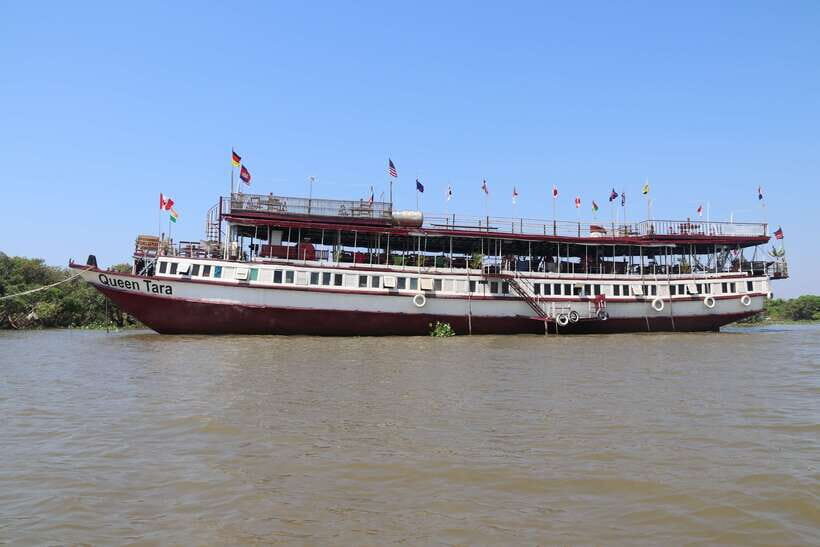
Lunch on Queen Tara: where the day slows down
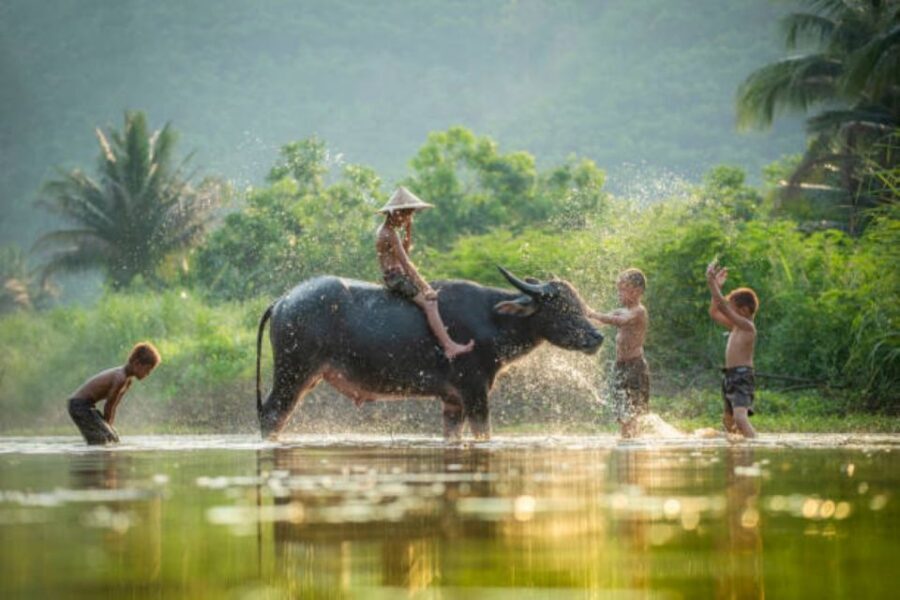
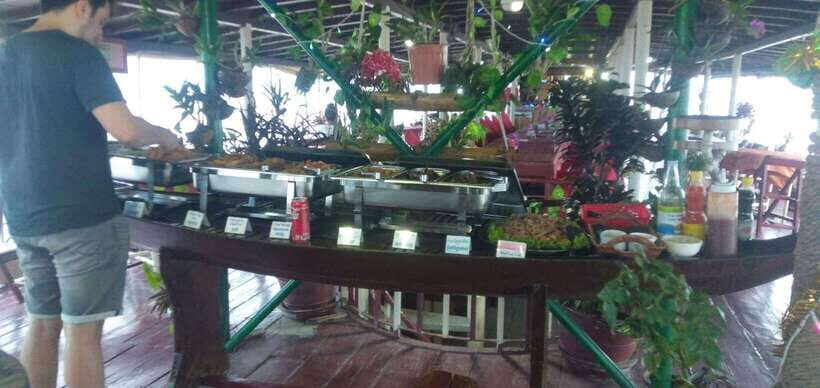
You’ll head to Queen Tara, in the heart of the floating village, for lunch and a couple of free drinks. Lunch is included, and the setup is a major part of the day’s value because it breaks up the boating portion and gives you a proper pause.
The food here tends to be a highlight. In the experience data you shared, the lunch gets described as very good and freshly cooked. That kind of detail matters when you’re paying for a day trip: you want more than a token meal.
There’s also a vegetarian option available, as long as you ask when booking. That’s worth doing early—Cambodia tours can be flexible, but you’ll save yourself stress by stating dietary needs right away.
Practical note: because you’re on a lake environment, it can feel warmer and more humid than you expect. Even with lunch, don’t overdress. Light, breathable clothes win.
Bird sanctuary time: spotting painted storks and pelicans
One of the more charming parts of this tour is the bird watching. You’ll look out for local birdlife from the neighboring bird sanctuary area. The reserve attracts a range of birds, including painted stork and spot-billed pelicans.
This is great if you enjoy quiet attention—where you pause, scan, and learn what you’re actually seeing. The guide’s explanations can turn what might be “just birds” into something you can identify and appreciate.
Bring a small camera zoom if you have one, or at least get your phone ready. Birds are fast and distance is common on water, so you’ll do better with a plan than with constant guessing.
Price and value: is $65 fair for what you get?
$65 per person for about four hours door-to-door isn’t the cheapest option in Siem Reap. But it’s not overpriced either, if you line up what’s included:
- Private boat trip
- Round-trip hotel transfers
- Entrance fees
- An expert guide and English-language lake guide
- Lunch plus drinks (at Queen Tara)
- Cold towels
For a half-day, that bundle is the whole story. You’re paying for logistics and time on the water, not just a viewpoint. A private boat and a guided explanation in a small group format usually cost more on their own in Cambodia, especially when you add lunch and entrance fees.
Where I’d be extra thoughtful is if you’re on a tight budget. This is a paid tour experience designed to run smoothly. If you want the most affordable option, you could theoretically piece together transport and a boat yourself, but the time and coordination will eat into your day. For most people, the packaged value is the point.
Who should book this floating villages tour?
I’d point this tour toward you if you want:
- A calm half-day that feels different from temples
- Real-life context about how communities work on Tonle Sap
- A small group and English guidance that actually helps
- Boat time plus a proper lunch stop at Queen Tara
- Bird watching as a bonus, not as the main event
It’s also a good choice if you like practical stories—how people adapt, what risks they face, and why certain features (like the crocodile/fish farm stop) can change with conditions.
You might skip it if:
- You want a long walk-through village experience for hours
- You’re uncomfortable with the fact that some activities depend on water levels
- You’re traveling without an adult (unaccompanied minors aren’t allowed)
Should you book the Tonle Sap Floating Villages Tour from Siem Reap?
Yes, if you like guided context and you want a half-day that genuinely changes your view of Cambodia. The private boat format, included lunch at Queen Tara, and the UNESCO biosphere setting make it feel like more than a quick sightseeing detour.
Before you book, do two simple things:
- Plan for variability: the crocodile/fish farm portion can depend on water levels, so don’t anchor your expectations on it.
- Think about your day balance: with a 10:00 start and about four hours total, this pairs well with an early temple morning or a lighter afternoon.
If you want a day that’s part nature, part community story, and part “how do people live here?”—this one fits nicely.
FAQ
What time does the tour depart from Siem Reap?
The departure time is 10:00, and the total tour lasts approximately 4 hours door-to-door.
How long is the tour?
It runs for about 4 hours in total.
Is there a private boat for this experience?
Yes, the tour includes a private boat trip.
What size is the group?
The group is limited to 11 participants.
Does the price include lunch?
Yes. Lunch is included, and it’s served at Queen Tara.
Is there a vegetarian option?
A vegetarian option is available if you advise at the time of booking.
Are transfers included from Siem Reap hotels?
Yes, round-trip transfers from your Siem Reap accommodation are included.
Can you always visit the floating crocodile and fish farm?
That part is listed as depending on current water levels, so it may vary by season.
Is this tour suitable for children?
Children 10 or under are half price, and children 5 or under are free, but children must be accompanied by an adult, and unaccompanied minors are not allowed.