REVIEW · SIEM REAP
Angkor Wat, Small Circuit Private Tour with Banteay Srei
Book on GetYourGuide →Operated by Private Siem Reap Tour Guide & Transport · Bookable on GetYourGuide
One day here can feel like a whole week. This private Small Circuit tour links the big names you came for with quieter temple details, plus village and rice-paddy views along the way. You’ll get a certified guide and driver who help you move smoothly through a packed site, and the day is designed around clear temple highlights rather than random stops.
What I like most is the attention to comfort in intense heat: cold water and cold towels during the day help a lot. I also love the private setup for families and mixed-age groups, because you can go at a calmer pace when you need it. One thing to think about up front: temple tickets and meals are not included, so you’ll want to budget for those and plan lunch time.
In This Review
- Key highlights at a glance
- How a private guide makes the Angkor day feel manageable
- Angkor Wat: the main event and the gates before the crowds
- Tonle Om Gate and Angkor Thom’s temple cluster
- Bayon Temple: the Buddha faces you can’t stop staring at
- Baphuon and the Terrace stops: smaller, more varied carvings
- Ta Keo and Suprat view: the kind of temples most people miss
- The heat-friendly lunch break that keeps the day on track
- Ta Prohm: giant trees, Tomb Raider vibes, and very real roots
- Banteay Srei: the pink lady temple and why the carvings matter
- Rice paddies and village stops: a look at life beyond the temple gates
- Value and price: what $155 per group really covers
- Who should book this Small Circuit with Banteay Srei
- Should you book this private Angkor Small Circuit tour?
- FAQ
- How long is the Angkor Wat Small Circuit Private Tour with Banteay Srei?
- What is the group size for this private tour?
- Are temple tickets included in the price?
- What meals are included?
- What language is the guide?
- Where do you pick up and drop off?
- What should I bring for the day?
Key highlights at a glance
- Skip-the-line access through a separate entrance so you start temple time faster
- Angkor Wat with a guided walk through the main complex and its famous gates
- Bayon Temple packed with enormous carved Buddha faces
- Ta Prohm where giant trees grow into the stone, also known from Tomb Raider
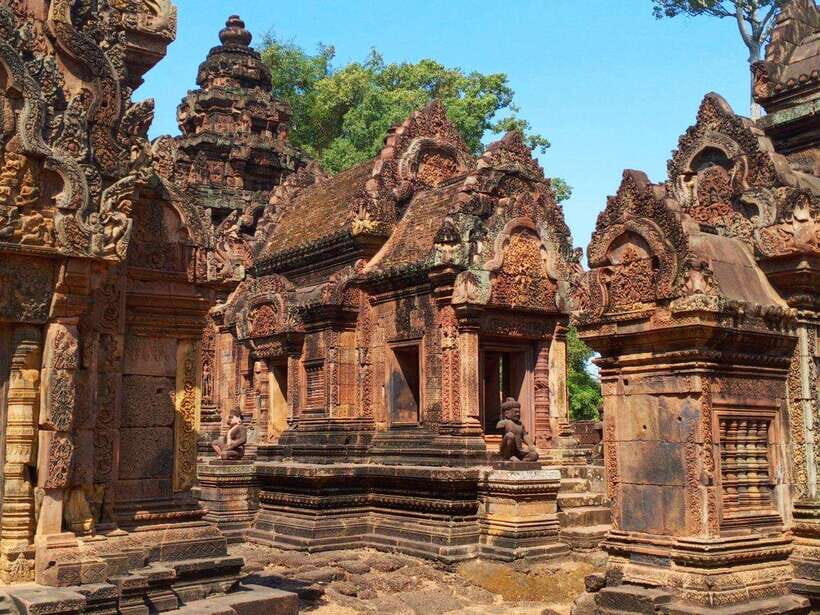
- Banteay Srei the so-called pink lady temple with some of the finest carvings in Cambodia
- Village roads and rice paddies plus a stop near palm sugar village for local conversation
How a private guide makes the Angkor day feel manageable
Angkor can be overwhelming, mainly because it’s huge and hot. This tour keeps it practical: you’re picked up from your hotel lobby in Krong Siem Reap, then you move between key sites with a licensed driver in an air-conditioned vehicle. Your guide handles the flow of walking routes and the timing, so you spend less time figuring things out and more time looking closely.
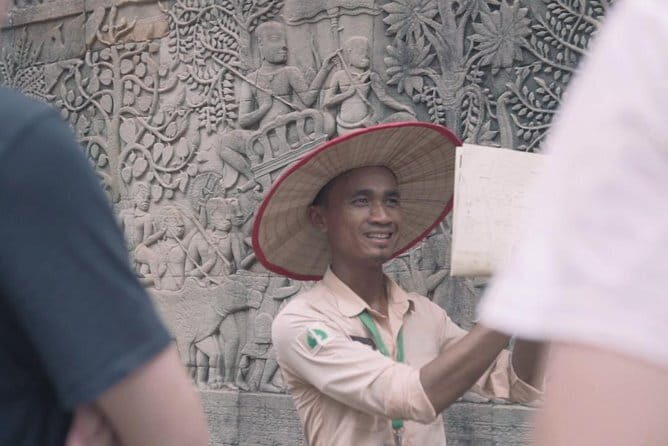
The private part matters more than people expect. Even with the temples being the same for everyone, your guide can slow down for photography, explain what you’re seeing, and adjust pace for older legs. That careful rhythm is a big deal on the Small Circuit, where you’re out of the car a lot and then back in again.
You can also read our reviews of more private tours in Siem Reap
Angkor Wat: the main event and the gates before the crowds
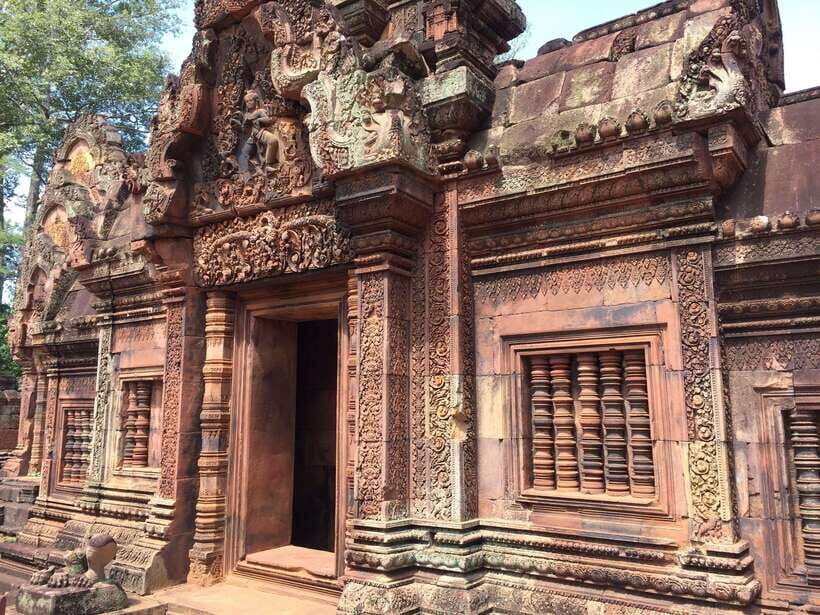
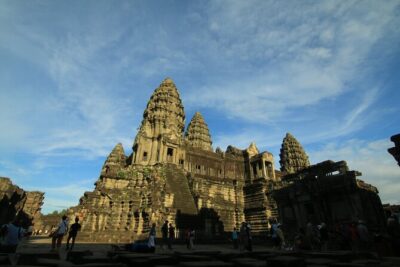
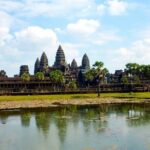
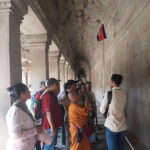
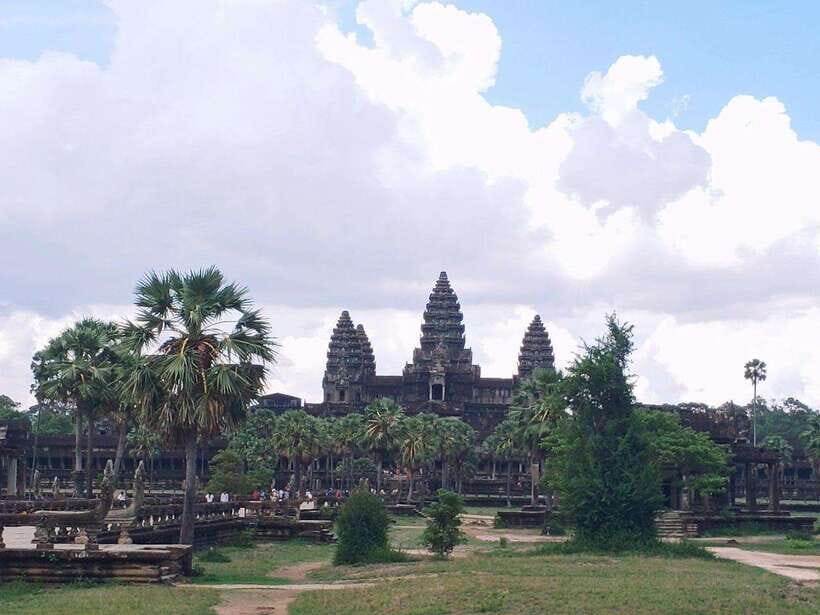
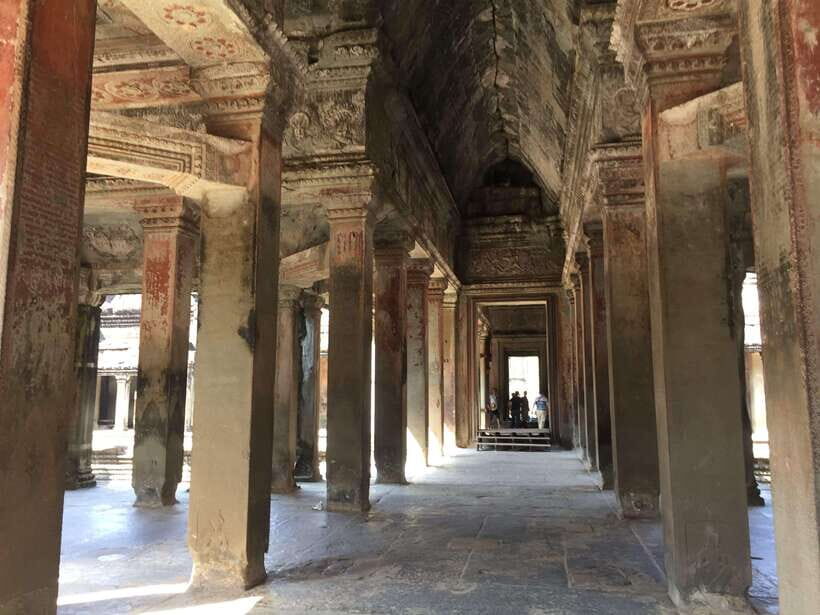
Angkor Wat starts the day with a guided visit and time to explore at walking pace. You’ll spend about 2 hours here, including a short safety briefing and plenty of time to take photos. This is the temple most people picture first when they think Angkor, and for good reason: it’s described as the largest religious temple in the world and one of the Seven Wonders.
What I find most satisfying is how your guide frames the experience. Instead of just pointing at stone, you’ll understand why it looks the way it does and what the big areas represent. There’s also time to pause and take it in from different angles, which helps you see how the whole design works as a composition rather than a single building.
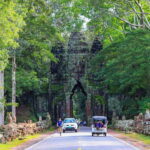
A useful built-in moment comes right after: you’ll stop at the enormous carved Buddha and Asura gate of Angkor Thom before heading on through to the next set of temples. That gate stop gives you an easy mental reset. You get a strong visual hit, then the day continues with more temple variety.
Tonle Om Gate and Angkor Thom’s temple cluster
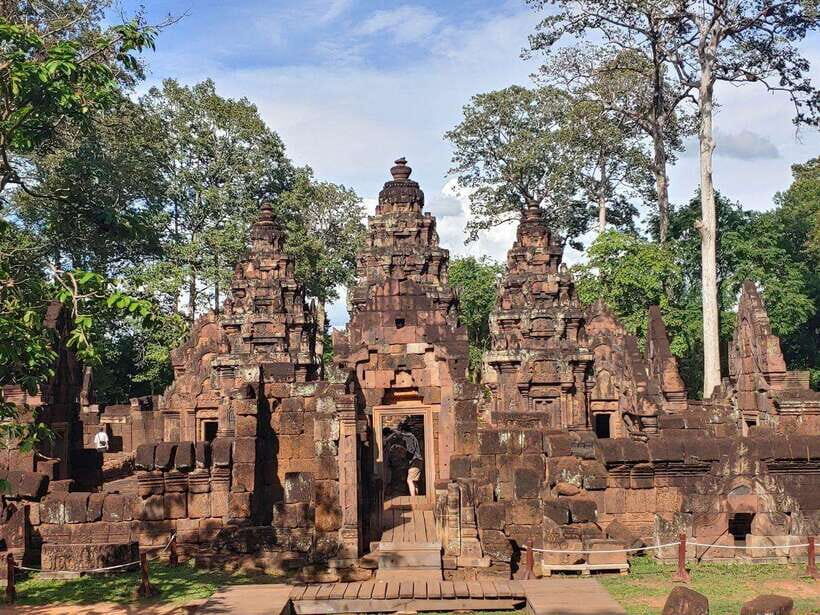
After Angkor Wat, you’ll travel toward the Angkor Thom area and stop at the Tonle Om Gate (southern gate) for photos and a guided look. It’s a shorter stop (around 25 minutes), but it works because it breaks up the morning and gives you landmarks to connect the sites.
From there, you move through the Angkor Thom zone with several temple stops. The key idea is that the Small Circuit isn’t only about one perfect temple. It’s about seeing how different rulers and religions shaped the stonework across different eras, and how the site’s layout keeps pulling your attention from one carved feature to the next.
Bayon Temple: the Buddha faces you can’t stop staring at
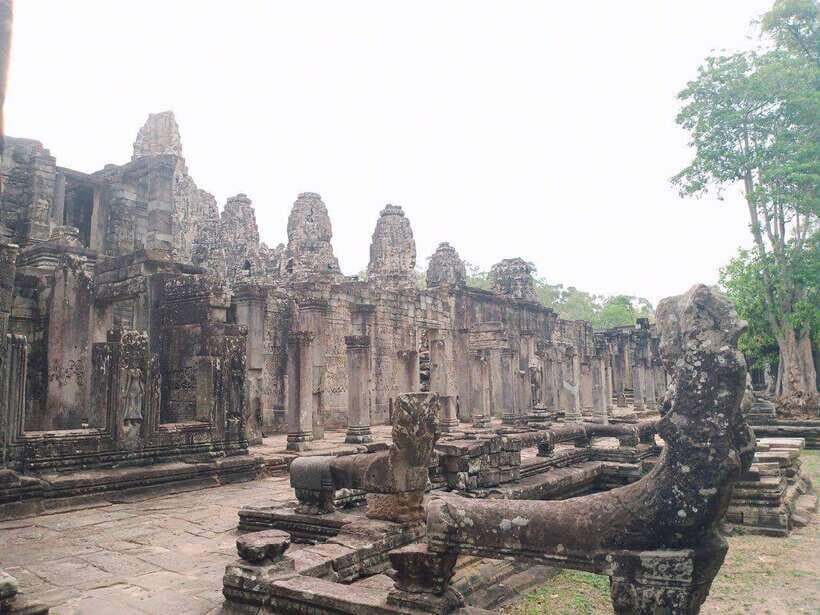
Bayon is where most people lock onto the wow factor fast. You’ll have about 1 hour here with guided sightseeing and walking time. The standout is the temple’s many enormous carved Buddha faces, repeated across the structures so you feel like the place is watching you back.
Here’s the practical tip: don’t rush to only the biggest face you can see from far away. Your guide will point out how the faces appear from different directions. That makes the temple feel more 3D and less like a single photo spot.
You’ll also likely notice how the stone textures change with light. Even in bright sun, Bayon tends to look different minute to minute because of the angle of the carvings and the way shadows sit in the details.
Baphuon and the Terrace stops: smaller, more varied carvings
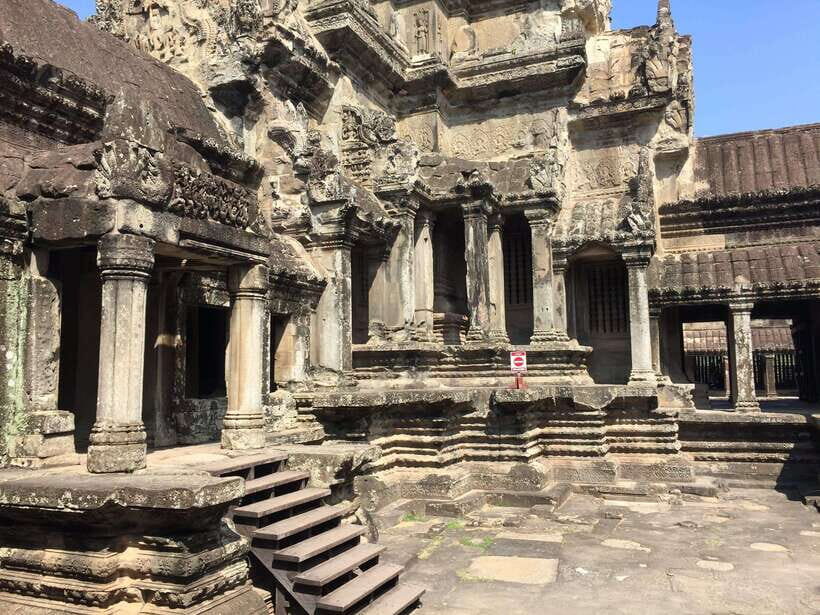
Next up is Baphuon (around 30 minutes). It’s described as a Hindu temple built earlier than Bayon, by 121 years. That detail matters because it gives context: you’re not just seeing more stone, you’re seeing shifting religious influence and architectural evolution inside the same broader complex.
Then you continue into the terraces, including the Terrace of the Elephants and viewpoints and other terrace stops with guided photo time. These breaks are short (often around 15 minutes each), but they help you catch different kinds of carving and design elements without burning your legs out early.
If you want a simple rule: use these terrace moments for close-looking. Step up when your guide invites you, and spend an extra minute on the details rather than only the big overview shots. These are the places where the craftsmanship rewards patience.
Ta Keo and Suprat view: the kind of temples most people miss
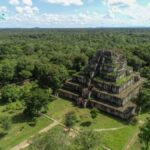
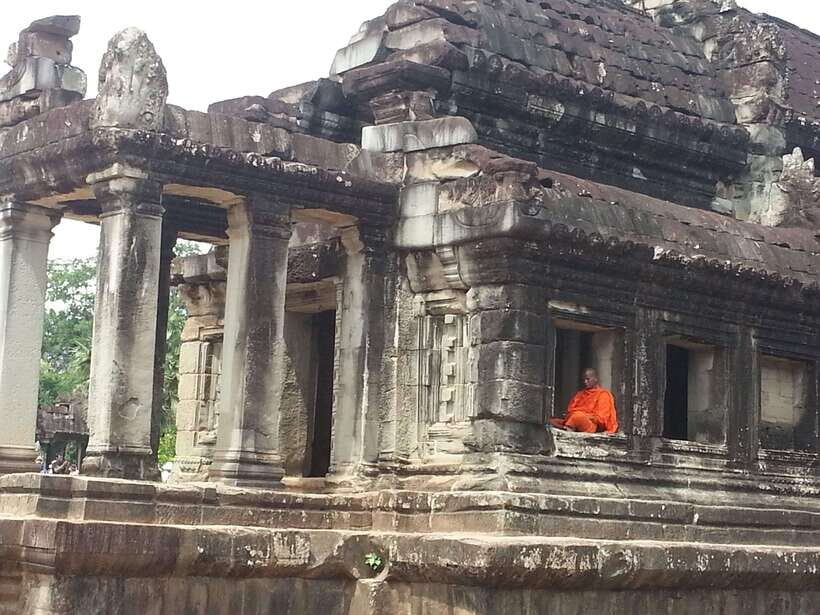
One of the quieter pleasures of the Small Circuit route is getting to temples that aren’t only about one famous feature. Ta Keo is one example, with about 1 hour allotted. It’s a huge Hindu temple built for Shiva. You’ll get guided time to walk a shaded path and take in the layout.
You’ll also stop for a Suprat temple view (and other nearby photo opportunities along the way). These short stops can feel like filler if you treat them like checkboxes. But with a guide, they work as perspective points. You start to see how the temple positions relate to each other, and how the route was designed to keep you moving through different visual zones.
The heat-friendly lunch break that keeps the day on track
Midday includes a break time and lunch window of about 1 hour. Meals aren’t included, so you’ll want to plan based on what’s available during that break. The time is still valuable because it prevents the classic mistake: trying to push through every temple stop without a reset.
This is also the moment to re-check what you have in your day bag: sunscreen, water, and something for shade. The day is built around walking, and the best strategy is simple: hydrate early, not when you feel done.
Ta Prohm: giant trees, Tomb Raider vibes, and very real roots
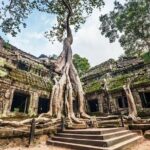
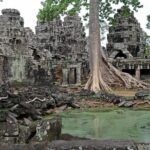
After lunch, you go to Ta Prohm, with about 1 hour for guided visit, sightseeing, and walking. This is the jungle temple famous for giant trees growing from the temple structure. It’s also widely known as the Tomb Raider temple because it was used as a location in the film.
The reason Ta Prohm feels different from the other stops is that nature has taken over in a very physical way. Stone and roots are in the same frame, and you get a layered look that’s hard to recreate with a typical temple-only walk. I like that the guide keeps you oriented so you’re not just wandering toward the most famous photo spot.
Practical note: this is the place where you’ll likely be balancing attention between the stone details and the tree growth. Take your time. A slow walk here makes it feel like a story, not a scene.
Banteay Srei: the pink lady temple and why the carvings matter
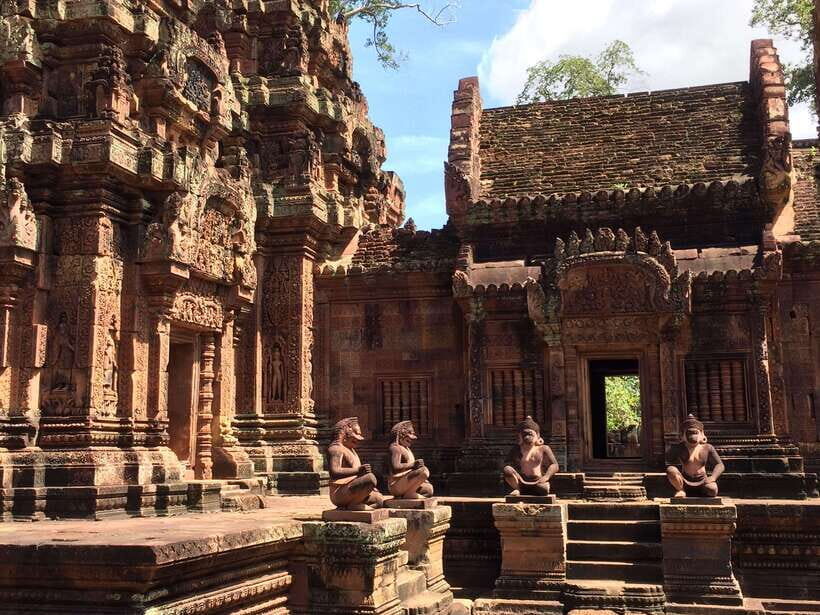
The final major temple is Banteay Srei (about 1 hour). It’s known as the pink lady temple, and it’s famous for intricate carvings. You’ll also learn it’s older than Angkor Wat, and it’s described as having some of the best temple carvings in Cambodia and the world.
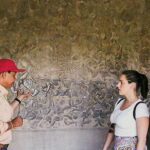
This is a smart capstone because Angkor Wat and Bayon can be overwhelming at first. By the time you reach Banteay Srei, you’re primed to look closer. The carvings are where your guide’s attention to detail pays off. You’ll notice finer motifs and how the stonework is composed, which is exactly the kind of thing you’ll miss if you rush.
Even better, your route includes scenery along the way, so you get a breather before the carvings pull you back in.
Rice paddies and village stops: a look at life beyond the temple gates
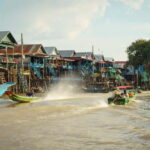
One of the nicest surprises on this tour is that you don’t only move between ruins. Along the journey you’ll see local villages and rice paddies, with time to meet local villagers if you stop near palm sugar village.
This part matters because it changes how the day feels. Temples can become a bubble, especially when you’re focused on stone and architecture. Village roads give you context for the landscape and people who live in this region every day, even when tourists are mostly passing through.
Also, these moments are where your guide can make the day feel personal. If you’re curious, this is the time to ask questions and listen. Just keep it respectful and remember this is everyday life, not a performance.
Value and price: what $155 per group really covers
The price is $155 per group up to 6 for a full day with private transport and a licensed guide/driver. That’s where the value comes from. If you’re a small group, your per-person cost can drop dramatically compared with booking separate tours, especially because you also get private time at the temples with a guide.
What’s included:
- Private air-conditioned vehicle and hotel pickup/drop-off
- Licensed driver and professional guide
- Private tour and travel insurance
- Fuel, tolls, and parking
- Cold waters, plus cold towels
- Skip-the-line via a separate entrance
- English-language live guide
What’s not included:
- Temple tickets
- Meals (you get a lunch break, but you pay for lunch yourself)
So the real budgeting question for you is not the tour price. It’s tickets plus lunch. Once you account for those, the remaining cost usually feels fair for a private, full-day, multi-temple route.
Who should book this Small Circuit with Banteay Srei
This tour fits best if you want:
- A private day with less waiting and more guided explanation
- The big temples plus the fine-cuts like Banteay Srei
- A route that includes comfort touches like cold water and cold towels
- A calmer pace than what you’d get on packed group schedules
It’s also a strong pick for older visitors or anyone who benefits from a slow, careful day. One of the best signals from real-world experience is that the pace can be adjusted without rushing you off the stones.
Should you book this private Angkor Small Circuit tour?
I’d book it if you want Angkor Wat, Bayon, Ta Prohm, and Banteay Srei in one day without feeling like you’re sprinting. The private setup, the guide support, and the comfort extras in extreme heat are the combination that makes the day feel human.
Skip booking only if you prefer to build your own route with total freedom, or if you dislike walking between multiple temples in a single day. Also remember: you’ll need to handle temple tickets and your own lunch.
If you’re aiming for the highest impact sights with a smooth flow, this is a solid way to see the Small Circuit.
FAQ
How long is the Angkor Wat Small Circuit Private Tour with Banteay Srei?
It runs for 1 day.
What is the group size for this private tour?
It’s a private group, up to 6 people.
Are temple tickets included in the price?
No. Temple tickets are not included.
What meals are included?
Lunch is not included. You’ll have a lunch break during the day.
What language is the guide?
The live tour guide is in English.
Where do you pick up and drop off?
You’re picked up from your hotel lobby in Krong Siem Reap and dropped back at your hotel after the tour.
What should I bring for the day?
Bring comfortable shoes, a hat, camera, sunscreen, and water.