REVIEW · SIEM REAP
Angkor Wat, Angkor Thom, and Ta Prohm Day Trip with Sunset
Book on GetYourGuide →Operated by Private Siem Reap Tour Guide & Transport · Bookable on GetYourGuide
Angkor’s main temples in one smooth day. This day trip strings together the big hitters—Angkor Thom, Ta Prohm, and Angkor Wat—so you see how the Khmer Empire built (and re-built) power in stone. I like that it’s guided by an English-speaking local who connects the dots, not just points at carvings.
I’m also a fan of the schedule: a full morning of major sights, then Angkor Wat in the afternoon, and a sunset push to finish at Bakheng Hill. You get structure, but not a rushed feeling.
One consideration: it’s a hot, humid walk with a moderate amount of stairs and uneven ground, so comfortable shoes matter a lot, and it’s not a great fit for everyone (kids under 12, pregnancy, or wheelchair users).
In This Review
- Key reasons this day trip works
- A one-day loop through the Khmer Empire and its greatest temples
- Meeting in Siem Reap: pickup, pace, and what walking really means
- Angkor Thom’s South Gate, Bayon faces, and the Terrace of Leper King
- South Gate: entry as a statement
- Bayon: the faces that follow you
- Baphuon, Pimean Akas, and terraces: the “supporting cast” that pays off
- Ta Prohm: when the jungle becomes part of the architecture
- Srah Srang lunch break: a pause that keeps the day from overheating you
- Angkor Wat in the afternoon: Vishnu first, then centuries of use
- Why the guide’s explanation changes everything
- What you’ll actually do on-site
- Bakheng Hill sunset: the finish that makes the whole day feel worth it
- Price and value: what $19 really buys (and what it doesn’t)
- Who should book this day trip (and who should skip it)
- Guides you might meet: the difference between seeing and understanding
- Should you book this tour?
- FAQ
- Is lunch included in the price?
- Are the temple tickets included?
- How long is the tour?
- What’s included in the tour?
- What should I bring?
- Is the tour suitable for children or anyone with mobility needs?
Key reasons this day trip works
- Skip-the-line entrance for temple time that actually feels useful
- Live English guide with serious temple context (and names like Mr Rith, Paul, David, Mr Prohm, and Bo show up in guide praise)
- Angkor Thom coverage beyond the headline gates, with stops at Bayon and the Terrace of Leper King
- Ta Prohm in its jungle mood, where roots and stone share the frame
- Sunset from Bakheng Hill, timed as a capstone before heading back to Siem Reap
- Air-conditioned transport + cold water, so the day stays comfortable between walks
A one-day loop through the Khmer Empire and its greatest temples
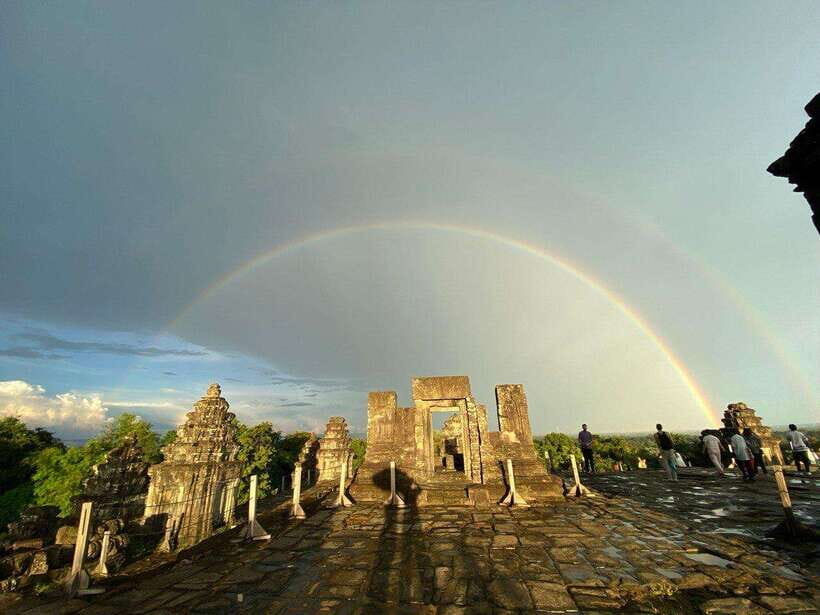
This is the kind of day trip that fits a real travel rhythm. You start in Siem Reap, head straight into the Angkor zone, and spend your daylight where the monuments earn their reputation. The best part is how the route pairs temples from different eras and styles, so you can feel the evolution without needing a university degree.
I like that the guide explains the “why” behind the scenes. Angkor Wat isn’t just pretty walls. It was built by Khmer King Suryavarman II in the early 12th century as his state temple and mausoleum at Yasodharapura (modern Angkor). And it’s Hindu in origin—dedicated to Vishnu—even though later dynasties and religious shifts brought Buddhist influence too. That mix is visible in the iconography and in how the site has kept its importance over time.
You’re also not stuck in one temple forever. You move through a set of sites—South Gate, Bayon, Ta Prohm, Angkor Wat, then the sunset viewpoint—so you get variety in stone, carvings, layout, and atmosphere.
You can also read our reviews of more evening experiences in Siem Reap
Meeting in Siem Reap: pickup, pace, and what walking really means
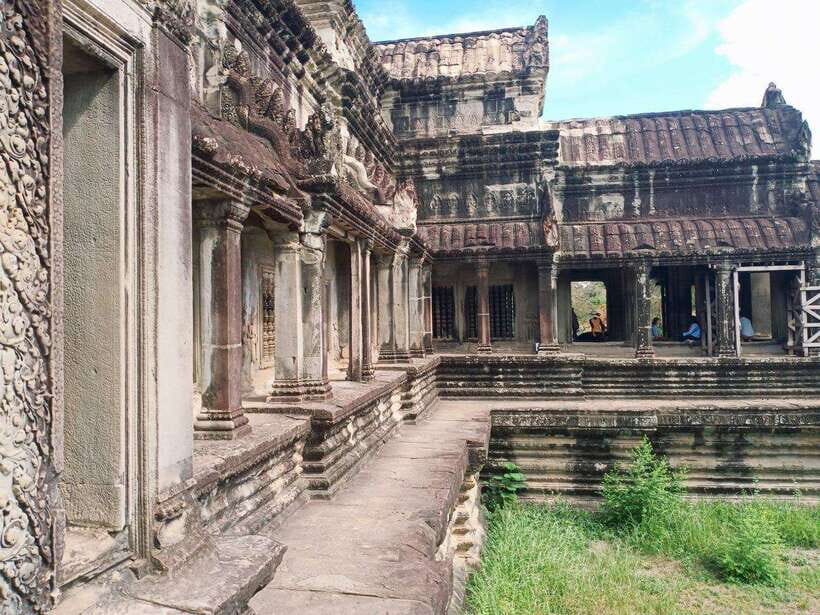
Pickup is from your hotel lobby in Krong Siem Reap, with transport by air-conditioned van. Expect about a half-hour transfer into the temple area. That matters because it protects your energy for the walking that follows.
The pace is structured by time blocks at each stop, and that’s helpful at Angkor. You’re looking at a lot of ground in a single day. You’ll want to wear comfortable shoes, bring a hat and sunscreen, and keep drinking water close by. The tour provides cold drinking water, but you’ll still feel the heat if you’re under-prepared.
You should also plan for modest dress at religious sites. Covering shoulders and knees is a smart move, and you’ll want to avoid loud, disruptive behavior. This is a working religious heritage site, not just an outdoor photo set.
Angkor Thom’s South Gate, Bayon faces, and the Terrace of Leper King
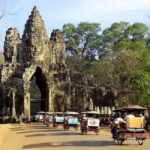
Angkor Thom is the “big walled city” moment. You’ll enter through the South Gate, then work your way through several key spots that help you understand how Angkor’s rulers wanted visitors to feel: grand, controlled, and watched.
South Gate: entry as a statement
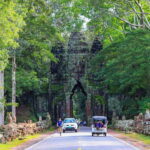
The South Gate is more than a doorway. It’s an engineered welcome—strong lines, controlled sight angles, and a sense that you’re stepping into a designed worldview. This is one of those places where your photos improve once the guide points out what you’re actually looking at.
Bayon: the faces that follow you
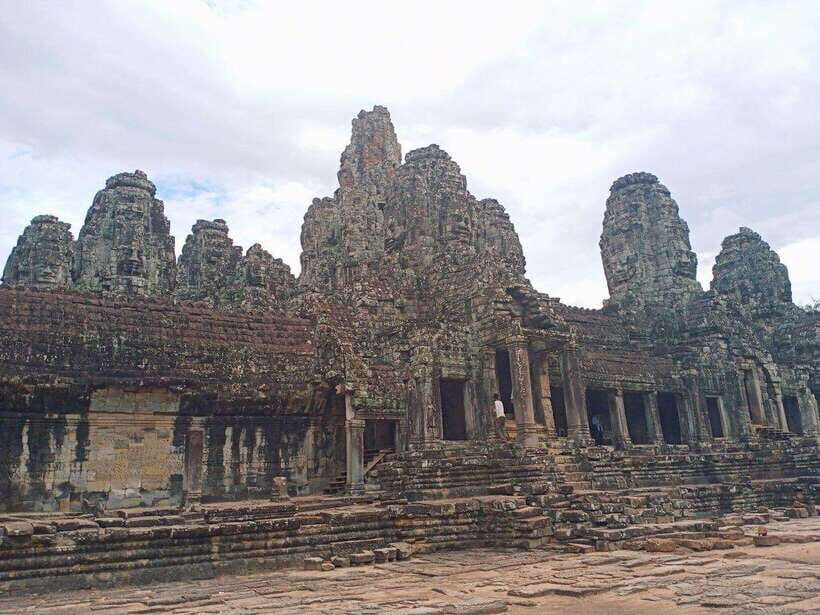
Bayon is where the temple becomes instantly recognizable. It’s famous for the many stone faces, and you’ll spend time walking the area so you can see them from different angles. The carvings and layout feel easier to read once you understand how the temple’s design supports movement and perspective.
You can also read our reviews of more tours and experiences in Siem Reap
Baphuon, Pimean Akas, and terraces: the “supporting cast” that pays off
You’ll also pass through or stop near the Pimean Akas area, and you’ll get time at the terraces, including:
- Terrace of the Elephant
- Terrace of the Leper King
These aren’t just extra stops. Terraces help you connect the dots between royal life, ceremony, and how people used the space. The Terrace of Leper King in particular draws attention because of its name and carvings. Even if you can’t memorize every figure, you can still feel how symbolism gets embedded into architecture.
If you like history explained in a human way, this part is where the guide earns their pay. In past groups, guides like Bo and Mr Rith have been praised for sharing lots of knowledge clearly, with care for how the story lands.
Ta Prohm: when the jungle becomes part of the architecture
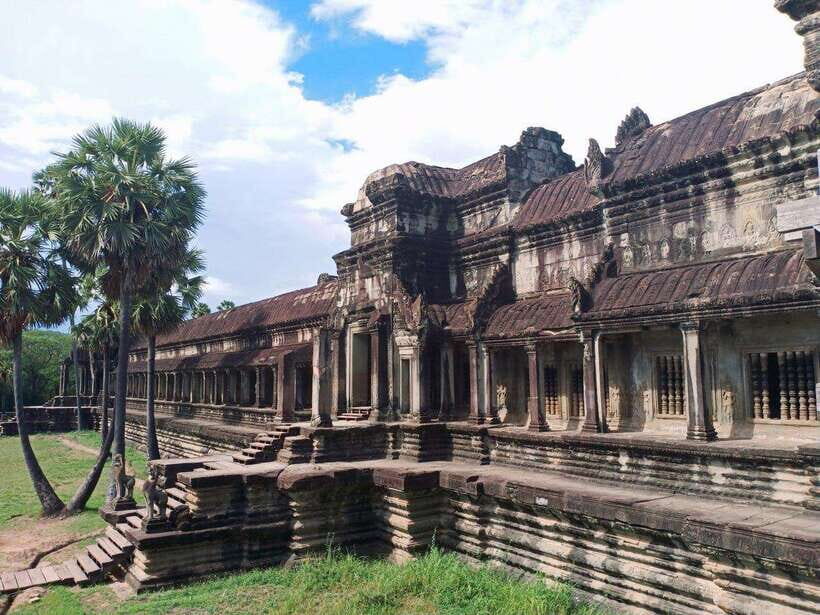
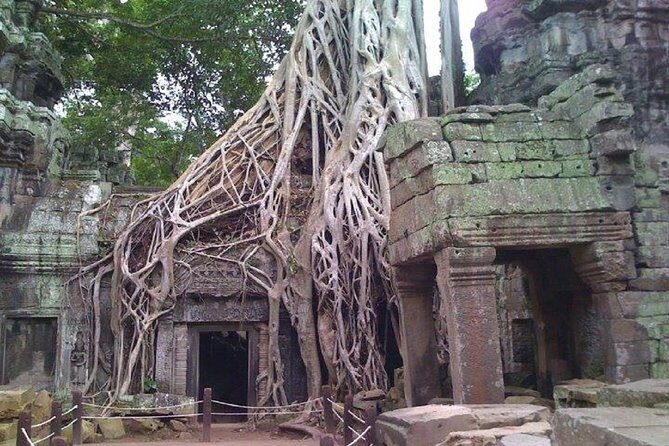
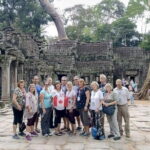
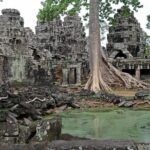
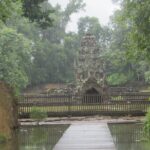
After Angkor Thom, Ta Prohm hits with a different mood. This is the temple that looks like nature moved in and refused to leave. Overgrown trees, twisting roots, and broken stone make Ta Prohm feel alive—even if you’re standing still.
You’ll get a dedicated block of time here, plus a short photo stop. The layout is worth walking slowly. You’ll want to check how shadows fall through the trees and how the framing works between trunks and doorways. A guide helps because you can focus on composition, not just crowd-spotting.
One practical tip: bring patience with the crowds and dust. You’re in a major tourist zone at a peak site, so keep your movement steady and your camera ready, but don’t rush the details. Ta Prohm is at its best when you let it look messy in a meaningful way—stone + roots as a single scene.
Srah Srang lunch break: a pause that keeps the day from overheating you
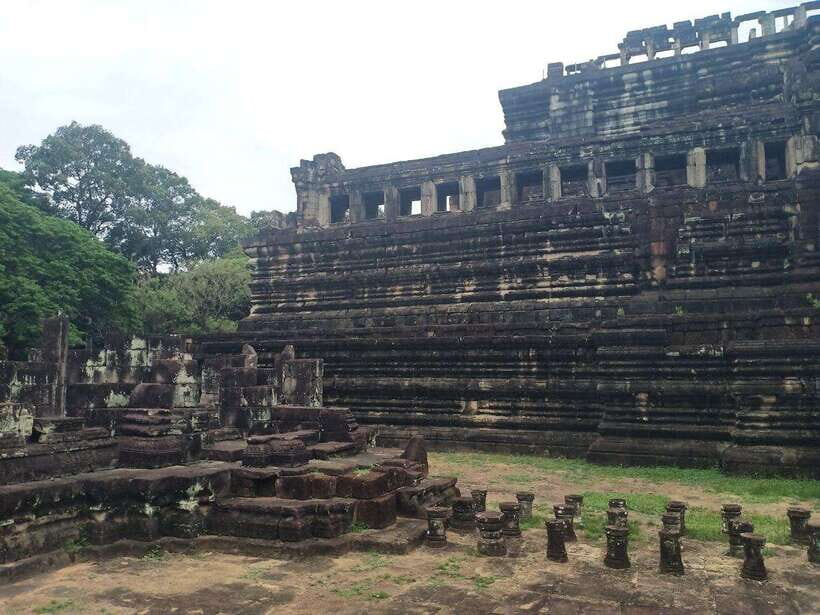
Between big temples, the tour includes a break at Srah Srang, with time for lunch. This is a smart rhythm choice. You’ve been walking, and you need a reset before Angkor Wat and the later sunset climb.
Even if you keep lunch simple, that stop matters because it gives you shade and breathing room. Hydration, a quick bite, and a chance to regroup will make the afternoon feel easier.
Angkor Wat in the afternoon: Vishnu first, then centuries of use
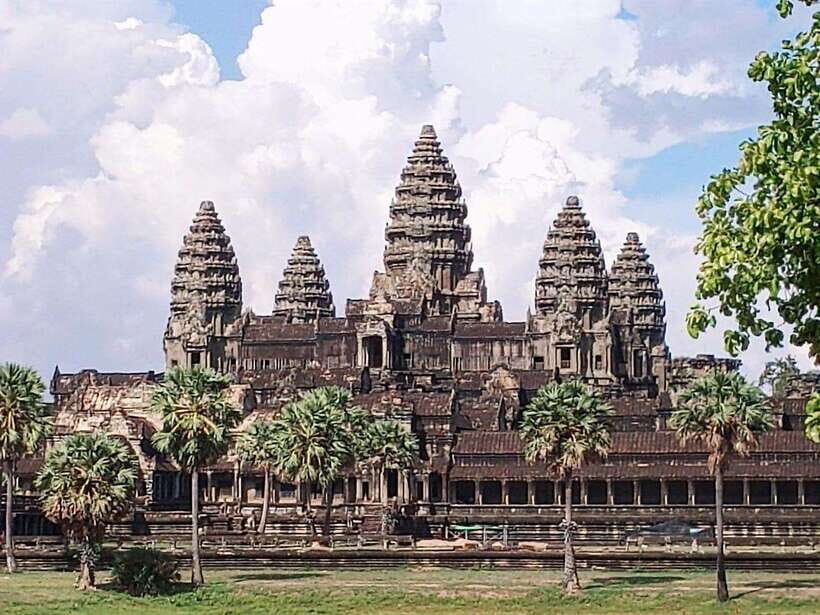
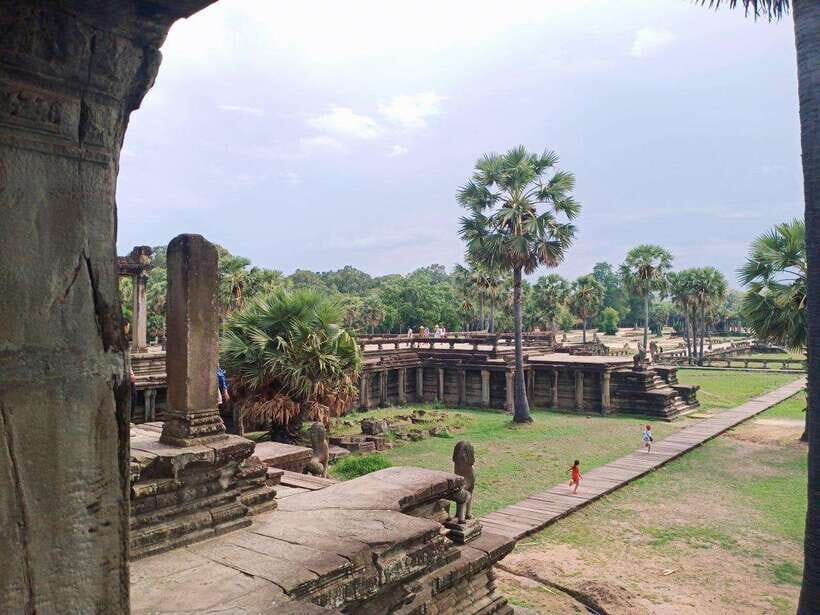
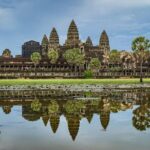
Angkor Wat is the headline, so you’ll want to treat it like a full meal, not a quick snack. The tour gives you a longer guided block here, which is perfect. At Angkor Wat, the difference between an OK visit and a great one is knowing what you’re seeing.
Why the guide’s explanation changes everything
Angkor Wat was built by Suryavarman II in the early 12th century as his state temple and eventual mausoleum. It was originally a Hindu temple dedicated to Vishnu. Later religious shifts didn’t erase it, and that’s part of why it became such a lasting symbol. It’s also often described as the best-preserved temple complex at Angkor, and it has remained a significant religious center since its foundation.
It even shows up on Cambodia’s national flag. That’s a good reminder that you’re not only looking at ancient art—you’re looking at national identity.
What you’ll actually do on-site
You’ll get guided time to walk and see key areas, plus photo stops. You’ll also get a safety briefing, and that helps with the walking and where to step.
If you’re the kind of traveler who likes architecture, take your time with proportions and symmetry. If you’re more into storytelling, ask the guide about why the temple’s design feels so orderly and why it was such a big deal in Khmer political power.
Bakheng Hill sunset: the finish that makes the whole day feel worth it
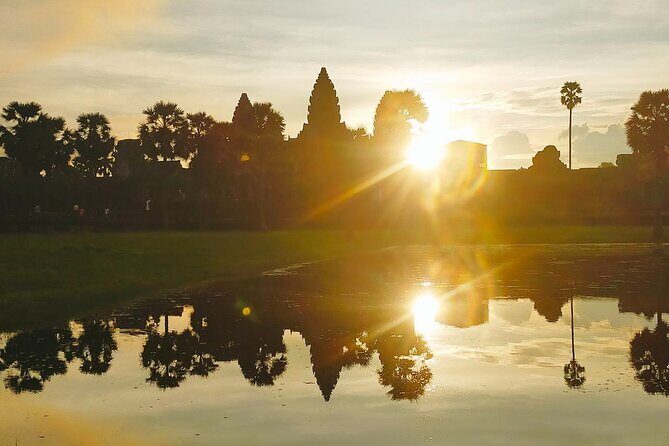
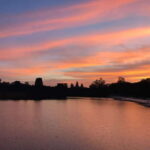
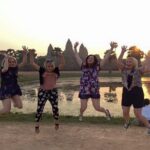
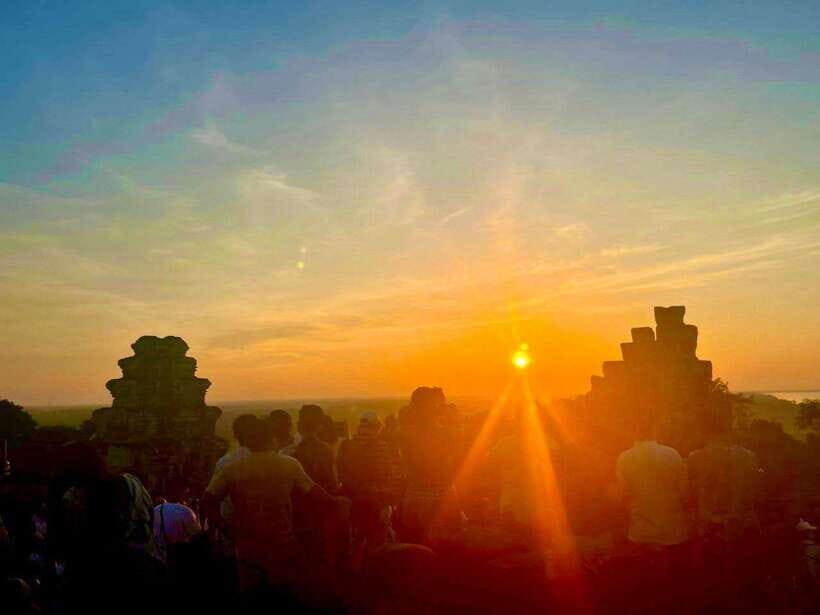
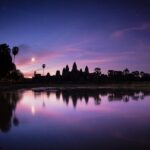
The day ends with sunset from the top of Bakheng Hill (Phnom Bakheng). This is the moment that turns a list of temples into a memory.
Sunset views at Angkor are famously atmospheric, and the advantage of doing it as part of a guided day is timing. You don’t just wander around waiting for the light to change. You know when you’re moving and why you’re there.
Practical note: this is the part where your earlier shoe choice pays off. The path and viewing area involve walking and climbing. Go steady. Keep an eye on your footing, especially with uneven ground and crowds.
Photo-wise, you’ll want to set up before the strongest light hits. Flash photography is not allowed, so plan on using natural light and adjusting your camera settings. A hat and sunscreen still matter earlier in the day, but once you’re at the hill, you’ll be grateful for the breeze and the slower pace—if it’s not brutally hot in your season.
Then you head back to Siem Reap.
Price and value: what $19 really buys (and what it doesn’t)
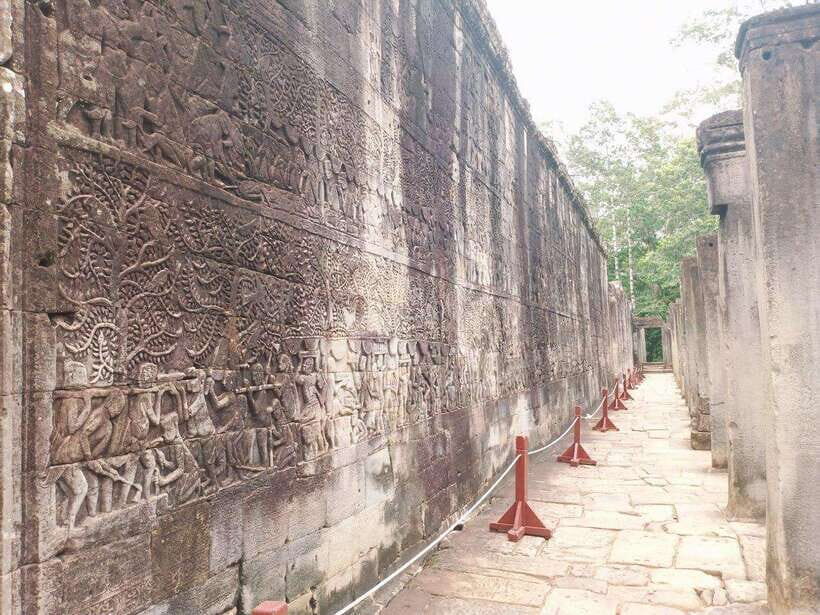
At $19 per person for a one-day guided loop, this tour is built around value. You’re getting:
- a professional English guide
- hotel pickup and drop-off
- transport in an air-conditioned van
- cold drinking water
- a skip-the-line style entry via a separate entrance
- a full day that includes both major Angkor areas and a sunset viewpoint
What you’ll still need to budget for:
- the temple ticket
- lunch
So yes, the headline price is low. The real cost depends on tickets and your lunch choice. But if you’d otherwise pay for transport and pay a guide separately, this structure usually saves money and cuts decision fatigue.
The biggest value is not just convenience. It’s the guide’s role in turning crowded monuments into something you can actually understand while you’re there. When guides are praised for being kind, thoughtful, and clear (Paul and David are named in past feedback), that’s the type of value you feel immediately—not after you get home.
Who should book this day trip (and who should skip it)
This is a strong fit if you want:
- a one-day plan that covers Angkor Thom + Ta Prohm + Angkor Wat
- an English guide who explains the history and temple layout
- a sunset finish instead of going back to your hotel early
It’s less ideal if:
- you need wheelchair access (not suitable for wheelchair users here)
- you’re bringing kids under 12
- you’re pregnant (not suitable based on the activity notes)
It can also be tough if you hate heat and uphill walking. You’ll cover a lot of ground with moderate walking and some stairs. If you’re sensitive to humidity, plan accordingly—light clothing and water help a lot.
Guides you might meet: the difference between seeing and understanding
One thing I like about this kind of Angkor tour is that the guide can completely change your experience. Past groups have highlighted guides such as Mr Rith, Paul, David, Mr Prohm, and Bo for being especially informative and caring, with clear explanations.
What that tends to mean for you in practice:
- you get context fast, so the monuments stop feeling like random stone
- you can ask simple questions and get answers that fit the moment
- you’re less likely to miss key viewpoints because someone tells you where to stand and what to look for
Even if the name changes on the day you go, the goal is the same: you should leave feeling like Angkor was understandable, not just impressive.
Should you book this tour?
Book it if you want a focused, high-value day that hits the core temples and ends with sunset. The structure is sensible: Angkor Thom sets the stage, Ta Prohm adds drama, Angkor Wat becomes the main event, and Bakheng Hill gives you a payoff.
I’d skip it if you’re expecting a relaxed, slow stroll with minimal walking, or if your group needs wheelchair access. This is a full sightseeing day in hot weather, and the “moderate walking” note is real.
If you’re on a tight schedule in Siem Reap and want the biggest Angkor hits with a guide who can explain what you’re looking at, this is an easy yes.
FAQ
Is lunch included in the price?
No. Lunch is not included. The tour includes a break time at Srah Srang, but you’ll need to plan for lunch yourself.
Are the temple tickets included?
No. Temple tickets are not included, so you should budget for them separately.
How long is the tour?
It’s listed as one day.
What’s included in the tour?
The tour includes a professional guide, hotel pickup and drop-off, transport by air-conditioned van, cold drinking water, and a skip-the-line style entrance.
What should I bring?
Bring comfortable shoes, a hat, sunscreen, a camera, and water. The tour provides cold water, but you’ll still want to stay prepared.
Is the tour suitable for children or anyone with mobility needs?
The tour is not suitable for children under 12, pregnant women, or wheelchair users.