REVIEW · SIEM REAP
Angkor wat and Small group temples Full day tours
Book on Viator →Operated by Bayon Tabi Tour · Bookable on Viator
Temple towers, explained fast and clearly. In one day, you hit Angkor Wat, Angkor Thom, Ta Prohm, and more, with a licensed English guide and easy transport between spread-out ruins. It is designed to be a UNESCO World Heritage Site overview that still feels human, even if you have limited time.
I love the pacing. You get set time at each major stop (like about two hours at Angkor Wat) without feeling glued to the back of a big tour group. I also like the way guides help you spot what matters, including photo angles and architectural details, and how some guides, such as Marin, keep things organized while still letting you move at your own speed.
One possible drawback: the price tag can jump once you add entry fees. The tour price does not include the Angkor Wat $37 per person admission, and there’s no included meal, so you will want to plan food and ticket costs ahead.
In This Review
- Key reasons this Angkor tour works
- Why this day tour feels manageable in about 9 hours
- Price and logistics: what $19 covers (and what it doesn’t)
- The first stop: Angkor Wat for about 2 hours
- Angkor Thom and Bayon: a capital-city tour inside 3 hours
- Ta Prohm: the jungle-temple contrast with 1 hour
- Terrace time: Elephants and Leper King for 1 hour total
- Baphuon for about 30 minutes: shorter stop, clear payoff
- The guide factor: why having a licensed English pro matters
- Timing, heat, tickets, and smart ways to plan
- Who this tour is best for (and who should consider another pace)
- Should you book this Angkor Wat and small-group temples tour?
- FAQ
- FAQ
- Is hotel pickup and drop-off included?
- Do I need to buy entrance fees separately?
- What is included in the tour price?
- What is the total time for the tour?
- Is lunch included?
- How long do you spend at each main site?
- How big is the group?
- Do I need an English-speaking guide?
- Can I cancel for free?
Key reasons this Angkor tour works
- Small group (max 15 travelers) for easier questions and a calmer pace
- Hotel pickup and drop-off in Siem Reap so you spend less time figuring logistics
- English-speaking licensed guide focused on history and architecture
- Air-con vehicle between dispersed temples, plus mineral water
- Timed highlights across Angkor Wat, Angkor Thom, Ta Prohm, Bayon, and key terraces
Why this day tour feels manageable in about 9 hours
Angkor can be overwhelming fast. The park is big, the sites are spread out, and most first-timers need help turning scattered ruins into a clear story.
That is what this tour is good at: giving you a structured overview. You move between major areas like Angkor Wat, Angkor Thom, Ta Prohm, and Bayon in a way that makes the day feel complete instead of random. And since it is run as a small group, you are less likely to lose your bearings when the crowd gets thick.
Also, the day is built around getting you oriented early. With a proper guide at the front, you start noticing the patterns: temple layouts, Khmer royal-era themes, and why certain places were built where they were. That makes the later stops hit harder because you actually know what you are looking at.
You can also read our reviews of more tours and experiences in Siem Reap
Price and logistics: what $19 covers (and what it doesn’t)
On paper, this is a budget-friendly full-day tour at about $19. The value comes from what is included: hotel pickup/drop-off, an air-con vehicle, an English-speaking licensed guide, mineral water, and a day plan that hits multiple top sites.
The big thing to plan for is entrance fees. The tour price does not include the Angkor Wat admission, listed as $37 per person. So even though $19 is the headline number, your real budget is tour price plus that ticket cost.
Another practical catch: there is no meal included. You should plan on grabbing lunch on your own during the day, which is fine, just make sure you do not assume it is handled for you. If you get hungry easily in heat, bring a snack that you can keep in your bag.
The first stop: Angkor Wat for about 2 hours
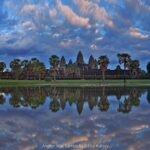
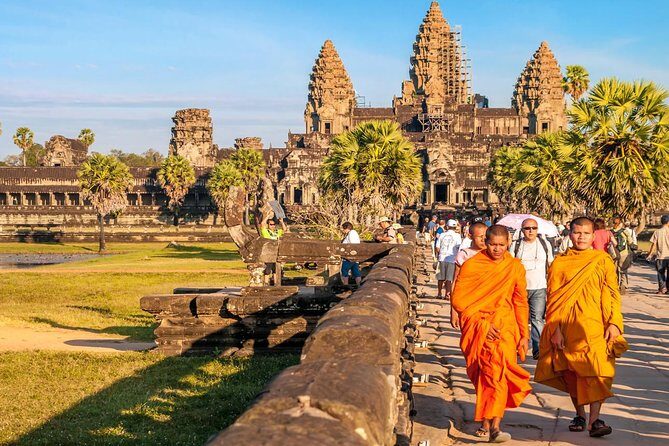
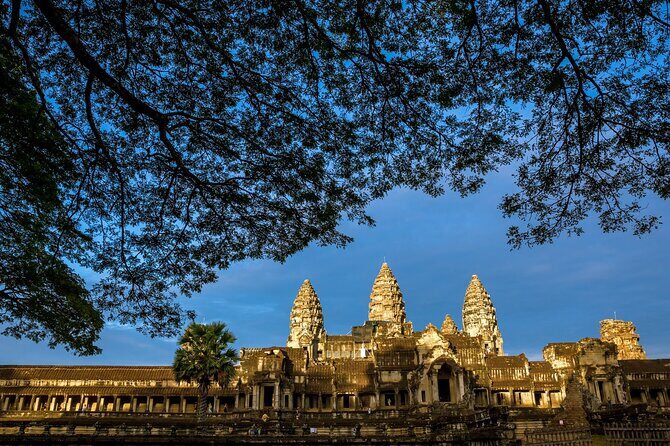
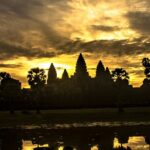
Angkor Wat is the reason most people come to Siem Reap. It is a Hindu-Buddhist temple complex, and it sits on a huge site—162.6 hectares (about 402 acres). That scale matters, because it is not just one building. It is a designed complex with space, axes, and symbolic meaning.
Two hours is the sweet spot for first-time visitors. It is long enough to take in the main parts and still short enough to avoid the mid-day exhaustion that can hit when you linger too long. And with a guide, you are less likely to miss the themes that tie the complex together.
What I like most here is the way a good guide can turn Angkor Wat from impressive walls into a readable place. You start understanding what to pay attention to—temple geometry, carved elements, and how the site is meant to be approached.
The consideration: your time at Angkor Wat is limited, and the entry fee is extra. If you arrive without energy or you expect the tour to handle everything, you may end up rushing. If you plan for the ticket cost and treat those two hours as your key orientation window, you get the most out of the day.
Angkor Thom and Bayon: a capital-city tour inside 3 hours
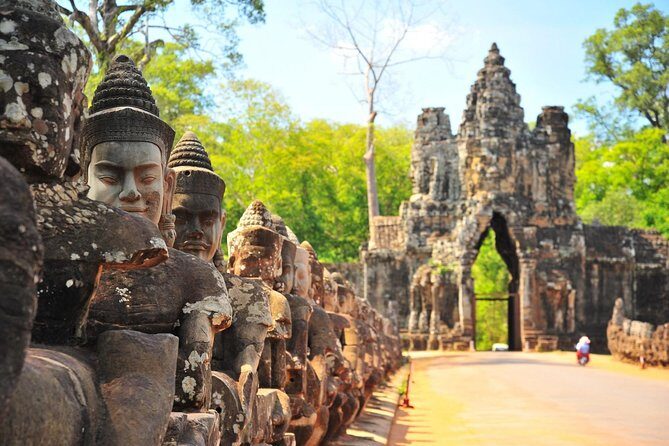
After Angkor Wat, the day pivots to Angkor Thom, described as the great city built by the ancient Khmer as their capital. It is where some of the biggest and most popular temples cluster, so it feels like a change in atmosphere—still grand, but with more of that city-wide, everywhere-you-look feeling.
Angkor Thom gets about two hours here. That is enough time to grasp the big picture and still pause for the details that make it more than a quick walk-through. With a guide, you also get help understanding why these spaces were part of the capital’s royal plan.
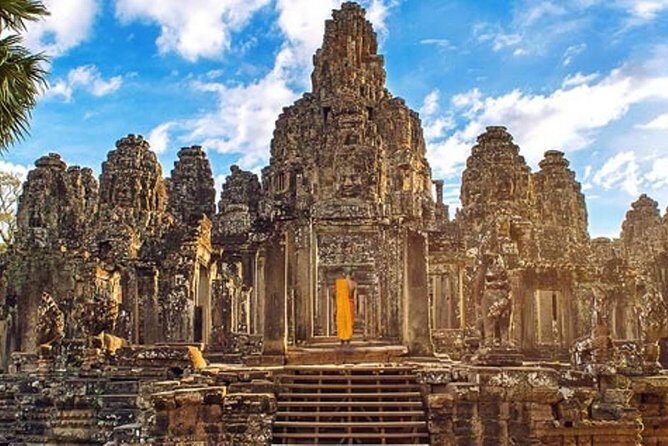
Then Bayon joins the story. Bayon is the state temple built at the end of the 12th century and connected to King Jayavarman VII. It is described as a mountain temple representing Mount Meru, which is a huge clue for how to think about the site’s meaning.
You get about one hour for Bayon. Again, it is not a long sit-and-stare stop, but it is a good length for taking in form, carvings, and temple symbolism without burning your daylight. If you are a photo person, this is one of the places where timing and positioning matter, and a guide can help you find solid viewpoints faster than wandering.
The trade-off with the capital-city segment is that you may feel temple-hopped. Bayon plus Angkor Thom is intense. If you prefer slow mornings and long explorations, you might want to pace yourself at each stop and use the guide to prioritize rather than try to see everything.
Ta Prohm: the jungle-temple contrast with 1 hour
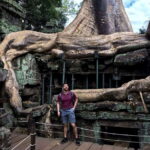
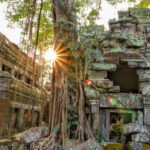
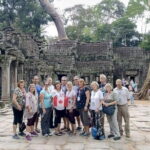
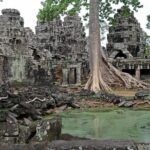
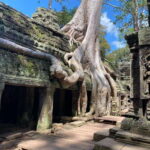
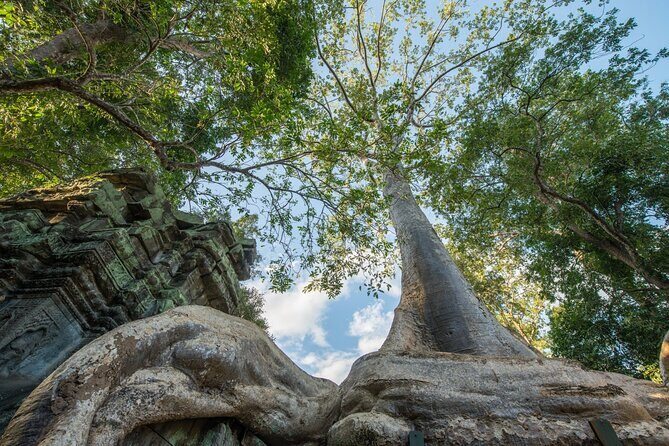
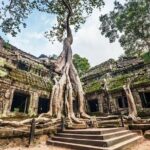
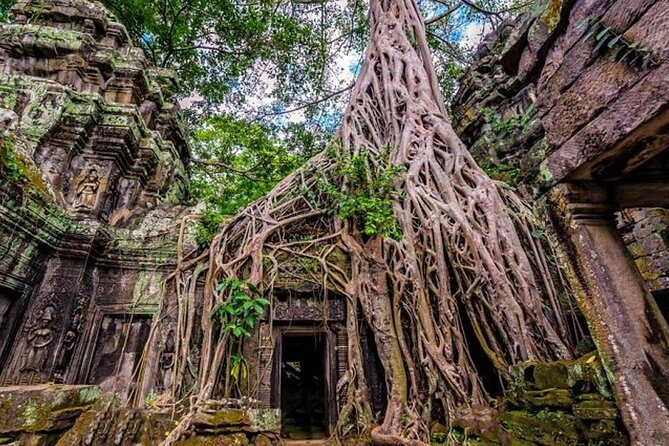
Ta Prohm is the stop people talk about because it has that living, overgrown quality. The ruins and the jungle are intertwined, creating a spectacle people remember long after the trip.
You get about one hour here. That is enough time to walk the key areas, appreciate the way nature interacts with stone, and still keep moving before you overheat. It also helps if you are trying to fit Ta Prohm into a full day without sacrificing the other major sights.
The value of going with a guide at Ta Prohm is that you do not just look at the famous look. You can notice how the temple’s structure holds up under vines and roots, and what you are seeing in terms of layout. That turns a pretty picture into a more meaningful stop.
The practical note: Ta Prohm can feel crowded and busy depending on the time of day. A small group and a licensed guide help you keep your rhythm. If you are sensitive to heat or sun, this is where you will appreciate water and breaks even if the stop is relatively short.


Terrace time: Elephants and Leper King for 1 hour total
Next come two terraces that many first-timers skate past too quickly. Here, they get about 30 minutes each, which is enough to actually look.
First up is the Terrace of the Elephants. It is one of the most visited spots in the Angkor Park. The description you get is also part of why it matters: it was created as a viewing platform to welcome back victorious armies. That means it is not just a pretty wall to photograph. It is a staging area tied to royal power and celebration.
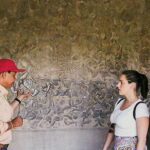
Then just north is the Terrace of the Leper King. It dates from the late 12th century and is described as a 7-meter-high platform, with a notable structure on top. Again, the guide helps you connect the stone carvings and the reason the terrace exists—so you end up paying attention to symbols and storytelling, not just scanning for the next selfie moment.
This is one of the best parts of the day for people who like texture. Up close, you see how much work went into carving and how the terraces functioned as part of the royal experience.
The drawback is simple: at terraces, there is less to do than in the big temple structures. If you are expecting a long wandering stop, you might want more time. But if you want the details without turning the day into an endurance challenge, this setup is smart.
Baphuon for about 30 minutes: shorter stop, clear payoff

Baphuon is the kind of temple that can get missed when schedules get rushed. Here, it gets about 30 minutes, and that short window is often enough if you have context.
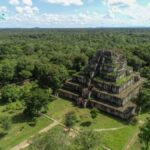
The Baphuon is located in Angkor Thom, northwest of Bayon, built in the mid-11th century. It is described as a three-tiered temple. Even in a brief visit, the tiered layout gives you a clear sense of structure and intention. This is also a good place to slow down a bit and look at how temple design changes as you move upward.
The advantage of keeping it shorter is energy management. By this point in the day, you will probably feel the heat and the walking. A 30-minute stop is a good breather while still finishing your Angkor Thom circuit with something meaningful.
If you want a huge, long photo session, this may feel too short. But if you want a well-paced overview across multiple sites, 30 minutes is a workable compromise.
The guide factor: why having a licensed English pro matters
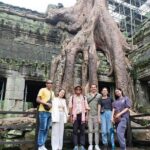
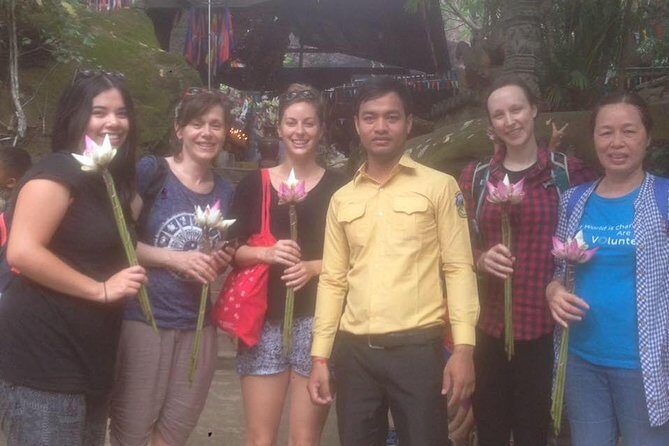
A big part of this tour’s quality is the guide. The tour includes an English-speaking licensed guide, and that changes the whole experience from wandering to understanding.
In particular, I love the way strong guides explain what you are seeing in plain language: temple purpose, major historical context, and how architecture ties to Khmer royal life. Some guides connected with this tour have been praised for being exceptionally thoughtful, letting guests explore at their own pace even if the group moves slower, and even helping with photo spots.
Even if you are not a history buff, this is the difference between seeing Angkor and getting it. You start remembering names and themes, not just shapes. And since the itinerary touches many different temple types, the guide acts like a translator for the whole day.
Timing, heat, tickets, and smart ways to plan
Angkor days are all about timing. You will be outside, walking between dispersed sites, and visiting multiple major stops. That makes a few practical choices worth your attention.
First, budget for the Angkor Wat entrance fee. The tour does not include it, and it is listed at $37 per person. If you are traveling with others, line that up early so you are not scrambling later.
Second, pack for the sun. Even with an air-conditioned vehicle for transfers, your time at each temple is on foot. Bring sun protection and water discipline. You are provided mineral water, but it can still be wise to bring a small extra snack since meals are not included.
Third, treat each stop like a mini mission. At Angkor Wat, get your orientation. At Angkor Thom and Bayon, focus on the capital and the idea of the mountain-temple symbolism. At Ta Prohm, slow down and notice nature vs stone. At the terraces, look for the story behind the carvings, not only the most photographed angles.
Finally, remember the day is set for “best of” coverage, not infinite time in one place. If you expect a relaxed, slow travel pace, you might want to pair this with a lighter evening plan after your tour. The upside is you will leave with a clear mental map.
Who this tour is best for (and who should consider another pace)
This tour is a great fit if you are a first-timer who wants maximum value in limited time. It hits the big names: Angkor Wat, Angkor Thom, Ta Prohm, Bayon, plus important terraces and Baphuon. If you are staying in Siem Reap and want a smooth day with pickup and drop-off, this is exactly the kind of structure that helps.
It also works well if you like personal attention. With a maximum of 15 travelers, you are more likely to get your questions answered and move with less crowd friction than on giant buses.
I would think twice if you are the type who wants to spend long hours lingering at a single site. Here, you get set windows at each stop. That is not wrong; it just is not designed for slow, deep self-guided wandering.
Should you book this Angkor Wat and small-group temples tour?
If you want a practical introduction to Angkor with an English guide, air-con transport, hotel pickup, and a plan that keeps you moving through the highlights, I think it’s a solid choice. The guide-led structure is especially valuable when you want to understand what you are looking at instead of just taking photos.
Book it if you can handle a full day outdoors, and if you are comfortable planning for extra costs like the Angkor Wat ticket and an on-your-own meal. Skip it or adjust your expectations if you prefer long unstructured time at one temple, since the day is designed for coverage across multiple stops.
FAQ
FAQ
Is hotel pickup and drop-off included?
Yes. Pickup and drop-off are provided from your hotel in Siem Reap.
Do I need to buy entrance fees separately?
Yes. The tour does not include the Angkor Wat entrance fee, listed at $37 per person.
What is included in the tour price?
It includes an English-speaking licensed guide, air-conditioned vehicle transport, mineral water, hotel pickup/drop-off, and a mobile ticket.
What is the total time for the tour?
The duration is about 9 hours.
Is lunch included?
No. Meal options like lunch or dinner are not included.
How long do you spend at each main site?
You get about 2 hours at Angkor Wat and 2 hours at Angkor Thom, plus about 1 hour at Ta Prohm, 1 hour at Bayon, and shorter visits at the Terrace of the Elephants and Terrace of the Leper King (30 minutes each), and Baphuon (30 minutes).
How big is the group?
The tour has a maximum of 15 travelers.
Do I need an English-speaking guide?
Yes. The tour includes an English-speaking licensed guide.
Can I cancel for free?
Yes. Free cancellation is available up to 24 hours in advance for a full refund.