REVIEW · SIEM REAP
Angkor Temples with Sunset 1-Day Tour
Book on Viator →Operated by Peacock Asia Tours · Bookable on Viator
Angkor is spread out, and public transport is not the point. This private, door-to-door day tour strings the classics together so you spend your energy looking up at temples, not figuring out how to get between them. The guide context helps the carvings make sense as you move through Angkor Thom, then Angkor Wat, then the sunset viewpoint.
I especially like the pacing and the support. You get an English-speaking guide with transportation in an A/C car or van, plus cool drinking water and cold towels during the temple trip. In the Angkor Thom morning, the route hits the key monuments (South Gate, Elephant Terrace, Terrace of the Leper King, Bayon, and Baphuon) in an order that keeps you from backtracking.
One drawback to plan for: entrance fees are not included. The temple ticket is listed as $37 per person, and meals are also on you, so your final cost will be higher than the tour price alone.
In This Review
- Key points that matter before you go
- Private Angkor day: why pickup and A/C are worth it
- Angkor Thom at 8:00 am: South Gate, Elephant Terrace, and the big royal platforms
- South Gate as your entrance to the royal city
- Elephant Terrace and the carved parade of stone
- Terrace of the Leper King and the terrace logic
- Royal palace enclosure wall and Pimeanakas views
- Prasat Baphuon: the pyramid shape inside Angkor Thom
- Bayon Temple: the smiling faces and a first-level walk
- Lunch timing and keeping your energy steady
- Angkor Wat in the afternoon: the classic you came for
- Sunset at Phnom Bakheng or Pre Rup: where the photo tips pay off
- Price and value: $44.88 vs the real day cost
- What’s included (and what you should plan to pay for)
- Guides, photo help, and the kind of day you actually get
- Dress code and comfort rules you can’t ignore
- Who this 1-day Angkor tour fits best
- Should you book this Angkor Temples with Sunset 1-Day Tour?
- FAQ
- What time does the Angkor Temples with Sunset tour start?
- Do they pick you up in Siem Reap?
- Is the Angkor temple entrance ticket included in the price?
- What temples are included in the itinerary?
- What is included during the temple visits?
- What should I wear to enter the temples?
Key points that matter before you go
- Private pickup and A/C transport reduce the stress of getting around Siem Reap and the Angkor area
- Angkor Thom morning circuit covers South Gate, Elephant Terrace, Leper King, Bayon, and Baphuon
- Cold water and cold towels help when the heat kicks in
- Sunset at Phnom Bakheng or Pre Rup with photo timing tips for less crowded angles
- English guide plus Khmer-art explanations so you know what you’re seeing, not just where it is
Private Angkor day: why pickup and A/C are worth it
If you’re basing yourself in Siem Reap, the Angkor temples can feel like a game of logistics: distance, heat, and the sheer number of steps. A tour that picks you up and brings you back changes the day from chaotic to simple. This one is set up as a private tour/activity, meaning only your group participates, not a big open-bus crowd.
The transportation is also a practical win. The itinerary is temple-heavy, so having an A/C car or van matters more than you might think. You’ll also get cool water and cold pure drinking water plus cold towels during the temple trip—small things, but they help you stay in “look, learn, photograph” mode rather than “survive the heat.”
The other advantage is the guide. An Angkor day can be overwhelming because the sites are so dense. A good guide’s job is to help you get your bearings fast: what each place is, how it connects to the city around it, and what to watch for in the carvings.
You can also read our reviews of more evening experiences in Siem Reap

Angkor Thom at 8:00 am: South Gate, Elephant Terrace, and the big royal platforms
Your day starts at 8:00 am, with the meeting point at Peacock Asia Tours. From there you’ll head into Angkor Thom, the fortified royal city. This morning block is built to show you the “city of power” side of Angkor, not just the famous postcard angles.
Here’s what you should expect in the order you’ll typically see it:
South Gate as your entrance to the royal city
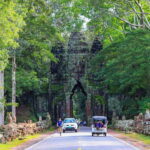
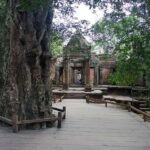
The morning begins at the South Gate. It’s a strong way to start because it frames Angkor Thom as a planned, controlled space. When you enter through a gate like this, you’re not just visiting random temples—you’re walking into the mindset of a royal city.
Elephant Terrace and the carved parade of stone
Next comes the Elephant Terrace, known for elephant carvings. This is one of those places where a guide can point out repeated patterns and the “story rhythm” in the reliefs. Even if you’re not a sculpture expert, you’ll come away with a clearer sense of why elephants show up so often at royal and ceremonial areas.
Terrace of the Leper King and the terrace logic
Then you visit the Terrace of the Leper King. Terraces at Angkor aren’t just decorative platforms—they’re part of how ceremonies and movement were organized around the temples. Pay attention to the framing: who is looking where, and how the terrace sits in relation to the structures behind it.
You can also read our reviews of more tours and experiences in Siem Reap
Royal palace enclosure wall and Pimeanakas views
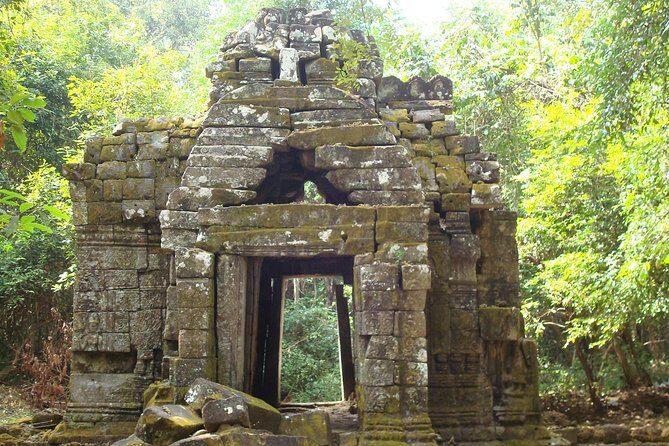
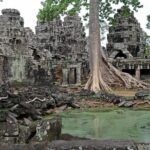
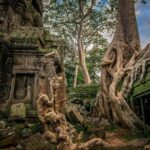
You’ll also see the enclosure wall of the Royal Palace, plus the view of Pimeanakas, described as a 10th-century temple. This stop helps you connect architecture to period context. A guide can usually explain how a place like Pimeanakas fits the larger city plan, and that makes the carvings feel less random.
Prasat Baphuon: the pyramid shape inside Angkor Thom
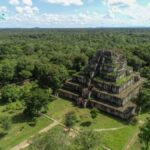
The route continues to Prasat Baphuon, noted as the big pyramid-shaped temple inside Angkor Thom. A pyramid silhouette inside a dense city is a helpful landmark—once you understand where it sits, the rest of the morning feels more organized.
Bayon Temple: the smiling faces and a first-level walk
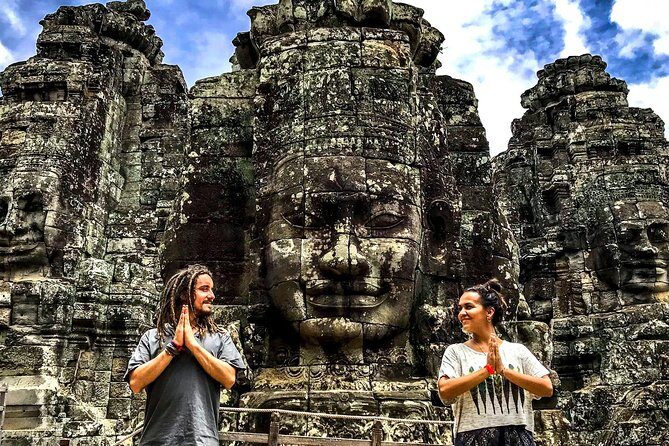
Finally, you’ll reach Prasat Bayon. This is where the mood shifts. Bayon is famous for hundreds of smiling faces, and the plan includes walking around at the first level to take in the Bayon and Angkor Thom history. That first-level loop is a smart time investment: you get a full visual sweep without exhausting yourself too early in the day.
A practical tip here is to take your time on the first ring. If you rush, the faces start blending into a pattern. If you slow down, you can start noticing how the expressions and placement vary across different sections.
Lunch timing and keeping your energy steady
The itinerary includes a pit stop for lunch during the Angkor Thom morning. Since meals aren’t included in the package, you’ll want to eat something light but filling enough to carry you into the afternoon.
Why this matters: after South Gate and terraces and then Bayon, you’ll likely be hotter than you expect. The tour does provide cool water and cold towels, but the day still involves walking and stairs. If you tend to get a low-energy mid-day crash, plan to eat before you’re starving.
Angkor Wat in the afternoon: the classic you came for
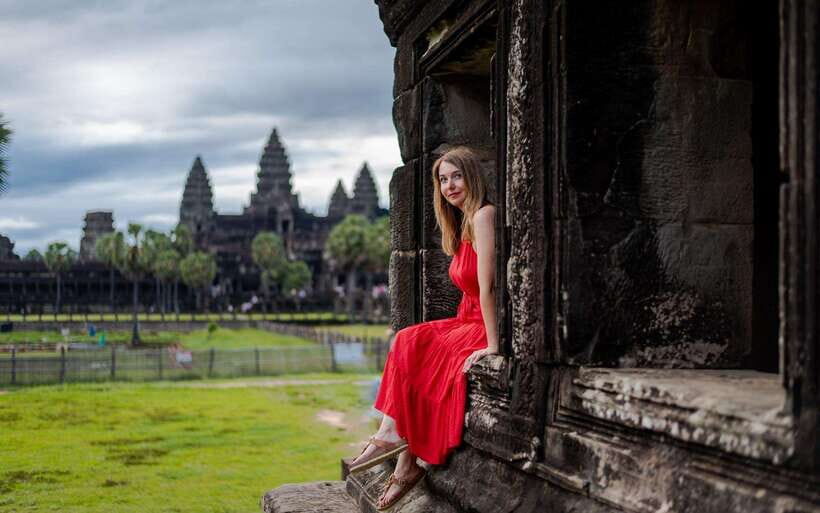
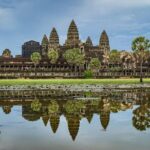
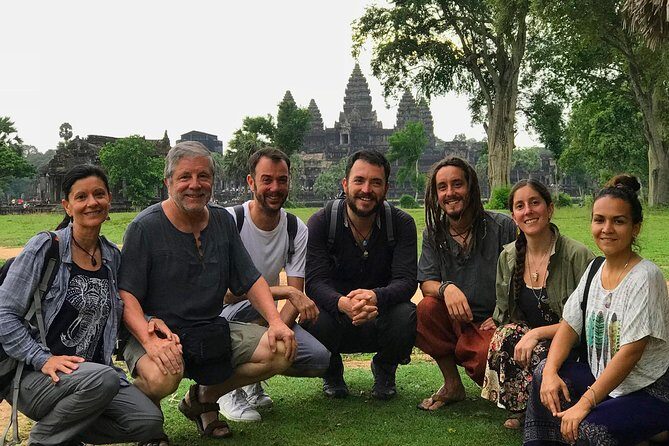
After the Angkor Thom circuit, the day moves to Angkor Wat in the afternoon. This is the moment most people save their strongest excitement for, because Angkor Wat is the icon: the main temple that anchors the whole Angkor story.
One value of having a private guide here is that you don’t just jump from spot to spot. You can ask questions as you go—about what you’re seeing, why certain details appear, and how Angkor Wat relates to the broader complex. Guides associated with this tour have been described as enthusiastic and eager to answer questions, and that kind of interaction can turn a “see it once” visit into a “I understand what I’m looking at” visit.
Another practical plus: the schedule has you arriving after the big morning push, at least compared to a pure sunrise plan. That means you may be able to spend more time looking slowly at the architecture rather than just sprinting for photos.
Sunset at Phnom Bakheng or Pre Rup: where the photo tips pay off
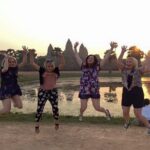
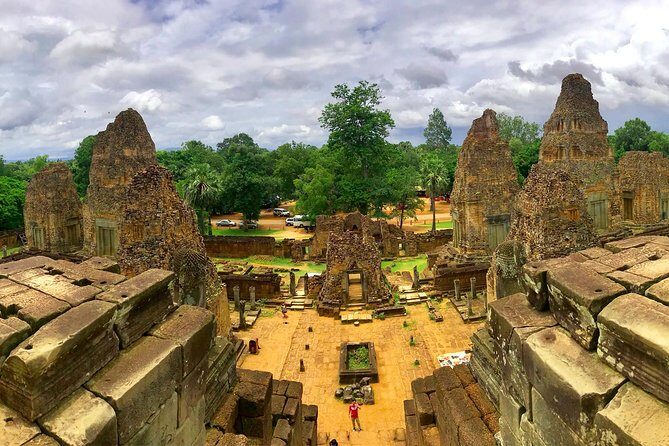
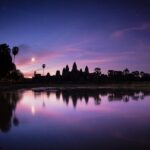
The last act is sunset at either Phnom Bakheng or Pre Rup. This is where the day clicks into a different gear. Morning is about discovering and learning; sunset is about mood, light, and timing.
What I like about this setup is that your guide is supposed to help with the best photo spots for less crowded shots. In Angkor, crowded angles can force you into the same repetitive compositions. If you can shift your position slightly based on guidance, you often get a cleaner view and a better chance at photos without constantly fighting bodies.
Also, remember that sunset points require you to be ready to wait a bit. Bring patience. You’ll get the payoff when the light starts to change and the temple surfaces look less flat and more textured.
Price and value: $44.88 vs the real day cost
The tour price is $44.88 per person, and it’s designed as a package with guide and transport included. That’s not bad for a private day, especially with A/C transport, water, and cold towels.
But here’s the financial reality: entrance fees are not included. The temple ticket is listed as $37 per person for a single day. So a realistic total for the temples alone is about $81.88 per person, before meals and any personal spending. Meals aren’t included, and you’ll also be responsible for breakfast, lunch, and dinner.
Is it still good value? For many people, yes—because a one-day Angkor plan is exactly where “logistics costs” hit hardest. If you tried to do it alone, you’d still pay for tickets and you’d likely spend money and time on transport you can’t control. This tour buys you a smooth route, an English guide, and temperature-friendly comfort during the car rides.
What’s included (and what you should plan to pay for)
Included:
- English Speaking Tour Guide
- Transportation by car/van with A/C
- Cool water and cold pure drinking water
- Cold towels during the temple trip
Not included:
- Entry fees and tickets ($37 per person)
- Meals (no breakfast, lunch, or dinner included)
- Personal expenses
If you’re trying to budget, treat meals and tickets as fixed costs, then add a little extra for water and snacks if your stomach needs it. The tour already provides water and towels, but you might want your own backup snacks in the heat.
Guides, photo help, and the kind of day you actually get
This tour is private, so guide style can make a big difference. The information you’ve got points to a few specific guide names, and the common theme is energy and assistance.
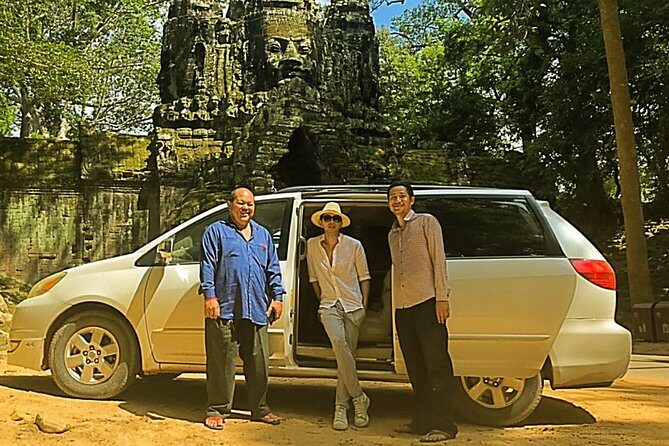
For example, guides such as Boy, Phon Seyha, Youk, and Young have been described as cheerful, helpful, and enthusiastic. They’ve also helped with photo-taking for families, offered cold drinks, and shared Cambodia and temple context along the way. That matters because Angkor is not just about landmarks. It’s about understanding what you’re seeing—faces, towers, terraces, walls—and why it was built the way it was.
Also, the tour aims at “best photo spots for less crowded shots.” That’s not just nice-to-have. It can change how many good photos you get in a day, because it reduces the time you spend stuck in low-quality angles.
Dress code and comfort rules you can’t ignore
Temple visits come with a clear dress code. The guidance is:
- Dress properly: no shorts and t-shirts unless they are long enough (shorts should be knee length; shirts should cover shoulders)
- No tank tops
- No scarf or shawl
- Wear light cotton clothes because it’s hot and humid
- Exceptions are noted for November, December, and January, when the weather is nice
This is one of those rules that can trip you up if you assume “temple = cover up.” You should pack accordingly. If you show up with the wrong outfit, you may face trouble or delays. Better to be ready with breathable covered clothing.
Comfort-wise, think about the heat and the amount of walking. Even with water and A/C, you’ll still feel the day in your legs. Wear shoes you trust.
Who this 1-day Angkor tour fits best
This style of tour is a strong match if:
- You want door-to-door private transport rather than cobbling together options in Siem Reap
- You like the idea of a guide who helps you connect Khmer art and temple layout while you move
- You want a full day that hits both Angkor Thom and Angkor Wat, plus a sunset stop
- You’re traveling with people who appreciate comfort breaks like cold towels and water
It may be less ideal if you prefer extreme freedom to wander without any set route. The day is structured, and you’ll follow the plan to see the major sights.
Should you book this Angkor Temples with Sunset 1-Day Tour?
I’d book it if you want a simple, high-yield Angkor day: Angkor Thom in the morning, Angkor Wat after that, then a sunset finale with photo help. The value is strongest when you factor in what you’re buying—a private guide, A/C transport, and temperature support—while still keeping the sights efficient.
I’d hesitate if you’re on a tight budget, because $37 entrance fees plus meals can add up fast. Also, if you show up without the correct temple clothing, you could waste time dealing with rules in the heat.
If you’re aiming for an organized day with fewer stress points and clear temple context, this one is built for that. Just go in knowing it’s not just a “cheap ride to temples”—it’s a full guided day where the comfort and timing are part of the product.
FAQ
What time does the Angkor Temples with Sunset tour start?
The tour starts at 8:00 am.
Do they pick you up in Siem Reap?
Pickup is offered, and the tour includes round-trip private transfers.
Is the Angkor temple entrance ticket included in the price?
No. Entrance fees are not included, and the temple ticket is listed as $37 per person for a single day.
What temples are included in the itinerary?
You’ll visit Angkor Thom sights including South Gate, Bayon Temple, Baphuon, Terrace of the Leper King, and Elephant Terrace, then Angkor Wat, and finish with sunset at Phnom Bakheng or Pre Rup.
What is included during the temple visits?
The tour includes an English speaking guide, transportation in an A/C car or van, cool water and cold pure drinking water, and cold towels during the temple trip.
What should I wear to enter the temples?
Wear proper temple clothing: shorts must be knee length and shoulders must be covered. Tank tops are not allowed, and the guidance says not to use a scarf or shawl. Light cotton clothes are recommended for hot and humid weather.